Transcripts
1. Welcome: Sometimes as
screenwriters, we need our protagonists to do
morally questionable things. They lie, cheat, steal,
or hurt someone. Handle it poorly, and you'll
lose audience sympathy. Handle it the way
Hitchcock does. You can make your audiences
complicit in the crime. Hello, I'm Kazotavic, a film
director, screenwriter, and academic teacher at
Polish National Film School. This course we'll analyze one of Hitchcock narrative
manipulations from psycho, how he makes us root
for Marion Crane when she steals $40,000
from her workplace. We'll break down exactly how he crafts the
perfect victim, removes our moral objections, and turns us into
willing accomplices. You'll learn how to create
unsympathetic victims, build moral equations
that justify questionable actions
and understand the psychology of
audience complicity. You're writing a heist
film or revenge story or any narrative where your
hero does something wrong, this course will show
you how to maintain audience sympathy throughout
the darkest moment. Hopefully, see you in the class.
2. The Art of Moral Manipulation: Welcome back to our analysis
of Hitchcock Psycho. In our previous
class, we explored how Hitchcock hooks us into Marion's story by efficiently establishing her
desperate situation in just a few minutes. Now we're going to witness
another aspect of his genius, how he manipulates us, our moral sympathies
to make us actually want Marion to steal the
money from her workplace. Think about it. Hitchcock
is about to ask his audience to root for a woman committing
a serious crime. She's going to steal
$40,000 from her workplace. That's about 400,000
in today's money. This should make us
uncomfortable, right? This should make us stop
sympathizing with her. But Hitchcock has a plan. He's going to introduce us to
the victim of this theft in such a way that
we'll practically be cheering for Marion
to take his money. Now, why this matters
for screenwriting? Screenwriter and
filmmakers, we often need our protagonists to do
morally questionable things. Maybe they lie, cheat,
steal or hurt someone. If we handle these
moments poorly, we'll lose the
audience sympathy. They stop caring about
our character's journey. But if we handle it
how Hitchcock does it, we can make audience
complicit in the crime. We can turn them into
coconspirators who not only understand the
character's choice but actively support it. This is one of the
most powerful tools in screenwriters arsenal the setup is this what
we need to analyze. We're going to look at the
scene where Marion returns to her real estate office
and meets Mr. Cassidy, the wealthy texan who's buying
property for his daughter. He's the man carrying
$40,000 in cash, the money that could
potentially resolve all Marion's problems with Sam. But before we break it down, I want you to watch
this scene with a specific analytical lens. This is crucial.
You need to become a student of
manipulation yourself. Not manipulation maybe
in a negative sense, but in understanding how filmmakers guide your
emotion and sympathies. So your assignment, if you
have Psycho available, watch the scene where Marion meets Mr. Cassidy at the office. The scene is also
available on YouTube. You can watch it using the link. You watch, take notes on
the crucial question. How does Hitchcock make it easy for you to dislike
this character? What specific choices did he make in the writing,
the performance, and the character's behavior so that as an audience member, become okay with Marion
taking this person's money. Here are some
things to look for. How does Cassidy
behave in the office? How does he treat Marion
and the other people there? What does he say
about the money? How do you feel about him
by the end of the scene? Use the link to watch the
scene now, take your notes, and then come back for
analysis in lesson number two.
3. Anatomy of the Perfect Victim: Welcome back. Whether you
watched the scenes or not, let me break down
exactly how Hitchcock crafts the perfect victim
for Marion's crime. Mr. Cassidy isn't
just a wealthy. He's designed to be thoroughly unlikable
in every specific way. This is surgical screenwriting. Every element of how this
character is presented serves one purpose to remove any guilt we might feel about
Marion stealing from him. Element number one, obnoxious
and disrespectful behavior. Notice how Cassidy
behaves in the office. He sits on Marion's desk, clearly feeling in
control of the situation. He complains that the office is too hot and should
be air conditioned. His entire demeanor
shows a man who believes his money gives the right
to be rude and demanding. This immediately
establishes him as someone who doesn't respect other
people space or comfort. He's imposing himself
on this workspace, treating it like he owns it just because he's
a client with money. Element number two,
inappropriate advances. Most importantly, Cassidy hits
on Marion, in my opinion. We can see that she's uncomfortable with his
advances, yet he continues. He uses his position as a
wealthy client to make her feel trapped in this
uncomfortable situation. In 1960, when this
film was made, woman had even fewer options for dealing with
workspace harassment. Marion couldn't just tell him to back off or report him to HR. She has to smile and endure
it because he's a client. Now, element number three, flaunting his wealth carelessly. Hitchcock is blunt about how little this money
mean to the man. Adi actually states that
he could lose this money, and it wouldn't even bother him. He mentions that
he never carries cash that he couldn't
afford to lose. He's essentially telling us that $40,000 is pocket change to him. Quote, I never carry more than I can afford to lose quote. He says, This is a crucial line. Hitchcock is literally giving
us permission to think, Well, if he can
afford to lose it, why couldn't Marion
take it, right? So now element number four, he doesn't need the money. We learn this money is for buying property for his
daughter as a wedding gift. It's not for necessities, medical bills or survival. It's essentially
a play money for a rich man who is showing off. Says, My daughter is getting married and I'm
buying her a house. He announces it proudly. This isn't money that will save his life or
feed his family. It's discontempuary wealth being used to display generosity, which given his obvious
obnoxious behavior, feels more like showing
off than genuine care. If he loses this money, then we will buy a house for his daughter with a
different kind of money. He takes from another
pile of cash. So this is a perfect
moral equation. Hitchcock has created
this victim, a wealthy, obnoxious man who
harasses woman and flaunts money he admits
he doesn't need. Then he creates a theft, a desperate woman in love, trying to solve an impossible
finance situation, and then he creates a stakes. He's throwaway money versus
her entire future happiness. By the time Marion
makes her decision, we're practically rooting
for her to take that money. Hitchcock has managed
our potential guilt and made us complicit
in her crime. Let's think about why this
works so effectively. This technique works because
Hitchcock understands something fundamental
about human psychology. We need moral permission
to violate social norms. In real life, most of us
believe stealing is wrong, but we also believe in context, in circumstances, I
justifies exceptions. Hitchcock gives us
that context so completely that the theft
doesn't feel like a violation. It feels like justice. And of course, you can apply
this to your own writing. So when you're
writing a scene where your protagonist does
something questionable, ask yourself, one, how can I make the
victim unsympathetic? What qualities can I give them that will remove
the audience guilt? Number two, what can I establish
as my protagonist goal? How can I make their motivation understandable and even noble? Number three, can I create
a moral equation that feels balanced or even tipped in favor of my
protagonist action? Now, you don't need to make it that obvious as
Hitchcock does. Sometimes subtlety works better. It depends on the
genre of your movie. Obviously, if you're
making an ark house piece, you have to be much
more ambiguous. Psycho is a thriller, so Hitchcock wants
you to be hooked in the story as fast as he can
and to get the story going. That's why he decided to be more obvious about who
the bad guy is.
4. The Psychology of Justified Theft and the Decision We Don't See: Now let's explore the
deeper implication of what Hitchcock has achieved and look at another fascinating choice he makes immediately
after the scene. The psychological
manipulation is so effective that when Marion later feels guilt
about her theft, we almost want to tell her
not to worry about it. After all, that
guy was terrible, and he said that the money didn't matter to
him anyway, right? This is what I call
the complicity effect. Once Hitchcock makes us
complicit in Marion's decision, our own psychological need
of consistency kicks in. We're already decided
unconsciously that taking this
money is acceptable. So when Marion
experiences guilt, part of us wants to argue
against that guilt. So it's worth noting that this technique isn't
limited to crime thrillers. You see variations
of it across genres. In heist films like Ocean 11, they made the casino
owner cold and cruel, so we root for the thief. In revenge films, show us the terrible crimes committed
against the protagonist, so we accept their
violent payback. Romantic comedies often make one partner in existing
relationship unlikable, so we're fine with the protagonists stealing
their love interest. The principle remains the same. Remove moral objections
by carefully managing how we perceive
all parties involved. Here is another fascinating Hitchcock choice
that many directors, myself included, would
handle differently. Immediately after Marion
leaves the office, we see her at home packing
the money to her bag. We never see her
decide to steal it. Most directors would show the character's
internal struggle, maybe a scene at a bank where she's supposed
to deposit the money. She's having second thoughts, then changing her
mind completely. Would see the moral wrestling, the moment of decision. But Hitchcock cuts
straight to the aftermath. He knows we'll figure out
what happened when we see the envelope on her bed and
her packing her suitcase. Now, why skip the decision? This is Hitchcock
efficiency again. He doesn't waste time on what
he considers unnecessary. He trusts his audience to
understand what happened and focuses on maintaining
the suspense and forward motion of the story. But there's something
deeper here, too. By not showing us the exact
moment of this decision, Hitchcock doesn't
give us a choice to second guess our complicity. If we watched Marion
struggle with the decision, we might start feeling
uncomfortable again. We might remember that
stealing is wrong. But by jumping straight
to the aftermath, Hitchcock keeps us moving
forward with Marion, still caught up in that moral equation he
created in the office. As a director myself, I can tell you that
we the storytellers, always look for moments where
characters make decisions. We want to show the struggle. This is basic. It's
what we look for, what we're trained to see
on the screen, right? We even make pauses
in the scenes so the audience can watch the character wrestle
with their choice, see them change their mind. Can easily imagine
myself writing a scene where Marion sits in
her car outside the bank. The envelope with the money
is on the seat next to her. She has this very basic concept of freedom right in
front of her, right? For most directors,
this would be the most important dramatic
moment in the film, the crossroads, right, where the character makes a decision. Hitchcock decides he
doesn't want that. He's so sure about what
this movie is about. What's important in
the story that he consciously chooses not to show us the character
at the crossroads. We only see the aftermath. This is a kind of breaking the rules of what's
attractive to directors, what we are drawn to. But he does it so consciously. More interested in the
auctions consequence than in the psychology
of the decision itself. This is one of the things that makes his film so propulsive. They keep moving
forward relentlessly. They move so quickly
that we don't even stop to think about
something crucial. It's not actually Cassidy
who's going to lose the money. It's Marion's kind boss. So in this way, he's creating
kind of a double victim. Think about this. The
screenwriter of psycho, Joseph Stefano, could have
made things much simpler. Why not make Cassidy
Marion's boss? You could easily write a
script where she's working in a horrible place with a horrible boss who
deserves to lose his money. The moral equation
would be crystal clear. Hitchcock wanted it both ways. He wanted Marion to feel
guilty even while we, the audience, feel
okay about the theft. Notice the construction here. Cassidy is the client, the obnoxious rich man we
want to see lose his money. But Marion's actual boss is shown as a caring
person who worries that Marion has a headache and insists she go home early
to take care of herself. He's kind, he's considerate.
He doesn't deserve this. So Marion ends up stealing
from both men, from Cassidy, who we feel should
lose his money and from her boss who's
done nothing wrong. Money belongs to Cassidy, but the immediate victim, the person who will
face consequences for losing it, is the boss. This creates a moral complexity
that Hitchcock wanted. He needed us to be comfortable enough with the theft to
follow Marion on her journey, but he also needed Marion
herself to feel genuine guilt. The film requires
her to be tortured by this decision for
the narrative to work. By structuring it this
way with Cassidy as unlikable source of the money and the kind boss as
the actual victim, Hitchcock achieves
both goals at once. The narrative function of this dual victim structure also serves a purpose in
keeping the story moving. We're caught up in
the moral equation Hitchcock creates with Cassidy, so we stay with Marion. But she's caught up in the reality of what
she's done to her boss. So she stays tormented
and conflicted, which is exactly the
psychological state the story needs her to be in when she
arrives at Bates Motel. As a screenwriters, we
can learn from this. Not every decision needs
to be shown in detail. Sometimes the most
effective choice is to skip the deliberation and jump
straight to the consequences. And sometimes the
most sophisticated moral setup isn't simple. It's layered giving
different characters, different relationships
to the same action. What this means
for your writing, when you write characters
makes a crucial choice, ask yourself, have I
already established enough motivation
that the audience will understand this decision? Number two, will showing the decision making process add genuine value or will it
slow down the narrative? Number three, is there a way to reveal the
decision through action and consequence rather
than internal deliberation? Sometimes the most powerful way to show a character's
choice is to simply show them living with the consequences
of the choice.
5. Class Project: Finding the Perfect Victim: Now it's time to apply
what you've learned by analyzing how another film
uses the same technique. Your assignment, watch the
scene from Ocean 11 where Matt Damon and Brad Pitt characters talk
about their target, Terry Benedict, played
by Andy Garcia. The Ocean 11 scene is available on YouTube.
I'll link it here. In this scene, the
filmmakers establish Benedict as unsympathetic
entirely through dialogue. By the end of this
3 minutes scene, we're already rooting
for Matt Damon and Brad Pitt. What to look for. Ask yourself when
you're watching one specific details about Benedict that make
him unsympathetic. Number two, what happened to
the person who crossed him, which means betrayed him. Three, how the dialogue paints a picture without
showing us anything. Post your analysis, share your findings in the
project section, and you can also write
how this scene uses tell don't show to achieve what Psycho achieved
with Show Don't Tell. Remember, both films meet
us to accept serious theft. Psycho shows us Mr.
Cassidy being obnoxious. Since 11 tells us about
Benedict's ruthlessness. Both techniques work because they use specific
concrete details. If you want to go
deeper, try this. Think of a script you're
working on or want to work on where your protagonist needs to do something
morally questionable. Using Hitchcock's
technique as a model, write a brief scene,
one, maybe two pages, where you introduce the victim
of the protagonist action in the way that removes the
audience's moral objections. Share this in the
project section as well, and we can discuss how efficiently you've
applied the technique. Bonus challenge number two,
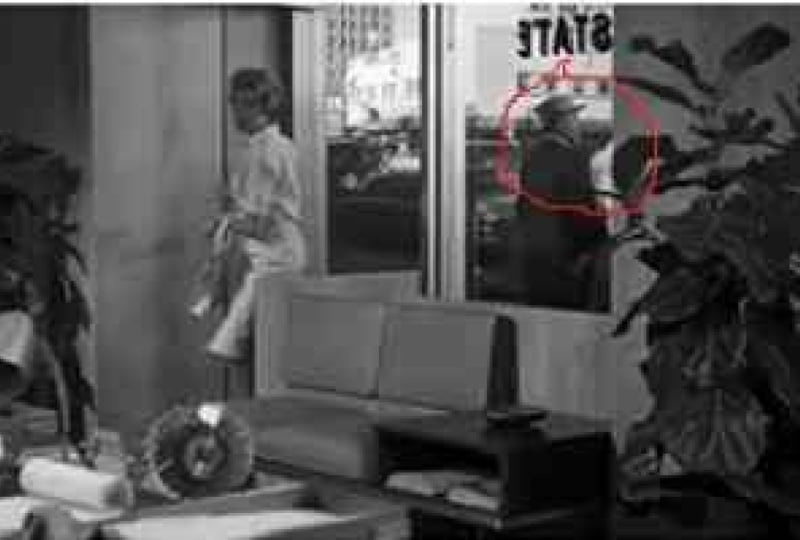
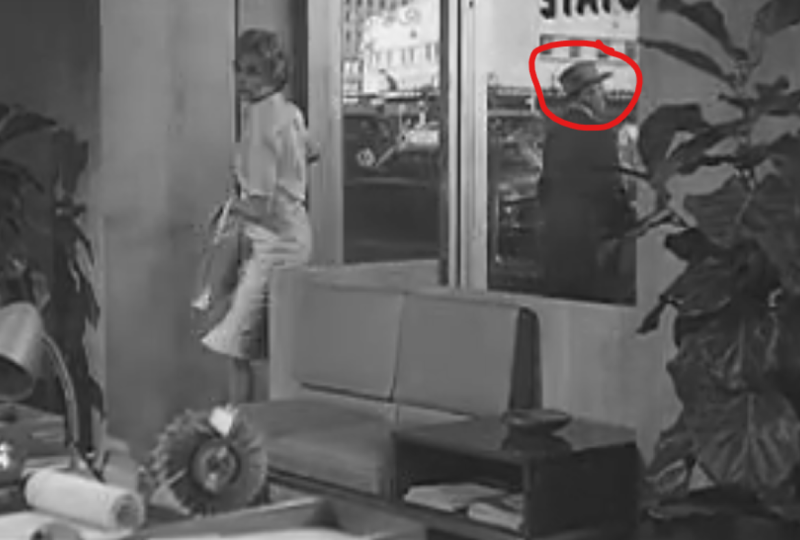
Hitchcock cameo, okay? Here's a fun side note. Hitchcock famously appeared in cameos in most of his films, and audiences loved
trying to spot him. Later in his career, he realized these
cameos were distracting viewers who spent
the entire movie looking for him instead
of following the story. So he started appearing closer to the
beginning of the film. That way, people
could spot him early on and then focus on a movie. See if you can spot
Hitchcock in the scene. If you share the screenshot. Now you understand two of
Hitchcock's major techniques, how he hooks us into caring about characters
in just minutes, the knowledge from
the previous class, and how he removes
our moral objections of following those characters when they try
questionable things. And this is in this class. Our next class, cinematography, how to make Impossible
camera angle feel natural and invisible, we're going to shift
from screenwriting to pure cinematic techniques. So we'll analyze that brilliant overhead shot where Norman
carries his mother downstairs, a scene where Hitchcock
needed to show us something without revealing
the film's biggest secret. Like this, don't forget to follow me on Skillshare
for more classes, on screenwriting
and film analysis. You can also visit my website, seen and explain for additional
resources and insights. I look forward to seeing
your projects and hearing your thoughts on the moral
manipulation techniques we've just explored together.
 Piotr Złotorowicz, Screenwriter & Director