Transcripts
1. Welcome: How long did the last
movie you watched take before you actually cared
about the main character? 10 minutes, 20, half an
hour. Here's the problem. Some screenwriters
take way too long to make audience care about
their protagonist. By the time the
story gets moving, viewers have already
checked out. But Alfred Hitchcock,
he could make you completely invested
in a character in just a few
minutes of dialogue. Piotr filmmaker and
film school teacher. And in this mini course, we're breaking down the opening
scene of Psycho to show you exactly how Hitchcock
hooks audiences instantly, establishing what characters
want, what's stopping them, and why we should care, all in 4 minutes, 4 minutes. Learn this technique, and you'll hook your audiences
from page one. Hopefully, see you in the class.
2. Why Character Setup Speed Matters: Welcome to this mini
class on one of the most crucial skills
in screenwriting, establishing your characters
quickly and efficiently, so audiences immediately
care about them. Most aspiring screenwriters
make the same mistake. They take 20, 30, sometimes 40 minutes
on screen time before audiences understand
who their characters are and what they want. By that point, viewers
already checked out. Alfred Hitchcock understood
that you have minutes, not half an hour to make audiences emotionally invest
in your protagonists. In the opening scene of Psycho, Hitchcock accomplishes it in just 4 minutes of dialogue between Marion Crane
and her boyfriend, Sam Lounis, we understand
everything we need to know about these characters.
We know what they want. Know what's preventing
them from getting it and why we should care
about their struggle. This isn't luck. It
isn't good acting. It's just masterful
screenwriting. When we're writing
character introductions, you need to establish three essential elements
as quickly as possible. First, what does
this character want? Not in some vague
philosophical sense. What is their concrete,
understandable goal? Second, what's preventing
them from getting it? What is the obstacle
internal or external? That creates conflict. Third, why should we care? Makes this characters struggle relatable or compelling
to an audience? If you can establish these
three things efficiently, we've hooked your audience. They follow your characters
anywhere because they understand and care
about their journey. Before we analyze how
Hitchcock achieves this, I want you to watch the
opening scene of Psycho, the hotel room conversation
between Marion and Sam. It's the very first
scene of the film. As you watch, answer
these three questions. One, what does Marion want? What is her goal, her desire
in this relationship? Two, what does Sam want? What is his
motivation, his goal. Three, what is the
central conflict? What is the obstacle preventing them from
getting what they want? Okay, watch the scene now. Take notes, then come back to the next lesson where
we're going to break down exactly what Hitchcock reveals and how he does
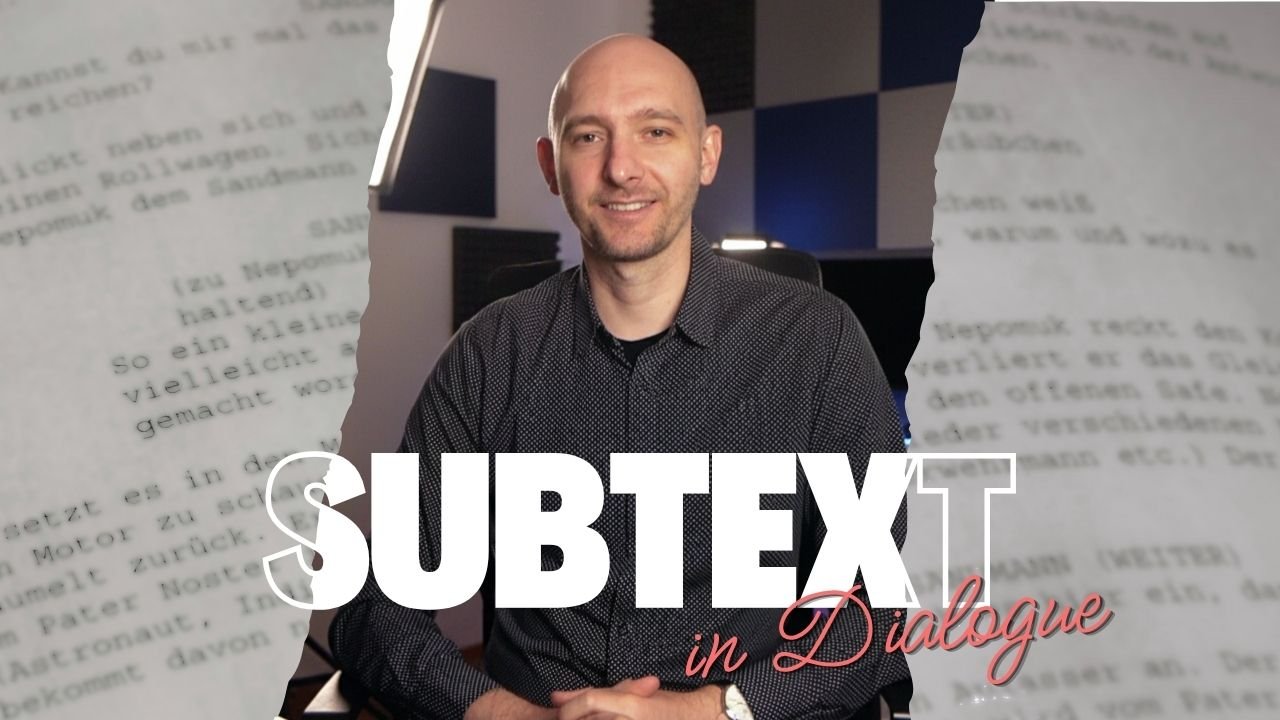
it so efficiently. If you want to read
the screenplay, I've attached a link so you
can read it at your own pace.
3. Breaking Down the Master's Technique: Welcome back. Now, let's
analyze exactly what Hitchcock establishes in those 4 minutes
and why it's so effective. What Marion wants? Marion desperately
wants to marry Sam and have a legitimate,
respectable relationship. She's tired of secret meetings in what she calls shabby hotels. She wants dignity.
She wants to be with him respectably in my house, with my mother's
picture on the mantel. Notice how specific
that image is. Her mother picture
on the mantel. This isn't just about love. It's about social acceptability
and family approval. This is great
screenwriting because Marion Wt is one concrete, marriage and legitimate
relationship. Second, visual, she can picture her mother's photo in their home together, and emotionally clear. We instantly understand her
frustration, what some ones. Well, some wants Marian, but he feels trapped by
financial obligation. He dreams of escape, a clear, empty sky and a
plane and us in it, and somewhere a
private island, quote. But he's realistic.
He's paying alimony to his ex wife and dealing
with his father's debts. Marriage is financially
impossible right now. Some want is equally clear. One, the same goal as Marian. They both want to be
together legitimately. Two, a real obstacle. Money problems aren't abstract. They're concrete and relatable. And three, internal conflict. He wants her but can't
provide what she needs. Now let's talk about
central conflict. It's a very simple setup in terms of what the
characters want. There's some
entertaining dialogue and a nice banter between them. Bottom line is that the goal and the obstacle come through, which is marriage, a
legitimate relationship, but some financial constraints
make this impossible. Marion wants to end their
degrading secret meetings now. So asks for patience until
his depths are resolved, which could take a
couple of years. This is screenwriting gold
because it's so simple. The conflict isn't
manufactured or contrived. Both characters have understandable
sympathetic positions. There's no villains here,
just an impossible situation, and the tension is building into the relationship dynamic. Now, let's talk about
social context. Younger writers may ask, why don't they just
live together? Why is this marriage so crucial? We have to understand
the cultural context. Psycho was made in 1960
at the beginning of the social revolution
that would define the decades in 1960, living together unmarried
was scandalous, especially for a respected
woman like Marian. Marian mentions her sister and her late mother's pictures. There aren't just
sentimental detail. They represent the family and social expectations
she's violating with these secret
hotel meetings. When you're writing
period pieces or stories with specific
cultural context, you need to establish those
specific special pressures just as clearly as you
establish characters once. Oh, why every line matters? Let's talk about
screenplay economy. This scene has what I call
irreducible dialogue. You cannot cut anything without losing
crucial information. Every single line serves
multiple purposes, establishes characters, relationships,
reveals back story, you know, ex wife
and father's deaths. Shows emotional dynamics. Marion is more
committed than some, then creates a social context, sets up, you know, Marion's desperate
decision to steal. When I'm writing my films, I'm usually shocked how
much dialogue you can just get rid of from
the first draft. Most first draft screenplays could lose half of their dialogue without
losing information. Hitchcock's screenplay gives you nothing but essential
information. Yet, it never feels
expositionary or unnatural. Yes, it's partially because
of the actor's skills, but it's also about the
quality of the dialogue. As a screenwriter,
your job is to unwrap this information so it feels
natural, not expositionary. This is the standard
you should aim for in your character's
introduction scenes. Now, the setup for everything
that follows is that this economical
character establishment does something else,
which is also brilliant. It makes Marion's
fateful decision completely understandable. Marion later sees
$40,000 in cash, we understand her thought
process instantly. We felt the weight
of her frustration, the dignity she's sacrificing, her longing for a
respectable life. Okay, so Hitchcock
doesn't need to show us her internal struggle
because he's already made us understand her
motivation so completely. Great character setup doesn't just introduce your protagonist. It sets up every major story
decision they'll make.
4. Strategic Screenwriting Choices - Ambiguity as a Tool: Now we're going to look at one of Hitchcock's most
sophisticated techniques, strategic ambiguity in
character revelation. Let's talk about
uncertainty about Sam. After watching that opening
scene, ask yourself, who is more committed to this relationship,
Sam or Marion. Think about it for a second now. Okay, the answer
is clearly Marian. She would be ready to ignore the money problems
and move in with him. Sam is more cautious. Insisting financial issues
need to be settled first. He is also the one
who is joking more and wants to keep
the status quo. And here's the crucial point. We're not 100% certain about
Sam's commitment level. We know he's in another
city running a store, but Hitchcock keeps us
uncertain about his life there. Maybe he's lying
about something. Maybe there are complications
we don't know about. So why does he keep this
character so ambiguous? Here's where masterful
screenwriting separates from Adequate
screenwriting, right? Hitchcock could have easily made some devotion crystal
clear in the scene. We could have learned definitely that he is completely
committed to Marion. But he deliberately choose not to resolve this
question immediately. Why? Well, the reason why is that
it enhances the pension. When Marion Later
steals the money, we don't know for
certain if there's a man really waiting
for her with open arms. This uncertainly makes her
situations more precarious. Maybe she's destroying
her life for a man who isn't as
involved as she is. Maybe some will be satisfied just seeing her
occasionally in Phoenix when he's on business
trips and won't actually want her to uproot
her entire life. This unresolved question
adds a layer of tension to every scene
after she steals the money. Now, the reason number two is creating future turning points. Later in the film,
after Marion's death, Sam writes a letter where we learn he really was
deeply involved with Marion. This becomes another
turning point, a moment where we
learn something new and the story moves forward. Every time you can give your audience a turning
point, it's valuable. Don't resolve every question immediately just for
the sake of clarity. Sometimes strategic ambiguity
serves your story better. So the principle
for your writing is when you're writing a
character introducing scene, consider what information
you can withhold too. One, create additional tension, to set up future reveals, and three, keep audiences
slightly uncertain and engaged. The key word is strategic, okay? You're not going to be
vague or confusing. You're making a calculated
choice about when to reveal specific information for maximum dramatic impact. Let's return to the core lesson. In three or 4 minutes of dialogue, Hitchcock
establishes one, two fully realized characters with clear understandable
motivations. Number two, a central conflict that feels both
personal and universal. Number three, the social context that makes their problem urgent. Number four, strategic ambiguity that will pay off
later in the story. Number five, the
emotional foundation that makes us care
about these people. So nothing is wasted. Every line serves
multiple purposes. So you can obviously applicate
this to your own work. The next time you're
writing an opening scene, introducing your
protagonist, ask yourself, how quickly do I establish
what this character wants? Is the obstacle to their
goal clear or concrete? Have I created emotional investment in the
first few minutes? Am I using dialogue efficiently or am I taking too long to
reveal basic information? Is this dialogue fun enough? Don't be blunt about your
character goals, right? Are there strategic
ambiguities I can use to create
future turning points? So, hopefully, I think
you see now that great character
introduction isn't about lengthy backstory or
elaborate exposition. It's about efficiently
establishing wants, obstacles, and emotional stakes. He uses the same
techniques when he introduces Norman Bates into the story when Marion meets him. We're not even aware, as the audience that a
new main character is introduced when Marion is speaking to Norman
about his mother, about his toxic
relationship that feels early similar to what is
Marion going through. These two characters are both dependent on
another person, and they bond quickly. We as an audience, don't even
realize that at this point, the story of Marion
is going to abruptly end and that we're going to follow Norman as
the main character.
5. Class Project: As your class project, watch the scene from Lara Land. It's the first
conversation between Mia and Sebastian at a party. A bit of a context
for the scene. They've encountered
each other once before, but didn't actually connect. Mia heard Sebastian playing
jazz at a restaurant. So he was playing a song that
is ambitious and beautiful, and she loved it very much. She approached him
to congratulate him, but he completely ignored
her and walked away. What she didn't
know is that he'd just been fired for
playing that set, and that's why he was so rude. No, she's at a part, and suddenly there's that same pianist playing
pop music he probably hates. So they have a little of
a brief history before, but this is their first
real conversation. So now, let me give you your assignment and
things to look for. So scene and establish
characters and write down. Number one, what does
Miya want in this moment? What is her goal or desire? Two, what the Sebastian want? What is his motivation? Number three, what is preventing
them from connecting? What's the obstacle
and the conflict? And four, how quickly
does the film make you care about their
potential relationship? Number five, compare
the efficiency. Does this scene established
character want as quickly as Hitchcock's four
minute opening in cycle? Why or why not? Post your analysis in
the project section, there are no wrong answers as long as you can justify
your observations. The goal is to train
your eye to spot how professional screenwriters establish characters
efficiently. The link to the scene is
down here on YouTube. Now the additional assignment. In the film psycho, see how character of Norman
Bates is established. What do we know about Norman before Marion is
murdered in the shower? Watch these scenes and ask yourself these questions.
What does he want? What is his problem in his life? And also, why do
we care about him? What circumstances make us want to root for this young man? In my other classes on Psycho, we'll explore different
Hitchcock techniques, how he manipulates
moral sympathies and how he solves impossible
technical challenges. So now you understand how Hitchcock hooks
you into a story, how he makes you care about characters in just a few
minutes of screen time. But knowing Marion's
situation isn't enough to make us follow
her through a crime, right? In the next class,
screenwriting, how to make audiences root for characters who
do bad things, we're going to look
at the scene with the businessman Mr. Cassidy. This is where Hitchcock does
something really clever. With our emotions.
He doesn't just make us understand why
Marion steals the money. He makes us want
her to steal it. And then in the third
class cinematography, how to make impossible
camera angles feel natural and invisible, we're getting into pure
technical filmmaking. There's the scene where
Norman has to move his mother downstairs to
hide her in the basement. Hitchcock needed to
show us this moment, but he had a huge problem. He couldn't reveal that
the mother is actually dead because that's the
big twist at the end. So he uses few tricks to make that famous overhead angle look natural and doesn't make
the audience suspicious. If you're curious about more
of this kind of analysis, I have tons of articles and my curriculum over
at my website, cinemaxplain.com. Come
and check it out.
 Piotr Złotorowicz, Screenwriter & Director