Transcripts
1. Introduction: Hello and welcome
to my new class. Pocket pages, a seven
day mini sketchbook. Challenge. If you've already done my previous classes in creating a sketchbook habit on a daily basis with sketchbook journaling
and with everyday pages, then you're already taking some huge steps towards building that momentum and improving your well being through creating a sketchbook journaling
habit on a day to day basis. And now it's time to strengthen that habit
and take the next step, and this time,
we're going small. Pocket pages, a seven day
mini sketchbook challenge is designed as a natural extension of your existing practice. It deepens your
routine without adding any pressure and not worrying
about perfectionism, and it just builds this continuous momentum
that you've already started with the
other classes in the series so that you can
create on a daily basis. But before we begin, let
me be absolutely clear. This is not a
replacement of your sketchbook journaling
or your everyday pages. Those lovely practices are still part of your
daily routine. This is just an addition
into that routine of maintaining a sketching
habit on a daily basis, and it simply just adds
a helpful companion, a tiny window of opportunity to make sure
that you stay consistent, even when life gets
absolutely hectic, which it does for a lot of us. In this class, we will
be focusing on quick, intuitive daily sessions,
simple thought journal moments, small doodles and spontaneous sketches of your surroundings, wherever you are at any
moment on that particular day where you can just go in and do a nice little pocket pages, no researching a topic, no planning a full spread, no multi day process, just seven days of mini
pages designed to take part in your daily
routine that will last only five to 10
minutes of your time. This short challenge
will help you stay connected to your
creative routine. It will remove pressure
and perfectionism, so there won't be any stress
of creating perfect pages. You can leave that to
your everyday pages, making art anywhere anytime that fits within your schedule, and it doesn't have
to be something that you have to pre plan. It should just come naturally, and therefore,
they're going small, which will aid in the consistency of you
creating on a daily basis. I'll start the class
off by talking through the benefits of
going small compared to our other classes where
we were using medium to large sized sketchbooks and concentrating on bigger topics. We will then move
on to looking at the class supplies
that you're going to need in order to
complete this challenge, and I promise you, there's very minimal supplies that you're going to need
for this class. Then we're going to move on to the exciting stuff where
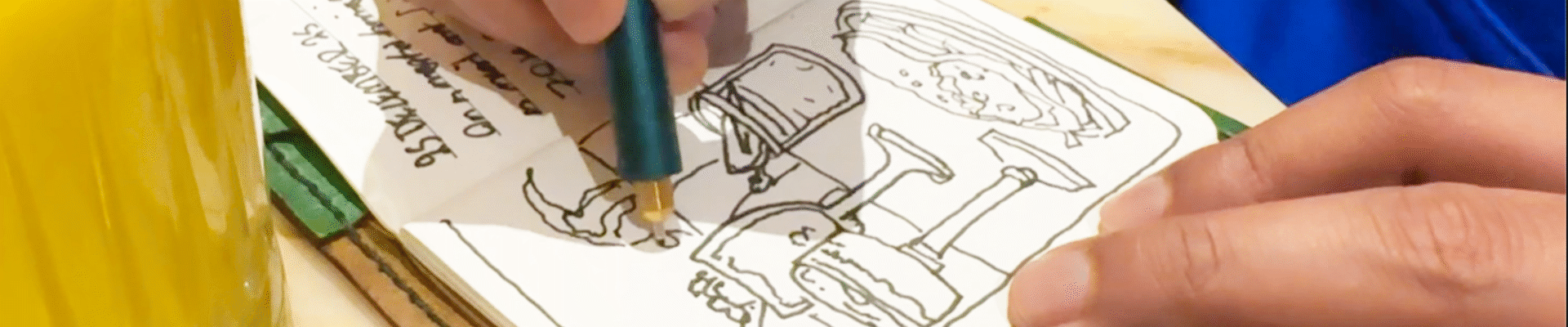
you're going to watch me take on this seven day challenge of pocket pages. Yes,
you heard me right. I'm going to be
doing the challenge continually for seven days, and I've recorded
it for you to watch and be inspired by
my daily routine. But don't worry. You don't
have to watch 7 hours of me drawing and doodling and putting thought
journals down. I have sped it up into short two minute videos over
the course of seven days. Once you've watched
all the lesson videos, you'll be ready and
inspired to complete seven tiny spread each
one capturing a moment, an object, a feeling or something that you've
observed in your day that really stood out to you that you wouldn't have noticed if you hadn't had sat down and
opened up your pocket pages. And that's it. I know
you're super excited. So move those big sketchbooks
out of the way for now, and let's focus on pocket
pages and going small, grab yourself a nice drink, get yourself a
nice little treat, sit back, relax, and let's
get started with the class.
2. Class Project: Okay, welcome back. Let's now
start by going through what your class project
is going to be all about and it's really
simple and easy. Let's put things into
perspective before we start our pocket
pages challenge. Step one of your class project
is to just watch all of the lessons before you watch me do my seven day
challenge videos. So just watching
lessons two till seven completely within
the class. Step two, all you need to do is get yourself nice and
comfy, sit back, get yourself a nice drink
so that you can relax for a few minutes and then watch my seven day challenge videos, which are from lessons
eight to lessons. 15. They're only
a couple minutes long so you can just sit back and enjoy the journey with me as I do my pocket page. And then step three is to get your pocket pages
and your supplies, your pen ready and warmed up so that you can
start the challenge for yourself in the next seven
days where you'll be using your pocket pages to do these beautiful little pages of thought journals and quick little doodles
and you'll have a collection of seven beautiful spreads
for this challenge. Then step four, all
you need to do is take lovely pictures of
all of your work that you've done over the last
seven days and upload it to the class Project Gallery
so that we can all see your beautiful progress and
your beautiful pocket pages. Then the most important step, step five is to leave a
lovely review on the class so that other students
like yourself can find the class and learn
from your experience, and so we can all enjoy
this wonderful adventure into improving our well
being by doing pocket pages. That's it, that's all your
class project is all about. I know you're super
excited to get started, so let's now move
on to the next one.
3. Why Go Small?: Yoke, welcome back. Let's now start the class off by explaining the purpose and the benefits of doing these beautiful pocket pages
and why we're going small. Number one, low pressure
and highly achievable, a tiny spread is easy to
start and easy to finish, perfect for staying creative, even when you're short on time. And that's what it's all
about. It's about using these opportunities that you get throughout your busy life, throughout the
schedules that you have from a day to day basis, and using that in this small format where you can quickly get some
thought journals down, some doodles down
just to really get yourself warmed up and maintain this momentum of sketching
and writing on a daily basis. Number two, quick and
spontaneous, no planning, no long sessions,
just a few minutes to connect with your surroundings
and your sketchbook. Again, we're not focusing on huge planning sessions or building beautiful
everyday pages. That is for the everyday
pages habit that we've got. This is to ensure that
certain times in your life, you may not have
enough time to do your everyday pages or your detailed
sketchbook journaling. Then this is where these
pocket pages comes into it. If you start the habit, then you will become
used to doing quick little spontaneous
journal entries and sketches on a daily basis. Number three, it's great for sharpening your
observation skills. Limited space means
capturing only what matters, which strengthens your
visual intuition. I know that sounds
really nice and complex, but basically all that's
about is that the more you practice doing quick
little doodles by observing your surroundings, it's just going to build
that experience and really improve your skill level quickly drawing
and taking notes, which will in turn help you in your sketchbook
journaling adventures on the bigger sketchbooks and
even in your everyday pages. Observing and drawing is
a great way to practice and keep those beautiful
creative juices flowing in those fingers. Number four,
confidence building, finishing a small spread each day gives you that
encouraging sense of accomplishment and this
will also encourage you to complete your bigger sketchbooks in your everyday pages in
sketchbook journaling, because having a smaller, more accomplishable page that you complete on a
day to day basis, it just warms you into this habit and routine
because that's what it's all about building this
routine and habit by doing something every day on a
daily, weekly, monthly basis. And this is always
going to build confidence and it's going
to improve your practice. Number five, it's
always with you. Your pocket sketchbook
fits anywhere, so your creativity becomes something that you
can take with you into real life and it's not just something that's
reserved for your desk. This is the entire
point of this class. The portability of pocket
pages is what's going to determine your ability to create and maintain this habit
because ultimately, sometimes in life, we get really excited about
starting something, and then we can do it for a couple of days or
maybe a couple of weeks, and then life just
gets too busy, and then you stop doing
it and it just gets parked on your desk or
goes on your shelf. That happened to
me so many times. So making this a nice,
small challenge, which is achievable
that you can do on a daily basis is what
really helped me, and I want this to be
something that helps you start to get into this routine of sketching
on a daily basis. So that's about it. That's the main reasons
for pocket pages going small so we
stay consistent and we can continually
maintain that momentum of sketching on a daily basis
to improve our well being. That's it now. Let's now move
on to the class supplies. I know you're really
excited about that one. So let's move on
to that one next.
4. Class Supplies: Okay, welcome back now for the exciting stuff and having a look at
the class supplies. As I mentioned earlier on, there's only a few
supplies that you need to get started quickly
in this class. So let's start with
the first main supply, and that is our
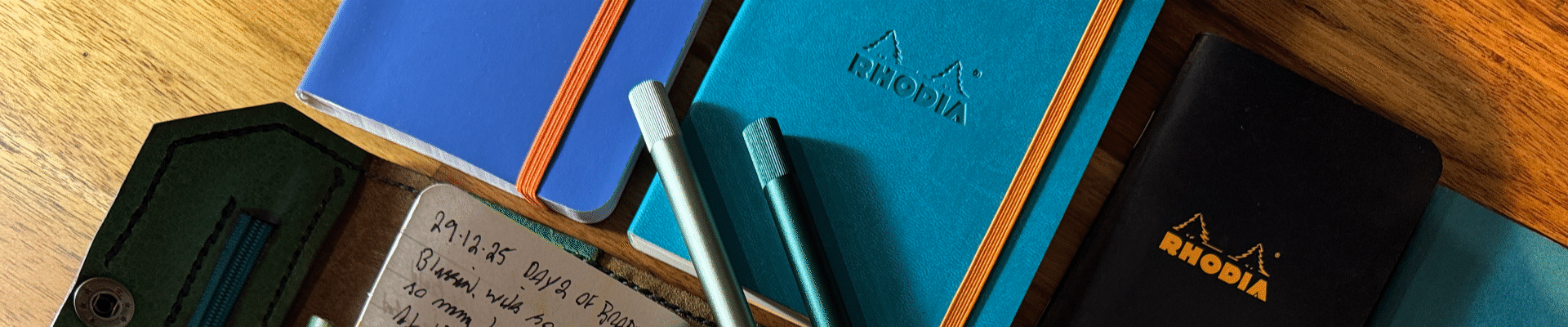
pocket sketchbook. On the screen, you can see, I've got four different
sketchbooks laid out. Now, I highly recommend that for this challenge and to
maintain this sketching habit and keeping things
portable that you go to a six size or smaller. Now, A six, for me, I think, is absolutely brilliant because number one, it's
available everywhere. And number two, you can get
various different types of sketchbooks that will suit every personality
and every need. So on the screen over here, some of these sketchbooks you've seen in my previous classes on the series of Everyday Pages and Sketchbook journaling, so a lot of these
you may have seen, and there's some new ones
that I've started using myself that you may already use. So if it is, then great. But it's just a nice
little introduction to the types of books that you
can get for this class. But if you don't
have these brands or these specific books, then that's absolutely fine. Just get yourself something
that's available, that's not too expensive, and it's available in your
locality so that you can get more than one once you
start getting into this habit because
you're going to start filling these up really quickly, and it will maintain this kind of archival facility
where you can just have lots and lots of little mini sketchbooks
that you can put together and then reflect on once you've
completed them. So I think it's a
fantastic size to go for. So let's start on the
right hand side over here, and this one is just a standard
sketchbook, ASIC size, and it's a stapled sketchbook, so it has just a
few pages in it. It's blank paper, and this is actually my
go to sketchbook. I use this for everything. I use this for daily
doodling, for taking notes. I actually use this a
lot of the time for my pocket pages because
it's really cheap to buy versatile and it's very good with a lot of different
inks and mediums and pens. That's another factor
to think about. You don't want to buy something that's got cheap paper in it, that's going to kind
of, like, you know, wear away or bleed
through or just get torn and ripped
apart after a few days. You want something
that's going to last you that's decent quality, but that's something
that's not too expensive. And I think this one
is absolutely great. This is by company C white. It's available in the UK. It's a UK brand. But again, all of these products and things that I'm showing you on this class are going to be available as links in
the resource sheet. So do check it out if it's something that you're
interested in. So this one has just got standard cartridge paper in
it, nice decent thickness. It can take fountain pen, and it can take ballpoint, ink. It can even take marker
work on it as well. I think this is a
fantastic option. It has nice rounded
corners which are great to put in your pocket or
in your wallet or bag. So that's a great
option A six in size. The second option
here that I've got is I've got a couple of
options here, actually. These again, are ASIx in size. This one is a soft cover book, and it has a elastic
closing mechanism on it. And this one underneath, this one is a beautiful
Japanese brand book, which I started
using quite a lot recently with really high
quality paper in it. This one by rodeo, this one on top. I'll show
you this quickly. This is just a dot grid book. So you've got the
dot grid on it, which again, sometimes
I like to use dot grid, especially if I'm
doing planning work or if I aim to kind of, like, you know, do some
more technical drawings. But it depends on whatever
your preferences. I would say for
pocket journaling, maybe use a lined book or just plain paper
and drawing the lines. But if you find drawing in
the lines a bit of a FAF, then just go ahead and get
yourself a lined book. And I think that will get you easily started in
this challenge. So this rodeo book,
really nice quality. It's got the kind of standard
binding on the back. It's a kind of saddle
stitched binding. So you've got the
saddle stitched. You've got the
lovely paper inside, just like it is with this one. This one is by MD. It's MD paper, which
is just fantastic. So again, very portable, very nice and portable. Lay flat open, which
is really good. They open up easily, and you can just quickly
get started with them. And both of these books have really good quality
paper in them. You can use fountain
pens on them. You can use fine liners. Most pens will work great. However, they are
quite expensive, so I wouldn't say
that go and get yourself one of
these straightaway for this challenge if
you haven't got one. But if you do have
one or if you've got experience of using this, then this is a great option. So you got the soft cover, perfect bound books over here, fantastic option on that one. So let's just put that
one back to the side. Then this third one that
I've got down here, again, this is the lovely, perfect bound, saddle
stitched effect. This one is by PIP and I featured this in my
previous classes. This is a fantastic paper. It's really good for
multimedia work, you can see over here, the pages are really nice and thick. They can take quite a lot
of different mediums. Watercolor I wouldn't use
on this, but then again, this challenge is
not about using watercolor and creating
beautiful artwork. This is just about doing quick writing
and quick doodling in. Pi the cover on this
is really thick, so that's something
to be wary about. I personally don't like to use the books that have
a thick cover on them purely because
they can be a bit rigid and if I've got it in me pocket or if I've
got it in me bag, I don't want it to poke out. And again, this is quite
an expensive book, so I probably wouldn't recommend using this
for your pocket pages. This is probably a
good one to use for your everyday pages or your
sketchbook journaling. But I thought I'd just
show you this and mention that you can use this
for your pocket pages, but again, it's an
expensive option. So that one was by PIP. And then on the end over here, I've got a couple
of options here. I've got hardcover books, so these are
hardcover finishing, and I generally don't really
use these for pocket pages, but I thought I'll
just show you. This is just a
standard A $6 rowdy, lovely little sketchbook
with cartridge paper in it. Really nice thick paper. Use this type of a
book if you want to if you have a strong bag
that you can put it in. Definitely not one that
you want to put in your pocket because it's going
to have the sharp corners, whereas with the other
soft cover books, we've got nice rounded corners
here with the Midori one, we don't really have
rounded corners, but again, it's a soft cover, so it
shouldn't really hurt your leg or your side of your waist when you've
got it in your pocket. Again, that was the
hardcover by Dalla Roni. I've used this book
a couple of times, not for pocket pages, but more for doing artwork in. So that's a hardcover option. And this one is actually
a new book that I found fairly cheap from Kenji. This is an ASIx book and what I really liked about
this was that it's actually not that heavy and it's got the elastic
enclosure on it, really nice funky design. And it's got line paper in it, so I've not tested this one out, so I don't
know if you have. It feels quite thin, so probably not great
for fountain pens, but it is one that I'm going to probably test out later on. But I thought I'd
mention that having a cheap book like this with a hard cover can
be quite durable. And if you're using mediums
that are not fountain pens, then you might even be able to fill this up fairly quickly, and it could be quite useful. So, again, that was
the hardcover range, and that's really it on the sketchbooks on
the A six size. Now, as I mentioned,
A six is MGT however, sometimes you might want to be even more portable than A six. So naturally, the
next size below A six in our European
sizing is a seven. However, there is a middle
ground that I use sometimes. So let's move these ones
out of the way for now. So this is the middle ground
book size that I use, and these are really
cheap to get. These are by rodeo,
great paper inside them. You get these as dot grid paper. I think these were
initially called um, cash book papers or cash
booklets or something like that used for kind of recording down cash values for businesses. Fantastic size. I think this is such a
beautiful, portable size. It fits in your hand,
really light weight, and it's fairly cheap to buy. You can get these in packs. Again, I leave a link in the resource sheet where
you can get these from. Really, really like this. I like the round edges in this. And again, one of my
favorite brands, Rodeo, the paper is great to write on, and Dot grid works fine. So this is a great option
for your pocket page. Now, I've got another option, whether you want to
explore this or not, it's entirely up to you. But what I tend to do sometimes
is I get my A six book, which is this one by Swite. And because these
are fairly cheap, I trim these down. So I'll show you the one
that I've trimmed down. So I've trimmed this
one down so that it's a similar size to this
rodeo so that I've got myself a nice kind
of tailor made pocket pages to work on in
my pocket page challenge And my daily kind
of pocket pages. So like this, what I've basically done
is I've just trimmed this down like this to
match the size of my rodeo. And actually, I used
this quite a lot. And in my seven day challenge that you're going
to be watching, this is the book that
I use all the time. So what I tend to do is I
tend to round the edges with a round corner cutter.
And it works great. So it's a nice, kind of, like, makeshift job if you can't get hold of something
that's portable that you specifically
want a specific size for. So great little option. If that's what you want to do. I thought I'll just
show you that. So that's it for the
pocket page kind of size, the kind of pocket notebook size that's smaller than a six. Let's now move on to even
smaller size over here. So I've got the A seven. I mean, look at that. That just looks so nice and
cute, doesn't it? Small little teeny weenie book. So we've got the pocket
kind of size over here, and then we've got the A seven. So you can see
it's even smaller. So as a comparison, if we put them side by side, this one is a seven. This one is what we
call pocket size, and then let's get
the other one out. This one is a six. You can see, they're nice
and small and portable. I really, really like this
one because it's kind of got that lovely paper in it that I like to use
my fountain pens on. So you can see over here,
I've used fountain pen. I've tested other pens. I didn't really work on it, but fountain pen works great. My kind of fine
liner that I use, which we'll explain
in the next part of the class works
fantastic on this. And again, it's just great as a kind of carry around
pocket pages journal. This one that I've got is lined. This comes in plain, and I I think it
comes in dot grid, but I'm not 100% sure,
but a great option. However, I know it's
nice and small and cute, but this is quite an
expensive option. I think this probably cost
around about 15 pounds, yes, it cost a lot. So it's a bit of an
investment this. So I would probably
not go ahead and buy this straightaway unless it's the paper that you've
already using, then you'd really
like to use it. So great little
option over there. And that's nearly it, but I do have a final
option for you. Again, if it's something
you want to explore, so let's have a look
at that one next, and that one is
going even smaller. Yes, I know what
you're thinking. How small is he going to go? It's going to
become microscopic, and we're not even gonna
be able to write on it, but now this is my own creation. What I did over here
is I've gone ahead and designed these
mini booklets, what I call mini booklets. And if you just have a look
at the size of them and move these across, just
get the red one there. So you can see this one is even smaller than my a seven book. And these are kind of make your own style sketchbooks
that I've actually done a class on so if you haven't watched that class and
you're interested to see how I make these then do
check that class out really simple with simple tools that you have lying around
at your house. And I think it's a great way. So you can have a lot
of fun making, like, a series of these
little booklets with the paper that
you have at hand. You just do a little
flick through. You can see I've got
a few pages in there. And what I've actually done is I actually made enough
spreads in there so that I can complete one of these mini boooks in seven days. I'll have a collection of lots of these cute
little books and you'll have a nice
little archive in your shelf with
some fantastic colors. Again, if you want to
check out how I make these and something that you might be interested
in doing yourself, then do check out that class in creating your
own sketchbooks. That was the final size
shape that I've got. If we just have a look
at all of them on the screen now, so there we go. We've got a nice
little collection of portable books that we can use for our pocket
pages challenge. So do make sure that you
grab yourself a nice book, check out the price range, go to your local art store. Sometimes these
smaller books are even available in
the pound store. Sometimes you can even buy really cheap versions
of but again, do be wary about buying the really cheap
stuff because you don't want to start
doing your challenge, and after, like, a
couple of pages, you're thinking, Oh, God,
it's bleeding through. And that's why I would recommend that you go for a mid tier book. So maybe an art
store's own brand like this that's available. This is Sea white, as
I mentioned before. This is really my go to that
I use on a daily basis. I also use the Midori ones,
these ones over here. So, again, I use both
sizes, but again, this one is an expensive option, so maybe not jump in to that one straightaway.
This one is a good option. The rodeo, the small one, this is really cheap to buy. So it's something
that you can kind of test around in the challenge when you go ahead and do it and remember the challenge isn't
just going to stop there. Once you've done this challenge, this will hopefully build that momentum so that
you can continue doing this on a regular basis and then maybe test
out some other books, and there'll be a book
that you really like that suits your style and movement, so you'll be able to select
that book going forward. That was it on the sketchbooks
grab yourself a nice, good, decent sketchbook that's
not bigger than an A six. Go as small as you want,
as tiny as you want. It's up to you for your
seven day challenge. Let's now move on to the
next supply, which, again, is as important as
the sketchbook, and that is your drawing
and writing instrument. So let's move on
to that one next.
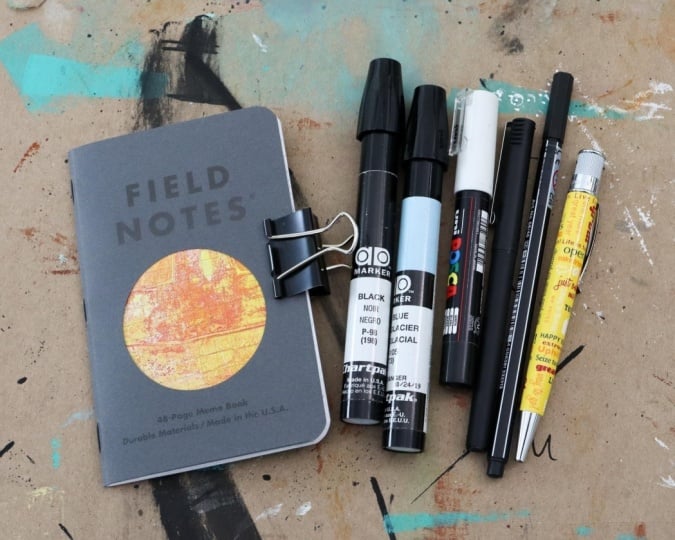
5. Writing Tools: Okeydoke, welcome back. So let's now have a look at our lovely writing tools that we can use for our pocket
pages challenge. So on the screen over here, I've got my typical
tools that I use on a daily basis for not
just my pocket pages, but I use this for my
general sketchbooks. And you can see that they are fairly small in comparison
to just standard pen. So if I bring that rodeo book that we looked at
in the previous lesson, you can see if
I put that next to it and I put the mini
book that I've got. So that little teeny weenie
book that I've got down here, you can see that a lot of
these pens are mini pens. They're very portable, and I've been using these
for quite a while. Apart from this middle one, which I've just recently got, I've just testing it out, but I thought I'll show
you this as an option. Let's have a look at the one on the left as
the cheapest option. So they're going up
in terms of price. Again, you don't need
to buy an expensive pen just use whichever pen
you have that's around. So you can even use just
a standard micron marker if you've got that lying around. You can see as a comparison, if I put the micron over here, you've got quite a bit of a difference between these
tiny pens over here, but it doesn't really
matter that much. As long as you can fit
your pen in your pocket, then that's all you need. And my kind of bigger
pens that I have my fountain pens
like my ami Safari, which is my main go to pen that I use for all of my artwork. That again, is solid enough
to put in my pocket. But for this
particular challenge, I like to keep
everything compact, so I like to have smaller
pens that I've got. So let's move the big ones
out of the way for now, and let's start
on with the left. So this one on the left, this is just a cheap, standard big pen, which has the multi kind of colors on the ends that
come out like this. Fantastic little pen to use for your pocket journals
because it just kind of fits in your
pocket, doesn't it? And if you have a small
kind of wallet or a purse, this will easily fit in, and you won't have to worry
about this kind of, you know, breaking because it's fairly cheap and you can
replace it quite easily. And the advantage of
this is you've got four beautiful colors to do in your pocket
journals with one pen. So that's a great example
that big multi pen. And again, this is
the small version. You can get the full
version as well. All of the kind of
links that I've used to get these are going
to be in the resource sheet, so do check that out. So that's the cheapest
option out of all of these. Then I've got my daily driver, what I call on my desk, my Coco sport, BwpointPen. So this is my pen that I use for everything in terms
of technical writing, note taking, my work,
my graphic design work. Just my daily Jota pen. Ballpoint works really nice, and it's just so
versatile and mobile, a nice clicky click button, and it has these refillable
refills in them, the metal refill bow points. So you can buy them
as replacements. So you only have to buy one pen. I highly recommend this pen. I think it's
absolutely fantastic. It is a thick barrel. So if you're not used
to using thick pens, then maybe don't go for
something like this. But if it's something
that you don't mind, then I would say that this
is a fantastic little pen, so just put that one back. This one is fairly expensive. I think you can get these
for around about 20 pounds, and the refills come in packs. So, generally speaking,
it's not too bad. The big pen, I think this
was only a few pounds, maybe about two pounds, something like that, two pounds
or three pounds maximum. So that's your cheapest option, and your next option is
this one that I use. So these two, again,
are Bopoint pens. And then this one is a
newish pen that I've got. I've only recently got it. This is by J Herbin, and this is actually
quite an interesting pen. It's a Bwpoint pen. But you have cartridges in it, so it's like a fountain
pen where you can go ahead and just buy the
cartridges to refill. And I found this
quite intriguing and interesting because I've never really used
a cartridge system on a ballpoint pen before. I don't know you might have this pen, but generally speaking, it was a really interesting pen, and it's quite solid as well. Nice metal kind of body on it, and a nice feel. I really enjoy the size of it. I think the size of
it is just fantastic, good amount of weight to it. But this pen doesn't really work on all surfaces
for some reason. So on Midori paper, like this paper over here, that expensive paper that I've got, this mini book, I tried
using it over here, and it just wouldn't flow.
The ink wouldn't flow. This type of paper has a
special coating on it, like vellum paper, which
works with really kind of, like, juicy flowy pens, if that's a terms
fountain pens and pens that have a decent
amount of flow of ink. This I found didn't really work great on high quality paper. In fact, worked better on the lower quality paper that has a bit of a tooth
and grip to it. So, again, if you've got
this pen, then that's great. I just wanted to kind
of share that with you. Really nice looking pen, but unfortunately, it
doesn't work on everything. And then my lovely go to
Coco Sport fountain pen. You've seen me use this pen. This pen featured highly
on my fountain pens class. And I use this pen
all the time with the beautiful swirl
opening mechanism in it. And look at that gorgeous gold
nib on that fountain pen. Beautiful stuff
my go to on this. But generally, I
don't really use this for my pocket pages
because I don't kind of like to throw this pen around because it's
quite an expensive pen, and I don't like to kind of have to keep changing the
cartridges in it because the ink does run out fairly quickly
because it has this converter that
I'll quickly show you doesn't hold much ink the nib on this I've got
is a double broad nib, so probably not the best
nib for pocket pages. But again, if you have one of these and
you have a thin nib on it like a fine nib
or maybe a medium nib, then it might be a great option. But do you remember when
you're using fountain pens, ensure that you've got the right pocket pages
because you don't want that bleed through or the kind of smudgy smudgy going on? Because you're only
going to be spending five or 10 minutes doing
these pocket pages, and you want to ensure that your medium works on the
paper that you have. Let's now look at
probably the pen that I use 99% of the time on
all my pocket pages, and that is my
beautiful Lumos pens. I like them so much.
I've got two of them. So I've got these beautiful
Lumos pens over here. I'll just quickly
show you these. These are what's
going to feature in my seven day challenge videos that you're going to
be watching later on. So these are
beautiful, refillable, fine liner pens with
various tip sizes. I usually use the not 0.3
or the 0.1 or not 0.2. I can't remember
which one it is. On both of these all the time, they have a refillable system where you just buy bottled ink, and you can just refill
them as they go out. Got a gorgeous metal body. They're sturdy, they're solid, and the ink flow is just
fantastic. I love this pen. However, it's probably
the most expensive pen out of this mini
collection that I have. It cost around about 45 pounds, which is a lot of money, and then you need to buy the
kind of replacement kind of cartridge system things that you have that are made of cotton. So it can be a big investment. If it's something that
you're going to be using on a daily basis like me, then I think it's
absolutely worth it. And if you've got one of
these, then fantastic. Get it all inked up and ready for your pocket pages challenge. So that was the kind of pens that I use for my pocket pages. I just wanted to kind
of show you that having a nice small pen will really be beneficial
for this challenge. Purely because it's
more portable. But if you don't have
a small pen like this, you don't need to
go ahead and buy yourself some special pen
just for this challenge. Just use whichever pen you have. You have a fine
liner lying around, or even abnormal Bwpoint
big pen that will do. A pen will do just ensure that
your paper that you have, the actual book that you're using for your pocket pages is suitable for the pen and
medium that you're using. You don't have any
bleedybleed pages or any kind of mess up on
your spreads because we don't want to get
or frustrated with this challenge because
the challenge is about relaxing and enjoying moment and really getting
those beautiful moments and capturing those ten
minute sessions in your day to day
routine and life. So that's it for the
mediums, simple and easy. So let's now move on to an extra supply that is
totally optional that I use, that you're going
to see me using. So I thought, let's
just quickly go through that extra supply that I
use in my pocket pages. So let's quickly move
on to that one next.
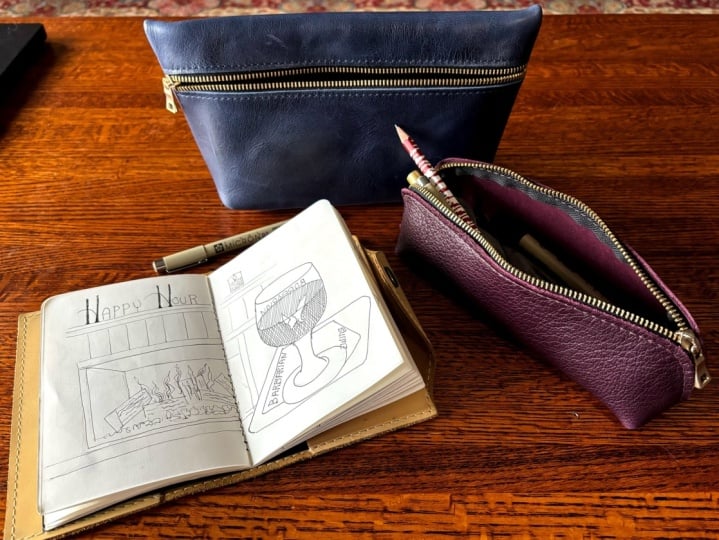
6. Wallets & Carry Cases: Ah, nice bit of ginger that.
Oh, I needed that one. I've been talking
so much. Needed to get on with some
pocket journaling. Um, yeah, I think I think next, let's talk about the beautiful wallets
that I've designed. So let's move on to
maybe that one next. Let's just put the
tea on the side. That was a really nice tea. Oh, are we recording? Oh, oh, oh, hello and welcome back. Okay, so I was just having
a nice little break then, having a nice bit of ginger, contemplating a bit of next
kind of thing to talk about. So get straight into it. As we mentioned, we went through our sketchbooks that we're
going to have as an option, our mediums, our pens as
an option, and that's it. That's all you needed
for this class. This next thing that I've got is actually
something that helps me to carry my pocket pages
with me wherever I go, my pen and my notebook, my small mini notebook. And if you have something
like this, then great. But if you haven't
don't worry about it. You don't need to go out and buy anything or make
anything like I have. You just need to kind of
have something to carry it. The whole point
of this challenge is to have something
that's portable that you can actually put in your pocket or your
purse or your wallet. So they quickly go
through what I do. You can see on the
screen over here, I've got myself some
really nice wallets, and you're think oh.
Is that all he does? Does he just buy
wallets all day long? Well, you're wrong there. The second part might be
right of having loads of wallets because I
actually make them. So I took it on myself last year to start designing
with real materials. So I was using real leather and learning the craft
of leather craft, craftsmanship and
just coming up with my own designs for this kind of challenge and to really help myself keep something
with me all the time, having a pen, having some paper, having just a little sketchbook. I found that couldn't
find really anything on the market that would suit
what I wanted it to fit into. And the wallets that I had,
they just weren't right. They just fit credit cards on them and just a
little bit of change. My pen wouldn't fit
in them properly. So I thought, you
know what? Let's just go ahead and design it. Might as well design it, put my creative kind of workflow towards a goal of kind of
improving my well being. And I tell you what, I
absolutely loved it. I made loads and loads of mistakes like
beginners usually do. And I'm still an
absolute novice at this, but I managed to create quite a few little examples and actually started using them. So I was quite happy with
myself on that front. So let's just quickly go
through some of these. This was probably venture that took me about
maybe six months to do, and I did waste a lot of money buying the wrong tools
and the wrong product. But again, it's all
about learning it's not about the end goal and
achieving things straightaway. It's about that journey and learning and enjoying yourself. If it's something
you're interested in, then do let me know. I might even do a
class on how to make these things one day. But for now, let's
concentrate on pocket pages. Over here, let's
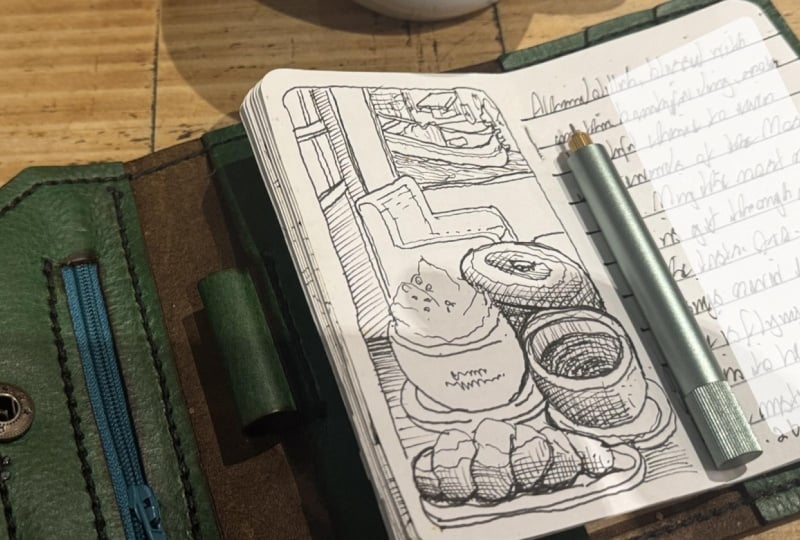
show you an example. This one, this lovely
green one that I've got. It's actually my
main one that I use. I designed this so that I have a nice little wallet
to have my pen in. I've got my lovely pen that
fits in nicely over there, super simple, super
easy and portable. And then my lovely
little pocket pages, which I've completed, and you will see
some of these in the next set of
videos. Yes, you will. So a lot of these were
completed on site. So wherever I was in the situation that
I was in completed all within this nice
little carry case that I have in my
pocket all the time. And that's what the
purpose of it was. I created a couple of
flaps there to maybe put some receipts and notes in or
some extra pieces of paper, and this just worked
an absolute treat. So that was kind
of my main wallets that I did with this
beautiful real green leather. And then, again, another
one, similar design. Once you get started
in something, then you start enjoying
it, don't you? So, over here again, I've got my other pen, my lovely Tom studio
pen over there. And then, again, that
same size notebook. So if you remember, I went
through the notebooks before, this is the kind of pocket version of my
ASIx that I cut down. And this, again, is my go to now going forward
for pocket pages. So I curved the corners
with my corner cutter, and this one is one that
I'm currently working on. So I've got some pages here. You can see I've got some lines drawn in on one
side of the page, and then I've got the other
side ready for the doodles. We'll come to the layout
and composition later on. But yeah, so it
works really nice, so easy to carry,
nice and durable. And then I've also got
this one over here that I designed as kind of like a
loop that goes on the side. But I didn't really kind of like this because I
didn't like this elastic. But then again, I've designed
it now, so I will use it. So again, I've got another
one of the Tom Studio pens. This is actually one
half of the bigger pen, so I kind of use all of them. Always use your
supplies as much as you can so that you
don't have wastage. So this one is actually housing
my A seven Midori books. You can see that nice cute
little book in there. With the lined paper on it in this lovely little kind of wallet design that
I came up with. So this one works really
nice, nice and portable. I'll leave the pen on the side. And then I've got a couple of these double style per style wallets that
I've got over here, so I'll just quickly
show you these. Again, I've got my portable book there that I've cut down, that sea white book. I've got a couple of extra
cards in these Wallach, side card holders that I made, and then I've got the
JHbin pen in there, which I haven't
actually used yet. This one I'll use
once I've finished one of the pocket pages
in the other journals. The real point of
having so many of these really is because I was
testing the design of them. I thought I might as
well have a pen and a book in each one of them ready so that when
one is finished, I can move on to the next
one without having to start again and it
just works great. This one over here, again, this is a bigger version
and it has the same paper, that sea white
paper that I've cut down to the pocket page size, and I just keep myself a nice
little fine liner in there, a few more kind of slots
to put some cards or paper if I've run out
of pages over here, and it works really good. And this one also has
a zip like the others, and the zips do work for some change to maybe buy
some more pens or papers. If I'm at the art store, wherever it may be, it just works great as a portable tool. So that was that one there. And then these were really
for the smaller books, the kind of a seven and the
pocket page size books. I've also made journal
covers for the A 61. So over here, I'll
show you here. I've got this one over here, which is one for the full sized
version of my sketchbook. So this basically has one of the C Y A six size ones in them. And I just attach a pen
like this, my fountain pen, and that works as a
nice little kind of portable ASIx wallet to
take around with me, maybe to put in my bag. And then over here,
I've done another one. And this one, I've got
my lovely little stencil in it so I can draw in the
lines whenever I need to. And this is for the
ASIx Midori paper, fantastic paper that. This actually use a bit more for my sketchbook journaling rather than pocket pages
because I like to add a bit more detail
like this around it. But again, if you're
using ASIx size books, then go ahead and use
whichever ones you like. Then finally, this one over
here is an ASIx size book. This is actually a
watercolor book that I've got for maybe my everyday pages, but I just want it to keep it portable in something
that's nice and handy so I can carry
it with me wherever I go. So that's it then for the kind of carry case for
your pocket pages. Again, you don't need to
have so many like I have. I've only got this
many because I started this
leathercraft journey, and I started making product, making mistakes, and then
improving it on the next one, and at the end of it, after that kind of six month period, ended up having loads of these little pocket page wallets and I'm going to
make use of them. If it's something you want
to learn how to make, then absolutely leave me a
comment and if I get time, maybe towards the
end of this year, I might start creating some
classes on how to make these type of product
using leathercraft. But again, I'm not a
professional in this. I'm an absolute beginner,
an absolute novice. I design things for
my own purpose. So it helps me in
my day to day well being by incorporating a
daily sketching habit. So that's it for
the class supplies. We are now ready. We've talked about
why portable is good. We've talked about
the class supplies that you need to get started. So what you waiting for
we'll just sit back, relax, watch the next
couple of lessons, and then the excited
stuff is going to start because then you're
going to watch me use, this particular
book over here and this wallet and this pen, where I went on my
seven day challenge to just build it
into my routine. And I had a lot of
fun doing that. So I know you're really
excited for that, but just grab yourself
a nice drink, sit back, relax, watch the rest of the lessons before
you get to that, and then I'll see
you on the next one.
7. Layouts & Composition: Hello and welcome back. Let's
now talk about the layout and composition of your pages for your pocket pages challenge. If you've watched the
everyday pages class or the sketchbook journaling
class and you had to look at the resource sheet that I
attached with those classes, you would have seen the
lovely resource sheet with all the various layout
compositions that I had as an illustration
for you to follow, use, and get inspired from. I will also attach those
resources with this class so that you can have
a look at it if you can't find it just to review but the principle generally
is for pocket pages, we don't want to be spending too much time thinking about the layout
and composition of our pages because it's
all about quickly setting up and getting
on with that five, 10 minutes session,
wherever you are, fitting it into your day
so you don't want to have too many prerequisite issues and steps that you want to take. We just want to get
started quickly. So I would recommend that you keep your
composition simple. For my pocket pages, I just stick to the
standard layout and composition of having a drawing on one page and the writing on the other
side of the page, so I have a complete spread. And that's what I'm encouraging you to do for this challenge, have a complete
spread every day. So it's effectively one full
page, divided into two. Writing on one side and drawings and doodles
on the other, you can vary it for the seven day challenge
if you want to swap around the writing or the doodles on either
side of the spread, or if you just want to do a kind of random
style, which again, was in the compositions
sheets as an option where you just have the doodle done and you have your writing around the doodle wrapped
around nice and neatly. I sometimes do this for my pocket pages and specifically mainly from
my sketchbook journaling. But again, you don't want
to be thinking about that. I don't want you
to start thinking about the layout
and composition. I just want you to open up your pocket pages
and just start. So keep it nice and simple
for the seven day challenge. And then when you
continue doing this into your habit of
daily sketching, then have a play around with
the compositions when you have time to just make things
a bit more interesting. But generally, let's go
with simples going forward. So that's it on the screen, you can see all the
various compositions, but the ones that I'm
recommending are where we have the writing on either side and the drawings
on the other side. So that's it for the composition and the
layouts of your pocket pages. And now we can move on to the super exciting stuff and start talking about my
seven day challenge. So let's move on
to that one next.
8. 7-Day Challenge: Oki Doke welcome back. It is time now to watch me complete the seven day
pocket pages challenge. And what I've done is I've actually done this
over a period of seven to eight days where I was actually not in a
standard week of my life. It was actually in
the festive holidays. So I wasn't working
at my day job as a graphic designer because I had my annual leave booked
for that entire week. And I just thought that
it's a nice, kind of, exciting time to do my pocket journaling and to actually
film them for this class. So I went ahead and did this on the seven days at different
times and different moments, even added in a couple of
little trips here and there, but I'm not going to
spoil it for you. I'm going to let you enjoy it. You'll see a lot of
my kind of lifestyle. You might even see some of my little family members
coming along the way. So that's nice and
exciting and a bit of a change and refresher
from the usual. So I want you to just
watch these videos. They're only 2 minutes, maximum about 2 minutes
each, sit back, get yourself a nice drink, just relax and get comfy, maybe put it on the big telly. There's some nice soundtracks in the background.
There's no talking. It's just watching and with a nice funky little
soundtrack in the back, just to give you this
inspiration and boost to really bring in this pocket pages
habit into your life. Again, this was not a typical
week in my life. It would be a lot easier
to do the pocket pages in my general day to
day life when I'm working because you get the time when you're
making a tea, making a coffee, going to drop the kids in the morning,
doing it in the car. This is what I've regularly
been doing myself. But just to make
things interesting, I thought I'll just record it in a more exciting environment
so that you can enjoy it. Watch the next seven videos, relax, sit back and once you've watched
them and enjoyed them, then we'll get together
again for some inspiration. Well, I'll quickly flip through some of the
pages that I've done in those videos and some additional ones for
you to get inspired. So get that tea ready, coffee ready, hot
chocolate ready, and get your treat
nice and ready, sit on your nice comfy couch and start watching
them videos now. So I'll see you once that done.
9. Day 1: Mmm.
10. Day 2: [No Speech]
11. Day 3: [No Speech]
12. Day 4: [No Speech]
13. Day 5: [No Speech]
14. Day 6: [No Speech]
15. Day 7: [No Speech]
16. Inspiration: Okay, welcome back.
You've now watched my seven days Pocket
Pages challenge, and I told you that
you might get to see some exclusive
family members, little tiny family members
running around, and you did, and you saw me going
to different places, and it was just so much fun. And what I wanted to really
show you was that if you have something portable
as pocket pages, especially in a wallet
or in your pocket, it's so easy to just open them start writing. I was obviously recording
everything that I was doing, so it took me a lot longer,
but generally speaking, it doesn't take me more
than six or 8 minutes to complete a quick
little spread, sometimes if I have
more time, for example, if I'm in the coffee shop
or if I'm just at work, my lunch break, I might spend maybe ten to
15 minutes on it, but that's not what
we're here for. We want to just do
a quick session where you don't have
to think too much. It's just about getting your thoughts down
onto that paper, doing a quick little doodle
of your surroundings, and it just warms you up into this habit that I'm
promoting to ensure that you keep on top
of your well being by using this vehicle of art and this traditional manual
designing to really keep that calm and relaxation
going in your life. I hope you enjoyed those videos. I certainly enjoyed making them, especially going on
my trip to Bradford. I thought that's a
perfect opportunity in the festive season to really show you that you can go anywhere and take your
pocket pages with you. You take that
opportunity that you get that quick little
pocket of time. Of 5 minutes, 10 minutes just to get them out and start
your drawing and doodling, nice and quickly,
nice and easily. And then you have that sense of achievement that you've
done something in the day, whereas with the everyday pages and sketchbook journaling, you need a little bit
more specific time to do it and maybe a
specific place. So this is an absolute absolute gem of a
practice to do, and I hope this has inspired you to really get going
with this challenge. So for a bit more inspiration, I'm just going to
go through some of the pages that I've done
so far in my pocket pages. I've actually got
a lot more than these because I've been
doing this for a while now, but I don't want to bore you with every single
page that I've done. I'll just stick to
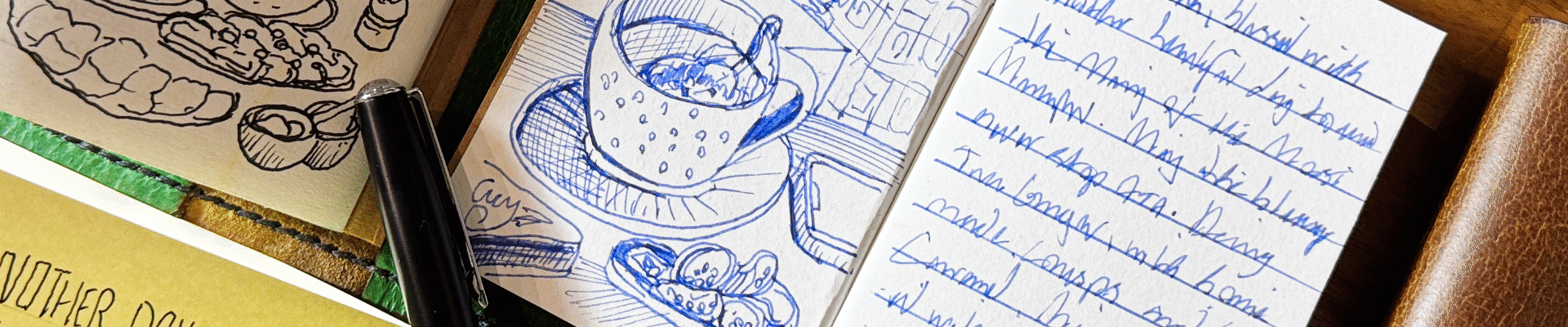
the ones that I did in the video in my wallet. So on the screen over here, we've got my lovely green
wallet that I designed, and this is probably my favorite one. It's
the most portable the zip on it works great. A couple of pound in there to maybe buy a couple of pencils or maybe a couple of treats while I'm doing my pocket pages, and this one has
just worked great. This is actually the ticket that I bought when I went to
Bradford for the stay, it cost me three pound 50, so I had the change in
there and I got my tickets. So that was nice. Let's
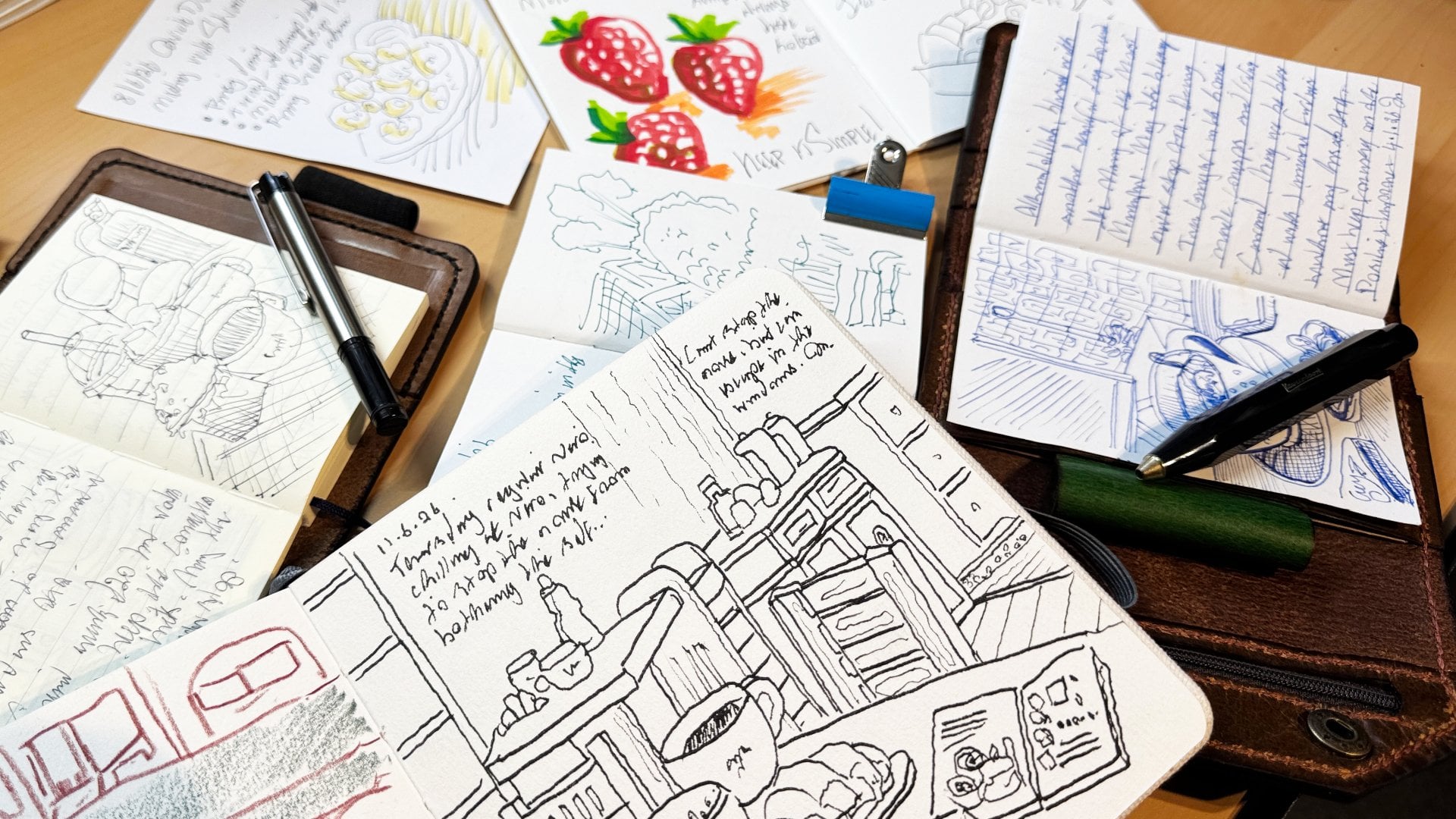
just put that on the side. And let's go quickly flick through this lovely little book which I've actually completed. Now the last one I did was actually in Bradford on day two. So let's quickly
go through this. So I started off my pocket pages just with some writing
on the first page. I didn't do any doodles. And then the next day, we were at probably some
kind of cake place. No, this was actually
at a cake store, my wife's cake store. So I got a nice little pocket
pages done on that day. And then I'm just going to
quickly flick through this again at another
coffee shop over here. And then, again, I spend a lot of my
time in coffee shops, as you know, because I'm just absolutely bonkers about
coffee coffee and art. You can't get better than that, so quick little
flick through again. On this one, I didn't
spend too much time. You can see there's not
too much details on this. And then, again, this one, I can't remember
where this one was. I think this one
was at Cafe Nero on our regular Thursdays, where me and wife go
do the grocery shop and I just do my
pocket pages then. And then here a little bit more. This was just at home, actually, when I was having a
break after work. So a nice little tea, and again, a cake, of course. I do need to cut
down on them cakes, maybe go a little bit healthy, maybe have some fruit in it. I think I'll do that as
a New Year's resolution, maybe have tea coffee and a piece of fruit instead
of all this sugary stuff. Little bit of sugar
won't harm you. But every day, it's not good. No, it isn't let's continue. Again, this is probably
at another coffee shop. Oh, this was when I was
picking up me daughter from her work experience in town. So I was just waiting in
the coffee shop for her. So I got a takeaway cup, and you can see a
little tram there. Only took me 5
minutes to do that. And that's what it's all about. So again, over here, a bit more scribbly
job down here. I think this was
where we went out to the actual festive fair
in town with the family. And I think I just
drew this outside on a stool and did some quick
little writings over there. And again, nice little drawing
here, nice and compact, not too precious about making the lines
perfect or, you know, having shading or even
if it makes sense, it was just about
getting everything down. And just again, we've got
muffins and coffee as usual. And then here we were at crispy cream doughnut with the kids. And this was actually part
of the video, wasn't it? So this was one of the videos
that you just watched. And again, this was when
we were at the park. So that, again, was one of the days on the
videos that you watched. And this was another day on the video where we were
going on our family meal, which was rather nice. There was quite a lot of us, quite a lot of family
members together. They were having cocktails
and all that type of stuff. I just kept it simple and just had a nice mango lassie,
if you've ever tried that. Very nice indeed. So we've got over here was, I think what was this? This was Bradford, wasn't it? Yes. As soon as we
went to Bradford, we went to Caffe Nero. We needed a drink, and I took that opportunity to quickly do some videos with the family, had a nice coffee, tasted
absolutely fantastic. And then this one was At? What was this at? So this was a morning
breakfast, yes. So this was my morning
breakfast at the hotel, and it was just fantastic. And you've watched
the video on that. And then at the end over here, I only had one page left. So this was where we
went to that really, really nice cafe that we found. I think it was called
Jamaican Blue. Absolute beautiful cafe. Their food and pastries was just Wow. So really enjoyed that, and that was kind
of the last page that I had in this journal.
So that's really it. I'll just quickly flick through the ones that
I've got over here. So in this one, I think this
is just a continuation. Again, this is my
wallet journal, same book again that
I use all the time. Kind of shortened
cut down version to the pocket size of the C
white ASIxPages booklet. Again, nice bit of doodles
going on over there. The theme usually is for me. When I do have a tea or a
drink or when I go out, I try to do a quick
little sketch. And again, on this one, there's quite a lot of
detail on this one. This was actually done at home, this one, a lot of detail. I probably spent a bit
too much time on this, made this into one of my
sketchbook journal pages, but that's absolutely fine. If you have the time, go
ahead and add some details. It looks quite nice, actually. This one turned out. I might
have to color that one in. So let's have a look at this. This was actually
in Traffic Center when I was waiting in the car. So I drew this in the car, I wrote this in the car, and
that's the ideal situation. When you're driving around
in your day to day life, doing your day to day things, having this in your
pocket just gives you that opportunity and window
to just do that nice, relaxing bit of creativity
to give you that calm, mindfulness, and to really improve
on your well being. And it's just so much fun to do. So that was in the car, and this one over here, this was just at home with
one of my other pens. I think it was that JHbin
pen in the blue ink. Blue ink does look rather
nice, and that's it. So this is the one that I'm
going to continue doing now. This is going to be my
continuation of my pocket pages. Just move that one to the side. This one over here, let's
see what we have in this. This is a new one. I've
actually started this. So over here, I've got the lovely little muffin and tea or whatever me
and my wife are having. I think I only did
this just yesterday, I think, yes, it was yesterday from the day of filming this. So this is just the
first page in it. And again, I haven't really
started this properly yet. So I like to have a couple of these going
at the same time, so maybe have one in my jacket pocket
with me all the time. And then I just have one at
home that I can work on, so I don't have to
kind of move one in a different place just in case I forget to take it out. So that this one is the other
one that I've got going. You've seen this, I think
in the previous video. Move the pen on that one.
Yes. This is my Midori book. I really love this book. This one just did a
quick little doodle and this was all done, I think with my lovely
fine liner over here. I have tried the fountain
pen in this as well. Over here, I think I did
fountain pen on this page. Again, this layout
is just a nice bit of writing and then just a bit of a drawing doodle
on the bottom. Do it as you like. If you have time to do the
doodles, do the doodles. If you don't have time,
just do writing or do it the other way around where you're just doing doodles first, and then a bit of writing. It's entirely up to you, whatever works best
for your situation. And again, this was
where I tried out that J HebinPen and it
didn't really work. But I did continue doing it. Don't get disappointed if
your medium doesn't work or, you know, if your
page doesn't turn out how it's supposed to. Remember, it's not
everyday pages. We'll be designing lovely pages. It's just this pocket
journal exercise to get it all down. And I think that was the
last one on that page. So again, I've got three of these working at the same time. These are my kind of three current ones
that I'm working with. One for my jacket pocket. And this one tends
to be at home. So whenever I have
the opportunity to do it at home, and again, this one is another one
that I'll have probably in another jacket pocket that I have, depending
on the weather. So that's it for the
inspiration of what I've done. I've been doing this
for a long time. I've got quite a lot of
other books as well, but I don't want to
sit here all day going through the pages
of what I've done. I want you to start
now. You're inspired. Watch the videos, you
watch the class lessons, and now you're ready to get your lovely pocket
page materials out and start this adventure, and I can't wait to
see what you produce. So do give this a go, and let's now finish the class off with some final thoughts.
17. Final Thoughts: Oki doke, welcome back. I hope you enjoyed that little adventure
with me of pocket pages. In my seven day
challenge that I took, I really enjoyed
the entire process, and it really kind
of highlighted to myself that this is
such a great idea. So portable can take it anywhere
with me whenever I need. And those moments
that you get where you don't have anything to
do and you're just waiting, you can just pull out
your pocket pages, start doing a little
bit of doodle. Thought writing, get
some goals down. You doesn't have to
be doing writing sophisticated poetry
or anything like that. Just get your goals down,
what your thoughts are, how you're feeling, what
you need to do tomorrow, or what you've
accomplished today. Such a great way to
release that kind of mental tension onto just
a small little piece of paper so that you're
nice and warmed up. And then when you come
home, you can start looking at things, replanning,
redesigning, and then you can start focusing on your sketchbook journaling, building this momentum into
your bigger sketchbooks. And that's what it's all about. Building that habit,
improving your mental well being and using art and
this lovely creative tool of traditional mediums to really help this journey in life and to continually work on
yourself to improve your life and to really
explore this wonderful world. Art. So thank you so
much for your time. Thank you so much for
your support over these beautiful years that
we've done on this channel. And hopefully, this has inspired you and motivated you
to do the challenge. I highly recommend
this challenge. Even if it's something that you've never done
before or you think, Oh, I'm already doing
a lot of other things. This will really fit in into
your daily routine because it's a companion that will go
with you wherever you are. So do try the challenge. Remember to take pictures of all the beautiful
works that you've done. You don't need to
show pictures of the personal writings
that you have in your journal. That's
absolutely fine. Just show the doodles and cover up the writings and post it on the class Project Gallery
so that we can all see how this challenge has
motivated you and helped you. And this will inspire us all to continue with this habit of daily art and
sketchbook journaling and just generally
improving our well being. And don't forget to leave a review on the
class once you've completed everything and upload it to the class project gallery, so other fantastic students
like yourself can view, see the class, and
join in and join in on your beautiful experience so we can all learn
from each other. So that's it for now. Let's carry on, enjoy, get that pocket pages ready, get your pen ready, all link to. Put it in your wallet,
put it in your bag, and the next time you go out, make sure that you start doing your pocket pages,
journaling and sketching. Thank you for everything
that you've done. Thank you for all the
beautiful reviews that you've left me, and thank you for all
your help and support. Take care of yourself.
Don't stress. Enjoy, take a deep breath, and I'll see you on
the next one. Peace.
 Imran Mughal, Graphic Designer & Illustrator