Transcripts
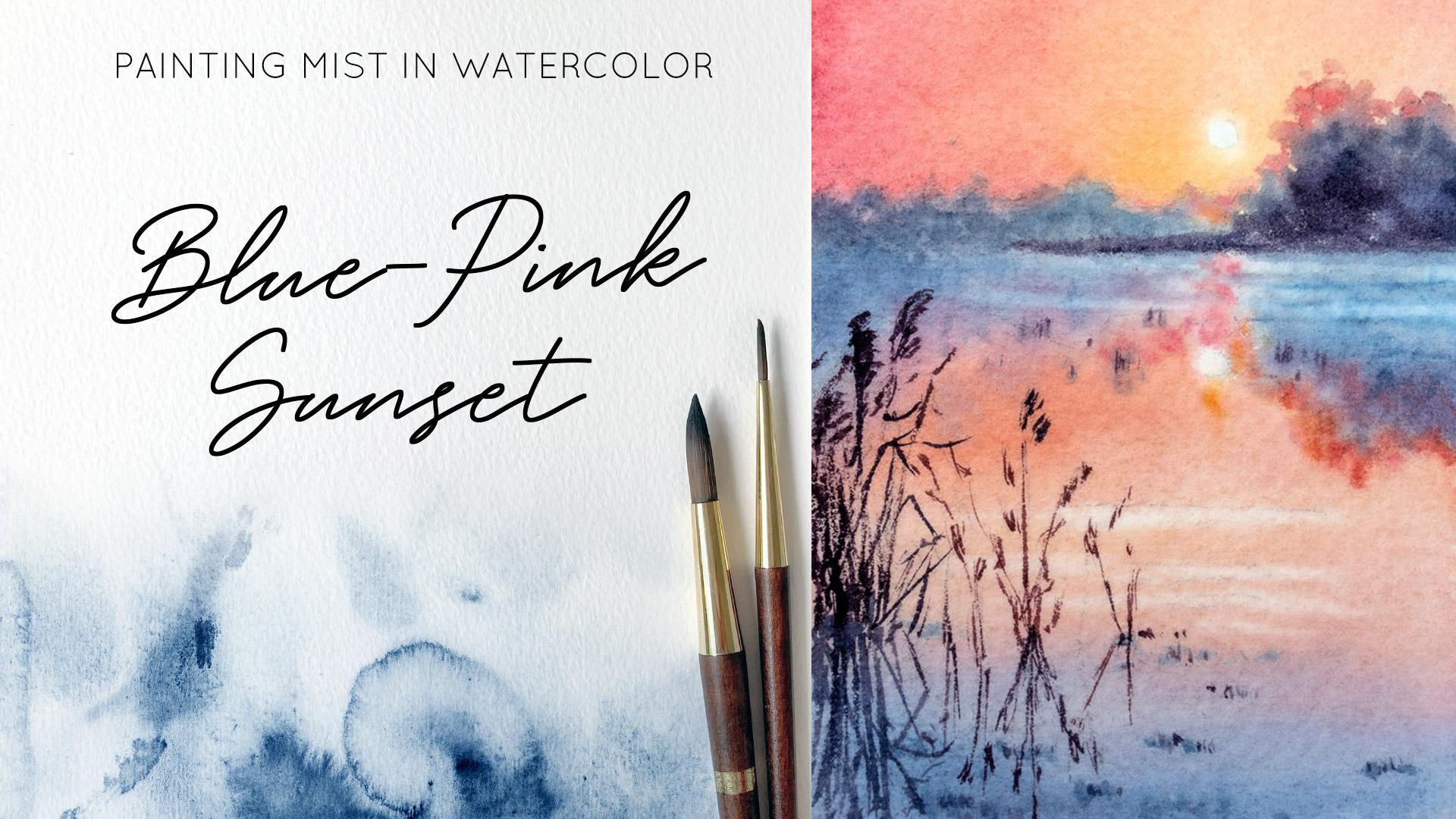
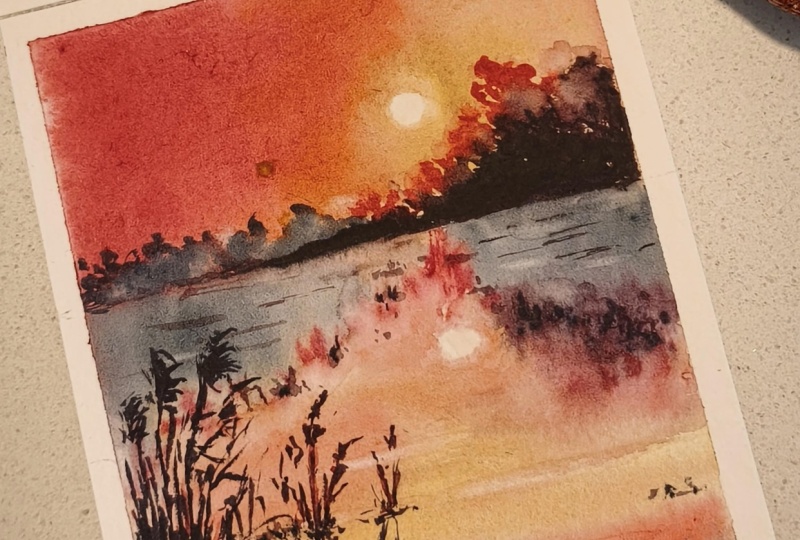
1. Welcome to the Class: Hello. My name is Evgenia, and welcome to the class. Today we will paint a magical blue pink sunset
over a peaceful lake. This lesson is part of my
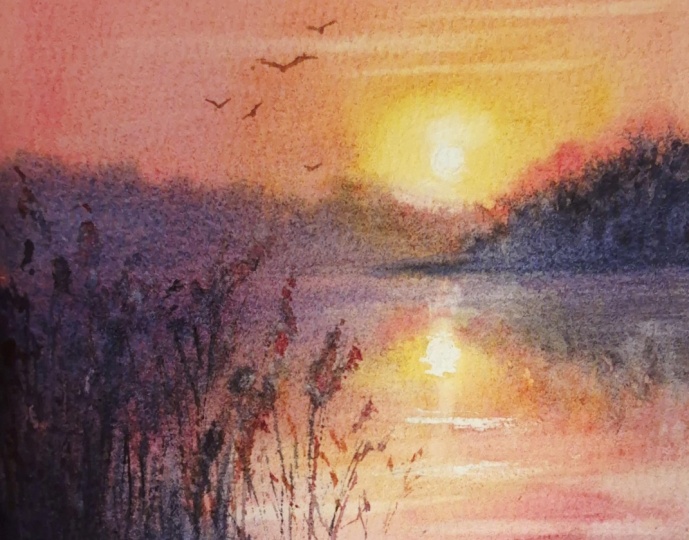
hazy landscape series, where we'll explore romantic, misty scenes inspired by
the quiet poetry of nature. Let's get started.
Master the secrets of watercolor and paper to
achieve stunning results. By using three colours, learn to mix a wide range of soft natural tones
for nature painting. Together, we'll explore
beautiful techniques to blend two colors into a smooth gradient
and create light on the water surface
without using white paint. By adding finishing details, we will complete
an inspiring piece to spark your creativity. I've been professional
artists for many years, focusing exclusively
on watercolors. I've always been captivated
by the magic of this medium. I started to paint when I
was a child, but as I grew, I had no idea how to improve or how to create
effect that I wanted. I didn't know any of the
techniques or how to use them. Now I've taken part in exhibitions and been
fortunate enough to win rewards from such highly
regarded organizations as International
Watercolor Society, Helvetat light space time. Archo International
and Royal talents. Watercolor can be challenging to manage for those who
start to use this medium, which is why it's my intention
to help you to enjoy watercolors and to learn
it in an easy and fun way. In the step by step lessons, you can see the hunt
and brush movements clearly from different
points of view. We will explore versatile and fundamental
watercolor techniques that you can use in all your
paintings and sketches. The approach of my
classes is to start with an easy wash. As we
proceed with the painting, step by step, we will add more details completing
the artwork. If you have any struggles or
difficulties along the way, you can start a discussion and I will read and respond
to all your questions. Remember to hit the
follow button next to the class title just
below the video. By doing so, you'll stay updated and be
among the first to receive updates on my upcoming classes and
exclusive giveaways. Discover free
watercolor tips and tutorials by following me
on Instagram and YouTube. Jump to the next lesson, and let's start painting.
2. Your Project: Before we begin with the class, I want to thank you
for joining me today. Let's discuss our project. In the resource section, you'll discover my
completed painting as a helpful reference, along with pencil drawing
that you can trace. You have the freedom to
select your own object to paint or to closely follow
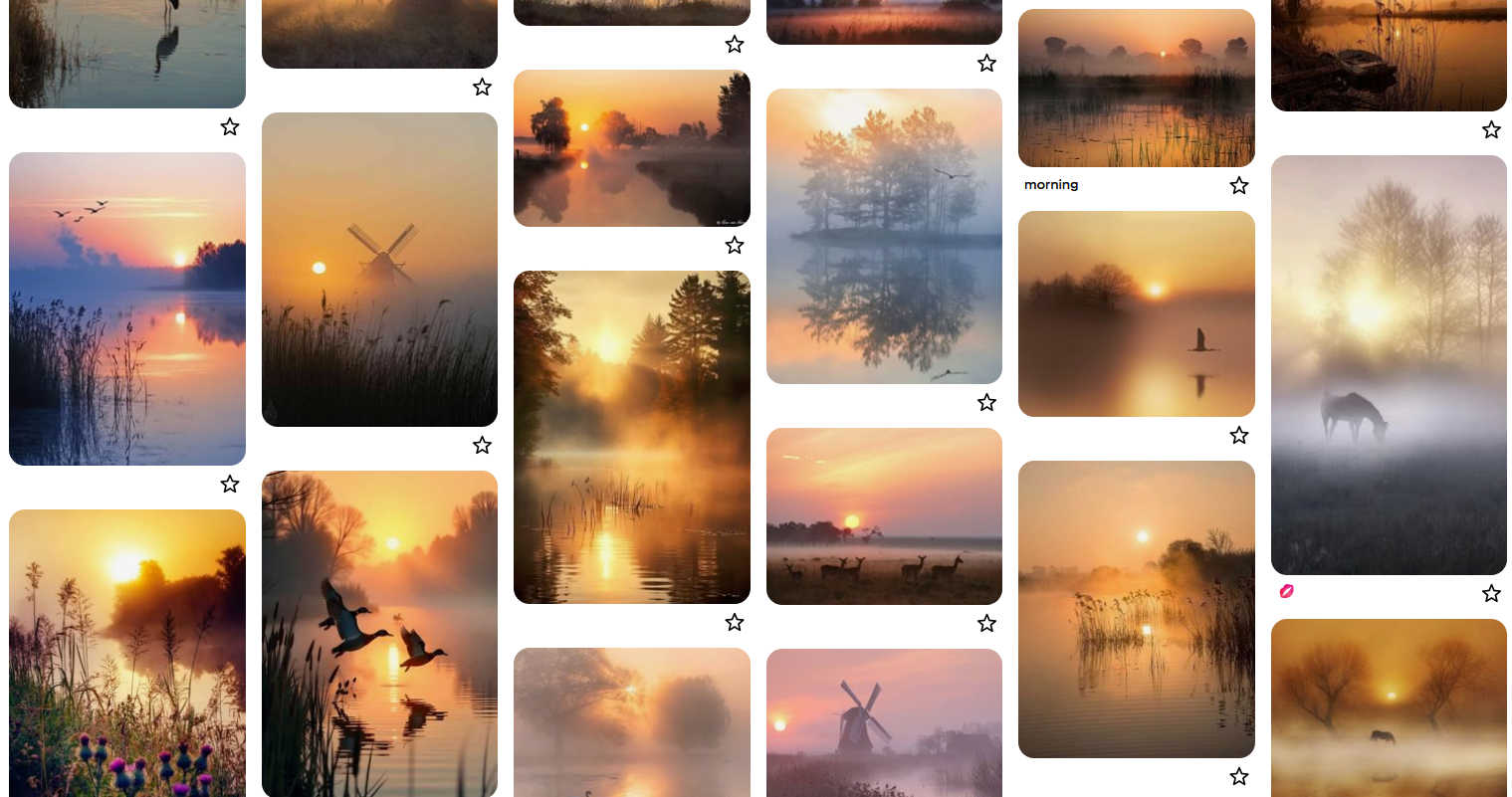
my painting as a guide. Additionally, you'll find a reference photo
and a selection of other images that can serve as inspiration for your
very own artwork. It's a great pleasure for me to give my students feedback. So after you put so much effort in your artwork,
why not share it? You can do it by taking a photo of your painting
and share it in the student project gallery under the project
and Resources tab. I'd love to hear all about your painting process if you had any difficulties or what was the most enjoyable part
of the painting process. Upload your artwork by clicking Submit project on the
project and Resources tab. Upload a cover image. It can be your artwork photo, but it will be cropped. No worries. You can upload
a full photo father. Share your thoughts about the class and your
painting process. Under the field where you write, you can find three small icons. Click on the first one image
and upload your artwork. You can see your photo
appearing under your text. Scroll to the top and click on the button published
to share your project. If you have any struggles or
questions during the class, please start the discussion, and I will be sure to
answer your questions. I highly encourage you
to explore the work of your fellow students in the
student Project Gallery. Viewing other creations
can be truly inspiring, and also to receive support
can be incredibly reassuring. Therefore, please
consider engaging by liking and leaving comments
on each other's project. You find this class too
easy or too difficult, you can choose from
my different classes available for learning
varied watercolor skills. The approach of my
classes is to start with an easy wash. As we
proceed with the painting, step by step, we will add more details completing
the artwork. Remember to hit the
follow button next to the class title just
below the video. By doing so, you'll stay updated and be
among the first to receive updates on my upcoming classes and
exclusive giveaways. Jump to the next lesson, and let's prepare our
colors and color mixes.
3. Colour Palette - Making Swatches and Mixes: Let's prepare our
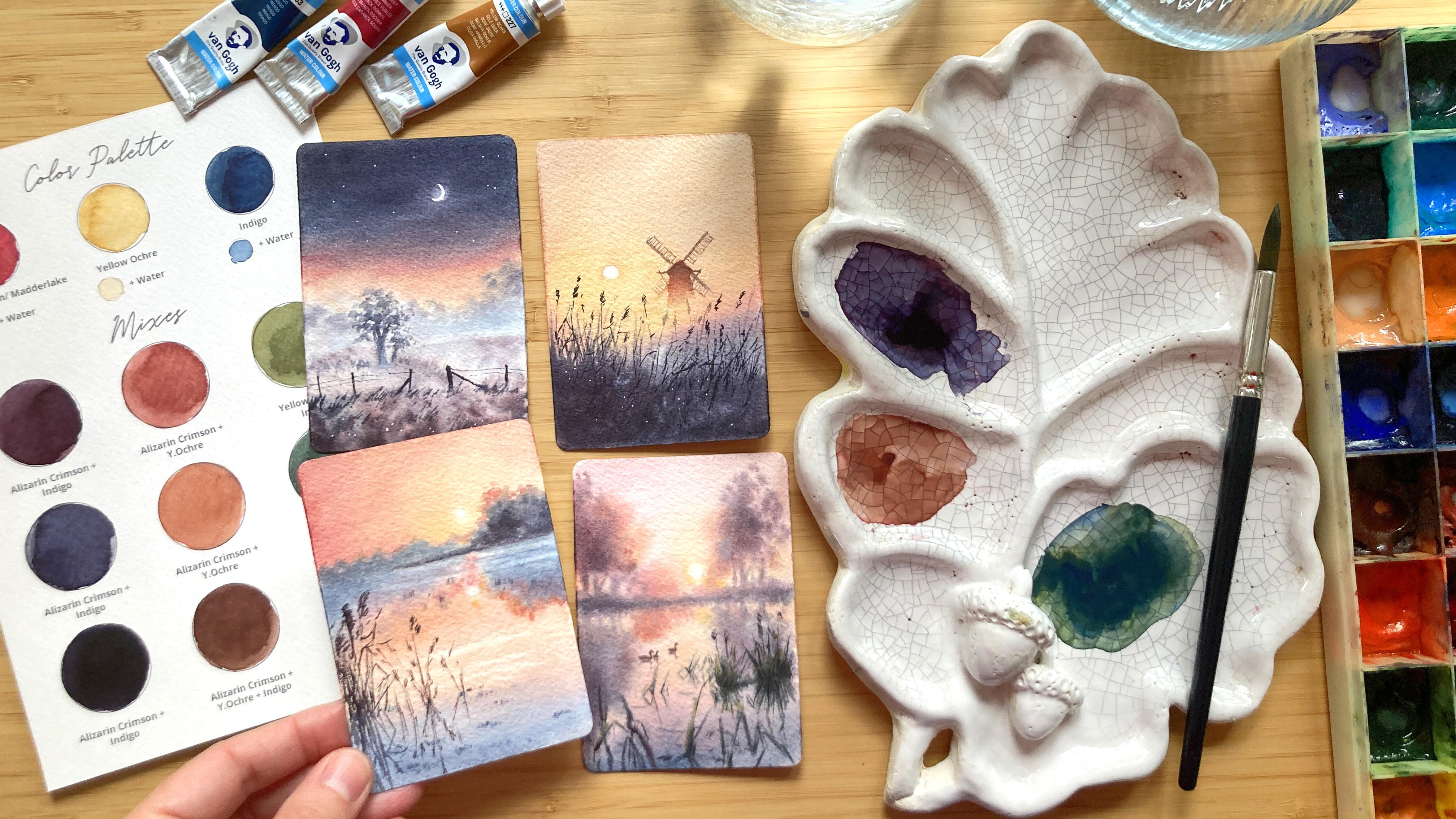
colors and color mixes. The three colors we'll use are beautifully mixable and give you a wide range of tones and
shades with very little effort. These colors are
indigo, rose red, such as a zaran crimson
or Mer lake and yellow ocha Mina from
Vangg watercolors, but the brand doesn't matter. If you have the right hues,
you'll perfectly set. Why did I choose
these three colors? After hours of experimenting, I found that this
trio can create an exceptionally rich
dark mix deep enough to replace black and offers a full spectrum of natural
tones, shades and tints. Using only three colors also brings harmony to a
series of paintings, especially if you create
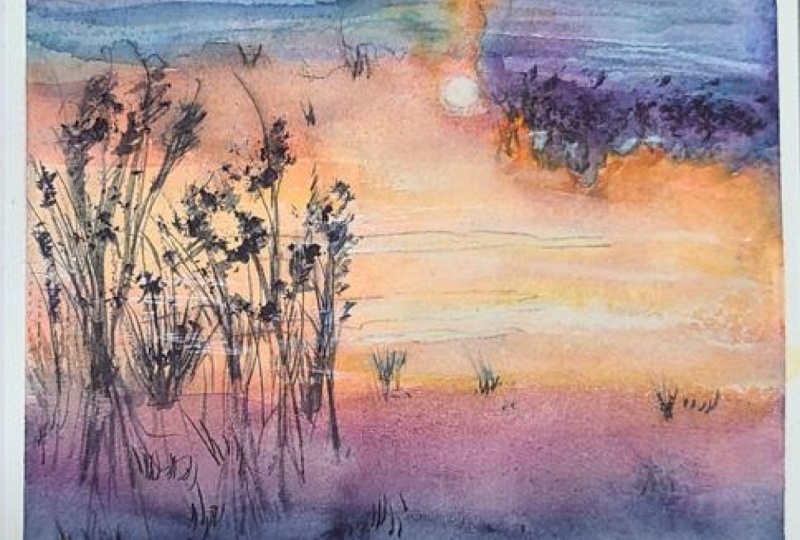
several small pieces. For example, this
painting was made with these three colors and fits beautifully with
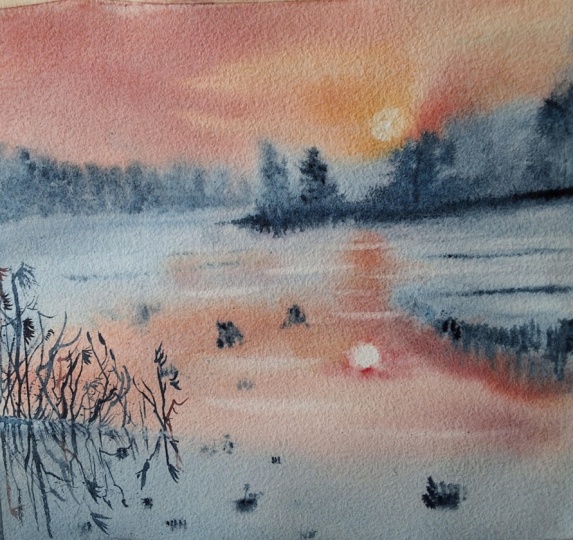
others in the series. Another piece painted with different pigments
looks noticeably bluer, simply because the
colors were different. Color appearance also
depends on the paper. These two sheets have
slightly different tones. One is warmer, the other cooler, even though I use the exact same colors
for both paintings. Papers vary in whiteness. So like Cleo fontain
are extra white while others like arches
have a natural creamy tone. The same colors will look
different on these papers. Notice how the
blue appears here, much cooler and brighter on pure white paper than
on natural white. Let's begin. You can download the blank
sword sheet to print on thicker paper and fill in yourself or use
it as a template. A finished colour palette sheet is also attached in the class. We'll start with our
first colour, rose red, such as a isaran crimson or Mer leg diluted with plenty of water to
create a gentle pink. Next is yellow ochre, a beautiful earthy
yellow I use often. Add lots of water to create
a soft light yellow. The third color is indigo, one of my favorites. Used concentrated. It behaves almost like black. With a little water, it becomes a deep dark blue, and when heavily diluted, it turns into indelicate
natural light blue. Now let's mix our colours. Mix rose red and indigo to
create a lovely purple. Add more indigo for a
cooler reddish dark blue. Adding highly
concentrated indigo stretched from the tube or with very little water will give you an extremely
rich dark color, almost black with
a warm undertone. In the next column, we'll mix a sarin
crimson and yellow Oca. This mix gives you a
beautiful reddish brown. Add more yellow oca and you'll get a wonderful
earthy orange brown. To the same mix, add a touch of indigo for
a deeper balanced brown. In the last column, we'll mix indigo and yellow Oca. Mix these two colors to create
a beautiful olive green. Add more indigo for
a cool blue green. For the last switch, increase the amount of
saturated indigo and just a little yellow ocha to create a very dark cool tone, almost black, but with
a cool undertone. We're now ready with
our color palette. So let's jump to the next
lesson and start painting. To
4. Painting the Background on Wet Paper: Mask the sun orb
with masking fluid and let it dry before you
start wetting the paper. The drawing should be
thoroughly wet on both sides. Play the drawing
on a wet tea towel and gently smooth it flat. Brush the painting
lightly with a broad, slightly damp brush to
absorb excess water. We will start with
the sky gradient. Take a suitable round brush and with yellow ochre
paint around the sun. Then mix rose red into yellow
and paint the sky above. Use the belly of the
brush to stray the color. Adding a bit more rose red
on the sides of the sky. Now you'll have two
separate sky colors. We'll connect them. Take more
yellow and pat in between, diffusing the colors together. Brush lightly with
the tip of your brush on the upper sky to
mingle the tins properly. Add some more rose red on the left and a bit more
yellow around the sun. Now we'll paint the water
in the same warm tints. Start with a mix of
rose red and yellow. Straight the color using
the belly of the brush. Mix a little more orange if needed and add it to the water. Take a clean brush or tissue and dup the sun
reflection in the water. Add some light pink
and yellow tins, mingling them gently
with your brush. Place the yellow stain under the sun's reflection and
add rose right above it. Clean the brush and softly
diffuse the colours. Now we'll begin adding the
blue tones to our landscape. Mix indigo with a
bit of rose red and applied below
on the water area. Add a touch morose red and blend it slightly with
the previous blue mix. Mix a little orange again and add it above the pinkish
colored diffusion. Those two will merge
beautifully on paper. You'll see the gradient becoming harmonious with colors flowing
softly into each other. Take some light blue and paint the reflection of the
trees and the water. Mix indigo and
draws red to create a purple blue tone and add playful strokes
to mimic reflections. Mix indigo with water and paint the
reflection more darker. Add a bit more pink to
the blue mix and diffuse the blue reflections into the orange water with
short pinkish strokes. Add more blue to the
lag reflection area. Take a fine hair thin brush
and mix rose red and yellow. Add small fine strokes
along the edge of the big reflection and sprinkle the same color here and
there into the purple wash. Use a touch of yellow or the pinkish mix to enhance
the area around the sun. Now take a flat, medium sized brush, wet it, and dab it on a tissue first, then draw horizontal lines
on the steel down paper. The pigment will lift easily, leaving beautiful light lines. Dan paper is easily adjustable. You can erase any
bleeding colour with a damp brush by
gently rubbing it. Now with some blue, paint the trees in the distance. With a hairthin brush, add pink streaks to the trees
reflects in the sunlight. Using a fine brush, add pink tops to the larger trees and
create playful stains. Leave small gaps for
a more natural look. Then mix indigo and rose
red for a very dark, saturated tone and
paint the trees and the stretch of ground
reflected in the water. With a clean wedge brush, diffuse the dark color
into the pink areas. With a dump brush, gently tickle the edges
of the dark shapes to soften them and give a
more natural appearance. Add a few dark dots
on the wet paper. Paint a few dark lines in the water with a fine
tip of the brush. Then soften them playfully
with a clean damp brush. The final touch before drying the paper is to add scattered
grasses in the water. Use blue and add dots and
short strokes here and there. This gives the
landscape character. Add a few darker lines meeting
the sun's reflections. With a flat brush, as before, you can leave some
light lines as well.
5. Finishing Touches - Painting the Details: The paper is now dry. I used to hair dry to
speed up the process. The colors as always appear
a bit lighter once dry. That's why you need to use more saturated mixes with less water to maintain vibrancy. The first step is to remove the masking by gently
rubbing it off. You'll notice the sun is
now sharply outlined. To make it glow,
take a damp brush. I use an old filbert brush and lightly rub off the sunspot. The pigment along
the edges will lift, creating a soft glow. Do the same for the sun's
reflection in the water. If your distant trees
look too light, you can add more color. Just take some blue mix from your palette and cover the
distant tree slightly. On dry paper, work quickly to diffuse the edges before
they leave hard outlines. You can do it by gently
rubbing on the edges of the strokes and stains
with a clean damp brush. Enhance the grasses
with a darker color. Now we can paint the foreground and the contrasting
dark grasses. Use a small brush and
mix indigo and rose red. Use a high proportion
of rose red for the grasses touched
by the sun's glow. With the tip of your brush, playfully paint the grasses. For the large grasses on
the left, use a darker mix. Try to use only the tip of the brush creating
light, loose strokes. Paint the reflections, mirroring
the shapes in the water. Use a slightly lighter
tone for the reflections, than for the grasses themselves. Congratulations on completing
the soft blue pink sunset. I hope you had fun painting it. If you enjoyed the class, I would be really grateful for
getting your review on it. I hope to see your artwork after you put so much
hard work in it, and I love to hear all about
your painting process. If you had any
difficulties or what was the most enjoyable part
of the painting process. Share your artwork in the
StudentPject gallery by clicking on Submit Project under the Project
and Resources tab. Every piece of art,
no matter the level, represents time, effort,
and personal expression. But most importantly, it's a part of your
artistic journey. It's a visual record of
your growth as an artist. If you have any questions, I'm happy to respond
and to help. Just post your thoughts
in a discussion thread. If you prefer to share your artwork on
Instagram, please tag me. I would love to
see you painting. Skillshare would also love to see the artworks of my students. So please tag them as well. I hope you enjoyed the class
and found it inspiring. I'm looking forward to seeing your beautiful artworks
in the project gallery. Bye for now and see you soon.