Transcripts
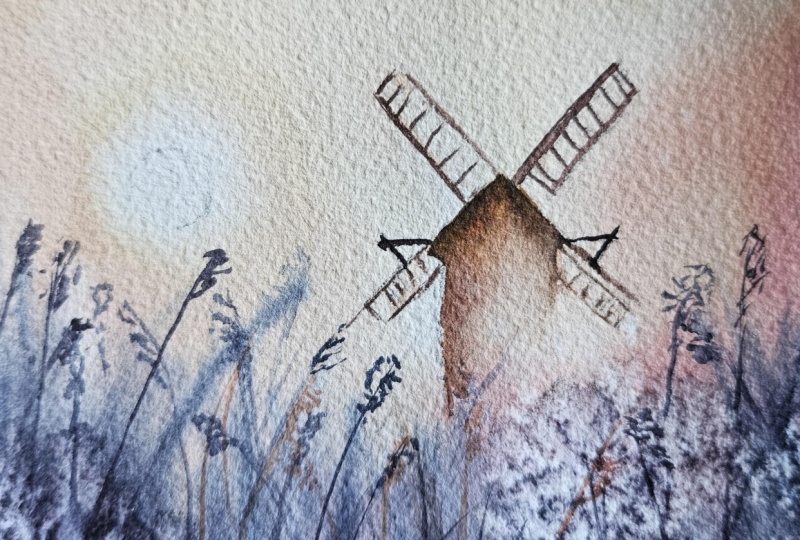
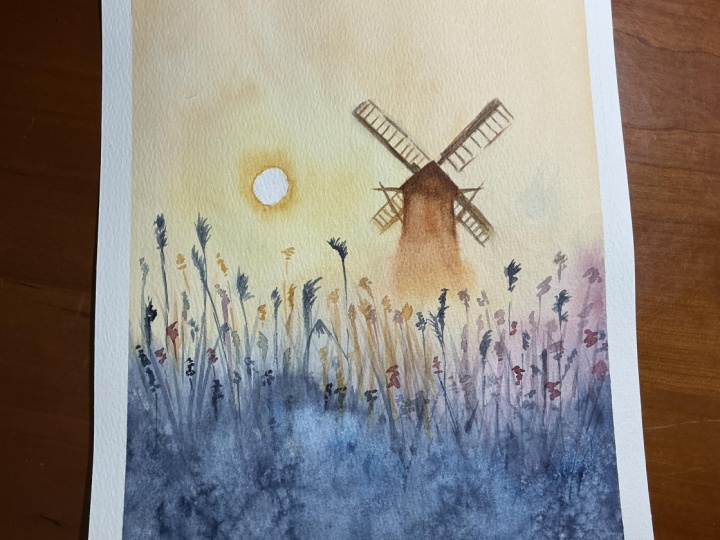
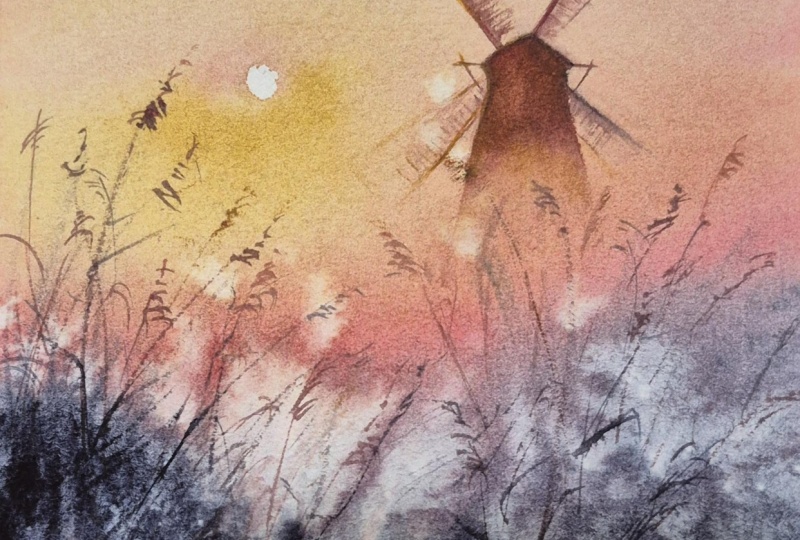
1. Welcome to the class: Hello. My name is Evgenia, and today we will paint a picturesque
windmill in the mist. Together, we'll
learn how to combine different tints and create a
smooth, luminous gradient. This class is perfect for all levels and will
help you unlock the secrets of watercolur paper and paint for truly
stunning results. Will also learn how to
build a color palette using just three colors to
achieve soft natural tones. We will also explore simple materials that add beautiful texture
to your artwork. After masking the sun
without using masking fluid, we will paint a
magical misty gradient and finish the piece with fine details to create a glowing landscape
and golden light. I've been professional
artists for many years, focusing exclusively
on watercolors. I've always been captivated
by the magic of this medium. I started to paint when I
was a child, but as I grew, I had no idea how to improve or how to create
effect that I wanted. I didn't know any of the
techniques or how to use them. Now I've taken part in exhibitions and been
fortunate enough to win rewards from such highly
regarded organizations as International
Watercolor Society, Helvetat light space time. Archo International
and Royal talents. Watercolor can be challenging to manage for those who
start to use this medium, which is why it's my intention
to help you to enjoy watercolors and to learn
it in an easy and fun way. In the step by step lessons, you can see the hunt
and brush movements clearly from different
points of view. We will explore versatile and fundamental
watercolor techniques that you can use in all your
paintings and sketches. The approach of my
classes is to start with an easy wash. As we
proceed with the painting, step by step, we will arch more details completing
the artwork. If you have any struggles or
difficulties along the way, you can start a discussion and I will read and respond
to all your questions. Remember to hit
the follow button next to the class title, just below the video. By doing so, you'll stay updated and be
among the first to receive updates on my upcoming classes and
exclusive giveaways. Discover free
watercolor tips and tutorials by following me
on Instagram and YouTube. Jump to the next lesson, and let's start painting.
2. Your project: Okay. Before we begin
with the class, I want to thank you
for joining me today. Let's discuss our project. In the resource section, you'll discover my
completed painting as a helpful reference, along with pencil drawing
that you can trace. You have the freedom to
select your own object to paint or to closely follow
my painting as a guide. Additionally, you'll find a reference photo
and a selection of other images that can serve as inspiration for your
very own artwork. It's a great pleasure for me to give my students feedback. So after you put so much effort on your artwork,
why not share it? You can do it by taking a photo of your painting
and share it in the Student Project Gallery under the project
and Resources tab. I'd love to hear all about your painting process if you had any difficulties or what was the most enjoyable part
of the painting process. Upload your artwork by clicking Submit Project on the
project and Resources tab. Upload a cover image. It can be your artwork photo, but it will be cropped. No worries. You can upload
a full photo father. Share your thoughts
about the class and your painting process. Under the field where you write, you can find three small icons. Click on the first one, image, and upload your artwork. You can see your photo
appearing under your text. Scroll to the top and click on the button published
to share your project. If you have any struggles or
questions during the class, please start a discussion, and I will be sure to
answer your questions. I highly encourage you
to explore the work of your fellow students in the
student project gallery. Viewing other creations
can be truly inspiring. And also to receive support
can be incredibly reassuring. Therefore, please
consider engaging by liking and leaving comments
on each other's project. If you find this class too
easy or too difficult, you can choose from
my different classes available for learning
varied watercolor skills. Approach of my classes
is to start with an easy wash. As we
proceed with the painting, step by step, we will arch more details completing
the artwork. Remember to hit
the follow button next to the class title, just below the video. By doing so, you'll stay updated and be
among the first to receive updates on my upcoming classes and
exclusive giveaways. Jump to the next
lesson and let's prepare our colors
and color mixes.
3. Colour Palette - Colours & Colour Mixes: Let's prepare our
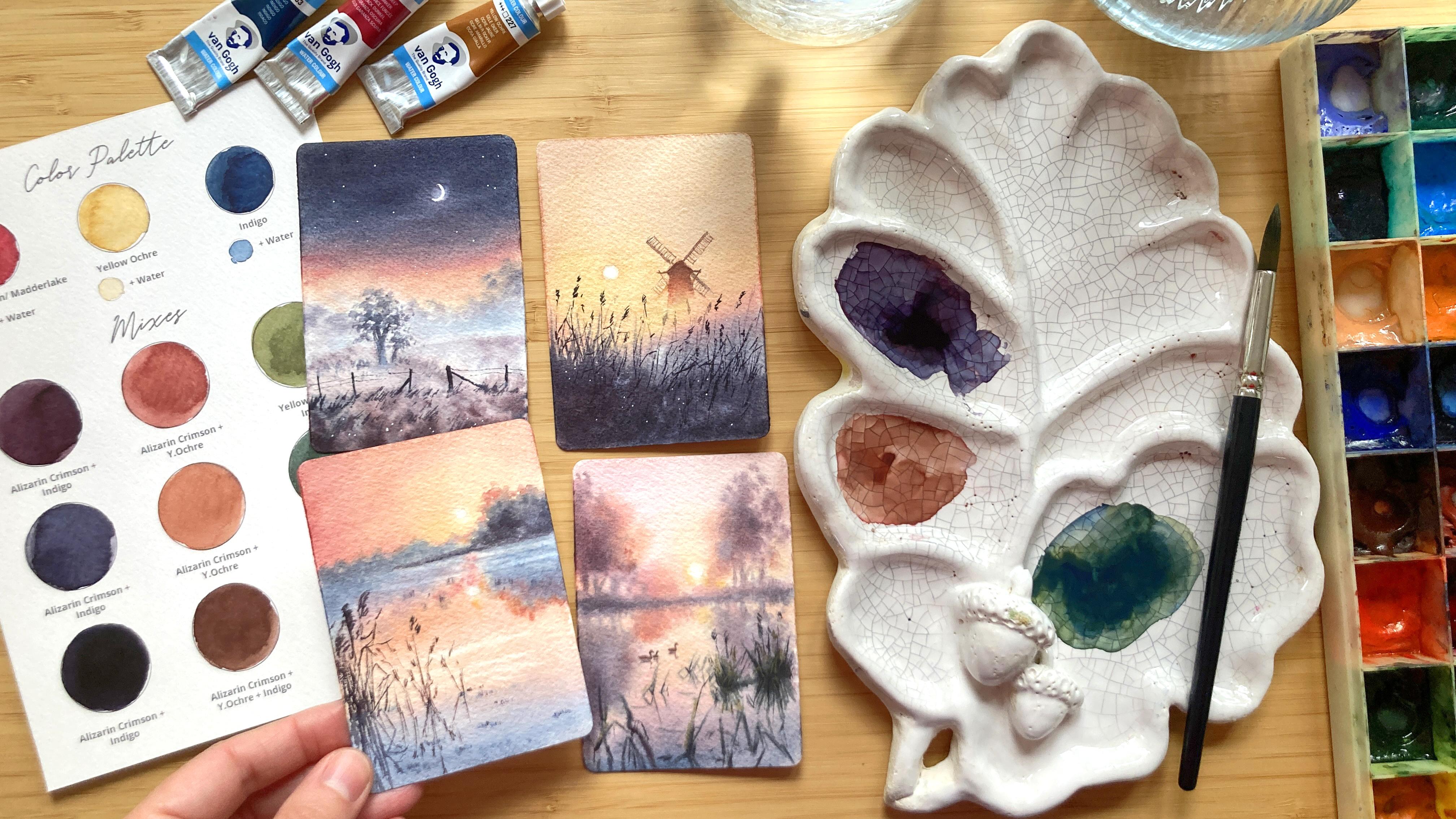
colors and color mixes. The three colors we'll use are beautifully mixable and give you a wide range of tones and
shades with very little effort. These colors are
indigo, rose red, such as a sarin crimson
or Mer lake and yellow ocha Mina from
Vangg watercolors, but the brand doesn't matter. If you have the right hues,
you'll perfectly set. Why did I choose
these three colors? After hours of experimenting, I found that this
trio can create an exceptionally rich
dark mix deep enough to replace black and offers a full spectrum of natural
tones, shades and tints. Using only three colors also brings harmony to a
series of paintings, especially if you create
several small pieces. For example, this
painting was made with these three colors and fits beautifully with
others in the series. Another piece painted with different pigments
looks noticeably bluer, simply because the
colors were different. Color appearance also
depends on the paper. These two sheets have
slightly different tones. One is warmer, the other cooler, even though I use the exact same colors
for both paintings. Papers vary in whiteness. So like Cleo Fontaine, are extra white while others like arches have a
natural creamy tone. The same colors will look
different on these papers. Notice how the
blue appears here, much cooler and brighter on pure white paper than
on natural white. Let's begin. You can download the blank
sword sheet to print on thicker paper and fill in yourself or use
it as a template. A finished colour palette sheet is also attached in the class. We'll start with our
first colour, rose red, such as a isaran crimson or Mer leg diluted with plenty of water to
create a gentle pink. Next is yellow ochre, a beautiful earthy
yellow I use often. Add lots of water to create
a soft light yellow. The third color is indigo, one of my favorites. Used concentrated. It behaves almost like black. With a little water, it becomes a deep dark blue, and when heavily diluted, it turns into indelicate
natural light blue. Now let's mix our colours. Mix rose red and indigo to
create a lovely purple. Add more indigo for a
cooler reddish dark blue. Adding highly
concentrated indigo stretched from the tube or with very little water will give you an extremely
rich dark color, almost black with
a warm undertone. In the next column, we'll mix a sarin
crimson and yellow Oca. This mix gives you a
beautiful reddish brown. Add more yellow oca and you'll get a wonderful
earthy orange brown. To the same mix, add a touch of indigo for
a deeper balanced brown. In the last column, we'll mix indigo and yellow Oca. Mix these two colors to create
a beautiful olive green. Add more indigo for
a cool blue green. For the last switch, increase the amount of
saturated indigo and just a little yellow ocha to create a very dark cool tone, almost black, but with
a cool undertone. We're now ready with
our color palette. So let's jump to the next
lesson and start painting. To
4. Painting the Sky Gradient, Mist and Foreground: We start by soaking
the drawing in water until the paper
becomes flexible. After that, play
the wet drawing on a damp tea towel and gently smooth it flat
using a flat brush. Now we are ready to paint our picturesque
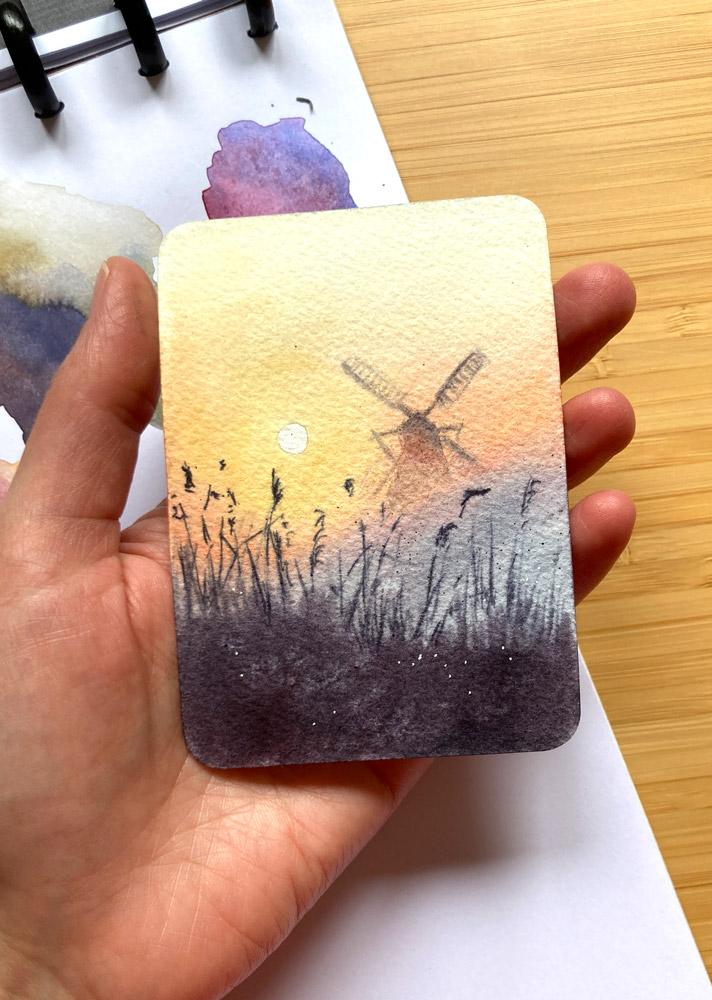
meal in the mist. For this project, you'll
need salt fine or coarse. We'll add salt to
the wet foreground later to create beautiful
texture in the darker areas. Let's begin. As with
all misty landscapes, we'll paint a blurry background and a more defined foreground. It's always wise to start
with the background first. In our composition, the sun
should remain bright white. But what if you forget to
mask it before painting? Do you need to stop, dry paper, and start again? You could, but let me
show you another way. We'll temporarily mask the sun using a small piece
of paper tissue. Since this is a small painting, make the tissue tiny
enough to cover the sun. With some yellow ocha, paint gently around the sun. You can live the tissue in a place a little
longer than I do. This helps absorb extra moisture so the color doesn't
bleat into the white. I'll remove mine now. Next, add a touch of rose red to your yellow
ochre to create a light orange tone and
apply it broadly to the sky. Mix in a little
more rose red for a rosier orange and paint the lower part of the
sky behind the grasses. For deeper color, add more
yellow to the rose red for a richer orange and apply it
to the bottom of the sky. Now take pure rose red
and paint the mist. It will appear quite pink
at first, but don't worry. Water colours
always dry lighter. Take the orange mix
from your palette and blend the yellow sky
and pink wash together. Then with clean yellow, smooth the transitions by lightly brushing over the edges. Add a hint of pink
to the left behind the grasses and softly diffuse it into the
previous orange. Use a little more orange to strengthen the sky where needed. Now outline the sun softly. Add more orange
above the pink on the right and color the meal
with the same warm tone. I paint in short steps, gradually darkening
the gradient. This keep the transition soft, the color smelt into the paper. Now it's time to
introduce some blues. Mix indigo with a bit of rose red to make a soft violet blue. And apply it to the right
side behind the grasses. Add slightly more
rose red to make it purpler and paint
above the blue. With diluted rose red, gently blend the
purple into the pink using the tip of your
brush and light strokes. Next, mix a rich indigo
and draws red for a deep purple blue tone
and paint the foreground. Use rough uneven strokes
to suggest texture. You'll now see the bluish mist in the background
emerging beautifully. While the foreground
is still wet, sprinkle a few salt
crystals to create texture. Now take a fine brush
with long bristles, like a rig brush or a
small detail brush, lotd with the same dark mix and playfully paint grasses in different directions
using only the tip for fine delicate lines. Since the paper is damp, these strokes will
dry softly blurt adding to the feeling
of distance and mist. Notice how beautifully the salt is already beginning to work. Let the painting dry completely to allow the
salt to do its job.
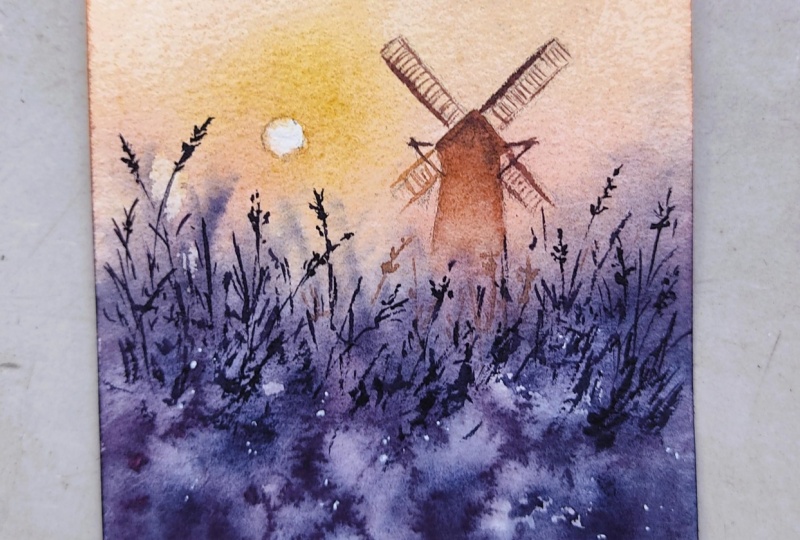
5. Painting Details & Adding Finishing Touches: Once your paper is fully dry, we'll add depth and definition
to complete our artwork. Take your dark mix
again and with the tip of a fine brush
paint individual grasses. Make sure there is no
excess watch on your brush, dab it lightly on a
tissue before painting. Add the strokes
playfully and gently, barely touching the paper until all the grasses
are complete. Mix rose red, yellow ocha and a drop of indigo to
create a warm brown. Lightly wet the meal
with clean water. Then apply the mix
with a fine brush. Clean your brush, boil
the excess water, and gently diffuse
the lower edge of the meal into the background. Add a slightly more
saturated brown to outline the roof
and structure. Then with a clean damp brush, soften the edges between the new and previous colours
for a smooth transition. Draw the construction
lines in brown. Use a diluted brown, yellow mix for the final line that fades softly into the mist. Use a thin brush and short
strokes for the male's wings. And use a light golden brown to paint the wing that
catches the sunlight. O when everything is dry, apply a light,
transparent brownish wash to even out the
tones of the meal. Clean your brush and
soften the lower edge of the applied color to blend it naturally into
the background. As a final touch, add some grasses in a lighter golden brown
to enhance perspective. And a few tiny white dots with a gel pen for
texture and sparkle. Congratulations on
completing this beautiful, misty landscape with
a picturesque meal. If you enjoyed the class, I would be really grateful
for getting your review it. I hope to see your artwork after you put so much
hard work in it, and I love to hear all about your painting process if you had any difficulties or what was the most enjoyable part
of the painting process? Share your artwork in the
StudentPject gallery by clicking on Submit Project under the Project
and Resources tab. Every piece of art,
no matter the level, represents time, effort,
and personal expression. But most importantly, it's a part of your
artistic journey. It's a visual record of
your growth as an artist. If you have any questions, I'm happy to respond
and to help. Just post your thoughts
in a discussion thread. If you prefer to share your artwork on
Instagram, please tag me. I would love to
see you painting. Skillshare would also love to see the artworks of my students. So please tag them as well. I hope you enjoyed the class
and found it inspiring. I'm looking forward to seeing your beautiful artworks
in the project gallery. Bye for now and see you soon.