Oil Pastel Basics for Beginners: Blending with Fingers to create a Smooth Gradient
 Smitha Rao, Pencil and Pastel Artist
Watch this class and thousands more
Watch this class and thousands more
Lessons in This Class
-
-
1.
Introduction
1:07
-
2.
Blending with Fingers (Demonstration)
6:52
-
-
- --
- Beginner level
- Intermediate level
- Advanced level
- All levels
Community Generated
The level is determined by a majority opinion of students who have reviewed this class. The teacher's recommendation is shown until at least 5 student responses are collected.
82
Students
3
Projects
About This Class
About This Class
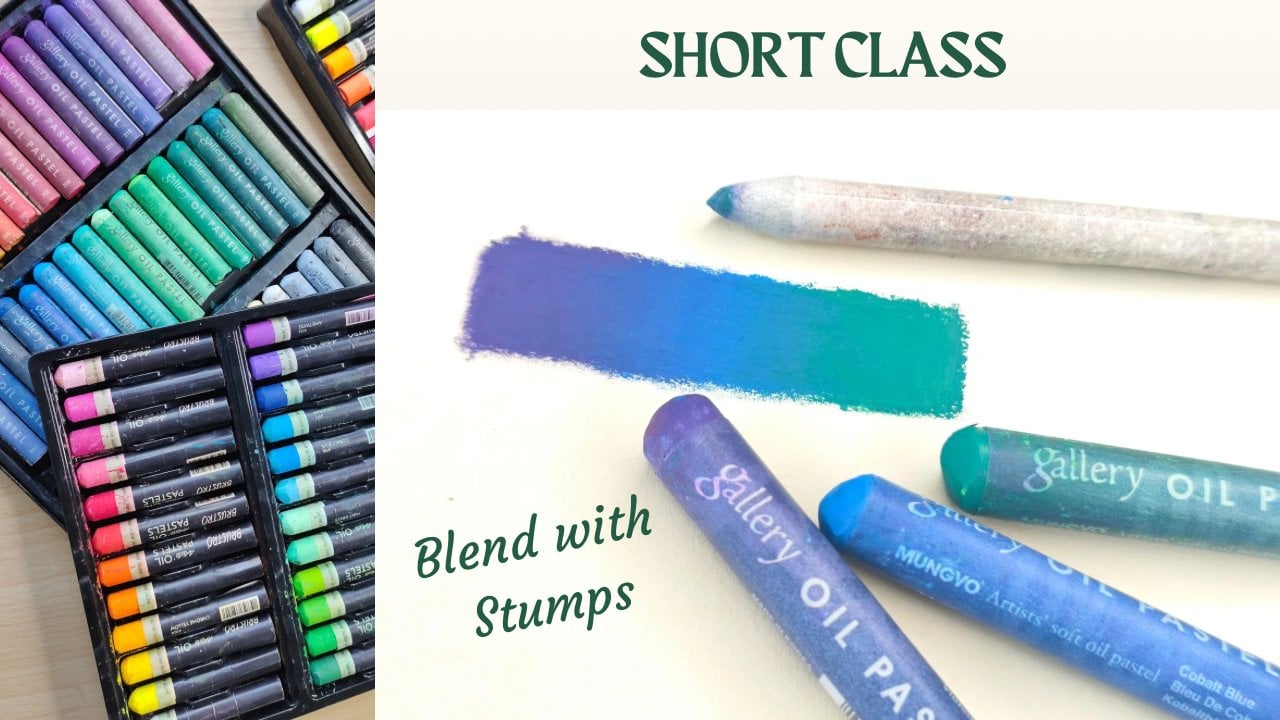
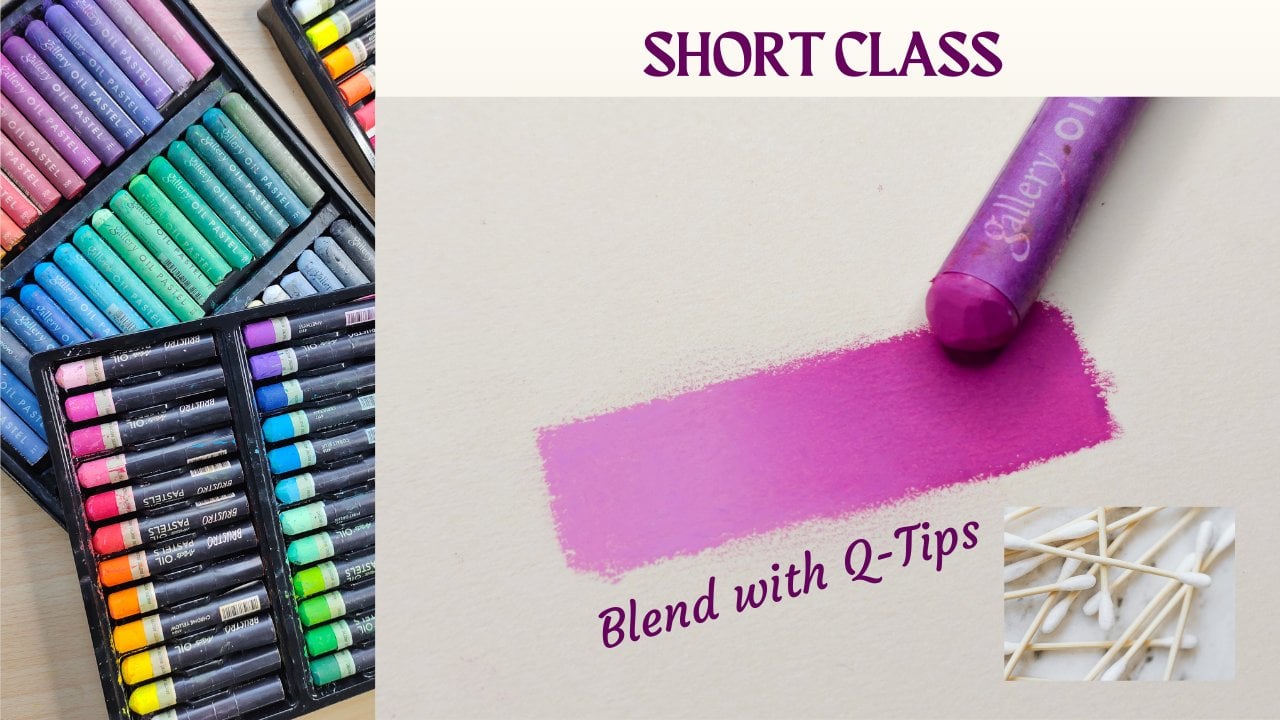
Oil pastels are beautiful, creamy, and vibrant, but beginners often struggle with one key thing: Blending! In this series of short, real-time classes we will demystify blending using only the simplest tools: your fingers, Q-tips, and blending stumps.
This first class is the ultimate start for beginners—we'll learn how to create flawless, smooth color transitions simply by using our fingers to blend the oil pastels.
What You'll Learn
- Step-by-step finger-blending techniques to achieve a smooth, streak-free finish without special tools
- The secret to creating a seamless gradient between two analogous colors in real-time (Class Project)
- Best practices for keeping your colors vibrant and your hands clean as you work
Who is this class for?
- Absolute Beginners who have never picked up oil pastels before and want a low-pressure way to start
- Busy Creatives who want to learn a new skill but only have 10–15 minutes to spare
- Aspiring Artists looking to master the fundamentals of blending without feeling overwhelmed
- Minimalist Learners who want to create beautiful art using only their hands and basic supplies—no fancy tools required!
- Visual Learners who prefer real-time, step-by-step guidance to ensure they don't miss a single move
Materials Required
You will only need a couple of Oil Pastels, a Paper suitable for the same and a Tissue (Specific Colors and other instructions will be mentioned in the Projects & Resources section)
Ready to make some creamy magic? Let’s jump in!

Hands-on Class Project
Project Instructions
Your project for this class is to create a simple, two-color analogous gradient using the finger-blending technique
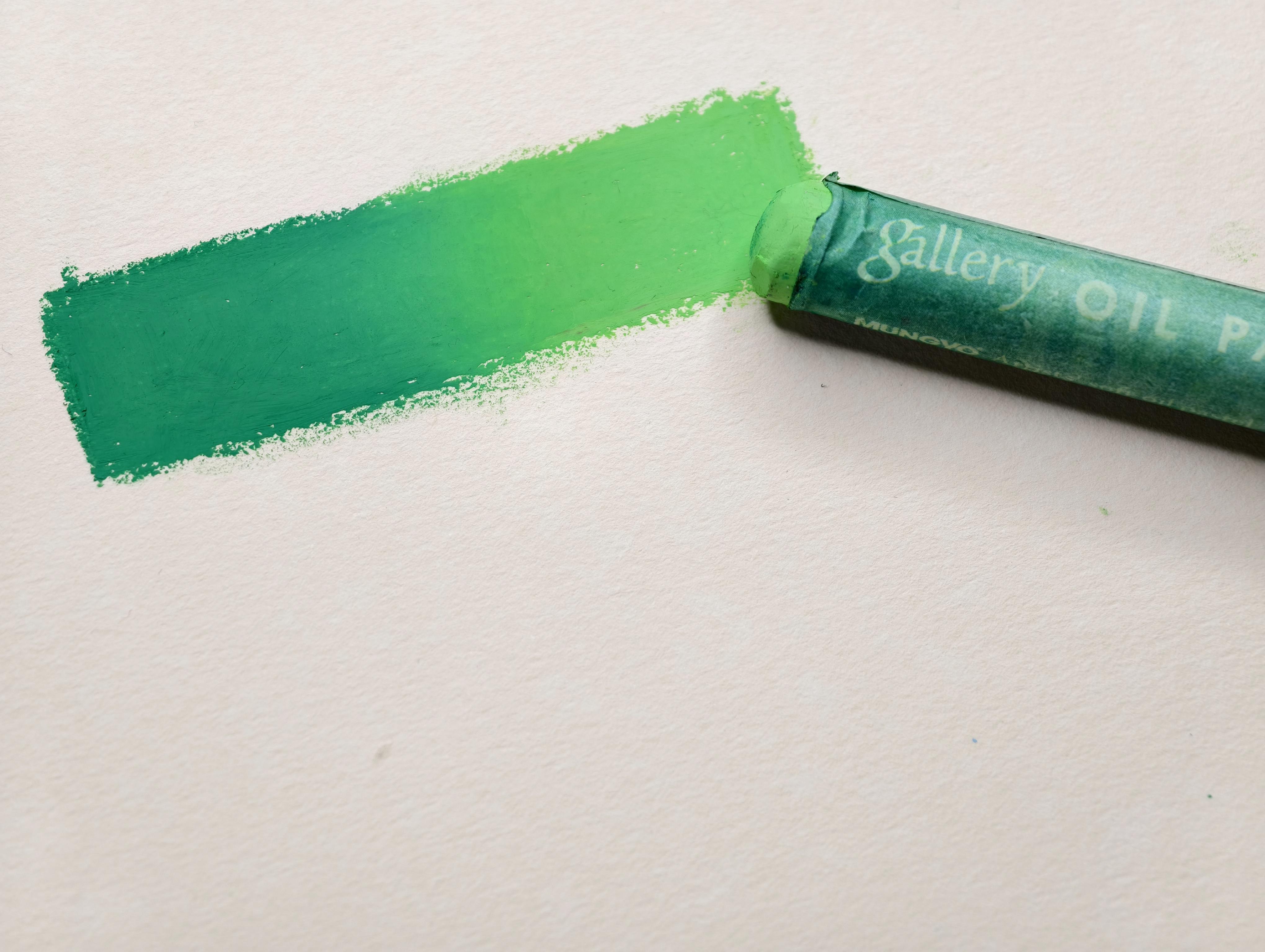
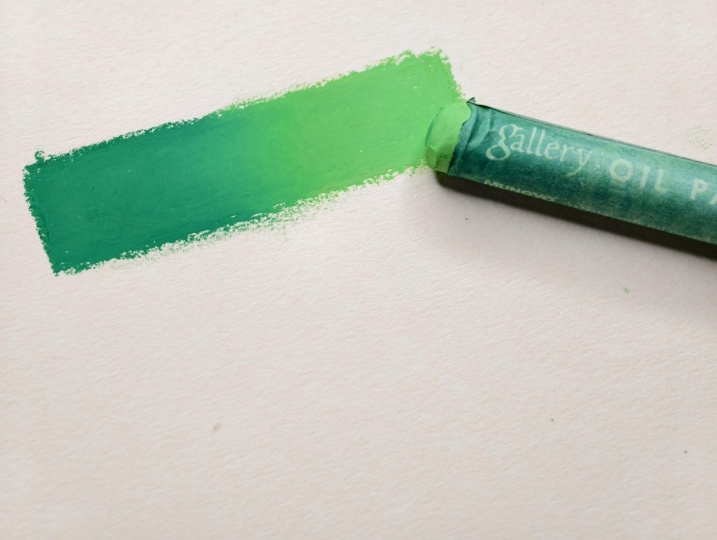
- Pick Your Colors: Choose any two analogous colors (colors that sit next to each other on the color wheel). I used two shades of green, but feel free to try blues, oranges, or pinks!
- Prepare Your Space: Have your paper ready and a tissue nearby to keep your fingers and pastels clean
- Layer the Color: Apply your first color on one side and your second color on the other, leaving a slight overlap in the middle
- Blend with Your Fingers: Using the real-time techniques from the lesson, use your finger to blend the colors where they meet until the transition is perfectly smooth
Materials Required
- Two analogous shades of Oil Pastels (I used Grass Green & Yellow Green from Mungyo Gallery Soft Oil Pastels). Use any decent brand of your choice
- Paper suitable for Oil Pastels: Toned or White (I used Canson Mi-Teintes Toned Pastel Paper). You can also use a Mixed Media Paper or a Paper that is not super smooth
- Tissue for cleanup
Uploading your Project
- Take a photo of your finished gradient and upload it to the Projects & Resources section and also tag me on Instagram @art_by_smitha if you upload it there. I’d love to see the color combinations you choose
- If you have any queries feel free to post them in the Discussion section and I will help you out
- Please consider leaving a feedback in the Reviews section of this Class. Your feedback not only helps me grow and improve as an instructor, but it also helps new students discover the class and join our wonderful creative community
More from this series:
Class Ratings
Why Join Skillshare?
Take award-winning Skillshare Original Classes
Each class has short lessons, hands-on projects
Your membership supports Skillshare teachers
Learn From Anywhere
Take classes on the go with the Skillshare app. Stream or download to watch on the plane, the subway, or wherever you learn best.