Transcripts
1. Introduction: The world we live in
today is fast-paced and it bombards us with an overwhelming amount
of new information, most of which are distractions all competing for
limited attention. We are constantly exposed to more information that we
can possibly process. Think of the amount of news, social media content, music, advertisement, and the
likes that are delivered seamlessly through our
smartphones daily. This information overload,
if left unchecked, can have a crippling
effect on us, leading to mental
stress and fatigue, creative block and burnout and potentially other
mental health issues. One creative copying
mechanism that has helped me stay afloat and
motivated over the years, it's practicing mindfulness
through photography. Something I like to call
mindful photography. My name is KC Nwakalor and
I am a Nigerian documentary photographer
and a producer, currently based here in
Manchester in the UK. I have worked professionally as a photographer for
almost a decade, often documenting emotionally
demanding stories for numerous international
publications and charity organizations
across different countries. Mindfulness is
basically intentionally slowing things down and
staying present in the moment. It is appreciating the small mundane
moments in your life, like the smell of a flower or paying attention to the
rotating fan on your ceiling. Observing the sound it makes, its design, or even just the
science of its suspension. Photography on the
other hand provides a healthy escape from
the daily buzz of life. Through the Cara's viewfinder, we can see differently. It turns us into
observers, spectators, and witnesses of the world
unfolding before us. That very novelty and wonder that makes a child's life
thrilling and interesting. Becoming a better photographer
or visual storyteller easily translates to becoming
more present and observant. It is being able to predict and capture the decisive moment. Mindful photography allows
you to see beyond the surface and notice important details that may otherwise go unnoticed. With a trained
eye, these details suddenly becomes apparent, and they essentially become the building blocks
of your visual story. This class has been carefully designed
to help you practice mindful photography so that you can reap its
invaluable benefits. In each lesson, our shared
daily photography exercises you can do from anywhere to help you enhance your
mindfulness and improve your overall photography and
visual story telling skills. You do not need to be a
professional photographer to get value from this class. Photography exercises
can be done by virtually anyone
that can capture a decent photograph using a DSL camera or
just a smartphone. I hope you will join me on this intimate journey to practice mindfulness
through photography. I look forward to seeing you on the other side taking
this class with me. Coming right in, let's go.
2. Project: Class project is fun, and it's an integral part
of the learning process. I mean, how can you possibly become a better photographer
without practicing? I want you to improve
at your craft, and that's why I need you to participate in the
class project. The class project is to upload photographs of
your participation in the daily
photography exercises presented in this class. I'll be spending the
whole week here at my workstation capturing
photographs that illustrate each of the
photography exercises that I expect you
to participate in. So, you see, we will
be doing it together? You'll get to see my creative
decision making processes. Sharing your project
provides a great opportunity to learn from and interact
with other people's work. I'm so happy to provide constructive feedback
if you ask for it, but I have to stress that
your participation is key to getting the best
value from this class. I will share my own
project with you, and I look forward
to seeing yours. To carry out the project,
you need a camera. This could be a
smartphone or a DSLR. You also need a photo
editing software like a Light room or Sap sad. Definitely, that
will come handy. You also need a tripod and a wireless remote trigger
for yourself portraits. You can get chip ones
off Amazon or you can use the self time of
function on your phones. Remember, it is not a
photography contest. Nobody is judging your work. All we care about is your
thoughtful participation in all the photography exercises
presented in the class. We just want to see that you're practicing your photography
and you're becoming better. So do well to engage with
other students work in the project section as we are all here to
support each other. Well, enough of the long
talk, let's dive right in.
3. Photography & Mindfulness: I. Mindfulness is
a mental practice that involves focusing
one's attention on the present moment, while ly acknowledging and
accepting one's feelings, thoughts, vision, and
bodily sensations. It is often used as a
therapeutic technique and can be cultivated through various
exercises and activities. One of which is photography. The connection
between mindfulness and photography lies in the shared emphasis on present, awareness
and intentionality. Both practices encourage
individuals to slow down and observe their surroundings and engage deeply with each moment. Of the ways that
mindfulness and photography intersect are
attention to detail. Both mindfulness and photography require paying close
attention to details. In mindfulness, this involves noticing thoughts,
feelings, and sensations, whereas in photography
means observing lights, shadows, textures,
and compositions. This heightened
level of awareness enhances one's ability to capture unique and meaningful
photographs, being present. Mindfulness focuses on staying
present in the moment, which is crucial for
photography as well. When taking photos, being
fully present allows the photographer to see the beauty and nuances
of their subject, leading to a more authentic and compelling
photographic outcome. Seen with fresh eyes, Mindfulness encourages
seeing things as they are without preconceived
notions or judgment. This perspective
helps photographers approach familiar subjects
with a fresh eye, thereby finding new angles and unfolding creative
opportunities. Patience and calmness. Mindfulness practices, cultivate patients and calmness. These are qualities that are equally valuable in
photography as well. Whether it is waiting for the perfect light or
capturing a fleeting moment, a mindful approach helps photographers to remain
composed and attentive. Emotional connection. Mindfulness enhances emotional
awareness and connection, which can translate into a more expressive and
evocative photography. Being in tune with one
emotion helps photographers convey a deeper sense of mood and atmosphere
in their photographs. Intentionality. Both
mindfulness and photography involve deep
level intentionality. Mindful photography means taking photos with a propose,
and thoughtfulness, considering the subjects,
its composition, and the message,
rather than just snapping away or taking
pictures mindlessly. Enhance creativity. Mindfulness can boost
creativity by encouraging a state of flow and
reducing mental clatter. This creative openness allows photographers to experiment
with new techniques, perspectives and ideas,
stress reduction, Engage in a mindful photography can be a form of stress relief. It allows one to disconnect from the daily worries and immerse oneself in the creative process, leading to a sense of
calm and fulfillment. Appreciation of beauty. Mindfulness fosters a
greater appreciation for the beauty in everyday life. This appreciation is
mirrored in photography, where the act of capturing
photographs helps individuals see and celebrate the
extraordinary in the ordinary. Incorporating mindfulness
into photography and reaches the overall
photographic experience, leading to a more meaningful, thoughtful and
impactful photographs. It transforms photography from
merely taking pictures to truly seen and experiencing
the world through the lens. The next seven days, I want you to join me in the photography
exercises that I have designed to help you see everyday objects
with fresh new eyes. I hope that by engaging
with these exercises, you will become more mindfully attuned to your environment, thereby increasing
your visual awareness, which is a critical skill for capturing story
for photographs.
4. Day 1: Macro Monday: Macro photography involves
capturing close of photographs of small objects
in a visually appealing way. This type of
photography can enhance your mindfulness by immersing you in the intricate
details of your subject. When capturing tiny
objects of clothes, like the delicate patterns
on a flower petal, the drop of water on the tip of a leaf or a tiny baby toy, you're forced to focus intently
on the present moment. To get the perfect shot, you have to squat or
get down your knees or lift the object
to your eye level. This heightened
attention to detail encourages a mindful
state as you become fully engaged in observing and appreciating the subject
small scale beauty. Don't need a macro lens
to capture tiny objects. You can pretty much
use what you have. Get as close as you can, and probably use digital
Zoom to do the rest. Modern smart phones are
equipped with pro cameras, often having a macro
photography function, so do well to explore that if you have a phone that
has the ability. I know that it will
be hard to capture really tiny objects like a coin, or this tiny candle using
a DSLR or a camera that is not actually a micro photograph
for micro photography. So I've brought in the toys, which a friend of mine
gifted my daughter. These are tell tobes. And I'm going to, you
know, they are small, but it's small enough that
almost any lens can capture. So what I'm going to do
with this tiny objects, which I've never really
looked at so close up. I can see the
details in the eyes, the shape of the antennas, really interesting stuff.
I find it interesting. And what I'm trying to
do here is to be able to capture the personality or just future one or just make a
portrait of this tiny toy. So if you have a
smart phone that has the pro camera and you have the macro
photography aspect of it, you can use your
phone to actually capture really tiny
objects like a coin, a ring, anything you
find interesting. Usually, when I'm
taking pictures, I like to use the 28
millimeter lens because I like how wide it goes and it can show a bit
of the environment, also showing the person in
the frame because I like to show the context of the subject and the environment in which I'm
photographing them in. I have a 50 millimeter length, which I've attached here. So that's what I'm going to be using to take this portrait. And this table is pretty
much going to be my Canvas. Is pretty much where I'm
going to make the pictures. I have two big lights here, not so big because the
space is not that big. But rather than
just snapping away. Most times when I take pictures, I hardly have to use
any form of light. But I'm going to try as
much as I can to kind of bring their personality forward by playing with
light a little bit. You know, Aldo it's
gray, K weather. So I'm going to use a bit of the lights that
I have available to me to kind of create that feeling and the
picture that I want. So, it wouldn't rely so
much on this lights. So you don't have to worry if you don't have this
type of lights, but the most important thing
is you getting creative, paying attention to the
tiny object and just noticing its beauty and
finding ways to capture it. So these are the toys that
I want to photograph today. Really interesting.
And I'm going to be using my DSLR camera. First, I would want to capture. This is my main subject. So All these other people are going to kind of participate
in the photography ball. They are not really like
the main character. So I'm going to find a way to photograph him or it in the company of all
these other ones, but still showing
his details and, you know, his
personality and stuff. Maybe I'll use this book here, which I think is interesting. It is also like a red color. And I you know, it's just me trying to
find a way to kind of separate It's from the others
in an interesting way. Maybe this would work. But also, I'm now using this part
as the background, which I do not want to do. So I'm going to
probably put this on the table, put them here. And maybe this one's here. I don't like this blue. We still here. So let's see
if we can get rid of that. This is my wife's poem book. Yeah. So, this looks better. Yeah. Then we can use this this and then place here, right? Let me see what it looks like. Yeah, my main
character is this one. So I'm trying to
use this book to kind of create like a distance between its pals on
the back at the back. And I'm going to see how that looks using this place as
the background because, you know, the paper is so messy and I don't
want to do that. I'm going to use my
50 millimeter Yeah, it looks interesting
at the moment, but I think we can add a bit
more drama to the light. Maybe I'll turn off the
slide and see what it looks like. Yeah, let's see. Yeah, I think I'm
beginning to like the one with the lights on one
on one end. I'll see. The one with lights on one end, I believe it is probably
more interesting. So maybe I'll go a bit closer. I just go, I can take it a bit further
by maybe using another light. I have the tiny light here. I can use to kind of so. I think it's interesting
the way it is. Maybe I can just take
only this one by itself. Slide is low. Maybe I can turn up the slide to
see what that looks like. No, maybe, maybe. I like the lights in the eye. Maybe I can put a
draft there and see. Yeah, I like this. Yeah. This is nice. I light the light
bounce around the eye. Maybe maybe I can straighten
this up a little bit more and reduce
the shooter speed. Even I can see a reflection, this might also be interesting
to capturing the regard. Yeah. So all I'm
trying to focus on is this face bit and
the light the eye I think it would be interesting to capture it in this manner. And the light was still showing a bit of
it in the background. Yeah. Yeah. A. Light is in my shop? Maybe I can remove
it much later. Looks like he's watching a TV. Let me show you. Looks
like he's watching a TV. Maybe we can get rid of
this in the background. Yeah. We're getting there. But I'm pretty much doing all
this stuff on in the girl. So I don't have all the answers. You see how the light
is moving there? I'm still pushing it.
I s to please myself. Yeah. You can do this. Your task for this lesson is to capture a close off
shot of a small object. It can be pretty much anything
that is accessible to you, and I want you to explore the details that
often go unnoticed.
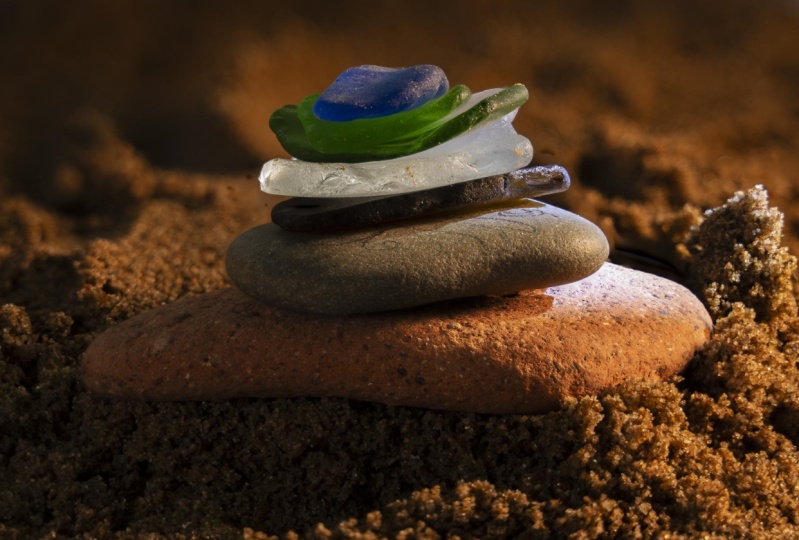
5. Day 2: Texture Tuesday: Capturing texture and
photography invites mindfulness by prompting individuals to
engage their senses fully. When focusing on textures, such as the roughness
of a three back, the softness of fabric or
the smoothness of a stone, you as the photographer, enter a sensory
reach experience. This process encourages you
to be present in the moment, concentrating on the
tactile qualities of your subject and exploring creative ways that capture them. For texture, I'm going
to be photographing Free things here that I think I interest in would
make good texture. First, the fireplace, So I'm definitely going to take a picture
of the fireplace. A the place I think
is interesting is this the light stand. I like the texture and and
the stuff that is holding it. It's definitely something
I would want to capture. Feels like something
that I would be nice to touch and feel. So it's definitely something that I would want to capture. I would want to get the details. Get up close and capture it. The third thing that
I'm likely going to photograph would be the cap. Really interesting. Can
feell the details on it. The texture. It's really
interesting to touch. We got this in Texas
during the radio. So it has some culture in it. I think they are really interesting
objects to photograph. These are the three main things
that we're photographing. Today. So I'm going
to photograph. I'm going to start with
photographing the fireplace. Think the wood. The wood is interesting. I think it would make a
good object to photograph. So the woods are pretty
much packed in there. So they rely much. I can do in terms of, like, getting that or
anything like that because it's pretty much this
that we're working with. And the details here
is also interesting. Yeah. That's the
beauty of the of the Victorian style house with the interesting
fireplace and wood. I'm going to take a picture. I brought my light down a bit
to kind of give it shape, and I'm going to see
what it looks like. And then maybe I will turn off the light and see what
it looks like as well. So it's all about I'm fascinated by this.
We don't have this. Obviously. This
is the first time living in a place
with a fireplace. It's not a thing where
I'm coming from. Um, but, yeah, I think
it's interesting. And I'm just trying
to find a way to capture its beauty
and, you know, the feeling of
experiencing this, if you were to catch this
what it would feel like, let's see what it looks like. Again, I'll explore
it different. So start of just getting the full structure itself to see what
it looks like. So I as take my time. Yeah, I can see the light
here is tube, right? But, I mean, that's the
best I can get since. Yeah, I need the
light to be on it because that's what shows
the details and stuff. So maybe I'll bit closer
on the wood itself. And the Yeah. Sometimes it could be just introducing more interesting
elements in the scene. You know, bringing this cup in here has kind of made
it more interesting. Co even make it more
interesting by lighting up this cup with
something like this. As song as this slide look like. Snow bright enough.
Why is a good start? Maybe I need a
stronger lights there. Place. Maybe we can
use the lantern. So it's You know, you have to keep exploring to see what could work
and what won't work. Okay. Not bad. So, so we give this is beginning to add and
look a bit more interesting. Maybe we can turn off this. You turn off all the lights. See what it look like. I possibly, is the swan to
light up the wood itself. My something like this. Yeah. Et's see what
it would look like. Yeah. Though it's
no longer showing the full tale nature
of the objects, well, something where
we can try and see. I just want to see what it looks like first. Okay exposed. Let's see. Let's look at shot, the exposure is right first. Okay. Yeah, the
explosion is right. Maybe we can increase the
slight to the highest. Yeah. Is looking
at t. Relatively. I'm still taking a
white. Let's see. We really sore that
the t, the textures, The tax for this
lesson is to find interesting textures
around you and create a composition
that highlights the tactile qualities
of your subject. Could be anything
from a rough surface to smooth and polished.
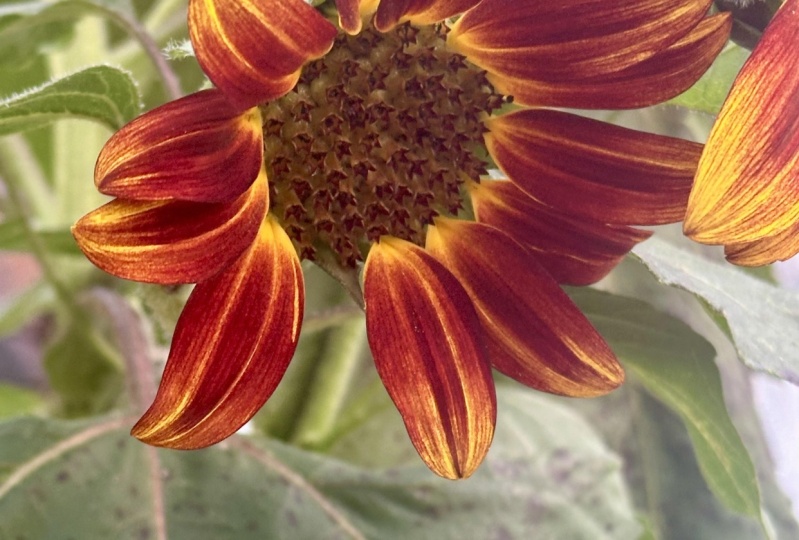
6. Day 3: Colourful Wednesday: Capturing colors and photography can enhance mindfulness by directing attention
to the vibrant hues present in your surroundings. As a photographer, focusing on colors
encourages you to be fully present and observant as you explore the visual
richness of your subject. Colors and photography
also provide a gateway to
emotional expression. Different colors invoke
specific feelings and moods, allowing photographers to convey and interpret emotions
through their work. Emotional connection foster self awareness and reflection, contributing to the overall
mindfulness experience. T ll colors, I've
decided to take a photograph of crocks that my friend left
behind in my house. I've been using it for a while until the day he comes back
and I can return it to him. But I found it really interesting because of
the color, the blue, the different shades of
blue under crocks and Yeah, I'm just going to take
some pictures of it. It's definitely not
going to be very active. So I'm just trying
to see how I can incorporate an
interesting background and take picture of it
in a way that to be interested in without it
being overly flat or boring. I've set it up on this box that is on the table that I've been using to take
pictures along, and I'm just taking your typical product style type of picture. What I'm trying to emphasize, I believe it's not like the
most vibrant or shti color b. Um, I just didn't want to capture anything just
because it's colorful. I also wanted to capture something that I had
some form of connection to and something I
could use as well in the picture because a lot of the pictures I've been taken
have been about objects, and I want to capture
a picture of an object that I can actually use and probably show myself
using So to do that, I've you know, won the rocks, and I'm trying to see how I can photograph myself
wearing it, you know, just to kind of add
some form of flare or, you know, just to bring
in a human element. It's one thing when you
photograph objects and it's lifeless there
on the stage. It's another thing when
you actually wear it, and you're taking picture of it. So that's what I was
trying to do here. Just think of compositions
that I can capture with me wearing the crocks against the background of the
pictures on the wall and, you know, the light
coming from both sides. The text for this lesson is to focus on a specific color today. Pick a color that you
find interesting, capture subjects that
emphasize that color, whether it's found in
nature, your home, or just everyday object.
The choice is yours.
7. Day 4: Silhouette Thursday: Capturing silhouettes and photography enhances
mindfulness by emphasizing the very extense of a subject while
simplifying its form. This process encourages
photographers to focus on the
fundamental shapes, contours and outlines that
defines their subject. When creating silhouettes,
you will have to work with contrasting
light and dark elements. Constantly adjusting
exposure to find the fine balance between high light and shadow
areas of your photograph. To make silhouette,
you have to expose for the bright background
rather than the subject. This back and forth process encourages a keen awareness of your surroundings
and an understanding of the interplay of
lights and shadows. To illustrate silhouette. I've chosen to use the window
as the main light source. By opening up the window, I'm going to expose
for the aldo, and, you know, that's the
bright background and keep the main
subject a bit dark. Um, so for silhouette, the focus is, you know, just using the form and shape of your subject to
tell your story. So it's less about
the details in their face or anything like that or the clothes
they're wearing. It's more about the activity and the shape and the form
that comes out of it. So here, I'm going to be photographing my wife
and my daughter. I've told them to stay
in front of the window, and she's going to just lift a little daughter and I
will get some pictures. And the camera I'm filming with, I've also reduced the exposure. If you notice the lie outdoors is in correct exposure,
and indoors d. So that way, I'm getting
the silhouette fiel, and that's how you get
to capture silhouette. If you notice in
the shot as well, I'm going a bit lower because
the lower you can get, the more of the sky you
can feature in your shirt, which is more like the
brightest areas as well. Another thing you have to
really be careful about is When you expose
for all doors, sometimes your camera will struggle to focus
on your subject, and you want your
subject to be sharp. I as much as you can
see the details, you need them to be sharp. So this is something
that you have to make sure that you're focusing
on the right thing, and you're making sure
that your camera is catching the sharpest form
of the picture possible. So, my wife is getting
tired at this point. But the most important thing is, just capturing that moment. The second object that I'll be photographing is this camera, this film camera that we have. I'm going to use the light as the background so that I will expose and get the right
exposure for the light, making sure that you just little light falls
off on the camera. The focus is getting
the shape, you know, the structure, and a little
bit of details in the camera. Like the main focus of the short is just to get that
silhouette feel. And I can only get this by adjusting exposure and
exposing for the background. So now I'm taking
picture of the camera, you know, I'm working
the scene, you know, moving as far, close as I can, and playing with, you know, positioning and stuff like that. Again, you know, this
is not rehearsed. I'm working on the goal. I'm producing these
images on the goal. So sometimes I have
to move things around a little bit before it starts looking the way I
wanted to look. Feel free to move around
the object if you need to until you get something
that you really like. As always, I like to incorporate a bit of
myself in the picture. Now I'm holding the camera, just trying to see what it would look like and
capturing that. Yeah, you can explore
that as well. The more of yourself that you
can introduce in the shot, the better for you, I guess. I'm holding it. I'm going to be forming a silo shot of my
hand and the camera as well. The task for this lesson is to create a silhouette photograph. Look for strong outlines
against a bright background, experiment with capturing
the excellence of a subject without
revealing the details.
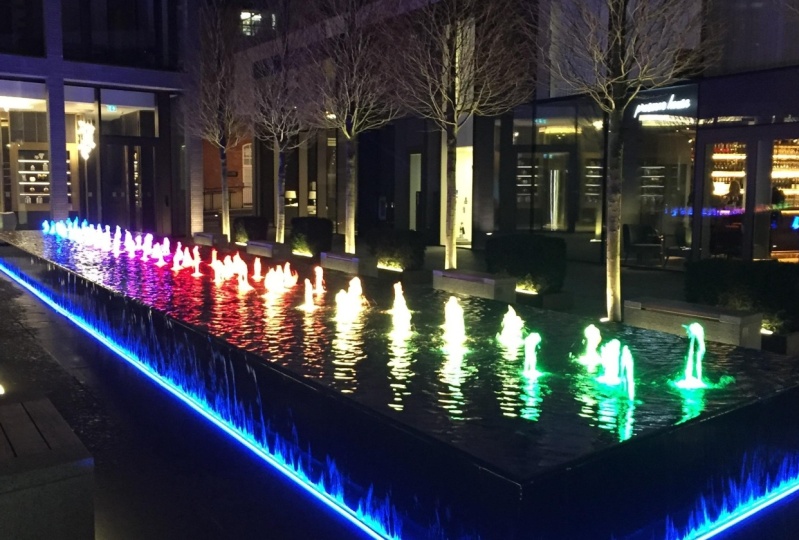
8. Day 5: Reflection Friday: Capturing reflections in photography enhances
mindfulness as it prompts you to engage with your surroundings in a deeper
and more contemplative way. Reflective surfaces
such as water or glass encourages
photographers to observe and appreciate the interplay between the
subject and its mirrored image. As photographers seek out interesting reflections
in the environment, they become attuned to the
visual intricses around them. Fostering a mindful state of observation and
concentration. Reflections can also evoke
a sense of introspection or metaphorical depth by
capturing reflective surfaces, photographers
encourage viewers to contemplate the duality
of reality and illusion. By fostering a thoughtful
and meditating experience that extends beyond the
photographic frame. I had to bring in a mirror into this office space to be able to capture reflection
because, you know, there are some
objects that I could capture reflection
from the screen of the monitor of the
laptop or the screen on the table but I struggle to just find objects that I find really interesting
to capture there. And I just didn't
want to capture reflection for capturing
reflection, say. So it's also something
that you can explore. You can bring in other
elements into the scene, or you can go around and find reflections that you can use to capture something
that is of interest to you. So what I wanted to feature in this picture
is this artwork. But as I was cleaning, I also saw, like, an interesting reflection
of myself on the mirror. And I just wanted to
capture my leg and, you know, how he came out. So now I'm done
cleaning the mirror. I'm finding an interesting
way to keep it so that kind of reflects what
I'm trying to photograph. There is reflection
almost everywhere. Yeah, I don't have a lot of
options in this space, but For this lesson, the task is to seek out and capture
reflections around you. Explore how
reflections can alter the perception of an
object or seeing.
9. Day 6: Minimalist Saturday: Minimalist photography
enhances mindfulness by encouraging individuals
to focus on simplicity, essential elements
and negative space. The deliberate act of
distilling a scene to its most basic component
prompts photographers to become fully
present in the moment. The use of negative space and minimalist photography
also plays a crucial role. Embracing emptiness or
simplicity in the frame allows photographers to appreciate the beauty
of what is not there, fostering a mindful
recognition of the relationship between
presence and absence. Restraint, inherent and
minimalist photography encourages photographers to slow down and carefully consider
their visual choices. This contemplative approach to composition promotes
a meditative state where photographers
become attuned to the subtleties of form, light, and geometry,
while inviting them to enjoy its
beauty and simplicity. For minimalist
photography, obviously, some of the things I would
work with is the slight, finding a way to photograph it in a way that is minimalist, in a way that is just about the light
and less about a lot of components around it. The second object I'm going
to photograph is this comb. This is my daughter's comb. Now I'm pushing it to the wall. I can see a bit of
reflection on the wall. So kind of using the
wall to create some form of mirror image of the comb. Is just finding the right angle to photograph it from and, you know, capture its essence
and just keep it simple. Another object I would
be photographing, as well as the mouse. You know, I'm quite
fascinated in the sense that mouse have always
been called mouse. I know somehow it
looks like a mouse. Today, I want to spend time with the mouse to actually see
it look like a mouse. So I'm just placing it
around the table and just working the scene and just trying to see
what I can capture. And I noticed that as I
brought it a bit down and, you know, started
moving around it and just coming down to
the level of the mouse. From that angle, I could see
why it's called a mouse. It definitely looks like
a mouse from that angle. Again, these are
typical objects. These are things we
use all the time. And the most important
thing is, you know, just taking time out
to photography and, you know, could be boring. But it's definitely
something you're not very comfortable with or something you haven't
done frequently. For this lesson, the task is to capture a photo with
minimal elements, emphasizing clean lines and
plota free composition. It is time to
embrace simplicity.
10. Day 7: Self-Portrait Sunday: Self portraiture
enhances mindfulness by selling as a means of self reflection and
self expression. The process requires you
to turn camera yourself. Very intimidated, fostering
a deep connection with your own thoughts,
emotions, and identity. Creative self
portraits encourages a mindful exploration of one's own physical
and emotional state. Act of setting up the shorts, considering composition,
and capturing expression, promotes self awareness,
allowing you to be present in the moment and embrace your most
authentic self. The process of self
portraiture often involves introspection as you choose how to represent
yourself in the frame. This thoughtful consideration of personal identity and
the narrative behind the photograph contributes to mindful awareness of your own story and
lived experiences. Self portraiture can be a therapeutic outlet
for self expression. Visually communicating
emotions, moods, or narratives, you engage in a creative process that not only
enhances mindfulness, but also provides a means of
catasis and self discovery. In essence, self portrayal becomes a mindful journey
of self exploration, fostering a deeper understanding
of your own identity and emotions through the lens of
the camera, So pretty much, I'm using the camera, and I've put it I have a wireless trigger that
uses like a remote control, and I'm setting it
up on my camera, it works with almost
any DS DSLR camera. You can use a wireless trigger or you can use this very
cheap remote control one. Just works like your TV remote. You point it towards the camera, you click, and it takes a shot. So this is how you set
it up on M Nikon camera, but maybe you have to
look at your manel. Know how to set it up. So pretty much set the
camera up on the tripod, and where I'm going to be taking pictures is pretty
much on the stable. That's the area, I think that is the most interesting
area of the room. Again, you're at liberty to take your own
pictures anywhere, you can do it outdoors, you can do it in the park. I always recommend people taking pictures out
there if they have the opportunity because
the light indoors might not really be the best. So I'm able to work indoors because of
this extra light I have, or you have to work
really close to your windows to be able
to get really good light. Now even at that,
even with the light, it's not the best per se. Again, with the pictures, we're trying to show emotions. We're trying to capture mood. We're trying to bring some form of life to the
picture that we are taking. So it's not just about having the right composition or
having the right light. We also have to be really interesting
characters to capture. And I'm just trying to find ways to bring out
that character. For this lesson,
the task is to turn the camera yourself and
photograph yourself. Experiment with different
angles, lighting, and expressions to express
your mood and personality.
11. Day 8 & Beyond: Mindful that it
shouldn't just be a seven day photography
exercise, but an everyday thing. It is in finding the
beauty in tiny objects, filling the tactile qualities of interesting textures,
capturing vibrant colors, juxtaposing, creative
reflections, simplifying complexities, and looking ourselves
in the mirror that we can discover the true
essence of our life. The opportunity to practice mindful photography is endless. Delicately and intently
photographing, some of your key moments
on a daily basis can be likened to keeping a
visual diary of your life. Just like journalin, it can also help contribute to
personal growth, mental health, and
overall well being. I understand that we all
have things to get done. Since 4 hours is barely
enough these days. Our schedules are very tight. We don't just have the time. However, from time to time, just slowing things down, even without a camera in your hands can be
very beneficial. Intally, imagining how you'd capture that thing
you're looking at, if you had a camera
in your hands, all counts for my efuless.
I do this all the time. I look at things and I
immediately think of how I would photograph it if
I had a camera in my hand. Most times, I end up picking up my camera
to photograph it, even if it's just
with my smartphone. Outcome may not be an
award winning photograph, but this exercise helps me to
enjoy the simplest things. In fact, when I travel
for work assignments, I have made it a
habit to capture things unrelated to the
story that I'm working on, using just my smartphone and
sharing it on my Instagram, could be the local animals
and interesting bag, hung outdoors or
a home appliance, even homemade children toys. In observing these
little things, I am sometimes reminded
of my own childhood or just the little
human things that connects us all
around the world.
12. Conclusion: It gladdens my heart to see
you at the finish line. I'm sure it wasn't a
stroll on the pack, but I'm happy that
you took this class, and I hope you enjoyed it. As you've seen, photography is a viable tool
for mindfulness. I hope that by executing all
the photography exercises, you've learned how to
practice mindful photography. Speaking about
photography exercises, I want you to upload the
photographs you made during your participation in this
class as your class project. I'm excited to see
what you've made, just as you've seen mine. Remember, the goal is not
just to capture a photograph, but to be present and observant
in the entire process. So take your time, be
mindful of your environment, and notice the beauty
in the ordinary. Would appreciate your feedback. Please leave a thoughtful
review as it helps other potential students to make a decision about
taking this class. If you would like to
stay in the loop on my upcoming classes or photography projects
that I'm working on, or just to connect with me, do well to follow me
here on Skillshare and on my Instagram at KC Carlo. You can also check out my
website at WWW kc.com. I would like to
connect with you, so don't hesitate to
reach out if you have any burning questions
or just to say hi. Until the next time, thank
you for watching my class, and I hope that you continue to thrive and blossom in
your creative pursuit.
 KC Nwakalor, Documentary Photographer & Producer