Transcripts
1. Introduction: I like to think of
working with a camera as a meditative process
where you slow down, breathe, and begin to notice what has always been
in front of you. The way light moves
across the world, the rhythm of footsteps, the colors, patterns, textures and shapes that form
and fade as you move. Photography begins in these
subtle moments of awareness. My name is Casey Wakala I'm a documentary photographer and producer based here in
Manchester, United Kingdom. You see, photography starts long before you
press the shutter. It begins with how you see and connect with
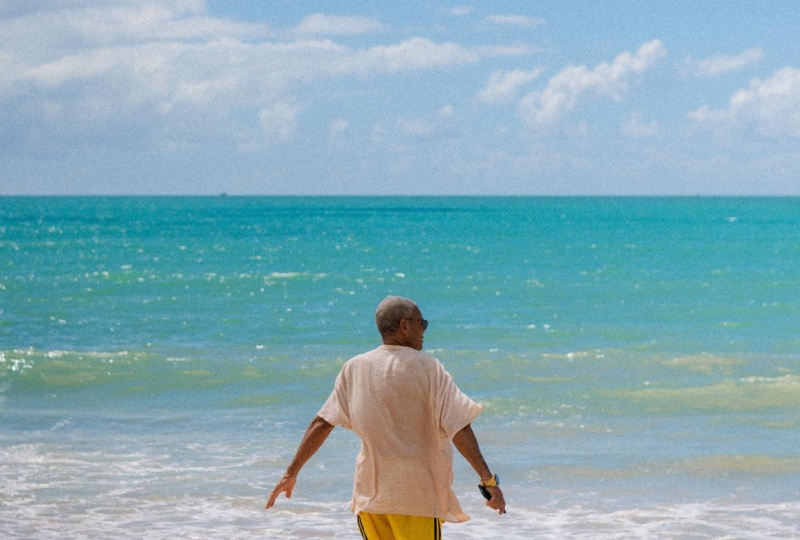
the world around you. I was recently in Freetown
Sera Leone for an assignment, and I decided to
take a walk with my camera across Lonely
Beach. Lovely scene. During my work, I stopped and photographed just about anything
that caught my interest. Carrying my camera with me was a perfect excuse
to be present, to slow down and to take in the moment
as much as possible. It was a refreshing experience, and that is the journey
I want to bring you on. It doesn't need to be a new
country or a grand location. Going on a walk at
a local park or a busy street provides
the same opportunity. What matters is how you see and respond to what's
right in front of you. In this class, I will
take you on that walk. I will take you on that journey. And show you how I observe, respond and compose
photographs in real time. It's all about slowing down and paying attention and
letting your instinct lead. By the end of this class, I want you to feel
more confident in your ability to observe, to trust your eye, and to create shrunk
images wherever you are, whether it's in your street, your garden or during
your daily work. So grab whatever
camera you have, be it your DSLR or your phone, put on your shoes, and let's
go on this walk together.
2. Project: For the class project, I
would like you to take a short walk with your
camera in your neighborhood, a pack or city center, capture three to five
compositions that interest you. Focus on interesting
compositional elements such as lines, patterns, textures, shadows,
colors, shape, or balance, rather
than your story. Upload your photos with a sharp note about what
drew you to each frame. I look forward to seeing the
beautiful photos you share.
3. The Walk: Hello. Yeah, I'm just taking a walk in the
streets of Freetown. And, um, walking around the beach and looking for interesting
things to photograph. So let's see how
the evening goes. I saw was this hotel, which I think was interesting. I like the shapes
right in front of it. And I took a
picture, and I tried to include human beings
working on the scene. And then I saw this
really interesting statue right in the middle
of the city center. I tried to get a white shot and also try to I got a
close up shot, as well. You know, I found
it interesting. And then this other structure, statue was just beside it. It was very busy. The
background was very busy. So I just tried to make
something interesting. I had to push my camera
down and kind of use the branches of the tree as
like something on the head. And then I came to this place
and I saw lots of statues, and I took a wide
shot of the place. And then, you know, I came across these people. They were right in front of it. And I included him in
my shot, you know, just taking pictures of the start the artwork and
then him in the background. Which I found
really interesting. So these were things I
really found interesting, you know, then this artwork
of behind from behind. Then I walked down towards
the beach and I saw this guy. He was pretty much on this boat, doing his own stuff,
and I took a picture. Had a little quick
conversation with him, and I took more pictures
as we were talking. Yeah, and I made more
photographs of him, as well. And then he went about
his own business. I think he lives in
that boat or something. So he went about his own stuff, and I took the picture of
the boat just by itself. But I still found it interesting how the
boat is positioned and I tried to make more interesting
compositions out of it. And then I saw these
boys playing football. And I sat there for a bit, and I just went
there for, you know, waited for this right moment to capture them
playing football. There is a lot of football
happening at the beach. Um, yeah. And I just took pictures of it. So it was just whatever
I found interesting, you know, the trees, the colors of the place, just trying to compose it
in a way that it would be interesting or just
wait for, you know, something interesting to happen, like a bike driving
into the scene, you know, and the foreground
being a bit clear out. You know, anything I
found interesting, you know, that could
help me create, like, a cleaner composition,
I would take it. Then I saw someone lying
down on the floor just getting some fresh
air and the trees. I found it interesting,
and I captured that. Then I saw this fish the people that were
fishing with their dogs. And yeah, the reflection
on the ground. I think that was interesting.
So I captured that. Spent a bit of time there, you know, just watching
how they fish and, you know, trying to capture, you know, anything that
I found interesting. Yeah, this beach had a lot
of seaweed and, you know, a lot of the fishermen
and women were just complaining about how
the seaweed makes it hard for them to catch fishes. And then this is one of the fish the fishes that they caught
and I take a picture. And I came and I
saw this, you know, land with all these
standing objects, and I think it was interesting, so I had to capture it. And then I saw this
truck inside this place. The light was good,
the reflection. So it's just an
interesting composition, you know, and I found
it interesting, and I photographed it, you know, and the lines as well, you know, how the line connects with
the stairs and the truck. Yeah, I think it was
an interesting space. And then I saw the
reflection on the floor and, you know, I wanted to get, like, an interesting
composition of, you know, people just playing
football, walking around. And yeah. And then I went
back and I saw this light, this shadow here, and I felt it was going to be
interesting to photograph. And then I saw this woman. She was selling a lot of, like, souvenirs and stuff,
and I spoke to her, and she was happy and willing for me to make
a portrait of her, which I shared with her. I collected her WhatsApp,
and I shared it with her. And towards the end, you know, I cracked it up a little bit, and she laughed and I got this portrait
that I really liked. And
4. Conclusion: Thank you for taking
this walk with me. I hope this class
has helped you to see photography in a slower, more intentional way
where observation, curiosity, and instinct come together to guide
how you create. Photography at its heart, is about being present. It's about paying attention
to what the world offers and making meaning
out of the ordinary. Every work, every pause, and every frame you make is an opportunity to become
a better observer, a key attribute shared by many prolific photographers
in our world today. Remember, the class
project is for you to share three to five
photographs from your work. Choose images that
reflect what you noticed, what caught your attention, and how you felt in that moment. Along with your photos, share a short reflection
about what you learned from simply observing and responding
to your surroundings. Beyond technical skills
or perfect compositions, this exercise is about presence. It's about slowing down, noticing what draws your eye, and enjoying the
quiet act of seeing. Keep working, keep observing and keep photographing what
feels through to you. The more you practice, the sharper your photographic
eye will become. And thank you again for
joining me in this class. I look forward to
seeing what you create. If you enjoy this class, I would like you to follow
me here on Skillshare so that you get notified
when I release new classes. You can also sign up on my newsletter using the
link on the screen, where I share stories, reflections, and behind the scene insights
from my project. Kindly take a moment
to leave a review. Your feedback helps other
students to discover the class and encourages
me to keep creating more. Thank you, and I hope
to see you again.
 KC Nwakalor, Documentary Photographer & Producer