Transcripts
1. Limit Daily Tasks to Reduce Mental Load : It is very common to
start the day with a long task list and already
feel tired before you begin. You look at everything you wrote down and your mind feels noisy, heavy, and pulled in too
many directions at once. If that sounds familiar, you are not doing
anything wrong. This happens to many beginners
who genuinely want to do well but end up caring about too many
things at the same time. If you feel overwhelmed
by your daily task, there is a relief available. You do not need a new system, a special app, or a
complicated method. While you are here, we will take one small doable step that
brings immediate calm. By the end of this, you will know exactly how many tasks to care about today and what
to let go of for now. I and Paul, I help beginners
learn simple skills in a clear and gentle
way so they can feel safe trying something
new without pressure. I used to believe that
productivity meant keeping long lists and trying to
touch everything every day. My list looked impressive, but my mind felt crowded, and I ended most
days feeling behind. What helped me was learning to limit my focus, not expand it. I like this topic because
it works in real life. It does not demand
motivation or discipline. It works even on tired days. I teach this because
I know how heavy it feels to carry
too much mentally. And I want to help you feel lighter by making
one clear choice. While you're here,
we will focus on one simple decision only. We will use small
project to make the decision visible and real. This works on its own
and also connects naturally with other simple
habits you might build later. This is not for
advanced planners or people who enjoy
complex systems. It is for beginners,
busy people, creatives, parents, and anyone
who wants mental relief. You do not need anything
special to get started. You just need a task
list you already have. Even if it is messy
or incomplete, we will move slowly and clearly one small
piece at a time. You are already in
the right place, and there is nothing you need to fix about yourself
before starting.
2. Create a Three Task Limit for Today : Many people feel unsure when they hear the idea
of limiting task. You might worry about leaving things undone or
choosing the wrong ones. That feeling is normal. We will keep this
simple and gentle. The project you will
build while you are here is called The task Limit. It is one small list that shows only the three tasks you
choose to care about today. You will build it slowly
across the lessons, adding one small
change at a time. The main material we will use
is your existing task list. This can be on paper, in a notebook, on your
phone or on your computer. Use whatever you already have. There's no need to rewrite everything or make it look neat. As we go, we will first
look at your list. Then choose only three tasks. And finally, mark the
rest as not for today. By the end, you will
have a clear calm list that shows exactly
where your energy goes. You are welcome to
work along with me. You can pause or rewind anytime. There is no rush here. The finished project
will look like a short list of three
tasks, nothing more. It is meant to feel light
and doable, not impressive. You do not need to
make it perfect. This is practice,
not performance. Even choosing imperfect task
is still the right move. If you are here, you are
already doing the work.
3. Decide How Many Tasks Deserve Your Energy : When you try to care about
too many tasks at once, your attentions gets thin. Nothing feels fully started
and everything feels urgent. This is not a
motivation problem. It is a focus problem. Task limiting means
deciding in advance how many tasks deserve
your attention today. In simple words, it is choosing a small container for your
energy so your mind can rest. The simple idea we
will use is this. Your brain works better, but it knows what matters and what does not
matter right now. When everything matters,
your brain stays tense. When only a few things
matter, your brain relaxes. There are three
parts to this idea. First, not every task
belongs to today. Second, choosing fewer tasks
does not mean giving up. Third, limiting task creates calm even before
you start working. For example, if you have a long list and
you tell yourself, you must touch everything. Your body feels pressure. If you tell yourself, you only need to care about three things. Your body softens. I noticed this in my own days, even when I did the same
amount of work overall. Limiting my daily focus
made me feel steadier. Here is how this
works in practice. You review what is in your list. You choose three tasks
to care about today, then you clearly
mark the rest as not for today. That
is the full flow. This works because it
removes mental noise and gives your attention
somewhere safe to land. We will walk through
this slowly together.
4. Review Your Existing Task List : Many beginners avoid looking at their task list because
it feels stressful. If you feel that way,
you are not alone. Let us take a calm
look together. Go ahead and bring up your existing task list.
This might be messy. That's okay. This list
is just information, not a judgment of you. The project title is
three task limit. Keep this title the
same as we continue. First, simply read through your list without
changing anything. You are not choosing yet. You are just noticing
what is there. Next, notice how your
body feels as you look. If your shoulders feel tight or your breath
feels shallow, that is a sign you have been
carrying too much mentally. Then gently remind yourself that you do not need to
do everything today. This is just a list
of possibilities. After that, notice which tasks feel heavy and
which feel lighter. Are not deciding yet.
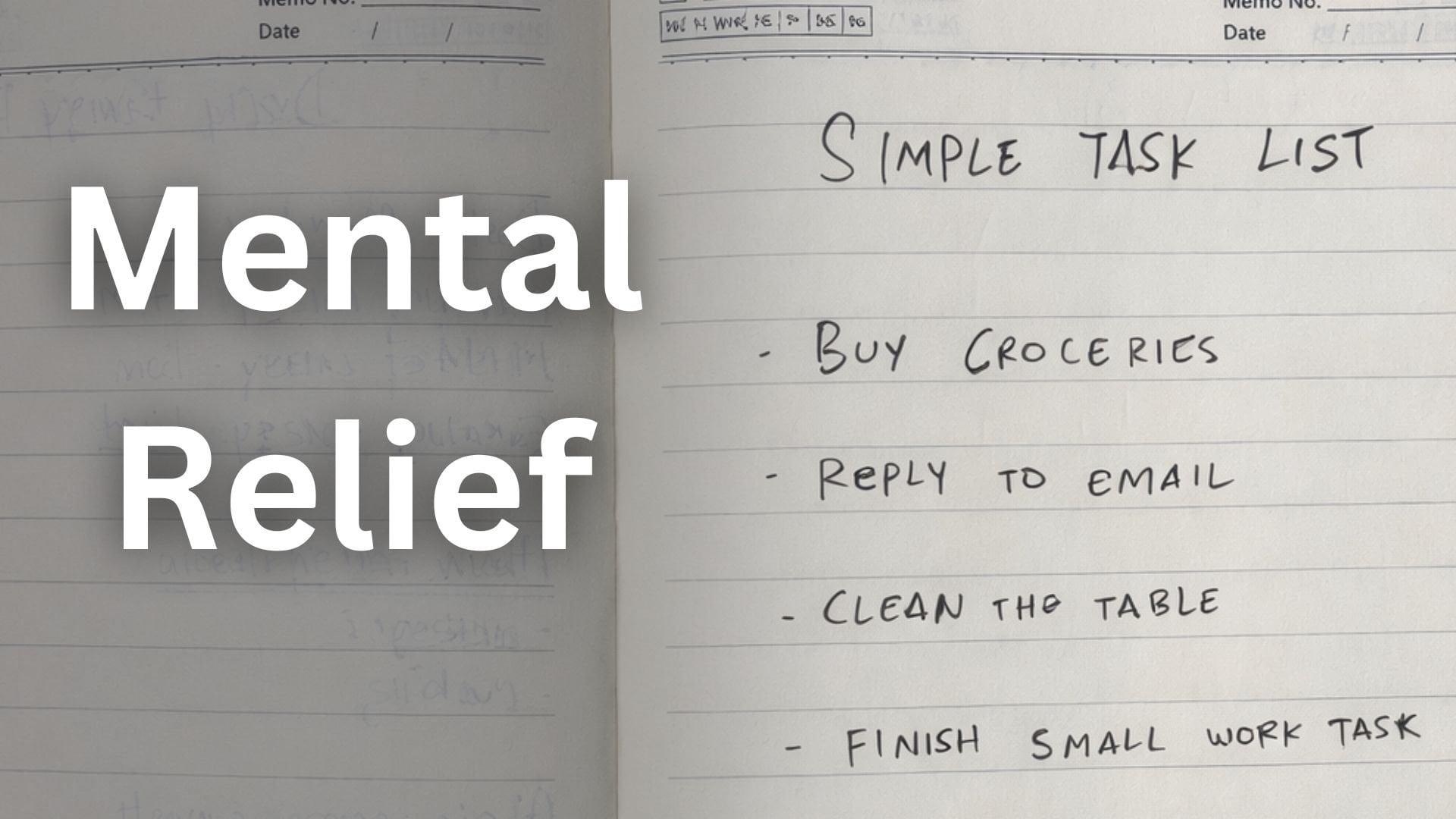
You are just observing. Here is an example of what a list might look
like at this point. Task today, write lessons, outline, reply to two
students comments, take a short walk, clean inbox, reorganize files,
watch tutorials. At this stage, nothing
has been limited yet. It is just the
list as it exists. When I first did this, my
lists were much longer. Starting by simply looking
was already a relief. You are doing well just
by seeing what is there. In the next part,
we will choose what truly deserves your care today.
5. Pick Only Three Tasks to Care About Today : Choosing can feel scary. You might worry
about choosing wrong or missing something important. That fear is understandable. Let us make this gentle.
Return to your list. This time, you will choose only three tasks to
care about today, not the most urgent in theory, but the ones that feel reasonable and
meaningful for today. First, look for tasks that move your day forward
in a simple way. These are often tasks that can be finished
without draining you. Next, choose tasks that
fit your energy today, not an ideal version of you. Then once you see three
tasks that feel right, mentally circle them, you do not need to
mark anything yet. After that, rewrite
or clearly identify only those three tasks under
the task today heading. Using the same example, it
might now look like this. Three task list, task today, write lessons outline, reply to two student comments.
Take a short walk. When I started doing this, I was surprised how much
calmer I felt immediately. Even before working, my
mind knew where to go. This does not mean the other
tasks disappear forever. They are simply not for today. That is the heart
of task limiting. You are doing something
kind for your attention. That matters.
6. Cross Out the Rest for Today : Sometimes the hardest
part is letting go. You might still glance at the other tasks and feel pulled. This final part helps
your brain truly rest. Look again at your
original list. Notice the tasks that are
not in your three for today. First, mark those tasks
as later or not today. If you're on paper, you can write the word
later next to them. If you are digital,
you can move them below or label them
for another day. Next, allow yourself to feel the relief of not needing to
care about them right now. Then look back at your three
tasks and read them slowly. Here is how the final
project example looks. Three task limit, task today, write lessons outline, reply to two students' comments,
take a short walk. Later, clean inbox,
reorganize files. Watch tutorials. This is the completed project. Nothing else is required. You are not deciding when
to do the later task. You are simply
deciding not today. I remember the first time
I did this and realized how much pressure came
from leaving task open. Closing the door for the day
felt surprisingly peaceful. You have now made the decision. You know exactly how many tasks deserve your energy today.
7. Show Your Three Task Limit: Mm. The project you created is a simple list called
three task Limit. It shows only three tasks you
choose to care about today. The material use is your
existing task list. Here is the full example
in its final form. The task limit. Task today, write
lessons outline, reply to two students
comments, take a short walk. Later, clean inbox, reorganize
files, watch tutorials. This was built by first
reviewing the list, then choosing three tasks, and finally, marking
the rest as later. This works because it gives
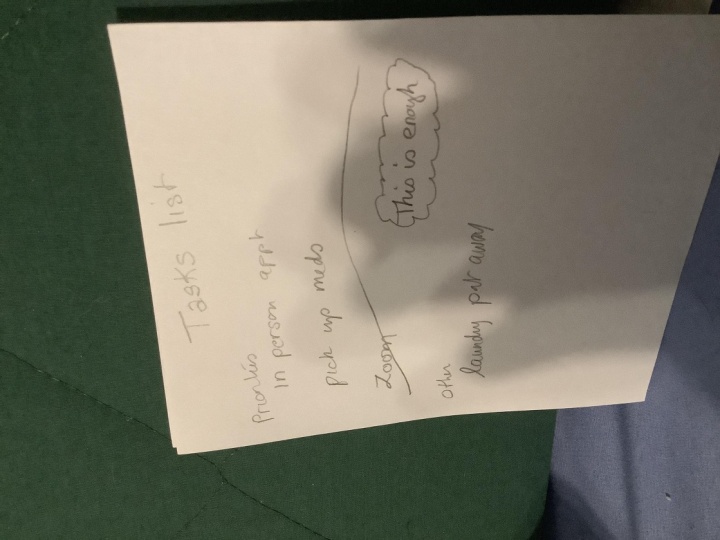
your mind a clear boundary. To upload your project,
take a photo or screenshot showing your
three selected tasks. The best time to
create and upload this is the start of your day. But anytime works,
keep it simple. Many students upload
quick imperfect list. This is more than enough here.
8. Common Questions About Limiting Tasks : You have completed
all the steps, and it is normal to
have a few questions. First question, what if I
choose the wrong three task? That concern makes sense. If you choose three
tasks and later realize one was not ideal, you can adjust tomorrow. For today, finishing
something is more helpful than
choosing perfectly. Second question, what if
something urgent comes up? If something truly
urgent appears, you can replace one task. The structure stays the same. You still care about
only three task. Question. Can I use
this every day? Yes. If you repeat this
with your daily list, your mind learns
to expect count. One helpful tip is to choose tasks that fit your real energy, not your ideal energy.
9. Carry One Clear Focus Forward : You did it. You move from a crowded list to
a clear decision. If there's one thing I hope you take with you, it is this. Limiting task is not
about doing less forever. It is about caring fully
about a few things today. I believe small kind decision
creates steady progress. You are not behind. You are learning to focus. Here is a simple shortcut
you can remember. Care. Choose three,
accept the rest as later. Return to your list calmly. Enjoy finishing something. Thank you for being here today. Please uppload your project
and leave a review. Leaving a review
helps me grow as a teacher and helps other
beginners find this lesson. If you have questions,
feel free to ask. Be proud of the clarity
you created today. I will see you in
the next lesson.
 Paul Nene, Helping beginners take action