Learn Acrylic Painting : Create an Expressive Tree | Tina Khetarpal | Skillshare

Playback Speed


1.0x


  • 0.5x
  • 0.75x
  • 1x (Normal)
  • 1.25x
  • 1.5x
  • 1.75x
  • 2x

Learn Acrylic Painting : Create an Expressive Tree

teacher avatar Tina Khetarpal, Artist, Illustrator, Art Teacher

Watch this class and thousands more

Get unlimited access to every class
Taught by industry leaders & working professionals
Topics include illustration, design, photography, and more

Watch this class and thousands more

Get unlimited access to every class
Taught by industry leaders & working professionals
Topics include illustration, design, photography, and more

Lessons in This Class

    • 1.

      Introduction

      0:30

    • 2.

      Art Supplies

      1:50

    • 3.

      Prepping the Canvas

      1:49

    • 4.

      The First Layer

      1:52

    • 5.

      Drawing The Tree

      0:59

    • 6.

      Painting The Tree

      3:53

    • 7.

      Background

      7:20

    • 8.

      Creating Textures

      0:28

    • 9.

      Final Words

      0:25

  • --
  • Beginner level
  • Intermediate level
  • Advanced level
  • All levels

Community Generated

The level is determined by a majority opinion of students who have reviewed this class. The teacher's recommendation is shown until at least 5 student responses are collected.

6

Students

1

Project

About This Class

Looking for a calming, creative break from your busy day?
In this class, you’ll learn how to paint a flowing, expressive tree using acrylic paints, while enjoying a slow, relaxing painting process designed for beginners.

This is not about perfection or rigid rules. Instead, we’ll focus on movement, codor and mindful brushstrokes, allowing you to enjoy the act of painting as much as the final artwork.
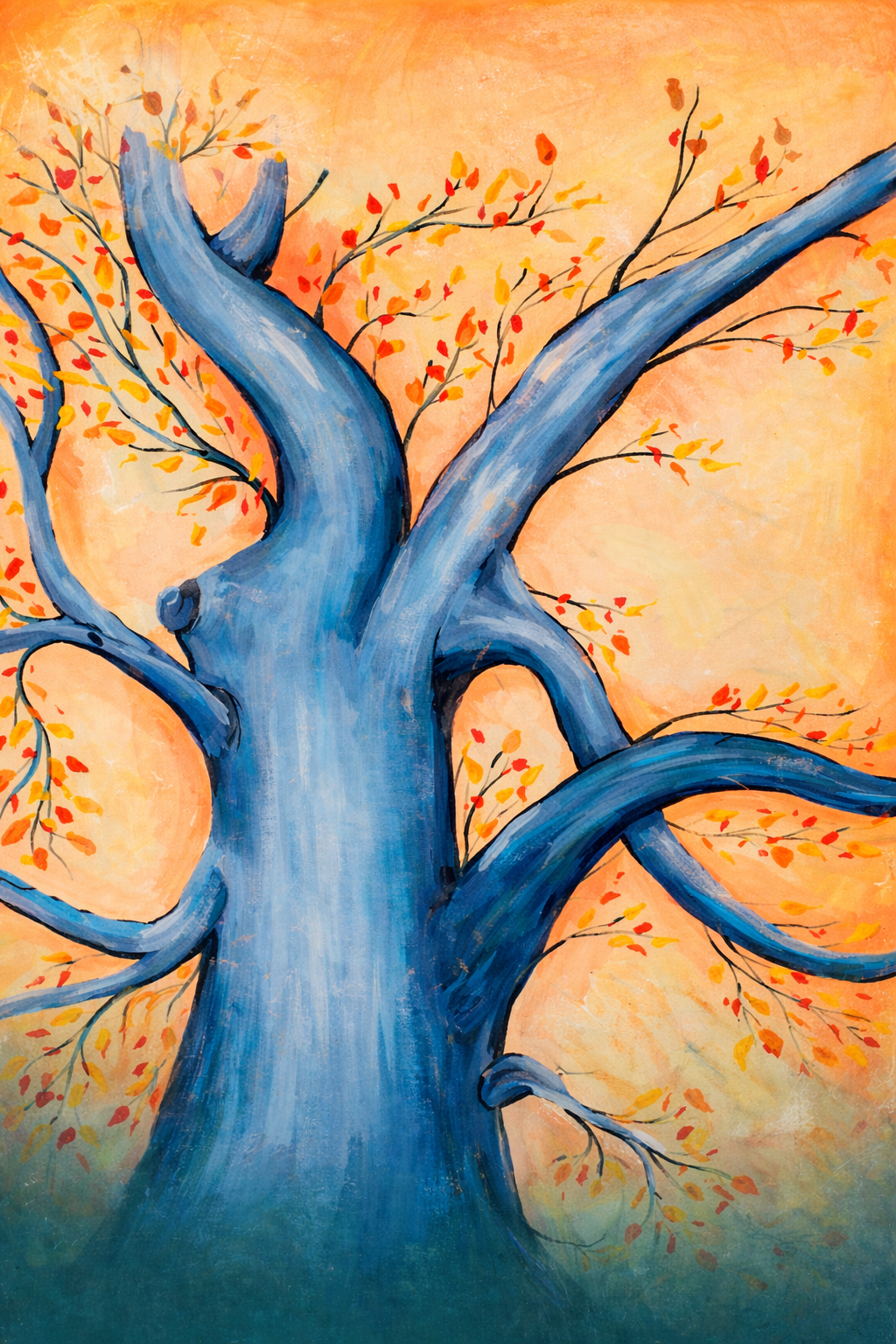
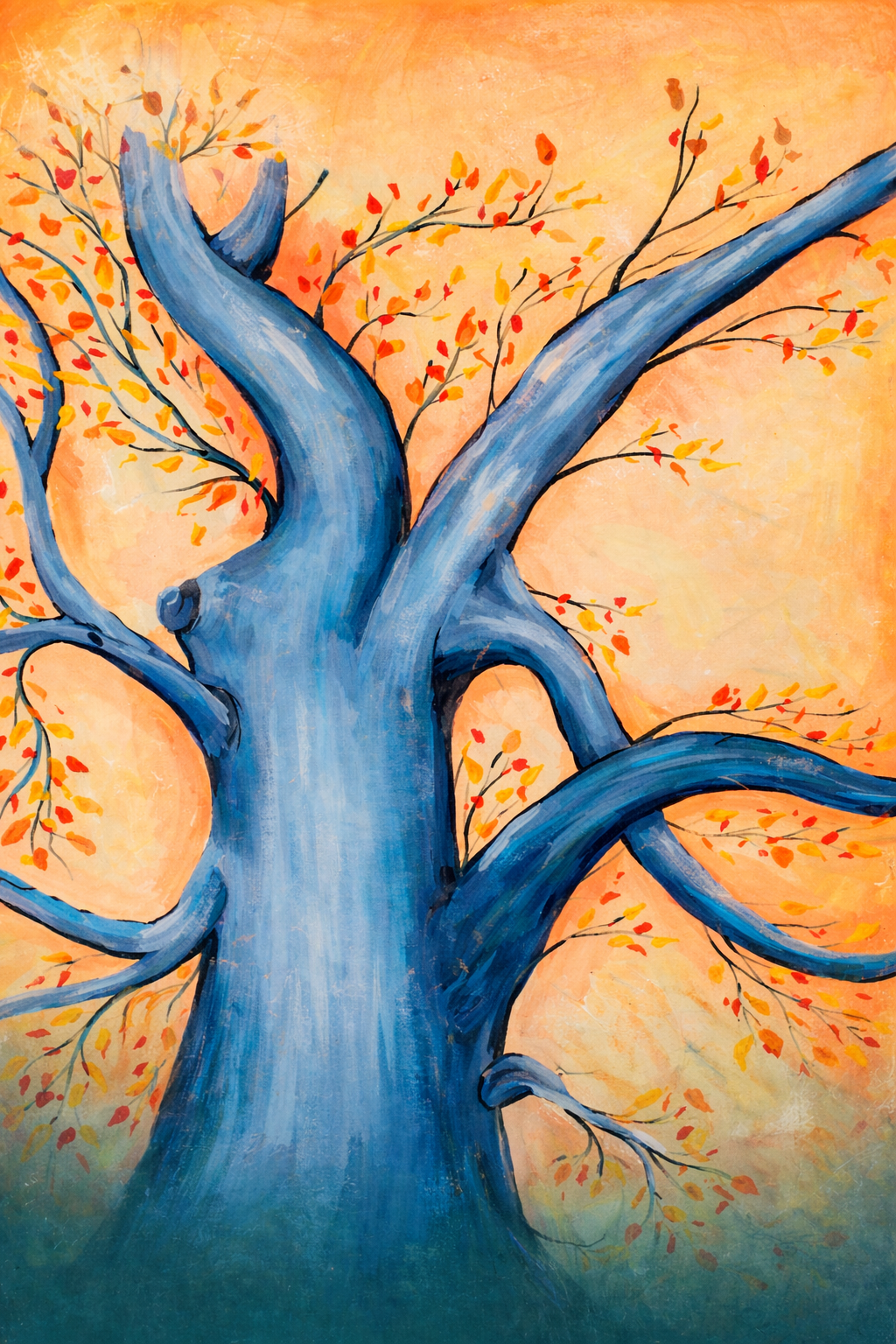
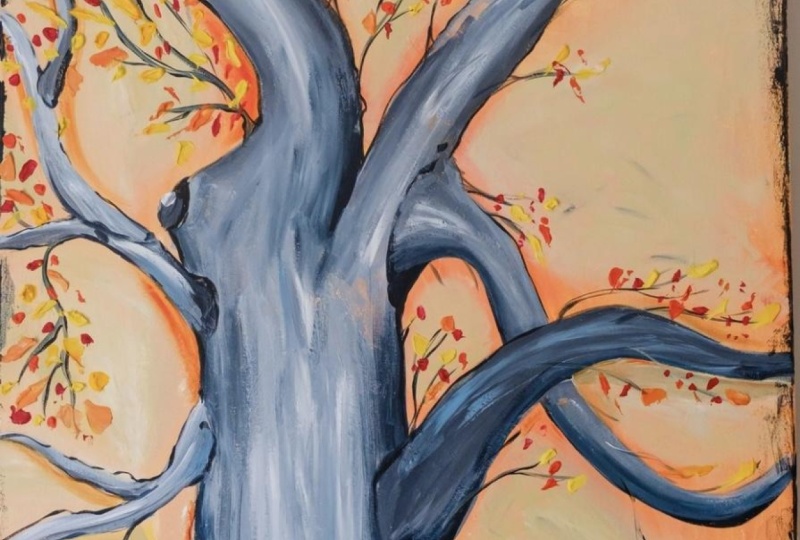
Together, we’ll paint a vibrant tree set against a warm, glowing background. I’ll guide you step by step, explaining each layer clearly so you can follow along with confidence – even if you’re completely new to acrylic painting.

What you’ll learn:

  • How to build a painting step by step using acrylics

  • Creating smooth colour blends and expressive brushstrokes

  • Painting a flowing tree trunk and branches with movement

  • Adding warmth, contrast, and depth using simple colour choices

  • Letting go of perfection and painting in a relaxed, mindful way

This class is perfect for:

  • Beginners who want an easy, stress-free introduction to acrylic painting

  • Anyone looking for a meditative, relaxing art session

  • Artists who want to loosen their style and paint more intuitively

  • Creatives who enjoy calm “paint with me” style classes


By the end of this class, you’ll have a finished expressive tree painting and a deeper appreciation for painting as a calming, mindful practice.

So grab your paints, slow down, and let’s create together 🌿

Meet Your Teacher

Teacher Profile Image

Tina Khetarpal

Artist, Illustrator, Art Teacher

Teacher
Level: All Levels

Class Ratings

Expectations Met?
    Exceeded!
  • 0%
  • Yes
  • 0%
  • Somewhat
  • 0%
  • Not really
  • 0%

Why Join Skillshare?

Take award-winning Skillshare Original Classes

Each class has short lessons, hands-on projects

Your membership supports Skillshare teachers

Learn From Anywhere

Take classes on the go with the Skillshare app. Stream or download to watch on the plane, the subway, or wherever you learn best.

Transcripts

1. Introduction: Welcome to my creative place. I am Tina Khetarpal . I am honored that you are here with me today as we create something inspired by nature, my true passion. I often incorporate leaves and flowers that I find outdoors into my work. For today, we will be painting a tree, a sturdy foundation that represents the very essence of the beauty of nature. 2. Art Supplies: At work, you will need following items, a canvas or a mixed media paper of at least 300 GSM thickness. Those who have been with me for a while know that I love to paint large canvases, but get the size you are most comfortable using. Acrylic paints for this artwork, I'm using shades of blues and grays and also for the contrast, yellow and orange as the base color. You don't need to buy the exact same colors that I'm using. Feel free to use your imagination and decide what works best for you. As I said, feel free to use colors according to your imagination. With that, I will be also using black and white paint to create tints and shades. These are my collection of brushes. I do not buy, nor do I suggest buying expensive brushes for acrylic painting. When we are learning, experimenting, and having fun with art, it isn't worth spending lots of money on high quality brushes. I like to use old brushes, especially for textured work as it adds extra variety and dimension to my work. You will also need a bucket of water, a rag, a palette knife, a palette. In the video, you will also see me using a hair dryer. It is best to let the layers dry naturally, but in case if you want the colors to dry faster, use a hair dryer. Gesso, I suggest to leave the canvas overnight with a layer of gesso all over it. I'm using palette knife for this process for an extra texture on my base. 3. Prepping the Canvas: Prepping the canvas. If you have watched my other tutorials, you have already familiar with the important step. You should already have a good understanding of what to do here so you can skip this part if you wish. For any new students, please stay tuned as this step is the foundation of all future artworks. Before starting any painting with acrylic, I always start by prepping my canvas with gesso. This provides a protective barrier to my artwork. It also helps to create some stunning textures that will make each piece truly stand out. I find the whole process of prepping the canvas this way really therapeutic and almost meditative. It sets the mood and gets me in the mind frame of creativity. But without too much concentration, so I get lost in applying it back and forth. It's so satisfying and soothing for the mind and soul, you will see. Apply the giso at least 24 hours before you start painting. One or two coat will be perfect for this piece we are working on today. Always use an old brush for this process as it gives a beautiful texture and multiple dimensions to your canvas. Also wash your brushes immediately after use and don't let the product dry on the brush. Also, be sure to protect your clothes and your space. 4. The First Layer: To create depth, movement, and interest in a piece, always like to work in layers and build several layers as my base before I start painting. I will be using a hair dryer here to help me dry the layers faster, but it is generally better to let the paint dry naturally whenever possible. To start with, I will paint the base layer of this canvas with this cadmium orange hue, you can use a different shade of orange or you can have a different color altogether. But here I will be using this cadmium orange hue with a little white to it to make it a little lighter tone, multiple tones from these colors that I will be using. My artwork will have shades of gray and blue. This base will add striking contrast against these colors. As you can see, these colors are quite bold and I have decided that I want the contrasting color to be quite visible and show through the artwork. It adds extra dimension that I want in my piece. Don't worry too much at this stage, about the background color. For this layer, just have fun. Simply paint your base color all over the canvas with strokes, flashes and an abundance of enthusiasm. A 5. Drawing The Tree: Once my previous layer is dried completely, I get started with my tree. I like to draw my tree free hand style, but if you want, you can trace it. You will need to enlarge the image to your desired size and then use a charcoal pencil to draw on the lines, reverse it then and trace it on the desired size. 6. Painting The Tree: To paint a tree, I'm mainly using shades of gray. To get the perfect shade of gray, I like to mix my own, so I'm taking my black and white paint in various proportions. Sometimes more black and sometimes more white to get the variety of tones. Once your tones are ready, let's start painting the tree. Mm. I Uh, 7. Background: When you have finished painting the tree, it is time to take a step back and see if it needs any additions before we move on to the next stage. Once you are satisfied with your entire tree, now it is time to paint the background. Add a yellow color here I'm taking a cadmium yellow, deep hue with some white, mixing these colors and adding a little buff titanium to it as well and creating my background color. You mix these colours and paint the entire background, leaving some parts of the background visible. 8. Creating Textures: Here comes the fun part. This is where we really get to have some fun and express our creativity. We will be using a molding paste to create textures. You will need to work quite quickly as the paste will harden, making it difficult to work with. 9. Final Words: Thank you so much for joining me in this tutorial. It was so much fun creating this artwork, and I'm sure you had fun too. I can't wait to see your creations. Share with me your masterpieces. Thank you.