Transcripts
1. How to Stay Inspired: Watercolor Painting Basics: Hi there. Welcome back. But if you don't know
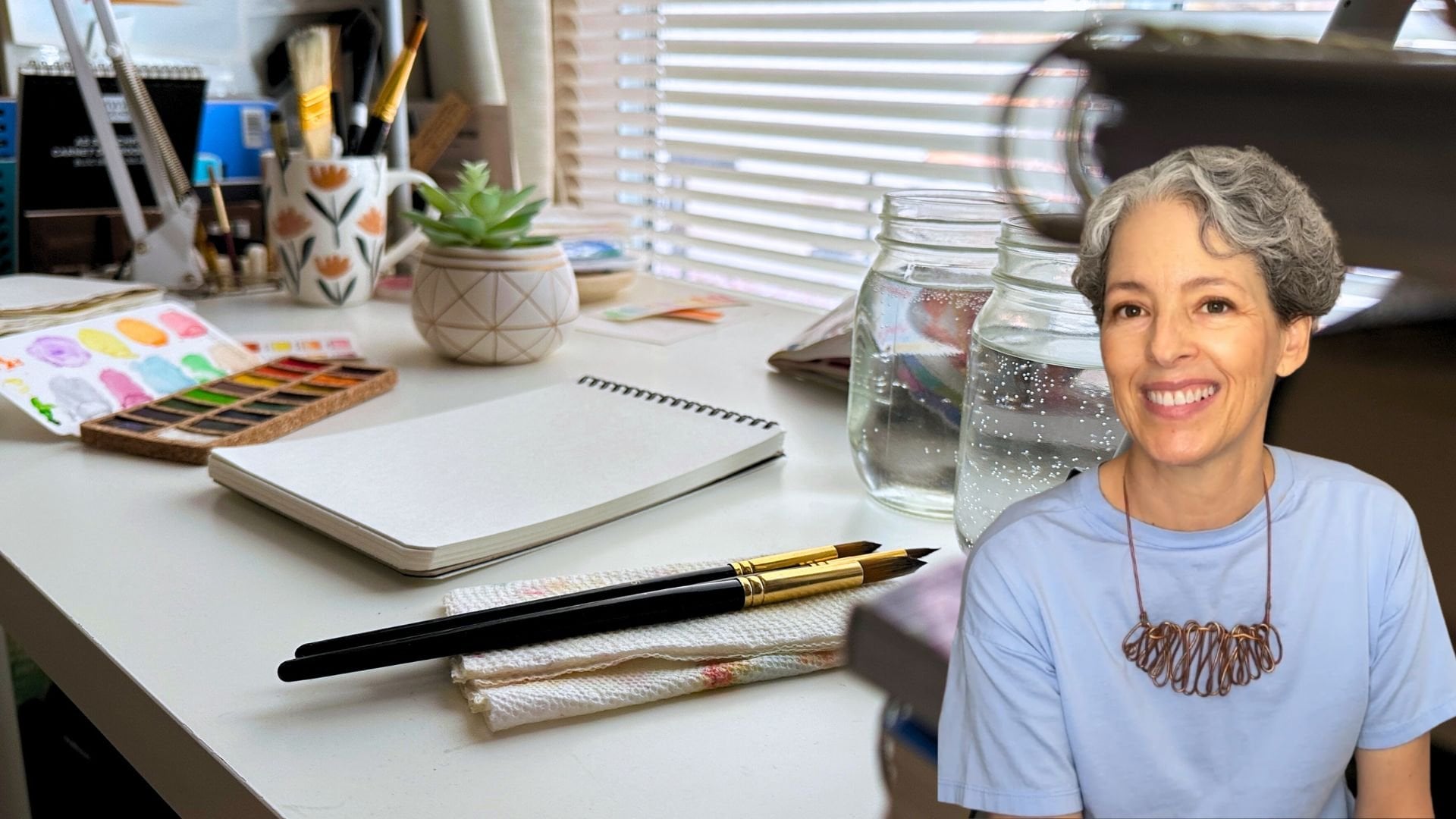
me yet, I'm Chris, a watercolor and creative skills teachers
living in the desert. I have over 20 classes
here on Skillshare, and I also have a
YouTube channel plus more in depth courses
available on my website. I've produced
creative lessons for Guani Christine's
flourish membership, Emily Jeffords the
collective membership, Peggy Dean's art log, and I've also created
tutorials for sustainable Pate
brand Viviva Colors. I'm back on Skillshare with a series of shorter
classes that will cover many of the watercolor
basics like color theory, color mixing, sketching
versus drawing, watercolor hand
lettering, and more. This class series is
designed to help you build your watercolor painting
skills from the ground up. Even if you've been
painting for a while, it's a great idea to go back to some basics every so often. In case you'd like to
refine your process, break creative block
with some new ideas, or up your painting
game by going deeper. This class series
will be perfect for beginner to intermediate
watercolor students, and I'll be sharing examples
with you along the way, as well as helpful PDF resources so you can stay on track. In the first class
of the series, I show you how to create a functional and inspiring
studio space where you will love to paint over and over again and repeat the process
whenever you move studios. In this class, I'll be
talking about inspiration, how you find it, how
you hang onto it, and why it seems so elusive
when you need it most. I'll share some fun facts,
some scientific discoveries, and some heart centered
ideas you can use for years to come to keep that
creative spark ignited. I'll invite you to share images of things
that inspire you, answer some basic questions
on the class worksheet, and learn a bit more about what makes you tick creatively. My painting process
has become more than just a fun
hobby or diversion. It's a lifestyle,
a stress reliever, when I'm feeling
life's pressure, a dopamine booster,
when I'm feeling down, and a form of meditation that I can take with me
everywhere I go. That's why I decided
to learn more about inspiration
and how it works. And now I want to share
everything I've learned with you. Ready to dive into inspiration and some of its inner workings. Join me in the next lesson
and we'll get started. I'll see you there.
2. Your Project: As I mentioned, inspiration is crucial to the
creative process. It's the GPS of your creative
vehicle, if you will. It can be subtle or it
can be overwhelming, and neither type is more
important than the other. It's your inner call to
be creative that matters. We talk about getting inspired, but we don't really
talk much about inspiration in and of itself.
Where does it come from? Where does it go when
we can't find it, and how do we access
it when we need it? In this class, we'll dive deep into those
questions and make some discoveries about what inspires us as
individuals and why. I hope to show you
how inspiration works so you can work better
in partnership with it. Your project will be to
watch all the class videos, do the exercises on
the class worksheet, and take photos of some of
the things that inspire you. In the process,
you'll learn a bit more about what
makes you unique, your creative preferences,
and how you see the world. But remember,
inspiration doesn't have to be anything dramatic. It can be as simple as
colors that make you happy. Artwork that you love
to hang on your wall or a journal cover that pulls you in to
write inside of it. Then again, there's nothing
wrong with the dramatic. If something inspiring
gives you chills, you most definitely
want to lean into that. I highly encourage you to share any part of
your project with us in the project gallery to get some feedback and to
inspire someone else. You never know who needs to
hear what you have to share. Then take a look at
the projects from the other students to get
ideas for what inspires them. You may find some new
ways of seeing things, and you might find some
common threads there, too. Either way, enjoy your
fellow student projects as a way to learn about inspiration from someone else's perspective. If you need some help with
how to upload your project, here's a step by step
on how to do it. First, you'll go to
the Projects and Resources tab under
the class videos. Then click the Green
Create Project button. From there, you'll
want to upload your cover image
for your project. Choose a file,
Then click Submit. From here, if you want
to replace your image, just click the button below, find an image, and below, you can make it larger or
smaller with a slider, or you can drag it side
to side to position it. When you're happy,
just click Submit. Now your project needs a title. It can be funny, descriptive
or whatever you like. Below is your personal
project field. Click Image to add image files. Then position your
cursor underneath the image to add descriptions. I'm adding a series of images to show my entire
process for this project. You can do it anyway you like. Below, you can also
add a video or links. When you're done, just click
the Green Publish button. Once it's published,
you can go below the videos and see your project
on the right hand side. When you click on it, you can see that all your
images have uploaded. On the right is where people can comment and
like your project. I comment on every project, so I can't wait to see
you in this space. If you need questions answered, please reach out to me in
the discussions page of the class under the class
videos, and I'll be happy he. Also, I'll be offering a one on one session through
Skillshare to help you. So, if you'd like
some extra help, by getting my eyes on your
work to help you along, I'll leave a link
where you can book a private session with me below in the project description. Here's what you need
for this project. When you turn in your project, I will be honored to give
you personal feedback and answer any questions you might have to help you along the way. Please keep in mind, there is no right or wrong way
to do this project. This is merely an
exploration and a discovery of how you see
the world as a creative. So please don't be shy and I can't wait to
see your project. Sharing is honestly
the most effective way to grow your creative skills, and I can't wait to see your unique take on inspiration
in the Project Gallery.
3. What is Inspiration?: So what is inspiration anyway? It can seem so
mysterious and elusive, but there's actually a romance
and a science behind it. Inspiration is the spark that moves you from idea into action. It's more than just
thinking of something. It's an inner pull to create. Without that pull,
ideas just stay ideas. Sometimes inspiration
feels subtle. Maybe you notice the way the sun light falls
across the page in your sketchbook or
the small details that nudge you to
pick up a brush. Other times, it's dramatic. Idea arrives so
powerfully that you can't stop thinking about
it until you paint. Both kinds of
inspiration matter. We tend to glorify the
big dramatic kind, but the quieter sparks
are just as important. In fact, they often lead to more sustainable long
term creativity. Psychologists Todd M Trash and Andrew J Elliott
described inspiration as a motivational state that compels individuals to
bring ideas into action, often sparked by something
beyond the self. In other words, seeing, hearing, or experiencing
something that gave you motivation to want to
capture it in some way. Their research also showed three core qualities of
inspiration evocation, which is inspiration triggered by something outside of you, like a sight, sound or memory. Transcendence helps you see new possibilities beyond
your normal experience, and approach
motivation gives you the energy to take action
on that new vision. I snap a lot of
photos on my iPhone, and it becomes a
real problem for me when my eye cloud gets full. But it's really difficult
for me to let most of them go because I feel something
when I look at them. AKA, I'm inspired by them, most likely because they're tied to a happy memory of a color, sight or sound,
which is evocation. It helps me see
things in a new way, which is transcendence
and makes me want to take action
approach motivation. My Dropbox account
is filled with these images that I use
for special projects, classes like these, and of
course, watercolor paintings. Why? Because I'm inspired. Other research shows
that inspiration is closely tied to dopamine, the brain chemical linked
to curiosity and reward. When you encounter
something new or exciting, dopamine levels rise and you
feel inspired to create. But when life feels
repetitive or stressful, dopamine dips and
inspiration feels scarce. So scientifically speaking,
inspiration isn't random. It's a response to how your
brain processes meaning, motivation, memories,
and new things. Think of it as a signal
from within you, a reminder that you're paying attention and that something
around you matters. Now that we know
some of the science, let's talk about why inspiration sometimes
is hard to find.
4. SS Inpiration L4 Why Lacking : Inspiration is all around us, why does it sometimes feel
like it's so elusive? Part of it has to do with
stress and distraction. Our brains can only
notice so much at once. When we're overwhelmed, we stop paying attention
to details, and inspiration slips by unsced. Another reason is pressure. When you feel under pressure,
you create tension, and tension shuts
down curiosity, the very thing that
fuels inspiration. As we discovered, inspiration is closely tied to dopamine, a brain chemical connected
to curiosity and reward. When you encounter
something new or exciting, dopamine levels rise and
suddenly you feel inspired. When your environment feels
repetitive or stressful, dopamine drops, and
so does inspiration. So if you're struggling, it's not that you lost inspiration, it's that you need to change your environment or give
yourself some breathing room. Inspiration hasn't disappeared. It's just waiting for
you to mentally and emotionally step back so
you can notice it again. Now you know why inspiration
is lacking at times. Let's explore how to spark it.
5. SS Inpiration L5 Spark Inspiration: Now we know what causes
inspiration to dim. But did you know
that there are ways to intelltually
spark inspiration? Here are some proven
ways to do just that. Number one, take a walk. Getting outside and moving
around can help spark ideas and increase
dopamine. Listen to music. Music is powerful enough
to change our moods and therefore it can help
change our state of mind leading to inspiration. Rest. Sometimes our
brains just need a break. Rest allows your mind to process past experiences
and file them away, giving you space for new
ideas and fresh perspectives. Exercise. Exercise
boosts blood flow to the brain and which
promotes neuroplasticity, the brain's ability to adapt
and form new connections. Even a short walk can help
you see things differently. Reading. This exposes you to new perspectives and builds
new neural connections. Anything from novels, history to poetry can feed
your creativity. Meditate. Meditation
reduces anxiety, improves memory and
boosts creativity by calming the mind and making
space for new ideas to form. Experiencing new things,
you can also spark inspiration by just doing something new, watching a movie, going to new places, driving a different way to the store, or experimenting
with a new brush or colour palette. Look at art. Viewing artwork
lowers the heart rate and raises the dopamine levels. It's the same effect
as listening to music, but in a visual sense. I have been inspired
by so much art over the years, and
I'll bet you have, too. Painting. Sometimes the best way to get inspired is to
simply start painting. The act of creating
helps you relax, process emotions, and engage the problem solving
parts of your brain. Inspiration often ignites
when you're in motion. If you're experiencing
creative block, painting can be difficult. In that case, that's
when I break out my abstract painting
skills and techniques. About any level Peter can do. You can learn more
about those in my abstract watercolor painting class series here on Skillshare. I'll link it up for you below in the project section
of this class. Also, be sure to make a
note of times of day, locations, and other details
that motivate you to create. This is also very
important intel that will make finding inspiration
easier in the future. Remember, you don't have to wait for inspiration to strike. You can cultivate it with
small and tensional habits that keep your creative spark alive with these simple tips. And as someone who
uses them often, I can tell you they
really work for me. Next, let's talk about how to capture inspiration
once you have it. So what does it just slip away?
6. SS Inpiration L6 Making it Last: Inspiration can be fleeting sometimes when you
need it the most, but the good news is you can
learn how to prolong it. And just to clarify, this
isn't about controlling inspiration because it tends to take on a life of its own, and I find it best to work with it like a partnership of sorts. The prompts in the workbook
are more of a way to step back and give inspiration
a chance to recharge. So it's in that spirit that
I'm sharing the following. You can do one of these for
your project for all of them. The more of them
you do, the deeper the understanding of your
inspiration will be. Number one, take photos. As I mentioned, I can
snap quick photos of anything that sparks
me like textures, colors, or patterns,
nature, et cetera. You can use existing
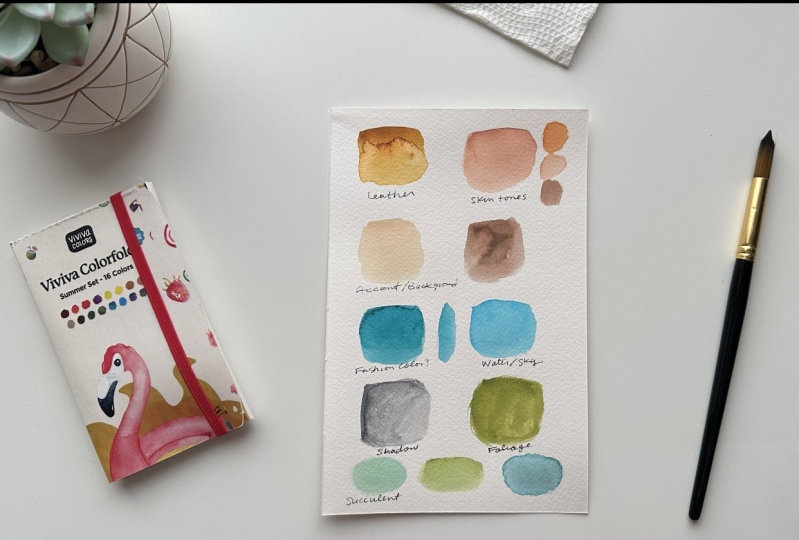
photos as well. Keeping a sketchbook, Doodle, make notes, swatch colors, in your curret
sketchbook or keep a separate sketchbook just to study and record
your inspiration. It doesn't have to be
fancy, just relatable. I like to use
abstract strokes to capture emotions or shapes of what I'd like to paint next. Keep a journal. Write down
a stream of consciousness, AKA trend of thought, words, poetry or memories,
that's farkU. Go a bit deeper by joining down why something inspires you. For example, a blue that reminds me of a calm
ocean in the morning. That kind of description can help you with reconnecting on a particular inspiration
later on. Gather visuals. Use an analog folder of clippings or a digital
album on your phone. Pintrs is also a great
way to do this, too. The more often you practice
capturing inspiration, no matter how you
prefer to do it, the less you'll feel stuck. You'll build a
personal library of ideas to pull from anytime
you want to paint. Now, let's walk through some action steps so you can start putting this
into practice.
7. SS Inpiration L7 Action Steps: Action steps are
simple but powerful. Download the workbook and follow the worksheet prompts we
talked about in Lesson six. These are impactful
questions that will help you clarify what kinds of things spark your unique creativity. Upload your project,
which can be your inspiration images,
your sketchbook swatches, your journal pages, and
or your worksheets to the project gallery so we can all share and
learn from each other. You never know who
you might inspire. See what I did there?
Take the pressure off because there's no wrong
way to do this project. Relax and have fun
discovering more about your inspiration
and how it works for you. Remember, inspiration
doesn't have to be dramatic. A color palette that makes
you happy is just as valid as a beautiful
landscape or still life. Both are important because they reflect your unique perspective. Now, let's do a quick recap and go over everything
we talked about.
8. SS Inpiration L8 Recap: Covered a lot of
information in this class. Let's do a quick recap. Inspiration is the
inner spark that moves you from idea to action. Science defines it as
memories and triggers, processing new things, and
the desire to capture them. Inspiration comes
from nature, memory, art, and everyday life, literally anything
that sparks you. It feels elusive when
you're stressed, distracted, or under pressure. But you can use a series of
simple tips to reignite it, and you can cultivate
it through journaling, paint swatching, photography, and any other creative means. But this is just the beginning. You can keep adding to your
inspiration collection over time and learning more and more about
your creativity and how your
inspiration affects it. Your project for this
class will help you start building your own
inspiration practice, and I can't wait to see
and hear all about it. In the following lesson, let's
discuss your next steps.
9. Next Steps: I hope you enjoy learning
about inspiration, how it works, and how to get the most out of it for
your creative journey. There is so much beauty in these simple steps that can
easily lead to bigger things. So I hope you take some time
to do this project about the what and the why that inspires your unique creativity. I can't wait to see images
of what inspires you, your painted swatches,
journal pages, or worksheet pages of what you learned about
yourself in this process. Forget to post your project
in the project gallery. If you need project
uploading instructions, you can find them in
lesson two of this class. Sharing your project not only helps you commit
to what you've learned, but it also helps others. You never know your
project might be the spark that reignites
someone else's creativity. And remember that every artist works and thinks a
little bit differently. So embrace what
works best for you. If you enjoy this class, please follow me on Skillshare, so you'll be the
first to know when I publish the next
class in this series. Want to stay in touch? You can
also find me on Instagram, YouTube, and on my website,
octopus connection.com. Where I share fun
watercolor related stuff. You can even take my new
watercolor style quiz. I'll include all of
these links for you in the about section of the class
and in the project page. And I would so appreciate
your review so other students can find
the class more easily. Until next time, happy painting.
10. Bloopers: Oops. Stu you were exciting. Dopam levels rise. And suddenly you feel inspired. Oh, Whoops. You can learn B. You can learn
project inspiration. Oops. Inspiration
can be fleeting. Whoops. Doings. Oop. Oh, it's funny. I
have to laugh, right? Okay. Okay. Ha, got to go time. So I hope you take
some time. Oops. Ho So I hope you m. So I hope you take
some time when I when I publish the next class. Until next time, happy painting. Until next time. Happy painting.
 Chris V, Artist, Designer, Maker