Transcripts
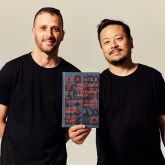
1. So, you want to work in advertising?: Hey, I boas Rivero
and I'm Caso Cubo. I I. Hey, I'm Lucas Rivero.
And I'm Kazukud. We're Brazilian creative
dude who's been working in advertising for over 20
years now in San Palo, New York, Boston, and
now San Francisco. We've worked with global
brands like Budweiser, BMW, Puma, Nissa
Smirnoff. Got idea. We've also won some lions and pencils and
other shiny stuff, but more important than that, we've been exactly where
you are right now, starting from scratch, trying to figure out how this
industry works. And that's why we wrote a book. It's called Principle, 128 practical tips to help you start your career in
advertising agency. All here is simple. We'll
teach you how to create amazing projects with
low or zero budget, so you can build a killer
portfolio and get hired. You don't need a huge
team, big budget. You just need ideas and the
guts to put them out there. Throughout this class,
we'll show you how to come up with strong concepts, write good copy, design
bad *** posters, use AI, make sack
word test tends out, and even how to behave once you finally land the
job in an agency. It's everything we wish someone had told us when we're
starting our career. So if you're ready to learn, experiment and maybe
fail a few times, that's actually a good sign because that means
you're doing the work. Okay, so let's do it. Let's go.
2. Wait, how does an ad agency actually work?: Alright, so let's
start from the basics. How does an ad agency
actually work? First thing, forget
about Madman. It's not whiskey at 10:00 A.M. And big presentations every day. It's more like 87 Google
Docs open at once, and you're trying
to find the right photo for a shampoo brand. Agencies come in all shapes. Big ones, boutique ones, digital only, social first
poo service doesn't matter. The core structure
is usually the same. You've got your accounts. They talk to clients and make sure the brief
lands on your lap. You've got strategy. They figure out what the brand should say. Production, they help make ideas happen from print to
Super Bowl commercials. And then creative. That's where you come in. In the creative team, you
usually work in pairs, one copywriter and one
art director, like this. Copywriters write. Headlines, scripts, case studies, even
TikTok captions. Art directors design layout, storyboards, presentations,
key visuals. And yes, picking the perfect
font is part of the job. But it's not a strict rule. The best creatives today
aren't just thinkers. They are makers. You write, design, edit, animate,
shoot, prototype. Don't wait for someone else
to bring your idea to life. You make it happen. That's
the real power today, being a creator, not
just a creative. But when you're just starting, it helps to understand your position on the
field, like in football. You're more visual
or more verbal. And if you're lucky
or strategic, you'll find your perfect match, your creative soul mate, someone who thinks like
you, but fills your gaps. That's what we are
a creative best. Two heads, one person fun. So the agency world can seem
massive from the outside, but once you get in, it all starts to make
sense. Kind of. Next, we're going to talk
about what really matters Gb. What it is, how it works, how to come up with
good ones. Let's go.
3. What even is an idea?: Okay, so let's talk
about the idea, the holy grail of advertising. Idea, that magical thing you're supposed to
have ten up by lunch. No pressure. But seriously,
what is an idea? A good one, at least. An idea is a new way to
look at the truth. Something people feel,
but you're the first one to express in a
fresh, unexpected way. We like to break ideas
down into three levels. The platform, the big
long term thought, like Nike's do it. The concept, what this
campaign is saying now? And execution. How do
you bring it to life? A film, a billboard, a snapchat lens,
a book, whatever. A lot of people confuse
execution with idea. A cool visual
doesn't mean there's a strong thought behind
it. You need both. Let's look at an example. Using both 9.58
biography for Tuma. Insight. Everyone remembers
the record using bolt broke. But no one knows the
story behind it. Idea, let's tell his life story in the same amount of time. 9.58 seconds. Execution. A flip book with one page for every frame
of his world record run. Simple, powerful, cheap to make. That's what we call
big versus bold. You don't need a big budget. You need bold ideas. Now, how do you get
to an idea like that? Brainstorm smart. Don't just say random stuff.
Ask better questions. What is the tension? What is weird about this
brand or product? What is something
no one is saying? And don't be afraid
to say dumb thing. Sometimes the worst idea in the room is the one that
unlocks the best one. Ideas are messy. Let them
be, but always come back to. Does this say something true? Does it say in a way
I've never seen before? Alright, at the conce up down. Next up, we're gonna
talk about how to write for ads or
posters or tweets, whatever your thing
is. Let's keep moving.
4. Writing that actually makes people feel something: So you want to be a copywriter or at least write better ideas? Welcome. This is where
words actually matter. Copywriting is about
saying something short and smart that punches
you in the gut or makes you laugh
or think or click. You don't need fancy words. You need the right words.
The ones that hit. You can be on a
poster, on t shirts, on captions, on packaging. Copy is everywhere, and
when it's good, you notice. So how do you write
a good headline? Start with the idea. What's
the truth? What's the twist? Then try writing 20
different lines. Push it. Try humor. Try smart, try weird. One twit we love,
write it like a tweet. If you can't make your
idea work in one sentence, you might not have an idea yet. Another one is still the rhythm of things
that already work. Song lyrics, proverbs,
famous quotes, twist them, break them. Also, read your line out loud. If it feels clunky, it is. Make it smoother, sharper, shorter, and finally,
write like a human. Talk like you talk. No
one wants at speed. If the audience feels something,
they will pay attention. Now, let's shift
gears and dive into the visual side of
creativity, or direction.
5. Art direction: Be more Batman: So our direction. Let's talk about visuals,
layout, design, fonts, composition, nothing
that makes people stop scrolling and sometimes
stop breathing for a second. And no, you don't need to
be born a design genius. You just need to
train like Batman. We like to say, some
people are like Superman. They seen born with superpowers. Amazing taste, perfect
style, naturally cool. But most of us, we're Batman. No powers, hard work, tools, and a lot of tutorials. I wasn't born knowing
how to design. I learned by watching YouTube, copying layouts, testing
things every day. Design is muscle memory. The more you do it, the
sharper your eye gets. You learn the rules,
hierarchy, alignment, balance, colors, and then
you break them on purpose. But here's something I learned that changed the
way I see design. Design with intention,
and it will never fade. It means don't just make
something look cool. Give it a mini purpose reason. Take numbers, for example, the shape of a
number isn't random. It was designed to be read,
understood, replicated. There's logic behind it.
That's why it lasts. I also learned a lot by playing with
different techniques. In these projects,
I use ink stamps, real ones to explore texture. I wanted to understand
how ink behaves on paper, how it bleeds, how it breaks. Now I can replicate
that digitally, but with the nuance
of something real. Same thing when I
tried silk screen or Risograph printing. Once you understand
the limitations of a physical process,
misalignment, ink overlap, color restrictions,
you can simulate them in your digital
work with intention. Even for the use
in bolt biography, I have to learn an
illustration and stop motion. Wasn't an expert, but I wanted the idea to exist,
so I figured it out. That's what art
direction is about. Solving visual problems with
whatever tools you've got. Sometimes it's designs,
sometimes it's photography. Sometimes it's tape.
And I scanner. Please, learn how to use mocaps. One good mocap can make a school project look like
a professional case study. Check out sites like
free mocapword.com. Seriously, it makes
a difference. Also, save your references. Pintersbards, be hands,
Instagram folders, look at everything, and
question why it works. Follow studios like and
Wash. Portu haha. Hart. Mirror Mirror. Study how
they build visual systems, how they mix type, how they use white space. You don't need big
shoots or crazy budgets. You need taste and time. One of my favorite examples is that campaign from
AFNaska for DNAD. Are you next? Low
budget, high craft. One powerful visual
system that spoke volume. So, yeah, whether you're
starting now or ten years in, embrace your Batman era. Experiment, copy, learn, invent. And when someone starts calling your work
superhero level, that's when you
know we've worked. Up next, let's talk
about where ideas come from and how to come up with
them from scratch. Let's go.
6. Ideas don’t fall from the sky (but here’s how to find them): So how do you come
up with ideas? Yeah, the million
dollar question. Let's start by
clearing something up. When we say idea, we can mean two things. The platform, which
is the big picture, the main concept,
the thing behind the campaign, and execution. The specific way that the
concept comes to life. Both matter. A great platform
gives you consistency. A great execution
makes people care, and guess what? You need both. And how to get there? First, you have to know what
you're solving. What's the business problem? Who are you talking to? What's been done before? What are the benchmarks? What's the product really about? No, it sounds like
homework, but it's true. You can't make a great idea without understanding why
you're talking about. Insight first, execution later. Speaking of insight, that's
the why behind the idea. A universal truth.
A real behavior, something the audience sees
and thinks. Yeah, that's me. The idea itself is the what? It could be a metaphor,
a visual exaggeration, a cultural twist. Something surprising, memorable, and simple enough to
explain one line. And then comes the
execution, the how, how the idea will look, feel, and come to life
in the real world. Here is our process. We each come up with five
rough ideas separately. They don't have to be great.
They just need to exist. Then we met, each
them to each other, to a few, laugh a bit,
and start polishing. The good ones rise, the weak ones disappear. Here's another trick we
love the blender method. You drop in all the
product elements, like flavor, color, vibe. And then you add an
expected format, a song, a sticker, a
poster, a social stunt. Mix them, cross them. The less obvious, the better. Name your ideas. Always. If it doesn't have a name,
it doesn't exist. A great name makes people
remember and care. After that, that's the idea. Ask, Would this go
in my portfolio? Would it make the news?
Would Oprah talk about it? Yeah, okay, dream big. Can it be explained
in one slight? Then, write it down like
this, a strong headline, a one liner idea description, a short paragraph of how
it works, and mock it up. Even if it's fake,
make it look real. Ideas don't fall from the sky. They're built, research,
tested, rewritten, rejected. Then one of them hits
and everything clicks. That's the job. Now let's
put those ideas into action, starting with the
most basic format in advertising, the poster.
7. The poster: simple, powerful, unforgettable: Now, let's talk about posters. The most basic essential
format in advertising. Why? Because it's pure. One image, one headline, one
message. That's it. And that's simplicity.
That's the challenge. The poster is the
synthesis of an idea. It can become a billboard, a ki visual or even
an IcebrnPost. So it needs to be
consistent and concise. Clear at a glance. Memorable
after you scroll past it. Here's what makes a good poster. A short, clever headline. A strong visual that
makes people stop and an idea behind it that
actually means a thing. You don't need decoration.
You need communication. The image should say something,
not just look pretty. So how do you make one? Step
one, start with the truth. Step two, find a twist. Step three, write ten headlines. Pick the smartest one. Step four, think about the
best way to show it visually. Simple is better. If you're an art
director, design it. If you're a copywriter, grab a template, but make
it feel intentional. No clear, no gamings. Ulcers are your creative gym. They teach you focus,
taste, and discipline. They are your training ground
for every other format. So, yeah, one idea well executed can become
a full campaign. But it always starts here. Next up, we'll talk about how to bring AI into your
creative process, not to replace you, but to
push your ideas even further.
8. Embracing AI: Alright, let's talk about AI. Everyone's either scared of it, hyped about it, or both. But here's our take.
AI is not a threat. It's a tool, and
it's here to stay. Like Photoshop, back in the day or Google or even the Internet. When it first came,
people resisted. Now, we can't live without it. Same thing with AI. It
won't replace creativity. It will just speed
up the boy parts so you can focus on the idea. Use AI to write drafts,
generate headlines, explore visual references,
but pitch decks, even make quick image comes. It's fast and it's fun. One example, when we did the Giraffeson Horseback
salad project, based on Salvador
Dali unproduced film, we used AI to imagine what
Dali might have directed, surreal, cinematic, weird,
and totally out of style. Remember, AI is just
a starting point. The soul of the idea still
has to come from you. So don't fight the
future. Embrace it. Learn how to use
tools like chat, GPT, mid journey, 11
labs, and others. And most importantly, don't just use them like
everyone else. Use them like a creative, with taste, with
concept, with purpose. You'll be faster, sharper, and way more dangerous
in a good way. Next, we'll show you how
to take everything we learned so far and
build a bigger project. A 360 idea, a real
SPAC campaign.
9. No client? No problem.: Let's be honest. When
you're just starting out, you don't have real briefs or
real clients, that's fine. That's where spec work comes in. You create your own brief and build the whole thing
as if it's real. So how do you do it? Start with something
that matters to you, a topic, a cause,
a brand you love. Then, write your own brief. What's the problem? What's
the goal? What's the insight? And from there, build it
like a real campaign. Think 360 film,
social activation, product, out of home experience. Use everything you've
learned so far. Insight, idea, smart headline, bold visual, execution that fits the message. And
here's the truth. We learned the hard way. A lot of people have initiative. They start ideas, but
very few have initiative. The discipline to take an
idea all the way to the end. That's why spec work
is so important. It forces you to go
through all the steps, not just thinking but doing. You write, design,
test, rewrite, mock up, build a deck, present. That's how you grow. And keep it real, don't
write scripts for Nike, staring the rock and lady gaga unless you can actually make it. Focus on what's possible. Simplicity is your superpower. Faste is your weapon. If you're working a team,
divide and conquer. If you're a solo, start small. Then add layers as
the idea grows. Don't wait for someone to
give you an opportunity. Create it, finish it. Show the world that you can do. Next up, let's talk about where all the work goes
and how to build a portfolio that opens doors. M.
10. Your portfolio is your passport: Let's talk about portfolio. Your portfolio is your
passport into the ad world. It's how you get in
the room or not. Portfolio is your business card, your voice, your story. When someone sees
it, they should know who you are in 5 seconds. So here's the golden rule. Only put great work in it. No good. No. It was real. Only the stuff you're proud of. Don't wait on two
Ha ten projects. A port to fool with
four amazing ideas is better than one with
12 efforts once. Balance is key. Show
range, a smart poster, a film or case study, something digital
or interactive, a weird activation, maybe
something personal. Make sure it's easy to navigate. Don't over design your site. Use platforms like cargo, red Mg, or square space. Whatever lets your work shine. And here's a pro tip. Don't just show your
work. Tell the story. Use the structure, inside, the why idea, the what, execution, the how,
results if you have them. Also, updated constantly. You'll never know when
a recruiter will click. That under construction
banner? Not cute. Headlines matter.
Thumbnails matter. First impressions matter. You want your
portfolio to scream. This person has ideas, tastes and knows how to
bring things to life. Next up, we'll show you what to do with your portfolio
once it's ready, how to share it, pit
yourself and get seen. M.
11. Showing Your Work: So let's say your
portfolio is ready. Now what? You need to get in
front of the right people. We call it taking
a book for a ride. It's a hustle, but it works. Here's the mindset. You
are not asking for a job. You are showing what you can do. You're building relationships. Start with people, not places. Find creatives you admire,
cures directors, ACD, recruiters, message them with
respect and personality. Don't send a boring email. Say something real,
something short, and always include your link. Be humble, be confident. Like, Hey, I really
admire your works. I love your feedback
on my portfolio. Will you have 5 minutes
for a quick look? Sometimes they will answer. Sometimes they won't.
That's normal. Follow up once,
and then move on. And when you do get
a meeting, be ready. Study the person
and the company, practice the stories behind
each piece you're showing. Keep it short,
sharp, passionate. Show how you think your energy is more important
than the work itself. And if you're getting no
replies, try other ways. Articipting portfolio
reviews, go to events, DM people on LinkedIn
or Instagram. The creative world is small. Word travels. Be visible, be nice, be persistent. One yes is all it takes. And once you finally
go into an agency, that's where the
real game begins. We'll talk about that
in the final video.
12. Work hard. Be nice. Have fun. : You got the job.
Amazing. But now comes the real challenge. What do you do with
that opportunity? There's a quote we love
by designer Anthony Buro. Work hard and be nice to people. It sounds simple because it is, but it's also everything. When you join an agency, there are three things to
focus on. Learn the task. This is the easiest one, and
usually the first you learn. Understand what's
expected from you, how to write a headline, design a key visual,
build a deck, the actual craft
of doing the job. Understand the process.
Learn how things work. You, your boss, the agency, and, of course, the client. Every place has its own written. Understand the steps
before trying to break in. Build a relationship. Be kind to everyone. Always. You never
know when you need someone and when someone will need to give you
feedback about you. That intern today might be your creative
director tomorrow. And the key is to keep
balancing those three pillars. Sometimes you're crushing the work but missing
the process. Other times your
relationships are great, but your craft needs work. So keep asking yourself, which of these do I need
to improve right now? That's how you grow.
Not all at once, but one piece at a time. Yeah. Don't forget the basics. Say, please, thank you,
sorry, and congrats. These tiny words are huge in
our workplace. Another tip. Show up. Arrive 1 minute
before your boss, live 1 minute after. Be visible, be
around, be available. Because in this industry, if you're not seen,
you're not remembered. Volunteer, raise your
hand, turn your camera on. Ask if anyone needs help. And when things get
tough and they will, remember one word that solves 99% of agency problems. Respect. Respect people's
time, their ideas, their feedback, their silence, their process, their
way of thinking. And maybe, most importantly,
don't forget to have fun. We are here to solve
problems in creative ways, that's supposed to be fun. We made this course
because we love this job, and we want more people
to feel that, too. So, work hard, be
nice, stay curious, trust the process, and enjoy
the Thank you for watching. See you in the next idea
or maybe the next agency.
 Lucas Ribeiro and Kazuo Kubo, Creative Directors