How To Paint Simple Watercolor Florals | Marisa Johnson | Skillshare

Playback Speed


1.0x


  • 0.5x
  • 0.75x
  • 1x (Normal)
  • 1.25x
  • 1.5x
  • 1.75x
  • 2x

How To Paint Simple Watercolor Florals

teacher avatar Marisa Johnson, Artist/Photographer

Watch this class and thousands more

Get unlimited access to every class
Taught by industry leaders & working professionals
Topics include illustration, design, photography, and more

Watch this class and thousands more

Get unlimited access to every class
Taught by industry leaders & working professionals
Topics include illustration, design, photography, and more

Lessons in This Class

    • 1.

      Hello and Welcome

      1:00

    • 2.

      Art Supplies

      1:14

    • 3.

      Mixing Colors

      5:01

    • 4.

      Washes & Techniques

      6:25

    • 5.

      Flowers

      6:46

    • 6.

      Leaves

      6:58

    • 7.

      Lines and Dots (Optional)

      2:44

    • 8.

      Thank You

      0:42

  • --
  • Beginner level
  • Intermediate level
  • Advanced level
  • All levels

Community Generated

The level is determined by a majority opinion of students who have reviewed this class. The teacher's recommendation is shown until at least 5 student responses are collected.

114

Students

4

Projects

About This Class

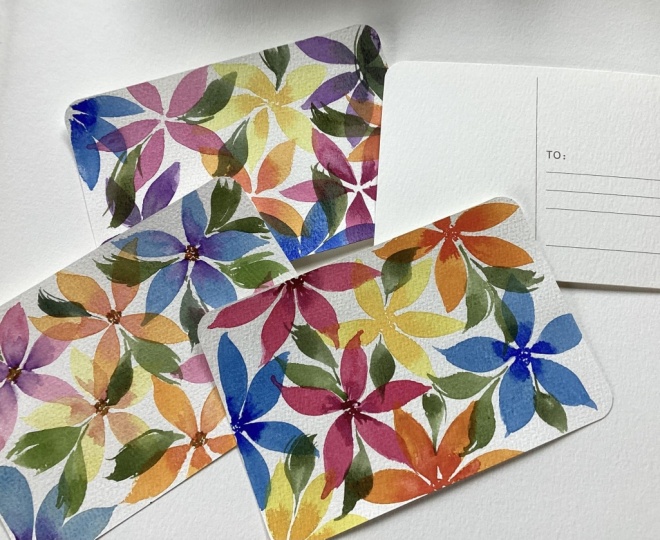
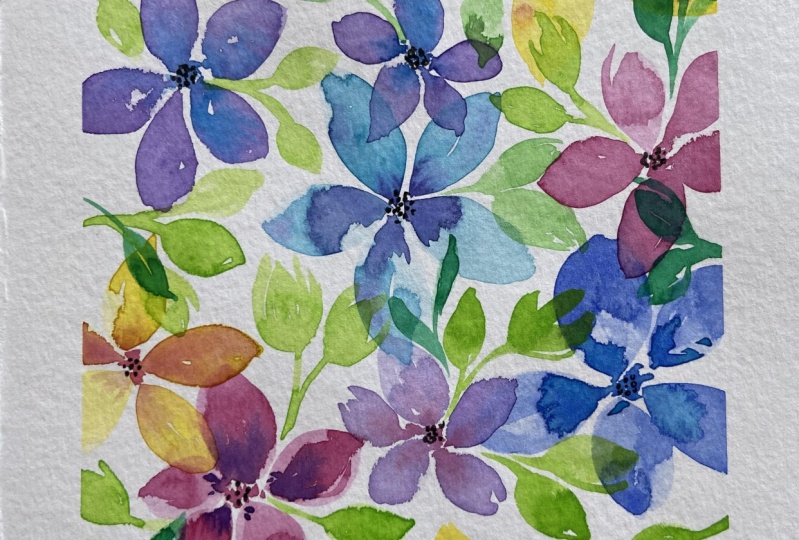
Hello!  I hope you are doing fantastic today.  We are going to paint a simple watercolor florals.  Nothing specific kind of flowers.  Here you will learn to control the water and paint in order for you to achieve the transparency and opacity of watercolor also the control of your hands holding the brush. 
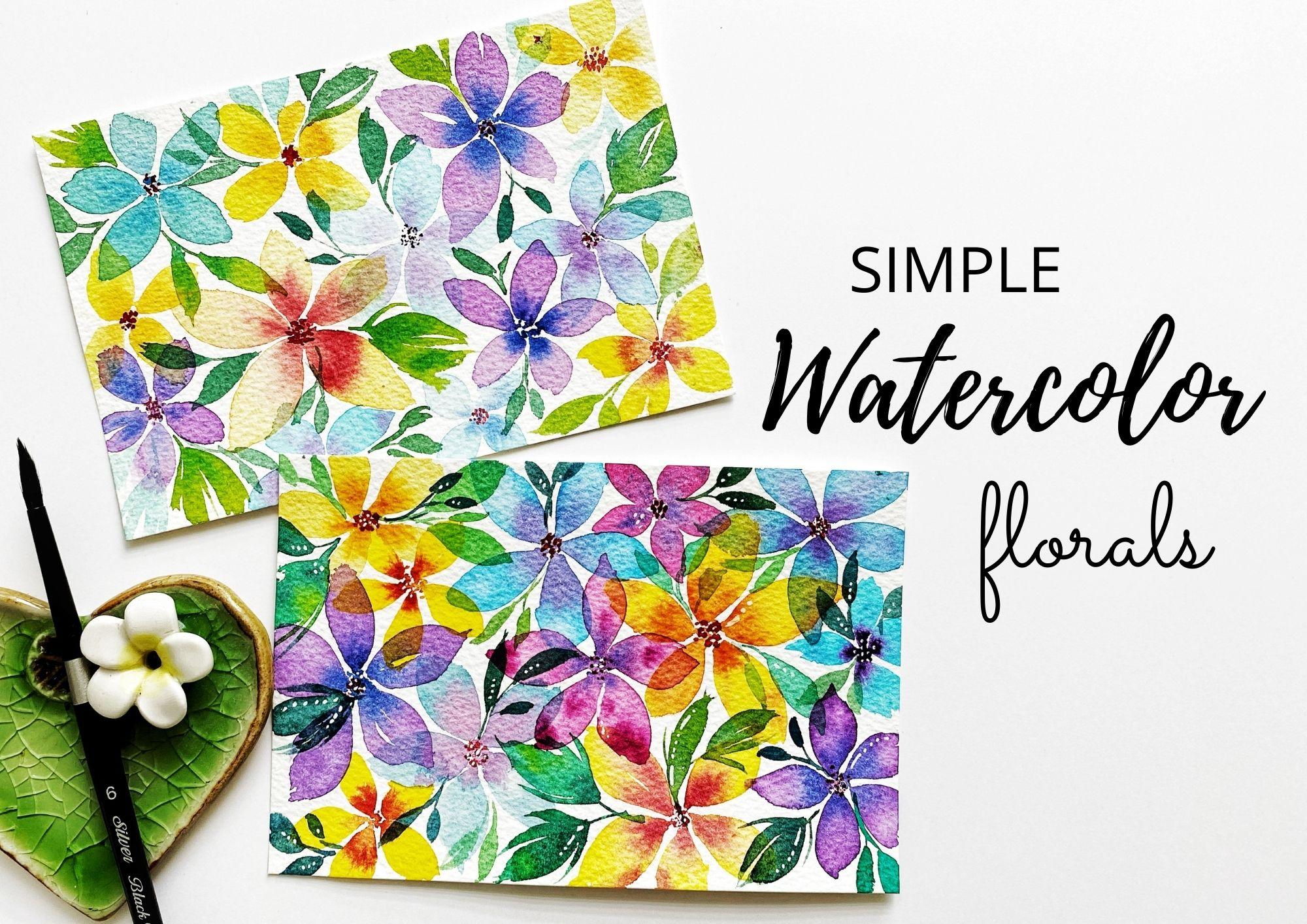
Materials:

  • Watercolor Paint (tube or pan paints will do the job)
  • Watercolor Paper 
  • Watercolor Brushes in different sizes
  • Cups with water
  • Paper towels or napkins

I hope you will all enjoy this class.  Paint your stress away, be creative, have fun and enjoy the process.

Meet Your Teacher
Teacher Profile Image

Marisa Johnson

Artist/Photographer

Teacher

Marisa Johnson is an award-winning artist.  Has been honored with numerous awards for her artworks in the US Department of Army.  Has had several solo and group exhibitions and publications in Japan and South Korea.  She has done a lot of commission work sold internationally.  Have been teaching since 2007 serving the US military families in Japan and Korea.  Now being based in the Philippines, she is looking forward to share her artwork expertise to everyone interested in developing its creativity.

See full profile

Level: Beginner

Class Ratings

Expectations Met?
    Exceeded!
  • 0%
  • Yes
  • 0%
  • Somewhat
  • 0%
  • Not really
  • 0%

Why Join Skillshare?

Take award-winning Skillshare Original Classes

Each class has short lessons, hands-on projects

Your membership supports Skillshare teachers

Learn From Anywhere

Take classes on the go with the Skillshare app. Stream or download to watch on the plane, the subway, or wherever you learn best.

Transcripts

1. Hello and Welcome: Hello everyone. I hope you're all doing fantastic today. I am Orissa, an artist, photographer and a yoga instructor. In this class, I am going to show you a very simple watercolor florals. We're using only few washes and techniques. And if you are just beginning with watercolor and your paints are limited, primary colors, just great. This is not something too serious where you have to think about zeros detailing is more about being free, more like tapping into your intuition. Like everything is up in the air. Just sledge your creativity juices flow. Have fun and enjoy. Enjoy, enjoy. 2. Art Supplies: Hey, quick overview of the supplies we need in this class. Watercolor pen set. Two glasses of water, one for rinsing the brush, and one for clean water. A pilot or a ceramic dish comes in handy. I use an arches rough paper here. I ran out of cold pressed on this ties, but I recommend as a beginner, it is best if you use cold pressed 100 percent cotton and 300 GSM. Watercolor brushes with size is 10, 6, and 1. And so we also need a wash cloth or paper towel. This is the painting demonstration idea that on my recent Zoom online class. And I thought I did make another one to share with you here on Skillshare. So let's run AKS, create together. 3. Mixing Colors: Before we begin, I'd like to show you my color swatches. I like to do this at the beginning of each of my paintings. It's nice to keep track of your color mixes and you can always use this as your reference in the future. It is also fun and relaxing to me to just flip through the pages and go through it. Sometimes. If you're just starting water color and your paints are limited, we can show this painting. We're just using primary colors. Red, blue, yellow. So those are the primary colors. Now. Red and a blue mixed together makes purple. Blue and yellow mixed together makes great. Just keep in mind that we want to achieve the tonal value of our painting. So it means the lightness and darkness of a color. So far, lighter shades, you add more water and for a darker shade, will add more colors. Now let's make orange by mixing yellow and red. Now we're going to use a darker shade or green. So we are going to add a little bit more blue when you're ready mix colors of blue and yellow. And there goes your digraph me. Now for my own mix of colors, I just used the colors on my prima watercolor pen sets in classic collection. And some colors are holding paints like Rose, violet, viridian hue, and hookers. I hope you enjoy this exercise and I will see you in our next lesson. Washes in techniques. 4. Washes & Techniques: Let's practice first though washes that we are going to use for this class. Let's start with flat wash. Starting with a dry paper, you just apply your color and we want the color to be even know dark areas, no light areas. I just make these as the shape of a flower petal. As I feel like doing it. You know, feel free to just make a single square or circle. So rectangles if you wish. Next is great. A toothbrush. I sketch the pedal lightly with the pencil here. I started with a dark shade, then gradually decrease the shade into a lighter one, means the brush and just clean water. While the paint rinse the brush. With clean water, continue pulling the paint until you get the lightest shaped. I next is wet into wet. Here. I just set that down and I just freely divide the shapes and just let it bleed together. You can also drop some water using the tip of the brush. Next, oven dry, which means wet brush, painting on dry paper and meet together. This is a technique I use in creating panels or leaves. Tip of the brush at the bottom, then lay half of the body of the brush, then tip of the brush again on top end, and repeat the process on the hatch size of the pelvis. Last one we're going to use is glazing. Glazing is layering of colors just to make sure that you wait till the underneath paint is dry before layering another color. By the way, this piece of watercolor paper is cut from a tailor around in France, which is also a 300 GSM. Now let's do a quick exercise by applying this washes on one flower. 5. Flowers: Let's paint our flowers. Normally, my setup looks like this. Since I am a right-handed, I put my paints and water on my right side. It is more convenient for me that way. But for the sake of this video, I have to adjust my setup. Remember that this is more of a relaxing and having fun. We don't have to worry about their apps and details too much. Just mind the tonal value, the lightness and darkness of the colors. As you can see here, I leave that tiny white spaces in between each battleships. But if you're a broad brush, touches the next petal, that is totally fine. I didn't take my paper down onto the surface because I want to have the freedom to move my paper around as we have to wait till it's dry before painting another one next to it. I am a speeding this up a little bit. Please enjoy the process. Joy, the flow of water color on the paper. Grace, and just savor the calm and be in that moment. Okay. I am lifting up some colors here as the heart just bothers me a little bit. I use a slightly damp but synthetic brush to lift off the paint. And now we're done with the flowers. Let's move on to page really. 6. Leaves: For our painting, our leaves, we're just gonna do a simple as the flower petals. Now just a simple leaf shapes and nothing specific type of leaf. From the tip of your brush. Simply paint very lightly, understand. Very lightly on the tip there. And then push down pressure on the body after. Then come up again on the tip of the brush. And to make that same stroke, here was the tip of our brush and use a light pressure. You are like flickering. Make sure that you found dark and light shapes. Different sizes. Research. Hi. Hi. Hello. Over here, I grabbed my smaller brush and just dab some tiny dots are in the middle of the flower. 7. Lines and Dots (Optional): And that concludes our painting. However, decided that I want to accessorize sense with a white lines and dots. This is totally optional. I use a subquery jelly white span. But if you have a white acrylic or gouache, that would do great as well. Just EU is a tiny brush or pointy object like maybe too big or pen. Hello. Hello. The next step. 8. Thank You: Thank you so much for joining me and taking the time to relax together. I really hope that you did enjoy that you took something away from this class. It would be great if you could share what you create. I cannot wait to see it. Please do share on projects section. And if you post there on social media, please do tag me so that I can also share your work until next time. And I wish you joy and your path painting. Bye.