Transcripts
1. Introduction: Hi, my name is MJ
and first of all, I want to say thank you so
much for coming to my class. I am a professional Grammy Award winning background vocalist. I've been pretty much
singing all my life, but I've been in
the industry for about roughly 15 years now. I have sang behind many stars
and legends over the years, some of your favorite
celebrities artists. I worked on many stages,
television shows, award shows with artists
like Stevie Wonder a few times Aretha Franklin
before she passed, Nick Jonas on the
American Music Awards, Snoop I'm Janelle
Monet on American Idol and many gospel artists such as Kirk Franklin and many More. I've also got a chance to
sing on many major albums, such as Lucas Graham's
the Purple album. I've done two of
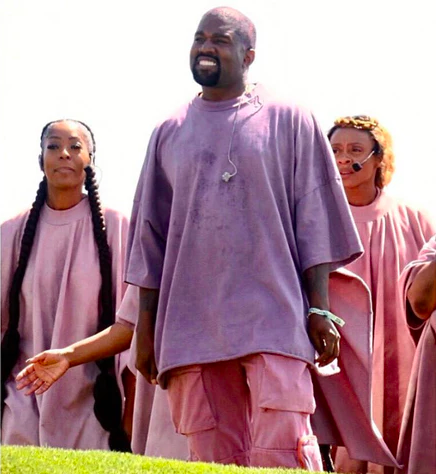
Kanye West's albums, one of which won a Grammy. I've also sang on Shallows
album and like I said, more than I can't even name
off the top of my head. I've gotten a chance
to do a lot of great things and the
list goes on and on. I'm grateful and I'm humble. The resume definitely goes long. I've been blessed, so
I'm grateful for that. I've always gotten messages
in my DMs, like, Hey, MJ, how did you become a professional
background vocalist? How did you get this gig? How did you do that? People were literally flocking to
my page at one point, a couple of years ago.
I don't know why. But I was getting
a lot of questions and I couldn't really
answer them all. I got to the point where
it was a bit overwhelming. What I did, I started
workshops where people were coming to the workshops and I was giving them
the information. Well then I took it to YouTube. I took it to YouTube when I
first started my channel. I'm still new to YouTube, but at this time, I was very new and this one particular video blew up and I got so many emails, so many comments and questions and people were
coming to my Instagram page, like, Hey, I found you from
YouTube and everyone's like, Hey, MJ, where's Part two? This was such good information. Where's Part two? This is
why I started this class. It's so much you need
to know before you get into the industry that I
wish I would have known. But I didn't really pursue it, which is why I didn't know it. It fell into my lap
because of who I knew. So there was a lot that
I needed to learn. I'm here to educate
aspiring singers, aspiring background vocalists
on the music industry, and how to become a professional
background vocalist, not just any old
background vocalist, but a good one because being a good background
vocalist is not just on how well you can sing. There's so many things
that go into it, which is what I'm
here to teach you. It's a lot I had to
learn on my own, that I wish someone
would have told me. But again, I didn't pursue
it and fell into my lab. But I'm glad it went that way because I got
a chance to learn a lot and what I learn
will not go in vain. I'm here to teach you guys
about the business part of it, the dos, the don'ts,
and the ugly, how to even get in the business at all. I want to help someone. I want you guys to know
from the very beginning, from the very start,
what I didn't know. You need to know
what to do when you get into those big rooms, those spaces, when you meet the right people, and when
you meet the wrong people. That's what you're going
to learn in this course. I've been there, I've done it, so I'm going to break
it all down for you step by step if you stay.
2. Class Final Project: For you guys, this project, I want you guys to get creative. I want you guys to get
out of your comfort zone, which a lot of singers that
want to pursue singing, they don't realize how important it is for other
people to see them. This business is all
on who you know. What I want you guys
to do is to record yourselves or pull
a singing video if you don't want
to record yourself. Just a video of you
singing by yourself. I want you to get a video
at least 30 seconds long. Post on Instagram or if you
don't have an Instagram, a social media page, something similar to Instagram, where you can
showcase a video of you singing that's at
least 30 seconds long. It doesn't have to be deep, it doesn't have to be
fancy, anything like that. You can be in your room,
you can be wherever. But a part of becoming a great professional
background vocalist is people seeing you and
people knowing that you can sing the right
people seeing you. Put up a camera,
record yourself, get out of your comfort zone. This is really all on getting
out of your comfort zone. And getting to know your voice, letting other people
get to know your voice and just putting yourself
out there. I did this. Lots of pretty much probably every background
vocalist you know has posted videos of them
singing online at one point, at least when they
first started out. A lot of people don't
necessarily do it anymore, especially if you've gotten to a certain point in the business. Many singers started
out this way. Many singers like Ella May started out on
Instagram singing, Kiana Lada, many other
great singers that you now know that have
sang on television. Get out of your comfort zone, post a great video
of you singing your favorite song or
whatever you want to post. Yeah, let's see what you have.
3. How to Get Into Background Singing: How to get into
background singing? How do we even get into
this business at all? My first point on
how to get into the background singing business at all is to start singing. I know this seems like such a simple answer and you're like, What
are you talking about? But a lot of people don't realize you actually
have to sing. You cannot sit around and say, I want this to happen, I want to do that, and you
don't make a move about. Join local groups, let
me tell you about me. I started off in a small group. I would not be successful to this day had someone
else not seen me singing with these small groups and had the right people not
been in the room. There are many instances. Matter of fact, all the
instances I was ever in, I didn't even know those
people were in the room. I didn't know those people
were even hearing me sing. There's so many ways that you can get discovered or
known in this business, but it's not going to happen if that person does
not know you can sing. So you have to get out
there and actually sing. You have to get know, you have to put your
face out there, join choirs, go to open mics. Oh, my gosh, the choir thing. Something my father told
me before he passed away was to never underestimate
small beginnings. I will never, ever forget that saying and I will
always live by this, never underestimate
small beginnings. You never know who you
are standing next to. There are many people that I had small gigs with or big
gigs or was just in a choir with that turned out to be huge vocal
contractors, you guys. And I'm going to get into what vocal contracting
is all about. That's how you get but there are so many people
you will sing next to, especially in a choir, that you have no
idea who they are, or that choir director could be someone
or the people next to you could turn into someone. Join groups, guys. Sing you have to get out
there and sing somehow. Even if you don't want
to do the group thing, do the open mic thing. I was not necessarily an open mic type of girl
that just wasn't my thing, but some people do
great with open mic, so make sure you
get out there and somehow you put your
voice out there. My next point, network
Network Network. Go to music events, introduce yourself,
talk to people. One thing about me is, I do not really like going
up and talking to people. I'm going to go ahead and
be honest about that. But I always somehow
attracted other people. People were drawn to me, which was such an advantage to me. If that's something that you
don't think works for you, let me give you a good
way for it to happen. Wear a great outfit. Wear a great outfit.
Make sure you look nice. Looking great goes a long way. Not just in the beauty
industry, not just in fashion. Looking Greg goes a long way, even in the music industry, especially in the
music industry. When you walk into
those rooms and you network there are so many other
people with great voices, so many other people, what
else do you have to offer? Trust me, looking
Greg goes a long way. Those people will walk up
to you and start talking to you about your outfit or
start talking to you, how much they love
your swag or just simply love your shoes. Don't ever underestimate that. When you meet those
people, make sure you keep the relationships with
the people that you meet. This is very, very important. There are no auditions
in this business. Very rarely, sometimes there
is, sometimes there is, but very, very rarely in the music industry
are there auditions. It's all on who you know. Please listen to
me and understand. It's all on who you know, so you have to keep those
relationships. Even if you're just sending a happy birthday on
their birthday, or you like their picture on Instagram or you
saying Merry Christmas. Just make sure you keep
those relationships. It's up to you to make
your music career go to where you want it
to go. It's up to you. Other people can't do this
for you and anything in life, but you have to make them you have to do
what you need to do. So make sure you keep
those relationships. Then all of a sudden,
when they find out, Hey, girl this
girls a nice girl. I hear from her a lot.
She also dresses nice. She also has a
great personality. If you're recognizable and there's something
that comes along, people will start coming to you. They will start buzzing about you and then
all of a sudden you start getting those referrals. They'll start referring you. They'll start referring
you and bringing up your name in a good way in
rooms that you are not in. But this all starts
with networking and getting to know
the right people. Starts with singing, and
it starts with networking. My last point is take all the small things you do serious. You never know
who's in the room. Treat everything like a
job. This is so important. I've always treated
the small things like they were jobs and it always worked out
to my advantage. Do not walk into the room like you are bigger
than that room. No matter what the gig is,
no matter what the job is. Even if you're not being
paid in the beginning, sometimes you might
work for free or you might work for 50 to $75. You never know who's
in those rooms. Always treat everything
like everything is a job, even when you're
going to church. This is something
I've always done. When I go to church,
when I go to rehearsals. When you're in
rehearsals, rehearse. Do not fool around. You can have a good
time. That's something having a good time is great. That's something you have to do, especially in this business, but you have to make sure
you stay professional, treated like a job,
treated serious. I don't care where you are.
There are always eyes on you, especially when you're
pursuing something like this. There are always going
to be eyes on you.
4. How to Make Singing a Career: How to Get Booked & Busy: How to make singing a career? How do we stay booked and busy? How do we get booked and busy? First and foremost, you know, referring back to
my first lesson, when you network and you go to those open mics and you sing, make sure that you're able to sing. You know, this
has to be said. A lot of people sometimes just don't really understand that, you know, make sure you're
actually able to sing, make sure you actually
have the skill. Um, even though there's
so many aspects that goes into
background seeing, you still need to make
sure you have the skill. As I mentioned before, make
sure you are professional. You never know who's
in those rooms. Have a good time, laugh, kick it, but also make
sure you are professional. You never know who's
watching you. There are always someone watching you. Treat everyone with respect. You never know they
can hire you or not. Like I said, you will sometimes rub shoulders with people that you don't even know
are huge people are related to huge people, even if you guys are doing a
free choir gig or something, whatever the case is
in the beginning. You never know who those
people may turn into, so make sure you always
treat them with respect. You're never bigger than the
next person next to you. No matter how good you can sing, no matter if you think
you are the beyond or Whitney Houston in the room or you're better than the
person next to you, treat the person
you're next to with respect because I
guarantee you if you treat them a certain way or
he try to bully someone in the room next to you because you think you can sing
better than them, that person's going
to be able to say yes or no in a room that
you come in one day. Treat everyone with
respect. I know there's not a lot of auditions
in this industry. But in some cases
where you may have to audition or you may just
have to be seen by someone, or they're just there in
general and can say yes or no, or they're friends with the person that's
doing the hiring. You guys just never
know, make sure you treat everyone with
respect. Stand out. Don't come in the room timid, if you are timid, make sure that in some way you
are still standing out. But don't overdo it. You
don't have to overdo it. When I say stand
out, your style, like I said, come
in there dressed. In this industry, a lot of people think it's
just your voice. It's not just your voice. Come in there looking nice,
come in there dressed, come in there treating
everyone with professionalism. Come in treating everyone with respect and being professional. Your style goes a long way, especially during times where vocal contractors
or people hiring you are looking for singers that are going to be on camera. There are times many times in this industry, you're
going to be on camera. Looks are going to matter. So make sure that your
style looks nice, your swag, be different, make people want
to work with you. Social media, this is a huge
one, huge huge, huge one. You have to post
on social media. You have to post
on social media. Now, things have
definitely changed. It's 2025 now back when I started getting these DMs and
stuff back in maybe 2016, 2017, 2018, everyone
singing on Instagram, especially during the pandemic around those years 2019, 2020. It has died down now, I will say, but you still
never underestimate it. And when you think
about it, because it's died down, means if
you're doing it, you're going to
stand out the most, especially if you're
great at singing. So make sure you post something about
yourself on Instagram. And even if it's something
you don't want to leave up, maybe post in your story and make a highlight.
That's what I've done. You know, I used to post singing videos and
harmony videos so often. I used to try to
do it every week. I I wasn't doing it
every week, once every couple of months or so, it was really a thing on my page, and I
really enjoyed it. But that has definitely
slowed down now. But I make sure that when
you go to my Instagram, in my highlights, there's
a whole highlight. Of me singing solo by
myself in performances, and there's also a
highlight called Harmony, where you can see me doing
all my harmony videos because that's what
I specialize in. I specialize in harmony. So some ways I can direct
someone to my page. This has happened to me before. When I moved away to
St. Louis, Missouri, a couple of years after
my father passed away, I got auditions when
I was in St. Louis, and I didn't have
to necessarily be present in Los Angeles
because this was for a national television
show and I was able to direct these people
to my highlights on my Instagram page
to hear my voice. I was able to direct them to My highlights to hear
my harmonies Don't ever underestimate being able to direct people to
your social media. People are being discovered
on Instagram every day. Even though it has slowed down, people are still
seeing people sing. There are still pages dedicated, I'm still seeing them.
Like I said, not as much. There are still
pages dedicated to people singing on Instagram, especially if you're good
at not just Instagram, but TikTok as well. People are still seeing
these people sing. With all the challenges
and stuff out nowadays, especially with TikTok and all these different challenges, it's starting to pick
back up a little bit. Never underestimate
who's going to see those videos because
people are still getting discovered or
just seen in general, no matter how many
likes you get, it's still important
to still post. One thing we were all taught, a lot of us millennials
are a huge saying in life, a closed mouth don't get ft, so you have to let people know, let your singer
friends know, let your musician friends know or the people that you meet that
you actually want to sing. It's okay. It's okay
to let people know. Because you just never know
who can hire you one day. The friends that you make
can surprisingly hire you one day or pass you along to someone else. It's
all on who you know. Perfect your craft,
perfect it even at home. At home is the best way
to perfect your craft. Always look for
ways to get better. No matter how good you are, there's always someone probably better and there's
always room for growth. No matter how good you
think you are I've been in so many rooms and so many
situations where people come into rehearsals and they think because
they were good, that they didn't
have to go over the song because they can sing good or they think
because they can sing, they don't need to go over
their part or harmony isn't important when you
are background singing. That is so important. You still need to
perfect your craft, and that turns people
off when you do that. You walk in the room, and
you don't know anything, no matter how good you can sing, that person is not going
to want to hire you. Make sure you go over the music. Listen to the music at home. You're never too good to
learn the song at home. You're never too good to
learn you're crabbed at home or perfected or try at least.
You're never too good. Invest in your career
and take it serious. There's so many things
singing apps on your phone. Make sure you try to
perfect your ear. The harmony videos
that I used to do, there's apps on your phone doesn't do anything
to your boys, but there are apps where you can make great
harmony videos. It makes it easier for
you to sing soprano here, sing Otto here, sing tenor here. There's so many different
things to make sure you do your research and
invest in your career. Investing does not necessarily mean money, also mean time. Put time into it. Say memorable. That goes back into
when I was saying, when you meet the people in network and treat
them with respect, don't let the people you
meet forget about you. Like I said, there's
happy birthday girl or your outfit looks
nice or holidays. You think those small
things don't mean much, but they absolutely do. So stay memorable
as much as you can. Collaborate with music
industry figures that are bigger than you or they don't have to
be bigger than you. But collaborating with
other people can work. If you have a musician friend
that knows how to sing, ask, I'm like, Hey, can
you play this song? Let's make a video, you play this song, and I'll sing to it. A lot of your friends may have been in the industry
longer than you, so they may have more
skills than you. You guys can bounce off of each other and
help each other out. Having huge friends that work
with huge figures can be a blessing to you
because eventually they may want to recommend
you to other people. So never underestimate that. This is why I say collaborate. Let your musician
friends know that you can sing or that
you want to sing. Because eventually, they may
want to recommend you to someone and get you in front of their audience if they
see that you're talented. It could also be the opposite. How's your attitude? If they
know that someone's hiring, they may not want
to recommend you. If you're not a certain way,
if you're not up to par, if you're not taking it serious, but if you are you never know that could be a
gig for you one day. I've given gigs to people.
That's how the industry works. When I moved to St. Louis, I gave my gig to someone else
an ongoing gig that I had. So stay connected,
don't lose touch. And last but not
least be patient. Be patient. This does not a
nothing happens overnight. Now, in some cases, people
may have that story, but be patient with
yourself. Don't give up. If something doesn't
happen today, tomorrow or the next week or the next year,
just keep going. Take these tips into
what I'm telling you, eventually something
could come along.
5. The Strengths of Being a Good Singer/Background Singing & What It Consists Of: Background singing and
what it consists of. What comes along with it. Have a USP. What is a USP? USP is a unique selling point. What's different about
you? What's unique? What's going to
make you stand out? Differentiate yourself from
the crowd? What's noticeable? Again, when you're trying to
be a background vocalist, there are thousands of other people sometimes when
you're trying to network or when a contractor is looking for someone
new fresh face online. There are thousands of
people, and Instagram and TikTok is sometimes very
huge for those things. What actually makes you
different that would want to make that person
call you for that gig? Especially if they don't
know you personally? What is it about you that's going to make
someone notice you? What is it have something
different that's from the norm. This next one is very important, even if you don't think you're the better singer than
the one next to you, and even if that's a fact, even if you do what you do at a much higher level
than everyone else, you will be the one
that gets the job. Let me repeat myself on that. Even if you are not the better singer than the one next to you, if you do what you do at a much higher level than the person next to
you or everyone else, you will still get the job over that person that sings
better than you. Trust me. They may not be looking
at the person next to you because of your
unique selling point, because of your energy. Unique selling point
can be so many things. It could be your
energy is great. It can be your positive
person and that your aura just speaks so much when you walk into a room and people want
to be around you. They love the way
you're dressed. You're inspiring to them. You get what I'm saying.
It's so many things. You inspire someone by the way you look, by the way you walk, by the way you talk, by the way you act,
the hugs you give. All of those things can be so many different unique
selling points on top of you having
the skill of singing. Listen, if people
don't recognize your unique selling
point at first, it's okay to put it out there. I'm not saying all in
their face about it, but it's okay to put your
unique selling point out there. Throw it in a conversation. If you have a website,
make sure you have it on your
website or in your bio or on your social
media somehow from time to time. Now,
don't be thirsty. But it's okay to put your
unique selling point out there. Don't be afraid to talk
about your skills. It's you and it's up to
you on how far you get. Put yourself out there and
talk about your skills. Don't let anyone tell you
that you're doing too much. No, put yourself out there. Again, now I'm telling
you, don't be thirsty. There isn't such thing
as doing too much. But when you're genuinely
putting yourself out there, bring it up once or twice
in the conversation. Oh, yeah, I'm pretty good.
I'm great at harmony. So if you ever need,
look how easy that was. I'm really good at harmony.
So if you ever need someone, let me know, I'm really good at blending. I can
blend with anyone. Boom. I've had people tell me that I have
a blendable voice. One time I was singing
with someone and when at the beginning of my career and I didn't
know what she meant, I was like, Oh, she was like, you have such a unique
blendable voice. No one ever told me that before and she
explained it to me. She said, You can literally
blend with anybody. You can blend with anybody. It doesn't matter what kind of She said, This
is why I call you. It doesn't matter who's singing and what kind of
voice this person has. If you're singing with
them, it's always a blend. So I'm able to throw that in conversations when
I talk to people. Now, that's if I'm
trying to sell myself, you know, if I were starting
out, you know, I'm like, you know, I was told I have a pretty good blendable voice or if you
know it for a fact, I'm pretty good at
blending with people. I'm actually great at blending with people more than others. So, you know, if you
want to call me, I have a really blendable voice. I've been told all
you have to say, record all your rehearsals. Record all your rehearsals. You're never too
good to not record. Stop going home and not
having anything on recording, and then you want to be
the best in the room, or you want to come back
and think that you're just going to know everything
off the top of your head. You're not You are
not that good. Let me tell you Your
memories are not that good. Now, can you memorize stuff? Yes, I can learn a song
in less than 5 minutes. Like, if you really have the skill of music,
singing, harmony, and you have an ear,
you can really learn a lot of things that the average person doesn't know quickly. But I'm telling you now,
you are never too good, and you are never good enough not to record your rehearsals. Stop going home and
texting your friends, like, Hey, send
me the recording. That is too much for people
to send you recordings, but other people to
send you recordings, and we were all in
the same rehearsal, no, you should have
recorded yourself. You're not Beyond junior as
much as you think you are. You're not Whitney Houston
junior. Record your rehearse. Go home and rehearse
on your own, and your leaders
and the people that hire you will notice. They will always notice when you come in and
you know your work, trust me, especially when you know it over other
people next to you. And they will also notice
when you don't know it. When they have to set and
teach you stuff and go over and over stuff,
they hate that. Go home and rehearse and
learn stuff on your own. Don't be that straggly singer or that person that's
annoying that's going home and asking all these people to sing you
this stuff because you weren't paying
attention because you didn't press record on your own. Listen, this all goes into being a good
background vocalist. This is not a
person telling you, trying to treat you like a kid or no one's even going
to tell you to do this. I'm telling you this, I'm telling you what I've
learned and what I know. When you get music sent to you, listen to it at home, and
when you're in rehearsal, record that dag on
rehearsal you can stop bothering other
people to send it to you. Do you know what it takes a lot to send a voice memo to someone, a voice memo that's
15 minutes long? Don't make people do that, okay? Don't be a good listener
to your leaders, be able to follow directions, whatever they tell you,
even if you disagree. If you do disagree, make sure
that somehow respectfully, if you disagree or if
they're wrong because a lot of time leaders are
wrong. They are sometimes. A lot of times background
vocalists sometimes have more skills than their leaders. I'm just going to be honest. But when they're in
leadership position, they don't need to know that. You have to just let
them do their job. You have to be respectful and if maybe you want to
pull them to the side, or maybe raise your hand and say something in a really nice way, but do not embarrass them. Do not make them feel low. It's not your job to talk back. It's not. I've had to learn
this too because I Listen, I'm admitting this, am I
have a really good ear. I probably I have an
above average ear, I would say, for a singer. Like, there are people
who I can stand next to, and I think they
have great voices, but they're not
catching the note. Like I can catch a
note really quickly. I have that skill. That's also what comes into making a
great background bogus. That's what I saying as far as going home to
perfect your gift, try to learn things, try
to perfect your ear. If you don't have that skill, try your hardest to get that
skill because there will be times where you
are going to know something and you might need
to help your leader out. Again, there's a
respectful way to do it, if it comes to an
instance where you do have to help your leader
out until your leader like, Hey, that's not the note
or that's not what you told us yesterday
there's a way to do it. There's a way to do just
make sure you're respectful, which goes into my next point, give feedback only when it's necessary or
when it's welcome. Goes back to being
a good listener, letting the leader lead. Even if you know
you have you know, the note more than your leader, make sure when you give
the feedback that it is welcomed and that it is necessary because
there are some cases, let me tell you everything
I tell you I worked with good leaders and I
work with bad leaders. I work with leaders with
great professional attitudes, and I've worked
with the opposite who didn't want you
to tell them a thing. That does not make
a good leader. I'm just going to tell
you, Leaders can be wrong. That does not make
a good leader. If you don't want to welcome feedback when you have a good singer under you when you have a good
background vocalist, a good background vocalist ought to be able to
help their leader. That's why you have backup. That makes a good
leader, you would think. But let me tell you from a background vocalist
point of view, singing behind an
artist that may be difficult or behind a leader
that may be difficult, sometimes it's not welcome. So make sure that you give the feedback when it's welcome
and when it is necessary, not every 2 seconds when
it's not necessary. Be able to work well and
get along with others. That is almost self explanatory, especially
in this business. You have to be able
to shake it all off. You have to be able to
go sit in a corner. You have to be able to shake it off if something goes wrong. As a background vocalist, you're not going to be
working on your own. That's just bottom line. You don't have to be if
you're not a people person, go sit in the corner, you
know, between recordings, between takes, you know,
keep a smile on your face, but go sit in the
corner because a lot of people don't
understand introverts. I'm an introvert. There were
a lot of times on gigs. I know, I was friendly. But sometimes that can be misread when you are an introvert and you do
go sit in the corner, but and there are
times where you might have to sit in the
corner because something happened that pissed you off. That's the case a lot and you have to be able
to shake that off. You have to be able
to find a balance on when you were just disrespected or someone looked
to you and said, I hate your voice or you're not singing that note right when the singer next to you has
an opinion and they're not even the leader, that's
going to happen a lot. There's going to be a lot of singers that talk way too much, way too much, and you don't
have to shake it off. It's okay. Happens to all of us. Just go stand in the
corner and shake it off, go sit in the corner for 10 minutes until it's
time to come back, or politely, just excuse yourself and you have
to shake it off. You have to shake it off.
Know your strengths. But during the time
of a group setting, have the mentality that you
guys are on the same level. No one's gift is
better than the other. Put your ego to the side. You
guys are on the same level. As a background vocalist, we are one band, one sound,
one band, one sound. You know, it is not your job
to sing over anyone when you guys are trying to blend and you guys are all
singing together. If you are hearing yourself
over the person next to you, that means that
you are too loud, so you need to come
back because again, we are one band, one sound. So your gift is not
better than the other. We're all in the same room, we're all doing the same thing. Put your ego to the side
and understand that. Be able to take
constructive criticism, get an honest opinion of someone you really trust
or you know is skilled. You really trust
and know the skill. You don't need
everyone's opinion. Okay? You don't need everyone's
opinion. I'm saying that. You know, it's okay to get
constructive criticism, but get it from
the right people. You don't need everyone. Everyone's not skilled. Everyone's not
skilled as they say. Make sure that you get it
from credible sources. And just like you're
good at things, there're going to be
things you're not good at. So be aware of what
you're not good at and don't do it.
Just don't do it. If you are not a good lead, or you don't want to
sing by yourself, you feel like you're better off singing with group,
then don't lead. You know, it's okay to say, you know, I just
rather, you know, I think I'll be better at all of singing or whatever the case, be aware what you're not good at when it comes to singing,
when it comes to music. You don't have to be
good at everything. It's okay not to be
good at everything. What you do need to
be good at knowing your note and carrying
your note on your own. But if there are
certain things or certain aspects or
running a great example. A lot of singers do all
the running and stuff, there are a lot of
people that cannot do that, and that is okay. Ala never really ran
when she sang. T Bs. I mean, think of
different singers. I'm just using those
as an example, but when you think of someone with a beautiful voice
that sing straight, I think of Ala. Ala really
didn't do a lot of the runs. A lot of the Jasmine
Sullivan does runs. I use her, for example,
Jasmine Sullivan or Kim Burrell gospel singer. They do amazing smooth,
beautiful runs. Everybody should
not try to do that. Everybody can't do that and
everybody should not do that. That's not everyone's forte. You get what I'm saying? If
you can't do that, it's okay. It's okay. Just sing the song. It's really okay. As a
background vocalist. They don't necessarily
prefer you to do all that fancy stuff anyway. So it's okay if you're not
good at certain things. Do vocal warm ups
before rehearsals. In the car in the shower,
whatever the case, this really goes a long
way, especially if you're a soprano like me, poor us. Make sure you do vocal warm ups, make sure you open
up your vocal chords because this really goes a long way when you get to rehearsal because when
you get to rehearsal, you start chirping, you don't
know where that came from, but it came from those
warm ups in the car. Trust me, that goes
a really long way.
6. Hearing Musically, Having a Good Ear!: Have a good ear. This is such
a very important section. Have a good ear goes into
a lot of the things that I've already been saying
in my previous lesson. It's so important as a
good background vocalist to be able to hear musically. You have to be able to
hear the music, the piano, the keyboard, but you also have to be able
to hear good notes. You also have to be able to hear bad notes when you're off key, when the person next to
you is a little off. Not necessarily your job
to say that all the time. It just depends on
the environment, but you need to know
when you're off and good background vocalists know when they're off and they
call themselves out. I am one of them. If
something happens and a lot of us do it. A lot of us good background
vocals like, Oh, that was me, my bad or you know, just
know I'm off, I'm off. You'll know when you're off
when you have a good ear. That's really, really important. Be honest with yourself. Call yourself out before
someone else does. Singing inquires, which is also different
than seeing in a group. Singing and inquiry with a
bunch of people that really a bad note or two you can
get away with, to be honest, because there's so
many of you versus a small group versus
like six of you, three of you, eight of you, nine of you, if it's three, three and three, two, two and two or 11 and one, especially, you can't get
away with that really. Especially if it's 11 and one, you have to be able to call
yourself out and know when you're not on the right note. Hearing is so important. Besides being able to sing, hearing is probably the
second most important thing as a background vocalist. You have to be able to hear, you have to be able to
carry your own note. You have to be able to hear that piano and know that they're playing
your part somewhere. And you have to be able to
know good notes and bad notes. Be a good listener
musically. Oh, my goodness. Okay. Be a good listener
musically. Oh, my gosh. Being a good background
vocalist does not mean you just listen to the person next to you or you just know the music. Knowing the music also
means knowing the music. Let me repeat myself.
Knowing the music also means knowing the music. When I say the music,
I mean the keys, the piano, the guitar.
What does it sound like? All of this goes into
being a good singer. You got to be able to
hear the keyboard, not just know the note. Listen to the keyboard as well. When you get to the point
where you're able to sing, know your note, and
hear the keyboard, you're going to be unstoppable. There are a lot of times
where we may rehearse one note and then the keyboard starts
off on another note. You got to sing what the
keyboardist is playing. You ought to be able to
know where your note is when you hear
the keys playing. A lot of people can't do that. But this makes a great singer. And this goes into the intro
when the pianist is playing, when the keyboardist is playing, what are they playing?
Listen to it. And when you're listening
to that and you hear it, then you should
know what to sing, whether it's to note you
rehearsed at home or not. If you didn't rehearse
that note at home, but they're playing
the wrong key, you better still sing
what they're playing. This all goes into learning music musically,
not just singing. You're a singer,
you're a musician too, in a certain instance. They consider us
musicians as well, a lot of the times because
there's so many skills that singers have to know
just as much as musicians do. Now, you don't necessarily have to know if
they're playing in the key of A or the key of B, sharp or something, but you have to be able
to hear that music. This all goes into hearing
and perfecting your ear. Let me say this. The musician
is always playing the song. Hear me when I say
what I'm saying. The musician is always
playing the song. For instance, if
you're a great singer, but you're not the best
at carrying your note, listen to this is
really important. Listen to what they're playing. Listen to what they're playing. Now, if you're
singing a capella, good luck, if you
can't find notes. But when you are a background singer
and you're just not one that's good
at getting your note, a good way of hiding
that is simply really paying attention What
the keyboard is playing? What is the pianos playing? What am I hearing on the piano? That's always your
note. That's your note. Listen. Listen
musically, so important, which goes into my next point, be able to hold your own note. If you cannot hold
your own note, you cannot be a background
vocalist. You can't. If you cannot hold
your own note, if you cannot catch
certain notes when you hear a certain
note on the piano playing, if you cannot catch on, you will not make a great
background vocalist. I'm sorry, some of you might click off this video
with me saying that. Some of you might not want to keep going, please keep going. But I'm just being
honest with you. If you cannot hold
your own note, Listen, as a background vocalist, especially if you're on tour, there's only going to be
three of you in most cases. Now I'm talking about tour wise, not a choir, not a group. A lot of times it's
two, two, and two, but in a lot of cases, you're the only person
singing your note. We're talking about
background singing now. We're not talking about
necessarily choir and stuff. We're talking about
background singing. You want to go on tour, right? You want to sing behind
this artist at this event. You want to sing at
these huge festivals and you're soprano, you
better know that note. You better know
your soprano note. This is why we rehearse. This is why we pay
attention to rehearsal. This is why we record
our rehearsals. If no one else is there,
you are the only Auto. You are the only soprano,
you're the only tenor. It's just you. And believe me, the person that hires
you going to know, you can lose your job for this. You can lose your job
for this. It will irritate the living daylight, not only out of the
person that hired you, but the people next to
you that know their note. So you have to be able to hold your own note. That's
just bottom line. You have to have that
skill. Leaders would prefer not to spend a lot
of time teaching parts. If they don't have to,
they would love not to. They will love you for this and you will
get a lot of jobs. Trust me, they will love
you, love you, love you, love, love you if you're
able to carry your own note. They will love you till
the cows come home. Time is money. Time is money, and them constantly
telling you a note and telling you a notes
wasting too much time. If they send you a song
before you get to rehearsal, listen to the song and
learn as much as you can. They don't expect you to come. Now, in some cases, some singing gigs
are like that, where they expect for you
to know hands down. But this is why you go over it. You're still going
to go over it. When they sing you a song, listen to the song, you guys. Don't think that you
can just Skadad over, especially when
you're being paid, it's your job, when
you're being paid and go over the song, listen to it. Time is money. This is why they why they send you the song because time is money and they don't
have the time. They have the time
that they have. But when they sing
you music, be polite. Be a good singer, be a
good background vocalist, be a good person on your leader
and listen to the music. There's an incredible
benefits in this business to having a good ear and when it's recognized by people that
may want to work with you. When you have a good
ear in this business and people find out
you have a good ear, that's going to go
so long with you. It's so important
to have a good ear. One thing about it is there'll sometimes be instances when
they can't be in the room. They may hire you to hold it down for
them when they're not there or they
may have to be late. You may get the call to finish
the contracting for them. You may get the call to actually do the
contracting for them because they may have
another contracting gig, but they trust you. This has happened. This
happens every day, you guys. When there's a huge contractor or he's working on a huge gig or he's out of town and he's
on tour, and he gets a call. He's going to pay
you to contract. He could pay you to
contract for them. As if you can hold it down, you have a good ear and
he knows what you can do. This goes a really long way. Make sure that you do something
with that ear of yours. If you want to be in this
business, perfect that ear. There's a way to do it. Now, it comes natural to a lot of us, but there is a way
to where again, this all goes to
perfecting it at home. Listening to music at home. When you are sent music, listen to it in your headphones, listen to the other keys. What makes sense
or what doesn't? Realize that singing is
thinking. Singing is thinking. I remember when that was
first told to me and I was a little
confused about it, but once I got more
deeper into the business, I started to realize what they were talking about
when they said it. Singing is thinking,
lots of thinking, and when I say thinking,
it's not complicated. If you're gifted, you're gifted, if you're good at it, you're good at it, but
singing is thinking. While you're singing, this is
let me give you an example. As a background vocalist, this is what I mean when I
say singing is thinking. Just the same tips I
gave you guys before. Okay. What are they playing? Is this the note? Where's
the note? There's my note. There's my note. What are the people next to
me sounding like? Are they singing out,
they singing back? Is the music loud or
is the music loud? If the music is not
loud, I do not belt out. All of that is things that you think about when
you're singing. If the music is soft,
you go with the music. You do not belt out and sing full voice when it's
not the time for that. Think about how
does this song go? What are singers next to me? Are they belting out
or if they're not? If they're not belting
out, I need to come back if I only hear myself. What are the notes? Am
I on the right note? All of this goes into
thinking, you guys. All of this goes into
being a good singer. What it consists of thinking,
thinking, thinking. If you're good,
they will see it. If you're the best,
they will see it. You don't have to
prove yourself, you don't have to
go over and beyond, just do your job, and they will
7. Discovering Your Key Strengths In Music & Highlighting Those/What Are You Best At?: Cover your key strengths in
music and highlighting those. What are you best at?
What are you best at? What do people compliment
you on the most? You in most cases, know what you're best at
before anyone else does. Ad libbing, as we
talked about earlier, are you good at ad libbing?
Are you not good at it? Do you have a great ear? Having good energy,
your voice strength. Are you a good lead singer? Are you a great group singer? Can you play an instrument? Highlight what you're best at and know what those
strengths are. You could be terrible
at one thing, but you could be great
at another thing that will still get
you in the door, that will still keep you in the door once you
get in the door. You may not have
the greatest ear, but you may be a
great lead singer. A lot of great lead
singers do not have a good ear because a lot of them don't belong
in the background. Do you get what
I'm saying? A lot of background vocalists
are not good leaders. That's a huge thing. A lot
of background vocals like, Hey, I'm great at background, but leading is not my thing. That's knowing your strengths. That's knowing what
you're good at, and that's highlighting it. For example, I'm a great
background vocalist. I can blend with anybody. I have a great ear
great with harmony. I always know my music, but I do not want to lead. I do not think that I'm a
great lead singer because it's just certain aspects
and different things that come with leading that's
different from background. Can I lead? Yes, I have led, but I do not prefer leading
and I don't think that's a strength of mine. You
get what I'm saying? But I think a great strength of mine is everything that
comes with background. I will always be great
behind any leader. That's what I'm good at, I can highlight that and say that
because I'm aware of that. A good way that I
highlighted that, especially in public on my social media page is I may harmony videos
all the time. I may hire me videos
that were live. I recorded and save them live. I was not in the studio.
I did that on my own, no one was there
teaching me parts. I was not studio that a lot of people have
cheated and tried to do. I actually can teach parts. That's another thing. As far as people knowing
your strengths, you knowing your strengths
and a good contractor leader knowing what you're
good at or hiring you, they know you can teach parts
when you have a good ear. When you have a good
ear and you can pretty much catch on anything, you can teach notes
to other people. When you know that
other people next to you are all and you
can help your leader out, they know that you
can teach parts, so many positive
things that can come into being great at one thing, but not necessarily the greatest at others,
and that's okay. But just make sure you're aware. What you are good at and
what you're not good at. Once you realize
what you're good at, concentrate on that thing
and learn it and perfect it. Once you perfected it,
you are unstoppable.
8. Using What You're Best At To Your Advantage: Use what you're best
at to your advantage. Now, once you perfect
what you're good at, what you're best at, and
then you recognize it, start to highlight it
as much as you can. Like I said, in my
previous lesson, I started to do a lot of harmony videos on Instagram
and social media, which got people
knowing how great at catching Parts I was and that I was able to pretty much
always know my note, which made them want
to hire me more. Make videos of it,
post it online. Another thing I
want to highlight that a lot of singers
are not doing. I don't know a lot of
my senior friends. I did not know until maybe way later than a lot of my
singers can play instruments. If you can play an instrument, play that instrument in
some of your videos. Do you know how oh my gosh, so many singers and wish they
could play an instrument. I could play the guitar a little bit and I started to play, especially during the pandemic and I actually put it online. I started to learn
music at home. I did take guitar lessons, but I don't think I'm good
enough to put it on my videos. But if you're really good
at playing an instrument, put that in your videos,
put that in there. People would absolutely love
to hire a singer that can play that would just be
such a good highlight. If you have a website, it doesn't have to be social media. If you have a website,
put it on your website, make others aware that
you're good at these things. Once others are aware
of the strength, when they are looking for
this strength from a singer, they will think of you
and they'll start to refer you to other people
and pass jobs onto you. All of this goes in you guys
starting to see how this all goes into play with getting
jobs because of who you know? All of this plays
such a huge part. All of this plays
such a huge part. Highlighting your strengths,
having a good ear, and having the people
to hire, you see that. All of this plays a huge part in being hired by
people you know.
9. How My Strengths Worked For Me, What I Specialize In & How I made It Pop: Strengths worked for me
and what I specialize in. How did I make it pop? What I specialize in? I'm great at vocal harmony, blending, and I'm a
great group singer, and I have a great ear. So I'm good at hearing
really well musically. When I realized I had a good ear and groups
I was a part of, is really when industry,
people started telling me. Now, this is when
I first started out when I was sort of unaware. But when I started realizing it is when I was in groups
with other people. And I was realizing what I
was doing and they weren't or I was realizing what
I was hearing and other people were not hearing.
This is how you learn. This is why I say get into groups to start
singing with other people. You will learn your
strengths as you go along. I started to learn a lot of
my strengths as I went along. Singing with other people
was a huge way that I learned a lot about
singing dynamics, when to pull back, blending, et cetera. I learned as I went. Once I started to get
the compliments from the huge industry
people is when I really started to
realize I was like, Wow I'm pretty gifted. When you get around
other people, other people will
recognize your gifts. Other people will
start to recognize it, even if you don't put
it out there as much. But when you are
good, this is when I say if you're good, they're
going to know you're good. Having a good ear is what made me good
at everything else. This is what I going
back to that ear, having a good ear is what made me good at everything else. Having a good ear is how I
was able to blend because I was able to hear everyone
next to me because I was able to hear what are the
chords that are being played? Having a good ear is what
did all of that for me. How did I use it
to my advantage? I put myself out there. I
started putting it out there. I started making videos of
the things I was good at. Like I told you guys, I started making the harmony videos. I started posting the stuff
online. That was my strength. When I made the harmony video, that let everyone
know about my ear, about the blending,
about the harmony, all that stuff because I have
to blend with myself too. The video still help people
as far as knowing how great I could do
three part harmony by myself without
anyone teaching. Because of my strengths,
I've now over the years been asked and hired to help other people
to teach parts, to vocal contract,
all that stuff.
10. Getting Noticed: Commanding The Right Attention Without Looking Like You Are: Get notice, command
the right attention without looking like you are. Once they've noticed you, you're always being
watched, always. This can be really to your advantage if
you work it right. If you want to be a
background vocalist, you want to be noticed,
you want them to see you. The only reason they're looking, which they should be looking is to see more of what you've got. Now these are people.
We're talking about people that
want to hire you. Not singers next to you, being a hater, anything like that because that's in
the business as well. You're going to be
watched, especially if you're good, anybody's
going to watch you. But your whole focus should be who's watching me
that can help me? Who's watching me
that can hire me, who's watching me
that can get me in that next room with those people that I want
to be in the room with. When you walk in
that room, command the attention without
being thirsty or having people necessarily notice that you're
commanding the room. One thing I will say about me, I am F ten, I used
to be a model. I also work in the
fashion industry, so I will have outfit on
anywhere I go I'm putting it on. So I think a part of me
commanding the room the way I do is because I'm tall.
I think that's number one. So I think one thing that's
to the advantage for me, I command a room when
I'm not trying to. I've gotten attention
all my life because I was tall. That's
what I think. Okay. I'm tall, you know, so
I'm kind of striking. So when I walk in a room, I get a lot of attention. And so I don't have
to really do much. I don't have to
really be thirsty. I have on you know, the right I'm always dressed
because that's who I am. I went to fashion school
and I'm a fashion girl. So, you know, all that can
go into commanding the room, but not just the physical, but your personality,
you know, your smile, thrown on the right,
heels or shoe, they're watching
for many reasons. You know, they can be
watching for many reasons, but they're going to really be watching you now to see
if you know your note. When you come in and you're striking for any reason at all, whether it's physical
or your personality, energy, your aura,
it's just everything. Now they're going to be
watching to see, Okay, she physically got it and I want her in the room more because
I love the physical. I love the energy. I love
the energy. Energy is huge. Energy is very important
in this business. But they're going to
really be looking. Okay, she knew her no. She's
stumbling the whole time. She really have it? Or are we asking questions every 2
seconds on repeating the note? Again, they're going to really be watching for
things like that a lot. Always dress well, even
if it's in rehearsals. I've been saying
that really this whole time in all these lessons. You never know who's in there. This really should be a given. Now, I say always dress well, not just for attention, but because you need to
present yourself right. It really has always irked me. On any job, to be
honest, in any field. But this can be in any field. When you're walking in a room, you don't know who's in there. Let's really talk about music since that's what we're
talking about right now. You don't know
who's in that room. Why are you in
pajamas or slippers? Why are you wearing
here what you slept in? Does that really make sense? Is that how we really
want to present ourselves in the music industry, and we want to be a
background singer or even in public at all? Why are we presenting
ourselves this way? Don't do that, guys. Put it on. Put on the
right outfit, dress well. It doesn't matter if
it's just a rehearsal. Trust me, trust me, trust me. You never know
who's in that room. You never know
who's in that room. That may want a stylist. They may want you to model. You never know. So much goes
into the music industry. So many people are
in those rooms. You never know. Put your skills on a platter without
them knowing about it. I whatever way you can think of and whatever way you're
not being thirsty, put your skills on a platter. Show them your personality. Be attentive, on point, smile, even if you're
not in a good mood. Many times I was
not in a good mood. Many times I was in rooms, to be honest with people I did not want to
be in rooms with. A lot of people are really rude and jealous in the
music industry. You know, you got to still put on that smile
as much as you can. Because any job can
really mess with your mental health and the music industry is definitely
one of them. I'm not going to lie
to you guys at all, but try to be on point
as much as possible. If you can't smile, at least try to be on
point and know the music. Be enjoyable and easy to
love. Not really hard. Again, as long as
people are not jealous of you and haters, which this industry a
lot comes along with it. But when you're enjoyable
in your easy to love, the right person, the right
person is going to see it. If you're easy to love and
if your energy is amazing, you will get the job over
the person next to you. Even if someone is a much
better singer than you. That person that's hiring
black, Hey, she's dope. She has a great smile, love her energy. I want
her in the room. Even if your strengths are not as strong as the
people next to you, the vocal contractor,
the leader like, Well, she blends well, though. Right now I need someone
that can blend well. I need someone that knows
how to pull back and not sing loud or sing hard
even when the music is soft. Everyone doesn't want that. Everyone doesn't want
those kind of singers. Trust me, you guys, everyone does not want the same thing. That's why it's
important to know when to belt out and
when to pull back.
11. You Don't Have To Be The Best...To Be The Best: Don't have to be the
best to be the best. You don't have to be the
best to be the best. You don't have to
be the best singer. To be the best in
the room or to be recognizable or to be hired over the people with
better strength stick. There's a lot of
other things that can come along with
you that can make people want to work
with you and not someone else, not
just your voice. It could be a lot of other things that
come along with you. As we've discussed, your energy, your aura, the way you dress, the way you carry yourself. All of that is so huge. There are plenty
of famous singers that are not the best singers. They were not the best
singers back in the day, but they were still in
those rooms for a reason. They were still
there for a reason. They still were able to put
the music out for a reason. Something got them noticed. Something got them noticed.
I know a lot of you know. Certain singers that
everybody says it can't sing. She can't sing or
she can't even see. He can't even seeing but they're famous I
don't know what. They got so many
different albums. They're Dagon legends now, but they didn't have
the best voice. Why? Why is that? We're not talking about a lot of people trying
to make things up about how someone got to the
top. None of that involved. Let's be realistic and
let's be honest about how did these people
get to where they are without having the voice. Sometimes they don't even
have to look to be honest. How did we get here?
Energy was great. Their or was great. They
were great to work with. All of these things
matter, you guys. Being able to hear, being able
to work well with someone, being able to listen musically, being able to work
well under people. All of this goes into why someone would want to
work with you over the best or the better version or the better person
where you think they would have hired the
other person, but they didn't. They hired you. Eventually, it will take notice
to other people. Why this huge person in the industry wants to
keep working with you. Unfortunately, people
are followers, especially music and they're going to start to
notice you and wonder, why does this person
keep hiring this person? What is it about this person
that they want to hire? Well, let me hire this
person too. It works. You can make up with
all of your weaknesses, with your image, your branding, your marketing,
and your attitude. Your image, your
branding, your marketing, and your attitude will take
you so much further than you just being the best
singer in the room. Trust me.
12. Vocal Contracting: Vocal contracting, how it
works and how it works for me, what is vocal contracting? Vocal contracting is
super, super important. Vocal contracting is pretty much the people
that will hire you. I've been using that term a
lot in all of my lessons. Those are pretty much the
people that will hire you. When there are no auditions and producers from TV shows
or events or musicians. They will call these people to call singers that
they know that can sing, and that's how the
background singers get jobs. That's what vocal
contractors do. They are the go to guys to hire singers for all
these huge events, awards shows, et
cetera that you see. It's always a vocal
contractor behind them, because the reason it's called vocal contracting is literally because it's a contracting job. You know, this is
not a nine to five. You're literally
hired on demand, pretty much, Senior on demand. So that's what vocal
contracting is. It's the way a lot of
singers get discovered. A lot of singers get discovered because a huge vocal contractor hire them for the right gig or a huge gig When I
was saying earlier, you know, you never know
in my first lesson, when you're out networking
and you meet people in those choirs or those groups,
and you think it's nothing. This is why I say always
treat people with respect. There are a lot of people
I'm so proud to say this. A lot of people that
I started out with on gigs that we might have
been paid maybe $200 are huge, huge, huge vocal contractors
now, vocal coaches, well known that work with huge
people, huge celebrities, huge people that I literally
rub shoulders with, you never know who
you know that's going to be up here one day that you think that started
down here with you. Those are the main people
that you really want to keep the better
relationship with. You do want to keep your
relationships in the industry, but you don't want to let other singers discourage
you because it can happen. You just need to
be careful when it comes to who you want
to give your trust to, who you keep in contact with, whose opinion really matters. This is a really cut throat
business and you have to have a thick skin
in the music industry. You want to make sure that you have trust and you listen
to the right people. There are bad vocal contractors out there that are
not trustworthy, that are just not
good people, and there are some great ones. So you just have
to weed them out and these were things that I
learned and unfortunately, we all have to learn it. You really going to have to
learn it yourself as well. But I'm just making you aware. I don't want you to get
in and think that you can't be done dirty by someone who hired
you because you can. It happens. But yes, anytime you see an award show, a concert with
background singers, someone hired those singers. In most cases, it was
a vocal contractor. Vocal contractors are some of the main people that
see your skills, notice your skills
before anyone else sometimes notice your
skills before you do. So those are going to be the big guys that you
want to really I guess, pay attention to or
get feedback from, and then they're the ones
that can do the hiring. You know how it worked for me, I met one vocal contractor, got my first job,
then I got this job, then I rubbed shoulders with other singers as I was
discussing earlier. Then those other singers
turned into vocal contractors and eventually got me other jobs and more jobs, and more jobs. Contractors are always
looking for new singers. They're always looking
for new singers. This is why it's important
to keep a good look, a good attitude, brand yourself properly, and
care about yourself. This is why that's important. You never know who will become a contractor once you met
and worked with someone.
13. Television Work: Television work. Let's
talk about television. This is probably one of my favorite subjects
in music because I've been so blessed to be on televison so many times
with great, great people. Being on set is probably the most exciting but
hardest jobs in singing. It's very long days. Sometimes can be
really uncomfortable, but you just have
to roll with it. They are very long days. Most of us who have done it
a long time are used to it. I'm also a costume
stylist on TV sets, and I also sing on television. My first experience on
TV at all was music. And that's when I experienced how long television work is and how it can be like 12
hour days you're there. You can be the last
person to sing. This always happened
to me for some reason. When I did award shows a lot, we were always the last
act for some reason, in a lot of the cases,
and I was there all day. We would have to be there
at the top of the morning, but I would be
there till the end. So it's normally
an all day thing. It's a lot of hurrying
up and waiting. You just have to you just
have to roll with it. It can be hot. It can be chaotic, cold, you
just have to roll with it. If you're cold, go
find a blanket, go find a warm spot,
if you're hot, you have to just roll with it. But television is one of the top paid in singing, I would say. Tours also are huge, it's huge money.
Tours and stuff. But when we're talking
about background singing and gigs and television, a television gig,
one television gig, is it's pretty well
paid in most cases. Most are union jobs, which is Sack after anytime you really see anything on TV, like TV shows, et cetera, all that goes into this as well. You have to it's
a Sag after job, probably, which pays a lot. I am a part of the
union Sag after union. Eventally I have to
just get a part of it. I have to do so many union jobs. And eventually the
union workers are like, Hey, you need you're not in the union.
What's going on here. So another huge thing if you
want to do these TV gigs, you have to stay healthy and
physically fit as much as possible if you want to do TV.
That's just the way it is. That's TV. You have to try your hardest to just look the part. Now, television is different from background singing,
just doing a gig. Television, you are
working with producers, casting directors,
all these people that your vocal contractor would
have nothing to do with. There are a lot of times
where during a gig, if you are pre recording,
which is also part of TV, that the producer will
talk to somebody else in one ear and the other
person will get somebody else's
ear and then come back to your contractor
and they will move you. If you don't have the look they want or if your energy is off, all of energy, the
look, et cetera, all for what they're
looking for, they will switch
you and move you around if you are in
certain camera view, they may want you in
certain camera view. They may not want this person in certain camera view producers, ask contractors for
a certain thing or a certain kind of
singers or a certain. That's how singers come
about on television. And that's how things are
produced, and they'll ask, Oh, we want all Black choir, but they all need to
look a certain way. We want a choir, but they can't look like this, they
can't look like that. Television producers
have a big say so and who the vocal
contractors hire to sing. Keep who you're working
with confidential until the right time. This is very important and something I had
to learn on my own. Yeah, I had to learn that on
my own. No one told me that. So you can't go posting about
it until after it happens. You can't post, Hey, I'm singing with Janelle Monet. Oh, I'm at rehearsal
with her now or like, take a self and
she's behind you. You have to be silent about
it until after it happens. Most of the time,
you probably signed an NDA when you did your paperwork and
you didn't know it. There's a lot of NDAs involved. There's a lot of contracts, and you're just not
supposed to disclose it. To be quite honest, I do not know why. I think it's a little silly. To be honest, I'm
just being honest. If there's an award
show coming out, if I'm seeing at the
Grammys and I'm behind this artist and everyone knows
that artist is performing, why in the world can't I say that I'm singing
with that artist? I have no idea. It's so weird. We all know that artist is performing. But that's
just the way it is. They don't want anything disclosed at all about
the performance, whether it's you singing with them or not or whether they're going to have singers. I
really don't know that. Now, when I find out I, come back and I educate you
guys on that more. I don't know the reason, but they do not want to disclose. So just don't disclose it. Nothing about television, honestly, do they ever
want to disclose? Like, I worked on a TV show. That I still have
not been able to disclose now until it's time. I have not been able to disclose that television show,
not the name of it. So I can say I
worked on TV show, but they won't you
guys can't know the name of it until it comes out. So that's just how television is. That's
just the way it is. One thing when it
comes to television, professionalism, is
a must at all times. Producers, casting directors, all of those people in there
are always watching you. Not only are they
always watching you, but when they are watching you, you never know what
opportunity will come from them
watching you again. You never know the
camera time you will get from them watching you
from being professional, they may like the way
you look, all of that. TV can be one of the best
experiences you'll ever have. You can still have fun on set, but still be professional
at all times. Professionalism is so important. You don't want to get
there acting you know, this should be a given, really. But you will rub
shoulders with a lot of celebrities and you need to treat them like
any other person, you know, treat
them with respect. Don't be in their
face and thirsty. They don't like that. You
just treat them with respect. I work in fashion and music, and so I've gotten
to work on TV shows. I've styled celebrities. I rub shoulders with
celebrities and legends often, and it got to the point
where it's just kind of who I am and it's kind of a part
of my life and my career. Trust me, we're all human. So if I can be honest, I am a lot of times when
I meet these people, I am so stunned, surprised, bubbling on the
inside, but they don't see it. I don't show it. I'm
not all thirsty, like, Oh my God,
nothing like that. Have a conversation, let
them know how much you love them if that's the
case, you know, but treat them like
people and they love to be treated like they're people because
they are people. They love to be
treated with respect. They don't want to be treated
any different kind of way. You know, some of
them don't mind, but in most cases, they just want to be
treated like people. Do not act starstruck on set. Do not, show that side. Like I said, keep it inside. I've been very starstruck
and no one knew it. Until unless I shared it
with text my best friend. Oh my God, no one knew it,
though. No one knew it. If you have a great attitude
or a bad one on set, it will always be remembered. Look good at all times when you're on set for
television work. Look good at all times. Why would you want to
come not looking good and you're in front of producers
and casting directors? This is just look good, guys. Again, when you're up pre recording and you don't
know they're about to call for pre recording and it's
too late and you're already by the stage, you get
up there looking crazy. They're going to want you
in the back. You're not going to get any
television camera time. Maybe people don't
care about that, but it makes the contractor
look bad as well, too, guys. You're not just
working for yourself. The contractor hired you. You don't want to make that
contractor look bad as well. Don't come in in your pajamas, if your camera blocking,
all that stuff. You know, no, you're always
being watched on set. Like I said, you're always being watched, you want to
look good at all time. What is camera blocking? Camera blocking is
before the show. This is why it's
important to look good. All of this goes
with the hurry up and waiting kind of stuff. You know, we hurry
up and we wait, then we do this, and then
we hurry up and wait again. So camera blocking
is before the show. Producers and cameramen already
know where they're going to put the camera before
the live show starts. So you have to be on
point at all times. This is why I'm
telling you this. You have to be on point at all times because
they're going to put that camera they know where that camera
is going to go. Why would you want to be up
there and you don't want a little camera time or if
you do get camera time, you want to look good
while you're on camera. You know what I mean?
There's so many aspects. There's just no excuse. Whether you want
the camera time or you don't going to be on
camera probably in some way, somehow, even if they
don't put it on you a lot, you want to be on point, you're on camera,
you're on television, you want to be on point, they know where they want
to put the camera. Don't come looking a mess, not even when you get there. Oh, this has always irked me. This has always irked me. Unless you just got off work and you had to hop on the
bus, you had no way. Do not walk in there. I don't care if we are not
dressed for the show, we don't get dressed
until later or you're going to do eventually
you're going to do camera blocking.
Somebody's going to see you. Don't walk in there
looking a mess. You want to still walk
in there on point. Don't walk in there like you just rolled out of
bed because most of the times we did
just roll out of bed because our call
times are so early, but you don't want
to look that way. Your face doesn't have
to be super beat to the point where you have on the makeup you're going
to wear during the show. No, that's not
necessarily the case, but you still want to be on point. You still
want to be on point. Most of all, you want
to have fun and realize that these celebrities are
people to everybody everybody. We're doing a great
gig and just have.
14. Having The Right Image/Looking The Part At All Times: Ing the right image and
looking the part at all times, dress well. As I've said in many of my lessons up until this
lesson, dress well. This will make you
stand out faster than your voice will at times because this is what
they go for first. This is what they see first.
This is what they see first. This is what they see
when you walk in a room, when you walk on set, and
they've never met you. It's how you present yourself. Are you guys starting to see why this is so important now? Not just trying to
impress people, but this goes along
with your brand. This goes along with
having the right image. Why do they want to hire you?
This girl loves herself. This girl carries herself,
well, I do want to hire her. Let me call her for this it. As quickly as you're
positively noticed, if you do the opposite,
they will notice that too. It all goes hand in hand. If they notice something
great about you, they're going to also notice
that something not so great. Your physical image is
also very important. It has a lot to do with people hiring you. Stay
healthy and fit. People are always looking
for a certain look. If you can sing and you're physically appealing,
it's a plus. It's a plus. It is. That's
just the way it is. Don't come to rehearsals, set, et cetera, a mess. Just because it's
not technically showtime does not mean you're
still not being watched. This goes along
with when I talked about television work
in my previous lesson, when you're on set,
the camera blocking, even when you walk in, and not being dressed
for the actual show yet, there's still going to be
camera blocking sometime during the day and
you're not going to know when that
camera blocking is. This is why you still need
to be on point all the time. This is why you still
need to be on point. This is why your hair
still needs to be combed. This is why you should
not be in slippers. You should not be in pajamas. You should be to
the point where you look like a professional and you know in the
music industry, guys, when I say look
like a professional, we're not talking about
necessarily suit and tie. In the music industry, This is what I do love
about the music industry and the
fashion industry. This is why I'm in
those industries because I want to be myself. You can be yourself, but you
can still be professional, have your tattoos, have your
piercings, but look nice, have on your bright outfit,
have on your colors, have on the nails that you want, but still look nice. They love all of that, but you can still look nice
with all of those.
15. Branding Yourself: Branding yourself, branding
yourself, marketing yourself. Marketing yourself goes along
with branding yourself. Who knows that you're a
singer? Raise awareness. Do they know that
you're a singer? Let them know you exist.
Let me tell you something. If I don't know you can sing or if I don't know you exist, there's no way for me to
pass the gig onto you. I cannot give you a gig if I don't know
that you can sing. Treat your gift serious. Post on your pages, guys, post on your social media
pages. Talk network. You have to treat it serious. This if you really
want to do this thing, you have to treat it serious. This is not something that oh maybe one day
someone will just come. Just asked me if I'm a singer, like, no, it doesn't
work that way. You have to make a move. You have to network, you
have to make the move. You have to brand
yourself, market yourself, put yourself out
there. I'm sorry. If you don't sing and
put yourself out there, you will never be hired. No one's going to know you can sing. It doesn't work that way. I've had too many
singers in my DMs, too many singers that
have come to me, very sweet people, but
I politely tell them, Hey, I don't know
that you can sing. I've never heard you sing, just like with fashion
stylists fashion stylists approach me a lot
because I can dress, they know they know
that I know people, they know that I've done things, and how do I pass a gig along to you you don't
even post your work. I think that's
strange. As someone who wants to brand themselves. We're talking about branding
ourselves outside of your nine to five if you have one,
outside of your day job. You have to do that branding, whatever it is, you have
to put it out there. You cannot be so timid and
afraid to post your work. If you're timid
and afraid and you don't want to post
your work online, I don't know what to tell
you when it comes to, this is the day and
age we live in. This is the day and age we
live in a part of going to open mics and joining choir is branding
yourself and posting yourself. Make people open to
listening to you. Maybe sometimes people may not want to listen to them to you, make them open to
listening to you. Why should I listen to you? Why should I listen
to your video? Let them know that hey,
I'm worth listening to. Always have a song
prepared for your tone in your range just in case the right person comes to
you and asks you to sing. Now, I know this is a
tough one because this was not always me and
it probably still is. Actually, it is. I have a song, but
I had to get to know my voice over
a certain time and I sang this song
over and over again. I realized I sound really
good singing that song. So if it ever comes to a point where someone comes
to me, important now, not just any regular
regular people, your cousins like,
Okay, you please sing? No, you don't have
to do that, guys. Well, the right person comes to you or a contractor
and they're like, Hey, you sing this song or
sing me something really quick because they may think or heard that
you could sing. Just try to have one in mind or practice it at
home that you know, if the right person ever comes
to me and ask you to sing, then I'm going to this is
the song I'm going to sing. It's not necessarily
the easiest thing to get people to
take you serious, but it's possible with
the right effort. It can be easy. It doesn't have to
be that you know. But when I say it's not easy is you can't just sit back and think people
are going to come to you. You have to put yourself
out there. That's what I mean when I say it's not easy. You know? Where can we
find your work online? If I cannot find a singing
video of you online, you are not branding
yourself properly. If I cannot find your
work as a musician, if I cannot find anything
musically about you online, on your website, YouTube video, Tik tot, Instagram,
the Internet is interneting way too
much nowadays for you not to have any of
your work anywhere online if you really want
to get far in this thing. If you do not brand yourself
or put yourself online, you don't want to go anywhere
with this, and that's fine. If you want to purch a
hobby, it's all good. But if we're talking
about really making this thing happen,
brand yourself. You have to be somewhere online. Get a website, have all
your work on there. Have a good digital place to send people to see your work. When I share with you guys
in one of my other lessons, I was in St. Louis and
I had a huge audition for something where I did not have to be present, but
they needed to hear me. Have something
digitally, where you can send them and they
can hear your voice. Sometimes you won't even get because there's not many
auditions in this business. When they do come along,
you need to be prepared. If you're not prepared and you don't have anything
to send someone, they won't even send
you the audition. I had a friend of mine that was a vocal contractor that
called me and said, Hey, I need to hear
your tone now. Do you have a recording
or send me somewhere? I sent her somewhere
immediately. If I did not have somewhere to send her online or my Instagram page or
something like that, I wouldn't have even gotten
a chance to audition. You have to be somewhere
digitally nowadays. That's just the way it is.
16. Marketing Yourself: Marketing yourself. Now
let's talk about marketing. First, we just talked
about branding. Now we're talking
about marketing, which goes hand in hand. No matter what job you have, if someone asks you what you do, say all those things, but don't forget to
say you're a singer. I think a lot of people
forget to say that, especially when you're shy or you feel like, Well, I
haven't been out there. I haven't gotten a lot of
jobs. It doesn't matter. Prove your worth, take
initiatives in your own hands, be aggressive, but
don't overdo it. Don't be thirsty, but
prove your worth. Things into your own hands. No one's going to
take things into your own hands and
don't be afraid to say, Hey, I am a singer. I sing, this is what I do. Even if you have a day job or nine to five or you work
in corporate America, it's still okay to
post a singing video. I've been talking about this
in all of my lessons almost, post your singing videos. Or if you don't
feel comfortable, have a website singing the
best you could ever sing. In some way, you have
to market yourself. And part of marketing
yourself is putting your work
out there, guys. That's just the way it
is. You have to market, you have to market
market market. Thirst is noticeable
don't be thirsty. Market yourself,
talk about yourself, tell people I'm great, tell
people this is what I do. But don't you dare be thirsty. Please don't be thirsty. It is noticeable when you're thirsty. There's a difference between passion and there's a
difference between thirst. Know the difference. You can be passionate
about something, you can love something and
really want something, but do not bother people. Put yourself out there to a
certain extent. We're adults. We know what that
means and we should, but just don't be thirsty,
don't bother people. Don't make it to the point where people don't want
to work with you at all, but it is still up to you,
it's still your career. You have to still put yourself out there and be
passionate about it. Let them see your
passion. But don't over
17. Social Media Marketing: Social media marketing. This is also one of my favorite topics because this is something I
also did for a living. So over my nine to five a lot when I was working in fashion, I was a social media person,
social media manager. So I know a lot about
social media marketing, social media management.
We are in 2025. Social media is
now the hugest and easiest and fastest way
to market yourself. As a singer or any
business person at all. Social media is it. When it comes to marketing, there is no marketing anymore. I don't know what's going
to happen down the line, but it looks like we are
in a very techy industry. We're in a very techy world now. Everything is technology. Technology has
changed everything. I don't see it
changing anytime soon. Social media is huge.
There is no such thing as marketing if you are not
marketing on social media, I don't care what
business it is. I don't care what you do. I don't care what you do,
especially when you are a singer musician and you're
trying to get into business, it's so easy market yourself,
guys, on social media. It's so easy. Why aren't you posting the
videos of your work? Why aren't you posting yourself? Why aren't you posting
yourself singing? 30 seconds? Come on.
You're by yourself posted. If you believe in yourself
and you believe in your gift, there's no reason why it's not. You're not posting online. Your Instagram page is now
your new business card. TikTok is great, but
TikTok is still not. People literally send people
to their Instagram page. It's literally a business card now where they can digitally. True story, you can scan your QR code now that sends
you to an Instagram page. Or when you hand people
your business card, a lot of times they have a nap to where it's
Instagram page. Instagram is the
new business card. And if it's not the new
business card for some, it's definitely your
digital business card. Be aware of that.
Be aware of that. Do not have private pages. Do not have private pages. We don't guys, why is
your page private? You want to be a singer?
Who's seen that? Your followers, what
are they doing for you? Who's following you?
How many fills you got? How many files do
you intend to get? How many musicians do
you intend to ever see your videos? Tell me. That's not going to
work. You cannot have a private business page and market yourself as
you are now a business. Are you aware of that?
You are now a business. As a singer, a songwriter, anything working for
yourself outside of your nine to five job or
being an entrepreneur, you are your business. You are your business, which
means you as your business, you need to be
marketing yourself. You need to be
marketing yourself. If you're marketing
yourself and your page is private, no one is seeing that. No one is seeing that. No
one is seeing that at all. Your page is private. Your page cannot be private and
you are a business page. You know how are
you a business page because you're a
walking business. You want to be a
background vocalist, you are now a walking business. You are now a walking brand. You have to take it serious. No, you want to be a
background vocalist or not? You cannot do that. You have
to be active on your pages. You have to be active.
Okay? Now, I'm not saying, again, times have changed, so I use a post
multiple times a day. Not happening. I don't know. No, we're not doing that. You don't have to
do all of that. You don't even have
to post once a day. We're talking about
singing. Don't be annoying. But put
yourself out there. Even if it's like once a week, once every two weeks,
maybe not even that often. Again, I'm talking to people
because I don't again, I have a highlight, so I don't have to post
all the time anymore. I have myself and
highlights on my story. It can be once a month,
once every three weeks. If you're really trying
to get into business, as long as you're doing it,
somehow be active on there. Don't get to a point where
we come to your page you have not posted
since July 2023. That's not active. Now, if that's your case,
I don't blame you. A lot of people can't
handle social media. A lot of people don't want to do social media, and that's fine. But Again, we're talking to
you. I'm talking to you. As a person who wants to be a professional
background vocalist, you need to be active. If your profile suck, you aren't taking your career serious because anyone
can see your profile. Now, once we take them off of private and you just
have pictures of birds, but you're telling me
you want to be a singer, that's not going to work. You never know when someone
can change your life. This is why I'm
saying this to you. There are many singers
who were posting on Instagram or social media
first and someone saw them. It's a lot of them. I can't go down the list of all of them. LM is one of them.
Like I mentioned, I think in my intro
video earlier. There are many ways people
can see you singing online. Trust me. Even if you
aren't getting those likes, someone seeing you.
Someone may share it. Even if you don't think
you're the best singer, if you're decent,
if you are able to get a background singing
gig, you can sing. But let's still use our discretion not
that we can sing, no. Don't just post and
you can't sing. I want to be a
background vocalist, you cannot carry a note. Don't do that, guys. Make
sure when you do post, you use music hashtags. Music hash tags are
very important. Pound background
vocalist, pound, background singer, music,
pound. You get the gist, okay? I know it sounds like I'm
being hard on you guys, okay? But it's just because I really
want you guys to get this in your brains because of things that I learned on the way, especially with the social
media marketing thing. It may not happen for everyone, but many singers, like I said, do get discovered that way. And not just Instagram
and Tekt guys, there's also YouTube,
Celebrity will follow you. Celebrities will follow you. I have singing friends that, again, aren't really mainstream,
well known like that, but people know them on Instagram and they're
getting likes and they're getting recognized
from celebrities, a Rihanna and huge celebrities. I've seen it, people
I've sing with you guys. So don't underestimate
that stuff. Vocal contractors and the people you worked with will follow you. They will follow you. I've
gotten gigs from this. I'm passionate about
this because I've gotten gigs from
posting singing videos, and I've gotten gigs
because those contractors that you think aren't
thinking of you, they may not have woken up
and thought of you today. But when they got a
vocal contracting gig, they realized they
needed ten sopranos for this huge gig and
five to ten sopranos. They scrolled on their page and they saw that singing video. I was like, Oh, MJ is a soprano. Let me call MJ. It has
happened to me for a huge gig. It's happened to me, where I was not on that person's mind. I hadn't did a gig
with this person. Mind you, I set a gig. It's people I rubbed
children's with, not people that I even
knew contracted, okay? Or that could teach parts. But people I've been
side by side with called me guys for a gig because we were friends
on social media. Barely had my number. I got inbox for a huge Sag
After gig televised. Inbox DM DMs, it works. Even when no one seems
to be paying attention, still posts because they
are paying attention. It's your job to
build your following. It's your job to
market yourself. You never know what can happen. If I get a DM from someone
telling me they want to sing, but their Instagram
does not reflect it, I do not take them serious. Okay. If you are DME and messaging and emailing
vocal contractors and they come to your page and there's no way for them to see anything musically or see that you can
sing or go to a highlight, they're not going to
take you serious. Be mindful of your post. Do not post naked pigs, When I say be mindful, do not post I mean, do I need to go down
the line, guys? Do not post certain things. You are now a professional. After you watch this video and you put my pointers to work, you are now a professional. You are aspiring professional
background vocalist. You are now a brand, and you are now going to be
marketing yourself as such. After you watch this video, I expect for all of
the things to change. The reason I say be mindful is your social media platform
can be the reason that you get a job or the reason that you lose a job. It can be. Your platform will be how
people remember you and a lot of times will be how some people actually meet you
that are hiring. When you post, but they
haven't seen you in person in a while,
they see your post. If they haven't seen me in
two months, three months, we haven't done
again five months, what they're going to see is
my post. Think about that. I think some of you probably after you take this
class will start to realize after I'm
saying this, you know, maybe I should change
my posts around, if I want to be hired, I probably should take
this post down or these last five posts that
maybe posted on your story, but not on your timeline. Like, I'm not trying
to be the post police, trust me, but I get it. It's just the way it is.
It's the way it is, okay? Okay. So your posts will be the only way they're going
to see you a lot of times. This has tremendously,
tremendously worked in my favor. I have not. And let me say this. I have not sat down
and had coffee, lunch, brunch, et cetera with any of those
people that have hired me. I have become
friends. Now, I have become close to a lot
of my contractors. But if I can be honest, we have never had coffee. We have never sat down. We've never gone
to brunch. I don't even know if I have
some of their numbers. I got booked for the Grammys
in my inbox on Facebook. Okay? I don't even think
I had his phone number. Your social platform is
where they go first. When they get your
name and they've never met you and you
referred to them, or if they want to
hear how you sing, your social platform is
where they go first, and this is how you get a job. This is how you get a job, okay? And if it's not your social,
it'll be your website. Your website may be
the second thing. But I promise you, I
promise you I'm talking to you as a social media
manager as well. Will go to your
social pages first. Anything you do, they're
going to your socials. Now you apply for nine to five, the recruiters are
going to your socials. It doesn't matter
if you're applying to be administrative assistant. They want to know
what you look like, how you care yourself
and your Instagram, your social TikTok all
tell that about you. Sometimes I'll share
things and I'll say things that I would never say, but I might think it's funny. But in most cases, when
people come to your page, they should be able
to pick up on that based on the majority
of your posts. I've had to mature
over the years as well when it comes to this because I was not
always like this, but I've had to realize like, Hey, you're walking
business card now, girl. Your page is your business. So understanding. But overall, as much
as it seems like contractors and people
like me that are educating you guys were like to social media police, we
want you to have fun. Have fun on social media,
but just always be professional and aware
that you are your brand, and so are your
social media pages.
18. Staying Inspired When You Haven't Been Booked in a While or Booked At All: Inspired when you
haven't been booked in a while or you haven't
been booked at all. This is also very important. As much as everything else
going along with being a background vocalist or in the music industry at all is important. This is
also important. Mental health is a lot. My first point is
to never give up. Don't you dare give up. Everything doesn't
happen overnight. This is not going to
happen overnight. I want to reiterate that. There are instances
where some times it may happen for someone
quicker than the other. But in most cases, this
will not happen overnight. So make sure you
just never give up. Sometimes it can take years
to become successful. If some of our favorite singers gave up when time seen down, we would have never
heard from them. If some of your favorite singers and artists threw in the towel, we wouldn't know who they
are. They didn't give up. Be aware that every
singer musician has their ups and downs. Every singer has their ups
and down period. All of them. I don't care if, if I can speak with some
of my background focus maybe that have been in
the business for a while, that can be
discouraging when you feel like you have been
booked in a long time. It happens to us all. It happens to us all. Just know that. This is
just how it works at times. When you are business, I
mean look at forever 21. They were in business so
long, they didn't think they'd go out of business
like this, you know, when you're a business at all, big lots, party city, you're going to have
your ups and downs. Before those people went
out of business completely, they had their ups
and their down times. There's going to be
times when you're up and there's going to be times
where you're not so up. Those people did not give up. They had their
business for years, those stores and eventually when it was time to pull
the plug, they did, but they did not
give up when things were first not so well for them. There will be disappointments and you will have
to deal with it. You have to have thick skin, you will have to
have thick skin, you have to be aware that everything is just not
going to go your way. People will let you down. You contractors, your friends that you make in this industry, the people that make promises to you, they will let you down. But you learn from it, you take a new path
with someone else, but don't let it depress you and don't let
it bring you down. There will be times
this is very important, where you will be
hired for something and will get a call
back and you are fired. There will be times where
they've hired you and they will call you back
and they will cut you. That's just the way it is.
Don't let that discourage you, don't forget your
talent or your gifts. There's a reason
why you were cut and the reason why
that you were let go, that probably isn't personal. A lot of times it's budget. A lot of times they realize they don't need that many people or that you might not just
be a good fit. That happens. That happens in music,
modeling, fashion, whatever. You know, I just
big opportunities come and they go sometimes. It sucks. I'm going to be
quite honest with you. It definitely does
not feel good, but don't let it discourage you. It happens to the
best of us, ok? Look back over your career. Look back over your music career and see how far you've come. Lo back over your life and
see how far you've come. Look back at times where
you've wanted to give up. Look back at how far you've
come with your voice, how far you perfected your gift. Look how far that helps a lot
when you want to give up. You look back and you see, wow, just a few months ago, I didn't
even know how to do that. I didn't know I couldn't
even hear other people. I couldn't even catch my
a couple of months ago. Now look at me. When you look back
over your time, look back over things you've learned that really can help. Look back over old photos
of your old bookings, if you are a singer, if you have been in the industry
for a while, look back over all
those photos and see how you've been blessed to have killer opportunities that
other people will die for or how you've been in the rooms
with the right people. Look back over all
the people you've met that you didn't
know a year ago. If you're just
starting out, look at seeing videos of you. Look at singing
videos of some of your favorite singers
that inspire you. That helps a lot. And if
you're spiritual prey. Whatever can inspire you, to stay on the right
track and to keep a positive mind and mental
health in this business, do what you can
because this business can do a lot to
your mental health. That's if you allow it. So try to just stay as positive
and inspired as possible. Just remember your gifts
and remember who you are.
19. Do's & Don't of The Music Industry: Dos and don'ts of the music industry.
Always be professional. Do always be professional, no matter how you feel, no
matter how the environment is, just because you see someone else doing something
else on set, it may not resonate with you, may not be the best
thing for you to do. Always be professional.
No matter what's going on around
you, make the decision. Should I partake or
should I not partake? Always keep a good
attitude at all times. It may not always be the
easiest thing to do. You may not feel well, but
always keep a good attitude. People you work with may not
always be the nicest people. You may be dealing with a lot of stuff when you're on
set with these people, but make sure you
keep a good attitude, no matter what at all times. Don't be nasty towards
others. They will remember. I think the music
industry they'll probably remember more than
any other industry. I work in fashion and in
music, and when I tell you, music and fashion, Music is the most cutthroat
out of all of them. I think music has been the most hurtful out either
of my careers. If I can be honest, I dealt with the most hurtful things in music way more than
fashion, surprisingly. We've always been taut
that the fashion industry was such a cut throat industry. I think everyone in
their lives just thought the fashion industry was like,
Oh my God, so cutthroat. Fashion industry has nothing
on the music industry. Trust me when I say this. You can do your best
not to be nasty towards others that are
probably being nasty to you. You probably have every right
to be nasty towards them, but try your hardest not to be. There's a lot of jealousy in this industry when you
get a lot of opportunities, there's a lot of jealousy. Just try to keep
pushing through it, try to recognize what it is and try to keep
pressing through it. Keep a clean social
media platform. We talked about social media,
we talked about branding. We talked about all
that up until now. Make sure your social media
platform is very clean. You can have 5,000 posts and still none of them
are inappropriate. It should still be appropriate. Still show your personality,
still be funny. Still dress whatever
way you want to dress, but it should still be clean as far as marketing yourself, as far as wanting people to hire you based off of
coming to your page. Don't post vulgar, gross things on
your social media. It's your business card. So there should not be picks of I should not I don't
want to get into, you know, you know what it is. You know, don't
post gross things. Again, your 24 hour story is a little different
from your timeline. Sometimes I repost things
on my social media that's probably
something probably. A lot of the time we post
funny memes and things on my social media stories
that I would not post on my timeline just because when people
come to my timeline, I want them to see
a certain thing. I want my post to be
a certain way and your stories disappear
in 24 hours. Now, keep in mind, though, the Internet
is still the Internet, and this is where a
lot of huge people, especially celebrities
get twisted. When you post something,
no matter what it is, even if you post something on
your story, you delete it, someone has already
screenshot it, be very, very careful of what it
is. Just be mindful. We can't police you guys tell
you what's right or wrong, but just have in your mind
maybe I shouldn't post this. If you have your mind,
maybe I shouldn't post this, then you
probably should. Don't post who you're working
with until after it's done until it's already
safe to be put out there, don't post who
you're working with. If it's a huge celebrity for television work award
show, especially, do not post on
social media until after the show or when
they say it's okay. If you are unsure, ask somebody. This can cost you your job or your career if
you're not careful. I learned all these the hard
way and by myself because no one told me ever
until after it was done, thankfully, I never lost
a job, but I almost did. I'm being very honest. So no one would told me until
after it was done. I literally didn't know. So I'm telling you cannot post
who you're working with. You cannot post selfies or
them in the background. You just can't, a lot
of times there are NDAs involved or whatever reason
they don't want you to post. You just cannot post
until afterwards. You don't want to
lose your job over something that's so small, but it's big because
this is just how it is, and someone should have told me. Again, I never lost
a job, thank God, but sometimes I got a
little chewed out by the person who hired me and I'm like, no one ever told me. I didn't know. I didn't know, especially if I did it for years and no one
told me for years. I'm telling you
guys do not do it. Do network with as many
people as you can. Make friends. These people may have the ability to
change your life one day. We talked about that,
so keep that in mind. Do talk to the celebrities. It's okay. Say hello when
you're working with them, treat them like people, but
say hello at the right time. Do not bother them.
Do not be thirsty. If you take a picture, make
sure it's at the right time. All that is okay. All that's fine. That's not being thirsty. You work with them,
you get your picture. Get your picture, I am all for that and I've got all of mine and people will be mad about it. I've got all my picks,
I've got all whatever. But I made sure it was
at the right time. I've made sure I've
asked the person, made sure they were calm, and make sure you ask
in the right way. Hey, do you mind if we
get the picture together? They don't mind that at
all, especially when you're working with them.
So make sure it's okay. It's okay to talk to them. They are people too, and they're always excited to
have seniors work with them. So it's okay at the right time. But don't hound them. Do not hound the celebrities
when you see them. Feel them and know when the time is right to
speak or take a picture. Do realize that no business
is kind to beautiful women. This is a huge one
for my ladies. No business is really
that kind to us. In certain instances it can be, there are some privileges, to be honest and there are some aspects where you're going to deal with
a lot of jealousy, especially if you're a gifted
woman and you can sing, if you can sing, if you're
multi talented as a woman, just be prepared to have a lot of other
women come for you, possibly and be jealous of you because a lot of people
just want to spot. A lot of people want,
especially when you're getting killer opportunities
that start to come in, just be aware of all
of those things. Do not constantly hound or go up to people
trying to sell your CDs, ask them to lead a song. You know, listen, if you're
dope and you're great, they already know it
and they're already watching you and they've
already seen it. This is what I said before. Don't be afraid to
put yourself out there once or twice and
throw it in a conversation. If you've gotten
to this point and you've seen all my
lessons up until now, I have given you
correct pointers and correct everything on how to do this without
being a hound. They already know it, put it out there one time and let
it be the end of it. This is always a
negative look in the end for you and others will start to catch on causing no one to take you serious. Hounding them will
not make them want to work with you at all whatsoever. Okay, it's not. Again, if you gotten
to this point and you've watched all of my lessons in this class
up until this point, you know by now what I mean
when I say no hounding, but there is a way
to put yourself out there in the
best positive way.
20. Conclusion/Thank You!: So, you guys, now we
are at the very end. And I just want to
say congratulations. You guys made it to the end
and completed this course. You now know the fundamentals and the dos and the
don'ts and all kinds of tips in regards to
learning how to become a professional
background vocalist, how to get in the business. You know about networking, how to put yourself out there, marketing yourself,
branding yourself, social media marketing,
vocal contracting, how to present
yourself in public, what you go through when
you deal with other people. There's so many tips that
I've given you up until now, where I pray that
you guys take what I've given you take these steps, and I promise you, if you put everything I've
given you into action, there's no way in the world
you won't be unstoppable. I taught you guys not how to only get into becoming
a background vocalist, but a good background vocalist, how to perfect your ear, how to hear musically, how to use your gifts
for your strengths, how to put yourself out there in a way where people
are flocking to you. There's so many
things that comes into this business that's outside of just
being a good singer, and you guys now have those
tips and those fundamentals. I just wanted to say
thank you so much for getting to this
point and watching. And I hope to see
you guys next time. If you gos any questions, please feel free to message me. And yes, until we see
each other again.
 M.J. Pippens, Background Vocalist & Fashion Stylist