Transcripts
1. Intro Fundamentals of digital marketing: Today, our online experience is so much more than just checking emails from talking to friends and family, to doing the weekly food shop, discovering new holiday destination, and researching things to do locally. The online world is very much a part of our daily lives. As the time we spend online increases. So do digital opportunities available. The online experience is constantly evolving thanks to content creators, businesses and app developers were able to find new and innovative way to help us shop, learn, and collect. So whether you own a business yourself or would like to work for one, now is a great time to jump in and see how you get evolved in the digital world. But where do you start? Right here. Discussion course provides you with the simple way to navigate digital marketing concepts and gain the knowledge you need to feel confident, whether it's content marketing, online advertising, mobile marketing, or selling products online. We've organized it into bite-sized video lessons so that it's easy for you to eat a pick up new skills, or brush up on your existing knowledge. Learn how to build an online business strategy. Improve how a website ranks on search engines, and use analytic tools to understand online performance. Whether you interest, there's a topic, the here to help you meet your online goals. The digital marketing topics has been created by experts and allow you to learn at your own pace. Take the lesson in chunks or complete multiple topics at once, whenever and wherever you want. No matter what your skill level is or what you'd like to achieve. This Gill share course will help you build your digital marketing skills. Improve how you business performance online, boost your CV, or just jump in to learn. Nothing new.
2. Your digital opportunity: Hey, so you've seen how digital has transformed our daily lives. But now let's get practical. What do the growing number of online opportunities actually look like for you? In this video, we'll discuss the core competence of digital, how they can relate to your business and how to get started. Let's say you're a mechanic whose business has grown strictly through referrers and word of mouth. So far, you have not had any digital presence, but now you want to take your business to the next level. How will being online help you business succeed? One of the biggest advantage to being online is reaping the benefits of search. Having a digital presence means you'll be visible when people go online and search for businesses like yours. So let's assume someone search for mechanics one say, and your shop appears in the results. How can this benefit your business? Well, the possibilities are virtually endless. When a customer clicks a link to your website, there's so much they can learn about you. They might watch a video you posted about car maintenance that demonstrates your knowledge. They called read testimonials from happy customers. They might look through your price guide, fingers shop on a map or your offer free towing within a 40 mile radius. Maybe they'll find out a form to ask question or request a quote. They might even click over to your social media sites where you'll find even more tips, photos, and videos. You might not start by having all these features on your website. But these examples should give you a sense of the many ways you can benefit from being online. And guess what, there's more. Your online presence can also give you valuable insights into prospective customers, what they want, and how to give it to them. How? Well digital allows you to show target advertising to people, right? When they're looking for what you offer. For example, using search advertising, you can show as to potential customers, such as people searching for auto repair Swan say, you can also restrict the ads to show within a certain geographic radius of your shop. You can learn to use your analytics tool to find out if people clicked on your ad wizard to do Recite and took certain actions, like filling out a form or watching a video. Exciting ride. But how do you get started? Well, first, don't be intimidated. The tools and technologies available today are easy to learn, easy to use, and easy to acquire. Many are even free. In fact, for many businesses, the biggest challenge to being online isn't getting used to the tools, but putting together a plan. We've got a lot of videos that are going to help you do just that. But let us run down a quick list of the major things you want to consider. The first is scope, web, mobile, social. There are so many options. Where do you want to start and where do you want to go? Next is technology and content. Decide if you will handle the technical and creative expect of the site yourself, which may take more time or get help, which may take more money. Finally, you want to consider cost and time. Set a realistic budget and an achievable schedule with clear milestones and commit fully to both. Every day, thousands of small business owners are making them web work for them. The opportunity to reach customers from around the corner and around the globe is too big to ignore. It's time to take to plan and go take a toll.
3. Your online goals: Every business has different objectives. It's good to know exactly what you want to achieve online as it can help you set the right practice and put your plan into place. Let's hear from Rachel, the owner of Rachel's kitchen, about how setting clear goals helped when starting her online business. Starting an online businesses daunting. Where will you see using the Internet on their customer perspective? But in terms of starting an online business, it can be difficult to know where to begin. I looked at some clear goals. For example, identifying customer profiles. For example, a guy wanting send cupcakes, we deliver t's l friend for Valentine's Day or to his mom on Mother's Day. Once identified private files. I could then sets about crazy outlier campaigns that specifically targets in the terms that that customer profile would look for. For example, with the Valentine's Day cupcakes. There are lots of ways that digital can help you business, such as building relationships and social networks, selling online, finding new customers, or even keeping existing ones. It's good to start by asking yourself a simple questions. Why exactly do I want to be online? Imagine Yona ions alone. You ultimate goals could be to cut more people's hair cell, more premium services than the standard haircut and sell more of the products your offer. But before anyone can walk through a door, they have to know you exist. This is a great goal that digital can help with. So let's start with the one, getting the word out and digital world. One easy when is listing your business in local online directories. So when people look for hairdressers on search engines or online maps, your business will show up. Then you might decide to build a website to share information about your business. This could be things like your opening hours, your location, your prizes, and to service you offer. Maybe even photos and videos that could in test new customers walk through your door. You could set up social media page and Facebook or Twitter, where you can post photos of your creations, offer special deals, and really connect with your customers. As you start achieving these goals and more people become aware of you. You goes my nature evolve and you might want to shift your focus to what turning visitors into paying customers. You could add new features to your site, things like online appointment scheduling, a review section where people can say nice things about you. Or even an e-commerce store to sell your hair and beauty products online. Now that you're using digital to attract visitors and turn them into customers, he could start expanding your business by investing in online advertising. Whatever you ultimate digital goals are, where we currently stand, your priorities will naturally change and grow with your business. Now to make sure you're meeting your objectives, it's really important to measure your progress along the way. This is called Analytics. And analytics lets you know what's working well and what could be tweaked. Well, we'll dive into this more later. But with digital, you've got lots of options for measuring your success. Let's recap. Before you dive into the digital world, think about exactly what you'd like to achieve, then prioritize different online opportunities to help you accomplish your goals. In the next few videos will help you plan. First by looking at different way you can establish a digital presence. Next, the different ways to market yourself online. And lastly, how you can measure in the proof you digital endeavors.
4. Building your online presence: Hey, we're going to look at the first step to going digital staking you claim online, we've got lots of options for building a digital presence, including things like local listings, websites, mobile apps, and social media. If you get these basics right, it could make a world of difference. These days it's easy for anyone to make a hormone line. But while a website might be the first thing that comes to mind, you don't necessarily need to start there. Let's say you are headdress. So for example, your first step to finding new customers online, being found online might be to list your shop in local online directories like Google, My Business. Then someone searched Google for hairdressers in your area, you will appear in the results. No website required. You could also start a Facebook page to give potential customers a glimpse into your business and what you can do like photos or videos of some happy customers with great hairstyles that you have created. If this is all a bit much, Don't worry. We've got lots of videos here to help you explore social media in more detail. There's a logic can do without a website, but at some point, you might want to build a home of your own on the web and one-stop shop where customers can find everything they need to know about you online. Great. Let's get going. The most important thing to think about as you start to plan your side is what you want people to do. Their for example, do you want him to ring you? If so, include your phone number permanently on every page. Perhaps you want to find your physical shop. Well, include a map and driving directions. Maybe you want them to make appointments online. That's a feature you can build in. Or lastly, you might want them to actually byproducts from you online by placing an order and submitting a payment. That's called ecommerce. And there's a range of options from simple to more complex that we'll discuss in more detail in order. Videos. Websites aren't the only online homes anymore. These days, many businesses create mobile apps for customers, which they can keep on their smartphones or tablets. Apps open up all kinds of digital doors. For example, you can create loyalty programs or automatically send reminders about upcoming appointments, right? To be clear, if you want people to find you on the web, you need to stake your claim on line. That can be a listing in a local business directory, a presence on social media sites as simple website or one with an e-commerce and mobile app, or all of the above. Whatever you choose. This is the place where people find you get to know you and hopefully become your customers.
5. Marketing your online presence: Okay, so you have established your online home and now you're looking for ways to bring more customers to your virtual front door. Let's discuss some great strategies to do so using search engines, other websites, social media and email. But first, Rachel de on-off ratios kitchen takes us through some offers, a number of marketing channels as part of our online marketing casing. As I show and Jose, for products, as well as to highlight kinda based events. For example, Valentine's Day, Mother's Day. We Social together with email campaigns, particularly to engage with existing customers. Getting them to interact with social media. Leave us lots of feedback. Post pictures of how cupcakes arrive and people's reaction. Just fantastic. That's great for feedback for us that we're doing good job. Guys, customers then act as ambassadors for our products. Let's talk about you. How are you going to get customers to find you online? There are a few ways to do it using digital. Let's start with search engines. When people type something in search engine, they are letting it know exactly what they are looking for. If you offer relevant services and products, search engines will show your business into search results. Now, there are two main ways you can use search engines. We have got lots of infants share on both. The first is search engine optimization or SEO, which helps you promote your business in unpaid search results. The second is search engine marketing, or SECAM, which lets you buy and space in the search result. Seo is all about getting your side in front of the right. People were searching for your products. Now there are lots of ways to do this. We'll explain them in details later on. But the key is knowing with birds, people actually type in the keywords. They are the most relevant words to your business. Understanding. These will help you improve how you show up when these words are searched. Sam, On the other hand, is when businesses pay to advertise to people search for specific keywords online. Most major search engines use knowledge in system where lots of different businesses compete to show their ads by biding on the keywords day like to target. Search is a great way to reach people, but will do lots more on the internet. Read news, check sports scores, browse receives, watch readers, and getting really bros, lots and lots of interesting content across the web. Alongside all of this content, you might see ads. This is called display advertising. Display ads appear everywhere online and come in many formats like text, images, videos, and ads you can click on the interact with. They can be a great way to get your message out there. And you're able to choose to people you want to see your ads and websites and page. You like them to appear on social media sites like Facebook or Twitter or any other option for boosting awareness of your business. And they are expressively useful for building relationships with customers. On most networks, you'll create pages or profiles for your business. You can then connect with lots of people by starting meaningful conversation and sharing content you created was growing your business online social life. Before we wrap this up, let's not forget one more pretty important way businesses can use digital email marketing. We're not talking about junk email or spam that clutters up your inbox, but sending relevant information and offers to people who have already said he liked to hear from you. You can get people to sign up or opt in to receive emails. You. Then the rest is up to you. You can send coupons to people who have made an appointment on your site, advertise special events, or promote sales items. Knowing all these ways you can find people online and knowing how you can find you can help launch your business big time. There are more types of digital marketing to try. The more opportunities you have to reach you most valuable customers wherever they happen to be in the digital world. We also have another sculpture course about this.
6. Analyse and adapt: Hey, by now, you know how important it is to figure out what you want to get out of digital. How to establish your online presence and start using digital marketing to drive people to your digital home. But it's also important to make sure that your digital plan is geared toward the long howl. Let's go over a few ways to do that. Setting realistic expectation, tracking your results and adapting to change in technology and your industry. The first thing to remember, don't expect too much too soon. It can take a bit of time to set up your digital presence and get noticed online. So if you are a hairdresser, launching your very first website, your own lunch shampoo sales probably aren't going to go through the roof straight away. It takes time for search engines to find you and for you to implement and improve digital marketing plan. So try not to set unrealistic goals you're unlikely to meet. A crucial part of any online plan is to measure what you're doing and make sure it's working. This is called Analytics, and it can show you how people are finding your business and website and what they want to do when they get there. We've got lots of video that dive into the details of analytics. But generally, knowing where you online visitors came from can help you figure out which of your marketing campaigns are working and which ones aren't. If you know what people do once they are on your website, it can help you figure out if you're in West, meant in digital is working. For example, in your health. You don't just want people to find your home page. You might want them to do lots of things like watch you clever How To videos, make appointments, get driving directions to your shop. Actually buy something. Tracking what people do on your site can help you to understand what's working and what's not. And you can make changes and continually improve what you're doing. A final point to mention, it's important to remember that the online world is constantly changing. New tools, technologies, and tactics pop up pretty much daily. So good plan combines the basic concept that don't change that often, Which forward thinking to keep up with the latest and greatest. Similarly, when things change in your industry, make sure your online world is kept up to date. Are you offering the latest hot trends and hair styling? If hair dyes become the next big thing, you can quickly update you adverts to show customers what you can do to set yourself up for success online, you need to look before we leap and don't stop looking. A good plan will consider three things. First, know your online goals and set yourself realistic expectations. Next, use analytics to track and measure what you're doing and how it's working. And last, always kept up-to-date, end up dead change in technology and the industry you work in. If you plan, tackles all these things and you stay flexible, you'll be well on your way.
7. Choosing your online presence: This lesson will introduce you to all the ways you can create an online presence. From websites and social media to local business listings and review sites. Here is the owner of small business, Rachel's kitchen, to tell us a bit about how she found a process. When I first asked the business the whole business plan hinged on an e-commerce business. I was launching a national cupcake delivery company. Therefore, it was intuitive to me that the way that you sell that is online, I find the whole way of engaging the customers realization media together with your online presence. Fascinating. And it's interesting what's in that whole process evolve. You can see just how important these, these days to be online. So let's get going. The most obvious way to go digital is with a website, early website where much more than online brokers that describe the who, what, and where. Today's web search can do much more. You can help people do research, jet with experts, read customer reviews, watch videos by things, and even trek orders and much, much more course. It's also possible to, to business online without a website. If you own a bakery, for example, you want customers to be able to find you website or not. Now, think about the last time you had a craving for carrot cake. You probably search for something like bakery near me and reviewed your options. You might see a website for a local bakery, or you might discover a good option in local listings. Some businesses use local listings to create a digital presence using products like Google, My Business, and being places for business. These types of directories let business published details like descriptions, reviews, maps, and images. Okay. Does listings are usually free and are a good way to help you business appear on result page when people search beyond local listings, there may be review sites for your specific type of business where people can leave feedback and you can respond. Rave reviews will give you the edge of the competition. You can also use social media as your digital presence. People all over the world use Facebook and Twitter pages to complement, or in some case, replace a website. Another way you can reach customers online is through their mobile. You've probably downloaded apps or games on your mobile phone. You can create an offer these apps to customers yourself. Apps can take advantage of mobile device unique capabilities like GPS, mapping, and phone to connect with customers. If a customer installs your app on her phone the next time she's near you shop, that might send her special offer thanks to GPS. Apps, could even let her place an order right then. So when she comes in, she can skip the cue, pick up her order, and pay by tapping her phone against it. Fill. Mobile apps are often used as loyalty tools to encourage existing frequent customers to come back and maybe get a free coffee with the carrot cake. So to recap, whether you use a website, local business listing, social media, mobile apps, or all of the above. The trick is to decide what you want customers do. Then create a home that accomplish these goals together, these things work as your digital storefront, your space to interact with customers online. We've got lessons covering all of these areas. But for the next little while, we'll focusing on websites, you'll learn the basics like how websites work, how to big unregister proper domain name, and how to make whatever you decide to do online as friendly as possible to your digital visitors and support the goals of your business. If you keep watching, will cover all of this and more.
8. How websites work: Welcome to our lesson on how websites work will run down the basics without getting too technical promise on web servers and domain names, what they do for you and how to find what you need to get started. And website is your business home on the internet. It's where potential customers can come and learn about your business and what it has to go for them. Let's say you decide to open a bakery in the real world. First, you'd have to rent a space to house dried. A website is no different. Only you're renting space on High Street. You're renting space on a server. There are lots of services out there to take care of this automatically. But here's a quick overview so that you have an indict dear about what's happening behind the scenes. Okay, hang with us. Here comes a bit of technical information. A server is a computer connected to the internet with software that allows it to store or host pieces of UK website, the code, the images, the video clips, and everything else that makes up your website. It's called a server because it serves up the right content when requested. That is, when someone wants to view a page on your website. There are many companies and services that will rent to space on a server and host your website. Just like a brick and mortar shop, you pay an ongoing hosting phi, which is a bit like paying rent, leaving them to take care the technical aspects of running a server. So you don't have to, every single server in the world has its own address. This is called an IP address, which is short for internet protocol. All you need to know is it's a long string of numbers. That means any device connected to the internet can talk to the server and find it. Luckily, you don't need to understand what they are saying to each other. All you need to do is choose a nicer name to reference that numeric IP address, which brings us nicely to the second part of this session, the web address or domain name. Your domain name is how potential customers will find you. Same way people will find our real-world bakery by design above its door. It's the thing you type into the browser window to get to any website like www dot google dot, dot UK or www dot. Your business name goes here.com. Let's take a minute to break it down. Everything after the www dot. Actually, what's known as a domain name. It's the part that lets people find your website. So it's pretty important. Any device that search for the A's address, a tablet or a smart phone, a laptop is communicating with a server, the server dense sensitive device, all the correct pieces it needs to display the website, things like images and code that whoever is on the other end of the device can reveal pages. Someone types your web address into their browser. Here's what's basically happening. First, the browser figures out which server holds the content and heads over to that server. The browser Dan says, hey, we'll do my giving me all the elements I need to show a person this webpage, the server replies. Sure, I'm sending along five images to scripts and a few additional files. The browser puts all these pieces together and the person sees your nicely formatted web page. And that's pretty much it, except they'd actually be talking really confusing bits and bytes, not English. But that wouldn't make any sense to us. So to sum up, deciding to build a website for your business starts with understanding how it all works together as server, hosts you side, and a domain name helps people find it.
9. Key website ingredients: In this lesson, we'll talk you through some crucial early decision you're about to make on your website, Choosing a website's name in planning how you cite a structured, the goal is making it easy for customers to find their way around and get what they want. Because a happy customers, eagles and most successful business, right? Ready to go? First up your domain name. That's what people will type into a web browser to find you when choosing a domain name, you first need to check if the one you want is available. There can only be one tasty bakery.com on the web, for example. And if someone has already claimed it, you won't be able to use it. So how do you know if a name is already taken? Just do a search for domain registrar and click on one of the results. There should be a tool on the side that lets you see if someone is already using the name you want. And if they are, it may suggest another similar name that's available for you to use. Good domain name is one that people can easily remember. Keep it as short, relevant and as to the point as possible. You might be able to get the variation of the name you want by choosing a different extension, which is the fancy name for the bit at the end. You're probably familiar with that.com or dot code vk extension, but you might find others that are available or a better fit. For example, non-profit organization often use.org with this also means is that all through tasty bakery.com may be taken to bake Ri.net may still be available. Ok, that's the name sorted. Let's have a look at some other common parts of a website, like the home page. This is the first page people see after did type in your domain name and get to your website. The home page is your shop window, where you invite people in and explain what you're all about. A homepage also directs visitors to other pages of your website through what we call navigation. Your navigation headings may run across the top of a page or down the side it away. It's a menu that lets people traveled from one part of the site to another. How you organize the site is very important. Start by thinking about the website you visit regularly. How are they organized? Now, decide what kind of content you want to offer and then group it together in ways that make sense. Many website building tools offer business website templates that can help you get started. One easy place to start, the pages and sections you want. Scene most on websites, things like about and contact pages. Your website's content page may include your address, phone number, email, and a map with the erections. The About page might tell the story of your business and include photos of some of the best word. There's no right or wrong way to organize his side. But you'll always want to put yourself into visitors shoes. Once he or she looking for you want to set things up. You want to set things up. So it's super easy for visitors to find information they need, like the bakers working hours are complete important goals like submitting a no-no, I'll order. Let's check out what we'll see on the page themselves. First, you'll notice those navigation signposts like D about and contact headings. They should appear on every page of your site so that people can always get to where they want to go, back to where they've been. Of course, they will also be words or text, headlines, paragraph, bullet lists. And you might also have things like images and videos. And images can also be set up to link to other pages on the internet when they are clicked. These are known as hyperlinks or shortcuts to other pages, either on your site or elsewhere on the web. Many websites also invite customers to interact with features like formats to submit questions, mess with turn-by-turn directions to your store or shopping basket to byproducts directly your website, your digital storefront is a great opportunity to connect with customers. Choosing the right domain name, organizing, decide logically and including nifty features can help you boost his find exactly what they're looking for.
10. Websites and your business goals: It's time to take a look at meeting your customers in the middle. That is, how your website can unite your visitors. Once with your business needs. Will walk to how to think like customers and design your website accordingly, all without losing sight of your own goals. Here's small business owner Rachel, to show us how the websites involved here. She, since it fast went live and it is very, very different from the fast version as you might expect. When I first started, we focus the business solely on gave cupcakes. I had no idea that this option would be available for corporate cupcakes. I remember the first enquiry we had for for logo printed on a cupcake. We got that job and that went pretty well. I really saw an opportunity that we can tap into this whole kind of coca marketing budget. So then essentially we devoted a section of our website to show case or the corporate likely Day. And today it makes up a majority of obviousness. So you're starting to design your site. As you do this, keep your goals in mind, but also consider what you visitors are looking for. Marrying, What do you want people to do on your site? And what they want to do is the secret to success. Here's an example. Think of the last time you went to a website looking for a phone number. Maybe you wanted to ring a shop to ask a question or get directions. What's the number easy to find? If you are a business, be sure to put your phone number in a very visible location, maybe even highlighted on every page of your site. You might even consider adding some texts encouraging visitors to call now and make your contact page easy to find in case that's their first stop. Also, it's a good idea to allow mobile user vineyard site to call you with just one click. So back to our local bakery. Let's say you want more locals to visit, to shop. Meanwhile, you customers want to know how to find you when they're craving some fresh begets, including maps on your website, along with specific directions can both make you happy. So what other things with the two might be looking for on your website? Prices, special offers, certifications to show you're qualified to provide a service. By making sure all of these things are easily available. You met your business goes with her visitors needs. And if you're interesting in learning how to measure what your wishes are doing on your website with analytic spec out our lessons on that topic two. Now let's talk about content or the actual words on your pages. The words you can use should be so much more than just a sales pitch. In most cases, you want to avoid technical jargon and chest beating about how great you are. Instead, explain how you can meet the needs of your customers or solve a problem they have by framing it in terms of what you can do to help whiskers you content will be much more engaging, not to mention more helpful to achieve this, right in a tone that's confident but not intimidating. Unless your audit is made up of astrophysics, explained concepts in everyday language. Tell a story to help connect with your visitors. Things like testimonials or videos during satisfied customers whose problem you solve, or letting people write reviews about your products and services directly on your side can really help. Remember, every second counts, people won't be on your website for long and they may scan words quickly or not at all. But images, headlines, and clear navigation can help them find exactly what they're looking for. They move on. Design and build your website with your business goals and your visitors desires in mind, and it will have a much better chance of success.
11. Make your website easy to use: Hello, welcome to our lesson on website usability. That's digital speak for making it easy for visitors to find what they're looking for and accomplish what they want, will go over the best ways to improve usability from how to provide simple and clear navigation to the importance of constant layout will also explain how you writing can make your site more effective. Sounds good. First, let's look at the navigation. The stuff that God's visitors around your site. Good navigation means arranging your site in a way that makes sense for visitors. If you have a physical shop like bakery, think about how your goods are grouped. Their big guy items like cakes and pies might be in the one area while individual trees like croissants and cupcakes are in another. On your site, you can organize things to say way and have the main menu, navigation, tell visitors what they find in each section, like science in your shop. In spite of all this, you site may not make perfect sense to everyone. That's why including a search box might be a good idea, especially if your site has lots of pages or products. Put the search box in the same place in every page on your site. So it's easy to find and visitors who are in rush will always be able to find it and whatever they're looking for. One last thing to consider about navigation. When people visit any site on the web, they expect things to work a certain way. Say you're browsing a salad and you want to get back to the homepage, what do you do? Click on the logo. This is something with voters will expect, and it's common to nearly every website. So be sure you log is clearly displayed on every page and click on it takes them home. That's navigation navigated. Now let's talk about style and the way your site looks and feels. Everyone has their own tastes, but there are some general guidelines to follow. It should be consistent across your site with similar fonts, images, and other design elements. When it comes to color, you may be inclined to go bold to grab attention. But online most people are used to reading dark text on a light background where I've worked hard to create your content. Make sure your visitors eyes don't cross when they tried to read it. You also need to be conscious of where the page you content ends up. Don't make people's grow down too far to see the important stuff. Use headers and bullet lists to help them quickly scan your page and decide if it's worth their time to stay, right? Your audience are, they're highly technical bunch. Then jargon is a, okay, otherwise, right, for the every man. Another tip, encourage visitors to take an action while visiting your site. This is called, Can you guess it? A call to action? And it can help them understand what to do next. One time to pick up a telephone, tell them to call now, hoping they'll pay you a visit. Point him to get directions to your store or nudge them to make a purchase with a by now. So let's review when you're creating a website, try your best to make it easy to use. Give visitors a clear roadmap to your site's pages. Keep designs consistent through write content that speaks their language and give them the experience.
12. Website design do’s and don’ts: You've heard the expression, you only get one chance to make a first impression, right? Well, it holds true on line to this lesson can help you avoid common mistakes in your website design that can drive visitors or weight. Well, cover how to make sure your page load fast, making your site mobile friendly, general accessibility and the quality of your content. First, you need speed. Internet users aren't famous for patients. And if your page takes too long to load the leaf, there are lots of technical things to you or whoever builds a website can do to speed things up, like choosing the right technologies and hosting solutions. But they are some sample fixes. If you have images on your page, use the smallest ones you need. Ditch large, high resolution files if they are only going to appears thumbnails. Plenty of software progress can resize or compress images to make them smaller, and this translates to foster loading times. Simplify your design. Generally, the more you limit your visit to browse, have to download and reuse the foster page will load, Use the same background image across many pages and ask whoever is building your website to be efficient with code and scripts. If you want to test how you're doing, try opening, decide on your mobile using a data connection, Wi-Fi, and see how quickly it loads. Next, make sure your website is easy to use on mobile. More and more people are using their smartphones as their primary device for browsing the web. And if your site is difficult to use on these devices, you potentially lose customers. The easiest way to have a mobile-friendly website is to build it that way from the start using an approach like responsive design, which ultimately created tick text type of screen being used and display decide accordingly. It does things like stacking texts and photos vertically on a smartphone being held upright. If you want to get a sense for whether you site is mobile friendly, try Google's mobile-friendly test tool. Keep in mind things like swiping and tapping, which are unique to touch screens. Be sure to components of your website response probably to these kinds of inputs using widely recognized icons and make content clear and well-organized will help visitors using smartest screens to find what they need. Next, make it easy to find your address and phone number. Many devices are equipped with GPS and mapping features, which can help visitors on the go. And of course, when accessing your website from a mobile, it should be easy for visitors to give you a ring. You'll also want to remember the people will be reviewed your site on different browsers like Chrome or Firefox, and different platforms like Windows or Mac, do a test run farmers, many computers, devices and browsers as you can. Does your site look right in every case, are you prompted to download plugins? That's an extra step that may send wishes away lost. Remember that your website is not just for selling its own, for solving. Imagine your visitor. Ask yourself, why I'm here. What I'm trying to do? Much problem and trying to solve. For example, if you own a bakery that makes custom cakes, Someone is probably visiting your site because they need one. You could write pages about your decorating style and inspirations. But a testimonial and photos from a real-life customers might be a better bet. So those are some common mistakes that trips up many websites. To avoid them, make sure your pages load quickly and look and behave properly. No matter what device and browser a wizard to use. And think of your customers when you create content answered day needs, and you have the best chance of bringing them in.
13. The benefits of an online strategy: So you want to know more about online business strategy or perhaps improve your current strategy. In this lesson, we'll explore how creating an online business strategy can have a positive impact. What a good strategy looks like, and common things you can implement to achieve your business goals. And online business strategy helps get all the ideas out of your head and into a usable format. This can help to find objective to work towards and increase your clarity and focus. Imagine you've set a new fitness goal to become more flexible. More going for a ten mile run might be great for your cardio, but it won't help you achieve the bendy yoga position you've got on your eye. In order to do that, you'll base work around key areas that will help you achieve your goal. In this case, becoming more flexible. Running may be a part of it, but stretching is more likely to help you succeed. Likewise, identifying actions, tailor it to your goals, will provide you with a better understanding how you to meet your business needs. So where do you start? The first step is to clearly define your goals. Perhaps you'd like to increase sales by 20% or identifying a 100 potential customers, setting goals will provide you with direction and a clear path to follow. Next up is articulating what your business stands for. This can be represented by a simple sentence, generally referred to a mission statement. For example, this might be to inspire healthier communities or to provide funds space for everyday fitness. You also need to identify your unique selling point, or USP. This is what makes you stand out for your competition online. Find out what makes you different by looking at business, doing similar things, and work out what sets you apart. For example, if customer service is what sets you apart from your competition, this is your unique selling point. Understanding what you want to achieve can help you make the right decisions at the right time. Here are some typical goals and strategy that can be used to address them. Increased sales. If your goal is to improve online sales, driving more traffic to your website can help. There are many, many ways to achieve this, from paid advertising to content marketing. Next up, increase awareness of your business or brand. Social media is a popular way to increase brand awareness to both new and existing customers. It provides a platform to express your values, personality, and engage with your audience. Finally, grow your email marketing list. Anchors, coats, dimmers to sign up to email marketing. Try clearly communicating what your audience can expect to receive, what its exclusive content or member only updates. So how do these benefits deck up in real life? Let's take a look at Rachel's kitchen, who uses tread strategy to maximize their impact on line? My name is Rachel and I'm from Rachel's kitchen and we are an online cupcake delivery company. So our unique selling point is that we offered next day delivery across the country. Oldest paced by 04:00 PM. When I first started the business, we were a purely e-commerce company. A couple years later, I decided to open up some physical shops to increase brand awareness locally. And along the way that really all our customers, our online customers we can't live for across the nation. Therefore, we're not limited to the proximity of our physical shops was quite poor. Sent me made that shift back to purely e-commerce. That quickly became apparent that corporate clients, so things like logo branded cupcakes were really key important part of our business. Therefore, we created to persuade cotton probe landing page to better serve as those customers when no longer limited to our local customer base, but customers that are all over the country.
14. Taking a business online: In this lesson, we will look at different between online and offline customer behaviors will also co how audience segmentation can help you choose where to focus with digital efforts when moving online. So what are the key difference between a customer in a physical shop or a customer online? Imagine you just set the personal goal to improve your fitness and now need new running shoes. In the offline bird you, John, I might go a bit like this. You visit the local shopping center, going from shop to shop. Ultimately, you make a decision based on price, quality, returns, policy, friendliness of stuff as Doug, availability to you precede all these information had back to the store with the shoes you liked best and make the purchase. When it comes to online purchasing, you're likely to engage in four distinct stages throughout your online shopping journey. These principles are described in the C, think due care framework and offer a useful way to identify where business should invest effort in connecting with customers. Let's take a look at our shoe shopping example while highlighting these four stages. In the sea stage, you noticed that some of your friends have taken up running and are posting maps of their favorite roots. Social media accounts. This inspires you to start running yourself. In the thing stage, you get your phone and type with other best running shoes for beginners does introduce you to a whole lot of online content, from blog articles to target ads, giving you more effectors to base your decisions on. Eventually, you'll make your purchase, which makes up deduce stage and perhaps post a photo on social media. This last step of sharing is repurchase, is part of the care stage. Keep in mind that customers don't necessarily experience all four stages every time you individual journey might begin a distinct stage or end at deduce date. Now let's combine offline and online activities together. Imagine urine disport shop having just tried on to new running shoes. Now get your phone and search from them online, perhaps checking if you are cheaper elsewhere. The chances are you might be ion land after visiting a vesicle store, an approach called show-rooming. Understanding the differences and similarities between online and offline shopping can help you create a more balanced online customer experience. So how can you identify where to focus your efforts on line, to choose the right channels? Find out who are talking to, when you should talk to them. And when you should talk about. This is called audience segmentation. You can segment customers in many ways, from basic demographics like age and gender to specific interest. For example, segmenting customers by location. My benefit in e-commerce str, if certain products are only available to ship to specific areas. Segmentation can also help with your online advertising. As most channels allow you to target paid advertising to specific audience based on information like what an audience likes or dislikes. You can also make your ads appear only two people within a certain radius of your shop or business, which can be handy when offering promotion to local shoppers. To wrap up, when it comes to taking a business online, Think about the customers and put yourself in their shoes. Which channels do they use most? How do you engage differently with them online and offline?
15. Understanding customer behaviour: Customers are the key to success, which is why understanding and nurturing them is so important. In this lesson, we'll look at the importance of customer touch points. How to use them to map the journey customers take online, as well as how improving the customer experience can help you achieving your goals. So how can you make a customer experience better? Let's start by explaining taskbar called touchpoints and why they are so important. At touchpoint isn't any stage when it customer or potential customer comes into contact with the business. Touchpoints are used a lot in offline business. A peculiarly in retail. They can be receives backs, sigma ij, customer service counters, and many other points along the way online, they can be a valuable way for businesses to build brand loyalty and trust. When a customer in Congress at touchpoint multiple times, such as online ads, this provides consistent value and creates ongoing positive association with the brand. But people don't all look and think the same the way they buy things and the touchpoints to interact with have many similarities. To understand online user behavior, you need to establish what those touch points are and where did take place. I've identified them. Try mapping the Jonah a customer takes. Once you notice steps did it take to get you, you can plan how to impress them at every stage. Imagine a baritone. Once you know the root, you can plan in a strategic points to rest, drink, or top up your energy level. The project Joni is the same. Knowing the root gives you an understanding of exactly how you need to strategize your online approach. Because there are so many potential interaction points. Figuring out that Jonah may seem overwhelming at first, to make it easier, try putting yourself into customers shoe. Ask yourself, I go when I need answers. Where do I normally spot new brands or businesses? What helps me make portraits decision? And do I see a brand again after I've made the poor Jay's. Another option is to ask customer directly about the rooted took to find you. A simple face to face or online survey can break disjointed down step-by-step, making a clearer and easier to visualize. Once you understand the root of customer takes it also about making sure to relevant touch punch chose are efficient in drawing people in. If you have a website, does it tell a potential customer what they want to know? Well, keeping existing customers and trusted, the more wealth you and side has to someone, the more likely it is they will want to return to it. Social media is another great tool to develop touchpoints in can help give a business character and personal feel. Remember, you customers are real people. So connect with them in a way that's relatable and engaging. Once your touchpoints are set up, remember to regularly review how you're performing. For example, if your product or service is suddenly become popular with a new audience like teens, you may need to make adjustments to your touch points so that they resonate directly with that age group. To wrap up, here are some quick reminders to help you work on your own touchpoints thing about a journey your customers when you buy something and apply this information to your business scenario. If you can talk to customers to get real-world info and touchpoints they encounter. Analyze touch point performance and optimizing your message if required, so that the customer's needs always come first.
16. How to stand out from the competition: Healthy competition keeps us on our toes and increases our drive for success. In this lesson, we'll explore how to identify what makes a business stand out online. Well, should be checking out your competitors and what tools can help you get ahead of the game. Let's start with this question. What makes you stand out? Imagine you own a basketball gear shop. What would make your brand distinct compared to other sports shrubs selling basketball equipment? Maybe your shop exterior is painted in bright red or you have an eye-catching window display. Or perhaps you have been hired someone to shoot some hoops outside to grab people's attention as they walk by. As a physical store, you need to stand out. The same is true in digital. When we identify what makes us different from the competition on line, we call that our unique selling point or USP. A unique selling point is a clear statement that describes the benefits of your offer, how you might solve your customer's needs, and what the discussion you from the competition. For. Key question to ask yourself when defining your USP are, who is my target audience? Who are my competitors? What problems does my target audience have, and how can I solve them? Once you ask these questions, you can piece together a consistent statement that incorporates the answers. Here are a few points to remember. Speak in a human voice, BS natural in relatable as you can. And remember, you are trying to attract people, not robot. Shout about it. Your USP should be displayed on your website, social media and order marketing materials. A good USP moaned appeal to everyone, but that's okay. Boulder USP that is tolerant and speaks directly to your target audience. Other things to consider while working on your USB are your strengths and weakness. To do this, use a swat analysis which will help ensure business decision are well-informed. Swot stands for Strengths, Weaknesses, Opportunities, and Threats. Ask yourself, what is it where you good at? These are your strengths. What can we do better? These are your weakness. How can we grow, change, and improve? These are your opportunities. What is happening or could happen both internally and externally that might affect us negatively. Those are the threats. While constructing your USB, it's a good idea to check with competition is up to when starting a competitor analysis makes sure to utilize the free tools available online. Start with search engines we can afford to most imitate answers. Simply search for your key terms and make note of who appears in the top results and search engines for your product or service. Which keywords appear on the website? That is, what words are they using in the page title on their website and what message they use on their social media. Another way to step up to date with the competitors are doing is true signing up to alert system. Free tools like Google Alerts show you who is talking about certain topics online so they can help you keep your finger in the pools. Tried to setting up alert for key products or services as well as your own business and competitors name, then receive notification when the terms you enter a disgust online and be able to see how you business or other businesses you worked for compares. Let's take a look at how these topics can be applied to help you stand out online. Teachers continue on online cupcake, which is kitchen apart from our competitors, One of them is that we have a menu of a, the 45s have cutcake. We have a high level of personalization. We deliver across the country neon better. You can place your order by 04:00 PM and still get them the following day. We had feedback from customers that they were looking for products that were special diets. You requirements say things I dairy free, gluten-free. And that we found that with the cupcakes that it was much more difficult to service that customer base. So we have now created a new range of products which are brownies, which lend themselves much better towards serving that customer base, is the real strength that we now have a new product that responds to the requirements of our clients, recent to our customers. So an opportunity now to what makes you different online. Use these tips from this lesson to find out what your competition is doing. And use so swot analysis to identify what makes you stand out.
17. Using goals to improve business performance: In this lesson, we'll cover how setting and tracking specific goals can help you understand and improve business performance. You also learn about key performance indicators and how these can be used to evaluate the effectiveness of process most important to achieving your goals. So let's dive in. Key Performance Indicators, or KPIs are quantified measurements used to focus attention on the metrics most important to meet business goals. They are also useful in helping a team understanding how progress will be tracked and measured. There are many ways to construct KPIs, but they should all be measurable, practical, achievable, and provide direction. So what does it KPI look like in the real world? Meet Ryan. He owns a chain of fitness centers called Fit Jim. He needs to make sure that he has enough customers to keep the business growing. To do this, ryan wants to sign up at least 15 new members per Jim a month. This will be his goal. To help achieve this goal, Ryan now needs to set KPIs that will measure the efforts his staff make towards meeting this target. Here are the KPIs Ryan has identified for his sales stuff based on auctions that can help improve membership signup rate. The sales team should reach out to 20 perspective customers per day, respond to all online queries and social media and emails within 15 minutes of receiving them during working hours and renew or obsolete existing gym members per month. Analyzing results against the KPIs will actually access which employs meat except standard, and help identify who needs additional sales training. When you consider your business or the business you work for. Remember that a KPI can be anything that gets you closer to achieving your goal. From sales calls to post on social media, email lists, sign-ups to customer satisfaction ratings. Make sure you choose the KPI that fits the best you needs. How do you know what your KPIs should be and how do you measure them? Kpi should be specific, measurable, attainable, relevant, and time-bound. By creating them this way, you can ensure they will be a clear and achievable. Try creating your own KPIs and see if you can answer the following. A. Is this KPI specific enough? Be, can it be measured? C, can employees attain this? D, how relevant is it to the wider business objective E? And lastly, when it is due to be delivered or carried out. An example KPI could be to increase sales figures by 25% compared to last year. This is both specific and measurable and reveal your previous sales figures will allow you to determinate whether or not it's attainable. Increasing sales is key for business growth, which would be an overall business objective. And comparing year on year makes it timely. Remember to evaluate both KPI results into KPIs themselves on a regular basis and respond to the data accordingly. For example, ryan says employers are struggling to meet the 15 minute average response KPI due to the volume of queries, perhaps he needs to consider increasing the number of stuff per shift to meet the demand. This will ensure prospective customers remain happy when they're incurs are responded to quickly, as well as ensure his staff don't burn out. When it comes to setting goals and KPIs in your own business environment, ensure that they are specific, measurable, attainable, relevant, and have to forward thinking to help you achieve your long-term plan. Take some time now to think about the KPIs you would set and how you could measure these to get closer to your goals.
18. Search engine basics: Hey, in this video, we'll talk through some of the history behind search engines. Will explain how search engines have changed business and tell you what they are a great place to market your business on. Okay, so where did search engines come from? One of the earliest search engines was a program called Archie, which debuted in 1990 and allow people to access and search files names, basically the names of the webpages. But Archie couldn't tell you what was on toast pages. Fast forward a few decades. And search engines like Google, Bing, Yahoo, Ask.com, AOL, Baidu, and Yandex have come along the way. These search engines are incredibly sophisticated computer programs to sort through a massive number of webpages. Most search engines basically work in the same way. When a person's wants to find something, they type in a word or phrase called a search query. Then the search engine compares to query to its catalogue of webpages. Pulling out the best matches to show the searcher. These are displayed on a search results page. Their goal is to create the most relevant list of results possible to help searches find what they are looking for. The results page includes links to websites, but you might also see local business listings, items for sale, advertisements, images, maps, videos, and more. So how does this apply to you? Well, imagine you own a coffee shop. If someone searched for coffee shop, cuts volts, that's u. This is the perfect opportunity to appear on the search results page. In the same way, if you're actually can repairs, air conditioning units or local takeaway ready to deliver dinner. You want to show up when people search for related words and phrases. Why? Because the words enter it into the search engine indicate the searcher is interested in your products and services right now. See why search is such a great place to be. It's a way to target people who are already looking for you. Don't just take our word for it. Many marketers will tell you that search is essentially to their online marketing strategy and the numbers back it does up. These mean you should ignore other ways of advertising online. Of course not. You plan can and should include lots of different ways to promote your business, like social media, email marketing, and display advertising. But if you are a business interested in promoting products and services online, being uncertain is a pretty safe bet.
19. How search engines work: Hi there. Welcome to our video explaining how search engines work will give you the basics of how search engines find webpages, what they do with the pages they find, and how they decide what results to show. When you are using a search engine to find the closest coffee shop, you're probably not thinking about search engine technology. But later you might wonder, how did it do that? How did it sort it through the entire internet so quickly and choose the results you saw on the page. Each search and induce their own software programs. But the way they work is pretty similar. They all perform three task. First, they examine content and learn about and have permission to see. That's called crawling. Second day categorize each piece of content. That's called indexing. And third, they decide which content is most useful to searches. That's called ranking. Let's take a closer look at how these work. Search engines crawl the Internet to discover content like webpages, images, and videos. Each search engines uses computer program called bots, short for robot crawlers, spiders, to make their way through the pages. The bots hop from page to page by following links to other pages. These bots never stop. Their sole purpose is to visit and revisit pages looking for new links and new content to include in the index. Indexing is the second part of the process. The index is a gigantic list of all the web pages and content found by the bots. The search engine uses this index as the source of information displayed on a search results page, but not everything debits five makes it into the search engines index. For example, search engines might find multiple copies of the exact same piece of content located on different websites. How is that possible? Well, imagine you're not searching for a coffee shop, but a coffee maker. You might notice that the top of the line, coffee king 2 thousand, has the same word for word description on other websites of many major retailers. The description might have been provided by many manufacturer. But now the search engine has decided to make which version to keep in the index. There is no need for hundreds of duplicates. So it's unlikely that every page will be added. So if you own a website that is selling coffee makers, you are likely better off writing your own description of the coffee king 2 thousand. Makes sense, right? That covers crawling and indexing, which just leaves us with ranking. When he typed in a search engine compares to words and phrases you use to index login for matching result. Let's say for example, the search engine fence 230 million matching results. Now it's time for the last part of the search engines task. Ranking. The way search engines rank pages is top-secret. Is there special source? There are hundreds of waste search engines determined rank, including things like the words on the page, then number of other web sites LinkedIn to it, and the freshness of the content. But no matter what formula they use to determine rank, the goal remains the same to try to connect the researcher with what they are looking for. Say you've read about in Australian style cappuccino called A-flat wide. And you want to try it. If you search for flat white coffee near me, the search engine will show your nearby shops selling the drink because your search indicated your location. You might even see a map to help you find them. So what have we learned? Search engines are constantly working to score to web Ford content, organize it, and then display the most relevant results to searchers. Understanding this process will help you make your website the best it can be.
20. How search engines see the web: Hello there and welcome to our video looking at how search engines see web pages. We'll go over how search engines understand what's on the webpage, which parts of a webpage specifically helped them, and how you can make your pages more visible to search engines. In simple terms, when you ask a search engine to finance something, it looks through a huge list of previously indexed page called the index and pulls out relevant results based on what you're looking for. Pages make it into the index only after the search engine has determined what they're about. That way it can file them in exactly the right place amongst other pages and find the next time a search relates to their content. By knowing how a search engine decide what the page is about, you can optimize your page to make sure does show up in the search results of people looking for websites just like yours. Let's say you own a coffee shop and you have got a website to promote it. When you look at the page on the site, you see this. But when a search engine looks at the same page, in addition to seeing what you see on your screen, it also sees the code behind it called HTML. Specific parts on this code helped to search engines understand what the webpage is all about. And knowing which parts are important can help you to optimize your site. First, the title of the page in the code. In this example, you can see the title and tab at top Kurtzberg coffee shop. The search engine ceased title enclosed in a piece of code called the title tag. It looks like this. Many websites can be edited using tools that handle all the HTML coding for you. That's called a content management system or CMS. If you're using a CMS to make changes to your website, there's probably a place to add. Does Title two, you can help to search engine index your page probably by making sure your page title accurately describe its content. That way it can show up in relevant searches. The next thing you'll want to think about is to page text. Think about who you want to visit your page, and what words are you using to describe your products and services? Do they talk about fair trade coffee? Do they use the term cappuccino instead of macchiato? These are probably the terms they are also using to search. Try to speak the language of your customers when you write your content, because this can help ensure it you'll find you pavement they search. Finally, let's talk about the pages, images, search engines, MSD, mouth-watering photos of your coffee creations in the same way we do, which is a shame. But what they will see is the comb behind it. To help search engines identify the image, give it a distributive name. For example, Image.all JPEG is not a great filename for search engines. Whereas something that describe exactly what's in the picture, like iced peppermint, mocha, latte peck. You can even take it one step further by adding alternative text in the code with your image known as Alltech. It describes the image which is useful for people using web browsers that don't display images. For people with visual impairments who use software to listen to the content of web pages. Again, if you use a content management system to update your website, there's probably a place to add the nulls tick to. So remember, use descriptive, unique titles for each web page on your site, right, for your customers. But remember to include important words and phrases that can help search engines understand what your page is all about. And don't forget to name image files with disruptive words and include alternative text. Together. All of these tips can help search engines understand your page and put them in front of the people that matter your potential customers.
21. Organic search explained: Hi, are you ready to dive into the world of organic search? In this video, we'll explain what organic or unpaid results are. We'll find out what search engine optimization means and discover how good website content effect the organic search results. Okay, let's get started. Back to the coffee shop. And imagine that you have just started offering up that Dick French macaroons using an old family received, you know, there must be other people in your city who will adjoin his international threat. Someone might even be searching for it right now. So how do you help them find you? Well, when subvert search for something using a search engine results page, they see code Dana list of organic or unpaid results. Or organic results typically appear in the center of the page. And the art of results to search engine decides are the best match for the search query or words that were typed in. Results page will also display advertisement or paid results. Though there'll be separate labeled as ads. Although organic results and ads appear on the same page, there's one big difference. There's no cost to appear in the organic results. Websites do not and cannot pay to appear here. So how can you improve your website's chance of repairing into unpaid results? It all comes down to quality. Think of it this way. The search engines primary goal is to help people find what they're looking for. If you can help to search engine decided that your website is what people are searching for. You are in a good shape. Making improvements to your website to help it appear in the organic results is called search engine optimization or SEO. Good SEO involves helping a search engine fan and understand your site. So what do search engines like? Good, relevant content. Think about exactly what you coffee shops potential customer might be searching for. If they wanted a macaron, the Mac search for these words. But that's a pretty broad search and could also mean a searches looking for a receipt or an image, or the history of the past three. Understanding debt, it will probably more useful for you to focus on appearing on searches for homemade macaroons in your city. So your focus might be to create relevant original content that reinforces debt, how that all your microns are made from scratch at your location and where that your macaroons are available at your bakery or delivered to certain areas. This can help you website appear on searches for macaron Bakery or related searches like the best macaroni cuts world or readymade macaron for Pickup. Now, that's organic search results. Showing up in them is a great way to help customers find you and it won't cost you anything. All you have to do is make sure that your content is relevant to the people searching. So del click and stay for a wizard, we have a whole lesson coming up on this. So stay tuned.
22. Paid search explained: Hey there. Ready to learn a bit about advertising on search engines will cover how advertising on search engines works. That's called SAM, or search engine marketing, will explain why it's so effective and how businesses compete to show ads. It was really interesting when it came to ads, what works and what doesn't. I came from a background of TV where I thought maybe it was a good idea to trade on the crater hardhats. When people are searching for, say, for example, a wedding speech writer, they're looking specifically for someone who can solve that problem. I was looking at the outperformance, which ads were working on the click-through rate, the ones that were working well, we're the ones that were servicing a specific need. And I saw that first by running an ad which was titled last minute panic. And that started getting lots of hits because suddenly I'm advertising something that a lot of people are searching for. And they need to see that in the ad and believe in the ad in a split second. So I had to make them a lot more specific and a lot more believable as well. Imagine you live in coats world. You're out running errands and are desperate for a coffee. You pull out your mobile and search for coffee shop cuts bulls. Now you have a page full of option to consider. Every section of the page, the map, the ads, and the search results present options. Who knew there will be so many. Some of these results are selected by search engines, organic formula. These pages are considered the most relevant web pages to search engine can find for this search. The order sections are ads. If you take a moment to compare the ad, you see two tos is a print magazine. You might notice a big difference. Every ad is for a coffee shop. You don't see ads for unrelated things. And interestingly enough, the Edwards seem quite similar to the organic results. This is by design and it's what makes paid search advertising so effective. As search engines, most important job is to show people the results dare looking forward. And this extends to, that's the ads you see complement the search results page with the ultimate goal of helping and search or find what they're looking for. So how exactly does search engine advertising work? There are several and models. Let's take a look at the popular option that text ads you see on search engine results pages. Every time someone searches, advertisers compete for the opportunity to display ads, it happens in milliseconds. Searcher won't see the details. Only the winners, the ads that appear on the page. So how do search engines decide who wins? The primary components are the bit and the quality. The bit is the maximum amount and advertiser is willing to pay for a click on an act. If someone clicks the ad, the advertiser's charged and an amount equal to or sometimes less than the bid. So if an advertiser bids $2 for a keyword, that's the most they would pay for a single click. If an ad shows on the page, but no one clicks, it doesn't cause the advertiser anything at all. Ideally, bits correspond to the value of the keywords to the business, but the amount is up to each advertiser. Some advertisers may be willing to bit $50 for a keyword. Orders may be willing to bid $10. Bid averages vary industry by industry and keyword by keyword. Bits are important, but so is quality. Winning the auction doesn't always hinge. Or having the highest bid. Search engines reward ads and keywords with Chrome relevance to the search. In fact, it's possible that relevant ads can win higher spots on the search results page, even with lower bits. In some cases, no matter how high a bit, a search engine will not display the ad if it's irrelevant to summarize, paid ads, offer another way to promote your products and services on search engine result pages. With the well-constructed search advertising campaign, you can reach customers at the very moment, they are looking for what you offer.
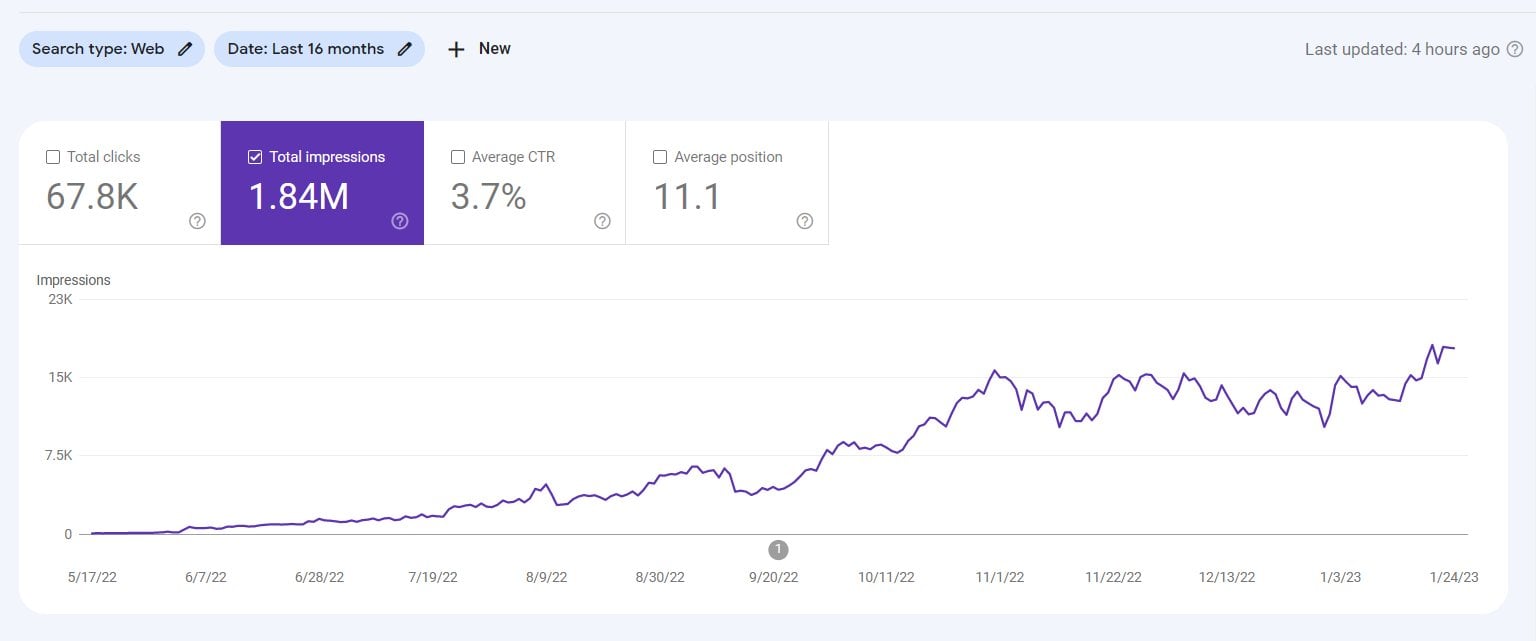
23. Google search console: Hey, one degrade tool to get your business more traffic than this video for you. We're going to tell you all about a free Google servers called search consume and show how it can help you and how you can get it to setup. So what exactly is Google Search Console? Well, it's a service that gives you feedback about how your website is doing in Google search result. It has two primary function. It monitors your performance in Google search results. And it also shows you how Google sees your site. Say you own a coffee shop, your website needs some updating. Let's take a closer look at a few Search Console might be able to help you out. One way is towards Search Analytics reports. This can help you answer a few important question like which searches bring people to your site or tell you when searchers click on you'd likes. They can even let you know which other sites link to yours. Why is this important? Well, the Search Analytics report shows lots of things, including the most common searches bringing people to your site. Ideally, you see words and phrases relevant to your business like coffee shop cuts world, coffee house near me, paste Swedes near cots worlds, or fair trade coffee near me. If you'll review the report and see unrelated or eluent words and phrases. It's a hint that detects on your website needs some attention. Another thing to look for is the number of clicks. You want to know how often your site appears, but gets no clicks. That's assign, your content doesn't match with people are looking for the links to your site. Report shows web sites that link to your site. Think of these as referrals. The list should include websites relevant to coffee. More and more people use mobile devices to access the internet. So while you are in Google Search Console, you should also check out the mobile usability report. This point out pages on your site that don't work well on mobile phones, which you can then fix to improve your website performance when people search on mobile. There are two more really handy features within Search Console to know about Kroll reports and Google index reports, crawl reports let you monitor whether Google can visit your web pages. This is important because if Gould complexes you webpages, you can't, it can't be included in Google search results. The Google index reports show what information Google recorded about your site and tells you, if you pages are asexual, it's easy to get started with search console. Go to www.google.com slash webmasters. Once signed in edu website and complete the verification to prove you own the website. Now Search Console can generate reports for your site for free. It might take a few days before you see useful information because it must first gather and process the data. If you see at no data yet message, check back later. Now that your site setup in Google's search console, you can use to report, to figure out how to improve your presents on Google. Using the reports, you can make changes to help Google better understand your webpages and as a result, make your website performed better.
24. How to choose keywords: Hey, in this video, we'll discuss what to consider when selecting keywords so that you can reach your SEO goes and benefit your business. Choosing keywords is the foundation of successful search engine optimization. Why do you need to do keyword research? Here's an example. Suppose somebody is looking for fresh berries. What might they search for? It could be simply berries or it could be strawberries, blackberries, blueberries, or raspberries. If you sell fresh berries, you need to note the terms people use most, most often when searching. Ideally, you will match your website content to what people are actually looking for. If you don't, there could be a disconnect. Visitors to your site could be looking for one thing while you are talking about in order, there are three things you should consider when choosing the keywords for your SEO plan. First, frequency, or the number of times a word is searched for. Obviously, you want to include the terms that people search for most often in relation to your products. Just keep in mind that it may be difficult to differentiate your business on highly search for terms. That brings us to our second consideration, competition. If you have a large established website, you might be able to appear in the search engine results for high-volume, highly competitive keywords like fruit and whack. But new sites have big opportunities to, if you are just getting started, look for keywords that have a bit less competition. Only a small number of keywords have Mary high search volume. But there's a large number that have low search volume. This is what's called the long tail of SEO. While the keyword strawberries might have a lot of competition at terminal, like get organic strawberries delivered in Cornwall will be an example of a long-tail keyword that might give you more immediate SEO results for small businesses, the long tail is often where you will find your SEO opportunities. It typically takes a website lots of time and focused efforts to appear in the results on search for popular generic keywords. However, swallowed by sites might get good rankings for long-tail keywords with less effort. Finally, and most importantly, the third consideration is relevance to keywords you select to closely match what you are actually offer. If someone comes to your side looking for strawberries, but you only sell raspberries. They are just going to leave. Make sure you chosen keywords match the intent of the people were searching. How? One option is to use Google Search Console to see which pages appear in search and get clicks. Stay tuned for our Google search console video through all your SEO efforts. Remember the golden rule, your site's content should be made for you, human visitors, not for search engines. Don't add extra keywords or re-creation of keywords to your pages. Repeating them unnecessarily is called keyword stuffing. And it's against search engines guidelines. So that's what you need to consider when selecting keywords, frequency, competition, and relevance. Keeping these things in mind, we'll set you on the right track for successful SEO.
25. Intro to search engine optimisation (SEO): Hello, welcome to our introduction to search engine optimization, also known as SE o. In this video, we'll explain what the SEO is, how search engines understand your website and what they value most. Because when search engines understand your content, it will be shown to many more potential customers. First up, some advice from Adrian on how learning about SEO really helped his business. Optimizing my site for organic search has been absolutely essential. I wouldn't want to be in a position where I'm just running a site, just on ads. It needs to be ads and organic doesn't fully balanced business model. Get your sight completely sorted out. Make sure your site is as clean as it can be. Looks great, works in a responsive theme. Make sure every page on your site is doing what it's supposed to do. The first thing I do in the morning is click to see where I am for best man speech. I'm nudging on page two of Google Now, which to me is Christmas. If I have the best site with the best information, I will stand out. And that's the plan. Simple. Every day, millions of people search online for everything from airline tickets to zoos. That means there are millions of opportunities for businesses to appear in front of potential customers. Let's say you own a small farm and want to expand by selling your product online. Seo helps search engines understand better what you offer. This means when someone searches using a word or phrase related to your business, like say, hey heirloom tomatoes, you are more likely to appear in their results. When a search engine returns results. Some of them are paid advertisements, the rest are unpaid results that search engines believe are relevant to the phrase. And for it in the search box, these are referred to as organic results. Search engines have formulas or algorithms that help them ordered the list of results the search engines constantly score to web for new content and tried to make sense of it. When your website appears in your result is affected by words using your site. Fresh from products, for example, as well as other factors such as how many website links to yours. Does this seem confusing? How's this? Think of a search engine like a matchmaker? The Go To find a search exactly, but she is looking for on the web. But how does this burg to present the best possible results, the engine look for as much information as possible about websites. They might look at how popular sites are, what other people or sites are saying about them. They might consider words on webpages or keywords into code of a page to better understand the topic. Each of these components will help search engines find the best match for your search. Search engines can now also considered a searches geographic location. A search from the UK will display a localized set of search result. Chances are the same. Search orientating from France will show different results. And with the explosion of mobile usage, search engines now considered the wise people use when they perform a search. But just like a matchmaker who's been in business for years gets better and better. Such formulas evolve and add more and more information along the way. Are you wondering what you can do to make your site attractive to search engines? We'll touch more on this in other videos, but here's a good starting point. What search engines? Well, you most is unique, engaging, well Irwin content because their job is to find and showed the most useful stuff. So there we have it. Search is a simple thing to use, and many of us use it every day. But what's happening behind the scenes is constantly changing. To effectively promote your website online, you've got to keep tabs on what search engines while you most and make sure your business gives it to him. As we move along, I will tell you more about how search engines work and help you create a strategy for improving SEO in order to achieve your business goals.
26. Setting realistic SEO goals: Hi, there. Does search engine optimization seem imitating? Do you? One way to tackle SEO is to set clear goals, then measure your process each step of the way. In this video, we'll talk about why it's important to set SEO goals. We'll look at how you should define success, how to decide what to measure, and what tools can help. When you said SEO goes, you can measure, track, and report on the results. You know, which effort are succeeding and which aren't. And then you can adjust things to make it work better. Let's start by identifying your SEO goals. What are you trying to achieve online? How do you define success? Imagine you owned a small form. You probably want to sell fruits and vegetables to as many customers as possible. And you'd like to build relationship with existing customers through good content and hope they eventually returned to buy more fruits and vegetables. You've just identified three business goals. Conversion, turning website visitors into paying customers, engagement, persuading people to interact with the content on your site. Acquisition creation, getting new customers, setting SEO goes gives you something to measure to help you better understand how your site is or isn't performing. So how do you find out if you're hitting the mark? Some measurements matter more than the order. For example, it's exciting to be the number one in search engine rankings, but it's not a guarantee of success. Here's why. Let's say you're Pfam website is the first result when someone search vegetable gardens, you're getting a lot of visitors to your site, but not an increase in sales. Maybe that's because people searching for vegetable gardens wanted to plant a garden, not by your fruit and vegetables. The lesson, don't waste efforts and keywords that aren't relevant to you. What do you do? So if being number one isn't you go, what is? Let's come up with a few other ways. You might measure success. Remember those goals you set above. Look at those. You can measure conversion by tracking the number of visitors who come to your website and buy fruits and vegetables. Or tracking a smarter action that can lead to a sale. Like signing up for your email newsletter. You can measure a quantization unreached by tracking the number of times you business appears in search results, your impressions, and how often people like through to your site. And you can measure engagement by tracking, but consider your visitors read and interact with, such as leaving comments or how many visitors become your fans on social media networks. So how do you track all these things? And analytic tools and Webmaster Tools provide by searching engines can give you this information, often for free. Most major search engines like Bing, Google organics offer tools like these. There are basically a collection of reports and services that help you track and monitor your website's visibility in search, tools like these tell you which keywords bringing your website in their research results, which webpages they link to, and how many visitors click the links to visit to your site. This is valuable information if your goal is to attract customers searching for certain terms. Analytic tools can also be used to better understand visitor's behavior. They can answer questions like, how many organic visitors become customers? Which webpages or content on your site, turning visitors into paying customers. Cotton isn't performing well. Armed with this information, you can adjust your SEO strategy to do better or evaluate the performance of an SEO agency. If you've heard one, to help you. To sum up, to understand how your site is performing an organic search results and how it benefits your business. Set SEO goals to measure the success or see where you need to Improvement. Track your performance in various areas. Once you goals are clear and you have tracking tools in place, you're well on your way to success with SEO.
27. The importance of an SEO plan: Hi there. Once you have a good grasp of search engine optimization, SEO, you're ready to optimize your website. Just follow this step-by-step process to create an SEO plan and learn how to develop, prioritize and just a plan to best suits your goals. But first, let's see how important having a good SEO plan has been formed Mike's hot air balloon business. While I've learned over the year, which I've been trading, is to really pin down and to come up with a more structured plan. It means I'm able to target and focus and put my efforts in a much more concentrated and effective way that delivers better results. Things like, you know, I didn't know before that Google filters words as a misspelling of words, very variances onwards or themes. I can cut down on a lot of that chatter if you like, or that wasted effort. And I'm also using these maps to target to localized business which I want to try and attract, I've really been able to see the benefits now, for example, my listing is improved on the organic Google Sites. And of course, because I'm meeting the passengers, I'm meeting my customers, I'm able to get that direct feedback from them. Let's say you want to reach new customers for your fresh from the farm fruit and web online delivery service. Your first step should be keyword research. That means finding out what your potential customers are searching for. Are they looking for organic products, weekly fresh vegetable deliveries? By the way, if you want to learn more about keyword research, check out our video about choosing keywords to focus on. Next, consider related topics. Are vegetarian diets popular, do requests for cuts, patch your receipts come up. This will help make your keywords more specific and a better match to what your customers are looking for. You should do this at least once a year as part of your SEO plan. Once you've identified good keywords, Take a look at how you're doing in search results for those d's words. How many of these words and phrases bring up your websites on a search engine? Are there specific topics that don't bring much traffic to your site? This infant will help you figure out what's working for you and what's not. If a popular phrase like fresh form vegetables isn't pointing customers to your site, you can address those missing pieces in your SEO plan. Once you've been does governor with gaps in your SEO performance, your next step is to think about how to fix them. Maybe none of the content on your site mentions that you can arrange regular seasonal, there'll be deliveries, is no one linking to your site. Perhaps you can invite food bloggers to check out your farm in the hopes that mentioned you in a future blog post. Make a list of anything you think might improve your SEO performance. Okay, so now you have quite a to-do list. Don't worry, it's just time to prioritize. It's natural to want to tackle the items that will give you the biggest bank first, but be realistic. Adding an entire section about sustainable farming methods to your site might require hiring a programmer to help, which might cost a fair bit. In the short term, you could post a quick article about a topic on your block. The next step, give yourself a deadline for each task. So you're working through your SEO plants differently throughout the year. Okay? Once you've set this plan in motion, don't just forget about it. Your SEO plan will change over time. But how do you know when it needs updating? One easy ways to check in when you are making other changes to your business, like introducing a new product or redesigning your website. Also remember that search engine released new features and improve their algorithms. For example, many have made adjustments because so many people now search on mobiles. Finally, adjust your plan when something isn't working. Is stereo webpage that's not getting much organic traffic. It may need a refresher. Are you attracting visitors to your site but not making sales? Perhaps you need a strong or calls to action, revealing your results regularly and shift focus to areas that need help. And that's how you build an SEO plan. Let's recap. Start with keyword research to understand what your customers are looking for. Then use that Info two axis. So your success and failures, brainstorm solutions to improve your weak spots and prioritize them. And never be afraid to radio us your plan based on changes in your world and the world of search engines. Be sure to check out our videos explaining the SEO process that has more helpful information to catch your plan in motion.
28. The SEO process: Hi there. In this video, we'll explain why search engine optimization is an ongoing process and steps you will need to take to reach your goals, such as discovering what words and phrases people use to search for your products or services and improving the content on your site. There is no shortcut for search engine optimization, SEO, which helps you improve your websites with ability to people who are searching for products or services like yours. The first step is called keyword research. Discovering what words or phrases people are looking for when they are searching for products and services related to your business. Let's say you have a small farm and have begun a fresh fruit and weck delivery service. Once you know what people are searching for, maybe vegetarian receives or sustainable products, you can optimize your content and offering to do better match what they are looking for. That might mean posting a weekly received or writing a blog about the life on the farm. The work of SEO is never done because trends come and go. Uses can change their behavior and search engines evolved over time. Your job is to consider how changes will impact your site and what you need to do to continue to attract unpaid organic traffic. Here are four quick tips on how to stay up to date on search. First, learn how search engines work. Many have blogs that offer updates and new features, algorithm changes and suggestions on how to better optimize your website. To keep an eye on changes and monitor how they affect your website. For instance, you might read that the major search engines made a change to improve users experience on mobile search results. If your website isn't optimized for mobile devices, you probably want to update your website to be more mobile-friendly. Three, find inspiration from other websites. Do they offer free shipping? Odd a active on social networks? Do they regularly update their website with photos? Adopt these practice that will work for your own business. And finally for talk to your customers. They have the best insights on what content your site is missing. Features that are needed or products they are looking for. Even the way your customers describe your product can be a form of keyword research. They likely use those search terms to search. And there you have it. The ongoing SEO process. It's simply understanding what visitors want, creating and sharing the content they are searching for and being willing to change tactics when necessary.
29. Making your web pages search friendly: Hello. In this video, we'll talk about the simple things you can do to optimize the pages of your website. So search engines can find you more easily. Because if they can, so potential customers. Let's hear from Adrian about the impact it's had on his business. All speech is great and small. Somebody gave me a very, very basic tip When I first started out, teacher said make every page as good as it possibly can be. So if you're writing about something will have as much information as you can. Customers believed in my site because they could see that I believed in what I was talking about. And the more I added, the more they came, the more conversions or my when I first started out, I just had a page best man speech, which literally said, best man's face is great. If you want a best man speech written, contact me. And once I added more to it. But how to deliver, what to look out for, what not to do, what to avoid WHO to mention. Then lots of people clicked on, on the, on the contact been on-page optimization or changes you can make on your websites, individual pages can quickly help search engines better understand your content. Let's say you run a small form called Blake products and are looking to optimize a page about your fruits and vegetable section. There are several elements on your page that can tell the search engine that the page is about fresh fruits and vegetables. These include meta tags and title headings and the page copy itself. Let's start with meta tags and title. These orange, something you would see on a webpage unless you were looking at the code. There, embedded messages that help the search engine determined was underpaid. In particular, there's the title and the meta description. The title and meta description are important because they both are used by the search engine to generate the actual search results for the specific page. The title is used to generate the first line shown. The meta description is used to generate the few short sentences that follows. For a page about fruits and vegetables, you want to make sure that the phrase fruits and vegetables is in both the title and the meta description. A good title would be Blake products, fresh fruits and vegetables. That describes the page is about and also highlighting your company name. A good meta description is usually two short sentences. It should also reinforce the title by using the keyword or phrase. Again. A good description could be Blake's produce delivery organic, fresh fruit, and WACC to your home as often as you need it. Order your customizable box online. At title should be short and sweet. Description should match what the page is about. You should also consider what's on the page itself. But people who visit your site, not just search engines actually see. There are two things you can optimize help to help search engines categorize your content correctly. Headings and page copy. Like meta tags, headings are embedded in the HTML code of your page, but they are also visible to people. Often they're displayed at the top of a page. A great heading would be fresh fruits and vegetables, which clearly tells the person what the page is about, but works well for the search engines too. Finally, if you're writing a piece of content about fresh fruits and vegetables, you will naturally want to use that phrase in the copy. Don't go overboard or repeat a phrase over and over, because search engines may see that as spam. Remember that you're writing primarily for people. So be sure your message is clear. So let's recap what you've done to optimize the farms webpages. You've looked at each other of the major elements used by search engines and in each instance told them, this page is about fresh fruits and vegetables. No matter where search engines look, they'll see consistent and clear information about what's on the page. And that might help improve his search engine rankings.
30. How other websites can work for you: Hey, in this video, we'll show you how to improve your websites was ability on search across the web by encouraging links to your site, engaging with your customers through good content, and promoting your site with social media. Your search engine optimization or SEO results are inflected by things you do on your site and things that happened off your site. The letter involves what other sites are saying about yours. Two of your best chances to control these are backlinks and social media. Let's start with backlinks. This is the term for a link from another website to your site. Think of links like boats. If you have a lot of links to your site, it means many different people on the web belief your site has good content. It's a vote of confidence. Search engines might see these links as a sign that you have high-quality site and are perhaps a good option to show searches. So we've established that links to your site are important, but how do you get them? The key is to think quality, not quantity. In the past, people creating websites focused on getting large numbers of links to promote their precision in search engine results. In some cases, these links were irrelevant to their products and services or came from low quality sites. Low quality, we mean website with minimal content that exists only to link to other sites. Search engines caught onto this and respond by giving less value to sites that try to manipulate the search results, which resulted in a drop in their search ranking. What does this mean for you? Links to your site are great, as long as they are real links from good sides. So how can you get more of these good links? The best way is to create great content on your own side, then artists may link to you because they think their audience should see your content. You can also encourage others to write about you and share links to your website. In the SEO industry, this is called content marketing. So what's good content? If you have a small firm that sells fresh fruit and vegetables, it could be a list of top ten summer fruits and are the five best dishes with brocolli. To create good content, you have to understand who your potential customers are, what they are looking for, and how you can provide it. Okay, let's touch quickly. On the other way, you can optimize offsite. Social media. Search engines will troll any page that can access, including social media sites. But they're getting really don't play specific significance on your popularity with a social media site. For example, you won't get more credit for having more likes or followers. But using social media is still a great way to reach a bigger audience. It promotes your site and your business because it helps people discover your content and encourage them to interact with you. By the way, if you want to learn more about using social media for your business, we have an entire lesson about it. To sum up, off-site optimization is a valuable way to potentially increase your search engine rankings. The best way to support off-site optimization is by creating good counting it. Establish your site as a quality resource, attracting visitors who then share it across social media.
31. Cross borders with SEO: Hi there. In this lesson, we'll explain how search engine optimization, SEO strategy can help your business reach international prospects and customers. If your potential customers are in different countries or speak multiple languages, there are many aspects to consider. We'll go over the most important ones, language, localization and country targeting. First things first, you need to speak your customer's language. Literally. There are some SEO guidelines for websites that can offer content in multiple languages. The first is to make sure that each page in different language has its own unique webpage. Why is this important? Let's say you grow avocados in the UK and you want to sell your product to other countries. Web design technology makes it possible to have English language content on a webpage, say www.example.com slash advocate 0.8c html. But allows visitors to click a button to view the same page written in French. Sounds great, right? The problem is that humans can click that button, but search engines count. A better approach is to separate each translated version on it's own webpage. In this example, it will be much better to place the French version of its own page with a separate URL. Www.example.com slash advocate dot HTML. The second thing to keep in mind, mixing languages on the same page. This is a big no-no. For example, when half your continents in French and the other half is in English, search engines can't decide what language content is in. It's better to use different pages for different languages. Next, avoid using automated services to translate your content. Have a piece of content about organic produce that needs to be in French, get real life person to translate it for you. Why is this necessary? Search engines don't value content generated from automated translation tools. Even worse, the page might consider it spam. Translation service may cost you a bit more upfront, but you'll likely have higher quality content that can drive better results for your business. If you have taken the time to translate content, some search engines allow you to add Language Association to your webpages. Annotations help search engines served the right content to the right person based on his or her country or language. Let's imagine you are a farmer whose ships delicious fruits and vegetables across borders. You have created some great content for your UK clientele. But you have also had the same content carefully translated into chairman for you Margaret in Germany. One such page is about your avocados. As a farmer, you expect your German educator pet show up in search results page for your prospects in Germany and UK patch for customers in the UK to help search engines discovered this alternate content. In this case, you'd be able to add an edge to each English and German page. These tax will mark you pages, so search engines can serve up the right version of your content to the US in their respective countries. When you explore a negotiation, a bit further, you'll see that they can be a great tool for more advanced multilingual and multinational setups that covers some of the structural consideration for adding different languages to your website. But even if you don't add multiple languages, there are other considerations for customers in different countries and markets. Start by thinking about what information will be useful to them. Do you need to provide products, prices in different currencies? Do they use a different system of measurement, metric versus imperial, for example, will customers wait, you advocate those in kilos or pounds? Did you include local addresses and phone numbers so they can contact you? Do you need to list your business hours in different time zones? These are all small things you can do. Make sure your website remains useful to potential customers in different countries. There are also signals to help search engines understand your content is relevant to international markets. Beyond language and localization, you can help search engines understand the country or countries you are targeting. For instance, if your website has a country code, top-level domain name, ccTLD, for short, is a strong indication that you cite targets a specific country. And example of a UK site with a ccTLD will be www dot whatever keto form dot coded UK for Germany, that side might be www dot avocado Farm dot d. And if it doesn't, what if you have a generic domain such as www.example.com? Search engines may use a number of factors, including where your website is hosted, it has its IP address and information on your web pages. You can still help you cite in its content be more visible to international prospects by using country targeting tools such as those found in Google Search Console. And there you have it. As you start promoting your website in other countries, keep three things in mind, language, localization, and country targeting. If you do, you can adjust your website and SEO strategy to make your website and international success. One to learn more, be sure to check our readers about international marketing and export.
32. Introduction to search engine marketing (SEM): Hi there and welcome to our introduction to search engine marketing or SAM. In this video, we're going to be talking about how SEM works. And more importantly, what makes you unique in marketing in white, so effective. Let's hear about the effect it had on Rachel's kitchen. Paid search is transformed. Rachel's kicked in. If I take a calendar event like Mother's Day or Valentine's Day, I could spend a vast map marketing budget building months in advance for those teeth 100 events. But with AdWords, we can focus budgets near the time. Therefore, we capture all those customers are searching faced particular key words a for us with Mother's Day, the fascia we launched outward campaign that would alternate on a previous. Yeah. You're probably already familiar with search engine marketing, even if you don't know how it works. Let's say you do a search for something like wedding photos, lots of options on the search engine results. Now we are going to take a closer look at those results. These links you've seen the main part of the page called organic results. It costs nothing to appear here. This is where search engines shows sites. They think they have the most relevant content. Now look at the right column and across the top of the page, see those results. These listings are paid advertisement. Sam, let's use the space to advertise to potential customers when they search for certain words and phrases relevant to your business. These are known as keywords. Another really unique thing to know about SAM is the advertiser only pays when someone clicks on their ad. So if you add appears, but no one clicks on it, you won't be charged. Yes. You heard that, right? That's what it's called, pay per click advertising. Let's say you were a wedding photographer. You may want your ads to show when someone searches for wedding photographs for Cardiff, but you'll only pay if the searcher clicks on your Edward. That's the big difference when comparing SEM to traditional forms of advertising. Like ads in newspapers and magazines or billboards, posters. If you advertise wedding photographs using dose, the ad is shown to a bunch of people, whether or not D12 adding photos and you pay no matter what. With SAM, it's very likely that people will collect your ads, are interested in what you have to offer because they told you so, or rather, they told the search engine when they search for wedding photographs or Cardiff, saw your ad and clicked on it. Unlike traditional marketing, SEM targets peak pull actively looking for products and services. This is different from broadcasting a message to people that they may or may not have an interest in. Make sense right? Now you know why SAM works so well, let's sum up. Search engine marketing is a uniquely powerful option for your business. It's simple but effective. People search for things they want and advertisers target specific searches, but only pay if someone clicks to learn more. That search engine marketing. If you stay tuned, we'll cover lots more about SAM will explain how it works, how to identify effective keywords, how to write ads, people will click on and much more.
33. The SEM auction: Pay. By now, you probably know the search engine marketing is a great way to advertise to people at just the right moment when they are looking for your products or services. But do you know how it actually works? Search engine marketing is based on an auction system. So in this video, we'll discuss how the auction works and look at the example to help you figure out how to use SAM in the best way for your business. Let's start with the search for a common service, say wedding photography. Take a look at the results page. In the center, you seal organic listing, listings that weren't paid for. At the top and down the right column, you see paid ads. Search engines limit the number of slots Edward can appear on an individual page. Advertisers den compete in an auction for those slots. So after you search for wedding photography, you see the outcome of the auction, the advert that when appear in more desirable slots on the results page, usually that means near the top, the runners up appears in lowest slots. Alright? You probably wondering, how does the auction work? Well, like most auctions, you place a bit with influences your performance in the auction, but it's not all about your bid. In this auction. The relevance of your AdWords is crucial as well. So success in the auction means having a competitive bid as well as a strong relevance. Getting both of these right in the receipt for success in SAM. Let's look at both of these factors. Starting with the bits in the auction. Say you're willing to pay up to $2 when people click on your ad after searching for wedding photography, price is often called your maximum cost-per-click or Max CPC. If you competitors only got a max CPC of, let's say $1, you'll have a pyre bit, meaning you'll be ahead in the auction. Keep in mind, businesses can change their Max CPC at any time. So all you need to keep an eye on your bits regularly to ensure you're getting the most performance you want. But as I said earlier, there's more to the oxygen than just the bits. The other big factor is relevance. Does a measure normally rated from one to ten of how closely you are at relates to what the person searches for. Search engines such as Google and Bing referred to this as your quality score. For example, if someone searches for wedding photography and US headline is wedding photographs in Cardiff, the search engine probably consider your ad highly relevant. That means you'd likely to get a high-quality school. But what if your AdWords headline is wedding services Cardiff? Both Edwards referred to weddings, but this one is less relevant because it's talking about wedding services instead of wedding photography. In this case, your relevance wouldn't be as good. So you probably have a lower quality score. Think of it this way. When two competing business have equal bid prices, the business with a higher quality score will appear higher on the search results page. One of the best ways you can improve your performance in SAM is to consistently reviewing your campaigns to find ways to become more relevant with us so far. The price you're willing to pay for a click there, Max, CPC, and you can quality score are the main things that determine your performance on the auction. Now let's push your example scenario one step further. Let's say two different businesses compete on the same keyword. Wedding photography. Richard bits $4, but his Edward is deemed not very relevant. At three out of ten, Clare bits, $3 into irrelevance is a full ten. If we look closely, we can take all this info and figure out what will happen in the auction. Multiple out Richard's oxygen score called ad rank is 12. Clare scores, an impressive 30, A1 with a lower mach CPC. So what does that mean? All through habit was a LB less than Richards, Claire's Edward wins the auction and she gets a higher precision on the page than Richard. And that pretty much covers as am auctions. As you can see, you can't simply buy your way to the top. This is to ensure the most relevant AdWords win the auction, not simply the ones with the highest bits. If you lack irrelevance and get a low quality score, it will be difficult to compete. In fact, if relevance is too low, the search engines may not display your ads at all. To improve your performance, stay focused on improving the relevance of all your adverts. Makes sure that your AdWords always closely match the terms that people have just search for. By doing this, you can win better position for you ads without having to pay more money.
34. Make your ads stand out: Hey, have you ever noticed when you search for something online, most of the AdWords that you see in the search results looks similar in this video will help you business stand out by showing you how to write eye-catching adds compelling headlines and clear calls to action. Let's start by doing a search for higher wedding photographer and having a look through the ads that appear. The first thing you might notice is there are lot of wedding photographers online and the ads all seemed to get a bit lost in the fray. That's because they aren't particularly relevant to our search and don't seem to be offering anything unique. There are also lots of organic search engine results. The results in the center of the page, competing. Your attention. You can imagine how easy it is for you add to get lost here. Which is why it's really important to create something unique that sent out from the competition. So how can you take your ads to the next level and make it jump of the page. There are few simple guidelines you can follow to turn a plane Edward into something attention-grabbing. Let's start with the relevance. Relevance is the name of the game. In search engine marketing, try and write your AdWords headline to match the searches words as closely as possible. Remember our example, search for higher reading photographer. If you want to be sure to show up in search results for that search, just use it for the ads headline, higher wedding photographer. Now, when someone searched for this keyword, you Edward, will perfectly match what they're searching for. So what are the ways can you make your editor sent out from the crowd? How about some kind of unique, timely offer or promotion? If you're running a sale or half a specific benefit to customer can take advantage of. That is a really easy way to attract attention. Let's take your first description lane, which said photos for all weddings and update it with a special offer. How about this? Gets 25% of your photo collage. This already looks a lot more exciting and gives the customer a clear reason to visit your website. Similarity. You could try something like free shipping on purchases over $25. The last thing you want is a strong clear call to action in your AdWord. In other words, tell visitors what you want them to do when they get to your site. You could say, browse our portfolio or buy, or make a reservation. Research shows that people respond when you direct them to do something specific. It's a good idea to include this as the second line of code word. So the searches knows exactly what to do after they click on your ad. Let's say you had bird call to action is book online today. That's alright, but it's not very exciting. Let's try something a bit more compelling. How about view our wedding photo gallery? This is much better. It tells the customer what they should do when they visit your website. And it's also reinforces the fact that your business is highly relevant to the customers need. Because you've got a wide selection of wedding photographs you right? Now let's go back to our original advert to compare the before and after. Looks better, doesn't it? The Edward new headline is far more relevant to the search. We have an exciting special offer and a clear call to action. This new Edward is much more likely to attract customers to your website. So what have we learned? Using a few simple guidelines can help you Edward stand out from the competition. First, you want to customize your edward headline to the search, then include the special or timely offer and finally, give a compelling call-to-action. These techniques can help improve your ads across the board. Just remember that writing great AdWords is an ongoing process. Just like researching keywords or monitoring your bid prices. Focus on these tips over the long run and you're likely to see the success.
35. Achieve relevance with good structure: Hi there. In this video, you'll learn why relevance is so important for SEM campaigns. We are also going to look at the structure of SAM campaigns and show you how to build your campaign in a way that helps you achieve that relevance. Ready to be one step closer to SAM success? Alright, let's get started. Relevance Sounds like a Trixie sort of word, but it's easy to understand if you think about it as someone who uses a search engine. For example, let's do a search for wedding photographer and take a look at some of the AdWords that appear here. We have three. The first headline says wedding photographer, followed by information about pricing and selection. This ad is extremely relevant because the headline matches our search. Plus it has plenty of useful information. The second headline says candid wedding photo shoot. It includes some information about the types of wedding photo packages does business offers. This ad is fairly relevant, but less than the first because the headline doesn't reflect the search as a whole, search engines might consider this advert less relevant. The third headline says wedding photographs, but appears to be an ad for a site that sells posters. That's not relevant to what we're searching for. When it comes to relevance, search engines also considered a first webpage people see after they click on an ad. This is called the landing page. So what does this mean for you? Well, just as your AdWords should be relevant to the words, as a person, just search for your landing page should be relevant to the advert a person clicks on. Makes sense, right? Great, let's move on. Relevance is important to search engines. After all, it's their job to find relevant results for searches, and this includes finding relevant adverts. Relevance is also really important to businesses who advertise on search engines. For starters, search engines revert relevant adverts with higher precision on the search results page. What's more? If your AdWords are more relevant to your competitors, you might be able to get the same amount of traffic for a lower price. So it makes a lot of sense to pay attention to relevance. Now let's look at the ways you can structure your SCM campaigns to achieve greater relevance. Think of your SCM plan as an upside down three, as the top is your account, which you create with Google ads being ads or another search engine. Within the account our campaigns. Each campaign controls important decisions like the daily budget, the areas or countries where the ads can appear at the advertising networks you want to use. Within each campaign, you can create multiple ad groups. These are collection of keywords and the ads that go with them. Structuring your account is this organized way helps ensure that you showed the most relevant ads. Let's go through another example with a photograph or to bring this to life. Imagine you're the photographer and he specialized in various types of photography. Let's say weddings, baby photos, and family portraits. He teaches these speciality, contain different products. So you decide to split them into separate campaigns. Within, within each campaign, your next move is to create groups for each type of product. For example, within your wedding photographer campaign, you might might create at Griggs for location with photos, dried-up portrays, wedding photos, and more. Within your within your baby photos. At grades, you add keywords that someone would search. For example, for example, keywords like baby photography or new foodborne Fi tes. Now, now you can write an ad that corresponds to those keywords like Lady photography. We take beautiful newborn photos, affordable rates that now if someone searches for your keyword, baby photographic, this will be a relevant ad. To sum up, no matter what type of business you have, your SAM campaigns should have a solid, well-thought out structure by diverting your products or services into separate campaigns, an ad groups. You can show ads that help customers find exactly what they are searching for. Which is win, win for everyone.
36. Get the most from your keywords: Hello. By now, you should have a pretty good idea of how people use lot of keywords to search for your products or services. Now let's talk about making your keywords as effective as possible. In this video, we'll be looking at research tools like the ones provided by search engines like Google and Bing, will see how using these tools can take some of the guesswork out of chosen keywords and help more potential customers find you online. Let's put this into practice. Imagine you already have one as am campaign promoting a wedding photography business. The clients are coming in. But now let's say you want to build a new campaign advertising your pet portraits. A tool-like Google's Keyword Planner or beings keyword research tool can help you find out which keywords are most relevant and will work best for your new campaign. For example, if you type in PET portraits, the tool will show you other related searches. Let's look at which of these keywords might also be a good fit for you new campaign. We can see that people search for terms like pictures of dogs, animal artists, or dot portraits. The results also show how many searches each terms tends to get. And useful information like suggested bid prices and competition levels. Knowing this, you can create several droops called ad groups. 14 terms related to pet portraits. One for pictures of dogs, 1-4 dot portraits, and one for animal artists. By organizing these terms into ad groups, you can write relevant ads for each group. Keywords that takes care of the relevant keywords. But what about the ones that didn't seem so relevant? For example, we can see lots of people are also searching for PET portraits pencil, which suggests they're looking for something else. There are also many who are searching for what the color PET portraits and horse portraits, neither of which you offer. In situation like this, you should use negative keywords to prevent your ads from appearing when people search for things that aren't relevant to your business. For example, minus pencil, minus Postel, minus horse. These negative keywords will block you at anytime as searched contains one or all of them. This is useful because preventing Edwards from appearing for irrelevant searches is going to save you money and makes sure that only your ideal customer sees your ads. So to recap, keyword research tools can help you find keywords that attract customers, but they also help you discover keywords to avoid. It is also a good idea to try and revisit these tools regularly. People's search behavior tends to change over time. And if you let your campaigns sit untouched for too long, their performance could start to dip.
37. Fine tune with keyword match types: Hi, I want to make your search engine marketing efforts even more successful. Of course you do. In this video, we'll be exploring a feature called keywords, match types. And learning about how using different match types can increase your control over which search triggers your ads. But first, Let's hear from Adrian on his experience with keyword match types. I had a few key challenges and I started been in paid search and that was managing a budget and understanding the very basics of how it worked. I was very worried about budget and I have my keywords on a, on a broad match. So when you've got them on the ads, you can do exact match, broad match, phrase match. I had them on broad match, which pretty much anyone could type in anything to do with. Best man. I got rinsed straightaway and I know my budget went now is having to top up the daily budget because I could see that, you know, I was getting inquiries, but my budget was spent. So I learned very quickly just very simply to keep things conservative. Start with, I made all my keywords on an exact match and that's known as disastrous as it sounds because it sounds like a limiting my options. But if you've got best man speech and you keep that on an exact match, you've still got 22 thousand people searching for it. It just means that you can be a lot more effective with your daily budget. Did you know that search engines might also show you ads when people search for terms, terms you didn't specifically choose. That's because search engines can show your ads, but people search for variation of your keywords. This is called broad matching. Most of the time, brought match is useful. It means that you don't have to add every variation of the keywords you'd like to target, like singulars, plurals, and misspellings. But this flexibility also means that sometimes search engines show you ads for keywords that aren't relevant to your business. Using keyword match types can help. Let's say you're a portrait photographer. As you brainstorm keywords for your ad campaign, you might consider London photography. If you include this keyword as searched for London photographer, could trigger one of your ads even to the person making the search might not be looking for exactly what you are offering. What if they are actually looking to buy prints of photographs of the city of London, or someone to photograph and event in London or do a commercial magazine shoot Elon. Any of these search could potentially trigger your ad, but the searches are not likely customers. One way to prevent us from appearing on these searches is to choose more specific keywords. Since your target customers probably searching for things like London portrait photographer or London family portraits. One top of that, you can add match type to further refine the results. How do you do that? Let's take a look. Keywords are broad match by its default. Aside from broad match, the other primary match types are phrases match an exact match to change broad match to phrase, simply place quotation around the keyword. So the keyword London portrait photographer becomes London portrait photograph. Her. Phrase match tells Google ads or being ads, that AdWords can't be displayed unless the research includes the entire phrase. So if someone searches for a London portrait photographer, that's great. You add can show up. Minor variations like plurals are included. This means that the search for long portrait photograph offers can also trigger your ad. But if someone searches for the more generic London photographer, you add one show up because the word portrait is missing. With phrase match, the searcher can include words before and after the phrase. So East London portrait photographer could also trigger an ad to get even more specific exact match keywords are distinguished should by enclosing the words or phrase in square brackets. So the keyword, London portrait photographer, becomes London portrait photographer. Now, if someone searches for portrait photograph her, you can't appear because it doesn't match the keyword exactly. Along the same lines as searched for London photographer also won't trigger your HAT. Unlike phrase match, the ad can't display if the searcher includes additional words. But minor variation like plurals can still trigger the ad. As you change keywords from broad match to phrase to exact, it restricts the opportunities for ads to display. Your best bet is to try to find a match type balance and allowing us to show to likely prospect. But blocking ads when you think successes unlikely. As you add restrict match types of keywords, you'll probably notice that your traffic quantity goes down, but traffic quality should improve. And that what matters here.
38. What makes a good keyword: Hi. Today we're here to talk about search engine marketing. This video will explain what exactly makes a keyword good. Are also going to touch on three important factors to consider when choosing keywords. These are relevance, traffic, and competition. In search engine marketing, SAM, you pay every time someone clicks on your ad. So naturally, you want to make sure you're getting your money's worth. Let's go back to our wedding photographer in Cardiff. And we're going to imagine your business owner. You have just updated your website and now you want to attract new visitors. You find that on average, the keyword wedding photographer carrot if costs you about $2 per click. Oh, by the way, a keyword doesn't have to be just one word. It can be a phrase as well. Now, without knowing more about what these clicks are worth to you business, you can't really know whether this is a good keyword or not. For example, if you discovered that the average value of these clicks to your businesses $40, it's safe to say that this is a good keyword. On the other hand, if the average value is $1, then you might want to make some adjustment. Measuring the value of your ad clicks will help you know if a keywords are good or not. But before you start a campaign, you won't be able to measure the well your, your keywords are generating. So how can you research keywords before adding them to your campaign? Well, you have a few different options here. The first thing you ask yourself is, is to keyword relevant. Or in other words, does this keyword closely describe your products or services? Keywords that indicate a person looking to hire a wedding photographer in Cardiff are clearly relevant. However, keywords that suggest a person looking to do their own wedding photography or that sucrose digital photograph event you only should in film are far less relevant. Tried to focus solely on keywords that are relevant to your business and you'll have more success going forward. Another factor to consider is how much traffic a given keyword is likely to get. In other words, you might compile a list of highly relevant keywords. But what if nobody searches for them? In this case, we have to go back to the drawing board. Aig, for example, the keyword Cardiff photograph are specializing in photography for auto weddings. This might describe your business exactly with so much specific detail. It's unlikely that many people with searched for it by adding on this keyword probably won't result in many people finding your business. On the other hand, the shorter keyword, Cardiff wedding photography. It's still relevant to your business may result in more exposure. Keyword research tools can provide traffic estimates to help you get a handle on this. But in reality, you'll probably have to use a bit of trial and error to figure out which keywords are relevant and gets sufficient traffic. Now you know how important relevance and traffic are to finding good keywords. Let's move on to a more important factor to consider when determining if you keyword argued. Quite simply, you are going to want to consider what your competition are up to. Think about it. If a keyword is relevant in gets quite a bit of traffic, you competitors are more likely to being using it to. For instance, when it comes to the keyword Cardiff wedding photography, there's a good chance that every photograph encoded is betting on that keyword. That doesn't mean that you shouldn't include it. But you should look for keywords where the relevance and traffic is high and competition relatively low. Perhaps a keyword like Cardiff film, wedding photography will be less competitive because it's more unique to your business. So when you're thinking about which keywords you want to include in your ad campaigns. You're going to want to remember relevance, traffic potential, and competition. It's a bit of a balancing act. But when these three features can set you add campaign off to the right start, be sure to monitor your keywords closely. If you do, you'll quickly learn about what's working and then you can make adjustments as you move forward.
39. How to know what’s working and what isn’t: Hi there. So you've got some online advertising campaigns up and running and you want to find out how they are doing. In this video, we'll explain how to do just that by tracking conversions. We'll cover what they are, how to choose the ones you want to measure, and what technology to use to track them. Let's hear about the effect it had on Rachel's kitchen. These conversion tracking within AdWords and being adds particularly is incredibly useful to be able to adapt and amend campaigns. For example, we had a broad match campaign recently where the cost per conversion was incredibly high. So that means that we're getting the clicks three, but the cost is quite high, so we're using a lot of our budget up without making the crucial sale, which is obviously the return on the investment. What we're able to then do is pause that campaign and actually redistribute that budget across much more efficient and effective campaigns, which means that you get so many more sales fuel investment. One of the best things about SAM is that you can measure the value you're getting from your campaigns. To do this, you track conversions, the key actions you want Website Wizard searches take using tools that search engines like Google or Bing provide. We'll get to those in just a minute. Let's start with how you choose which conversions to track. Say you are a natural photographic herself sprints online. What kinds of action might count as conversions on your website? Obviously, placing an order is important one. But what else might you want people to do? Well, your website should have a contact from. So potential customers can ask you a question like what other prints you have for sale or if you're available to photograph specific events. When someone submits an injury through this form, that's a conversion to what if you don't sell prints online? Instead, you're a wedding photographer and the bulk of your site is a portfolio of your work. You might have references in downloadable PDF form. So when people download it, you can track that as a conversion. You could also have a link people can click to receive your rates via email. That's another way potential customers can become paying customers. So you should track that as a conversion as well. In these two examples, we've mentioned a handful of different conversions, successful transactions, contact form submissions and downloads, and there are plenty of other possibilities. Can you think of what conversions you want to wreck for your own business? So how can you actually track these conversions? Well, you can use tools provided by search engines. These allow you or whoever is managing your website for you to place a small piece of code on certain pages of your website. That sounds complicated, especially if you don't have any technical support, but don't worry, we'll walk you through it. Let's go back to the nature photograph or business. You want to track a completed order, so you need to figure out the proper place for the conversion tracking code. You wouldn't want to put the code on your homepage. If you do that, you'll be counting conversion every time someone visits your side. Instead, you would install the conversion tracking code on the order confirmation page. That's the page customers see off the day completed order. That way, you know, a conversion happened. Next, you decide to track online in queries. Just like the previous example, you need to install the conversion tracking code on a page the wizard to seize only after they submit an inquiry. For example, on the page that thanks to customer of the day place that order. Make sense. In order to probably track conversion, you need to attach the code pages. Someone will only see after they've taken the action you want. Once you install the code, you will start getting reports that tell you how many conversions you got. That's valuable information in figuring out if you own line an ad campaigns are working. To sum up, by using online tools from search engines like Bing or Google, you can measure on conversion and set yourself up for success.
40. Marketing to the locals: Hi day. Or if you run a business where local customers are lifeblood, stay tuned. We'll cover what local means online, how your business can be found by people that are physically near you. And why local marketing and mobile are match made in heaven. But first, here's Mike Coats mode balloons of flowers to tell us a bit about his approach to local marketing. So a significant part of my business is the need to attract local customers partner, my strategic plan was to be able to reach out to those and ask them to do that. As far as listing specifics, instead of just general, more generic terms of balloon flight controls or hot air balloon rides. There's always going to be more specific balloon flight sirens sister. When you then are able to compare them with analytics and cross reference the two you can see how effective it is and there's no quick, easy formula for it. You've got to be able to monitor up that seems to work. And the benefits of doing that is not only in a so digital and online presence, but also in the real world. You know, you're, you're no New York, you're getting more presence in the community is, is just a general benefit. You may dream of growing your company into a global brand. Or your goal might be to become big fish in your neighborhood, pound it away, the web can help. So what do we mean by local exactly? We're talking about businesses with a sharp like a bicycle shop or has the Loon. But we're also talking about a service area business that goes out to meet with customers, like a lawn care service or a plumber. These businesses usually sell products and services to people who live nearby and people who are visiting from other places. For example, a potential customer might lift hundreds Milo away, but she's coming to your town on holiday and looking for a place to rent a bicycle. When GSD, these types of local businesses to use, to rely on tools like the phone book to connect with customers looking for products or services. If a person wanted to buy something like a bicycle, he might look up stores nearby and then visited view to see what was available. Nowadays, people hunt for stuff from their sofas via laptops and tablets, or browse the internet on mobiles to pass time standing in a queue. If they're searching for a product or service you offer and dare in your neighborhood, it's the perfect opportunity to get on their radar. So how does a local search work? Let's take an example. A man wants to find a bicycle shop near his flat. He does a search for a bike shop, including his city or neighborhood as one of the terms. Next, he get a list of local businesses, including the address, phone number, and the working hours. If he's on mobile, he can click touring the shop. Or he might even use the mapping functionality of the smartphone too, can help him navigate his way to the shop. A great perk if he's already out and about. So how can you build a local online presence for your business? First and foremost, be sure you click location datas are on your website. If you have a shop, be sure to include your address and maybe even an interactive maxim. Customer can get directions, plus your phone number and your working hours. And if you have a service area business, be sure your website explains what areas you serve and how people can get in touch with you. But there are some very specific things you can do to help local people become your local customers. And in the lesson that follow will cover the importance of local search listing like Google, My Business, Being Local and Yahoo Local that can help lead searches to your local business, local advertising opportunities and review sites, social networks and search engines. Some unique things you can do with local customers and mobile devices. And finally, some tips around search engine optimization to help you find your local audience. Loci businesses needs to be seen by searches in the neighborhood. On any device, someone looking to buy in a specific location is usually ready to pull out his wallet. And you want to be his go-to shop. If you stick with us, you'll learn how you can build and promote an online presence that ensures that's just what happens.
41. The power of local directories: If you're a business that operates out of physical brick and mortar store front, then the odds are you want to attract and serve customers that are nearby or local to you. Let's hear from my business owner who puts a local focus on his online plans. I very often will take a phone call where somebody has called me and they haven't seen the website. And then immediately, you know, I don't have to ask them because then I know that they've used the phone number where I've linked onto the maps and the other scene on their phone. When they've been searching on their phone, the phone number comes up with the location and they're just able to connect and sort of collect straight through to my phone number. I opera in various little Sicer regions around the hotspot as a region. So by localizing it with the map markers on the location, if you're, if you're searching for a balloon flight using your phone up in Birmingham, it's going to take you towards my MapMarker and immediately give me my phone number is an option to go. In this lesson, we'll be explaining the ins and outs of one of the best way to connect with local customers, local directories. But this time it's done, you'll know how to get started, where to list your business and how to manage your local profile. Local directories are a great way for local businesses to connect with potential customers in their area. The first step is to create listing in local directories. Online listings include your key information, like your business name, your address, and your telephone number. Many local directories required that your business has four walls or a local service area in order to be listed. So virtual businesses that don't meet with the customers directly are usually in people. To get started, you'll need to pull together the name of your business as you want it to appear everywhere online. You Street writers, or where you receive mail into post and your phone number. The name of your business seems straightforward, right? But consistency is key. If the sign in front of your shop says Mike spikes, then you don't want to list your shop like one in directory and that's Michael's bicycle. In an order for the address, you'll need the physical address or location. Post office boxes and shared location's usually won't be accepted. Just like your business name, enter your address in the same exact way for every directory. Telephone numbers should be local as well, including area and country code. So generally, you won't want to use a free phone number. You have got to have these three things. Name, address, telephone number to land local customers. Now that you know what to list, it's time to find out where to list it. There are lots of online directories to choose from, but we'll start with the obvious ones. First. You want to your business and all those great local details to show up on the most popular search engines like Yahoo, Bing, and Google. And all of these have local versions and local business listings for UT use. You should also explore options on major local directories, social networks, and review sites. And some of these might be industry-specific, not sure where to find them. Try searching for a business that's similar to yours to see where they appear. Every local listing side has its own registration and verification process, but most work essentially the same way. You need to include those three key pieces, name, address, and phone number, plus additional business details like your working hours, photos of all those beautiful pikes, videos of your shop and anything else. They'll let you list. You may be asked to choose one or more categorize, describe your business. And while you might not find the perfect category, you should always try to choose the closest fit. Sometimes the directory will ask you to prove that you are, in fact the owner of the business. You are verifying. It makes sense and every directory is different. But most will verify you by doing things like mailing your postcard with specific code on it, living in a voice or text message for you with a code or sending you an email with verification instructions. Once you are approved, you can update and Medicare listing anytime. That just means regularly reviewing and changing the particulars as needed. If you're listed on a bunch of directories and you should be you want to keep track of what we've got where. Maybe by making a spreadsheet, you always want to keep your localist and consistent and up-to-date. Remember if you name, address, and phone number change, you need to update all those listings immediately. To sum up, you want to connect with your local customers. And that means taking advantage of the major search engines, local business listings, and creating profiles on Business Directory websites give you sides and more. Being there gives you the best shot of connecting with local customers.
42. Reaching locals on their mobiles: Hey again, let's chat about mobile devices and how they can help you business connect with customers nearby, will show how mobile phone technology, from maps to apps to paid advertising that targets people nearby, can help bring more customers to your door. Today, many people walk around with a smartphone in their pocket. As a business, you can take advantage of tis to reach nearby costumers. First, let's take a look at how local and mobile work together. We've all used our mobile to find, say, the closest shop to where we happen to be. Say, you're riding your bike around town when sudden linear chain breaks. If you've got your mobile on you, you're probably about to do a search for a bike shop that's really close. So if you own that bike shop or any other kind of business, what can you do to improve your chances of showing up when people need you? Of course, you want to make sure your businesses listed in local directories, review sites and search engines. And you might want to take advantage of some local advertising opportunities. But let's talk about how you can harness the power of mobile devices for your local customers. The first thing you need to do is make sure your site looks good on mobile devices and includes contact informations. Next, you can take advantage of some things that only mobile devices tend to have. For example, many people allow websites and mobile apps to use a GPS function that can detect where they are and direct them to where they want to go, like the bike shop. Or if the bike shop has an app that people installed on their smartphones, it could use a GPS functionality to send messages, like sales alerts when potential customers are within a certain distance of the shop. Depending of the capabilities of the app, it could allow customers to schedule appointments for repairs, find answers to common questions, or even order accessories. The app could also send reminders of cool events taking place at this shop, like a monthly group rug or free tune up clinic. Another common way GPS enabled device broke with mobile is a local advertising. Paid advertising programs help you target the right customer at the right time. And now, in the right place, say someone who hasn't downloaded your app or might not even know you exist, happens to be nearby searching for bicycles on her mobile. With local search, your ad could appear high in their search results because his shop is nearby and irrelevant result what she's looking for. And remember, local advertising opportunities can be found in other places too. Not just major search engines. Local advertising through social networks, directories, review sites and more can be a really cost effective way to reach local customers. Think about your business. How do you marry mobile with local? To get started? Make sure you customers can find you online using any device and have a good experience whether they are on a laptop, desktop, smartphone, or tablet. Then think about using mobile specific technology like GPS and apps to motivate customers with local features and promotions.
43. SEO for local businesses: You probably already know that search engines are powerful tools for connecting potential customers with businesses. But did you know that they can prioritize your business in search results if a searcher is nearby or once options in your geographical area. Let's head back to our bicycle shop example to see how this works. You have got a website where customers can order products online. They often need to buy replacement parts asap, which means they won't be waiting around for delivery. You need to make sure those customers find your shop so they can buy what they need on the spot. So how can you help your bicycle website show up in local search results? First, you have to let the search engine no, where local is for you. Start with basics and make sure your website includes information like business name, your business address, or you service area. If you meet with customers at their location, your phone number, and your working hours. Another way to help add relevant content that also helps identify your geographic location. Content goes a long way in helping customers and prospects connect with your business. For her bike shop, condom might include a blog about bike repairs and maintenance and details about the bike clinics you host at your shop. It could include descriptions, photos and videos of local bicycles races or popular biking trails in your area. In might include how to articles about choosing the correct bike frame size with an offer for local customers to visit, to shop for help. As you add more local information to your website and search engines recognize it's relevant to local searchers. The chances of a peering into local results may increase. To, remember, the role of a search engine is to provide the right results at the right time and in the right place for the searcher. In order to do this, search, engines may use the proximity of searches to your business or the geographic area they type in as part of the search. And it's important to recognize this. You can't expect your bike shop to appear in the search results when someone wants to find a bike shop in another country. Just how well your business is. No, may also be a factor. Just like in the offline world. Some businesses are just more established and others in the online world, businesses that may have had websites around for a longer period of time, or have built up a lot of references and content over type can be regarded by search engines in the results pages. And don't forget to take advantage of local offerings of the search engines themselves. Making sure that you are using services like Yahoo, Local, Google, My Business, or being local will help to search engines know more about your business and went to list your results. Once you business is listed and the physical location or service area confirmed, these local search listings become another way local searches can find you online. Let's do a quick recap. What do you think a results for research on bike shop in town where you live would include, if you say a list of shops in your town that sells bicycles, you'd be correct. And if you take a look at the businesses that are showing up, you probably find that they have lots of local listing and website with lots of relevant content along with detailed information about the business locations. Last but not least, don't forget that many searchers are undergo looking for local results on smart phones. If you website can't be found in a mobile search results, it can be an important way to connect with customers. So make sure you have been got a mobile-friendly, quick loading website that search engines can understand and visitors love. And that's it. Local SEO 1.0.1. Remember, following D step can help search engines understand if your business is locally. Add location details to your website continually an ad quality content that's relevant to your audience and highlights the location of your business. Check your business listings on search engine and local business directories and ensure your site is mobile friendly and easy for both search engines and wizards to understand. It may take some work to get found locally, especially for new business. But if you take the time to add clear business information to your website, built great content, and promote your site in local directories, your customer can start finding you on the other side of the local searches.
44. Using digital to advertise locally: Advertising on the web has changed how buyers and sellers meet up. What used to be the phonebook has now evolved to almost exclusively search engines, online directories, review sites, and social networks. And while all of these digital mediums are available to anyone anywhere in the world, many of these offer ways to advertise to your local audience. Indies lesson will cover the basics of local advertising for your business. Will explore why local advertising is important. The different places you will be able to buy local ads and the things you can do to limit your reach to a local audience. First, you have to remember that the Internet is everywhere. That means that if you are a bicycle shop in East London, people in West London are going to be able to find you online. And people from Sydney to New York City as well. But assuming that someone in New York City isn't very likely to hop over to bound to buy something from you. It's probably not going to be a good idea for you to waste your advertising money on people in New York. And that's what makes local advertising different. It's limited to showing your ads to people who are local to you and likely to be or become your customers. You can accomplish local advertising online through a lot of different challenges and search engines, local directories, review sites, and social networks are great places to start. On search engines, you can bit to show you add when people type in certain search terms. And all of the major search engines allow you to limit your ads showing to only people in certain location and geographies. For example, if you were building on a keyword like bicycle repair, you could set up, you can pay to only bit if the person that typed in was within, say, ten miles of your bicycle shrub. So what else? Well, social networks like Facebook and LinkedIn offer business pages as well as paid advertising to target local customers, the social network, and figure out where people are. And just like with the search engines, you can specify your ads to show only to people who are nearby with it really relevant local message. And of course, the local directory and review website offer advertising opportunities as well. Over and above your listing, which is usually free, you can often pay a little more to get your edge shown in premium locations like search results or even on your competitors listings. And there are some pretty neat things you can do with local ads that can take advantage of some one being nearby when they see those ads. First, you message can be really tailored to someone that's physically close to your shop. And lots of local advertising channels offers some unique features. You might be able to list your hours of operation, only show you ads when you're open. Or you might be able to let people get directions, right to your storefront on a smartphone or mobile device. Let them bring your phone number with a single tap. All let him browse all your great reviews. Login advertising can help you find customers that aren't close to where your business. And there are lots of options for running local ads. Whether you choose to use search engines, social networks, directories, or review sites, limiting your advertising budget to people near you and take advantage of the special local advertising features can help boost your business in the neighborhood.
45. Getting on social media: There are lots of different social networks out there. And knowing your business goals and how you want to incorporate social into your strategy will help you decide which ones are right for you. Once you decide, you need to join and establish a presence in your chosen networks, each one is different, but there are some common elements. First, social networks for businesses can be a little different than social networks for individuals. For example, you might have personal Facebook account where you connect and share with your personal friends and family. But the platform also offer pages specifically designed for businesses. Auto networks don't look all that different whether you are a business or an individual. But before you sign up, check into whether the network you're showing discussion between businesses and individuals and make sure you set up the right one. Once you've got this figured out, it's time to sign up. This usually means creating an account. Generally, it's best to use your business email address to do this so you can keep your personal and professional counts separate. Next, start loading up information. Now, every social network is going to be different. But there are some universal things like your business name, a description of who you are, and what you do, your address, your email address, and your phone number. These are all pretty standard and you might be able to upload an image of your business logo. Many networks will use this information to create a profile page for you, which is kind of like your homepage within the network itself. Different social networks offer different things. So take some time to explore your options, not forgetting your plan. Remember the tone of your voice you decide to use and the business goals you want to support. This will help you as you write it, use description of your business as you list your products. Chose the images or videos you want to showcase and even personalize your profile page with background images. Your profile page is often the place where you'll be sharing your content, having conversation, and displaying your activity. Generally, all the information you have entered about yourself will be accessible to people when they visit this page. And all the things you are posting and sharing along with the comments and activity on this bots will show up here as well. This creates a kind of living history of your business. We are to live in the network. Also, don't forget, many of these profile pages are also accessible by search engines. So the more great content you provide here, the better the chances that you Social paste might even show up when people are searching on search engines. What a pre-built find you through search or by seeing something they're interested in that you shared. Their likely click over to this profile page and you can give them a great overview of who you are and what you offer. Even better. There'll be able to easily interact with you and hopefully become your next customer. Finally, many social networks offer advertising opportunities or special features for a price. For example, you may be able to pay for the right to see who else in the network has been looking at you. Or you may be able to pay to put the content you are sharing in front of specific groups of people on those networks. Have a look at the paid programs offered by social media networks and see if they are valuable to you. Creating your business presence on networks you'll be using. Always keep your goals in mind, is an essential step at the path to social success.
46. Setting your goals for social media: Social media offers some great opportunities for your business, but it can also be overwhelming. To help you formulate your social media plan, you'll need to start with your business goals. Are you ready to figure out what you're going to get out of social media. There are lots of social networks out there and lots of ways to use them to achieve lots of different objectives. But before you start signing up and posting all over the place, starts with the simpler correct question. What are you hoping to accomplish with social media? Maybe you're looking for a faster way to respond to customers incurious. Maybe social media is a way for you to reach your existing customers and encourage them to buy from you or more often. Or maybe you're looking to grow your business by finding new people who could become new customers. These are all good examples of goals that social media can help you achieve and there are plenty more. Remember our vintage clothing shop. Let's use that example to see how this plays out. So you've just opened your shop, you want to get more customers through the door. But in order to do that, you need to generate some bus and you get in front of as many people as you can. So that's your first goal. Raising awareness about your business. Keeping his goal in mind will help you map out your next social media move. For starters, you need to have something interesting to say. And you need to find people to say to. Since you've know you're trying to find people who haven't heard of you before thinking about what they will be interested in your likely to respond to. Maybe you just got in a new line of hats or you are having a big grand opening sale. Once you've got something to say, it's time to figure out how you find people to Sage to. Because you're looking to grow your network, you'll probably want to start with some of the big networks. So maybe you've decided to join Facebook and Twitter. Once you have established yourself there, you can reach out to a group of your customers or even your friends and family and ask them to connect with you as you share with them and they share with their own networks. You'll start to grow your own connections and you'll be achieving your business objective. Remember, social media isn't a one way street. You also have to participate and give back to your network of friends and followers engaged with the network by reshaping some of their content. Or maybe you can spark some discussion by getting on other people's content around current fashion trends or celebrate T, who put together an amazing vintage look. The last thing you need to pull them out is how you're going to speak to different audiences in different networks you are using. This will depend in part of the function of the networks themselves. But it's worth thinking through a ton of voice you want to use and the interactions you want to pursue. Are you going to be professional and the author? That might work well if your target audience in formal and professional or specific networks like LinkedIn, or are you going to be liked and friendly that might work better than less formal or personal networks where you interact with a more casual customer. And again, don't forget your business goals. If you're looking to attract more people to your networks and your business, then make sure to use an engaging in inviting tone. And if you're trying to engage your existing customers, make sure you speak to them with graduate for being your loyal customers. The world of social media can be brought in complex, but starting out with clearly defined goals will help you figure out which network to participate in, how to use them and ultimately how they help you achieve your objectives.
47. Social media basics: Eat, sleep, tweet, repeat. Social media is now given in our daily lives as a business, it can be a big opportunity for you. Here's just one example of how Rachel is social media to great effect when promoting her cupcake business at a particular time of year. A good example of session media having a positive impact on the business would be Mother's Day last year, we ran a competition for funds on Facebook to give examples of why they are numbs the best mounds and they would win a box of cupcakes. People added really go to stories about how prey animals LA, and there was a positive impact on sounds from that campaign as part of our marketing activities, Mother's Day special paint a really key role in that. Online networks or social media, as we call it, allow people to link, indirect, share, and exchange information. Deaf quickly becomes something we can't seem to live without. Literally millions of people connected share on social media every single day. But it can also be a great tool for businesses. Social media can be a platform that lets you talk directly to your customers and prospective customers alike. Share content, get involved in conversions, builds trust, reach more people, grow your sphere of influence, and ultimately understand your customers better. Imagine you own a vintage clothing shop. You customers might already be using social media to talk about you. They might be sharing their amazing finds. Asking for advice about alterations or even post photos of celebs in retro outfits. When you joined you social media networks, you can join this conversation and start new ones. Maybe you'll start by sharing photos when you get new items in stock and this will help you stay top of mind. It also give people a reason to visit again and again. This way your networking grow quickly. Those people might see your post and share them with other fashionistas, which can score your new followers and new connections. These are people who just might become your new customers. Social media can also help you build trust with your audience. Imagine a potential customer reading reviews on watching videos are real people. The models. Wearing a raving about your clothes. Social media provides an opportunity for your customers and fans to promote your products. And when this happens, you earn trust. Why? When someone else says how great you are, it carries more weight. You're not promoting yourself, your customers are doing it for you. And there's one last benefit of social media for your business. And you can learn by watching how people interact with your brand online. Maybe no one's interested in a blog post about the history of brocade. But a video showing 20 ways to tie a silk scarf gets sort of shares. Figure out what people like both online and in your shop and give them more of it. Sounds good, right? Let's talk about how you can make social media really pay off for your business by joining this right? Social media sites, sharing content, and participating in lively conversation and growing your networks. You can't tap into the power of social media unless you're there. First, you want to get to know the different networks. Which ones are your customers who are using most. This will help you decide if you need a Facebook page, a YouTube channel, a Pinterest account, a Twitter handle, a Google Plus page, a LinkedIn company page, or some combination of the others. Then you need to create your profile. What usually ends up being your homepage on each of the sites you are bowing to participate in. Each social network is different, but whenever possible, you want to add about your business, like your location and contact information. Some let you add more information about your business, or even photos and video. Once you move in to a social network, it's time to get to know their neighbors. Making friends takes time and effort. But if they can help get the word out of your business, it's an investment that really pays you off. It's important to know that while you might be using social media for business gains, it's a very different medium than your typical advertising channels. The people you interact with on social media. Don't bunch just to be talked at. Think of it more as a conversation, a give and take relationship that apps and flows through this network as you build your friends and colleagues in the real world, making friends on social media won't happen overnight and it can't be forced. Start bravery recruiting existing customers. Maybe with a sign in your shop that says, follow us here, or even better at 10% discount if they connect with you online. Followed that up with other ways to grow your network. Contests, special events. Members only offers entertaining content or even real face-to-face meetups for members of your social circles. And remember, every member of your social media network has a network of their own. Social media is all about sharing. So as you add posts of photos and get involved in conversation, it's easy for people to connect with you. And that means more eyeballs on you and your business. Social media is a great way to start a conversation with people and ultimately grow your customer base. And just like anything else in the online space, you'll need a plan. If you follow along with the rest of our videos, we're going to cover what kinds of social networks are out there and how to build your presence on them. Then we'll talk about creating and managing a plan for social media. And if you're really into social, we'll even talk about paid advertising on social sites and how to measure your success.
48. The right social media sites for you: Hey, in this video, we'll get the lay of the land and the realm of social media. There are some really big social networks that are important to know about. But there are also smaller one niche networks that can be really valuable to your business. To this video will help you understand what's out there and how to figure out which social network you need to be a part of. When getting started with social media. It helps to sort all the different networks into categories so you can understand where need to focus your attention. Let's start with some of the biggest social networks out there. For example, Facebook, Twitter, Google Plus, and LinkedIn have some very big audiences. Did you know that Facebook alone has more than 1 billion users across the globe? This means that you're existing and future customers are likely participating in those huge networks. So if you're a business, you should probably consider having your presence on these large networks so you can find them there. But beyond the big ones, you'll also find niche or industry specific players that cater to specific topics or specific audiences who really know their stuff and are looking for more detailed or insider content. Think about site like TripAdvisor for social travel reviews or open table in the restaurant space. There are lots of different sites out there dedicated to lots of different industries. And you should search around to find the most important one for your business. And although membership on these sites might be smaller, does members can be exactly the kinds of people you're looking to attract. Another thing to think about when you're deciding whether you should proud to participate is to purpose of a social network. For example, some social networks are mostly used for personal relationship. Some are more focused on sharing content, and some are used more for professional networking. Let's dig into that a bit more. Personal networks are one way that people keep in touch with friends and family online. But that doesn't mean that you can't participate as a business. People discuss products and services all the time. You just need to be aware of the context. That means your updates should be like, interesting and useful. Not sail asleep. For example, a winter clothing shop could post photos of customers carrying a fabulous wind to chant back. And that might get referred or shared by people at the network. Exposing the business to more people. Content sharing networks give potential customers information. They can sink their teeth into. Facts, figures, graphics, reviews, and things like that. For example, YouTube, where that same vintage clothing store could publish videos that show how to wear it. Or Pinterest, where beautiful photos and street style outfits could be featured. Professional networks tend to be aimed at the business world and attract people, look into network, find shops, or hire people. Again, it's important to know your context here. You're not likely to match of a response by trying to sell vintage closing here, but you might be able to make it you next employee. On the other hand, if you are a business that sells to other businesses, this might be exactly where you want to advertise your products and services to other professionals in very specific industries or chop rules. In the end, it's all about understanding the objective of each network and the people hanging out there that you want to connect with. The big networks like Facebook, Twitter, LinkedIn, Google Plus, YouTube. And artists have lots of users. Sir, you're likely to find lots of people there. But beyond that, you might find smaller networks dedicated to exactly what you do filled with people who are super interested in the types of products or services you offer. With each network, spent some time looking around to see how people are using it. This will help you better understand how you can participate in the conversation or what kinds of content you might share.
49. Advertising on social media: Hey, wondering if there's anything more you can be doing now, you have your social media plan up and running? Well, the answer is often yes. And many social networks offer paid advertising opportunities that can give you access to very specific audiences and get your message out there. Let's jump into it. We'll use the vintage clothing store as our example. Perhaps you have noticed that your best customers seem to come from certain demographics. Let's say women aged about 2235. Wouldn't it be great if you could focus your advertising or people who fit this profile and are more likely to become your customer well, social media sites can help you do this and more. That's because social media sites often know a lot about their users. Think about your Facebook or Google Plus page. For example, have you included your age or gender on your personal social media pages? Many people do. And that's why social media sites are able to offer businesses. The ability to reach such specific groups sounds pretty good so far, right? Well, it gets better. Not all woman aged 20, 30-35 are going to be interested in vintage clothing. So if we can avoid spending money advertising to people who aren't interested in vintage clothing. That's a win. Luckily, social media sites can help you narrow down your audience even more. For example, you could target women age 20 to 35 who are interested in a certain fashion designer or who have posted about vintage fashion in the past. That will be a great way to focus your advertising only on the people who are most likely to be interested in your shop. That's not even all. And we can take it that even further. Like other online advertising channels, you can also target your ads to specific geographic area. That means you could use social networks to advertise to women age 20 to 35 within 25 miles of your shop who are interested in a specific fashion designer that you care about. Pretty cool, right? Social media sites provide great options for targeting ads or counter to very specific audiences. And that's a great way to make sure you're investing our marketing budget wisely. Now, let's talk about how paying to promote your messages to social networks users can complement your other efforts on social. Building up your presence on social networks is usually a gradual process. Over time, you post interesting unique content and gain more and more visibility. But what if you want to accelerate the process? That's another great reason to try paid advertising on social networks. Say, you have got a Twitter page with a few hundreds of followers so far. What if you wanted to reach a lot more people, people who aren't necessarily formula yet. You could try a promoted tweet. This is a way for you to get your shop in front of potential customers fast. For example, you promoted tweet could be shown to people who have tweeted about vintage fashion in the past, or people who follow an influential designer. All of a sudden, you are potentially reaching a lot more than 200 followers and hopefully growing your network with even more followers as a result. So that's advertising with social media sites. You get the ability to do some really fancy targeting. And on top of that, you can ramp up your visibility on social networks where it quickly, As long as you're willing to pay for it. Of course.
50. Avoiding social media pitfalls: Hey, feel like you're getting the hang of social media. Now that you are up and running, this video will cover some of the pitfalls that could end up hurting your efforts and maybe even your business. Stuff like boring, repetitive sales messages, posting months every three months or the opposite. Spreading yourself too thin with far too many posts ready to look at some no-nos. The first rule of social media, it's not all about you. People go online to share news, how to tips and funny cat videos. They are not there to hear your sales pitch. And brands that have nothing else to say tend to get boring, ignored fast. If you are a business, remember that anyone who follows you on social media is already interested in you. There is no need to aggressively sell. Just focused on providing a good experience and keeping their attention. So if you own the vintage clothing shop, we've been talking about, let your followers know what's new, what's coming up soon, and how you do. What do you do? You don't have to recreate your product pages and tried to push them down people's throats. Building on that, people don't want one-way pushes crowding up there feeds. They want to be on a two way street. They want to know that you are listening. Make sure you meant the phones online to monitor when people are responding to you and have a plan for answering comments. By understanding, be considerate, but most of all be consistent. Follow up on complaints and give people the information they ask for. Negative feedback doesn't necessarily have to end in a disaster. It can be an opportunity to show your customers and everyone else who might be watching that you truly want to help them. The next pitfall, don't spread yourself too thin on social media. With all the networks out there, they are almost unlimited opportunities to talk to customers, but those conversions takes time. If you're not careful, you get overwhelmed tight charter to many sites focused on the ones that matter the most and branch out as it makes sense and as you can handle it. Heavy ever checked out to social media page for a brand or product you are interested in only to find nothing's been updated for month and not a big mistake. It might make people wondering if anything staring over there or if you're even in business anymore. Grown, innovative, exciting businesses have a lot to say. Start J, slow moving ones might not say much, which would you rather be? Finally, it can't be him face it enough that you will want to measure what you efforts are actually doing for you. Using social media and analytic tools, you can see firsthand how your social media efforts are contributing to your bottom line and learn which are more reliable than others. It's easy to sidestep a social media disaster. Stay true to yourself. Respond to comments. Focus on the site that makes sense. Be consistent and measure your results to all this and your social media efforts can thrive.
51. Measuring success in social media: Tracking the impact of a social media campaign is really important, but it can get complicated. That's when analytics and tools can help. But first, let's hear from business owner Mike about how he uses Analytics to which of his social media efforts are working best. Being able to analyze and knowing how effective my social media strategies have been to the business overall has been obviously very important. It's so tied in with the need to stay and to maintain that strategic plan and make sure everything stays online or on course with your plan to achieve your goals. And using social media to help achieve that. You know, it's been very important. Being able to measure it equally important because of the fairly low or smaller level which I, myself operator, I'm able to just use the individual tools which are Facebook and Twitter and Google provide. So I can use the analytical tools that Facebook provide to see when a post is being very effective. And I'll put a budget to it. Or I'm able to see the times of day and also the demographic that it the targets into a pills to. In this video, we'll cover how analytics and different tools can help you track the impact of your social media efforts and understand your customers a bit better. Let's assume our vintage clothing business has established accounts on a few social networks, facebook, Twitter, and maybe even some smaller fashion related social networks. First, it's important to take a look at the social networks themselves. When you login, many provide data about what's happening on those networks. For example, you might be able to get reports about how many people you are connected with and what's been trending over time, which of your posts are getting shared or interacted with the most, or even who is your biggest fan might be by looking at the data and reports available in social networks. You can learn a lot about how your connections are, how they behave, and how they consume or interact with the content you're providing. But logging into every single network and looking at the data and report an age of separate can time-consuming and tricky. Remember those tools that can help you schedule your post and consolidate all of you logging into just one place. Well, many of those tools can also track and provide data that can compare the different network against each other and give you all the reporting in one place. Tools like these are really helpful and you can investigate them by searching for social media management tool. There's also another kind of tool that might help you social media monitoring. There are lots of them out there and a wide range of features and pricing. But basically, the tools will IQ score all the social networks out there looking for mentions of you, your competitors, or even certain themes being talked about. These can help you identify new social networks you might want to participate in and let you join conversations about your business or your industry. But these reports and tools typically only measure what's happening on the social networks themself. So if you want to know what's happening after someone decides to click on a link you shared or piece of content, you post it and end up on your website. For this, you need a separate tool dedicated to tracking what's happening on websites like Google Analytics. Web analytics tools will generally pick up the trail as soon as someone hits your website. And many of them will ultimately could track when visitors are coming from social media sites. That means that if you are tracking what people are doing on your website, you can see how many visitors from Facebook or Twitter or not just arriving on your website, but also submitting your contact form, buying items from the online store or downloading your monthly PDF newsletter. Now, you'll really be able to see how your social media efforts are paying off. Lots of web analytic tools also let you track not just what network visitors are coming from, but even the specific posts or pieces of content that got them to visit your website. Each web analytic tool does hit this differently, but the end result is pretty cool. You'll be able to look at the different repos and see things like which kinds of content from which networks tend to get people to visit your website, engage further with your pages, and eventually convert on your business goals. So that covers how to measure the success of your social media efforts using the data and tools available from the social networks themselves. Using social media management and monitoring tools and using web analytics to see what social visitors are doing on your website will help you understand exactly how you wear and efforts are paying off. That way, you can keep improving your social media strategy.
52. Your long term social media plan: Hey, getting series with social media means a lot of work. And you can find yourself lost pretty quickly if you don't have a plan. This video will give you all the details you need to put a plan on paper and show you some tools that can help you put it into action. Let's jump straight in. If you've already started to dabble in social media, you've probably noticed how much work it takes to do two things. Well, it's not easy to keep everything up to date. Reply and interact with all your connections, or come up with a steady stream of ideas for unique, interesting things to be posting all the time across a number of different networks. Don't worry. The key is to sit down and sketch out a formal plan for what you want to post. Where you want to post it, where it makes sense to post and even who at you business should be posting. Why is that so helpful? Well, if you just assumed that you'll have enough free time to come up with creative, compelling post on the spot. The odds are that you will end up disappointed. Life gets in the way. Other things take priority. And without a plan, you social page might end up being silent for too long. Or you post might be lower quality because you're feeling pinched for time. It's understandable. This stuff is challenging and you have got a lot going on. But through this, a good social media strategy to serve just as much careful thought and planning as any other type of marketing. Alright, so what should a social media plan local like? Consider that next six to 12 months and start creating a calendar, scheduled details like what topic it makes sense for you to post about. What's your audience interested in. Then take it a step further. And when does it make sense to post about those topics? If we go back to our winters closed thing shop, thinking about when there might be major fish and shows, special shopping seasons, like back to school or the holidays or other family events that you can pick it back on. Whether you post daily, hourly, or weekly. Laying out your calendar will help make sure that you're consistent in your sharing. What and when is a great start. But you also have to consider ways should be posting. For example, if you're sharing some awesome pictures of the new line of dresses that just came into the shop. That might be a great update to share on social sites like Instagram or Pinterest. On the other hand, if you want to share a specific offered to your biggest fans, you might share that with your connections on Facebook or Google Plus instead. Next, don't forget to think about who is going to be doing all of this posting and sharing. Are you going to do it all yourself? Or are you going to share the work? Writing down who's responsible for what in your plan will help make sure you can follow though. And finally, don't forget about the why. Why are you posting all of these updates? Which business goes? Are these postmen to support? If social media is all about raising awareness for you, make sure you post are designed to do that. On the other hand, if social media is more of a way for you to deepen relationship with your existing fans and customers you post. Are you going to look quite different? There is no right or wrong approach. But again, make sure you know why you are sharing what you're sharing. So that's a social media plan. Once you've got all these tasks spread out across the calendar for the next several months. All of a sudden, it's much easier to see how you're going to tackle the brave new world of social media. You might be thinking, wow, that's a lot of work. How I'm going to actually do it. Well, wouldn't it be great if you could block out a day in your calendar, right up all the things you'd like to pose for next six months and then queue them up so they ultimately get shared when you are ready. The good news is there are tools out there that can help you to do that and more with social media managing tools like HootSuite, buffer and every post, you can create the things you want to post and share in advance. You can decide which networks you want to share them on. And you can collaborate with your coworkers to let them help you along the road with social media success. On top of that, you can use tools like these to listen to what people are saying back to you on social media, you didn't forget, Did you? Social media is a two-way conversation, not just the megaphone for you to use broadcasts you passage. So what have we learned? Social media takes some work and dedication. If you want to have real success, putting together a detailed plan will help you take your efforts to the next level. And there are lots of tools available to help you. Now, you're well on your way to conquering social media.
53. The evolution of mobile devices: Hi there. Mobiles have radically changed the world we live in. And it seemed like mobile devices continue to evolve at lightning speed. Let's talk about how mobile usage has changed in the last few decades. The future is now available on mobile devices. And how the rapid growth of mobile is changing how you can market your business online. Did you know that the first ever mobile phone call tapped and way back in 1973, it took another 11 years before the world's first truly portable commercial phone went on sale in 1984. And Motorola, that costs a whopping $2500. Since then, mobile phones have evolved dramatically, shrinking in size while expanding in features. Now they're an essential part of our everyday lives. No longer just a way to make phone calls. Mobile have become powerful multimedia devices. We can browse the Internet, check email, take pictures, never get with GPS. Posts on social media. And much, much more. Mobiles have changed so much in the last few decades, it seems that anything is possible in the future. This year, adults in the UK will spend an average of two hours and 26 minutes a day on the mobile devices. That means for the first time ever, we're now using these device even more than our computers and laptops. Today's mobile users tend to have their phones in one hand while they watch TV. And there are more active than o ever on social media. What does all this mean for your business? Well, your marketing needs to reach customers where they are. And these days, that meant on mobile. So whether you want to increase brand awareness, encourage customer loyalty, or grow your revenues, mobile devices can offer you business numerous opportunities to reach the right customers in the right place, at the right time. The place to start. A website that works well on mobiles. Let's just imagine for a second that you are a local plumber who wants to increase your customer base. How Mike you use mobile to get new customers? Well, you might run an ad in the local papers that direct reuse to your website. Your mobile optimized site could have a proper button on the homepage that offers new customers 20% of their first service. The phone number near the top of your page, when viewed on mobile, can be clicked to start a phone call. Links can be shortened, so they can be easily shared on social media. And that's just a few examples of the many, many ways you business can use mobile to grow. Coming up. We'll cover how to have a great mobile website. Discuss whether Wilbur apps are right for your business and jet about mobile advertising. Stay tuned.
54. Understanding mobile apps: Hi there. And effective mobile marketing approach includes more than just optimizing your website to work well on mobile devices. More and more businesses are also investing in mobile apps to engage with customers on the go. But what purpose to mobilize, observe, and how do you know if creating one can benefit your business? We'll discuss what makes a mobile app different from a mobile website, that benefits of mobile apps, and how to determine whether a mobile app is right for you. Your mobile website is pretty much a simpler version of your main site. Mobile friendly sites over most of the same things as your main site, but are just pulled to work well on smaller screens. Visitors excess a mobile site on a mobile web browser, just as they would on a full screen computer browser, mobile apps, on the other hand, our application that can be downloaded and installed onto a mobile. The apps typically provide a specific function, does not an easy accomplishment on a web browser. They are often integrated with common smartphone features like the camera or the GPS. There are so many ways that apps can directly benefit your business. Let's look at some examples. Ok. Imagine you own an independent movie theater and you have decided to create an app to help drive ticket sales. One of the main benefits of apps is that they can send messages to a person's mobile even when they are not using the app. These are called push notifications. You could use them to send your customers reminders When the latest films are released or announced, special discounted show times. Your app could also power a new loyalty program. Your customers could use the app to earn points for every movie they senior Theater, and for popcorn they purchased at the bar. Simplified checkered on your app could allow customers to purchase movie tickets in just a few clicks. And then your app can use their mobile GPS to share directions to the theatre. With so many possibilities for your business, you may decide to develop your own app. So how do you start? It helps to think about your business goals and what you would like researchers to accomplish on your mobile. Perhaps you can achieve all these things on your mobile website. But you might identify specific business goal that will be better served by an app. This might be your next step towards online success. So let's sum up. A mobile app can complement your mobile website, helping your customers accomplish specific useful goals. An app for your business can help increase customer's loyalty. You can actively communicate with customers and help them make purchases easily on their web. Mobile devices. Can't wait to get started. Well, you've got a couple of options. You can find a professional app developer to work with or check out one of the self-service tools out there, such as EPI Pi built fire o como.
55. Understanding mobile web and mobile apps: Hi. In today's business world, it's no longer enough just to have a website. People, do they access the internet or mobile more often than on computers? Bottom-line, you business websites need to be mobile friendly. That is, it needs to work well on smaller screens. In this video, we'll talk about how search engines have adapted to the way we now use mobile's, how to make your website mobile friendly and some important things you should know about mobile SEO. Okay? Imagine you're just heading out to flat. When he suddenly noticed the kitchen sink is blocked. Not good. You've got friends coming around later and Zui, You need a plumber to come sort this out today. But you've got a taxi waiting outside to take you to the train station and need to go now. So you grab your mobile, jump into cap and search for plumber near me. The search results show a few options, including several businesses just a few streets from your flat. One of the options has a clickable phone number. You'll be at the station soon, so you click to make the call and diploma agrees to meet you at your flat by five. Thank you. Mobile. This scenario is a perfect example of how many of your potential customers are using mobiles. They're often undergo pressed for time and using search engines to look for quick answers. Search engines offer people results that match your search terms and location. They can also tell if a site is mobile friendly. So what does mobile-friendly mean exactly? Let's start with the technology used to build your site. There are many options available, but most search engines prefer something called responsive design. A responsive website adapts itself depending on the size of the US scream. When you have a responsive site, you don't have to create separate sites for computers and mobile. So you save yourself a lot of effort. A well-designed mobile site is usable on the smallest mobile screen. Fonts and buttons should be easy to read and click on. And then navigation should be clear and simple to use. Researchers should immediately understand their next possible steps and how to take action. For example, in our plot to scenario, there was a clickable phone number. Despite the smallest screen size, website visitors should be able to incomplete common important tasks. Once you've created mobile-friendly site, you want to help search engines find it, understand it, and hopefully show it in the results. That search engine optimization, with the focus on mobile. Mobile SEO includes safe factors you consider for standard websites, like relevant content. But what's crucial for mobile site optimization is performance and usability. Performance is how quickly aside loads. And this can be impacted by many thing such as overly large images and file size. Usability refers to a visitor's experience using your site. Generally speaking, you cite has a good mobile user experience. It will be more likely to appear mobile search results. Here's an example. Some video and content formats can be viewed on mobiles. So if that's how your website is built, it won't offer a great user experience, right? You can do a quick mobile checkup of your site by visiting Google's mobile friendly test. So let's recap. It's important to make sure your business website works well on mobile's. A mobile friendly site. Can bring your mobile site visitors, give them a better experience and bring in more business.
56. Display campaigns for mobile: Hello. Let's talk about display ads on mobile devices. People spend a lot of time on their mobile these days. So it's important to think through how you display ads work on their devices. Display advertising can help you achieve a lot of different goals, like finding new customers or building a brand name. No matter what you're trying to do, mobile is going to be a really important part of your display advertising approach. Display advertisements are all about capturing the attention of people browsing content online. That holds true in the mobile world as well. But there are few important differences to consider. Let's start with size. Thing about all of the different types of mobile devices out there. You've got smartphone, large and small tablets, tablets, and smart watches. And who knows what new device will be popular in a year or two with so many different devices being used, it's safe to say that a one size fits all approach to display ads isn't going to work. Just think about it. You might have an ad that is super engaging on a tablet, but it's oversized or awkward on a smallest mobile. Or an ad is perfect for a mobile, but doesn't capture the attention of a tablet user. So if you want your display ads to be successful on mobile, you're going to need to experiment a bit. Try to find the right combination of ad formats to fit the devices you'd audience are using. This will give you a really good opportunity to dramatically increase to reach of your display campaigns. And here's some great news. If you're using the Google Apps platform to run your ads, you can use the free Google App Gallery to quickly create professional-looking display ads in all shapes and sizes. Just like normal display ad campaigns, mobile display campaigns can be targeted to the audience you're trying to reach based on their interests. That's true whether you're using Google ads or other mobile advertisement networks like automobiles. For example, if you are a plumber, you might target people who are looking at website, the previous plumbing service. What's unique about the mobile world? You aren't limited to showing your ads on websites. You can go a step further and show you ads on mobile apps as well. Apps have become a huge part of how people spend time on their mobiles. So it's more important than ever to include mobile apps in your display ad approach. If this seems complicated, don't worry, we're going to take you through it now. You remember our plumping example. We showed how your mobile display ads Mike target websites that offer reviews, right? Well, quite similar with apps. You can target specific apps that are relevant to your plumping business. Perhaps one step, provide reviews how to information or DRY content. So when people are using those kinds of apps, your ads can appear. By including apps in your mobile display approach, you can reach even more potential customers. Let's do a bit of a recap. Display ads on mobile are evolving rapidly as new technologies reshape the landscape. There are multiple mobile ad networks that you can use, such as Google ads or on mobile. At Display strategy that doesn't include mobile is incomplete because mobile is such a huge part of people's lives. Mobile displays to edit sheet that doesn't include apps is also incomplete for exact same reason. Fortunately, it's easy to experiment with different formats and targeting options so that you can find out what works best for you.
57. Introduction for advertising on mobile: Hi dear. These days people spend more time looking at their smartphones than they do computers. Mobile devices allow people to stay constantly connected and are helping them become smarter saver shoppers. Smart businesses are catching on and putting more effort into reaching these potential customers through mobile advertising. In this video, we'll talk about the benefits of mobile specific marketing. And it's mainly opportunities will also cover a few things you should consider when talking to this approach to advertising. Advertising to users on mobile devices can help you achieve a lot of different things. For example, mobile advertising can help you get more phone calls, an increase, or drive more people into your shop or website. It can also get more people to download your mobile app. But here's why it's really gets interesting. Mobile advertising gives you a lot of unique opportunities to connect with people while they are using their mobiles. For instance, you can target potential customers based on their location or offered them useful tools like click to call adds. Your business approach to mobile advertising will depend a lot on your specific audience and your overall business goals. Let's look at a few places where you can target your mobile audience. First, Webster can show up in search results. And you can also run ads that appear when people search key terms related to your business or industry. Say you are a plumper and you want to target homeowners who might need to service your search ads might appear when people search terms like plumbers near me or kitchen sink clocked, tried to focus on shorter keywords and phrases mobile user might research. Remember, Many people are all thumbs when it comes to typing on their phone. They're not searching the same way to do it in computer. They're much less likely to search for detailed long phrases. You can also use display ads to target people who are browsing mobile sites. The ads can appear in text, image or video form. Those websites. Since mobile ads are naturally small, they should present a strong conscious message with a clear call to action. You can even advertise to people while they are using mobile apps. For example, if you want more people in your local area to know a bit, you plumping service, you could post ads inside apps like Yelp or which were customers, leave reviews. While there are many opportunities within mobile advertising, there's also a view important things you should consider before investing money. Running brilliant, as is only half the battle, it's equally important to have a mobile-friendly website or your impressive ads on Google or Facebook could still fall flat. Because your mobile apps will send people to a site that hasn't been optimized for dev device, leaving them with a less than stellar customer experience. Also remember that not all mobile devices are the same. So another useful trick is customizing ads. That way they'll work well across a very screens. One way to do this is to use short clear text in your ads. You can also use what are called ad extensions. These are special features that will help people call you or get direction to your shop's address. These features will automatically resize themselves to best fit any device. So that's mobile advertising. Just remember, these days, people are using their mobiles more than ever. So it's important to think about how you can reach them while they're using those devices. You can advertise on search results or a website, social networks, or even within apps. To get the most out of your ads, you want to have a well-considered overall approach to marketing on mobile devices. If you stick with us, we'll cover the world of mobile advertising in much more detail.
58. Search campaigns for mobile: Hi there. Let's talk about search ads on mobile devices. If you are interested in how search as can help you reach people on their mobiles. You probably already know a bit about how search Edinburg. In this video, we'll show you how this applies to mobile and focus on some useful strategies and tips to help you get along the way. Let's hear from cupcake Baker Rachel, who will explain why she decided to use search ads for mobile and give them some tips on how to get your ads to working well. We decided to create my boss specific paid search campaigns reaches kitchen, period to affect that the fact that these experiences different on my desktop, there an increasingly important use. As an individual business. We see that about 35% of our traffic comes from my boss. Or we need to create adverts that don't have Timmy large images that take too long to load. As we plan, they lose interest quite quickly to ensure that the copying texts is quite punchy and succinct. Say that we're guessing the key information across as clearly invisibly as possible. Right then let's jump into it. Running search ads on mobile devices can help your business with many goals. Perhaps you want to get more leads, phone calls, or purchases. But before you get started, it's really important that your website is mobile friendly. So what exactly does that mean? First, loading speed should be superfast. Nobody likes to wait for a website to load, especially people using mobile devices. Next, make sure your website looks and works the way it should and all the types of mobiles lost your site should be really easy to use for people on mobiles. That means nice big buttons that are easy to see and click, minimizing typing and clear navigation options. If your website doesn't take all these boxes, that's where you will want to start. Because if you don't address these issues now, you'll be spending money to send people to a poor website experience, which isn't great for anyone. Fortunately, there are lots of tools to help you make your website more mobile-friendly. Okay, so let's assume your site is mobile friendly and ready to get more traffic. Just as with any search campaign, you need to pick out which keywords you want your ads to appear on. You could use the same keywords you're using in your regular search campaign. But remember, users on mobile don't always search the same way they do on laptops or desktops. You are more likely to type shorter, simpler terms. Let's say you're a plumper in North London. People on their laptops might search for terms like plumbers in Qantas town. But the same people might search for things like leaky tap or clothes sink when they are using their mobiles. So how can you figure out which search terms are common on mobile devices? There are great tools for these to help you, such as Google's Keyword Planner or Bing's keyword research tool. They can help you research a search term you are interested in and tell you what percentage of those searches come from mobile devices. Spent some time researching here and you will find the best keywords to use for your mobile once that are relevant to your business and also commonly searched by mobile users. Next, let's think about your actual bats. People would search on mobiles are often very focussed on completing specific task. A person searching for plumping service on the mobile is probably not casually browsing. They need help fast. Make sure that you are at. This leads to focus to do specific tasks your customer is trying to accomplish. If someone searches leaking bathtub, don't show them an ad that says you can fix all kinds of plumping issues. Instead show them an ad that says, if you can fix any bath of problem fast, they seed and they know you're right for the job. So far, we've covered mobile friendly landing pages, researching keywords and focusing your ads. Now let's talk about a couple more tips and tricks you should know. The first tip might seem obvious, but here it goes. If you've created search ads targets to people on mobile devices, makes sure people on mobile devices will see them. If you don't want your ads to also appear to people searching on computers, they don't have to. Search engines like Google and Bing will allow you to specify certain ads as mobile preferred, which means that you uses on desktop won't see your mobile ads and vice versa. That's a nice quick way to make sure the work you've done on those mobile ads really pays off. Here's one last tip. People on mobiles behave differently to people on computers and how much you choose to pay for Jared's can reflect lives. Let's say you've been running a successful search advertising campaign. But you check your analytics and noticed that people on mobiles are 10% less likely to fill out your contact form. Well, if this is the case, you can use something called a bit adjustment to bet 10% lower price when your ads are appearing on mobile. Using bit adjustment can help you make sure you're spending your money wisely and getting the best bang for your buck. Alright? We've covered a lot of techniques for making your search. Ads works well on mobiles. Remember, having a mobile friendly site is crucial. Research the types of keywords you customers tend to search for when they are under mobiles. Keep your ads laser focused and make sure you take advantage of special features for you ad campaigns. Get all of those things sorted and you'll be well on your way to success.
59. Social media campaigns for mobile: Hey, social media marketing is a great way to promote your business and achieve a verity of goals. Everything from building a dedicated following to driving sales on your website. It can also provide valuable insights into your customer social activity and it can play a vital role in growing your business. Now let's talk about how to create a mobile social media campaign, which targeting options are available on social networks. View guidelines on creating mobile social ads. There are three key steps to mobile social media advertising. First, determine which social media sites you want to use. Social network or serve different purposes, like wrong personal relationship, content sharing some folks on particular types of content, like images or videos and professional networking. Once you understand the objective of a network and the people will participate there, you can choose the place most relevant to your business. Then take advantage of audience targeting features. Social media advertising solution like Twitter, LinkedIn, and Facebook are for various targeting options to help you get your ads in front of the right people. Finally, create ads with mobile in mind. People are more likely to visit social media sites on mobile devices. So your messages have to be the optimized for viewing on small screens. Let's say you own a plumping company in London. You want to raise awareness of your business to people living in your area. By using targeted advertising on social media, you decide to run mobile ads and Facebook to drive more traffic to your site. And you set your campaign to target people in London. You also decide to target mail house owners because, you know they make up the majority of your customers. You also have the option to target people based on their interests, activities, and Dipesh they have liked on Facebook, you refine your group to include men who have shown an interest in home improvement and plumping problems. Social media sites have lots of information about their users, which allows you to target your audience in more meaningful ways. In our example, Facebook targeting has allowed you plumping business to reach a very specific group of people in a very specific area. You're next step is to create eye-catching ads aimed at mobile Facebook users. Since mobile screens are much smarter than desktops, it's best to keep your messages short and simple. Or you might choose to make your ads image-based rather than text-based. For example, a carousel attitude showcase your newest line of drains and pipes. People can scroll to see all of your products. Click on an image to be taken directly to your website. So let's recap. First, chose the right social media site for your advertising. Then target your ads for your intended audience. And finally, create impactful adds made for mobile devices. As more people move towards using social media on their mobiles, a well oiled social mobile marketing campaign could really help boost your advertising efforts.
60. Video for mobile: Hi there. Video advertising on mobile devices present available marketing opportunity for your business. Video ads can be more engaging and provide more information than traditional ad formats. So let's discuss the grow of mobile video. How to create mobile video ads and targeting mobile video ads to related content. Let's say you own a plumping business in Glasgow. You've got the number of plumbers who work all over the city. Now you're looking to grow your business even further by running video advertisement. So let's take a look at ways you can create effective video advertising campaigns. The first thing you want to do is create the actual video you'll use. You don't have to have a huge budget to produce video anymore. In fact, many great high-quality radius can be recorded on a mobile. When thinking about the video content to create, you should keep a few key things in mind. First, make it relevant. You want to create content that your audience will be interested in. Next, keep it short. Attention spans are limited, so you want to time your ads appropriately. Finally, have a clear call to action in your video. Be sure to tell the audience what they should do next. So DAY stay engaged. So let's say you decided to create a short video showing one of your best rated plumbers laying pipe in a new construction from start to finish to demonstrate the skill and expertise of her plumping cruise. The next step is to upload your video ad and targeted to your mobile audience. When targeting video ads, considered location of your audience. Think about the time of the day. They watch mobile videos and what type of videos they watch. Say, you want to show you where dear to people within a 30-mile radius of Glasgow. Keeping the targeted area fairly small makes sense because, you know, most people need plumbers who can reach their homes quickly. She also wants to target their ads to run on home improvement videos. That way, she can reach people who are more likely or 1D need her services. With video ads, you can choose keywords to target your ads to related content. You can even choose specific videos and websites where you want your ads to show. If you know about a popular YouTube channel, that video shows video of renovation projects in rundown homes that copy a great channel took her target. Now, people watching videos of plumping disasters will see that your business offers solution to any plumping problem. So now you see how mobile video advertising can help you interact with people in meaningful ways. The more targeted and relevant your video ads are, the more engage your customers will be.
61. Choosing the right format for your content: Online content can take lots of different forms. From case studies and eBooks to inforgraphics, images and video clips. Each of these different formats comes with its own benefits, whether it's to inspire, adequate, or entertain. In this lesson, we will explore popular content formats and explain how to choose formats based on the specific needs of your audience. Whatever format you choose, the purpose of content is always the same. To connect with an audience. This audience in turn will engage, share, learn, and perhaps even convert into customers. Let's start by exploring some popular content formats. Blocks are typically published as a sub section of an existing website and can include organic content or guest author id content. Writing unique quality blog posts can help increase publicity and give you interesting content to share across other channels like social media. Infographics are informative and a great way to present knowledge visually. They work well online. Thanks today, eye-catching format in Cal help present complex or unusual content in a creative way. E-books are educational, easy to read, guides focused on specific topics. This former provides reads with particular content and will help you stand out of as an expert in your field. Windows can include anything from product demonstrations to tutorials and customer testimonials. They allow brands to create engaging, entertaining, and useful content that can be consumed on the go. There are many other content formats to consider, including press releases, webinar's, reviews and case studies. To explore even more content formats. Please check out the additional link provided at the end of this topic. Successful content doesn't have to go viral or reach millions of people. Focus on the creating content should be tailored to your audience and decided to that it moves customers towards a specific goal or action. Now that you are familiar with different formats, the next step is to consider the main goal of your content. In content marketing, there are typically four main purpose of content which are to entertain, to inspire, to educate, and to convince. Let's take a look at how to match different contents formats to your content goals. Meet amber. Amber runs a dog grooming business and it's looking to create a content strategy to help boost her online presence, to entertain her audience, she decided to publish funny video clips of dogs doing tricks over social media. To inspire. She plans to create a forum space on her website where people can post their questions and get insights from both her and other pet owners. To educate her audience. She shares blog posts including Top Tips on dark hair and dark nutrition. To convince people to use her service. She'll share testimonies from happy customers as well as eBooks to showcase her knowledge in specialist grooming skills. In your own business scenario, consider how certain formats are best paired with specific content goals. For example, if your goal is to educate, then guides, e-books and infographics will be the ideal for mode. Whereas if your goal was to entertain a better former chose will be quizzes or competitions. When assessing which content formats are the right fit for your goals, think about the ones you can easily produce yourself and consider recruiting assistance for those who can't. Identify the purpose of your content and then select a format best suited to go. Finally, when designing your content, remember to consider your audience and address the specific needs in a format that will wow them.
62. Get to know your online customers: Everyone is different. So when it comes to creating online content, it's good to think about who your audience is and what they want to know. This is where audience segmentation can help. In this lesson, we'll explain what audience segmentation is and how it can be used to improve your content marketing campaigns. Segmentation involves dividing your audience into groups of who they are and what they like. Rather than spending time and money targeting a wide range of people. Segmentation helps to identify the groups most interested in your product or service. The result is a more cost-effective and pursue active way to connect with potential customers. By researching your audience, is segmenting them into groups. You can then create specific content that excites, entertains, and engage them. For example, imagine a new dog walking business, building its content marketing strategy. The first step will be to segment potential audience and identify who will benefit from its service. This could be buzzy dog owners who don't have enough time to walk their dog, or people who want to associate their pet with other dogs. The next step could be to create Condon with a specific group in mind. For the buzzy dog owners segment, this could include helpful content about Puppy bedroom busters or a guide how much daily exercise is ideal for a certain breads. But why exactly is audience segmentation so important when creating and disparate building content? Understanding the habits and preferences of an audience can help you target content directly to the specific group of people. For example, if you're looking to launch a new dog thi cleaning, Gachet and your website analytics reveal that you're young men are statistically more interested in buying dot catches than other demographics. This would suggest you should target your content to this group. And another benefit is being able to pinpoint audience behavior and using this information to refund your marketing approach. Now that you know, young men are interested in gadgets, you could research a step further and find out how often does segment was the pets and at what time of day? Try to answer. What social channels does this group use? What do they do with their free time? For example, people who enjoy the visual nature of a social media platform like Pinterest, or likely to prefer different content to those who like to read and constitute the forms. All this information can provide value when it comes to creating tailored content for this group. To get insights into what people search for, try free online tools like Answer the Public and keyword planner. You also can utilize Analytics features on social media platforms like Facebook and Twitter to get glimpse of audience demographics and behaviors. Experiment with a number of tools and compare results to get a more complex picture of who your audience is and how they behave online. Finally, don't forget to talk to people. It may be easy to forget in this online world, but connecting with people face-to-face can yield some truly unique insights into who they are and what they need. To wrap up. Here are some questions for you to contemplate. Wise audience segmentation, so important in content marketing. How can it help brands when creating and distributing content? And which tools can you explore to better understand your audience.
63. Help your content be seen: Let's face it. Creating good content can be time-consuming, so you want to make sure as many people as possible enjoyed. In this lesson, we'll look at different ways to promote your content. How to create a content marketing calendar, as well as ways to increase visibility through owned, earned and paid channels. Did you know Some bloggers recommend you spend as much time promoting your content as you do writing it with so many people online at one time, making sure you are promoting Condon will is essential to helping it reach a larger audience. Imagine if Ryan, a pet toy store owner, just spent a lot of time and effort creating an entertaining content piece about how to teach old dogs new tricks. After all the work, he wants to make sure it will be seen by as much of his target audiences possible, which is where promotion can help. For ryan, The key to his content promotion strategy is understanding where his audience spends their time online, is its audience on Pinterest, Instagram, to his customer, watch readers on YouTube or do they prefer to browse blocks? Understanding how is audience consumes content will help him get his strategy right. Before you start creating content promotion plan, it's important to consider the channels available. Identifying Charles By owned, earned, and paid categories is a great place to start. For Ryan. Owned refers to the marketing Charles he managed, for example, is website block and social media profiles. Promoting Khan and over Owned channels is a great starting point because it's a typically flexible and low-cost option. Earned channels refers to anything that's picked up by a third party, such as another pet care blogger that shares Ryan's content. Earned channels can boost the reach of content and add credibility. Finally, patients refers to promotion you pay for. This can allow you to target campaigns to a specific audience based on your goals and budgets. Ryan could invest in advertising his blog post over social media and reach more potential readers who regularly browse those channels. Once you know which Charles to promote Yukon and throw, It's time to create a content calendar. A content calendar is a detailed timeline that organize your content marketing activity by clearly outlining what to publish and when. It can help make your content process consistent and efficient, as well as give everyone involved a clear action plan to follow. Here are some tips to get you started on your own conduct calendar. Make it achievable. You conduct color. This should include realistic time frames. If it's not achievable, you'll fall behind schedule and you can't and won't reach its full potential. Highlight key dates. Things like public holidays are relevant events, are grateful releasing seasonal content. Consider multiple channels. Think about how verity of marketing channels, such as a blog and social media can work together to promote your content marketing campaigns. Remember the audience. Clearly define your audience at each stage of the calendar. If you segment your audience specific which group you're targeting. Explore online tools. There's a variant, you're free and paid tools available to help you create a calendar, published content to social media accounts, or collaborate on content with your team. These tools can save you time by automating some of the content creation and distribution process. Now that we've covered how to promote your content online, Think about which channels will work best for your business or brand, and consider how a content calorimeter can maximize the effectiveness of your content marketing campaign.
64. Intro to content marketing: With so many businesses operating online, standing out from the crowd is essential. Content marketing is a great way to help you interact with this audience attention. In this lesson, we'll look at why content marketing is important and how you can use it to engage with your audience will also introduce some best practices to help you create your own content marketing campaigns. Content marketing is based on creation and sharing of online material like Video Blocks. Social media posts is designed to generate interest in a company's products or services by capturing people's attention. It can also help to increase sales by directing traffic to your website, boost awareness of your brand and build trust and Recognition amongst your audience. Let's journey back to the days before the web, when TV, print, and radio dominated. Two-way interaction wasn't possible between brands and customers, and audiences received advertising messages whether they wanted them or not. These days, people can pick and choose what they engage. In. Content marketing allows businesses to connect with their audience like never before. Imagine you run a dog walking business. And you want to use content marketing to increase awareness of the company and drive more traffic to your website. To achieve this, you could publish engaging content about dogs on your websites, blogs, and promoted across the company's social media platforms to increase readership. Great content campaigns are based on understanding who you're writing for. The more you know about your audience and share their passions, as well as their pains, the easier it will be to engage with them on a personal level. Try considering the challenges or pain points you customers face, and then tailor your content to these insights. For the dog walking business, for example, pain points for customers could include a lack of time, bad weather, or simply wanting to keep their pet happy. Next, let's cover some executive content marketing practice. They key to success is creating a content marketing campaign that accomplish three things. One, answering your audience questions to providing something of value, and three, keeping them wanting more. Here are a few best practices to keep in mind as you put together your own strategy. Take the time to get to know your audience better. Look at which accounts they follow on social media to get a sense of their likes and interests. Experiment to find the best types of content for reaching your audience. And don't be afraid to use multiple formats. Chose the right place to publish your content and make sure you're talking directly to your audience. Throw away the business speak and stock responses and prioritize natural language to interact with the audience. Makes your content unique, interesting, and exciting. Use engaging, headline, eye-catching pictures and innovative language to capture your audience's attention. By keeping these points in mind. When creating a content marketing strategy, you can boost your potential reach and strength your presence online. Content marketing is important part of our online strategy helps us to engage with customers to make sure that we're listening to what they want and then also giving them ideas for how they may use our products in the future. Some of our business is quite seasonal, say Mother's Day, Valentine's Day, and Christmas. So obese calendar events, we plug articles, for example, around those counter events. Nice pieces of value added content that's of interest to our customer base. And we then use Content Marketing to promote our products or other occasions we might do an article on the idea to send cupcakes for. We celebrate an exam success since we started to build our content marketing with absolutely seen an increase, its self-fulfilling say you'll get lots more traffic visits. You'll get lots more return and repeat. And also you'll get recommendation. When starting to write your own content marketing strategy. Remember the three keys to success mentioned earlier? Focus on answering your audience needs. Create content that you'll find valuable. Keep them engaged so that Dale visit you in the future for more content. Now, try brainstorming how content marketing when muse to engage your audience online and consider what goes, it could help your gif.
65. Measuring your success in content marketing: While it may be tempting to focus on creating as much exciting content as possible, it's important to regularly sit down and review goals. This entrusted time you are spending on your content is time well-spent. In this lesson, we'll explore tools and software that can help measure the success of your content marketing, as well as identify key metrics to help you improve your campaigns. What are your target is to increase sales or spread the word about your business. Don't monitor your progress against your goals. It will be hard to know if you're doing works. To start identify your goals and objectives and make sure they are measurable and trackable. For example, perhaps you wish to increase your YouTube channel subscribers by 200 people this quarter or see a 10% increase in page views on your blog per month. Once you identify your content goals, it will be easier to track what you set out to achieve. Next, let's explore specific metrics that could help improve your content marketing. Consider where you visitors are located, their age and gender demographics, how long they spend on a specific webpage and what they search for when they land on your site. Here's how this will work for an actual business that Doug diner produce premium dog food to help achieve their goal of increasing product sales there, right? Fun, engaging blog post and share them on social media. Some of the metrics they could track are the number of page views to blog receives, the number of transactions made on, decide the number of visitors to come to their website from social media channels. Try comparing your metrics to previous results, such as last month blogposts or the number of online transaction made during the last quarter. Tracking against past results would give you a clear indication of whether new strategies or truly successful. Now let's explore some of the online tools available to help measure the success of content marketing strategy. Many social media platforms provide detailed information about the people who follow or subscribed to business accounts. This includes gender, age allocation, as well as which posts received the most engagement. Such data can give you an addiction of which content is the most effective at meeting your goals and which provides you with the best return on your investment. Now that the dog Dinah, has executed their content marketing campaign and have identified the important metrics to track, they need to understand how to use this information. Here's an example on how to draw insights from metrics gathered. The dog died and team has published two blog posts. One on dog food integrins and the second on dog walking. There. Google Analytics account revealed that the first post had 200 interviews with users spending an average of 30 seconds on the page. In comparison, that dog walking Post acquired 1000 views with US spending an average of 90 seconds on the page. From test data that doc diner understands that block about dog walking are more popular with their audience and can focus on that topic when developing content in the future. Analytics can also show them where their readers are coming from, such as from social media or a search engine. How many of their readers made it porches after reading a blog post, by looking at the data available, they could refer their content marketing strategy as they go and showing them meet the company goals and objectives. And ultra Rosenberg, I'm the Chief Marketing Officer for hostile world. It's a global online travel agent, focus on hospitals. When we talk to our customers, we found out that many people do not know how great and wonderful modern hustling experiences with the goal and the objective of our content marketing campaigns is how we reach a broader audience and change perceptions. What we needed to do is bring this hostile experience to the forefront in an engaging way. 50 Cent campaign, uh, where we took 50 Cent into a hospital, was a tremendous success. We generated more than 24 million completed fuse. And now engagement across social media platforms hopefully doubled in the period when he did this campaign. So they're hostile world 50% content marketing campaign was the most successful one we did today. And we're certainly looking forward to doing more of those types of campaigns in the future. Take some time now to think about the analytics tool at your disposal and consider which metrics could help you measure the success of your content marketing campaign.
66. Writing for online audiences: When it comes to creating content, there are some key differences between writing for online audiences and offline audiences. In this lesson, we'll cover some best practices for content copywriting, as well as explore tools to help you choose engaging topics for your audience. Reading habits can vary a lot between online and offline content with vectors, with factors like style, lengthened structure, all having a big impact when it comes to writing for different channels. To capture your online audiences attention, you need to adapt the way you approach writing. For Excel, for example, while reading a long article in a newspaper could be enjoyable. Reading multi-page articles online are more likely to be frustrating. This is because it's online readers, we are constantly flooded with information. So on needs a multitasking, consume online data quickly and efficiently has left us with shorter attention spans. Keeping this in mind, here are a few best practices for successful consent writing. Starts out with a good hook that clearly explains to the reader what they can expect. A great hook or opening sentence is important to draw people in this. This could be a statistic like 60% of people say, owning a dog makes them happier. Or a question like, Are you up-to-date with the latest sympathy fashion? Makes sure that as you're writing, you always keep your target audience in mind and focus on what you can offer them. Offer them, try to read your content through their eyes. And there'll be three salesy cells. You want to engage your audience, not bombard them with too many sales messages, messages. Another valuable tip is to incorporate a call to action or CTA. Ctas or short statements designed to entice a website visitor to take a specific action. So you should make them as creative and persuasive as possible. It could be start now or sign up today. Tailor your CTA to your strategy and make sure it helps you achieve your objectives. Objectives. Creating content regularly means it can be tough to stay inspired by. So here are a few ways to come up with engaging topics. Tried researching your competitors to see what topics they cover. As you research, keep a list of potential topics and refer back to it when it's time to brainstorm new content. In addition, tools like Answer the Public and allow you to type in a specific subject or key term and receive a list of some of the most search queries involving those words. This is great regressing content topics that respond to real user demand. Other tools to help you get an idea of how popular a topic is includes Search Console, which can help you see terms people use to find your website is to find and keyword planner, which shows you how many people searched for a specific term. Victor, finally, make sure you're consistent in your writing style so that when readers read your consent, they immediately associate your brand or business voice with it. A click Clear and recognizable tone of voice will help to establish a relationship with your audience and differentiate you from competitors. Try writing, try writing down the attributes you want readers to associate with your browsers, such as honesty and enthusiasm, and always write with these qualities in mind. To wrap up, consider how writing styles differ between online and offline. Review our top tips for writing for an online audience. And consider how you can tap into online resources to get inspiration for new content ideas.
67. Crafting great marketing emails: Hello. So you've signed up for an email marketing service and you're ready to get started on your first campaign. Let's now talk about grabbing your customer's attention with strong subject lines. Keeping the attention with Chuck consents and relevant content and offering links for more information. Ok. Let's say you own a pet supply shop. You have been collecting names, emails, and pet types of both prospective and loyal customers. And now you're ready to launch your first email marketing campaign. You want to send an email announcement aimed at dog and cat owners, telling them all about the latest and greatest all-natural pet foods you offer. But in order to get customers to read your newsletter, you first have to get them through the opening email. It's all about making a good first impression here. Think about what customers see when they glaze in their inbox email, make them want to open it. The thew things still see are your business name in the form, thrilled and their subject line of your email. Be sure to use a name and email address in the from field that clearly identifies your business. People are more likely to open an email from someone they recognize and trust. The subject line of your email can make or break your campaign. And the effect is subject line will compel people to open it. A poorly composed subject line, Mike min uremic gets deleted or triptans spam filters. Keep your subject lines short and simple. Ideally, understand words. Try to catch the most valuable and relevant information contained in the email. When possible, personalized or localize the subject line. For example, Jane is your pop the houses in London. It's best to avoid worst. 3% of reminder and specials, as well as dollar symbols and exclamation points. These are all known to trigger spam filters. Now you have captured your customer's attention and they've opened your email. Congratulations, that's half the battle. At this point. Keep in mind how busy your customers are and how many other emails to get everyday. Even if you crafted the most intriguing message possible, the likely just scan it. So keep your content concise and get right to the point you prior rough should be short, maybe one to three sentences and keep them focused on a single idea. You can always link to longer articles and additional information on your website. Make your writing as persuasive and engaging as possible. And use the right tone of voice for your audience. You want to have consistency across your brand. But e-mail newsletter offer opportunities to be a bit more casual in tone. Lengths in your email should include calls to action. Encourage recipients to click through two offers on your website. For example, a link could say something like click here to save 25% of your next audit of all natural catch CO. Or maybe click here for free shipping on the orders over $50. Use bold text and design to highlight important offers and content. There's one last thing you want to include, and that's some links at the bottom of the email that allow recipients to unsubscribe, change their email preferences, or update their contact information's. Providing an easy way for users to opt out of unicellular is not only good customer service, but it's also required by law in many countries. So remember, take the time to craft a short but strong subject line, right? Con, size content for a fun and engaging tone and include helpful links that will improve your customer experience and possibly lead to increased sales. Each email marketing campaign, we'll teach you more about what works and what doesn't. Over time, you can create better emails for your customers, which in turn can build your business.
68. Email marketing basics: Hello. Today we are all bombarded with product choices. If he wanted to stay top-of-mind with your customers. Try EMA marketing. Email marketing is a great addition to your other digital marketing activities. Why? It builds customer loyalty and engagement without breaking the bank. And it works well on mobile. And this video will show you how to develop a contact list and how to speak to different audiences based on their interests. Will also discuss how email marketing helps you build relationships with customers. As with any type of marketing, your first step in email marketing should be to set goals. Do you want to use email to showcase products and services and bring more visitors to your website. Do you want to use email to drive business results like distributing a coupon that brings in at least ten sales. No matter what your goals are, a good place to start is by building a list of people who've expressed an interest in your business. So how do you find these people and get their email addresses? Start by asking them. Let's say you own a pet supply ship when you chat with customers, offered to send discounts and special offers if they provide an email address. If you have a website, you can include a form. Encourage visitors to subscribe online. Keep in mind the people must give you permission to send commercial email. And many countries have laws that require constant. Great. Now you've started building a list of people who want you emails. Now let's think about the ways email marketing can help you achieve your business goals. You don't want to overwhelm customers with too much content in one email or too many images in succession. Start with a friendly hello and introduction. Next, you might send information about your shop and the product lines you sell. At this point, you can ask them one or two questions to narrow down their interests a bit. You don't want to send dog lovers cat food components. Then when you have information about your customer, you can send specific offers or content they might find interesting. For example, if you know that a group of these customers recently purchased dog food, you might focus your most popular dog toys, colors, and leads. Be sure to include useful information and relevant offers like tips for dog training or a coupon for dog treats. While you're educating your customers about your business, you can use marketing email to learn about them as well. Ask your subscribers if they are interested in receiving updates about other products or services, then find out how they prefer to hear from you. For example, do they want to receive emails weekly or monthly? Record what you learn in your email contact database for future email campaigns. How are people who have been on your contact list for a long time? Loyal customers are really important to your business and it's good idea to build a positive, lasting relationship with them. So how might you go about this? Well, people appreciate when you anticipate their needs. Let's say certain customers have ordered a flea and tick treatment through your website in the past. Summer is approaching and along with hot weather comes tiny pests that can harm your furry friends. So you put together an email with tips for keeping your house and pet free of ticks and fleece. You might include an offer for 20% of a pre-season order of their preferred brand. Or from time to time, you might send your loyal cat owners as small gallery with some of the funniest cat videos on the internet. By making your content entertaining and useful, you subscribers will enjoy and appreciate your emails and you likely remain to go to choice when they are ready to buy. Finally, you can use email to request feedback from your contacts about their shopping or customer support experience, and then respond to them directly by knowing what went right or whether when drawing, you can offer a solution to it, their issues or Sibley, thank them for being a customers. So that's it. Email marketing is a great way for you to develop relationships with both potential and existing customers. As you enter defy your different audiences, you can customize communications based on their particular interests. By offering useful and engaging content, you can build loyalty over time. As drunk customer base will help your business grow. If you want to learn more about email marketing, We've got lots coming up. We'll discard the different email marketing service and their specific features will also show you how to write an email that will connect with your customers.
69. Managing successful email campaigns: Hello. There's a lot to manage when running an email campaign. Today, you'll learn strategies to set yourself up for success. You can improve your campaigns by testing emails, creating relevant camping landing pages, and measuring the success of all your hard work. First, let's discuss how you can use something we call AB testing to get more people to open your emails and click through to your website. Ab testing is when you create two versions of an image to see which one performs better. You can use this technique to test different approaches. Let's say you're sending an email announcing a new product, but you're not sure what subject line to use. You can send half of your customers version a of the subject line, and the other half version B. Then look at which email had a higher open rate. That is the measure of how many people opened your emails compared to how many emails were delivered. Whichever version had a piper open rate wins. You can use AB testing to test different subject lines, frequency, content, and images. You could try sending emails on Tuesdays and Saturdays, or try sending Emma's weekly and monthly. See what your audience seems to prefer and then adjust. Keep in mind that you don't want to overwhelm people by sending them too many emails. You should always provide the option for people to receive fewer emails shuts as a monthly degassed. That way, they don't unsubscribe simply because they want to hear from you less often. Be sure to choose or create specific landing pages for your email campaigns. And landing page is the first page person sees when they arrive at your website. That way, when a person clicks a link within the e-mail, they'll land on irrelevant webpage. You wouldn't want someone to click a link to learn about a specific product and end up at the homepage, right? You, email campaigns will be more successful if you send visitors directly to the page they want to see so they can learn about product and maybe buy it lost. Remember that people will read your emails on mobiles, tablets, laptops, and desktops. That means you email landing page needs to work well across all those devices. Just like any type of online marketing, email marketing is easy to measure. Ema services usually include analytic tools, so you can track and measure how well your campaigns are doing. The reports can show you interesting data like open rates, which can help you learn which subject lines are most compelling. You can see which content drives people to visit your website Bulgaria at the click-through rate when people click a link within the e-mail. And finally, be sure to use web analytics to figure out what people are doing on your website after they click on your emails. As always, you should be looking for opportunities to improve the website experience for email visitors. Let's review. You can regularly improve your email campaigns by testing different versions, creating relevant landing pages, and using analytics to see what's working best. These tips will set you up for success and help you understand the well-being of email marketing campaigns.
70. Measuring success in email marketing: When it comes to managing the success of your email campaigns, understanding your audience behavior is essential. In this lesson, we'll explore the benefits associated with understanding EMA performance, as well as covered common metrics that can improve insights to help you optimize a future campaigns. First, let's look by utilizing AMR metrics can be a powerful addition to your marketing toolbox. Let's say you own a pet supply shop and have gathered a strong EMR marketing list made up of interested customers. Using the analytics from your email platform, you can discover the number of people clicking from your email to your website, or how many completed any calls to action you have set such as making an online purchase using a discount code. These type of informal discussion making can lead to greater conversion rates and help you refund any future campaigns for success. So the benefits of receiving email metrics are clear. But what story or insight can these individual metrics tell you? Let's take a look at five useful email marketing metrics. An email campaign open rate is simply the ratio of people who have activity opened email versus the total number of people who received it. This is useful for understanding the effectiveness of your email subject line. For example, if a subject line of things we love about our pets received a higher open rate and 100mL titled discounts and offers on pet food. This tells you that your audience favors email that give them insights into life as a pet owner rather than promotional content. Once you know how many people opened the email, take a look at the click-through rate or CTR. This offers a top-level view of the success of the individual email campaign and gives you the percentage of people that clicked on links to your website from every email that was opened. The click to open rate takes into account total numbers of clicks versus emails that were actually opened. This gives you a more realistic idea of audience engagement. If they opened your email and went on to a click on a link, you'd clearly did something right. And not a useful metric is conversion rate. Say you have a free pet grooming workshop coming up that you are in your email. The conversion rate would show how many people you sent the email to compared to the number of people who actually ended up registering for the event. Sometimes when you send emails, they bounce back. The bounce back rate is the percentage of IMA that could not be delivered to subscribers, a worst sent back. There are two kinds of bounces to be aware of. Soft balances, they are rejected due to a full inbox or size limit restricting your audience's email server. Hard bounces, your images are blocked or the address you are using is incorrect. A breakdown of hard pulses per email campaign can show you which email addresses to remove, saving your time and effort for your next campaign. Looking at the metrics and distorted day tell will help you understand what's working and what isn't. The next step is to adjust any future campaigns accordingly, whether that to be refined, their subject lines, reviewed, type of conduct published, or clean up your subscribers list. We've now covered some valuable email metrics that will help you uncover useful insight from your marketing campaigns. Take the time to review the metrics from the last email you send. What stories today's metrics tell you.
71. Your email marketing options: Hi there. So once you're ready to start using an email marketing campaign, you need to know how to get started. And email marketing service can guide you through the process from start to finish. We're going to discuss the typical features and benefits of email marketing services will also talk about how these tools can give you insights into customers behavior. So you can deliver more personalized content. While there are many options to choose from, most EMA marketing tools share a view common features. The first is a contact database that stores your customer's information. At minimum, the database needs to include an email address for each contact. Most software services allow you to include additional information like name, mailing address, and other information. Start building your email database by adding customer data. You already have. Most services allow you to upload data from a spreadsheet, a hand feature. If you have a lot of information to include. Next, you want to give people the ability to subscribe and unsubscribed himself. Most image service provide an online form that you can add to your website by copying and pasting a bit of code. Website visitors can then submit this form to sign up for your emails. This data is then automatically transferred to your contact database. One thing to keep in mind, these forms are usually customizable. So you can ask for the specific customer information you want. But your online signup form should be short and easy to complete. You'll probably have more success growing and subscribers list. If you don't require too much information, all you really need is their email address to get started. If you do have information about customers, you can use it to sort them into lists. For example, let's say you own a pet supply shop. If you know that one set of customers on cats, you can group them in a catalyst and send them cat food offers. Customers who own dogs will be on a dark list and get different offers. The more information you have about your customers, the more relevant you emails can be. Now, you've got your database. Let's think about the actual emails. Email templates allow it to create a design that matches your brand. You can reuse your template again and again for similar email campaigns. Keep in mind that many people redeemers on their mobiles. So be sure you're are mobile friendly. Many email marketing tools allow you to preview your email on different devices before you're going to send the emails out to your customers. Another great feature to know about is the ability to schedule your emails goes out. You can send the email immediately or choose a later date and time. And email marketing tool can even be used to track what people do when they receive it. You might find the most of your customers opened their email first thing Monday mornings or during lunch on Friday. You can then use your email service to recode those preferences and set future emus at more relevant times. Email marketing services also track who clicks the links in your email. These links typically go to pages on your website. You can then track, would those people do once they are on your side? Like whether they read an article or make a purchase. As you learn about your customers behavior, you can then deliver more personalized content. Many email marketing services offer personalization feature that places relevant content into an email template based on a person's interest. You can use this feature to send specific messages to different people within your database. Remember those groups of cat owners and dog owners you set up. While most of your email will content general information that all pet owners will appreciate. Your email template can also include one or two fields for content that is specific for each specific group. By targeting each group within personalized e-mail, you increase the chances that they will not only read your email, but also click through to visit your website. So as you can see, email marketing tools can make running a successful email program much easier. Not only will they save you time, but you can track was recipients open and take action on your message has, the more you know about your context, the more personalized content you can deliver. Next, we'll explore how to craft a compelling email and how to best manage Shoe campaign.
72. Search advertising vs: Hi, ready to delve into the two most popular ways to advertise online. These are search engine marketing and display advertising. And by both can really help you business. They're also pretty different. Let's look at how both kinds of ads work, where they show up and what they look like so you can know how to best use them. Okay, imagine you've just seen the latest James Bond film and are feeling inspired to listen to some film critique. You open up a search engine and type in film review Podcasts. What does he say about you? Well, we can see that you know what you want and that you are actively looking for it. With search engine marketing, advertisers use this insight to reach potential customers as they are actively looking for something. So people tell search engines what they want online and advertises bid for their ads to show up in response to diverse and phrases people search for. For example, a person who is actively using a search engine to find podcasts about film reviews. Almost definitely a potential customer. And this is the perfect time to tell them about your podcast. This advertising works differently. The person it target isn't necessarily searching for businesses like yours are showing interest in the product or services you offer. The offline world equivalent, Mike Bell, Bilbo's or magazine adverts. Perhaps people didn't actively seek out your product or service. But you can choose where you are, billboards are located, or the right publications to place your adverts in, which can help you get in front of the right kinds people who might have an interest in your business. The online word of display advertising, that means finding websites where your potential customers are likely to be spending time or targeting people who have showed specific interests to decides they visit or other online behaviors. In our podcast example, your ideal customer is probably reading blogs about films or looking up local cinema listings. So those could be the places to show them your billboard online. Here's another difference between search and display, where the ads show up. Let's say someone searches for a film review podcasts and you add appears, but they don't click it. Maybe they clicked on one of the other results instead. With search engine marketing, your ad can only show up when people are searching. So when they've left a search engine and you're browsing around the web, you can't reach them with search engine marketing. But with display advertising, you ads can show up on any website that's offering advertising space. And it means that you can trap into millions of additional websites beyond search engines. Display advertising, on the other hand, gives advertises a lot more creative options. Different sizes and formats, images, videos, and more. This means there are lots more opportunities to get potential customers attention. So now you can see how search and display advertising differ. But hopefully you are also getting a sense of how these can work together. Grabbing someone's attention with a dazzling display ad is a great way to get the radar. Later on when they're looking to act or make a porches, they're likely to head to a search engine. If you ads then appear on their search, they might recognize you and go for the click. To sum up, search and display advertising and both attract new customers just in different ways. Knowing how their work, where ads can be shown, and what ads format our available can help you get the right message in front of the right people no matter where they are online.
73. The ins and outs of display advertising: Hello, it's time to cover different competence that make display advertising work, including how you find and target the right audience, how you build your adverts, and how you'll organize your campaigns. First, you're probably going to be using display advertising network. That is a system that lets you advertise on many different websites to help you build and run your display campaigns. And almost all of them will allow you to decide where you address will show up and who will see them. Like a digital advertising display advertising platforms offer many targeting options. You can limit your ads to people who speak certain languages or to certain days or times. You can even combine multiple things together. For example, you can target local people heading out on the morning community by choosing the advertise to English speakers who are using smartphone within 20 miles of your shop in the morning. But there are many more. So let's take a look some targeting options that are unique to display adverts. For example, you can really 0 in where you want to be advertising by defining specific websites, individual pages on those websites, and even specific areas on those individual pages that you want your AdWords to appear on. These are known as a placements. The idea here is that if you know the kinds of sites your target audience is likely to be visiting, you can get your ads in front of them by targeting the exact placements you want. Or you can aim for a broader audience. If we take our example of film review podcasts, you could decide to show you AdWords on any website that fits into general high-level topics like cinema or art. Instead of targeting specific websites, you can even target specific groups or people and even the things they do online, regardless of the sidestepped browsing. Depending upon what options you're ad network offers, you might be able to target by gender or age group, or by every specific locations. Shots as people who are located on a university campus. You can even target people who have demonstrated an interest in film based on the kinds of websites you have visited in the past. Finding the right audience to target is essential, but it display campaign also need actual adverts to show them. With display advertising, you have lots of options for what form they might take or how they can look. There are Bonner's adverts in all sorts of shapes and sizes. And radio adverts can, that can use motion and sound to show what's going on behind the scenes of your podcasts. There's no reason why you can't use many different kinds of AdWords. In fact, you'll be maximizing all the potential places where you Edwards might appear. Just remember, you want to match your content with the audience you are targeting. So now you're probably seeing how to accomplish your different advertising goals using many different combinations of audiences and adverts. You're probably also realizing just how important it is to keep things organized. That's why nearly all display advertising solutions allow you to keep things under control by creating and managing what are known as campaigns. You could have one display campaign aimed at Indie Film fence with adverts feature in your interviews with up and coming directors. At the same time, another campaign could be dedicated to everyday movie goers. These Edwards might target cinema size or film review sites. They could run on specific days of the week, like Fridays and Saturdays when people are going out to the movies, the message could be different as well. Perhaps suggestion people come to decide which films to watch this weekend. Display advertising can be used to target very specific audiences and even multiple audiences at the same time, depending on the message you want to send. Thinking about who you want to reach and what do you want to tell them? Well, not only keep your campaign organized, it will also help you figure out the message, that tone and style your display advertising should take. Understanding how these things works together will help you match the right message with the right people. And you'll be well, on your way.
74. What is display advertising: Hi. We are going to talk now about display advertising. You know this Edwards, you see all over the internet. Some are Bonner's, while others are text-based or use videos. This is called display advertising. And we're going to explore what it is, how it works, and how it can help you attract more customers. Think of display advertising as digital version of a billboard, print ad, or TV ad. Uc offline. Businesses pay whoever owns the ad space, hoping to get there as seen by the right kinds of people. And then turn those people into customers. In the online world of display advertising, ad space isn't on billboards or TV channels, but on the websites we wizard display advertising gives businesses the chance to pay for their ads to appear when the right kind of person is on the right kind of page. There are lots of ways to do this. You can make deals directly with the owners of a website, or you can use networks to match businesses with lots of different websites to have ad space to sell. You can decide to show you ads on specific webpages or to specific groups of people, or even both. Let's imagine you're passionate about films. So you have created a podcast where you do film reviews. Now you want to market it. Think about the people who might be interested in your film review podcasts. And while the US, they might be looking at online like cinema websites, official movie sites, or film forms. The pages where your customers are is also where you should be. Of course, your customers won't always be looking at websites about film. With display advertising, you still get your ads in front of them when they are browsing other things. So you can target people with specific interests, like film while they are checking the weather, reading news, visiting blogs, and browsing around all the other kinds of websites they might want to visit, even if those websites have nothing to do with film. So this by advertising, offer businesses the ability to reach relevant audiences all across the internet. That's actually quite amazing. And it's one reason why display advertising is a great way to build awareness of you and your business. For example, if you've just created your film review podcasts, you'll need to make people aware that your new product exists. With display adverts, you can get noticed, but just the people you want to reach. But display advertising isn't only about getting your name out there. Display is also a great way to drive traffic to your website, building engagement with your visitors and win new customers. How well you might chose to show AdWords to people who have visited your website but haven't yet subscribed to your podcast. So as they browse the web news, check the weather, or watch videos, you display advertising can remind them to subscribe with a special incentive or promotion customized for them. This is called retargeting, and we'll cover this in more detail later. Let's recap a bit. We know that display advertising lets you be right where your customers are and supports many different marketing goals. Next, we'll explore how displayed differs from search advertising and how the different elements of a display campaign work. Then we'll move on to talk about ways to find your ideal audience using different targeting options. Finally, we'll learn a bit about how to use retargeting, unreached reach people after they've already interact with you. So I hope you are ready. It's time to explore the exciting world of display advertising.
75. How retargeting works: Hey, there. When really powerful type of display advertising is called retargeting. And let's use what people do on your website in order to target them with specific advertising message, even after they've left. In this video, we'll show you how it works and help you decide if retargeting is right for you tickets. So strategy. Let's use our example of film review podcast. Once more. A potential customer comes across your website searching for something new to listen to on the morning commute. They are interested and start to subscribe. But halfway to filling out their subscription form are suddenly distracted by phone call. So they leave your site before hitting subscribe. While you're probably glad they visited your site, you'd be happier if they had finished subscribing. They might forget about your podcast or find something else to subscribe to instead. Here's where retargeting comes in. Your first step in retargeting is to define your target audience. There are lots of retargeting solutions out there to choose from. And many display networks of these feature as well. But no matter which you use, you first need to define who will be in your audience. So you could define your target audience as people who started to fill out subscription form but didn't complete it. You're retargeting service might need to add a little code to your webpages or integrated in your web analytics tool. So it can start collecting list of people from your websites who match this criteria. Again, this won't be a list of individual people with any personal information, such as names or email addresses. Instead, it's an enormous list, often called a retargeting list of users that match your criteria who can be retargeted with ads. So now that you've defined an audience, any visitor who started to subscribe but didn't finish will be added to the list. Now, it's time to create ads specifically for them. These ads can be pretty focused because you know, everyone seeing them has already started to subscribe on your website. So you might include things like special offers for extra content, a free gift for signing up, or some other incentive that's aimed and targeting damped to come back and finish subscribing with a campaign setup to show ads to people on the rekey targeting list, you can now reach potential customers even after they've left your side. So later on, they might see one of your ads, click on it and finished signing up. Once they've subscribed, there's no need to show them as with subscription incentives anymore. So you might want to create a new retargeting lists for current subscribers, then you can target them with his different ad campaign, perhaps convincing them to come back and explore all of the other podcasts and offer. So that's how retargeting converts. It tracks what people do on your website and then creates an audience based on their actions. Lightning advertisers designed specific ads for people who have or haven't done specific things. Hopefully spark some ideas of how you might be able to use Ricky targeting for your own business to reengage visitors, turned them into customers and bring them back again and again.
76. Making display ads meet your goals: Hi. If display advertising sounds like something that might be interesting to you before you start, it's important to understand what display does well and decide what your goals are. This can not only help you set the right expectations, it can also help you focus and get the biggest benefit for your business. So what are you hoping to do with this, but advertising, get your name out to people who might know about you. Tell existing customers something new about your business. Bring customers back again and again. You can use display advertising to do all these things, but it helps to decide what makes sense for you and then build your display advertising campaigns around these goals. If you have lots of goals, a single address, single campaign can't do at all. But don't worry, if you clearly lay out what you want to achieve up front. You can then build out different AdWords targeting different people for all the real reason. A simple way to break down what you want to achieve with this by advertising is to think about the different steps of the customer journey as a funnel. The widest part at the top is awareness. Let's go back to our film podcast example. Before you can turn people into subscribers, they need to know your, their display advertising can't help you here, giving you a way to reach a broad target audience. So if building awareness of your businesses, your goal, you want to target a broad audience and use AdWords and make a great first impression. This is a good time to think about what my catch someone's attention. Remember, they are not actively searching for you when you're Edward, show up. It's your film podcast and most popular one online. Do you feed your exclusive interviews with the best directors? These could be great attention getters. You can even consider giving film fans a taste of your thrilling content in a rich media video advert. See how setting your goals can help guide you as you build out your display advertising campaigns. Okay, let's keep going. The next stage in the funnel is all about shaping people's opinions of you and making sure that they remember you in the future when they want what you're selling. So if this is one of your goals, you can create new display advertising campaigns that use messaging to reinforce your competitive advantage and really highlight the benefits of whatever product or service you offer. At this point, you might narrow down your audience a bit more to include people who have been to your site before, who, maybe people who are really interested in the products and services you offer. Next on the sales funnel is to focus on people who are already considering disillusion you're offering. Here, you might really refine your message, zeroing in on what exactly makes your product or service so great. So for our film podcast, you could talk about how many subscribers you have or use testimonials from happy customers. Remember, you won't be targeting everyone with this message. These Edwards will be limited to people who you know have been looking into you. The last step in the sales funnel is the porches. If your ultimate goal is to get people to become paying customers, you need to focus on conversion. For example, you can use adverts with special offers to set tiffs target at people who you know have shown interest in your podcast, but who haven't become subscribers. Retargeting in especially useful at this point of the funnel. Remember, you want to target people that you know have been researching you online and get them to consider you are eventually convert. Well, retargeting is a way to accomplish that. It lets you show Edwards to people after the wizard you website or do specific things that indicate their interests. Say someone visited your podcasts website after spotting an ad, looked at some pages and even made it all the way to description page. But they didn't quite make the final leap. With retargeting campaigns, you can define these near misses as your target audience. Then you can show this very specific audience adverts, Tutte help in, test them back to your site. This time, they might visit your site and finished a subscription for just like that, you've got yourself a new customer. Defining exactly what you want to get out of your display advertising will help you create campaigns that are focused on your different business goals. So whether you want more people to know about your business or you'd like to turn more into paying customers. Display advertising can help.
77. Understanding ad networks: Hi. Well, you've seen all those display ads all over the internet, and by now, you are hopefully got a pretty good understanding of how they work. Now, you might want to start thinking about where you want your ads to appear. But how do you find Website with advertising space to sell? And how do you connect with them? Well, that's where display advertising networks come in. Display advertising networks are like a middleman, connecting businesses who want to advertise with websites, with an ad space to sell. Now let's find out how they can help your business fine and advertise on the right websites for you. Let's go back to our film review podcast. Say you found a specific website you want to advertise your podcasts on. Well, you have a few options here. First, you could contact a site directly to work out the details. And that's certainly something that happens. But with all the websites out there that offer advertising opportunities, you can imagine this can get pretty time-consuming. This is where display advertising networks come in. They handled both the buying and selling of display ads, linking businesses to websites devoted to sell advertising space. Another way to think of it is as a marketplace that brings businesses and websites together, having managed to transactions. There quite a view of these networks out there, like Google Display Network or Yahoo. And they all offer different features. But there's a few things most all of them have in common. First and foremost, they all offer businesses looking for to advertise ads based on websites. Websites that offer these ad spaces can become a part of these networks. And they can do things like set minimum prices for how much money they expect for showing ads. Your business can then bid for the spots you want throughout all the websites in the network, deciding how much you're willing to pay. Buyers and sellers are connected every single time Pages are loaded and the ads that when the right to fill the spots are shown. Of course, each network has its own rules, it's own features and its own process and building systems. But the key that they all match buyers and sellers to fill available at sports. Networks can also help you target specific audiences through two main routes. The topics of the webpages where the ads appear and general information about the people viewing the content. The exact criteria you can use to fill your audience, or the way you actually go about running your campaign could vary from network to network. Targeting is essential to get us in front of the right people. Another thing networks do is handle their money involved. Buying and selling ads happens every second of every day. And the network collects money from businesses and paid a websites, there's shown debts. Finally, and perhaps most importantly, advertising networks collect and share data with businesses. They can tell you how many times you add, HOW shown, how many times they are clicked on, how much they cost you, where they've been showing up, and how all of these various between the websites and the audiences that you're targeting. Many networks even let you add tracking to your web pages so you can see if you are resulting in conversions on your website. If you want to use display advertising to promote your business across the web, advertising networks are a great place to start. They'll bring you together with the websites they want to sell. You add space and let you decide where you as will be seen and who will see them. They'll manage their money for everyone involved. They'll even provide you the data you need to know just how well your campaign is getting on.
78. Advertising on video sharing sites: Hello. As you probably know by now, people are spending lots of time watching videos online. That means they're spending time, more time than ever on popular video sharing websites like YouTube, the Mail, Daily Motion, and many others. With large audiences engaging with content there care about video sites can be a great place to advertise your business. And you don't even need your own readers to do it. Today, you learned about the various ways you can take advantage of the boom in video sharing to advertise your business. The first step is to define your target audience and identified the types of content they will most likely to view. Let's assume that you've got a cooking blog and you readers like websites about cooking at home. Tv shows featuring famous chefs and cooking demo videos. Start by looking for video channels for measuring content that match the interests of your readers. Youtube can be a great place to start. These channels have the audience you want to reach and advertisements on these videos can introduce new people to your food block. Think about some ways. You can pick the interest of cooking video into osteoblasts. Do you have similar types of receipts and tips? Do you have your own interviews with celebrity chefs? Once you have some ideas of your audience interests, you can use Google as programmed to advertise on YouTube or other video sites often allow advertising as well. You don't need readers of your own to advertise on these sites. You can use images and texts instead. They are even free tools like Google's at gallery that will help you create professional-looking balance. For example, be sure you add gives viewers a reason to visit your website and they find something compelling what they visit. You already know that this audience likes visual content, so guide them to purchase with stunning photos or your own videos. If you have them. Remember, you want them to keep coming back for more. Let's say you've decided to advertise on YouTube. Once you have your ad ready to go, use and Google Apps account to run your campaign. Within Google Ads, choose the category of people you want to reach on YouTube, such as cooking and to us, Yes. When your target audience is watching videos on YouTube, your ad will then appear next to the video, or even within the video itself, depending on the type of attitudes. As with any online advertising, you will have to define a budget for you YouTube campaign, monitor your campaign and optimize based on what you learn. Let's review. There are lots of ways you can promote your business on video sharing sites. You don't have to create your own video content to advertise in places that show mostly video. It's more about reaching an audience who will find your business relevant and engaging. Find out which videos and websites your target audience is interested in and place relevant advertisements on those sites.
79. Creating video content within your budget: In this lesson, you learned the keys to creating video without breaking the bank with careful planning, creative resourcing, and smarter video editing. Let's hear from Mike on how he used video to support his goals. Some of the videos I I've used and have been successful, haven't necessarily reflected directly the brand. And I think if you're going to use video, you've got to be prepared to think a little bit outside the box, something that's gonna tweak interest from the public. So I'm just going to generate clicks and I think there's going to be slightly quirky or off the water. I had an old video that I had in Africa where a colleague of mine, another pilot, jumped overboard with a parachute. And that's a real unusual, not directly relating to brand by someone who's gonna generate collection. If it generates interesting clicks it going, it's going to drive traffic to the website. The first step to creating video on a budget is to plan your content. Remember, videos can be entertaining, educational, informative, and everything in between, as long as they reflect what your company stands for and further your business objectives. Let's say you are a food blogger. You want to add video to your site. You'd like to use it to showcase your culinary tastes and talents and increase your subscriber space. You might decide to do a cooking demonstration in one video. In another, you'll tour the kitchen of a popular local chief. In a third, use dates you received contest. By planning ahead, you can shoot several videos at the time with less effort and few resources. To outline the content. For each video you storyboards, storyboards, or wishful plans of your story, showing what will happen scene by scene, including action and dialogue. Once you've got the content of your video planned out, It's time to think about production. Producing video on a budget means being creative with your resources. Not too long ago, you would have had to hire crew, ran a studio, and pay a small fortune for equipment before you even begin shooting the video. Now, all you need to produce a video is your mobile or laptops built in webcam or a high definition video camera, if you are a friend of yours, have won and basic video editing software. There are other factors to consider. You can save time and money on finding props, actors, and locations by asking yourself a few questions. Can you find prompts at home among friends or interests stores? Do you, or someone else, you know, secretly longed to be in front of a camera. Can you use your home, office or recreational areas as a video location? Once you've planned your videos, range shoe sets, and booked your crew, night's time to film. Aesthetic Camera Plus good lightening and a sound can make all the difference. Here are some key points any high-def camera will do, whether on mobile or an inexpensive digital camera, as long as you keep it steady with a tripod or not a stabilizer. Considering using external microphone for high-quality audio, make sure the room is well lit. When it comes time to edit your footage, you can find online tutorials to guide you a variety of video editing tools, such as iMovie or Windows Movie Maker or YouTube video editor can help you edit and combined videos. Both smooth transitions and even add music. Little tweaks in the editing process will give your readers a more professional field. Making videos is not only a great marketing tool for your business, it's also fun to do. Embrace the chance to tap into your creative side and show the world what your business is all about. Remember that a tight budget doesn't have to limit your video content. With advanced planning and little practice and some creative resourcing, you can make a scene without breaking the bank.
80. How video fits into your online strategy: Hi. Let's take a moment to think about all the videos you potential customers are watching. Worldwide, people watch more than 300 million hours of video on Youtube per day. And it's not all funny cat videos. In fact, all our videos has become an important way for businesses to show off their products and services and reach new customers. In this lesson, you'll learn how video can help you expand your online presence will also take a look at some of the ways you can advertise with video and achieve your business goals. As you incorporate with you into your online marketing plan, consider how it will support your business. Nailing down your goals will help you decide the most effective way to use online video. While it's important to create goals that align with the mission, keep in mind what you customers may be looking for as well. Get those two together and you're well on your way to success. Here's an example. Say you're a passionate cook and you have a website where you share vegetarian receives and sell specialty integrons related to them. To re-experience cooking and baking. You have developed a received for the perfect way chariot Lasagna. You want to help others make the dish and video can be a big part of that. What if you made a video showing how to make the lasagna step-by-step. And what if the widow went rival with people spreading the word that this lasagna is even better than the meat version. Using video is a great way to get people excited about what you have to share and gain exposure to new fads or customers. But what if some components of your food block don't lend themselves to being featured in videos. What if you don't want to get involved in producing videos just yet? You can still take advantage of this opportunity by advertising your blog on other people's videos. Think back to your goals. You're trying to get the word out about your cookie received and perhaps sell some of the specialty immigrants, like the vegan chocolate, you recommend. Even if you don't make your own video, your audience is still likely to watch someone else cooking and baking videos. Since your audience enjoys cooking, why not advertise on an auto cooking videos? With video advertising, you can select certain types of videos or even specific videos you'd like to do, advertise. You could pick someone else channel on cooking or a specific video about vegetarian cooking and advertised dear. Your ad could direct viewers to your website or tell them about your products. To sum up, with your marketing offers several ways to reach lots of customers. And you don't even have to make an actual video with all the possibilities that video represents, make sure you always focus on your business goals to help guide you online videos to educate you.
81. Measuring video performance: Hello. One of the great features about marketing with online video is that you can measure your results. Whether you're creating widgets for your own website, sharing them on social media or advertising on popular video sites, you can measure the results of your efforts. In this lesson, we'll discuss how to use analytics to learn who your views are and how they interact with your videos. Will also look at opportunities to improve your video performance and engage new audiences. Video analytics reveals a lot about the people who watch your videos, like their age, gender, and location. When you know your audience, you can create video content they're interested in watching. Say, you are a food blogger who creates video about your culinary experiences in foreign locales. Your analytics revealed that most of your viewers live in London. And your most popular videos feature French cuisine. If you want to increase traffic to your blog, you might create more videos and content for these viewers. Perhaps a cooking demo with the famous French chef. If you have videos in different places, such as website, Facebook page, and YouTube, shallow analytics on each side will show you where people are watching your videos. The most. Knowing where people watched your video is key to promoting your content. If most of your audience watches your videos on YouTube focused on uploading more fresh content to that side. You can also see what day and time people are most likely to watch your videos. If most people watch on weekends, then consider uploading fresh content on Friday nights. When measuring the performance of your videos, you can find out if people watch videos start to finish. The length of your video may depend on the content. In most cases, short videos works best. You can increase the likelihood that people will pay your videos and watch them to the end by keeping them brief. If people only watch the first few seconds of video, it might not be meeting their expectations. Consider updating your preview images, video titles, or descriptions so that people have a better idea of what they are about to watch. Also look at the average length of video viewed. If most people spend only a minute watching your demos, try creating videos that are 60 seconds or less. Other common indicators of your videos performance are likes, dislikes, comments, and shares. This information from various provides insightful feedback and other tip. Keep an eye on the reactions you reduce received through comments and social media. If people share your video, it's a strong measure of engagement. After all, they liked it enough to pass it along to someone else. To recap. You can use analytics to learn who is watching your videos, identify what they like and don't like, and find opportunities to engage new audiences. What you learn can help you when creating your next video.
82. Sharing and promoting your videos: Hi there. Once we've put a lot of hard work into creating great videos, you want lots of people to watch them. In this lesson, you'll learn how to post and organize videos on your website and video sharing sites like YouTube will also discuss how to grow your audience using social media and email marketing. Let's say you are a food blogger and your firm a suit of cooking demos. A first step will be to upload your videos to popular video sharing sites like YouTube or Vimeo. Be sure to use accurate titles, relevant keywords, and detailed description of each video's content. Not only will this help viewers know what to expect, but it can help you. Videos appear in search results include calls to action to encourage your audience to take the next step. For example, ask viewers to share the video, visit your website, subscribe to the e-mail newsletter, or write a comment. The next place to post videos is your own website. You could place your videos on pages that correspond to a certain type of cuisine or cooking technique. Keep your content fresh by uploading new videos frequently. Archive or mu move outdated videos, such as promotion for a local food festival that has already taken place. After people watched your videos. Encourage them to spend more time on your site by showing previous to other videos and making it easy to find them. Sharing video to email marketing and social media is not an effective way to engage and grow your audience. Keep in mind that some popular email programs don't support video playback. So you met Erik people to your site, rather than embed video directly into an email, you can insert a still shot of your video that links to a page on your site page where the video can be viewed. On social media sites like Facebook or Twitter, post videos that people want to share with friends, family, and followers, such as intresting, cooking tips or interviews with celebrity chefs. Another way to share videos, use hashtags. Adding hashtags to your post can improve your visibility on certain social sites. For a food blog, you might use hashtags like hashtag, cooking, hashtag, cooking tips, and hashtag foodies. To sum up, uploading videos to your website and popular video sharing site is the first step to distributing and promoting your video content. Was there spread the word by sharing links through email and social media.
83. The rise of online video: Hi. As technology continues to improve, more and more people are watching videos online. To popularity of online video and increasing quality mean huge opportunities for your business. In this lesson, we'll discuss how technology has posted online video consumption by online readers is quickly becoming a go to marketing tool and waste. You can take advantage of these trends in your marketing efforts. Remember the old days when you connect it to the internet with a dial-up modem. If a friend emailed, you have funny cat video, you will probably have time to go make a sandwich before the video world load. Then, while enjoying your sandwich and the cats pi owner solo did video, we'll sputter. Then start ten, stop as it continues to load. Back then, the issue with online video was that it required a lot of Jews, that is a fast internet connection to work properly. Sending a video, even a low-quality one put a huge strain on the typical internet connection. So it's not hard to see why advertising with online video wasn't popular time. Fast-forward today, video technology has progressed significant complete because of internet connection is much lower and the speed is much faster. New software deliveries, higher-quality widows that use your internet connection efficiently. These days, you can watch videos on your computer, tablet or mobile at home, at the gym, or on a plane. You can even use the Internet to watch online videos on televisions, thanks to semi-conscious and other devices. Thanks to such easy access, we just can now be used for entertainment, education, information, and advertising. You can even use video to learn about how to use video as you are doing right now. Now, that video is a mainstay for the web. It's a valuable tool for the online marketer. So how you can make the most of it. There are several ways to reach customers through online video. You can create a video and share with us on websites like YouTube or Vimeo. Or you can embed your video directly on your website. Another option is to buy ad space in other people's videos. You could display a text ad at the bottom of the video or read a short commercial at the start. Advances in internet technologies have made online video marketing available option for loads of businesses, large and small. And experts only expect is influenced in marketing to grow. As access to fast Internet connections continues to spread, the popularity of online video will only keep growing, which makes video marketing and the ideal way to showcase your business. If you stick with us, we'll help you create a plan for marketing with online video will show you how to create and share your videos and how to advertise on video sharing sites will also discussed ways that you can measure how well you videos are performing.
84. Making web analytics work for you: Hey, in this video, we'll be going over how you can make web analytics work for you no matter what kind of business you own. You learn about how analytics helps you track and measure what visitors do on your website and use that information to help you achieve your business goals. Let's get started. Use properly web analytics and become the foundation of the online portion of your business. That's because analytics can measure the performance of just about any kind of online marketing you decide to do. From search to display, advertising, social media to email and everything in between. At the same time, analytics measure your website visitors across the entire digital customer journey from the first time a person visits your website to the time they become available, repeat customer, to see how this all comes to life, let's look at an example, say a guesthouse or bed and breakfast. One go for a bed and breakfast is to have website visitors make a reservation online. After all, that's how they make money. Analytics can help measure how many reservations are being made. But it will also capture important insights about the things that led up to and follow the reservation author, the entire customer journey. So what exactly does that mean? Let's play out an example of the journey a customer goes through before they make a reservation. If you were looking for a guest house in say, Cologne, Germany for triple making three months from now, the first thing you might do is go online and search for a term like guesthouses in Cologne. After you search, you end up on a search results page. And from there you might spend some time clicking around on some guesthouses websites that interests you. You are in research mode. Once you are on a website, you might do a number of things like checkout, the daily rate, see what kinds of rooms are available, browse some reviews or testimonials to get a better idea of what to guests obvious really like. You might even look at some pictures to get a sense of the place. At this point, you're probably not ready to actually book a reservation. You're still looking around. But you might decide that this one is on your shortlist and you might even sign up to receive email updates from the guesthouse to make sure you don't miss out any promotions. Now, two weeks later, what do you know? An image shows up in your inbox offering 10% of the normal rate for the same dates you were planning to travel. At this point, you've done quite a bit of research, but you haven't developed yet. And the email was just what you would need to make your decision. So you click on the email, go back to the website and mega reservation. The power of analytics is that it can help a business measure what's going on at every stage of the customer's journey. Wanted to know how people are intentionally becoming aware of your business. It can tell you which search engines people are finding you on and which kinds of pages they're being sent to. It can tell you if people are actually engaging with your business. When they get to your website. For example, today, browse around and sign up for your email updates? Or do they just click the back button on their browser and move on to the next option. Analytics can also measure whether people are converting on the goals you meant to track. In our example, there were actually 2. First, that email newsletter sign-up and second derivative, salvation itself. Analytics can tell us where the people are coming back and becoming repeat customers. And Brent probably set up analytics can even tell us if those loyal customers are becoming our advocates. For example, are there sharing our content with other on social networks? A great way to turn analytics into a powerful tool that helps you understand how people are using your website and improve a coordinately is to set clear, specific quantified table goals at every stage of the customer journey. Then use analytics to measure your progress towards those goals and identify bottlenecks that are getting in the way of achieving them. For example, the guest house may have a goal of getting at least 50 reservations per month. Using analytics, they might find out that people are getting confused by their booking system, which is causing interesting potential customers too abundant to website and probably book somewhere else. This isn't good news, of course, but it's great information. It identifies what needs to be fixed and hopefully drives the decision to spend some time and resources making the booking process quicker and easier. And that's the key. Data without action isn't going to help anyone. We've covered a lot of grants here. So let's recap. Analytics can become the foundation that measures and supports all of your digital efforts. It can help you measure what's happening and understand the different stages of the online customer journey. Highlighting things you're doing well and showing you where you need to improve. So set your goals, measure your progress, and then use your data to take your business to the next level.
85. Tracking specific goals with web analytics: Web analytic tools can give you a mountain of data spread out the box. And that's a great opportunity for businesses. But in order to really make use of all the data, it's important to make sure you're measuring progress to what you own particular goals. That means you want to customize your analytics a bit. Let's hear from Mike, who has done just that for his hot air balloon business. When you're on this process and when you're on this learning curve that I've been over the past year. It's so easy to lose your way and lose track and stray off the plan which you've set yourself, which of course then detract from your ability to achieve your goals. So by creating these diesel set targets and monitoring their effectiveness, which is so important. So by having goals and clear goals as part of my overall strategy, I'm able to then clearly measure has that got me closer on my closer to achieving those goals and have the changes I've made delivered measurable benefit. So you have taken your business online for a reason, right? We're just about anything you hope to achieve with your website can be tracked and measured with web analytics as a goal, you hope to achieve. Conversion is the word commonly used to describe what happens when a website to complete a goal. And by now, you know that web analytic tools have the ability to break down lots of data about your visitors, What's happening on your site to give you information that can help you get the more of those conversions. Let's use the example of a guest house to see just how important goals and tracking from conversions can be. Say, you sign into your web analytics tool and start looking at numbers. First, you notice that the guest house website had 10 thousand researcher last month. You compare that number to the past and see that you visit account is up from 5 thousand during the same month last year. Great, right? Well, not necessarily. Wizards alone don't help you business move forward. And without understanding the value of those visit, it's really hard to figure out what to do with this information. So let's try to figure out a little more about the value of those visits. Maybe you'll look at some reports and noticed that the average visitor spends two minutes on your website about the same as last year. We're starting to learn a little more, but we're still not really getting to the business value of those visits is two minutes is enough time to make available visit. Is it too little? The truth is that we don't know. Just looking at stars like these really limits our ability to make any decision. What we need is data that can very clearly show the value of these visits to do business. With that data, you can start to really use your web analytics tool to show you things you can do to constantly improve. And that brings us back to the very basic of what it is. We went to achieve a line. One reason you'd create a website for a guest house is so that people could reserve a room online. So completed reservation is definitely a goal that you want your analytics tool to be tracking. That's one down. But what other goals might you guesthouse half? What else can people do that is valuable to your business? Well, maybe you want people to know where to find you. How should you set up an analytics tool to measure that? Well, maybe bisecting the page on your site with a map and direction will be something you could consider a goal and convert that as a conversion. Or maybe you want people to sign up for your email newsletter so that you can send them special offers and keep them up-to-date with improvements you're making. If they sign up, they signaling that they're interested in our guest house and giving you an opportunity to reach them. So that's really available. And that means completing design up form could be another goal that you can track. There are all kinds of goals you can find. There can be tracked as conversion inside web analytics and show you the real value of what's happening on your website. Once you've figured out your goals, you need to configure them in your web analytics tool. While the process for doing that can vary is usually predict painless. Once it's done, looking at the reports in your web analytic tool becomes much more productive. Instead of simply looking at how many visitors you've gotten or how long they spend on your site. You can start seeing reports showing to things you actually care about. Like maybe only 2% of your visitors coming from social media sites are signing up for your email newsletter. So what can you do? How about putting out some social media posts offering a 10% of coupon when people sign up for the email newsletter. Or maybe you find out that the reservation rate jumps from 3% up to six on weekends. You're next step. You adjust your advertising campaigns to advertise more heavily over the weekend when people are more likely to take action. If you're thinking this is all starting to come together, then you're getting the hang of what web analytics tool can do for you. Just remember, you get the most out of these tools when you use them to measure your specific goals. Now go forth and analyze.
86. What is web analytics: In this video, we'll be going over what web analytic is. A quick overview of the kinds of insights it can give you and it tastes for how to get started with analytic yourself. Here's a quick look at how it worked for Rachel's online business, Rachel's kitchen. As a owner of an e-commerce website, you know that website inside and out. And therefore, you make some assumptions about the user experience, about the journey that I'm accustomed White tastes, we decide your case to be objective. So to my analytics, as you real information, real data on user experience like what paycheck coming into the site, on hollowness spending, why they guide on the side and if they're leaving. Okay, let's get started. So what is web analytics exactly? Well, it's all about using the data you can collect from your website to give you insights about your business. There are lots of web analytic tools out there and they can do a wide variety of things. Since we're just getting started, we'll focus on the basics and talk about the ways an ellipse can help you, no matter which specific tool you use. Web analytics helps you by providing data. First, let us look at the different types. A metric is basically anything you can count. Unique visitors is a good example. Time spent on site is another. If you sell things on your site, you can track how much money you are making or how many of a certain product you're selling. If your goal is to get people to read your website, you can track the number of times someone looked at blog post or the amount of time they spent on it. All of these things are metrics. Next, you're going to really analyze your metrics by using what are called dimensions. But let's come back to that in just a minute. When you're first starting out with Analytics, you might feel like you're swimming in an ocean of metrics, but you'll quickly get used to having all this data. So what do you do with it? Well, you can use web analytic tools to learn more about your website visitors. Let's say someone places an order downloads driving directions to your shop, fills out the conduct form, or there's something else that you want them to do when they are visiting your site. This is known as a conversion. Web analytic tools can tell you if the conversion rate or the amount of people that visit and then convert one of one of your goals changes based on where they came from, whether they'd been there before or even the type of device they are using. So let's take a look at the last one. If you know which devices you will cite is working best and worst on, you can identify specific areas of strengths to build on and areas who need to improve. You'll notice in that example that we were comparing metrics of conversion or conversion rates, but we were breaking it down by the device they used. The device data we're collecting is called a dimension. And as promised, it's time to talk about those next. Generally. And dimension is any kind of data you can use and describe something you're tracking with birds. Dimensions include things like the device type, what browsers visitors use, that geographic locations and much, much more. By taking your metrics and slicing them with dimensions, you can find answer to very specific detailed business questions like, which devices are people finding it easiest to convert onto goals of my website? And that's just one of many questions you can answer with web analytics. Wanted to know what time of day most people are visiting your website. Take you visitor's metric and break that down by an hour of a day dimension. How about finding out which marketing campaigns are making the most sales? Take your conversions metric and break it down by a campaign dimension. As you dive into your own web analytic reports, you'll be able to see all the metrics and dimensions being tracked. And you can combine them and slice and dice them to answer the question you care most about. If you haven't started with an analytics tool yet, you want to select and install one must have a pretty similar setup. First, you need to copy and paste some special code onto your webpages. Next, while these tools will track a lot of things on their own, you might want to configure them to track the specific things they are unique to your business and your goals. We hope you are getting excited about all the amazing insights you can get from web analytic tools. It's not an important tool in your online arsenal. But if this seems like a lot to take in, don't worry. If you stick with us, we're going to cover all the terminal, agree on the basic of how you can use web analytics to measure how you're doing with digital, will cover how to see whether visitors comment on your goals and how to find on which kinds of visitors perform better than others. On top of that, we'll even go into using analytics to measure and improve your paid and organic search engine campaigns.
87. Breaking down your data for insights: Hey, in this video, we're going to take a look at a web analytic technique called segmentation. Segmentation help you break down and understand the data you get from Web Analytics in smaller chunks to help you get more insights and improve your website's performance. Let's go back to the guest house example. One of you goes is get people to book a room at the guest house. If you use your web analytics tool and look at your high level data, you might learn that only 3% of all your website visitors are indeed signing up. To understand this a little better, you can use segmentation to break down all those visitors by different groupings. First, let's break it down by geographic segments, starting with country. As it turns out, when we look at your visitors by where they live, there were some big difference in whether or not they book a room. And that makes sense. People in the UK, for example, represent a big percentage of our visitors. And they're converting at 6%, which is twice the average rate. When we look at visitors from the US throw, we see a fair bit of traffic, but really low conversion rate of 1%. Immediately, you've got an idea. Adding a bit of content tailored to American visitors could help you get more bookings. For example, adding some information about the best ways to get to the guest house after laying at Heathrow would help. Let's dive deeper. We'll break down the UK segment even further into specific cities. Here we can see that London and let's send out as more likely to make a reservation. Perhaps running some local advertising campaigns in those cities could help you get more bookings. So what's the big deal with segmentation? Well, as you're starting to see, segmentation gives you some insights. You can action, fun, right? Let's back up and segment by something different. How about the ways people are getting to your website? This can help us answer questions like, are people who come from social media more likely to book a room? When you break down your visitors by where they came from, you can see the difference between your organic search traffic, paid search traffic, social media traffic, and more. And this can help you decide where you want to invest your time and resources as you build up your digital marketing campaigns across lots of different channels. Let's do one more. This time. We'll chop up our visitors by the kind of device they're using. And we'll be able to see any difference between things like desktop computers, tablets, and smartphones. Here we get more valuable information. People on computers and tablets are booking to the tune of 4%. But people on smartphone almost never make a reservation. To improve things. You could work on making your website more mobile friendly, or see if there are issues with how you online booking proceed is working on smart phones that you can fix. And that might help increase the number of bookings that you're getting. Another impactful inside. That's segmentation ofcourse. You can slice and dice by just about anything that piques your curiosity. But the general idea is break things down into smaller groups and find insights that can help you figure out how to improve. So Dive in, start segmenting and see what kinds of answers you can find.
88. Tools to measure SEM: Hey, it's time to talk about using analytics to get the most out of your search engine marketing or SEM campaigns. We're going to look at how you can use analytics to figure out which keywords are the best ones for you to bid on. How to tailor your ads to make them more attractive, and how to decide how much to bid for the spots that are most cost effective for you. Let's get started. With search engine marketing. You're spending money. The good new is with Analytics. You can track what you spend, wear and understand where it is put spent most effectively. Remember the guest house we've been talking about? Well, let's take this a bit further and pretend that it offers three teamed rooms. King Arthur, modern Romans, and football phonetic. To promote each of these, let's say you decide to run separate search campaigns with the goal of getting people to visit your website and take a, we did a tour of one of these rooms. Business pretty good. But you like to take it to a next level. With an analytic tool. You can check the keywords using for each of you campaigns and immediately see which are the most effective. Let's say you're looking at your modern romance campaign. You notice when you keywords romantic, guesthouse and guest house for a romantic weekend re-used. The visitor took a tour of that room about 5% of the time. This is known as a 5% conversion rate for the goal of taking the video tour. But when people search to keywords like luxury, romantic guesthouse, or luxuries, romantic guest house, the conversion rate drops to only 1%. You have just found something you can improve. And there are lots of ways you might choose to do it. First, you might look at the relevant pages on your website and see if there are changes you could make. Look at all your luxury AdWords and test some different messages that Mike really highlight, either the video tour itself or the luxury aspects of the guest house. Whatever you decide to do, the key is that you will still be tracking what happens after you make your changes. And that means you'll be able to see if your fixes race the conversion rate from 1% to something better. That covers a few different ways you can measure the keywords you're bidding on, but that's just one part of it. Analytics can also help you understand the impact of the actual ads you're running. You know that you want to write ads that are clear and compelling to other users. But ultimately, those users will decide what clear and compelling means to them. And that's where analytics can help. Sticking with this modern romance campaign, let's say you have two different ads with two different headlines. One reads Lockhart house, and the other reads romantic weekend accommodation. And analytic tools can show you how these compare side-by-side. You can see which one is more likely to get the click and send someone to your side, and which one is more likely to get the visitor to take video tour. This will tell you which one you should be using. And you can even use the insights you learn here across the other campaigns and other areas of your website. Last, analytic tools can help you understand just how much you should be biding for us to make sure you're getting a good return on your SCM investments by using Google Analytics, which integrates deeply with Google ads. You can see the keywords and ads driving people to your website and what they do when they get there. But you can also see quite a bit more. For example, how much you had to pay for each of those clicks and how high up on the results page you bits put your ads. This gives you a lot of clarity into both what you're getting for you met investment, as well as if makes sense for you to bid higher or lower to reach different positions that work for your business. Let's say you are not the only gets 1010 and you've got some competition from Stewart's guesthouse. You might see that when you bit enough to out do stored and you add is under top spot, it results in a conversion rate of 2%. But if you keep digging, your analytic tool might also tell you that when you pit lower and end up on Neith steward, you get a little less traffic, but your conversion rate jumps up to 4%. Of course, the ideal position bit for you will depend on lots of things. And you might find that it's better to be higher or better to be lower. But the key is that by using analytics, you know exactly where you perform the best. And that means you'll be getting more out of your investment and your competition. Whether you're analyzing your keywords, your ads, or how you're bidding in your campaigns. Analytic tools are essentially to get the most out of your SAM investments. So before you make another update to your campaigns, makes sure you drive those decisions with that.
89. Web analytics and organic search: Hi. Are you curious about how you can use web analytic tools to see how you're performing an organic search results. In this video, we'll touch on monitoring organic search traffic using data to gain valuable insights about how your site is evaluated by search engines and how you can troubleshoot SEO issues on covered by analytics. Ok, let's jump in. Search engines are important source of traffic for most websites. In fact, they're very often the single biggest source of traffic to a business website. But are you getting more or less of that traffic from search engines over time? But to all of those searches actually do after day get to your website. And most importantly, how can you improve your website to make sure that search engine or sending your people who are interested in your products and services. If you are thinking that web analytics has the answers to these questions you're spot on. No matter which web analytic tools you're using, you'll be able to monitor how many visitors are coming to your website from organic search results from the different search engines. If you're paying an agency or consultant to maintain websites for you, you should ask them for the access to your websites Analytics data. Once you've got access to that data, one of the first thing you want to check out is how your traffic from search engines is trending over time. If you are getting more visitors from search engines, that's great. But if your traffic is trailing off, you've probably got some work to do. Either way before you can make any decision. You need to know the why. And that means we need to dig deeper. If you're using Google Analytics as your web analytics tool, you can dig deeper by learning which keywords people are typing into Google before they reached your website. That data doesn't necessarily come from the analytics tool itself. But because Google Analytics can integrate data from Google Search Console, you get to see that kind of information. Remember our example of the guesthouse. You might see the people are searching for things you wouldn't have expected, like luxury guest house in Glasgow or a cheap Glasgow bed and breakfast to find your website. This can help you get a sense of what your visitors are really looking for. And you can respond to that by building the right content on pages to find their needs. You'd also be able to see whether you're getting more or fewer visitors from any given keyword theme, as well as whether or not visits to those pages end up with actual bookings. Let's say you are noticing that you used to be getting more traffic for a certain search term, but the traffic has been gradually declining. What can you do to turn these things around? Well, you might start by taking a look at some of the content on your site. How can you ensure that your content is relevant as possible to users who are looking for the luxury guest house. Could you rewrite some of your texts to focus on the fact that you've got a high-end guesthouse. Remember, you're not reworking your content to suit a search engine. You're working on it to make it match your existing business better. And to make it as relevant and useful as possible to people who are searching for luxury guest houses. If you want to know even more about optimizing your pages, check out some of the other videos on SEO. Now, what about our p-side scenario? Maybe your font that you're getting more traffic from people searching for keywords around the luxury guest house theme. That's great. But how can you build on that? Again, you want to focus on what's relevant to the people who are searching. What are some of the exclusive high-end features of IU guesthouse? Heavier included content on your website that talks about Hugo made breakfast, the fancy cocktails you're offering on Saturday afternoon. Adding more useful content about the luxury aspects of the guesthouse could help search engines point more relevant users to your website. If you have invested some time improving your content, you want to know what the impact is. An web analytics can show you this if you're expecting your content to be more relevant to people searching from luxury guest houses. Coogan analytics can show you whether that effort is translating into more visitors reaching a website. Pretty smart. So far, we've been focusing on analyzing the amount of traffic or visitors that are reaching your website after searching. That's really important. But keep in mind that even more important than the amount of traffic you're getting is the quality of the traffic that you're getting. Afterall. What's the use of attracting lots of people to your website? If nobody's going to book a stay at your guest house, remember, Analytics doesn't just tell you where people are coming from. It also tracks what they do on your website. Take a look at these themes that are driving conversion on your goals, as well as where set. If all this work on luxury themes has got you more traffic, but people aren't engaging with your content. They are not signing up for an email newsletter and they're not reserving their rooms. You might want to investigate why or even consider shifting your focus somewhere else. Web Analytics can be a great tool for your SEO efforts happen, you measure how much traffic you're getting from search engines where you might be able to make improvements and the impact of changes you're making to website. So if you are focused on SEO, put on that, analyzes hat, and start digging into your data.
90. Creating actionable insights from your data: Website analytics can offer a wealth of information about who is visiting a website where they came from. But why collecting data is important? Knowing what to do with this information is what can truly add value to a business. In this lesson, we will explain what an uncoordinated insights are, how to identify them, and how you can use metrics to turn your data into a story that can help improve your business. So how do we define an insight? To put it simply, it's analyzing why something has happened. Insights are criteria to determine our actions and help you focus on what's important to your business goals. And actionable insight takes this analysis one step further and determinants what to do next so that you can successfully improve and refine what you're doing to uncover your own actionable insights, try following these six steps. Define your goal. Clearly, outline what you Campaign aims to achieve. Collected data, gather, and organize any statistics of information relevant to your goal. Interpreted data. Analyze trends, and any revision from those trends to see how this has affected meeting your goals. The recommendation provide justified to aggression on how to improve business practice based on what you have learned from your data analysis. Take action, put your recommendations into practice and create an action plan to test your assumptions and finally, review your outcomes. It well await your actions, have had the desired impact and make note how you can further optimize to improve results. Let's look at the non-linear example that explores how data can lead to actionable insights. Susie is part of a team responsible for planning a charity fun run. And this year, her goal is to get 250 people to register. As her goal is to increase attendance. The data she collects from her analytics software could include how many people completed to sign up for, which online channels they use to register, and how many people shared post on social media. Analytics reveals that social media channels are the main source of sign-ups. So next, Susie modes to determine which social media posts were most effective at driving registrations. When interpreting the data, trend emerges that registered runners whose shares disparity social media posts on their personal accounts can rate it the highest number of new registrations. By looking at these insights, Susie can conclude that rigorous runners become powerful ambassadors and are able to spread the word of the race quickly and efficiently, encouraging more signups. So to turn this into an accounts payable inside, susan now needs to combine the data gathered with an action that can put her research to good use. For example, she could design a series of social media posts that provide easy instructions on how registered runners can promote the fund run across their own social network. Let's take a look at a case study from a real business that use actionable insights to help them reach their goals. Hi, I'm alter Rosenberg. I'm the Chief Marketing Officer for hostile world, which is a global online travel agent. Our audience, our young independent travelers, four times a year down the road, 38% for three weeks or more. So we did a big piece of qualitative research to truly understand why our customers go oscillate. What we concluded is that our customers go hustling for that social travel experience to meet the world. From the actionable insights we then changed on marketing and communication makes to reflect that before we would've shown general tourist attractions than wasn't actually with our customer was looking for. From what we shown now is how vibrant life can be inside the hospital. So while we managed to do is move from a transactional booking engine to a true travel companion throughout the trip. Now that we've explored how to draw actionable insights from data, think about how you can use your online data to help make a decision you're currently facing. What would you like to learn from the information you have available and how can an actionable insight help bring you closer to your goals?
91. Managing numbers using spreadsheets: Dealing with data revealed to your business can feel a little overwhelming when there's so much of it. Spreadsheets allows you to break this data down into useful information and can save you a lot of time in the process. During this lesson, we will cover the benefits of using spreadsheets, introduce basic functions and explain. And these functions can be used to help you manage specific data. So let's start with the basics. What is a spreadsheet? A spreadsheet is defined as an interactive software application. Decide to help organize, analyze, and store data, put simply spreadsheets, create a grant of data using a principle and rows of columns. Once numbers are added into the spreadsheet, you can use an automated tools and functions to analyze the information and find the answers you're looking for. Spreadsheet software like Microsoft Excel or Google sheets and Apple Numbers are incredibly useful when dealing with large amounts of data, such as financial budgets, project plans, and databases. For example, if you were in charge of collecting Kansas information for a town, you could use a spreadsheet to keep track of addresses, names, dates of birth, and how long residents have lived in the town. You could then apply a filter to work out how many people are under the age of four, which will be available information to consider when planning school capacity. Here are some key features that make spreadsheets beneficial. Information can be presented in different ways. For example, you could produce a graph highlighting the population of the town based on gender or a table showing the different age groups that attend local sporting clubs. Filter tools allow you to quickly organize your data into a specific order, whether that be alphabetical or by date. Not everything in a spreadsheet is just a plain number. Percentages, currency, dates, and duration are just some of the common formats you can use depending on your data. Functions can be used to instantly recalculate values based on a change applied to the census example, you could create a formula that will automatically work out the average age of the town at any point in time. There are many functions and formulas built into spreadsheets, with many of the basic ones available in all popular spreadsheet software. Let's take a look at some functions that could help you to organize and make sense of the Kansas data. To function. Some allows you to calculate the total of two or more spreadsheets cells. This is handy if you want to know the total number of people in the town, enrich or AVG regions, the average of the numbers selected, it could be used to work out the average age of the town's population. The count function counts how many times a certain value occurs. For example, the number of people who have lived in the town for three years or less. This might give you a good indication of the amount of people moving to the tail. Now that we've explored how spreadsheets can help you manage and analyze your data. Spent some time considering how you could utilize them in your business scenario. Explore which functions can save you time and which spreadsheet features can put your data and insights to good use.
92. Presenting data effectively: With so much data and information at our disposal. Presenting it in a way people understand is essentially to getting your message across successfully. In this lesson, we'll explore how to present information based on the specific needs of your audience and introduce you to popular presentation formats. You'll also learn how to select the right visual formats based on the type of data collected. We all interpret things in different ways. Some people like colorful image-based visuals, like graphs and infographics. Artists absorbed numbers and texts more easily in the tables or lists. Because of this, it is important to base the presentation of the information on the needs of your audience. Ask yourself the following questions to help you identify your target audience. What roles or positions to people in my audience hold? What level of knowledge does my audience have, and which industry does my audience Burke in? For example, let's consider a town census data. If you were presenting this data to the major, the key stats could relate to the number of visitors illegible toward in next election year. This means you would focus on presenting this in a way that the major could easily and quickly understand. Perhaps in a bar chart representing how many people from different age groups are registered to vote. For a meeting with the transport director, you would probably want to highlight different areas of the census data. Their focus would be to transport methods people use to get to work, which can be represented in a pie chart showcasing the number of people who walk or take a train, bus, car, or bicycle to commute to work. Regardless of whether the data is being presented in a meeting or published in a report. Overwhelming your audience is the fastest way to lose their attention. So avoid packing in too much information and aim. Present it in a nice you take two degassed way. So now that you know why it's important to understand your audience, how do you decide which format to display your data in? When it comes to presentation, a waste shows a visual format that best displays the story you are trying to tell. Tables can be used to display smaller datasets, allowing from comparison to be made quickly. Pie charts are useful to display percentage or proportional information in an easy to degassed way. Bar charts are great for comparing related items in a group where the length of each bar is proportionate to devalue it. Repeated sense. Line graphs are useful for understanding how data changes over time. For example, whether you'd website traffic has increased over the past month. Heatmaps are often used to represent performance by area such as which parts of your website people are clicking on most. We have now covered why understanding your audience is such a big part of presenting data. And how once you know you needs of your audience, you can then shape the wishes to tell a particular story. Go online and explore the different ways information can be displayed and see which formats will work best for you.
93. Understanding the Data Cycle: When it comes to eval relating what's working on your online strategy, knowing what to measure and how to interpret your marketing data is a useful skill to have. In this lesson, we'll explain what the data cycle is, its benefits, and how you can use it in day-to-day activist teas to help achieve your goals. The data cycle is a popular way to help you make the most of the information collected from various online marketing activities. Use it to help you prepare, action and inform your business decision online. The four main stages of a data cycle, our plan, do, check, and act. Let's explore the data cycle inaction. Imagine a marketing team working at the local town hall, one to organize a digital advertising campaign to encourage people to cycle to work. In the plan stage, the team would identify their goal for this campaign and outline how they plan to promote it. To decide their goal is to see a 25% reduction in common to traffic over the next three months using the search advertising and social media marketing. Next up is to do stage of the cycle. And this is when the team designs to ads and launched a campaign. A few fixed after campaign has ended, the team measures how many people clicked on the ads and assess whether the campaign had an impact of the number of people cycling to work. They noticed that while the search at strove and substantial amount of new traffic to the website, very few people saw or engaged with the social media campaign. This inside highlights that the town hall social media campaigns should be aggressive and optimize for improvements. This is the check state of the data circle. Finally, the act stage reveals where business can use their findings to improve future campaigns. In this case, the marketing team could decide to where does social media platforms used, review the content they're publishing or post at different times of the day and see if these changes help improve engagement. Now that we discussed the data cycle, let's look at some tips to help you get the best results from the data you collect. Don't get overwhelmed trying to collect as much data as possible. Focus your efforts on the datasets that are most relevant to your goals and work to capture the right information at the right time. Review the information you gather at periodic intervals. This will help you stay aware of any data anomalies that may appear during the year, such as spikes or drops into says to decisional dates like national holidays. Utilize online tools to help you get the data you need and draw out the relevant insights. Tools such as Google Analytics, Adobe Analytics, and web trumps can provide data on website visits, including Petch visited, time spent on site, and whether it uses have complemented target action like completing a contact form. Finally, if you have access to historical data or data of past trends, use it and learn from past experiences. When it comes to your business scenario, think about how you can apply data to inform your decisions. How could the data cycle support you in optimizing future marketing campaigns?
94. Using data to understand audiences: Years ago, the only way to get to know your customers was to ask them question face-to-face. Today, the Internet provides a wealth of information right at your fingertips. In this lesson, we'll explore how online data can be utilized to develop your business, as well as how to combine online and offline data to maximize results. Collecting and analyzing data should be a key part of your business strategy and should regularly factor into your overall approach. The better you understand your customers and business, the more targeted and deficient your marketing efforts can be. Because we were surrounded by so much information. It's important to have a targeted strategy to get the answers you're looking for. A good way to do this is to break down your digital data into the true groups. Quantitative and qualitative. Quantitative data is anything that can be measured, like the number of people visiting a website or the amount of sales aside making in the month. Qualitative data is essentially any descriptive information that you can't put a number to. This could be people's opinions about a new product or the sentiment and language people use on social media when talking about a brand. The right people approach will vary depending on what information is most relevant to your business scenario. If you want to know how people feel about your product or service, take a qualitative approach and ask them directly. If you want to know something quantitative, such as the amount of time someone spends on one of your blog post. Use analytics tool to review the specific metric. Often, combining quantitative and qualitative data will provide you with an orator overall picture. So where can you find all this data? Quantitative data can often be pulled from tools such as Google Analytics, from the analytics feature offered by most social media platforms. This can be great for finding out information about demographic search habits and to join a customer has taken across a digital assets. Alternatively, qualitative data is often gathered through connecting directly with people, such as having a review section on your website or asking customers to fill out an online survey. Combining different forms of data is great way to identify what is working and what isn't, and can give you valuable insights about who interacts with your business. Online data can also be used to complement your offline business approach. For example, offline data, like in storage, customer surveys can be combined with social media pool results to give you more detailed picture of customer needs and opinions. This allows you to make informed business decisions from deciding to time of day to post on social media, to understanding how to improve products or services. In your own business scenario, try using a mix of quantitative and qualitative approach to help build a clear summary of activity. I'm alter awesome yoga. I'm the Chief Marketing Officer. Hostile world, which is a global online travel agency focused on hospitals. Data is very important to all our marketing decisions, and we use both quantitative and qualitative data to inform our business value q0. Then we take measures and marketing plans to drive our brand forward. Quantitative data will tell us that it is price, location, and reviews that make them staying at a hostel for when you asked them to true reason they come into a houseless to meet their fellow travelers. We found that increasingly customers access our services through mobile. Therefore, we focused on the mobile app becoming a travel companion. Repeat bookers come back and use our app continuously. Therefore, it is a great retention tool. I think our marketing has become over the years much more effective. To understand data better. Have a think about the benefits of digital data and make sure you're collecting the relevant data you need to help inform those big decisions.
95. Taking payments and manage orders: Hello there. We're now going to talk about how you can accept payments and manage orders as part of your e-commerce activities. And we'll show you how this can help you business. One of the primary features of your e-commerce shop is being able to accept payments online. There are many options that can do this for you, and they range from relatively simple to fairly complex. Let's say, your furniture craftsmen who offers limit addition artists and pieces, such as bookcases, tables, and chairs. You have a website that showcases a gallery of bespoke furniture. But as it stand, customers have to ring or Wizard your shop to make an actual poor Chase. Of course, you want to make things easier for your customers by accepting payments online. You can do this using any number of online payment solution, what's known as third party payment processing with services such as PayPal and no checks. These types of payments solution, like you add a button to your website which customers can click to make a payment. These takes them to a separate payment website which takes care of the transaction for you. Then after the audit is complete, the customer is sent back to your site. As transactions occur, you will receive all the information you need to fulfill the actual customer orders. So this approach means you can just focus on your business while someone else takes care of the complex electronic transaction. At some point, you might want to integrate a transactional experience into your website, such as offering online payments and the shopping cart that lets customers by multiple IP Thames in one session. Despite the additional cost disintegrated process provides where real benefits. One way to start is to use an off-the-shelf service like Squarespace. These service gives you more control over the shopping and checkout process and let you make changes and improvements. For example, you might want to customize the thank you page with specific offers or promote other furniture designs relevant to what the customer has already purchased. Another benefit, you can track the entire customer experience, including the digital marketing campaign that brought visitors to your site. You can get more information about these people and see what websites content day interact with. And you can learn what the most likely prospect tend to do on your site. Now, let's say your furniture design business has grown. And now you want to expand and offer furniture sets for you. Every room in every possible would fit finish to customers through the UK. When you have lots of products to sell online to a broad audience, it's probably time to consider a full e-commerce solution. There are many on the market, such as Shopify, revolution or Magento. Some are free, others you'll need to pay for. And they all offer a wide range of features. But one common thing many of them offer is the ability to create and manage a fully functional online store. A fully functional online store has a big benefit. A backend system with order management. Let's take a closer look at how a backend system can help you. Well. First you customers can create accounts and manage them. Personal information, billing preferences, and shipping address. You can offer them coupon codes, integrate multiple payment options and even customize the checkout process. And rather than program all of this yourself, you can use these e-commerce service to upload and manage product and inventory details, create an organised category, subcategory and product pages, and offer advance product search. Many solution manage orders, trek, shipping and fulfillment details, and integrate with your financial and accounting system. Let's sum up as and merchant growing your business online, you need the right tools to accept payments and manage orders. Depending on your needs, a variety of options are available from simple third-party payment processing service to a fully developed e-commerce platforms. Whatever option you choose, selling online is a great way to grow your business.
96. Using e commerce to sell: Hi dear. Let's talk about e-commerce will help me learn what it is discussed, the different ways it's used for business and help you choose the best e-commerce option to match your needs. Let's hear from Mike and how he supported his hot air balloon business with e-commerce. I have a number of products which I can additionally used to generate income, one of which is photographs. So I do in-flight photographs and it has the benefit of kind of enriching the passenger experience in the flight experience because it gives a really nice memento and souvenir they can take away, has also another one which is called a balloon in a box. Normally when people purchase flight, they get a PDF of flight voucher that they download and they print off a balloon in a box where they pay a little bit extra. So like upsell that to them, then do the printing off, put it into a nice decorative box with a helium balloon inside. So when they give that gift outflow to nice helium balloon with the flight vouchers attached on a ribbon, an attribute of extra wow factor, and of course, generates a new revenue stream for me. So first, what is e-commerce? Well, it's really just a fancy name for selling things online. People have been making online purchases on websites and mobile application for a while now. And all kinds of business are finding ways to make use of e-commerce to achieve their sales goals online. These goals where we, depending on the business, you might start with a simple goal like, I want to offer customers the ability to send payments to the web. Or maybe you want a lot more and website that allows people to view and search your inventory, create customer accounts, and set up recurring orders. Sky is the limit. So how do you get started with the commerce for your business? You first step might be to simply offer a way for customer to transfer money to your business through the web. You can easily add payment services like PayPal to your website that make online payment easy. In many cases, your customer doesn't even need to set up a Paypal account in campaigns through credit card or direct debit. If you're starting to sell online forum sketch, you might try an off the shelf surveys that includes e-commerce like Squarespace, WordPress. These services not only accept payments, but they're usually offer templates. So you can easily add product pages to your website. If you are going for the gold, you might decide in customized e-commerce service like Magento or Shopify. There are many options available with feature, like product search, inventory management, checkout, customer accounts, order management, and more. E-commerce often brings to mind a sort of retail or shop like experience. Any business that sells products in a physical shock can also sell the products on a weirdo shop online. Offline costumers can walk through the door of your furniture shop and browser cultures. Bookcases embeds only display. While online customer should be able to see those same products by clicking around the pages of your online shop. Even though customers won't be able to sit on that couch for sale or field fabric. Your online shop can bring your product to live. You should include lots of photos, detailed descriptions, customer reviews, and even video of the products. This high-quality imagery and well-written content is like your online product display, done well. It can help narrow the gap between the customer's retail and online shopping experience. After you've sorted out how to sell products on your own website, you want to sell more products in more places. So your next step might be to look into other online marketplaces. For example, you might also sell your furniture through sites like Amazon and eBay. If this is one of your goals and you haven't yet selected an e-commerce provider, makes sure that they support your multi-channel selling. To sum up, what do you plan to offer a full-blown virtual version of your physical shop or you're just looking to accept payments online, e-commerce can be a really powerful tool for your business. Next, will be helping you take those first step into e-commerce will be examined your different options in more detail so you can know which one works best for your business. Will also be showing you how to re-engage with customers after their initial connection with you. So stick with us.
97. Creating a smooth e commerce experience: Hi. So you have started selling online and customers are buying right from your website. Great. But are you customers as happy as they should be? Is to shopping experience in checkout process as smooth as possible. We're going to look at how you can use analytics to continually improve your customers e-commerce experience will cover optimizing for different devices, improving navigation and search, optimizing your product pages. And finally, using customer accounts to enhance to checkout process. The first step to optimizing the e-commerce experience is ensuring that the purchase process works smoothly on all the different devices you customers might use. These days. That means more than just laptops and desktop computers. Say, you look at your analytics data and learn that plenty of people who visit your site from their mobiles, but they rarely make a purchase. That's occluded. Shoppers on mobile or tablets might not be able to probably see your product pages or move smoothly through the payment process. You've got some work to do. One great option is to implement a responsive design into your website. These type of design can adapt to different screen sizes. Or if you want to guarantee a more consistent shopping experience on smartphones, you could even create a dedicated mobile website. Ok, that's got you covered for all types of devices. Here's another opportunity for improving the shopping experience. Say your analytic showed that lots of people would sit your homepage, but they aren't taking the next step and actually looking at your products, you want to make it easy for your visitors to browse and find what they're looking for. This starts with navigation that you customers can easily understand and use. Typically, you'll use categories and subcategories to organize your inventory in any number of ways. Let's use the example of furniture maker. You could start out with a broad category of, say, different rooms in a home. Then you could add subcategories of furniture pieces in each. Bad frames, or desks, or dining room tables. So what's the best way to go about this? Well, the answer is the one that you customers likes best. You can contact formal testing to see how you businesses react to different arguments. And you could simply server your friends, family, and some trusted clients to see what they prefer. No matter how you arrange your side navigation. There will always be people who prefer to search for something specific rather than browse through various categories and subcategories. That's why it's best to cover both options and include a search function on your website. Your product pages are another great way to optimize the shopping experience. If you're seeing that lots of people who visit your product pages, but they don't add any products to the shopping basket. You might add a video of a craftsman inaction or a gallery of photos from various angles to help customers get a closer look at a particular piece of your furniture. Make sure those photos are professionally quality and load quickly. You can also write up great descriptions and provide all kinds of details and measurements. Whatever helps customers feel confident that they're ready to buy. The last thing we're going to look at is how you can optimize the e-commerce experience by using customer accounts. You might notice in your analytics data that customers shop on your site and put progress in the cart, but then leave before completing their purchase. Encouraging customers to create an account can streamline the process to this happens less frequently in the future. As a customer completes an online purchase, you can allow them to store the shipping and billing information and payment preferences in an account on your side. This will also make future purchases that much easier. If you're ready to get super-advanced. You can also use a customer's past purchases, recent searches, or recently we've products to recommend specific item that might interest them. If they're just purchase a dining room table, for example, you might recommend the best sets of chair to go with the design and would finish. And of course, you can always regard you loyal customers with offers and discounts tailored especially for them. Lots of shopping cart solution of these features by default. To sum up, optimizing e-commerce is an ongoing process. Agree requires a consistent experience across devices, smart set organization, and smooth checkout using customer's account. Taking this approach will help you on your quest to provide current and future customers their very best service possible.
98. Product promotion and merchandising: Hi there. As you build out your online shop, promoting your full inventory of products can be challenging. Here, we'll examine the best way to promote progress and special offers will show you how to predict which products your customers might like and help you showcase products you visitors might not normally see. The first step is to set up your online shop. That way, it's easy for your visitors to browse all of your products. You want to create the right hierarchy of categories and subcategories, which will help a customer navigate your site and the products for sale. Promoting products in an online shop isn't too different from the high street shop. Think about the last time you visited a furniture shop. You probably didn't just walk in and see a map of the shops. Hazel's pointing to where the product could be found. More likely, you walked in to see a really comfy sofas near a door that you could sink right into, like a brick and mortar shop. Online shops are displayed very specific future products. If it's the end of the summer and cans are going off to university. The furniture shop might have dusk or bookcases on display and on its sale. This is an example of product merchandising. You can do the same thing online, starting by promoting certain products right on your homepage. You promotion might be to help shift old inventory or future bestselling item. You want more customers to see. Using part of your homepage to showcase products or even running online advertising campaigns with dedicated landing pages can be a great way to merchandise online. And that's just the beginning. Imagine if you walked into an offline furniture store and the front door display magically transformed based on your interest. And as you browse, all the promotion you encourage were customized to what you had previously looked at. That's exactly with online shops can do. As a visitor's browsed pages of your site. You're collecting data about what interests them. Now, you can use this data to predict what they are likely to be interested in. Next, think of the last time you were shopping online. You might have been shown recommended products after viewing certain items or putting them into your card. For instance, if you were on a customer furniture website and you were looking at kitchen tables, you might have seen a promotion for chairs or window shutters to match the room. Many shopping cart providers, such as Magento, evolution, presses shop as Shopify of a DES product recommendation engines. Next up in product promotion and merchandising is finding ways to showcase products that universities may not have otherwise been looking for. This can be a really effective way to cross-sell. How does this work? Well, let's imagine an office manager is looking for a new executive desk for the big boss. Something grant or ornate. But he might not have been thinking about matching bookcases or custom doors. Now's the perfect time to remind him. Promoting related products can help increase sales. The world of e-commerce offers you plenty of great ways to make sure your customers see and interact with relevant products on your site. You can create a virtual display as they enter your site or use data to success would pay Mike by next. So get out there and starts selling.
99. Retargeting for e commerce: Hey, teacher, you know, your e-commerce website can track shopper behavior and respond with dynamic advertising. And that this can be used to bring visitors back to your shop even after they left to visit other sites. This is called product retargeting. Now, let's explore what it is, how it works, and tips for running your own successful retargeting campaigns. We've all browsed online shop, put a product in our shopping cart and then for whatever reason, decided not to buy it. Think of the last time you did this. Did you then suddenly start seeing ads for their products you didn't buy on other sites around the web? Yeah. Well, that's what we call retargeting. The way a shopper behaves on an e-commerce site can tell the shop owner a lot about which products, David Dresden, and even what they were on the verge of buying. This is a very useful information for your business because it allows you to create very specific advertisements aimed at people who have shared interests in certain products. That's what product retargeting or remarketing is all about. Let's say someone is shopping online for bespoke furniture. They visit your e-commerce site and fall in love. A beautiful kitchen table you're offering. But halfway through the checkout process, they decided to hold off and see if another shop had any specials first, luckily, we're browsing your online furniture store. You were using a product retargeting solution. This is a small bit of code placed on the pages on your website. This code tracks which products on the page shopper is interested in. Of course, this tracking code uses a numerous methods. No personal information is exchanged. But what was happening is that your website tracked a behavior. It now knows that the shopper wondered that kitchen table and that they didn't actually buy it. That online shopping behavior is great information for you as an advertiser. Now, you can use this information to take action. This is where product retargeting solution come into play. There are a number of product retargeting options out there. All of them will allow you to collect information and then target audiences with customized ads based on that information. So let's say the shopper leaves your furniture shop and clicks over to a news website. They're reading article and off to the right of the page, what do they see? Yep. You're digital ad with an image of the kitchen table that we're just looking at. You might even include a 20% discount here too. That incentive just might be enough to persuade them to make the purchase after all. That's basically product retargeting. There are many service available like Google ads and criteria. The service is share some basic functions. So let's talk a bit more about that. It starts with that bit of code we mentioned that tracks shoppers interaction, decision operation is then sent to your product retargeting service. As an advertiser, you can go to your product retargeting servers and set up rules and parameters. So when a person browsing your site meets those parameters to service with dense start targeting them with advertisements over one or more of the Internet advertising networks. Since the service knows exactly which products you shuffled was interested in, those advertisements can be very specific and dynamic. Now let's look at a few guidelines for running these kinds of campaigns. First, you don't always have to offer a discount right away. While in the earlier example, we considered prices as a reason to sharper, didn't buy. In reality, there are lots of reasons people leave websites without making a purchase. And if you're always offer a discount, you could be selling yourself short. Next, it's good to know when to stop showing the ads. It's certainly possible that the visitor found is same product somewhere else and bought it or simply changed their mind and isn't going to buy it at any price. Most retargeting solution allows you to set limits. An experiment with just how many times you showed the same ad to the same person. And for how long, as with any advertising campaign, it's important to measure and optimize the performance of your product retargeting campaign over time. This means tracking conversion rates, testing new types of ads, tweaking your parameters, and using analytics to manage these campaigns. Product retargeting can be a great way to reengage visages that might have otherwise not returned. Knowing how it works, how to do it, and how to optimize overtime can make these campaigns a great addition to your digital marketing plan.
100. Advertise across borders: Hi. If you're planning to expand your business into a new market, you need to have a plan to help you advertise effectively in a new country. It's possible to customers in a new market will find you through organic search results or through word of mouth. But investing in their advertising can help you get your name out there much faster. Let's take a look at search advertising, display advertising, and advertising on social media and how they can work together. Let's go back to our vintage record store example. If you are planning to expand your business from the UK to Germany, you probably want to get your website translated and localized into German. That way, people search for terms like winters recodes in German, they might come across your website and become unique customer. But if you want to get your business in front of lots more potential customers, it's a good idea to advertise. Advertising on search results is a great way to get in front of people who are already looking for products like yours. If you're already doing this in your home country, great. Just translate and adapt your keywords and that's then make sure that your ads point people to a landing page that's written in local and which, if you're wondering which keywords are commonly searched in your new market, try using a tool like Google's Keyword Planner or beings keyword research tool. These tours can tell you which keywords are popular, as well as other useful information like how much cost and how many competitors you are likely to face. But what about people who aren't already searching for your products? Remember, when you expand into a new market, people are unlikely to be familiar with the business already. Display advertising and social media are two great ways to raise awareness. You could start by advertising on the website you audience is visiting online. So if there's a popular site where German audio files go to discuss their favorite recurse. This could be the perfect place to show your ads. If you need a little help, check out tools like the Google displayed planner. They can provide detailed info about where your audience is spending time online. What about Germans on social media? Well, it's a good idea to research with social media sites they are using. Is it Facebook and Twitter? Or are there other popular networks, maybe even one unique to Germany. Once you have found this information, you'll be able to use social networks to advertise to Germans who are really interested in VTH records. By using a combination of advertising options, you set yourself up to win customers in your new market. Okay? So let's say you have already started to get some traction with customers in your new market. You can now dear, you're advertising to continue engaging with them and build loyalty. Email marketing is a great way to keep in touch with interested customers over the long-term. You can send updates when you have a new records in stock or special promotions. Just keep in mind that each Margaret may have different email marketing loss. You could also try retargeting, does let's you advertise to people who have visited your site based on the things they did there. So you can show ads to people who are interested in your business and encourage them to come back to your site. If someone reads your blog twice a month, they're obviously interested in winter tree courts. So try using retargeting ads to convince them to buy. We have covered a lot. So let's recap quickly. When you expand into a new market, customers probably don't know about your business yet. So you want to do some advertising. You can use lots of different forms of advertising, all working together. Search ads are great for growing your business in a new market. While display ads, social media ads, email, and retargeting can also play a really valuable role.
101. Being understood abroad: Hi there. Have you been thinking about marketing your products or services to potential customers who lived in another region and speak other languages. If you have, you probably wanted how to take the first step. This is where translated and localized content comes in. In this video, we'll explain the difference between translation and localization and how to do it right? Imagine you're on a Windows record shop that specialized in rock and roll vanilla, and you're ready to sell your product to customers in other markets. You've done your homework and you think Italy and France would be great places to sell your products. Start by thinking about the countries you want to market to. Howard, French and Italian customer discover your products through advertising, search engines, social networks. Chances are, it could be a combination. To help your website appeal to customers in different countries, you need to think about two things. Translation and localization. Translation is the process of changing your content from one language to another of the Rotman potential customers in new markets find your website. You want him to be able to understand what it says. But simply translating Condon might not be enough. Words and phrases to work in Italian market may not resonate with the French audience. Localization is the process that make locals field like you speak their language. For example, you might want to make sure you're translated website reflexive regions, units of measure, currency, and addresses. You might want to change to website navigation. You might even change specific cultural references to feel local to the customers you're marketing to. It seems like a fair bit to think about, but there are many companies and freelancers out there who specialized in exactly these type of word. Once your site is translated and localized, it's worth the effort to have a native speaker reviewed divert. To sum up, branching out your home market is an important step for growing your business. Translating and localizing your website can help potential customers find you and understand what you are.
102. Delivering to customers across the globe: Hi. In this video we'll explain the process of international product deliveries, how to choose shipping partners, and the importance of post sales, customer service and support. If you've ever made in online purchase, you've experienced product delivery or other fulfilment inaction. From the customer perspective, you simply visit the website, select the product, gift, a merchant, YOU payment and shipping information, then wait for your audit to arrive afterwards. If you have any issue, you conduct business for assistance. As a business, you will follow a similar process as you expand into international markets. But now you've got to border to deal with currencies, to exchange possible returns to handle and more customers to support. Imagine ordering and product from business in another country, but he receiving the wrong item. What happens if you are unable to communicate with business or you're unable to return it back across borders, you'd be quite an unhappy customer. As a business owner, you can avoid this scenario with the proper preparation. Let's look at some things to consider for international deliveries. Let's say you're on a winter tree code shop. The near rescue of The Beatles Revolver on venal has become so popular. There's a run on odors. Let's have a look at your inventory and supply chain process. You want to monitor demand and ensure your products are adequately stopped. So you can fulfill orders at stay calm in and as you orders are received, they'll need to be shipped in timely, many according to the promise delivery dates. Have you thought about your ability to ship and the time and costs involved. Shipping across borders may involve extra cost that you'll need to factor into your pricing model. Now let's think about shipping partners. Not all shipping companies have access to all markets. So you want to partner with the relatable cross-border shipping company or agency. Some cross-border shipping parties may have better access to certain markets, as well as the ability to collect and pay import and custom taxes on your behalf. You shipping company or companies, if needed, can also advise you on packaging and labeling for shipping across borders. But sure, to explore all your options. Realizable shipping partners can truly drive you success when orders are shipped accurately and received in a timely manner. Even when a customer has successfully received his order, your job isn't finished. This post says period can be a crucial time for your business as you tried to cultivate this on time customers into loyal, repeat buyer. What happens if your customers in other markets need to return or exchange approaches? How will you business handle exchanges? How will you proceed? Refunds. It's really important to provide clear upfront instructions to your customers about the policies and processes involved in refunds or exchanges, no matter where they are located, customers except prompt and friendly service. You can provide support online or via telephone. But either way, you want your customers to be able to contact you directly. As you put these process in place. Be mindful not only of language differences, but possibly cultural difference as well, so that you provide the best possible customer service during and after a sale. To sum up, before offering product delivery to international customers, think about your inventory and supply chain, Cross-border shipping, and customer support, no matter what their location. When you take the time to properly adapted process, you'll be setting up your business for international success. Now, we're finished with all lessons. I want to thank you for your patience and hope to see you again in another time by.
103. Helping customers abroad buy your products: Hello, welcome to our video about the technical side of expanding your online business into other countries, will show you how to think beyond your home turf and give you a checklist to help make sure your website, e-commerce system and payment process are friendly to international visitors. Imagine you're on a vintage record shop in Brighton. You reputation has spread and you're starting to get some inquiries from international collectors. There's never been a better time to take your online sales global. Let's look, but you need to do to succeed step one, language and localization. We have an entire legend on this with more details. But here's the basics. If you're growing into an area that primarily speaks another language, you need to translate your site. And it's probably best to have it done by native speaker rather than an automated translation service. Along the same lines is localization. Essentially, this refers to make sure things like your forms with customers submit information or inquiry is compatible with, let's say, the ways other countries, right? Addresses or phone numbers, okay? Onto step two, payments. Different countries have different payments, preferred payment methods. So you need to investigate each to include them in your target markets. Online payments services like PayPal and World Pay, maybe an easy solution since they work worldwide. Remember that some customers may not have access to credit cards, so will prefer to use those services or even their debit cards. Also look into using an e-commerce system that adapts for different currencies and taxes have been customer pay without having to think about exchange rates or additional tax. When a customer doesn't have to make these calculations themselves, he's much more likely to buy. Finally, Step three, review takes some time to go over your entire site from the point of view of an international visitor. Look at side objectively and run through the process a visitor from your target market will take to make a purchase or engaged with you. Is it clear path? Are the familiar terms in formats, currencies, payment methods. If everything's ready, congratulations. But make sure you come back on a regular basis to check everything's working as it should. Being able to advertise to customers from international markets is a potentially lucrative opportunity. Making your website friendly to visitors where they're from will help remove any barriers to sales.
104. Introduction to international marketing and export: Hello. You've heard people talk about the global marketplace and today digital advertising makes it easy for almost any business to think beyond borders when seeking new customers. We're going to look at the opportunities and realities of international marketing, focusing on how to evaluate international markets for your products in which particular and cultural issue need to be ready for. Let's hear from Adrian on how digital advertising helped him open up his online business to the world. It became very obvious very quickly that I was getting a lot of inquiries from different places in the world. And suddenly this business that I thought was gonna be a very British centric, summertime wedding space rising business was actually 52 weeks the air and global very quickly eyesight game inquiries on the West Coast of America, from the East Coast of America, from the middle of nowhere in Canada, from Asia. And then I said, sectioning the out-groups off. So I'm running a set of ads that would work better in America and Australia, and New Zealand and South Africa. Targeting the more changing the bids, changing the daily limits, every little territory is being handled. I've got this international, global business from my little Roman Sussex. Let's say you have a vintage record shop with a stellar reputation. Your high-end equipment and expertise have helped you stand out and attract and elite customer base. Business is good, but you want to reach more of those customers. If ice some of the markets abroad and recon it, good, moved to sell your products in Europe and beyond. So where do you start? First? You need to learn about the target market in each area you're considering and find out how best to reach them. For instance, with digital advertising, look at search, terrific competition and pricing. This will give you a clear view of your potential markets. So you can decide where your products will be well received. You can use search trend reports, geographic data, and your web analytics and marketing insight tools to help determine which markets would be the best place to start spending your business. Once you know where you want to go, you might need to overcome language barriers. How do you communicate and market to customers and prospective without losing anything in trend legislation, you might need to translate and localize your website's content. But automated translation services are rarely a 100% accurate. So it's probably a good idea to have a native speaker who can help you confirm the Condon has the right tone. You new customers and prospects from different cultures and languages will need to communicate with you to be ready from the start with the plant is spot those customers service needs next. And think about your infrastructure and the system you need to probably support your expansion into international markets. Don't forget about packaging considerations for fragile competence, VAT, and any legal or regulatory issues. Once that's resolved, it's time to review your e-commerce and payments solutions. Although many e-commerce systems are able to set up multinational transactions, you have to customize payment options and artist settings. We'll discuss this further in a later video. Even with great cross-border e-commerce system, you still want to think ahead to the next step, getting your products to your new international customers. What's required to ship and deliver your orders? What about refunds, customer service, and support. Marketing to new customer in international markets is an exciting prospect and one that could expand your business tremendously. Mapping out your plan in advance sets the stage for success. Are you ready to fully explore international expansion? In the next videos, we'll explain how to research and validate the market for your product in new countries. Then will help you handle transactions and localization and discussed the infrastructure and support your need. Finally, we'll go over adapting your ecommerce and delivery process for international market. Stay tuned and your business will be positioned for success in this exciting new markets.
105. The support systems you will need: High. No matter where your company is physically located, you can expand into other regions or countries with the click of a button. Now that marketing tools have made international advertising campaigns so much easier, it's tempting to dive right in. But before you do, stop and think about how you can best serve you new customers. In this video, we'll look at technical capabilities, managing your supply chain, and what local rules of regulation you might need to follow. Addressing these details will help reduce risk and identify potential issues before you're too far down the line. First, you might want to check how your website performs in the countries where you want to sell products. Regions may have slow internet connection speeds. Makes sure your webpage can load and your site works well in places where you want to sell. Next, look at your supply chain and make sure you are able to deliver your product to all of far corners where you want to sell them. Don't forget to review all taxes and laws affecting businesses in these markets. Local government agencies can sometimes provide this information and may offer consulting services to help you figure out what you need to know about the market you plan to export to. Remember, you want all your customers to be able to reach you no matter where they are. An easy way to start is to provide customer support via email and contact form on your website. At some point, you should probably establish a way to communicate beyond just website, like through a telephone line. If you use a tool free number of free number phone, make sure it's properly formatted so to customers in other countries can easily call you. Now, think about how a customer would interact with your business, starting from discovering your products and services all the way to placing an order, do you need to make any adjustments to your process to keep things running smoothly? Reviewing your business process expressively, Supply Chain Management will play an important part in your success. Say, you own a vintage record shop in the UK. You've heard that the vintage renewal scene in Lisbon is booming. So you want to start selling, you record some protocol to get on to trend. Managing your supply chain might include sourcing local supplies, factoring and shipping supplies, and determining the most efficient way of getting the product to the customers invisible. Let's imagine you've just received an order of 200 thousand records that have to be delivered in two weeks, but you don't have a full quantity in your local inventory given the rapid turnaround time, receiving the remainder of the order, repackaging into products and shipping to the customers in less than two weeks Sounds like a risky proposition. So in this case, you might decide you need to source from a local supplier. As you look to expand your business into global markets, you also need to explore local laws and regulations for doing business in each target area. Beyond any cultural barriers, does ligase hardest can pose challenges to expanding into a certain region or country. Look at the text requirements and import or export restrictions for your products and services. Some contracts have agreements that may impact texts collection and additional customers or terrorist could affect your bottom line. The way your business is incorporated may also make a difference in your ability to operate across borders. Some countries may require that you rigors so your proper authorities in order to sell there. To recap, make your business is accessible to new customers. Examine your supply chain process and how their work across borders. Research legal and governmental regulations that affect Doing Business. Expanding your markets into new regions and countries may seem like a lot of work, but taking these steps will ensure you probably set up for success.
106. Validating your new market: Hi, you've come to the right place to start to process of expanding your business into new countries. Before you start selling your products or service abroad, it's really important to decide which countries make sense for you. Which markets have the most amount for your business offer? Do some post legal or logistical challenges that you need to be aware of, will walk you through how analytics and tools can help you decide which markets over the biggest opportunity for you. Let's say you've got an online shop selling hard-to-find window to records. Business has been going really well at home in the UK. So you're starting to wonder if expanding into new markets could be your next big step forward. The question is, where from particle to Finland and our land to France, there are some markets where your products will be a hit and artists where you'd be less likely to find success. Fortunately, there are lots of tools you can use to gauge the situation in advance. You could start by looking at Google's market finder. This free tool allows you to quickly analyze search traffic on keywords that are important to your business. For example, where do people do a lot of searches for winter two records. Countries that show a lot of search traffic for terms like these could be markets with lots of demand for your products. On the other hand, countries that don't tend to generate a lot of searches for these terms probably aren't your best bet. By using the Google Margaret finder, you can make more informed decisions about where to invest in expanding your business. Once you found some countries that do a lot of searching for your products, use tools like Google's Keyword Planner or beings keyword research tool to find out how much competition there is for each search ads. This will help you know whether you are entering a market with few competitors, or whether you will be entering at already crowded space. Another handy tool is your web analytics. What are you using, Google Analytics or any of the other common analytics tools, you can check whether people in other markets are already showing interest in your business. For example, imagine you've only shipped to product within the UK so far. You might notice that you're getting a lot of website visitors from fonts. They're browsing your website and learning all about you only to realize that they can't buy for your products yet. This could give you the insight that you might have a customer base waiting for you in France. So far, we've looked at tools to help you understand market demand and competition. Of course, there are some other considerations you should take into account when deciding which Margaret to focus on. For example, some countries may pose more legal, regulatory, or tax issues than others. You want to get an idea of this before you start investing in a project to expand your business. Some markets may seem appealing, YouTube on paper, but doing some research on to these kinds of issues will help you avoid any nasty surprises. Fortunately, many governments have websites where you can find resources to help you answer these questions. So let's recap. Expanding your business into a new market could be a great way to grow. Before you jump straight in, use online tools to help you understand where it's a strong demand for your products, then make sure you are not rendering into any legal or regulatory issues by doing some background research first, once you've done that, you're well on your way to grow your business in a new market.
 Tamino Haas, Digital Marketing Expert from Europe