Transcripts
1. Introduction: En Hi, I'm Elizabeth and
welcome to my next Artist inspired series class where we are looking at the work
of Georgia O'Keefe. I am a professional artist
and art educator and I've been creating classes
on Skillshare since 2021, sharing different artistic
approaches that I'm exploring and in my
Artist inspired series, I am sharing artists
that are getting me excited and that I'm exploring different aspects of their art making journey
and practice and techniques in my own art making
approach to continue to explore and grow
and get creative. And learn from these
amazing artists that have come before me
and are creating now. I teach you a little bit about the artist and share a
bit about their life and the artistic background and the different things
that they were exploring and getting
excited about. Then in our class project, we get to explore those things in our own
art making practice. The materials that you
use in any of my artist inspired series classes can be tailored to your
personal preferences, what you love making art with. I'm also hoping
that occasionally, they'll get you to explore
some art materials that maybe aren't your usual go to
to help you continue to yourself and get creative
and find new ways to make art that get you excited and keep you growing on
your art journey. In this class, we're looking at the work of Georgia Okeefe. Georgia is best known for her large scale
floral paintings, but there is so much more to
the body of work that she created and the different
things that she explored during her
very long art career. In this class, I'm
really looking to the early work and the late
work that Georgia created. As I dove into learning
more about her journey and how she got to the
iconic paintings that we know her for today, I discovered so
many other pieces and other parts of her journey. Got me so excited. But when you get to
your class project, you can explore any
aspect of her work and her journey and her imagery and her way of making
art that you like. I really want these classes to be something that you
personalize and tailor to your own artistic journey and where you want to go next as I share how I'm using these techniques and processes
in my own art journey. I hope you'll join
me in class as we look at the life
and art of Georgia. Ok, you can head over to
the next lesson to start learning a bit more
about our class project. I'll see you there.
2. Class Project: For your class project, you can really
explore any aspect of Georgia O'Keef's
work that you like. I'm going to share with you different ways that she made art throughout her long life, the different ways that
she worked through different concepts of light and dark and color
relationships, or gradual work
toward abstraction. But what I love
about George's work is that she was working in
watercolor. She was also oil, she was really a master of manipulating the paint and getting these
incredible range of values and the contrast
between darker color hues and then lighter ones
and then how do you make these gradual
gradations between them? As well as the way that she was really learning
and focusing and studying her subjects so that
she could pair them down to their essential parts and lead her into this
realm of abstraction. There's so many
different ways that you could approach her
class project, either by the subject matter
that you want to go with, the art process that you want to explore, her use of value, her use of color, the way that she set up
her compositions, the abstraction that
she played with. All of these things
are wonderful ways to explore what Georgia O'Keefe was doing in her
art practice as you consider how you want to
incorporate that into your own. I'm going to share
with you a way that I'm working
through this and processing the inspiration that I'm getting from George's work. I'm going to be
focusing on watercolor because those were the parts of Georgia Oklife that spoke to me and I really love watercolor. I wanted to take what I was getting from
Georgia's work and her practice and see how I could push my own
watercolor exploration. Then hopefully that will be
a leaping off point for you to figure out what you would like to do for
your class project. Whether you follow
along the path that I'm taking or you
blaze a new trail, let's send it over
to the next lesson of class and I'll share with you the materials that
I'm going to be exploring in our class
project. I'll see you see one. An
3. Materials: The materials for
Georgia O'Keefe inspired class project
can vary greatly. I want to lean into the lesser known watercolors that she did earlier
in her art career. I'm really intrigued by the beginning stages
of her journey. Between the watercolors and
the charcoal pieces that she did when she was early
on in her art career are what led to the huge Zoom Din exploration of flowers that she
is most known for. So I want to play
with that element of was doing large scale
painting with oil paint. You could do that same
concept digitally. You could do that same
concept with acrylic. You could even do
that with watercolor, if you want to look at really
zooming in on a subject, whether that be a flower
or something else or just simplifying something down to its basic shapes and
playing with that element. She also has a
series of work where she goes closer and
closer and closer. It'd be really fun
to do a body of work where you really
kept zooming in more I love her elements of color and the way she played
with color relationships. I'm going to use my
pan watercolors. Normally, I lean into my tubes. You could also lean into liquid watercolor
if you want to, but I haven't used
my pans in a while, and I think they're
going to give me some really nice juicy color because of how loose I want to play with the
watercolor application. But any kind of watercolor
will work great. I have a variety of brushes. I've got some round ones. I've got a flat one.
I've got cat's tongue. I've got my container for water, and then I've got a cloth for washing off and
drying my brushes. I also want to play with
some organic shapes and some of the drawing
things that she did, and I love charcoal, and I
love excuses to use charcoal. So if you have some charcoal or even black soft pastel,
you can get that out. And then for the charcoal, I'm going to use drawing paper. So I've got some of
that around here. Just think about what art
materials you're going to want to work with and then what paper you're going to need for that. I've got a full list of art supplies over
on the projects and resources section
of class that you can check out, and as always, you are more than
welcome to dive into multiple approaches as you get inspired and begin getting the ideas
and the inspiration, the creativity churning as
we work through our study of Georgia O'Keefe and her
approaches to art making. Let's sent over to
the next lesson, and we will start
learning more about the amazing Georgia O'Keef.
I'll see you there.
4. About Georgia O'Keeffe: Georgia O'Keeffe is
someone who from a very early age had an interest in nature and had
an interest in art. Thankfully she came
from a family that not only nurtured her interest in
nature and her love of art, but they were also
incredibly supportive and promoting of females in the
family getting an education. Georgia was a lifelong learner. She was constantly
learning and growing and it's not surprising that
for a period of her life, she became an art
teacher and eventually moved up in the
administration of different art programs
across the country. But she was always first
and foremost, an artist. So that was the
jumping off point for her as far as her education. She studied at the
Students Heart League in New York City and spent
a lot of time there. She went to Gallery 291, which was the gallery that was owned by Alfred Stieglitz and he was very important for
many aspects of Georgia life. But at that time, his
gallery was one of the few that was exhibiting
works from the Avant garde. If you went to New York
during this time in the 19 teens and you went to
Alfred Stieglitz Gallery, you were getting to see
European artists artwork. She was getting to
see Picassos and Matisse and Rodans and all of these amazing masters that were creating and working
and living in Europe. She was getting to see them in New York City while she
was there doing classes. The interesting thing
is that New York was a very important
city for Georgia. Even as she would go to different other areas of the
country at different points, she was always connected
to New York in some way. In her early beginning stages, she was taking art jobs and she was moving to other
places in the country. She was creating art and exploring abstraction
through her charcoals. Was a body of George's work that I was not familiar with before I started exploring her life and her work and her journey. These pieces, I found incredibly exciting because I also
love contrast and I also love charcoal and I love organic simplified shapes and she was doing all of
these amazing things. She sent several of her pieces back to her
friends who were still in and they shared those with Alfred Stieglitz
and he loved them. He was a huge original
supporter of her work. Unbeknownst to her, he
displayed several of them, and then eventually that
led to a solo show. She would travel
back to New York in the summer to take classes
and she was having her work on display in New
York City and building up a reputation as a really
amazing artist in the 19 teens, 19 twentywenties, and building this relationship
and this connection with Alfred Stieglitz. Would eventually support
her so she could paint for a year when she was taking a leave of
absence from teaching. They eventually had a
romantic attachment. They continued to
work together and to have both a personal life
and a professional life. He was very influential in
helping to promote her career. She was spending her
time in New York. She was dividing
her time between New York City and Lake George, which is where Stegoz'
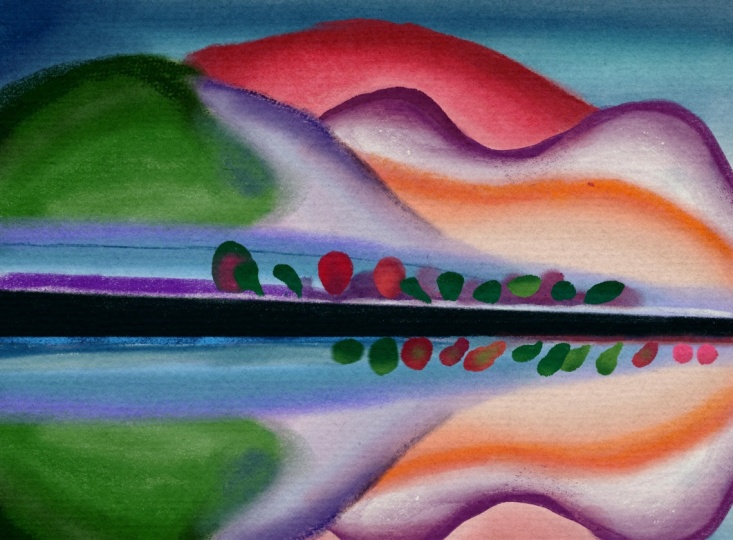
family had an estate. We see a lot of pieces that reflect her paintings
of the city, her floal motifs, which were
also happening at this time, and then her paintings
of Lake George. It's really fun to see her explore the same subject matter in a variety of different ways. That's something she would
constantly come back to throughout her
entire artistic career. Revisiting these same subjects
in these same Thebes, but exploring them in new ways. A lot of times that's how
she got toward abstraction, revisiting familiar objects and images and finding new ways
to depict those in her art. What I love is seeing the amazing ways that she has
played with abstraction and value and contrast and color and the different compositions that
she would set up. She bought her first
car and she traveled to New Mexico with a
friend and fell in love with the landscape of New
Mexico and the feelings of being there and that became a very important part
to her journey too. Now she was going between New Mexico and New York City and balancing those two worlds with two very different worlds
and her art was reflecting. Leaning more so into
the landscape of New Mexico and the architecture
of where she lived. She eventually bought a ranch out there and lived
there full time, spent more and more time
there as she got older. She's someone who was constantly driven to create art
and to keep making. Unfortunately, toward
the end of her life, she started suffering
maculgeneration, she was losing her eyesight. But as she began to
lose her eyesight, she started hiring on assistants to help her keep creating. She did a lot of artwork from memory because she
couldn't see as well, and she even got
involved in ceramics. She connected with a young man, Juan Hamilton who came to her
as a friend of her plumber and asked if he
could get some work after turning him down, she eventually let him
pack some crates and then he became a very
important person in her life. He became her primary
caretaker for the rest of her life and
he was a ceramicist. He taught her how to do
ceramics and to work with pottery and she has
these very large scale, gorgeous organic
shaped sculptures that she created and many pots and all of this is
taking her abstractions that she would do
in the two decens and turning them into a
three dimensional work. I love that she did that
and that she explored two dimensional and
three dimensional space with her art making. To learn even more about the
life of Georgia O'Keeffe and to see many examples of
the artwork that she created, you can pop on over to the
Projects and Resources section of class and you can check out the Google Slides
presentation where I take you from very beginnings, all the way up to the end and much of the art that
she made in between. You can really get
a strong sense of how she moved through
different aspects of art in her life and what
was influencing her and where some of these ideas
and creations come from. Then after you do
that, heading over to the next lesson and we will start working on our
own class project. I will show you how I'm
playing with loose what on what watercolor application
to mirror some of what she was creating
at the beginning and at the end of her
artistic journey. I'll see you soon.
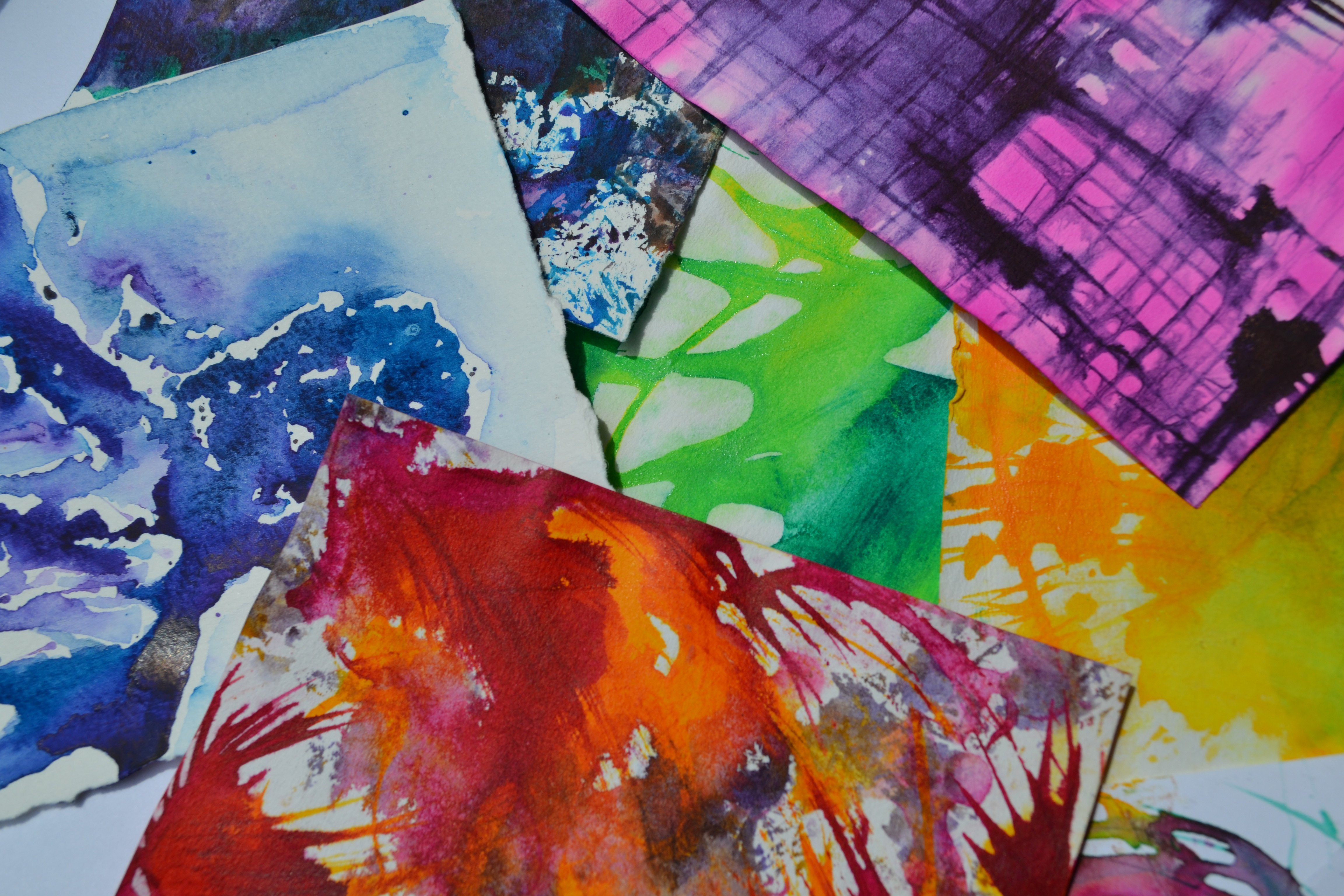
5. Watercolor Part 1: For this one, I wanted
to have some fun. So I thought I would lean into my George O'Keef inspiration as a starting point to create
some watercolor backgrounds. I have found that to explore the watercolor aspect
of O'Keef's work, it's really important
to lay down water first and then
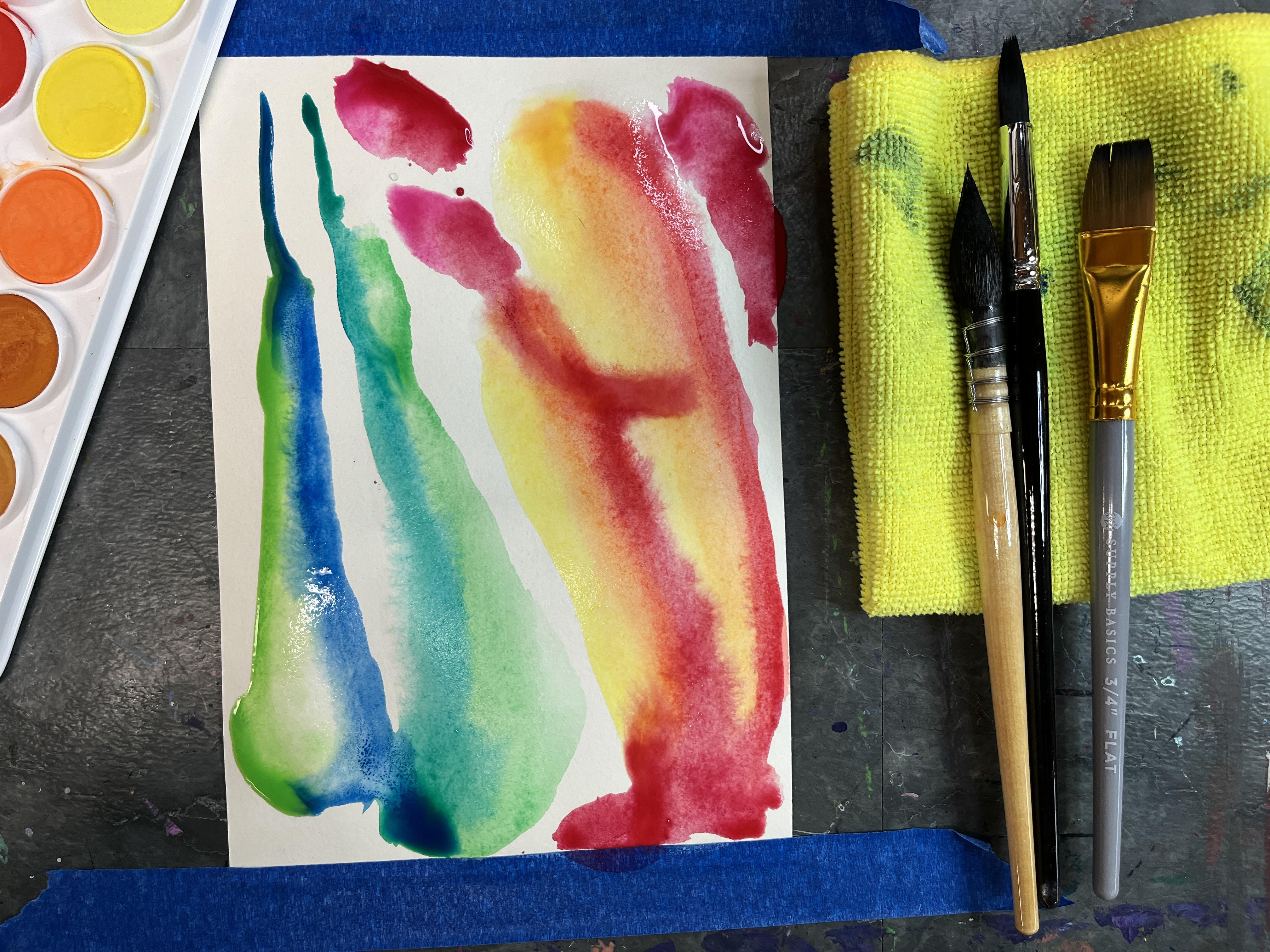
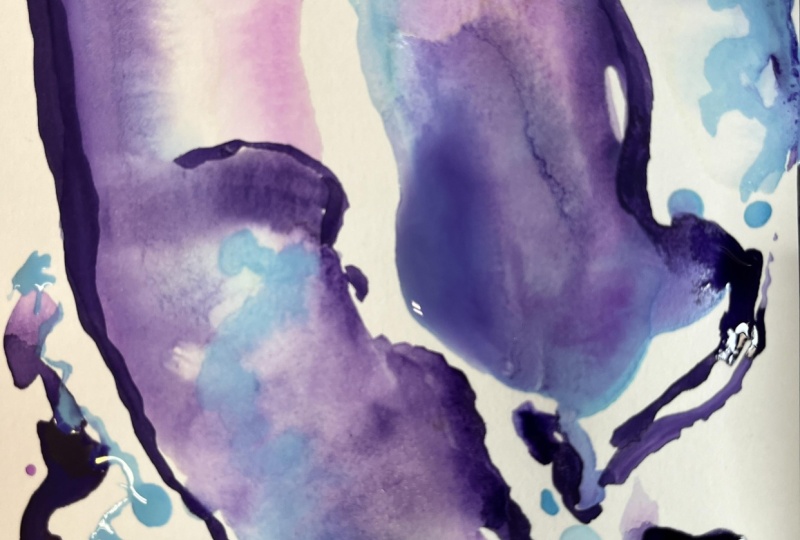
drop the color into it. So this one I was using really juicy watercolor and dry paper, and I was
painting into it. Now, this is mixed media paper
I already had it pre cut. So I thought, let's
just use that. So I have that, and
then these pans of watercolor are a
little more matte. They go on a little
bit more matte and they're just kind of a
different sort of pigment. So this is how it
turned out using juicy watercolor on dry paper. It wasn't quite the essence of what I love about
O'Keef's watercolors. I decided I was going to go in and I was going
to paint with water, and then I was going
to put my color down. Now, I didn't want to do
a full wet on wet every. I wanted to paint with the
water and make my marks. Then with really juicy brush of color, I dropped in my color, and then I went back and forth adding more color to get the
bleeds that I wanted to. I got some really fun blooms. I love that. Her watercolors
have blooms too. I started with water painting, and then I dropped
my color into that. That's what I'm going
to do for these forks. I found that to be more
successful to get what I wanted. This paper is Canson
watercolor paper. This paper is artist
Touch, mixed media paper. They're going to
behave differently because they're
different papers. But I'm going to
use the same paint, we're going to see
where it goes. It's an papers as well. The other ones, I
taped them down because I didn't want
them to wiggle all over. I don't necessarily
want the white border. I want the color to
expand to the edges. Then I thought it would be
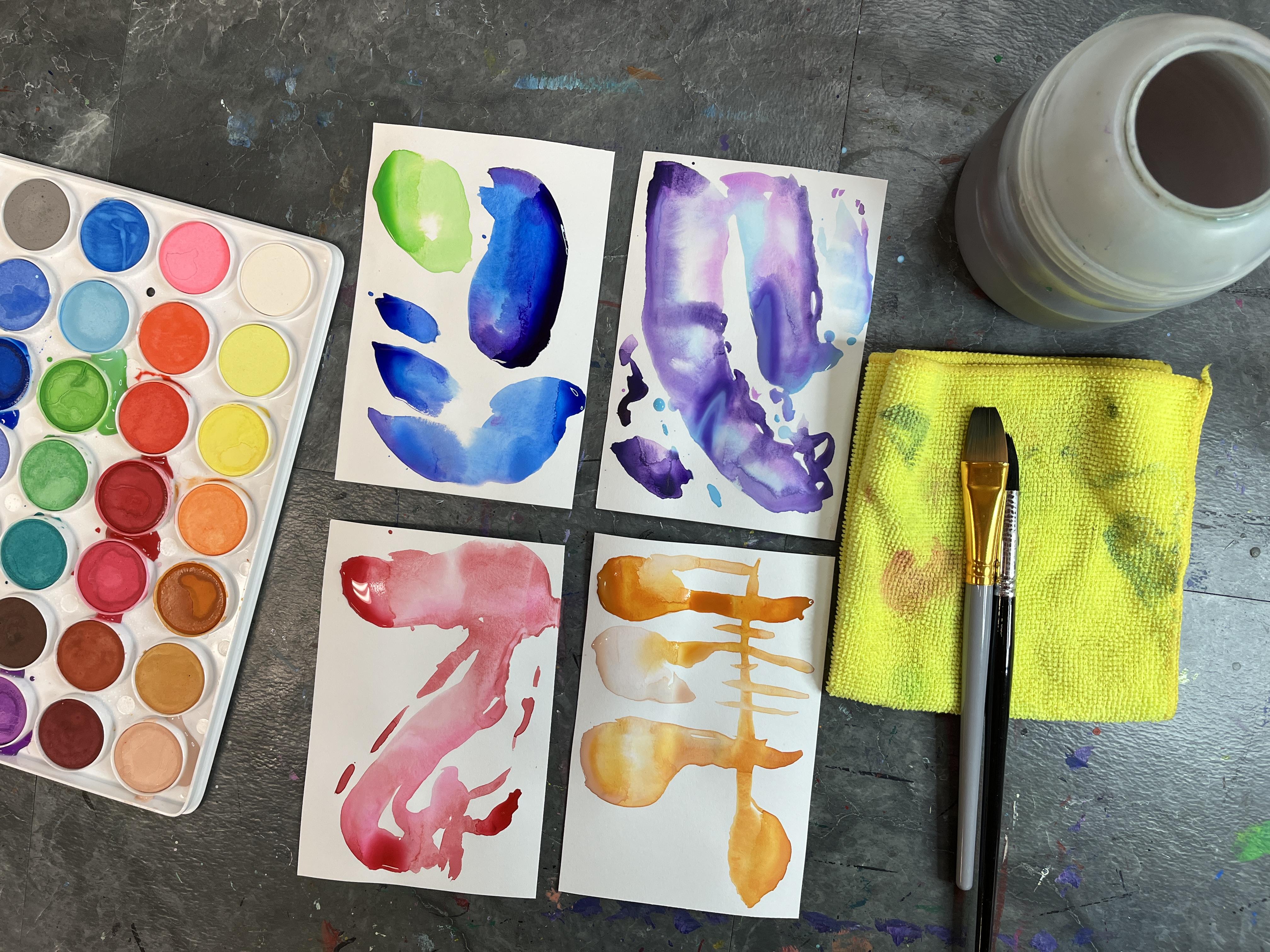
fun to play with the idea of doing four pieces at once because this painting
process is pretty fast, and I want to see what happens
and play with some colors. When I was working
on the other ones, switch from my flat brush
to this Paul Rubens one. This is more of a mop
style bamboo brush. I don't use it often
because it's wild as far as how much paint
and water it holds onto. But for something like
this, it seemed perfect. It was a chance to play with something that I
don't normally use. I'm going to load it up
with water and actually, I forgot to activate my paints. I also find that this palette of paints doesn't hold
the water as much. I have to really,
really get it juicy. The spray bottle is just a
starting point and then I have to swirl my brush
to pick up the color. Just a different thing about
this pan of paints versus two paints or
liquid water colors or maybe whatever
pan paints you have. I'm going to drop in some water. Kind of play with how I
can manipulate the brush. You're not going to be able
to see much on the camera, but you can see me
putting the brush down, so you can kind of see
where that's going. This paper is going to work. It's going to get kind of crazy, so that's going to
be the fun of it. She played a lot with color relationships in her
work. I want to do the same. I also kind of want to let the water and the
color have some fun. So I'm going to let
the watercolor and the water play because
that's what they want to do and just kind of go for
this crazy juicy application. She also has parts where she's
got these related colors, cool colors and warm colors
are hanging together. Then she's got these really
fun pops of some other color. Often the compliment, so
often the opposite of the color wheel or just
a different warmth. This is a pretty warm green. So I'm going to kind
of play with that. I'm gonna let this
one just kind of hang out like that for now. There's a whole lot
of water there. You can see the crazy
puddling that is happening. There's a little bit of
splatter that happened. It's just kind of
part of the fun of using a really juicy brush. Now, because I'm loading up
my brush with so much water, I might have to get fresh water sooner than I might otherwise. I lean into the splatter effect, maybe a light purple just
to keep this one kind of light and play with that. And then maybe some contrast. I have a really dark purple. Because the brush picks
up so much paint, it's pretty hard to
control the application, even when I just
use the tip of it, but I think that's
going to be right. I can get even juicier, I think, even darker. That's a great thing. The
more watercolor you load up, the darker color
you're going to get. We're going to leave
that one pretty monochromatic for now because I do want to work
back into these. This is just a starting point. Go more earthy. Go with some of my
brownish yellow. I do want to have some play of positive and negative space. I don't necessarily want
to fill up everything. The tricky part
here is that I have really juicy paint on paper, and if I move it because it's Boeing and because
there's so much moisture, it's going to kind of
destroy what I've created. Now, if you wanted to
control this a little bit, you could take a dry brush. You're going to
have some spillage, but you can kind of suck up a little bit of your
paint that way. I don't want that
pink on this one, so I'm going to switch
that over a little bit. I'm actually going to use my
flat brush to kind of mop up some of this mess
that I've created. And then these are gonna have
to hang out and dry here. I'm not gonna be
able to move them. I'm gonna let this dry as is, and I'm just going
to see what happens. Because this is so so wet, I can't use anything to dry it quicker because
it'll just there's so much puddling of moisture and paint
that it's just going to and it's gonna lose the effect of the shapes that I've created
with the water. I'm gonna go ahead and wash
my brushes and let this dry, and then after it's dry, I might paint back
into them somewhere. I might draw back into them. I love putting colored pencil and ink back into
my water colors. So I think there's definitely going to be more
that happens here. I'm just kind of
at a point where I have to pause
because of dry time. So I will see you
after these are dry.
6. Watercolor Part 2: I still have some really
big puddles happening. I've been letting this dry
for about 30 minutes or so, and I'm really itching to
paint back into it before I let it fully dry and then come back in with some
drawing materials. I'm going to go with a
smaller brown brush. So I have this section of green. I want to play with the
areas that are still wet, and I want to play
with some of the spots that have dried, just
kind of work back in. So I'm going to load up some yellow and kind of get
that pretty juicy, and I'm going to kind
of see what happens when I start painting across
the wet and the dry areas. Where it's wet, it's
going to blend in, but where it's dry, I'm going to get to have that
other color stand out. It'll be a nice play of
wet on dry and wet on wet, which I think is going
to be pretty cool. I feel like I want to pull that green somewhere else
to balance this out, but I also like the asymmetry
of it. I don't know. Maybe I'll just play around
with some brush manipulation. That one I feel like
I went too far. I was going for more of
a delicate approach. I'm going to grab some of my green and pull that
up into that yellow. Pulling that green down a
little bit really helped. I want to play with
some of that green in where the blue areas are. This is where we can
really start making some more intentional decisions now that we have some
base things down. I don't think Georgia went
into her watercolors a ton. They're pretty much wet
on wet, very loose, a little bit of the
dark green over there, balance out some of my values. I think that looks pretty great. What you can also do is if you have some puddles like I do, I can play with those and I can pull some of that
wetness and that color. Then as you create
new wet areas, you can drop in more pigment. I think that one's done as far as the painting part
goes. Let's see. I want to put in some more older contrasting
value to this one. I'm just going to drop
that in along the edge. I'm intentionally
holding my brush very loosely and letting it have a wonky quality to the lines and the marks
that I'm painting in. Not necessarily
loving that puddle. So when you go back in with a dry brush and you kind
of suck up the paint, it's a blotting technique. Like, it's a way to pull
back your water color. You can do it with paper towel, you can do it with
a clean dry brush. You can do it with a cloth. I'm sucking up moisture and I'm kind of pulling out some of the color painment
and load up some more of that very pale blue. I can kind of go in with that. That one feels
finished. Now I've got these other two where
I didn't do as much. I think I just want to beef up the color that
I did put down. I'm going to load up some
of that really great pink, and I'm going to hop that in a bit and let
that have a harsh edge. That's what I'm playing
with. I'm playing with the softness
and the hardness. It's become my theme,
go back into these. That's what started coming out. It's also really fun to play with hard lines and soft lines. All of those opposites
are really, really great. Like I'm letting the color
on the paper mix and blend. Just kind of fun
to play with when you're working with
a palette like this. We've got so many
great colors that are just part of the
palette naturally. That one feels good. I think I'm going
to go in with some of these darker browns, but these ones I'm going to mix because I don't want
to lose the warmness. Now, I could have a
scrap paper and I could test this on the side, but
I'm just going to go for it. So if you have a hard
edge that you don't want, you can always go in
with a damp brush, and you can kind of soften it. I'm going to do some blotting. I didn't mean to
do blotting here, but kind of like what's
happening with that. So I'm going to use a
clean slightly wet brush to pull that pigment back. I'm going to do the
same thing up here too. Kind of lean into
the brightness. And those later colors, it's really hard to get them
to be bold, full color. I could mix some white with
that would help because white is a very opaque
paint in any form. I'm done with the
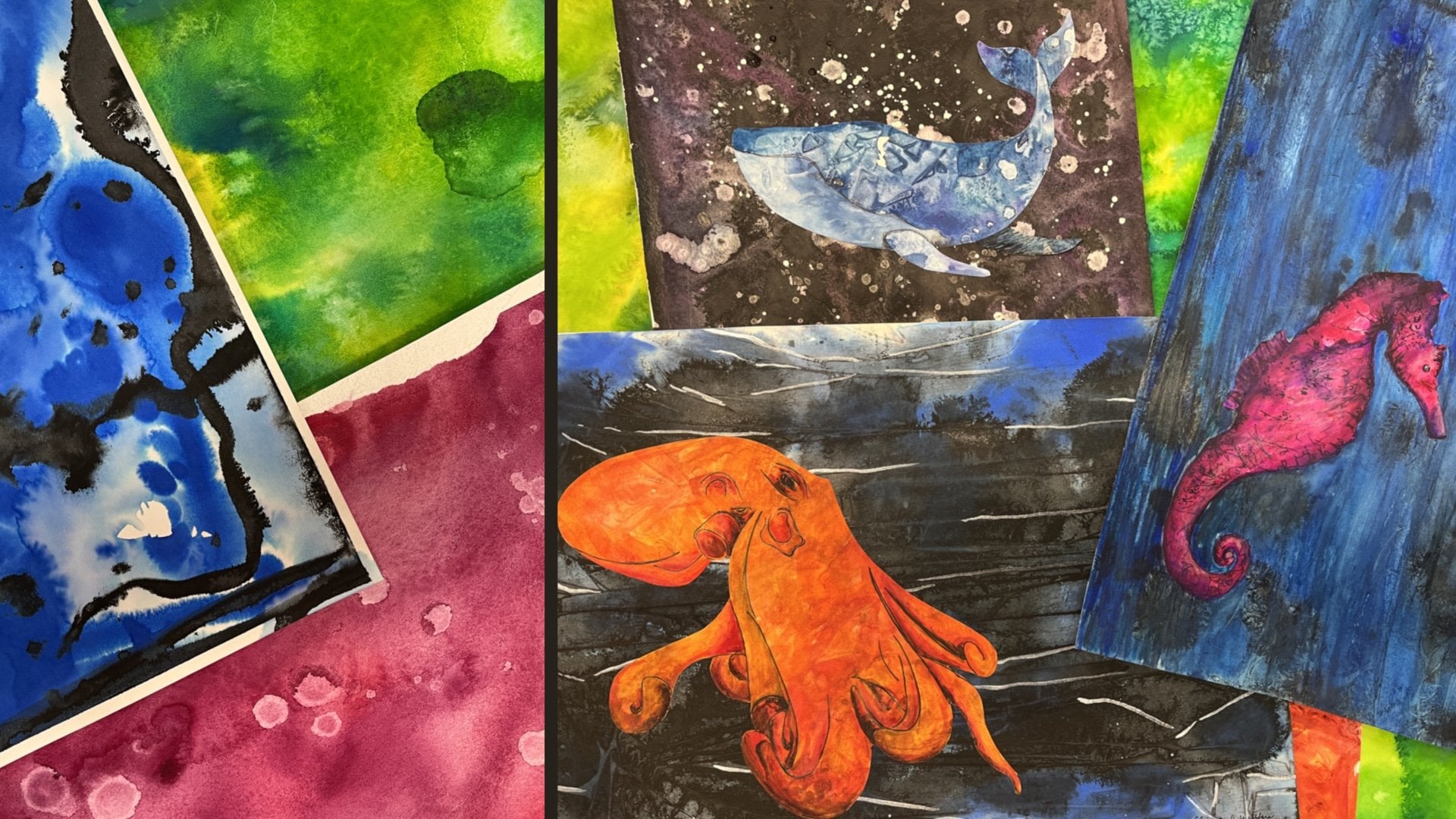
painting stage of this. This is a fantastic play of what I love about the
watercolor period of Georgia's life and then my
own personal aesthetic and then really freeing myself
to explore and play. I know I would not have created these pieces had I not looked at Georgia's watercolors
in her earlier stages and kind of gotten to know
that phase of her life. Although I've seen one
of her watercolors before in my different
studies of her, I've never looked
beyond that piece. Like, it just wasn't really in my radar when I
think of Georgia. Been really fun to explore a stage of her life
and her art making. Isn't one that we typically
get to see because we're so focused on her flowers or her cities or her
sculpt paintings. She has these really
fabulous bodies of work, but the watercolor part
really spoke to me. I hope that you have a ton of fun exploring her
work in yours, too. I can't wait to see how you
get inspired by George's work and how you play with that in whatever art material that
you choose to work with. I will see you in the last
lesson to wrap up the class.
7. Final Thoughts: Thank you so much for
joining me in class as we explore the life and
art of Georgia O'Keefe. I hope you are
feeling inspired by either her subject matter or
her use of value in contrast or color or composition or all of the above
and that you've had some really fun times creating art that both fits
your own ectetic, encourages you to grow
and explore new things, and that you've gotten inspired by what we've learned
about Georgia O'Keefe. I really appreciate you taking the time to join in this class. I hope that you will share
your artwork over on the student gallery on the projects and resources section. It is always so wonderful to see the different artwork
that comes out of classes like this where we're all getting inspired
by the same artist, but maybe we're getting inspired
in completely new ways. Then by checking out
each other's projects, we can keep that inspiration going and we can also celebrate what everyone is
creating as they explore these different
concepts in their art practice. After you've taken the
time to share your work, I hope that you'll
also share some of your thoughts about taking the
class by leaving a review. This is the best way
for students to find out about the class from
the student perspective. What experiences did you have? How did it help you grow? What has it got you
thinking about? If you have any feedback
on things I can improve, I'm always looking for that information so that I can keep making my classes here
on Skillshare even better. That is truly what
I want. I want to grow and become a
better teacher for you as I keep creating more classes for
all of us to enjoy. I'd also love to stay connected. If you haven't already,
please hit the follow button, you find out about
new classes I post on Skillshare and any other
posts and discussions that come up related
to updates to classes or different art things that I think you will
enjoy checking out. I'd love to connect
off the platform too. You can follow me
over on Instagram where I share all
about my art journey, what I'm doing
online and offline, classes I'm teaching, I'm playing around with
adventures that I go on. Then I also have a
YouTube channel too, where I share a lot of
my past art adventures, lots of different art
techniques both related to classes that I'm teaching
here on School share, as well as additional
things that I'm exploring in
my art practice. Thank you again for taking
this Georgia O'Keef inspired artist series class. I hope to see you
in another class real soon till next time.
8. Bonus Watercolor Timelapse: You the
 Elisabeth Wellfare, Artist, Art Educator