Transcripts
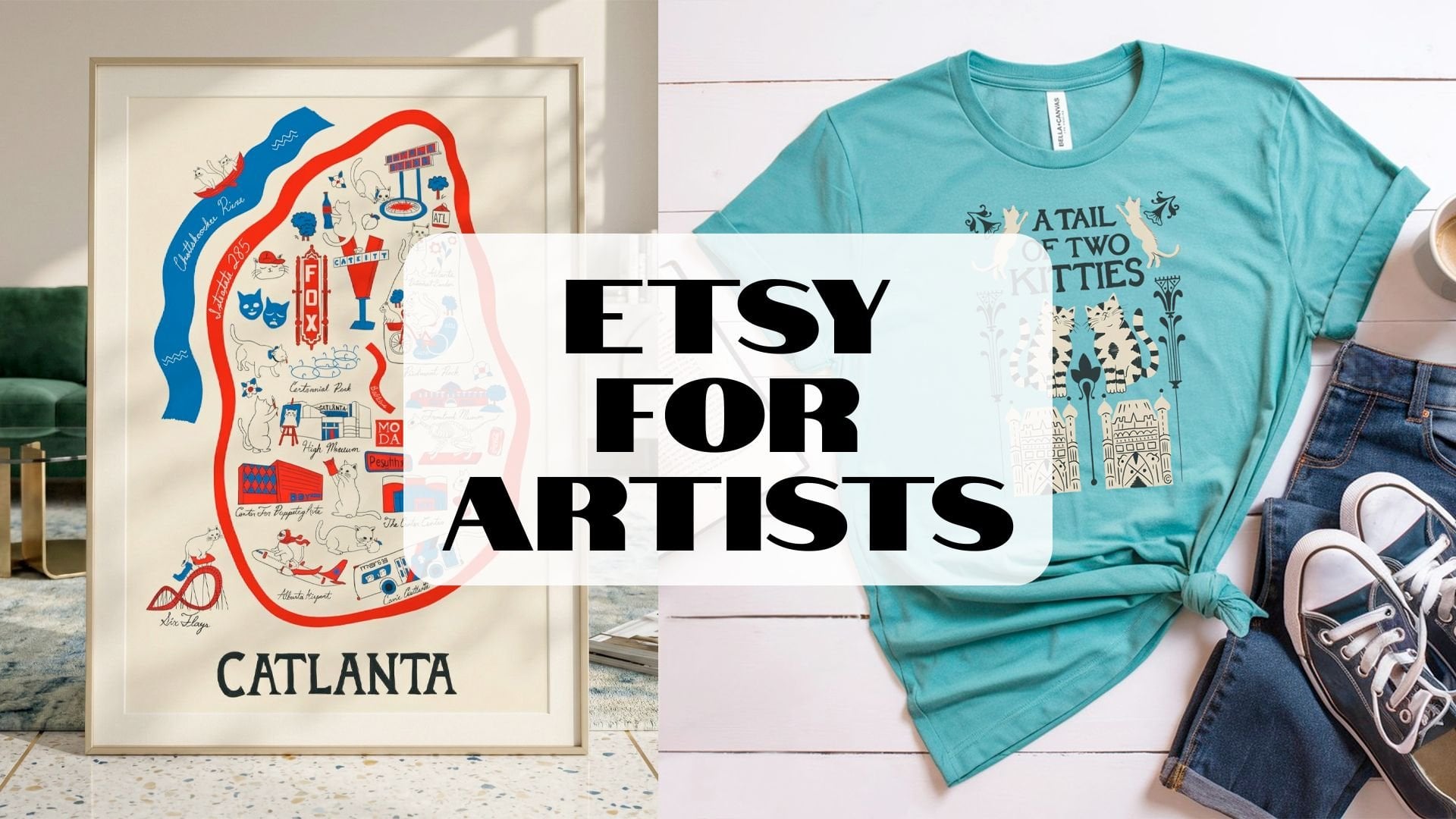
1. Etsy for Artists: Your First 3 Products To Launch A Successful Shop: Hi, my name is Carrie Cantwell. I'm an Illustrator, surface pattern
designer, and educator. My work has been licensed
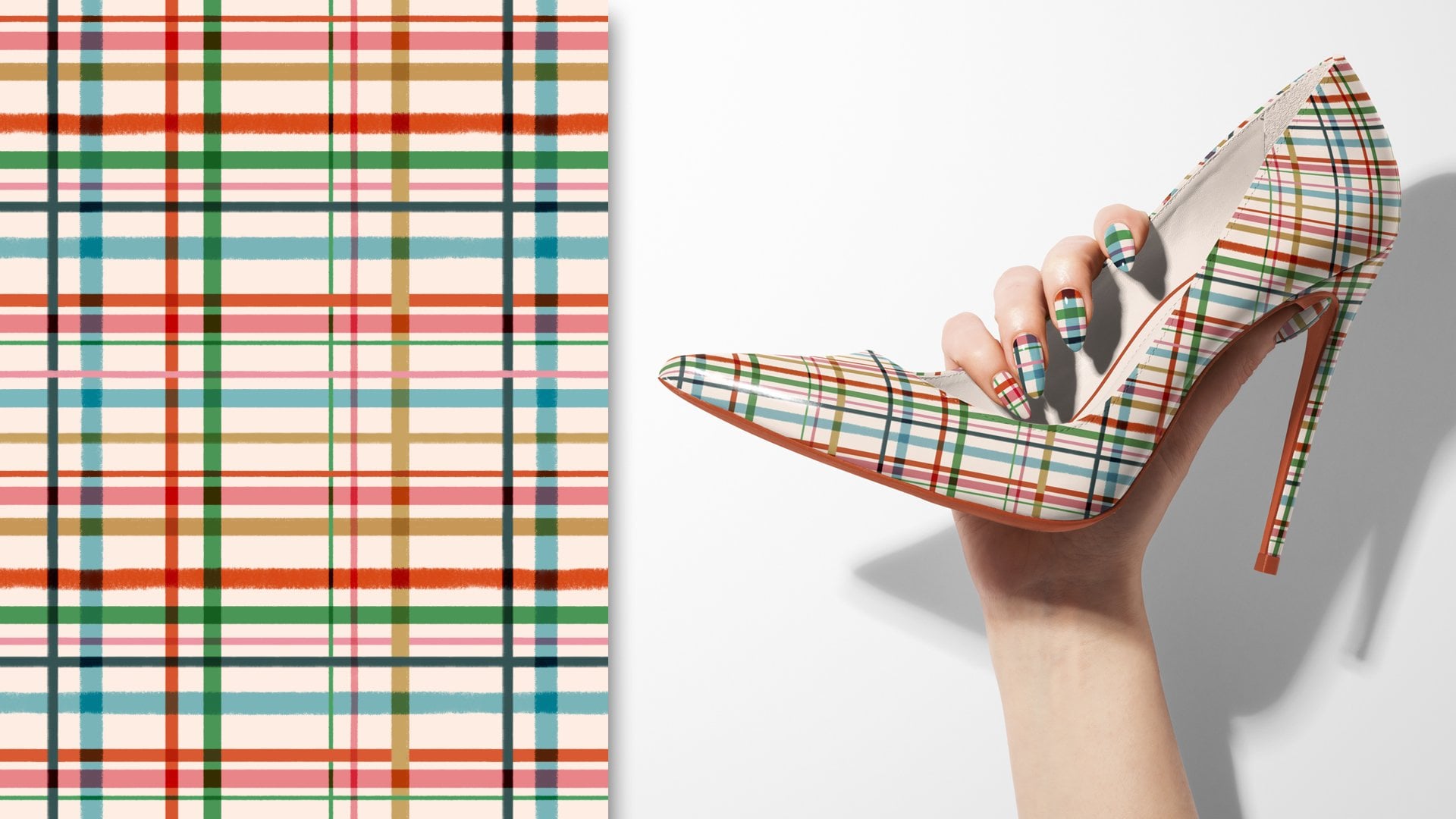
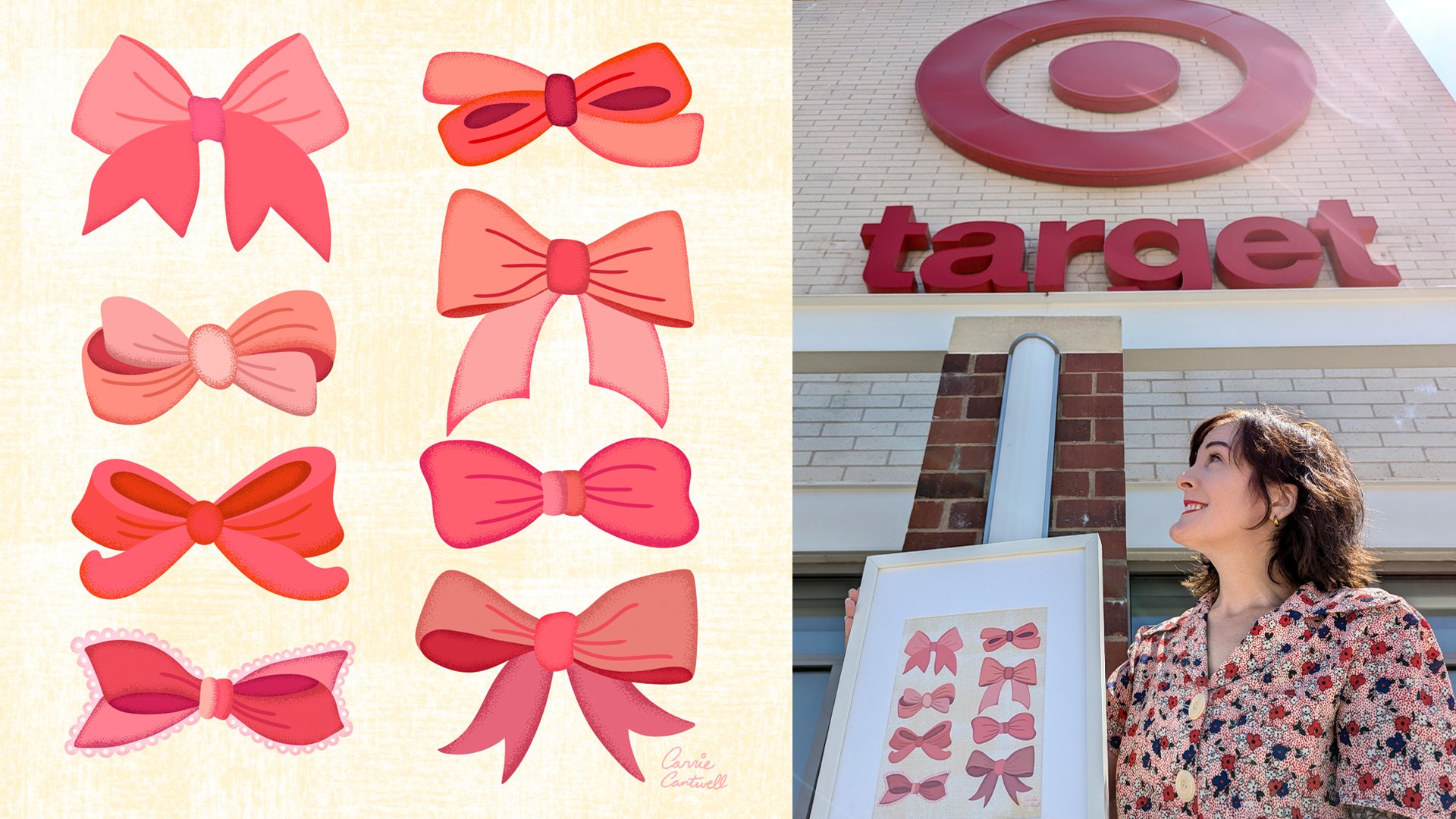
by brands like Target, World Market and pottery barn. And I also sell my art directly online, including on Etsy. In fact, I'm an
Etsy star seller. In my previous two Etsy for
artists Skillshare classes, we talked about how to find
a niche for your art on Etsy and how to
define your brand. Now, let's turn that idea
into something practical. Because when artists
start Etsy shops, the biggest trap is this. They think they
need oneny products before they launch. You don't. In this short class, I'm going to show you
a simple framework I recommend to artists
selling on Etsy. It's the first three
products strategy. Here's why so many artists get stuck before
they even start. When you sit down and think about everything you
could possibly make, the list becomes paralyzing. The perfectionist part of
every artist's brain whispers, Your shop has to be complete before you even open the doors. But here is the truth. No shop is ever complete. Even the most
successful Etsy sellers are constantly adding, testing and refining
their product line. The shops you admire
that have 200 listings, they did not start
with 200 listings. They started with a few strong products and
built from there, and in many cases, they grew faster because they launched focused
instead of scattered. This class is excellent for
both Etsy beginners and seasoned Etsy
sellers who want to refine their product
lines to revive sales. I'll define the
three product types. Explain why each
one is valuable. Share product examples,
ideal price points, and recommended
production methods. So are you ready
to start planning your first three products?
Let's get started.
2. Why 3 Products? Start Small, Sell Smart: M. Before we get into
each product type, I want to explain why
three is the magic number. Three products is enough to signal to a buyer that
your shop is real, intentional, and
worth exploring. Too many product options can
actually decrease sales. One or two listings can
feel sparse or unfinished, but three, especially
when they feel cohesive, starts to tell a story. There's actually a well
documented phenomenon in consumer psychology
called choice overload. Too many options can
actually decrease sales. When buyers are faced with an overwhelming
number of choices, they sometimes walk away
without buying anything at all. Starting with a focused
product line works with buyer psychology,
not against it. And here's the other reason
I love this framework. It gives you momentum. Instead of waiting until
everything is perfect, you open your shop, start getting real feedback,
and grow from there. That first sale is worth more than any
amount of planning. In the following lessons, we are going to cover your
first three products, which are the hero product, the EZ S product, and the personality product. And we will talk about
everything from price points to production methods
and why these are the best first three
products for your Etsy shop. So let's build your
first three products.
3. The Hero Product: Your Shop’s Main Character: You hero product should be the clearest expression
of your niche. So ask yourself, what would someone who loves this
niche want to buy? Some examples would be
home decor like bedding, large wall art, shower
curtains or throw blankets. The goal isn't complexity. The goal is clarity. If someone lands on your shop, they should instantly
understand what you create. Let's dig into what makes a
hero product actually work. Your hero product is the answer to a very
specific question. If someone who is obsessed with your niche found your shop, what is the one thing they
absolutely have to have? For an illustrator who creates cozy cottage
style artwork, that might be a fine art print. For someone who makes bold
graphic pet portraits, it might be a custom
sticker sheet. For a surface pattern designer, it could be a printed notebook
or fabric by the yard. The format matters
less than the fit. Your hero product should
feel like the most obvious, most satisfying
expression of your art. Here are a few practical things to think about when
choosing yours. First, the price point. Heo products tend to perform
best in the 35 to $65 range. High enough to feel
like a real purchase, accessible enough that buyers don't need a lot of convincing. Second, production method. If you're selling
physical products, can you fulfill this
without a big upfront cost? Print on demand services like Printful or Printify integrate directly with Etsy and let you sell products without
carrying any inventory. Think of your hero product as the one you'd feature at
the top of your shop, the one you'd promote
first on social media. If someone stumbles onto your Etsy from a Google
search or a Pinterest pin, this is the product
that makes them think, Yes, this is exactly
what I was looking for.
4. The Easy Yes Product: Your First “Add To Cart”: Let's talk about
the easy product. Your easy product should be something that's low
commitment for buyers. This is the item people buy
when they love your art, but they want to start small. Some examples would be stickers, small prints, digital
downloads, postcards, magnets. This product helps turn curious visitors into
first time customers. The easy product is all about lowering the barrier to
that first purchase. Think about your own
shopping behavior. When you discover a
new artist you love, do you immediately
buy the largest, most expensive item in
their shop? Usually not. You might grab a sticker pack or a small print to
try them out first. And if you love it, you
come back for more. Your Easy product is typically priced in the three
to $15 range. Low enough that buyers don't
have to think hard about it. Digital downloads work
especially well here. Set of printable art pieces, a digital wallpaper,
a coloring page, or a set of printable stickers
can be created once and sold over and over with no production or
shipping costs at all. Physical easy products are
also perennial favorites. Sticker packs, postcards and small prints feel
affordable and giftable, which makes them easy
impulse purchases. The goal of the EZS product isn't maximum profit per sale. It's to get the right
customer through the door. Once someone has bought from you and loved the experience, they're far more likely to come back for the
bigger purchase.
5. The Personality Product: Your Special Signature Spark: Your personality
product is where you let your unique
voice show up. This might be art with a funny quote or a
themed mini collection, something that feels very. This is often the product
that gets shared on social media because it
feels really distinctive. The personality product
is my personal favorite of the three because it's the one that can't
be replicated. Your hero product tells
buyers what you make. Your easy product gives them
a low risk way to start, but your personality product
tells them who you are. It's the product that makes
someone laugh or feel deeply seen or
immediately tag a friend. It's specific, memorable,
and distinctly yours. This might be a sticker that references a very
niche interest, a print with a caption that only your ideal customer
would truly get. A small collection built
around an inside joke your audience shares or a piece of art that's
a little unexpected. Playful where your
other work is elegant or bold where your
other work is delicate. From a business standpoint, shareability is
incredibly valuable. When your personality
product gets shared, it introduces your whole shop to a brand new audience who may
never found you otherwise. Don't overthink this one. It's the product where you give yourself permission
to be a little extra.
6. Branding & Cohesion: Less Noise, More Sales: So here's the secret many
artists don't realize. Small shops can succeed
because they feel focused. When a shop launches with three
to six cohesive products, buyers instantly
understand the brand. That clarity is
often more powerful than a shop with 50
unrelated items. More isn't always better. More products don't
always mean more sales. Clarity converts. A small, cohesive collection helps buyers grasp your style. First, impressions matter. Your shop should be focused,
clear, and confident. I want to spend a moment
on this because it goes against what most people
instinctively believe. We tend to think more is more. More products means more
chances to make a sale, right? Not necessarily. When buyers visit a shop
with 50 unrelated products, they have to do extra work to figure out if this
shop is for them. The visual noise competes. The brand message gets blurry. But when a buyer
visits a shop with three beautifully
cohesive products, they get it immediately. And when they get it, when your shop feels like it was made for someone
exactly like them, that's when the sale happens. Think of your launch phase as your shop's first impression. You only get one.
7. Class Project & Wrap-Up: Plan Your Starting Lineup: Before we get to the closing, I want to give you something
concrete to walk away with. Your action plan from this
session is three steps. First, identify
your hero product. This is the clearest, most
signature thing you make. If you're not sure,
ask yourself, if a stranger asked
what I create, what would I show them first? Second, identify your
easy yes product. What's something you could price under $15 that still feels like a genuine
expression of your art? Third, start thinking about
your personality product. What's the thing
only you could make? What would make your
ideal customer laugh, feel seen, or immediately
tag a friend? You don't need to
create all three today, but naming them is
the first step, and it's a powerful one. One of the biggest challenges
artists face when starting a shop is this feeling of being pulled in 100
different directions. You might have ideas for prints, stickers,
greeting cards, digital downloads, and all
of those ideas can be great. But what really helps
a shop grow is when those products feel like
they belong together. That's where having a clear
visual brand direction becomes incredibly helpful because when your shop has a consistent look and feel, buyers instantly understand
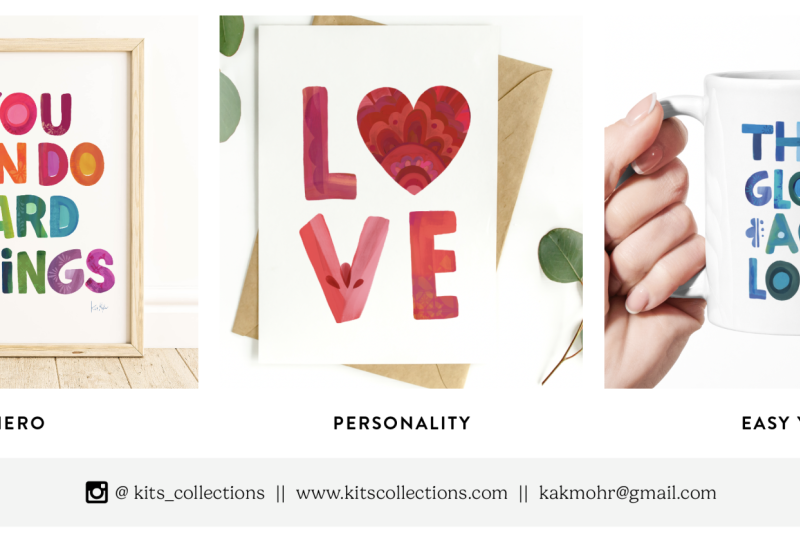
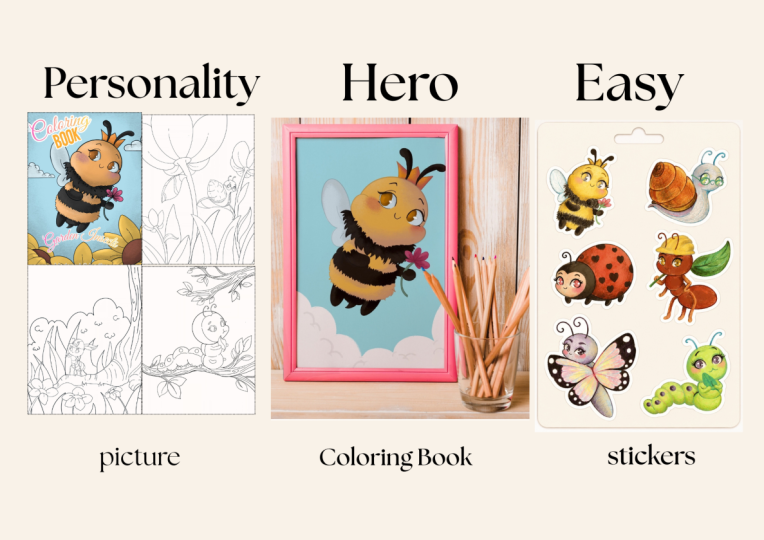
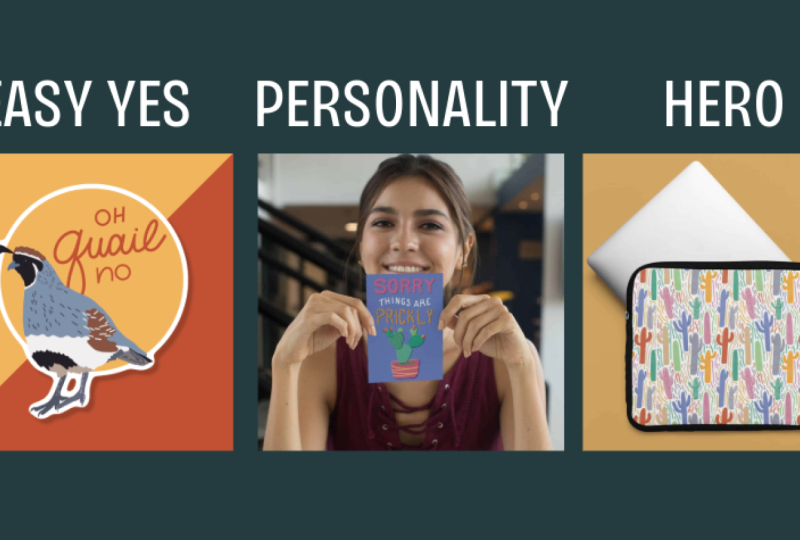
what you create. For the class project,
share an image, a mockup is fine of the first product you plan
to add to your Etsy shop, and share with us which of the three product
categories it falls into. Is it a hero product, an easy product or a
personality product? If you already
have an Etsy shop, share your favorite or
best selling product and tell us which
category it fits into. These don't have to be completed mockups or
finished products. They can even be blank products like screenshots
captured from print on demand websites like
Printify that you will apply your art
to things like mugs, t shirts or wall art. You can just visit
websites like Printful, Printify or Gelato, for example, and grab a screenshot
of a blank product. Class Project bonus. Share three images of your
first three products, one for each category, and share which
ones are the hero, the ECS, and the
personality product. Again, these do not have to be completed mockups or
finished products. They can be blank products
like screenshots captured from print on demand websites that
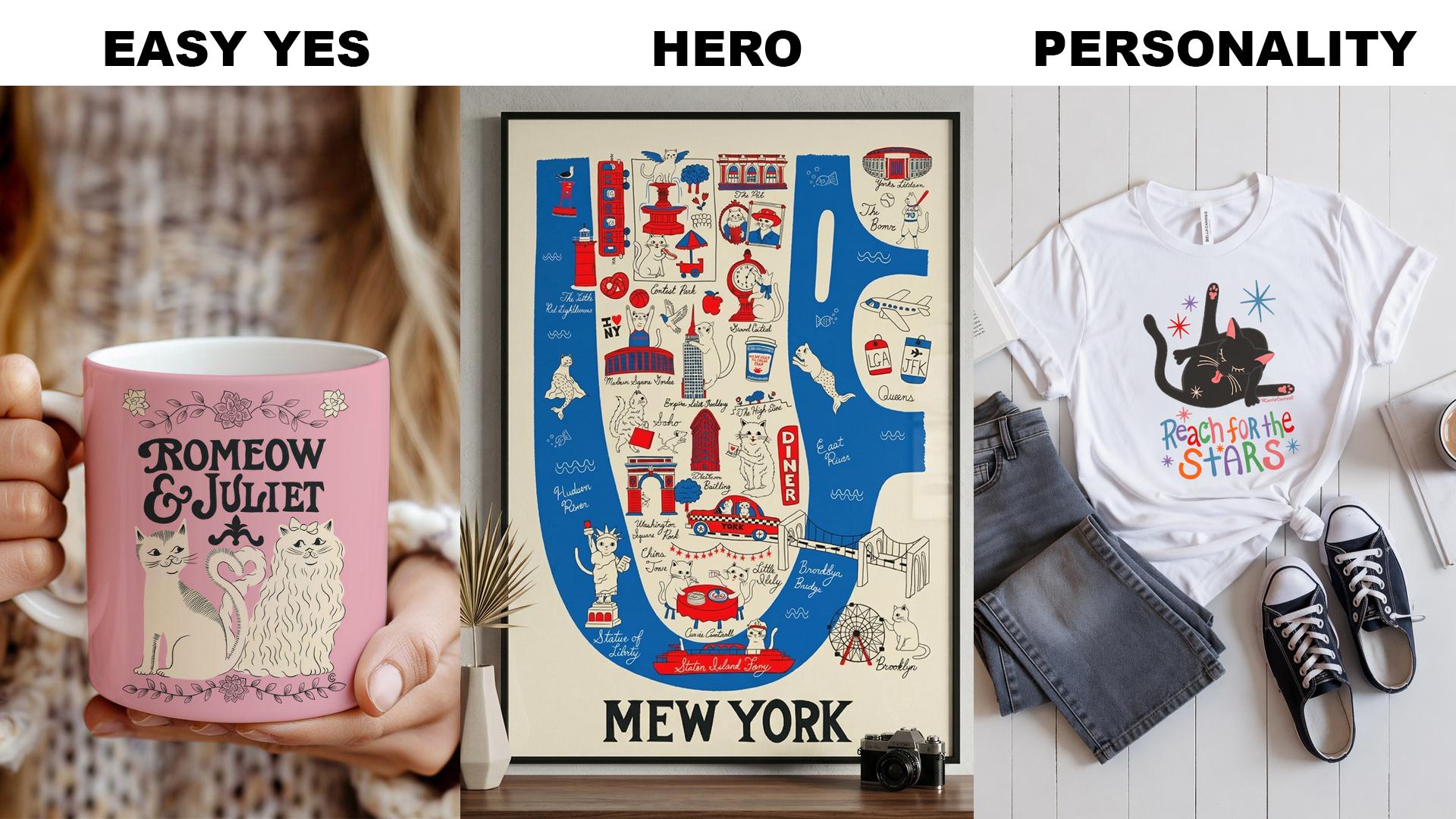
you will apply your art to. Here is an example of
how I would do it. My hero product is the higher
end home decor product, the wall art, and it is the
purest expression of my art. The EZS product is a lower priced intro product for anyone who is curious
about purchasing my art, but isn't yet ready to
spend a lot of money. And my personality product
is a little extra. It's a funny quote that is very catchy and has
become pretty viral. Congratulations on
finishing the class. If you enjoyed this class, I would also really appreciate it if you left a quick review. Reviews help other
students find the class and help keep me creating
more classes for artists. Thank you so much for
taking the class, and I cannot wait
to see your Etsy shops visions in the
project gallery. See you next time. Bye.
 Carrie Cantwell, Illustrator | Surface Designer | Teacher