Transcripts
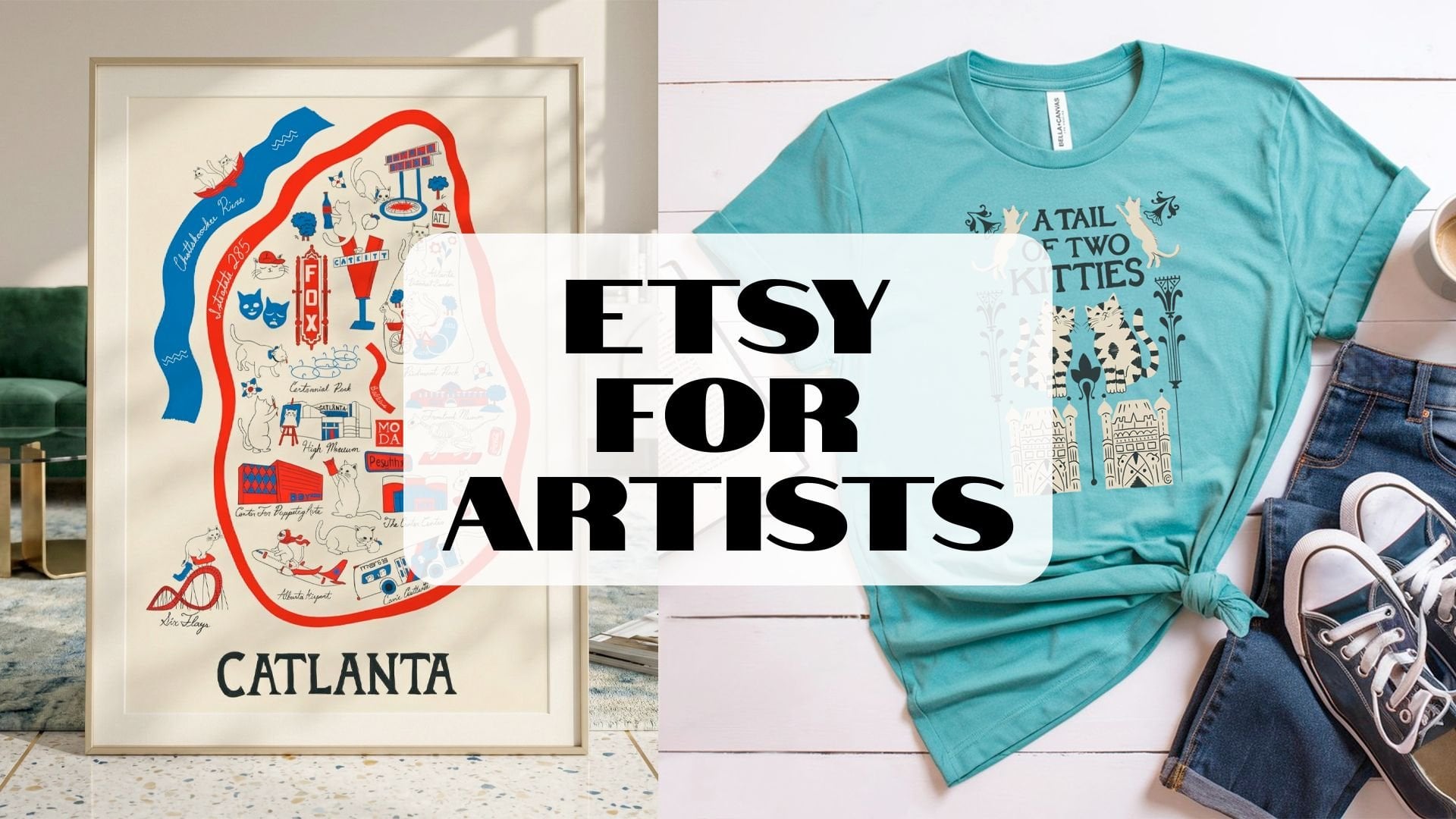
1. Etsy for Artists: A Quick-Start Guide to Selling Art and Building Your Brand: Most artists think that the hardest part about
Etsy is getting traffic, but that's actually not the biggest reason that
many Etsy shops struggle. The biggest problem is
that artists often jump into Etsy without a clear
direction for their shop. In this class, we
are going to fix that by looking
at how Etsy works for artists and how to start
thinking about your shop as a creative brand instead of just a collection
of products. Hi, my name is Carrie Cantwell. I'm an Illustrator, surface pattern
designer, and educator. My work has been licensed
by brands like Target, World Market and pottery barn. And I also sell my art directly online, including on Etsy. In fact, I'm an
Etsy Star Seller. If you're an artist who's
curious about selling on Etsy, you are in the right place. Etsy is one of the
easiest platforms for artists to start
selling their work online. But if you're new to it, it can feel a little confusing. What should you sell? How do
shops actually make sales? And where do you even start? That's exactly what
this class is for. In this short class,
I'm going to give you a clear overview of how Etsy works for artists
and creatives. We'll talk about what Etsy is, why it's such a
powerful platform for artists and the different types of products that
you can sell there. This class is
designed to be quick, practical, and
beginner friendly. I'm giving you a workbook
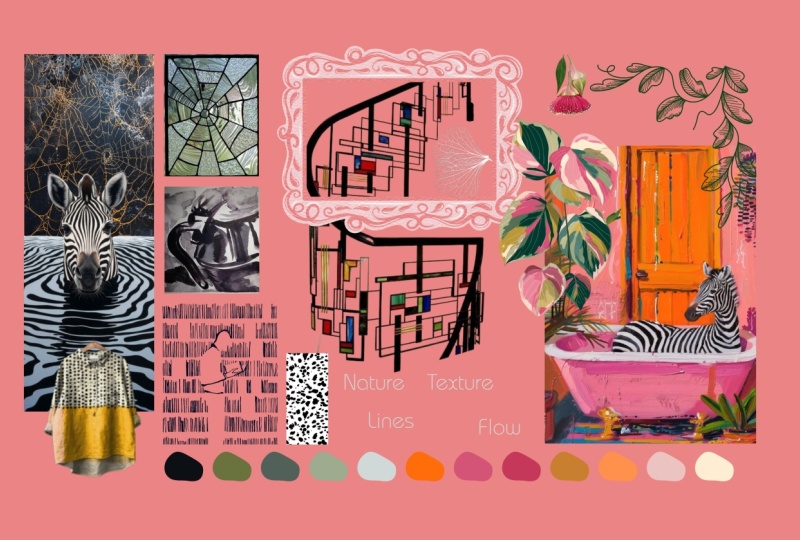
with this class, and in this class, we will be creating an Etsy vision board. You don't need any special tools or software to take this class. By the end, you'll have a clearer picture
of whether Etsy is the right platform for your
art and what direction you might want to take with
your shop. Let's get started.
2. Inside Etsy: The Marketplace for Creatives: Let's start with the basics. What exactly is Etsy? Etsy is an online marketplace that focuses on handmade goods, creative products,
and unique items. It launched in
2005 and has grown into one of the
largest platforms in the world for
independent sellers. Unlike marketplaces like Amazon, Etsy was built
specifically for creators. Artists, makers, designers,
vintage collectors, and small businesses
all sell there. When you open an Etsy shop, you're essentially setting up your own small online storefront inside the Etsy marketplace. Etsy handles things like
posting the platform, processing payments,
and bringing millions of shoppers to
the site every year. Your job as the seller
is to create products, list them in your shop, and present them in a way
that attracts buyers. As of filming this class, there are about 5.6 million
active sellers on Etsy. By the time you're
watching this, there will almost
certainly be more because the platform
continues to grow. And that's actually
an important thing to understand because
there are so many sellers, Etsy isn't a platform
where you can just upload a bunch of random products and
hope that they sell. The shops that
succeed tend to treat Etsy like a place to build
and reinforce a brand, not just a place
to list products. Your shop should
communicate a clear style, a clear audience, and
a clear point of view. Customers instantly
understand what you create and why
it is special. When artists approach
Etsy with that mindset, it becomes much more powerful than just another place
to upload artwork. Next, let's talk about why Etsy works particularly
well for artists.
3. Why Etsy Works for Artists: One of the biggest reasons
Etsy works so well for artists is that the platform
is built around creativity. People don't go to Etsy looking for mass
produced products. They go there looking
for things that feel personal, unique, and artistic. That makes it a really natural
place for illustrators, painters, designers, and
creative entrepreneurs. Another reason Etsy is so appealing for artists
is that you have much more control over your business than on many
other art marketplaces. For example, on Etsy, you set your own prices. That means you control
profit margins and can price your work in a way
that reflects its value. On many artist marketplaces, the platform decides
the pricing structure and simply gives you
a fixed royalty. That can make it difficult to
grow your income over time. Etsy also gives you control over things
like your branding, your product descriptions,
your shop story, and how you photograph
and present your work. In other words, your Etsy shop can feel like your
own small brand, not just a listing
in a giant catalog. Another advantage is
that Etsy allows you to sell many different types
of products from one shop. Some platforms limit you to
very specific product types. On Etsy, you can mix things
like art prints, stickers, digital downloads or print on demand products all
within the same store. That flexibility makes it
much easier for artists to experiment and discover what
their audience responds to. And finally, Etsy gives
artists the opportunity to build a direct relationship
with their customers. When someone buys your art, they're often connecting with the story behind the
artist, as well. For many artists, Etsy becomes both a creative outlet
and a business platform. Now, let's look at some of the common things
artists sell on Etsy.
4. What Artists Sell on Etsy: Artists sell a huge variety
of products on Etsy, and there isn't just one path
that works for everyone. One of the most common things
artists sell is art prints. This could include
prints of paintings, illustrations, photography
or digital artwork. Prints are popular because
they're relatively affordable for customers
and scalable for artists. Another category is small
art products like stickers, greeting cards,
bookmarks, or magnets. These items are
often lower priced and can be great entry
point products for buyers. Many artists also use print on demand services to sell
products like mugs, tote bags, notebooks,
or apparel. One of the really cool things about print on demand products, you have no overhead and you don't have to
hold any stock. On Etsy, you can control how
these products are priced, how they're branded,
and how they fit into the overall
story of your shop. There's also a growing market
for digital downloads, like printable art coloring
pages or design assets. These can be appealing
because once they're created, they can be sold repeatedly without additional
production costs. The key is choosing products
that make sense for your style of art and the audience that
you want to reach. In the class project, you'll start exploring
exactly that.
5. Why Vision Boards Work: W. One of the biggest challenges artists face when
starting something new, whether it's an Etsy shop, portfolio or a new creative
project isn't talent. It's clarity. Most
creative people actually have the opposite
problem of what we expect. Instead of not
having enough ideas, we often have too many. You might be thinking about prints, stickers,
greeting cards, digital downloads, different illustration
styles, different subjects. And suddenly, it's really hard to figure out
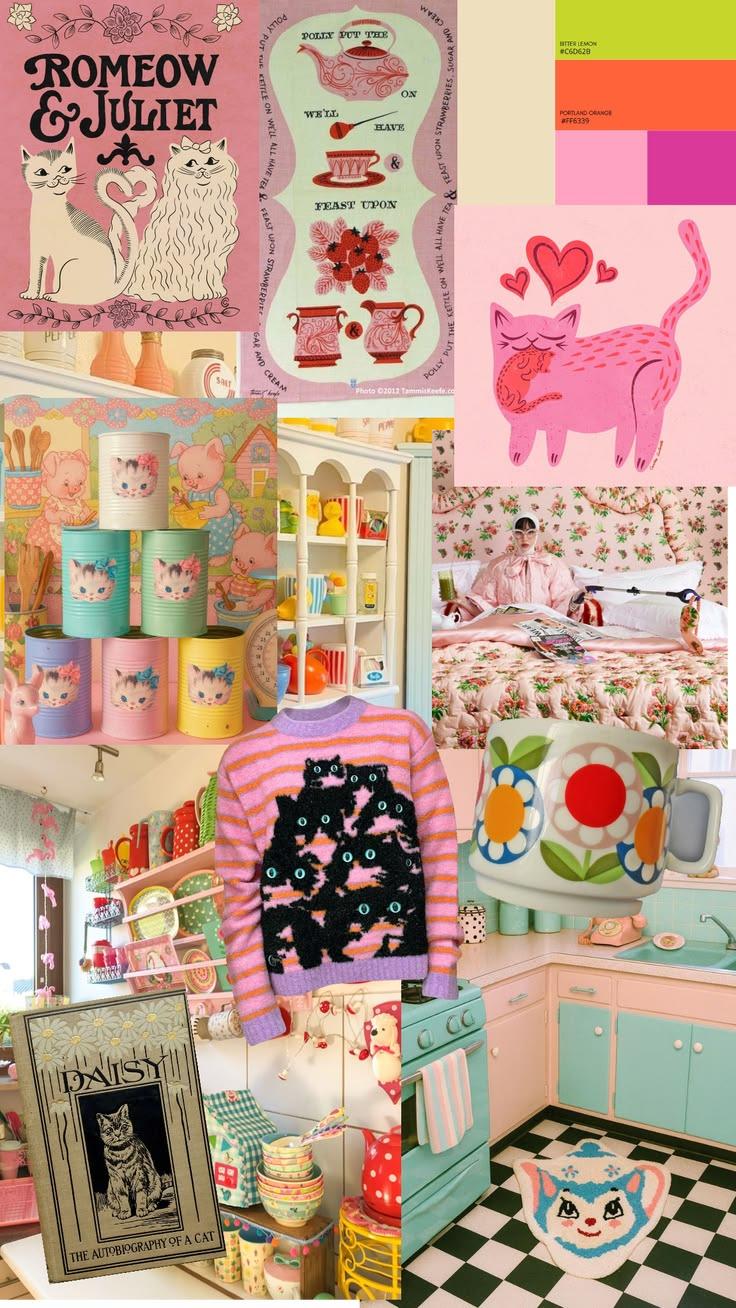
where to start. That's where a surprisingly simple creative tool can help. Vision boards. Vision boards aren't just
inspirational collages. When artists use
them intentionally, they can help you quickly
clarify your style, direction, and brand identity. Reason number one, images reveal patterns faster
than words can. Artists are visual thinkers. We understand ideas much more naturally through images rather than through long explanations. For example, if you try to describe your creative
style with words, you might say something like, I like cozy things, maybe vintage, maybe
whimsical, maybe playful. But words can stay really vague. Images show patterns
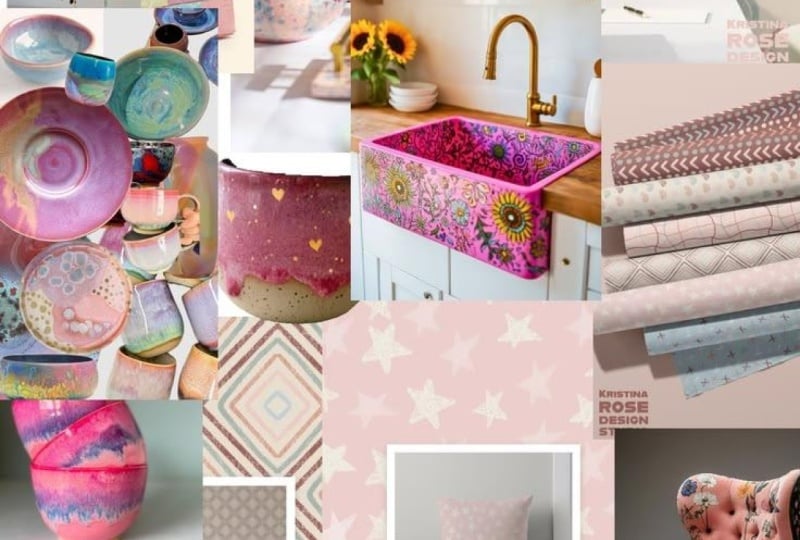
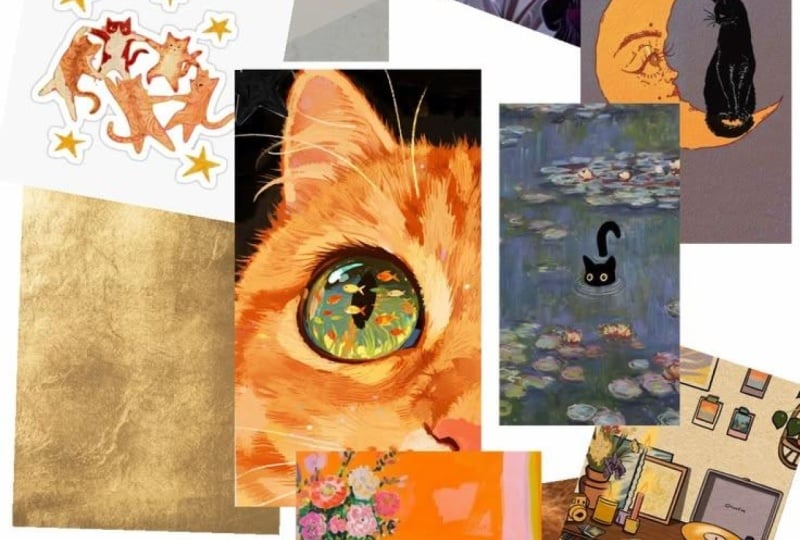
much faster. When you start gathering visuals that inspire
you, artwork, color palettes, products,
textures, interiors, photography, something
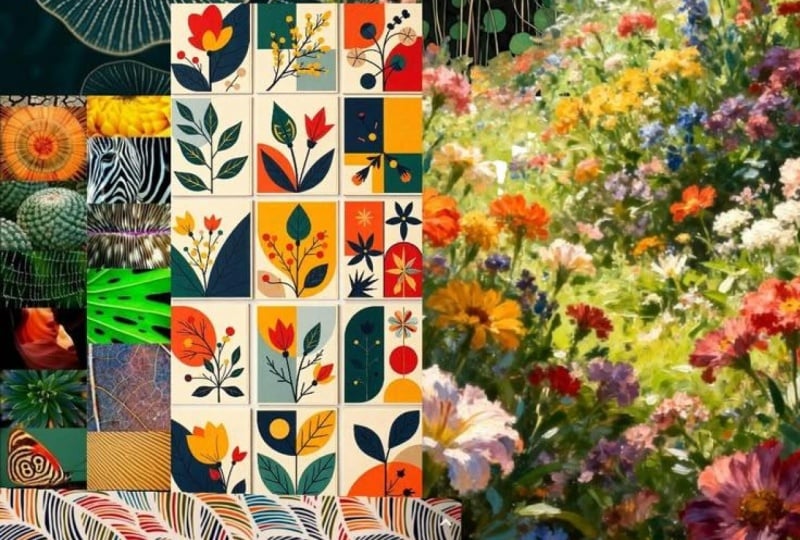
interesting starts to happen. Certain themes begin to repeat. Maybe you keep choosing the
same botanical imagery. Maybe everything
feels warm and cozy. Maybe you're drawn to bold color and playful illustration. When those images sit
together in one place, your brain starts to recognize the creative patterns
you're naturally drawn to. And those patterns are often the beginning of your
artistic direction. Reason number two, vision boards can help you make decisions. Vision boards are also helpful because they act like
a creative compass. When artists start thinking
about selling their work, there are suddenly a lot
of decisions to make. What kinds of products
should I create? What kinds of artwork
belongs together? What should my shop feel like? Without a direction, these
decisions can be overwhelming. But when you have a
collection of images that represent the world
your art belongs in, it becomes much easier
to evaluate new ideas. You can simply ask, does this fit the
direction I'm exploring? If the answer is yes, it probably belongs
in your shop. If not, it might belong in
a different project later. That simple reference
point can make the whole process
feel much clearer. Reason number three, vision boards help you
think like a brand. When artists begin
selling their work, they're not just creating
individual pieces anymore. They're creating
a creative world that people can recognize. Think about artists or
shops that you love online. Their work usually has
a consistent feeling. Maybe it's cozy and nostalgic, maybe it's colorful and playful, maybe it's calm and
nature inspired. That consistency helps people
immediately understand what the artist creates and whether it's something
they can connect with. A vision board is one of
the easiest ways to start imagining that bigger
picture for your own work. The nice thing
about vision boards is that they're exploratory. They're not permanent
and they don't lock you into one
direction forever. They simply give you
a visual snapshot of the creative direction you're
excited about right now. They can serve as excellent
touchstones to come back to. And once you can see
that direction clearly, it becomes much easier to
start building a shop, creating products, and developing artwork
that feels cohesive. We are going to turn this idea
into something practical. You'll create a simple
Etsy shop vision board that captures the style, mood, and direction you want your future Etsy
shop to explore.
6. How to Create a Collage on Pinterest: Did you know that you
can actually create collages or vision
boards in Pinterest, which is super cool. And if you create
yours in Pinterest, you can use this as your project for the class
and share it in the gallery. So I'm going to do a
quick example here. So I created my own Etsy
vision board on Pinterest. And really, what I did was I just went through
and tagged a bunch of stuff that I really liked
that resonated with me that, you know, was kind
of inspiration what I wanted the feel to
be for my Etsy shop. I have things like colors. I've got, you know, of
course, cats, animals. I have some, you know,
ideas for products, maybe it's like clothing
or maybe it's cups or mugs and just some
styles, textures. Maybe it's home decour. You know, and even
just like some motifs, I have, you know,
this scalloped lace. I have some typography
here, vintage book covers. So anyway, what you want to do is create a board on Pinterest. And then once you
have your board created and you're
happy with it, at the top of the board, you'll see a little button
here that says collage. And you can just click on that, and then it's
actually going to let you create a little
collage here. You can even write on it and draw on it and
stuff like that. But so if I want to
add something to this, let's say, and I even included some of my art
in here, too, by the way. So you can put your
own art in here. If you have your art pinned
on Pintris and you want to sell your art in your Etsy
shop, it's okay to do that. I mean, you know,
you're really trying to capture the vibe of your aesthetic and what you want your Etsy shop
aesthetic to be. So some of the stuff that I've chosen here is I'm going
to add some of my art. So I included my art in here. I have some of my
art on Pintris. I have this one and this one. Because I'm trying to capture
the aesthetic of my shop, and I'm going to be putting
my art on products. So I'm going to click on this. Once you select your image, you can either
choose Select All, which will pick the entire image without cutting anything out, or it will try to cut
out the image for you. So if you want it to do that, you can choose Add cutout. And I really like this mug here. This is cutting out the
mug. I'm going to try this. So cool. So it did an okay
job. It's not too bad. But anyway, so yeah, so I like the idea of selling
mugs with bright colors, and I have my art on here. Another thing that you can
do is if you want to move images above or below each
other, it's really easy. So on the left hand side here, you can just drag
the images below other images so you can make it a little bit easier to put
your collage together. And once you have your collage put together and
you're happy with it, all you have to do
is click on Next, and then you can add a title to and you can download it
directly from Pinterest. You can add a title,
a description. You can even allow other
people to remix it. I actually added my collage to my vision board that it came from so that it's all kind of connected
to the same thing. And then just click on Publish. And once you have it published, you can then go to your boards. So if you go to your profile, you go to saved and then you
go to that vision board. That collage is right here. So I'm just going
to click on that, and then from Pintrs you
can actually download it. So up here on the top, you'll see these three dots, and then all you have to do
is click on Download Image. And then you have your class
project that you can share.
7. Examples of Cohesive Etsy Brands: I'm not just gonna
tell you what makes a cohesive brand or a successful Etsy
shop that stands out. I'm going to show
you a few examples. Um, I am not showing
you my Etzi shops. As of the filming of this class, Etzi punishes you if you have a lot of
people browsing your shop and not buying. So I also recommend
that you do not just go browse these shops and
spend a lot of time on there. I know it's crazy, but
it does hurt people, you know, if you just
sit there and go through their shop and go through all the products and
don't buy anything. Anyway, so, but this is just a few visual
examples to show you what makes a cohesive
Etzi shop or Etzi brand. And that is really their
cohesive aesthetic. So this one is an EtzyPi. This means that
when I search for, like, you know, art
prints and stuff, Etzy has, like, picks
and they will say, This is what we recommend. This is a shop we recommend. Right from the get go, as soon as you get to this Etsy shop site,
check this out. So here is an image
of the artist, and she's in her studio
creating the art, some of which you
will see in her shop. Here's an example of
some of her art prints on wall art in a mocap. Here is her logo and her URL. And then here are more of her products
with some of her art. First of all, I love her art. But, secondly, do you
see how everything has, like, a cohesive color palette? It's like this pink
and this green, and it's a lot of
insects and flowers. And it really has a
cohesive overall vibe. So even though this is
someone who's on Etsy, she's one shop out of millions, you know, she's really standing out because she's different. No one else looks like this. And she's really also showing this is the aesthetic
or vibe of her art, and this is what you can
expect to buy from her. So you're kind of not only with your vision board and your
kind of brand identity, you're not only thinking about the kind of
art that you create, you're also saying,
This is who it's for. And these are the
products that I sell, and it all ties together. As you can see, this
artist is very successful. She has, you know, five stars. She has 15,000 sales. She's been on Etsy for 14 years. But anyway, if you just
start scrolling down, you can see all of her art. And do you see how all of
her art is very cohesive. It's all photographed
beautifully, but it's also photographed
in many similar ways. So see this image right here, which is the art print, but see how it's in a frame. And then it's sitting on, like, a hardwood floor with
some tree shadows on it, you know, in the background
kind of coming in. This is the same photo mockup. Same thing with all
these. So there's a lot of consistency here. It's not just about
beautiful art, beautiful products
showcased beautifully. All the photos or most of the photos are photographed
in a similar way. This is the same shelf with
the same shadows again. And even though this
is a different photo, it's still a room with a
white wall and shadows and, you know, but you can
still see the art, and it's in a similar
type of frame. It's in like a pine, you know, thin frame. So it's, you know,
you're really getting a sense for this brand and, you know, who this person is and what kind of art they make. And then, you know, if you keep scrolling down, you'll see more, but
you get the idea. So this is really obviously
a shop on Etsy that does well because the brand
identity is very clear. It's very cohesive. The art matches the
brand identity, and the photographs match
the brand identity. And it's everything from motifs, like cute little bugs and flowers and even this
little peach or an animal. But then it's also the colors. It's like bright,
whimsical colors. And then it's, you know,
just the aesthetic. It's like this room, okay? It's got like a vintage eraser
here and an old pencil. So it's kind of got
like a cute, whimsical, nostalgic vintage feel to it. So yeah. And then if I scroll down
here, I can see reviews, but then you can create an
About page in your Etsy shop. So it's just like the
About page on any website. But you can upload
pictures of yourself, you know, creating your art. This is her and her
family. It's very cute. But it all matches. Everything feels very cohesive. It goes together.
It makes sense. So there's no question
about who this person is, the art that they create, what the art and products are that you'd be buying
and who it's meant for. And, you know, you can have
a long statement here. You know, so yeah, this is a really, really good example of how to do an Etsy shop and
how to stand out. So when you go to the shop, you really feel like you're buying directly from the
artist which you are. And it's really got
that, like, you know, amazing, like, unique kind
of curated feel to it. Another shop that I feel like does really well on Etzy and is a good example of an Etzy brand that's cohesive is this one. So this is a little
more understated, but you still get the idea
this is an art studio. There's some, you know,
abstract flowers here. And then if you scroll
down, this is printables. So the other product or the other Etsy art store
sold physical products. This is just vintage printables or downloadable, you
know, art prints. And then what they're doing is they create
collages or, you know, sets of printable art, and then you can
just download it. And it's, you know, you can create your own wall
collage once you print them. So, you know, check this out, and the images
that they're using really capture this brand vibe. Again, this is
bright, whimsical, you know, really, you know, a cool aesthetic that feels
very cohesive and feels very, you know, like,
well put together. And it matches, you
know, the brand itself. So, um, anyway, this is basically this is
the rest of their shop, but as you can see how
they have these prints, and then they have
these prints and these. But they're all photographed
in the same way. And the way it's photographed
is this kind of clean, modern room you know, where the art really stands out, but they're all very consistent. And then they're
doing the same thing the other artist was doing. See how they the art print, and it is in a frame, and it is sitting on the floor with the shadows and everything. And there it is, you
know, the same art in, you know, the different
art in the same photo. So there's consistency. Everything you know,
works well together. Of course, it does
because you would want to use these to create collages. And then if I go down
to the About page, this person also has, you know, some information
about themselves. There's a photo and, you know, a little
more information. So you can control all
of this stuff. On Etzi. So you can really create a brand vision for
your Etzi shop that gives a vibe or a feeling to the person that comes to your
Etzishop to buy, and they know what they're going to get and they feel like, you know, everything
is very intentional. And then finally,
I want to show you one more Etzishop that I
think does a great job, and they haven't been
on Etzy that long, and they have a few fewer sales. 4.8 thousand is
nothing to sneeze at. But you don't have to be
elaborate with 1 million photos of yourself and have these
detailed, you know, graphics. You can be a simple, you know, creator that has This
is their banner. Look, it's just like a graphic with a cake. You
know what that is. And it's got that whimsical
kind of vintage feel to it. And the name of their shop, buttercream Daydream,
is so cute. It's all consistent. See
buttercream icing, right? So this is cake. So it just
has a really consistent feel. So even though they're one shop among many,
and, you know, Etzi controls a lot of the things of where
things are placed here, you still have a lot
more control over your whole brand vibe on Etzi and how your
products are presented. And then check this out.
So this person makes, like, fake cakes that
are actual products. Like, so there's
a compact mirror. There's a frame. These
are little jars. I mean, aren't these amazing? And it even shows, like, the person
creating them here. But you get the idea this
person is and this Etsy shop is pink and bright and fun and cute and kind of vintage
and kitchy and, you know, it's
physical products. And everything goes
really well together. All the cherries
and the products and the texts, the colors, you know, the brand vibe
is very consistent, and it's really unique. So, you know, this is, like, a really standout shop. There are other people on Etzi who make fake
cake products. I know, believe it or
but this person is doing an exceptional job of really standing out in the way
they photograph their art, the cohesiveness
of the colors and the layout and everything
of their photos. Yeah, then if I
scroll down here, you can see reviews. These
are all their reviews. And then they have their
little shop policies here, but they don't even have that section down
here that's like, you know, Here's about me and here's photos of my
family or whatever. And look, they're still
making a ton of sales. They're still doing really well. They've only been on
Etsy three years. 1.5 thousand five star reviews, just under 5,000 sales. That's really awesome. And they don't have anything
crazy and elaborate. So you don't have
to overthink this. You don't have to make
it harder on yourself. Once you start thinking about
your vibe, your aesthetic, your colors, what you want
to sell, you can, you know, put it together in a way that makes sense
and is cohesive, but it does not have
to be, you know, the most elaborate, crazy, you know, out there etsy shop.
8. Your Etsy Shop Vision: Now it's time for
the class project, and this is where things are
going to get really fun. Instead of jumping straight
into opening a shop, I want you to take
a moment and design the vision for your
future Etsy shop. Your project is to create a simple Etsy shop vision board. This should be one image that captures the direction
you want your shop to go. You can make it in
Canva, Pinterest, Procreate, Photoshop, or even a collage
app on your phone. Your vision board should include a few images that represent
your art style or aesthetic. And this can actually
be images of your art. If you have your art on
Pinterest, you know, or wherever you end up wanting
to make this vision board, you can include your
actual art since you're going to be putting
your art on the products. One or two types of products that you'd
like to start selling, a color palette for your brand, and this can be just the colors that show up in your
vision board and other images that
capture the aesthetic you want your brand to
have like textures, photos of interiors, et cetera. Think of this as the
creative blueprint for your future shop before
you start building it. Once you have created
your vision board, upload it to the project
gallery so we can all see the different ideas
that people are exploring. One of the best parts
of Skillshare is seeing how many different
creative directions people take from the
same starting point. And I will be looking through the project gallery to see
what you come up with. Congratulations on
finishing the class. If you enjoyed this class, I would also really appreciate it if you left a quick review. Reviews help other
students find the class and help keep me creating
more classes for artists. Thank you so much for
taking the class, and I cannot wait to see your Etsy shop visions
in the Project Gallery. See you next time. Bye.
 Carrie Cantwell, Illustrator | Surface Designer | Teacher