Transcripts
1. Dragonfly Mixed Media Class: Hi, I'm Cheryl. Welcome to the dragonfly mixed media class. Mixed media is just mixing
up different medias, mediums, paste that
sort of thing, and creating a project with it. Let's go take a
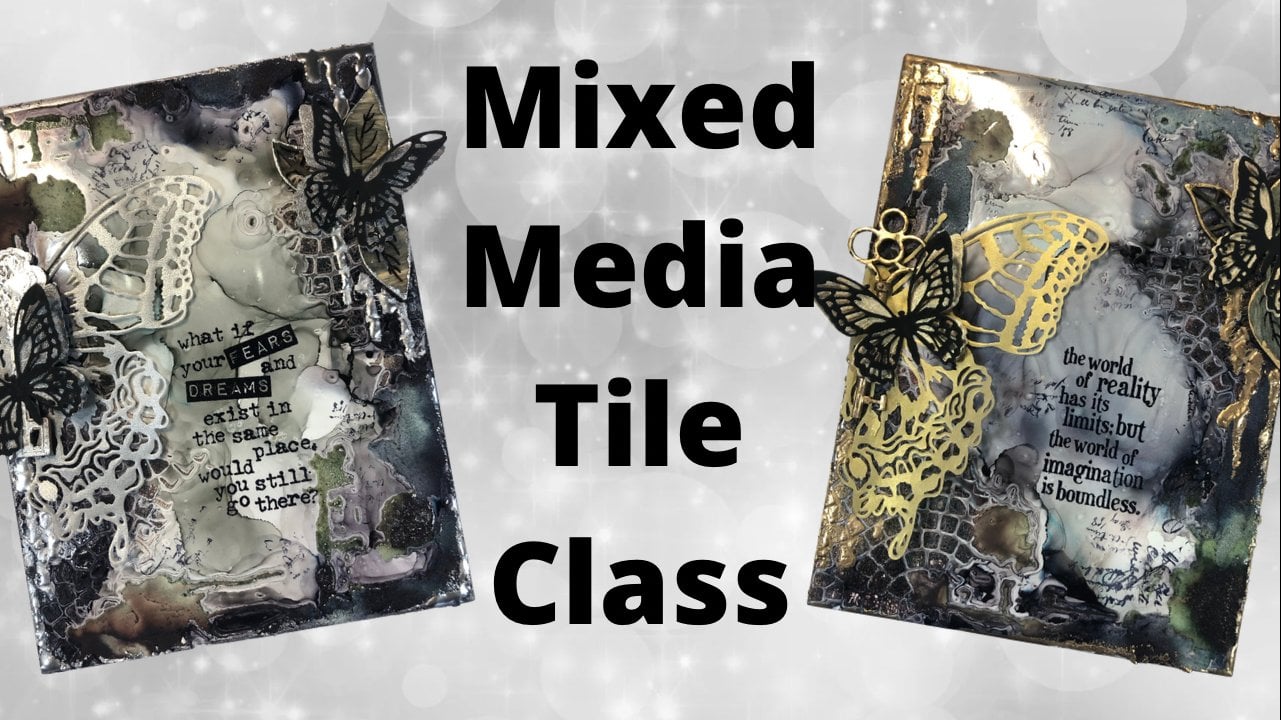
look at what we're going to create in this class. In this class we're
gonna be starting from a plain wood panel. And I'll guide you
through step-by-step on how to create
this piece here. So we're gonna be
using some gestures, some collaged medium, different dicots to
enhance your project. Different texture pastes
in stencils as well as some stamps and leafing wax. All the supplies that are
used to create this piece are on the supply list that is
included with this class. And those supplies are
also linked to where you can purchase
them if you choose, but you certainly don't have to. This class centers around
these dragonflies. You could also swap them out for different dicots if you choose, or different colors,
the sky is the limit. Now let's go make
some mixed media.
2. Adding Gesso & Collage Paper to our Art Panel: All right, so the
very first step for our project is we need to seal our wood panel and we're gonna do
that wisdom and Jess, so that's going to
give the texture, paste the sprays and everything a good surface to adhere to. Just do the sides first. I typically only do one
coat because I find that that covers it
enough for my liking. But you can certainly
do more than one code if you feel that you need it. Because there's so much
going on over top. It doesn't need to be
absolutely perfect. It just needs to
be sealed encoded. Because we are gonna
be using sprays. We're gonna be using
collage paper. We're gonna be using texture
paste and all that stuff. So most of your Jesu is not
really going to be seen, which is typically
how you want it. You don't necessarily
want your JSR to be super visible because
it's just a base coat. I'm applying a decent amount. I'm not I'm making
sure that it's not super thin because I do want to have it sealed and I don't want to see
the wood green through it. Just typically hold it
in one area so that my panels that moving
around my surface here. I'm just doing this on a
glass map because it's very easy to clean
up once I'm done. You could also do it on
like a silicone matter, whatever that would be
easy to clean up as well. Alright, so now that that
is completely covered, I'm going to leave it to dry completely before we move on to the next step is
completely dried. So now we're gonna add
some collage papers. So this is some Tim
Holtz collage paper. It just goes along with the theme of the piece
that we're creating. You could also create your own by using some permanent ink and stamping onto tissue paper
that would work as well. So I want to put it in the top-left corner, in
the bottom right corner. So what I'm going to
do here is I'm going to rip it kind of in a diagonal. If you want to have
control over your line, you can put just a thin line
of water with a paintbrush. And then you can control exactly
where it's going to rip. For this, I don't
mind it being a little bit more organic. I'm going to leave
it over the edge a little bit because I want to put it down the
sides of the piece. I've got a Collage brush
here with some collage glue. And I'm going to put it underneath where that
piece is going to go. Doesn't need to be a thick coat. A thin coat is just fine. Then lay your piece down. Make sure there's no
bubbles in it or wrinkles. Then use the collage
glue to seal it in.
3. Adding texture with Stencils & Paste: Alright, so the first
paste texture pace that we're going to add is some
translucent grit paste. So this is gonna be
a little bit gritty, but it's going to be also
a little bit translucent. And we're going to do
this flower stencil and it's gonna be behind
where the dragon fly. Is going to sit on the
canvas around the art panel. I'm paying attention to where the flowers are and trying to only put paste where
I want it to go. I don't really want to have like a half a flower somewhere. We're going to use three
different pace in this project. We're going to use this
translucent grit paste. We're also going to use some crackled paste
and then just some regular opaque texture paste. Because they all
have different looks to them and they're gonna react a little bit differently with the sprays that we're
gonna be using. So when you're putting
this paste on, you want to make sure that you're not putting on
a layer that's to fix. So I'm doing it basically even with the top of the stencil. I'm using the side of
my ninth year to do it, to scrape it clean and then putting the access
back in the container. Now, you could let
this completely dry before moving on to
the next section. But because I'm gonna put the
dragon fly in the center, I'm not really too worried
about this getting messed up. So I'm going to put my
sensible back down again. Do you putting it the
same way? You don't want to flip it
over because you've got stencil paste on the
front of this stencil. And if you flipped it over, you would be
transferring that to the background of your piece and that is going to affect it. So I'm gonna do the same
thing as before on this, I'm paying attention to
where the flowers are, where the leaves are,
and only putting the paste through the
areas that I want to see. If you're more comfortable, you could take some painters
tape or whatever and tape off any sections you don't want to accidentally get paste in. But I'm not too
worried about it. If there's an area that gets paste in it that I
don't really want. Usually there's ways
to cover it up. You're probably won't
necessarily see it. And typically, what we think, our mistakes or things that
other people don't even see. I'm going to close my paste up, lift up my stencil. This needs to dry completely before we move on
to the next step. There's any stuff on
this either you want to scrape it off
while it is wet. So this needs to be cleaned
off while this is drying. And I'll see you
back and we'll do the next next texture pane. Alright, the next type of
paste we're going to use for this project is
some crackle case. This is the type of paste. It looks regular when you
use it, it's quite creamy. But as it dries, it's going to have a
crackle effect to it, which is going to
add more texture to our project without
anymore effort. I'm putting the paste a few
different areas where I want to see a bit of
a different texture. Now I typically, when I'm doing things on a project
or mixed media or wherever I typically go by
the rule of odd numbers. So I'll put it in
odd number places so far I've got three places. I'm going to do tiny little bit up here and I'm trying
to make sure not to put it in the areas or put my stencil down where I've got some wet paste
because once again, I don't want to mess that up. Then I'm going to put a little
bit in this corner here. Then once again, I need
to let it completely dry before moving on
to the next step. The other thing that I'm trying to pay attention to as well as I don't have
any straight lines. So all of the places that I've
put paste it's in kind of random shapes so that I
don't have straight lines. Personal preference. But something that I
like to do, once again, that needs to completely
dry before the next step, and this needs to be cleaned
off as soon as possible. You don't want your
paint to dry on your stencil or on your palette knife. I'll
see you in a moment. All right, we're ready for our last type of texture paste. So this is just regular, plain, old opaque
white texture pace. So I'm not actually going
to use a stencil with this. I'm just going to put
it around some of the edges in random shapes. I don't want to have
necessarily a full smear. It's just adding
another little bit of a different texture in is, if you want, you can do
your texture patient over the side as well. I tend not to other than
cleaning it up off the side. But you certainly could if that is something that
you would like to do. Little tiny bit right in here. Alright, so our texture
paste is done once again, we need to wait for
that to completely dry. Make sure you clean
off your palette knife so that it doesn't dry on there. And then once this
is completely dry, we are starting to be
we will be ready to start spraying it with
our color sprays.
4. Adding Colour to our Piece: All right, Now our
texture paste has completely dried and we're
ready to add some color and we're gonna do the color for this piece with
some spray stains. They're just colored sprays. And being in a spray form makes it very easy
to apply the color. Now, I have this
collage paper here, and when I created a
project similar to this, I completely covered
the collage papers. So by the end you
couldn't see it. So just be aware that if you want to be able
to see this with your final project
control you're spraying. I want to concentrate my
darker colors in the center. And then I want a tiny
bit on the outside, but I still want to leave a
little bit of whitespace. So I'm going to start
with my light colors. Two of these here are
distress spray states, so they are just die based, so they're a little
bit more transparent. The one is an oxide spray
that is a dye pigment blend. So that is going
to be more opaque. You can see the sprays kind
of stay where I put them. When I want to move them around, I just use a sprayer, some spray and they're going to start flowing
around a little bit. Then you can tilt your project. If you want them to flow
into different areas. If like for instance, say I wanted that to be a
little bit wider. Again, I didn't want
the over spray. I can just take a paper towel
and dab some of that up. The gesso is going to stain
a little bit from the spray, but I can't control a little
bit and take some of it up. If I want to have a
little bit more control while moving my sprays around, I can use a brush like this. There's just a watercolor brush. And because these sprays
or just a diabetes to ink, they will not ruin
a watercolor brush. I want a little bit
more in this corner here. This one here. But again, I'm making sure not to completely cover
my collage paper. I'm going to add a little bit of the oxide spray in the center. Now because this is
a dye pigment blend, that pigment tends to
settle on the bottom. You want to make sure to shake it ahead of time and
best to shake it with the lid on so that you don't accidently
gets spray all over? Well, that was a lot lot more
opaque than I anticipated. So if you put some spray
and you want less, just dab it up a little bit. This is definitely not
neat and tidy project. This is definitely
project where you're going to get a little bit messy. Personally, it's something
that I don't mind. But if you were worried about standing your hands or whatever, you
could absolutely. Where some gloves, like I said, this is a dye spray so it will stay in your hands is only
going to be temporary. I happen to have happen
to not have a dishwasher, so I'm constantly
washing dishes. So I have my hands
in a sink of water so often that even if
I stay in my hands, it's never very long. I know it does
bother some people. I'm trying to get
a little bit of that gray color around
the edges as well, but I don't want it
to be super opaque and I want to have a little
bit of control where it goes. So I'm using my
brush to do that. Then keep in mind, our image is going to be in
the center here. So a lot of this here, you're not really going to
see a lot of detail on. I've got a thing of water here. If you want to clear your brush, that is a good thing
to have around. These will generally not move a whole lot when they're drying. They may spread like
a tiny little bit, but it's not gonna be very much. So they'll pretty much
stay where you have them. Especially if you're
on a level surface, if you're on a slanted
surface, they will. Gravity does its thing. I'm just picking up
some of the color just because I want to make sure
that I leave some whitespace. I don't want it
completely covered. That's where some water and then paper towel comes in handy. You can add a little
bit of the darker blue. Really, we're just playing
with this until we have exactly what we're wanting. And obviously this is not
something that's a precise, pristine look, mixed media kind
of looks a little bit all over the place. I think I'm going to
leave it like that. I'm happy with how things are. Now. If after it's dried, you decide that it's not dark enough or you
want something else, you can absolutely
add more sprays. But keep in mind
these are diabase, raise their water,
reactive, water-soluble. So as soon as you start
praying, spraying, you're going to be rehydrating those inks so they will
start to move again. So they are not permanent inks. If you're wanting something or if you're wanting it
to be permanent and not move once they are
sprayed or was there dried? You can use like an
acrylic spray to seal it, but they are definitely
going to be rehydrated as it is if you don't
spray it to protect it. All right. I like that. I'm going to leave it
as is and let it dry. Now, you'll see that I have my I'm Matt here underneath it. That's just kind of make
it easier to clean up. I could clean up off my glass
Matt easily enough as well. But sometimes those sprays
have a little bit of a mind of their own
and sometimes they spray off to the
side or whatever. So just keep that in mind. Some people like to
spray within a box to keep it a little bit contained and that's an option as well. There you go. I'll see
you in the next video and we'll start to create
our dragonfly.
5. Creating the Small Dragonflies: All right, so the first dragonfly
that we're going to create for our piece is this
little tiny one here. So I'll show you how to
make one and then you can make as many as you would
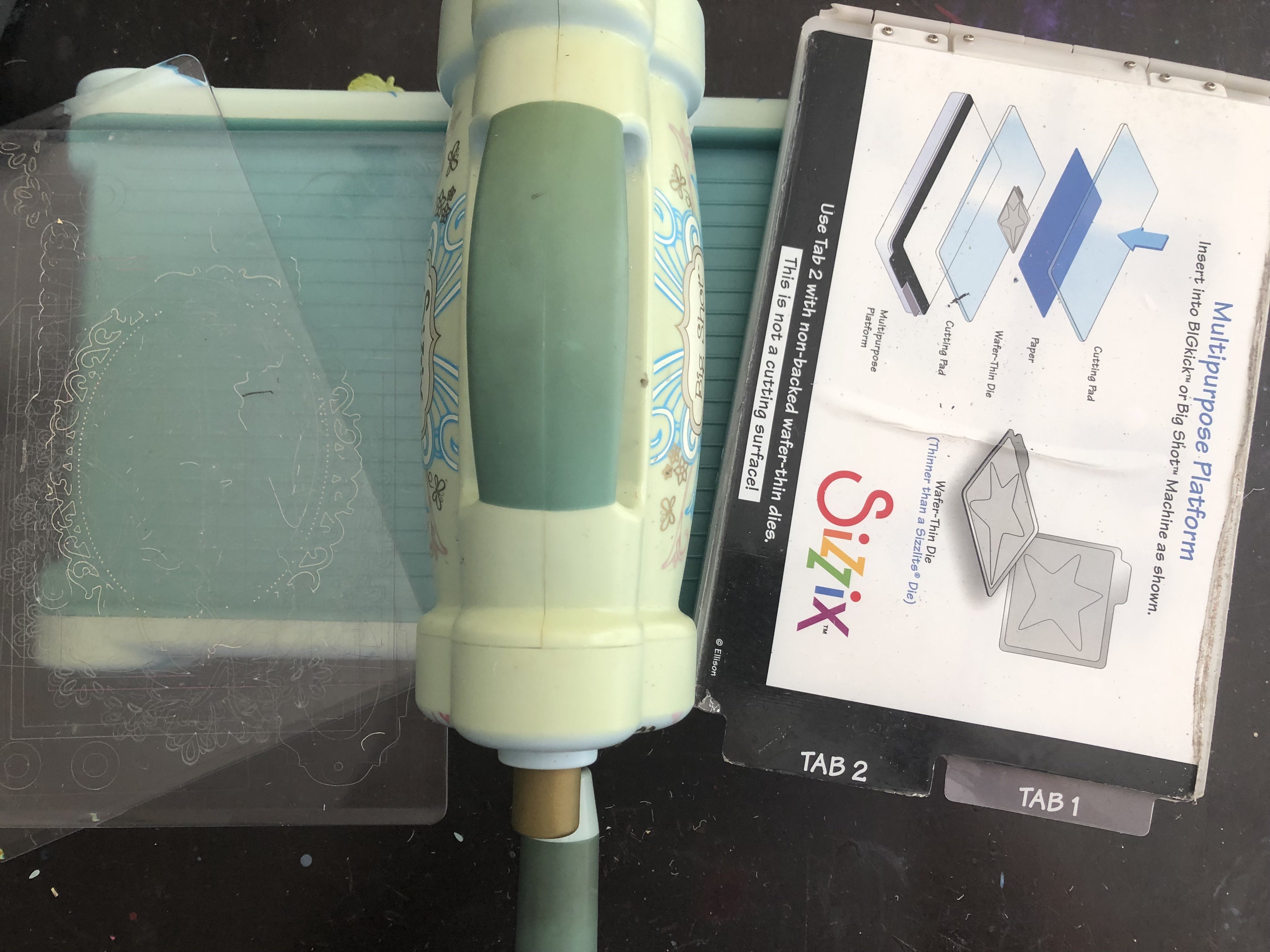
like for your piece. So I've got my dragonfly die
here is from this set here, we're just making
just the dragonfly. I'm going to cut it out
of black card stock. And then I've got some teal metallic card stock that
we're going to cut it out. Then I've got some
iridescent gift wrap, um, or like cellophane that we
are going to use as well. For the black one, I've got all of the pieces cut, but I'm only going
to use this one here for the project is going to be the base of the dragon fly. So the other two pieces
can be put aside. This is the metallic
card stock that I have. You can use whatever
color you want. If you can't find it in colors, you could just do say a silver metallic and
use it or uses silver and then color it
with alcohol ink to whatever color you choose. The different colors of
metallic guard soccer. A little bit more
readily available. Now, I'm cutting all three of the pieces
because they all come on. One die is much easier to
cut all of them at once. And then you can just pick and choose which piece
you're going to use. So from this color, this is the piece
that we're gonna use. I'm gonna set that
aside and we'll put it all together in a moment. M2, the bits out of the die, if there's anything that sticks in your diet between pieces, you want to definitely
poke them out because it can affect the cutting. Make sure that it's clean. This piece here is some of the cellophane,
iridescent cellophane. I've taken some double-sided
tape and put it on vellum just to make
it easier to die cut, as well as the fact that when I tried dye cutting the
cellophane just by itself, it did die cut. But it was really,
really flimsy. It didn't sit right on the dragon fly
when I tested it out. So this velum is just going to give it a little
bit more stability. Just going to work better
for what we're doing here. All right, I'm going to
move the machine a moment. For this one here. The piece that I'm
using is the wings. I'm going to poke that out. This piece here has a
few little bits that are inside the wings
that can also get poked out. One doesn't want to. When I put pieces out, I typically push them in with my Deepak and then I
pull them from the back. The odd time if they're not completely cut through
and it rips a little bit. If it's from the back, you don't necessarily notice it as much. I think it's in the center. It's not completely
dicot through. But we're gonna put the the
dragon fly together anyways, I'm just going to use my
scissors and cut it through. You could also just put
it back into the die, are wearing it and
put it through again. But because that was
a straight line, it's easy enough to do
it through the scissors. All right, I'm taking my
distress collage medium, so if any glue happens
to show through, it's going to be
completely clear. Putting the TOO metallic
one over top of the black. A couple of those
wings match the base. I hold it in place for a
couple of seconds just to make sure that it is secure. Then I'm going to put
this one on here. Once again, this one will need to be held in
place just a few more seconds because
it's going against the metallic card stock. And because that's non porous, it takes a few minutes for
the glue to actually hold. But there we go. There's
one of our dragonflies and you want to make as many
as you want on your piece.
6. Creating the Large Dragonfly: The next dragonfly we're
gonna do is this one here is actually a dye
called Perspective moth. But ever since it
came out to me, those wings especially make
it look like a dragon fly. I know the body is a little
bit too wide for a dragonfly, but I think it's gonna work
anyways for what we're doing. The card stock I'm using
here is watercolor paper. The reason I'm using watercolor papers once we've got it die cut and we've manipulated
it and put it together. I'm going to use those
sprays to color it. Watercolor paper. It's
not going to warp. Be. It's going to take
those dies very well and that's going to help
them blend on the paper. There's a lot of
detail in those wings, so I typically run it
through both ways. Now before I take
it out of the die, I take my tool and
one and I go like this and it helps to poke
any loose pieces out. It's just easier to do it then after it's come
out of the die. And then you can also do
it in the body as well. We can take that piece out. Any of those bits
and pieces that are stuck in there will
need to be removed. Nothing left in that die, but I want to cut that
body one more time. I'm just cutting a little
chunk off of that scrap. The part of the
body I'm actually wanting is this lower part here. I don't I'm not worried
about the top there because it's gonna be cut off anyways. There we go. Let's get the
machine out of the way. Then once again, take
this out of the dye, try to poke all those
pieces out first. You might need to depict
to help pick it out. For the body. I'm going to take some
scissors and I'm just going to cut those
wing pieces off. Then I'm going to turn
the camera off to take a moment and I'm just going
to pop all these pieces out. They should just pop right out, but I just don't want to waste your time watching me do that. So I'll be back in
a moment, right? We've got all our
pieces taken out. So now what I'm gonna do
is I'm going to extend the tail of this moth
to create a dragonfly. I'm going to cut this top one, kind of round around the body. Just so it looks kind
of like a little bit of a natural segment. Decide where I want to place it. Going to place it
right up there. So I want to cut this part here. I don't want to see any
of these bits behind. I'm going to take my
distress collage medium. I'm going to glue the two
of them together there. Now I have a little jug, jug here in a jog there. Once the glue is completely dry, I'm going to trim
that so it looks a little bit more
even and natural. And frankly, with mixed media, there's so much going on in pieces anyways
that I don't think you're going to
necessarily be focused on. That is two different dicot
pieces joined together. So our dragonfly there has done. Now what I'm going to
do is I'm going to use my sprays and I'm
going to color it. Now. I'm going to use the two
blues from the background, but I'm not going to use the oxide spray because it's got a bit of a
chalky look to it. For that part. I'm going to use some
distress ink refill. I have some in my palette here. If I need some more,
I've got my jar here. What I'm going to do first, I'm just going to spray it right onto the watercolor paper. Lighter color in the
center of the body. Door for color
towards the outside. I'm doing it fairly close to the butterfly so that I
don't have a lot of over spray and that the
sprays from here are quite targeted so that I
have a darker color here. Going to lightly wet my
brush here. 1 second. Before that, I want to put
some blue down the center of my butterfly there because
I want to get a little bit. Of blue in the body. I'm going to use my brush
here and I'm just going to put this black around
the outside edges. The body. Now I'm going to need some
more from my bottle here. Typically I don't put
quite that much paint on my palette, but that's okay. It never dries out and
it doesn't go to waste. So you can choose how much or how little of that blue you see in the center. I want to have just a little
bit of a bit of a stripe. I just want to touch it there to incorporate it into the body. There we go. All right, this needs to
dry it 100% completely. Once it is dry, we're going to glue some of that cellophane behind the wings so that we get a little bit of an iridescent wings
like dragonflies have. So I'll see you in
a moment for you when this is completely
dry and we will do that. Alright, so now my dragonfly
is completely dry, so I'm going to glue
it onto this film here that should
fit just alright, so I'm going to use my
distress collage medium. I'm just going around the edges. I don't need to glue
all the little veins in the wings just around the edges. I am going to glue it
onto the body as well. I want to see a little bit of
that iridescence in there. All right, then I'm going to lay it on here and
let it dry completely. And then once it totally dry, we're gonna cut it all out. The glue is completely
dry from the dragon fly, so we just need to cut it out. We are dragonfly is done with
a pretty iridescent wings.
7. Adding Stamping & Leafing Texture: Alright, so our drag
dragonflies are assembled. I also die cut some vellum and some card stock leaves for the dragonflies to
sit on in our piece. And I was playing around with
assembly or with layout it. But before we actually
glue anything down, I want to add a little bit of stamp texture to the back and I'm going to use
peacock feathers. It's the same color
as the spray, but this isn't the ink pad form. You could do black as well, but because you can
still see some of the stuff from the
collage paper, I didn't think we really needed
any texture in the black, but it's absolutely an option. This is gonna be subtle, it's not gonna be
very prominent, is just to add just a touch of, just a touch of touch texture. Some of it you may
not see anymore once the layout is done because the leaves
might be in the way, but I'm just going to put them in any of the
places that I think are open spaces that could use
a little bit of texture. And I think I'm gonna leave it. Do one more there. There we go. Just a touch. Now
the other thing that I'm gonna do is I'm going
to add some foundry wax. I've got some
Sterling foundry wax which will go with
the grays blacks, silver is in the piece and I'm going to put
it around the edges. I'm also going to put
just a little bit on the texture pace. This is a leafing wax that you need to use a heat gun for the leafing
to come to the surface. I could use a brush
to put this on, but my favorite tool
is actually my finger. I'm doing it for
sure around all of the corners because I want it
to kind of frame the piece. Then like I said, a little bit on some of the texture paste. Just to highlight
that a little bit. Now, like I said, it
takes a heat gun to, for the texture to
come to the surface. You want to be careful with
your heat gun that it's, you never aim it at
your bottle because it will harden rate in your bottle. You want to be careful
where your bottle with Foundry wax is while
you're using your heat gun. You can see it's going to paste quite quickly on my table. It dries really quickly. So you do need to work
fairly fast with it. If you want to
make dots with it. Splatters, sorry, you
can use a bottle. You can use some isopropyl
alcohol and I'm going to take a brush just to thin it out. Then I like to most smack
it against a brush. I found doing it with my
finger wasn't quite enough. And it's going to make
very subtle splatter. So we're not getting
in your face. Large splatters, It's just
very tiny, subtle ones. I'm trying to make sure that
they are in areas that I don't I'm not gonna put my
leaves and my dragonflies, so I want to make them a
little bit more visible. I think that's enough. This will actually just
dry rate on my brush. And once it's dry, I can just click it into
a garbage can. It will be like dust. This because I've already got some isopropyl alcohol
down in order to clean it. Just wipe it right up. So super easy cleanup. Now I'm gonna get my
heat gun and I'm going to try to make that leafing
come to the surface. Hopefully you can
see it on camera. Here we go. I'm not sure if he
could see the reaction. It goes from adult silver to a shiny silver and it does
it right before your eyes. Much like that. Much like the
reaction that happens with embossing when you're
stamping and embossing. Now, you could highlight
some of your dicot pieces, but if you wanted to do that, you need to do that ahead of time before we put
this elephant on it, the cellophane won't take
kindly to a heat gun, it'll start melting
and traveling. Just be aware that
if you wanted to put this on any parts
of your dicots, it needs to be done before
we add the cellophane to it. There we go. In our next video, we're gonna start assembling the dragonfly and the leaves in the center. We'll
see you there.
8. Adhering our Die Cut Embellishments: Alright, so in this video we're
going to do our assembly. So the first thing to glue
down is some of those leaves, and I'm only putting them
on the base of the leaf. I'm not too worried
about the tops or the outer edges
being glued down. Because frankly, I like when they it lifts off a little bit, I'm using my same distress
collage meeting that I've been using
throughout the class. Now. I'm not holding it
down for the glue to dry. So as I'm moving stuff and
putting things around, they are going to move. What I'm trying to ensure
is that I don't see any leaf ends poking out. I'm trying to put it
all towards the center. I'm trying to have them
hidden by my dicots. And I'm also trying to remember how I hadn't laid out before. The other thing that I'm
trying to ensure is that I don't have the exact same
dicots over top of each other. So this dice that has
five different leaves, and I cut out those
leaves in both the silver card stock as well as the velum. I'm trying to make
sure that I have different leaves over
top of each other. So that like I said, I don't have the exact same leaf on top of the exact same leaf. One of those things, it's
just a personal preference of mine. I want to put another
one right in there. When I was laying
things out before I had the leaf die cuts, I just found that
it needed something to lift it up from
the background. And that's what these
leaves are doing. It just gives us surface for those dragonflies to rest on. There we go. So you
can see that they are, leaf ends are lifting up. The vellum especially
does not like adhesive. That is going to happen. But once I have all of
this stuff glued down, I'm going to put something
to weight it down and let it completely dry before
we do our last few steps. The other thing I'm
doing, so now I'm pulling my small dragonflies down and I want to
make sure that they're not facing the same ways. Again, that's a personal
preference thing of mine. I don't like having everything
facing the same way, so I try to move that around. Alright, I'm gonna
leave that to dry. Like I said, I'm
gonna put something heavy on top of it
to weigh it down. These ones don't need
something super heavy, but that will do. I'll see you in the
next video when this is completely dried
and we'll continue.
9. Finishing our piece with Gloss Spray Splatters: All right, so the very last
thing that I want to add is some splatters with
some gloss sprays. Now these are basically acrylic paint that
has a glossy finish, but it comes in a spray bottle. You want to make sure that you shake it really,
really well. Then all I'm doing
for the splatters, It's just tapping the plastic. So just be careful
that you don't spill the juror while
you've got the lid off. You can see that we get
some random splatter sizes. I'm going to let
that completely dry. Then once that is completely dry, we will
add the next color. So I've got three different
colors that all coordinate, letting them dry in
between just because if I splattered some of this
while this is still wet, they're gonna start to
mix and I want them to be their own thing and
just dry in-between. I'll see you in a minute, right? So our first layer
is pretty much dry. This one here, this
larger splat is not dry, but I'm just going to do
the next one anyways. It's only been a few minutes, so they do dry fairly quickly. I'm gonna do the same
procedure with this one. Do as much or as
little as you like. I'm good with that. So now I'm going to let
that dry and I'll see you in a moment and we'll
do the third color. Now we are ready for
our third color. 1 second, let's
shake it up first. Make sure everything's mixed
up really, really well. Then exactly the same
procedure as before. On as much or as little
as you would like. If you don't like this butters, you can absolutely
leave them off. I just love the
texture that it adds. By using the different colors. I find it just ties the
whole thing together. I used to blues and a white. You could change that dark blue for a black because we
have black or even silver. But we already did this
silver with the leafing. I liked the blue with it. Now obviously that white is
still wet, but just take, take a look at, just add some
interesting texture to it. And that is our completed piece.
10. Dragonfly Mixed Media Class Thank You: Thank you so much
for joining me for the dragonfly mixed media class. I hope you enjoyed the process. Learning how to collage, how to add texture pace, how to use dicots in your mixed media projects
and enhance them, as well as different
ways to finish your products with
stamps and gloss phrase. I hope to see you soon
in another class.
 Artsy. Island Girl, Teacher