Transcripts
1. Introduction: Creative block, the
artists nemesis, hiding around the corner, trying to squash our inspiration
before it's even grown. But we do, of course, have our own artists superpower, the way we can fight back and hold our own
against creative block. That is what this
class is all about. This class is not,
I should warn you. Absolutely not. A creating a masterpiece. We're going to be
drawing like children. We're going to be injecting
a little bit of randomness. We're just going to be
exploring creative prompts that get us filling pages of our sketchbook up with fun art, sketching with freedom, and just releasing our
creative potential. If that sounds like fun, then let's dive
straight into it. No time for waiting. Let's see what we
can do together.
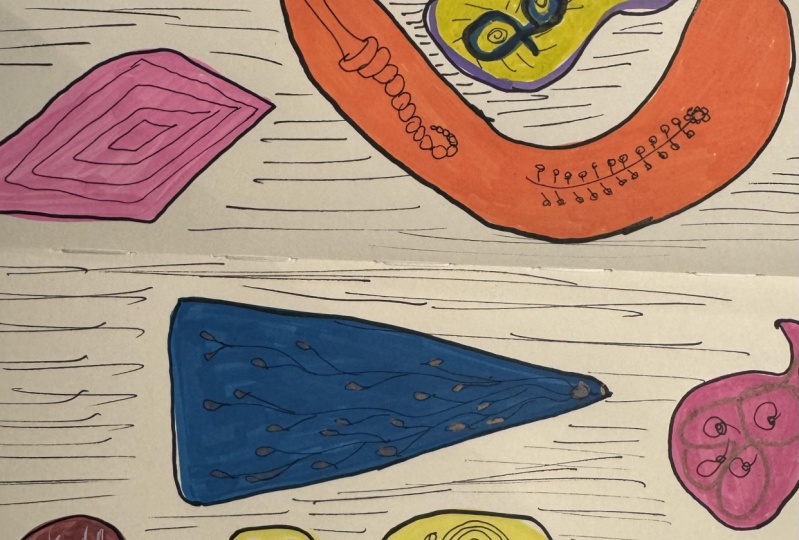
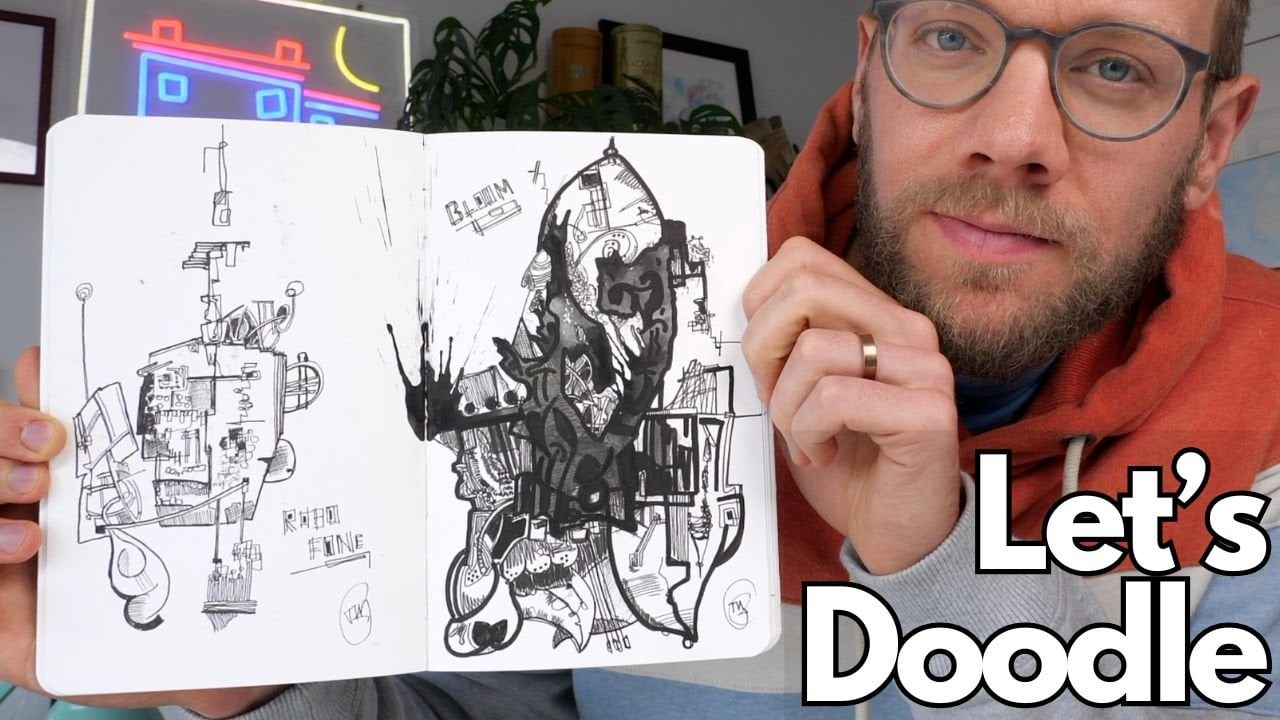
2. Supplies and Project: Today's project is to take a sketchbook and create
pages like this. We're not after
fancy works of art. We're not after grand
sort of masterpieces. The aim is to use
different forms of prompt to enable us to goodle around that prompt or that
creative inspiration. And just start our
creative juices flowing. All I'd like to see
from you is a page or two from your favorite of
these five creative ideas. Take a photo, pop it
up in the project, and also share any other
ideas you've had or maybe you want to tell me a little about how the
process helped you, or what the process
did to you thinking. Did it induce a
different kind of idea, something you'd not
thought about before. As I go through each of
these projects with you, I'll be talking exactly about
what my brain is doing, or I was thinking the
tangents I went on. And that's what I'm hoping
that you get from today, little creative
ideas and prompts, which let you take those
creative tangents, try new things, and
have a bit of fun. We'll be using all sorts
of different pens today. And the reason is because
I just wanted to use them, and that's part of the fun. So I'm using simple
things like these. These are colorful brush markers and colorful fine liners. I'm also going to be using feo these Posca pens and other
types of acrylic marker, profin, big form, and I've got a little array of
smaller ones as well. These are relatively
fine posca markers. One of the things I'm
most excited to play with are magic pencils, AHL. Magic. They've got more
than one color in the lad. They're chunky, easy to
use, easy to draw with. And we just see what they do
to our creative processes. I'll be drawing in
my sketch books. So mostly in this sketchbook, which is actually just really cheap sketching
paper, nothing fancy. You could use copy paper, you could use watercolor paper. You could use anything you want. Certainly, do not feel tied down to the
materials I'm using. I'm using things that I haven't used much because I
haven't used them much, and I want to try things out, experiment, and feel
creative as a result. And that is what I'd
love to see you do, if that's what you want to do. Or if you want to focus
on your favorite medium, which for me would be ink and watercolor and
adapt these ideas, that is also what I'd
love to see you do.
3. Big nib, bold colour: It is time then to get
your sketchbook out, get your pens out, and begin our first little
sketching exercise. And we're going to
start by writing our intention because when we're in a bit of
a creative block, just literally writing
down what we're going to achieve on this
page can be really helpful. So the aim of this particular
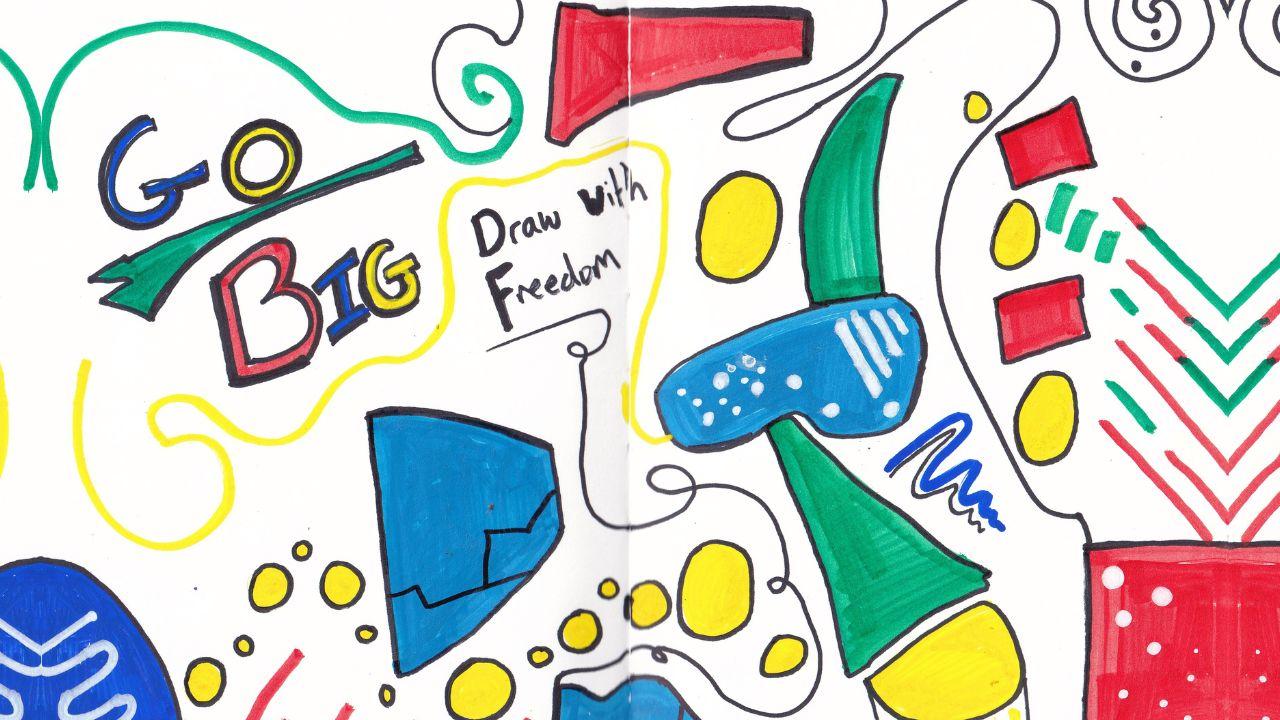
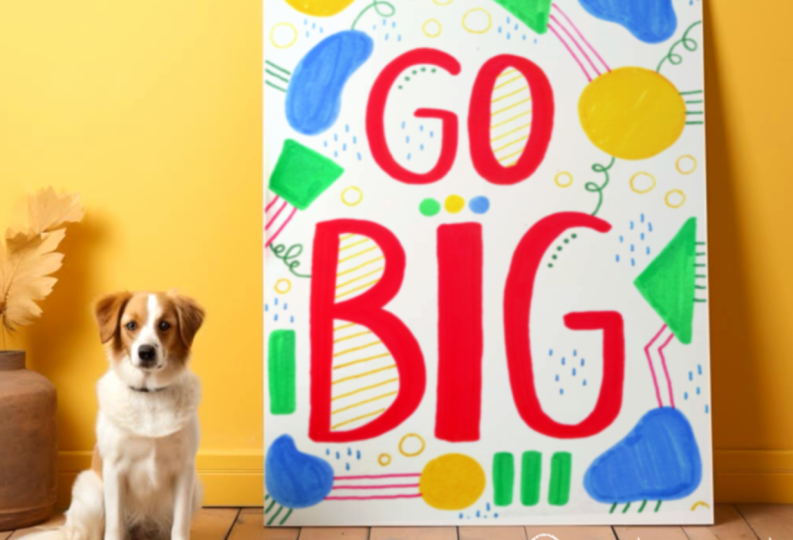
lesson is to go big. So we're going to fill a double
spread of our sketchbook, but we're also going to
be using really big pens. I just so happened to be using acrylic markers in a couple
of different brands. The most well known of
which is Posca pens, and we'll be using
different things in each of the lessons. The first thing I'm going
to start by doing is just blocking in bright colors, using my go big, my intention to create my first set of artistic feeling colors
on the page in shapes. And then we're going
to delve in a little bit more just drawing shapes. So I'm going to pick a
first couple of colors, and each color will have
its own kind of shapes. This lovely light blue has
more kind of fluid shapes. I couldn't really name them, but they're just
exploring on the page. Then we pick
something else green. And why not make that into
sort of triangular shapes. And then the yellow
in two circles. Now, this one, I can explain. My brain has gone Yellow, sun. That's a circle, and it's
what I've done on the page. Red, spiky, square, sharp, making silly little
connections like this. That is all we're trying to do. Ways that our brain
wants to be creative. We're going to let
it be creative. Having filled our page with lots of different
blocks of color. We can start kind of
connecting things. More of our shapes
might emerge as nice little runways and lead
in to fill up the page. But also, you might find coming
back with your bold pen, and this is just a simple sharpie a simple
permanent marker. And creating those outlines
suddenly connects everything. It suddenly gives everything
a shared feeling, similarly to processes
you might use if you're doing line and wash or
other kinds of sketching. So just take your time, explore the page and
see what happens. There is nothing clever
about what we're doing. We're just allowing
different processes to work in a kind of mindful
way in a kind of loose, quick, expressive way, some way that doesn't
put pressure on us, when we're here lacking
that creative spark. Don't forget our words. We can make those feel a bit bolder now that we're
feeling more confident, we might find it wasn't
as neat as we wished. And then take a step
back, change your view, and you might find you
have bits of space, and you can find other
ways of filling that. We've been playing with lines. Let's try other lines
in different colors. Let's try connecting
different colors of line together as well.
There are no rules here. There are no mistakes.
There's nothing that you can do to go wrong. It is just about
exploring and filling up that page in whatever way
just feels right at the time. Don't forget the
whole idea here. The whole concept of
what we're doing is to break out and feel a
little bit of freedom. You might want to layer. You might want to make this
quite a complex thing. I'm just using a few
little dots of white here, but you could imagine popping
some other colors on top, creating shapes within shapes. There's so much you could do and just fill this page
with something fun, something abstract,
something interesting, doodles, which take
on their own life. Again, you might want to restate your
intention if you find that helpful and
what I'm trying to do is draw with freedom. And we can then remember that intention and take
it on a little more. So let's fill up
more of that space with free form, free lines, doodle lines, lines which
just swirl and connect and go through gaps and Make us
feel a little bit happy. Ma us feel like our
intention is working. And hopefully, through this, we just get into the process
of using our materials. We get into the process of
being a little bit creative of adjusting things in a
creative and artistic manner. And before you know it,
your creative block might just start to dissolve. Don't forget. Colors
can be fun as well. Bring out those
bright bold colors. Keep playing, keep filling up page after page if you want. If this exercise is
working for you, if it's bringing you
a little bit of joy. Then go for it. You don't
need to do anything else. You can just have fun and
create beautiful vibrant pages. For me, I find it
quite useful to go back to solidify
some of my work, to create little changes, little artistic touches,
neaten it up in places. All of that is part of the
normal sketching process. And before you know,
you'll be done. You can slam that pen
down on the side, give yourself a big
thumbs up and relax. And just revel in the little bit of creativity
that you got for today. If you want, of course, we can now jump into that next lesson, where we'll be creating some
characters drawing like a child with the freedom
that that gives us.
4. Draw like a child: Time to grab a new page
in our sketchbook. And any old pen, I'll use the same acrylic
markers to start with just to get fun bold lined. But now we are drawing
like children. And what on earth
do I mean by that? I know what you're thinking. Toby, you got mad. And yet, a little bit. But what we're talking about is having that freedom and that lack of self critique
that children get. We may not remember ourselves, but remember when your child. When your niece or your nephew, perhaps your grandchild, comes and gives you that
drawing of you. And it looks nothing like you, but they are so proud. Well, we are channeling
our inner child. So let's get started. The idea is to draw as you feel, not drawing anything
too specific. So here is a shape, perhaps this shape
becomes a person. It becomes a head. There is a suggestion
maybe of a nose, but really it's a
free form shape. The next thing going in
my head is we're going to maybe play with
the idea of a head. So let's pop a t
shirt on the page, making it rough and ready, big, just like a
child might draw. And then let's go for it. Let's make some characters. I'm just going to pick
some random colors here's a purple eye
because why not? And a little nostril. That just sort of where
my brain jump to next. What else might we
want with our purple? Well, why not? Some hair. We've got a little
mohawk, perhaps. This is a punk man, a little punk character. Or perhaps it's a punk lady. Who knows? We will
find out at the end. And that's the glorious thing. A couple of green arms and legs, and it felt a bit lonely. So maybe we should give the arms and legs some trousers
and some sleeves. And then within that, we can get a little bit
more shape with some pink just to start to bring
out some highlights or, you know, whatever else
you might want to do. Here's some hatching,
because it felt a bit empty, and suddenly with a
bit of pink hatching. It doesn't feel
so empty anymore. I like what happened
with that hatching, so let's jump in
with some yellow and just fill up some of the page around our
developing character. And maybe they can
be standing on some cobbles or some seeds or could be anything,
couldn't it? Doesn't matter. Just let
your creative juices flow. There's no mistakes, A
just little bits of fun, which will add
something different. You can see there's
all smashes in mine, I eating them up, and then
move on to the next one. So let's do something,
same, but different. Maybe this is a little pair of characters who
know each other. But I'm going to try
different colors. So pink T shirt, obviously, red, blocky legs. And then that got me thinking, maybe this is a robot
or a robot alien who's trying to disguise
themselves as a human. So they've got their robot
arms, their robot head, their robot legs sticking out of this lovely pink t shirt. But how would they most
wonderfully disguise themselves? Of course, by having a
brightly floral t shirt? No. So let's draw
some pink flowers, criss crossing all
over this T shirt. Absolutely the
perfect disguise for our burgeoning alien robot, or whatever madness is overcoming our brains
at this moment. And for you, it
could be anything the shape you started with. The processes which your
brain just felt it could do at that time may have given you something
completely different. I thought, I'll try
a smaller postapan. This is still an acrylic marker, just to do a little face. I wanted our little chappy here to just feel a
little more friendly. So I've given a smiley face and some little lines on top of that just to make it a
little more friendly, a little more personable. No longer are they
an evil alien, now, they are some kind
of friendly alien, just trying to make
their way in the world. Using some yellow
against the red. Because why not? Because
that's what I picked up, and I just wonder
what would happen. I don't know what
it means. And I don't need to know
what it means. And you don't need to know what the marks you make mean either. Just be creatively free
to do whatever you want. I like the hatching before, and I want to just
explore ideas like that, but I don't want to
copy what I've done to trying hatching this time in a different pen and
in a different way. So this is much
bolder. Broader marks. Perhaps continue these idea of bolder marks by boldening
up some of the edges. This also has the advantage like before of neatening things up. These bolder lines, let
us neaten things up. And whilst we're
there, without a bow. Again, why not? All of these ideas are just about letting yourself
do what you want to do. Continuing along, I felt these green marks could be a little bit more interesting,
so we'll come back. We'll make them a bit bolder and give them a little
bit more texture as well. Of course, the last
thing we need to do is just name our characters. Here we have Burt, and
perhaps we have Betty. I said it could be a man, I
said it could be a woman. Next, we're going to do
something a little more random. You'll see what I mean
in the next lesson, but it has the opportunity
to be quite fun, and for all of us, very unique.
5. Random words: Now, before you get
your sketch book out, you have a task. And that task is just to
go to Google and type in random word generator. And that way, we're
each going to have a little unique
word to play with. The one I've got our
popper linked to in the project
description below. Now there are lots of ways to make this more or
less interesting. We're going to start on
what I'll call easy mode. So I'm choosing a noun, so we're going to
have some kind of object hopefully to draw. And then I'm going to pick any letter
and a few syllables. And what do we have?
We have analysis. Interesting. So let's see what we can do to draw
analysis. I'm not going to lie. I was hoping for
flower or maybe house. But when you are faced with
something completely random, it makes you think
outside the box, and that's exactly what I'm so excited to do with you just now. So I'm jumping in here with
what I called magic pencils. You might have heard
of these. I'll, again, pop a a link to some
in the description. And what they are is
just big chunky pencils, which give you more
than one color when you draw with them. And I'm just drawing
the first thing I can think of when I think
of the word analysis. And that is, of course, a graph. And then because we're
talking about creativity, I pop creativity on one
sort of aspect of it, and then on the other,
I'm popping coffee because I'm always
thinking about coffee. And that's exactly what we want to be doing,
not necessarily. Thinking about coffee, but we want to be drawing
what we think. We want to be drawing what we feel when we are
thinking of this word. Our random word generator is
just the tip of the iceberg. It's how we get started
in this process. It is the way that we
start brainstorming ideas. So, what else do I think of with analysis
rightly or wrongly? At test you jumps into my head with a little
flame underneath it. And then Maybe there's a mad
scientist staring at this. A mad scientist, of course, has mad eyes and pink
glasses and a pink nose. Now, we're not worrying about this scientist looking
like a real human. We're just getting
ideas fun on the page. I'm flipping between
different pencils to give even more
variety in the color. There's no rhyme or reason
to the pencil I'm using. And there doesn't have
to be rhyme or reason to the pencil that I'm using
or that you're using. From that flame, came a trace, which looked a bit
like a heart trace. Then let's draw some
hearts underneath it as well. Is that analysis? I don't really know, but
it's not important to me that everything I'm doing
is factually correct. What's important to me is that I'm able to just go from idea to idea to idea and keep going and feel good
about what I'm doing. A computer is an obvious
thing to add to my trace. But before you know,
I'm halfway there, halfway filled up on my page. Let's play this game
on intermediate mode. So instead of a now, we'll go with an adjective. Adjective might enable us
to be broader in our ideas, but it's going to make us sort of have to think a little
bit harder as well. And what do we get fluttering? So let's proceed. Now, actually, fluttering, I don't mind. I thought this might be a lot more challenging,
but fluttering. Butterfly. Wonderful. And
then it's raining today. And let me explain where
this tangent is going, but it's raining today, and our washing is hanging out. So obviously, that's on my mind. Should I have taken in,
do I just let it dry. But then that makes me draw some washing lines sort of
attached to our butterfly. Again, a bit of a tangent, but a fun way to
fill up the page, a fun way to gain an idea that makes something
interesting in our sketchbook. Around that, we can
doodle some leaves. We can add some hatching. We can sprinkle on some
colors here and there. Maybe and I'm not sure if this says something
about me or not, but maybe that's my
face on my T shirt. I don't have many t
shirts with my face on, but maybe this is my dream, where I have lots of
clothes with me on them. We'll leave that
one to one side. Next, all we're going to do is continue to fill our page
just like we did before. We can just disregard
at this point our random words or we can find another random word. We
can do whatever we want. I want to make this page more interesting by filling
it with textures, touches of color, going back and neting up
different aspects. And before you know, it's another time for
another thumbs up, and we filled another
page with a simple idea. And hopefully, you're
getting the idea here, which is undoing
that creative block, dsolving that creative block
is just about allowing your brain to go from
idea to idea to idea. And before you know it, that creative flow
becomes inspiration, becomes your next masterpiece. With that in mind, let's
jump into the next lesson. Where we'll be doodling
around our day.
6. Journal your day: So another lesson, another
page of our sketchbook. And this time, I'm
going to start with just a nice soft nibbed pen. And we're going to be journal doodling for one to a more
professional term, I guess. And the idea here is that
amongst the everyday, amongst what happens to us today is actually a
lot of inspiration. And we can just
journal about our day. So today, it's Tuesday and
there it is on the calendar. And at 7:00 A.M. What did I do? I got up, like I do every day, and I walked the dog. So we can draw a little doodle visual
representation of this. Now we can imagine the page
that we're going to build as the kind of
conversation you might have with your husband or wife, or your mom or dad, explaining what
happened on one of those days where
not a lot happened. I might go, I know I was out
walking the dog and my word, did it start raining?
And it really did. We've covered this
already when we went off on that tangent
about the washing, which is hanging outside. But it's another opportunity to create a fun visual
representation of a cloud and some rain. Hey, I got home, and I'd been wearing
my welly boots. There's a big rubber
boots in the UK. I'm not sure if they're
called the same elsewhere. And I had to leave
them in a big heap at the front of the door
because they were filthy, and I did not want Tash, my wife shouting at me
when she gets home. And then you go little visual
representation of my boots, a little bit of
green hatching to imply that kind of muddiness
and dirtiness, as well. And then the day really begins because I get to waffle
on about coffee again. So this morning, I
had a mocker pot, which is a fancy, not that fancy an old
fashioned way of making very nice coffee and a
lovely thing to draw. One of my favorite
things to draw. And here's an excuse to remember that this is one of
my favorite things to draw. And if we're trying to get for creative block
or feel creative, draw the things
you love, because that is what will inspire you. In the middle of this page, I just want to fill this gap. I want this page to
feel fun, feel alive. And I'm going to draw
a little coffee, Mike. Just fill it with a
couple more words about my day as well. Proceeding like
this, we can dance around the rest of our
double page spread, talking to ourselves, showing our viewers the
monotony of our life, which actually is not
that monotonous at all. Actually it's full of little
inspiring things to draw. Here's my shopping, lots
of vegetables, some fruit, and a bar of chocolate because that's what we did not
have in our house. It probably tells you a
lot about what we cook and a lot about
what we snack on. Again, we can break out from traditional facial
representations. It doesn't have to
just be drawing. Here's my endless shopping list, which actually wasn't
that endless today. We can play with the idea
of what colors means. The stuff I did get,
there's a green tick. Well, a nice fun way
of exploring our day. Then I am sort of
starting to realize I've told you a lot about what I did today on a Tuesday work day. And at this moment, I've not
said I've done any work. So I should point
out that I normally do try and start work
actually about 8:00 A.M. When I get in from
walking the dog. And today I didn't. Today, it was gone nine when
I actually started working. So a little visual
representation of that. Another creative way of
exploring what's happened. Open my computer, turned it
on with my little on switch, 50 e mails, which I
get a lot of e mails, but 50 on a Tuesday. Means I've probably done
something somewhere that people are trying to tell me politely that I've
made a mistake. So having done all of that, time has flown by, and I've not really
got on track. And again, my brain lets me
move to another silly idea. Flying pigs, because
flying pigs, flying time. There's a connection
there somewhere, and it doesn't matter if it's a sensible connection or not. It's about allowing your silly, creative connections
to break out. Here's my idea of saying, look, finally, 11 30, I'm going to start
being creative, and I do that with
creatively colored letters. What's creative in my day? Well, often it is getting my camera out like
I am just now, getting my sketchbook out, doing lots of sketches whilst filming them,
talking about them. And creating a bit of art and creating some videos.
And there we go. That is what I did next, I created a few sketches
in my sketch, but which, of course, have
made up this class. And then I got another coffee. And here it is, me
sketching with my coffee. Go, of course, written on
the easel as a reminder, not just to myself there, but myself right now to just
keep going and be creative. And actually, if
we allow ourselves just to move a little bit pace, if we don't judge ourselves, we'll fill up that page
and have a bit of fun. And again, like the others, we can go around, we
can net and things up. We can add a little
bit more color. Before long though,
it's going to be time to give ourselves
A other thumbs up, little bat on the back,
maybe get my worryingly, what's probably my third or
fourth coffee of the day. And then we can move on to our final little
sketching project, where I'm going to be
turning over there, looking out the window and
seeing what we can make of it. But with a twist, with an abstract fun twist.
7. What's out the window?: Now, if you have any
unused supplies, things you want to
just have a play with. This is the final lesson, and it's your opportunity
to have that little play. We're going to be looking out of the window, drawing what we see. So start with a
rectangle a square. Perhaps your window
is even circular. That is your starting
point for your view. And then just observe
what you see. Looking out of a window, often the perspective is awkward. The things out there, we're looking down on them. We're looking to
the side of them. There's a long view. But we're going to
ignore all of that. What we're going to be
doing is abstract shapes. Let's start with the
houses, I can see, and the pavement that
sits in front of them, simple shapes, ignoring
any perspective and just drawing
them as flat shapes. There's a fence and
a bush to the right. Got that in now.
And behind that, there's actually loads and loads of houses,
into the distance. I can probably see ten roofs, but I'm just going to draw one. Looking down, we have our car outside my
window. Call him Cedric. He's an old anda. He's got a very
funny bubble roof. So I'm going to
take those ideas, and I'm going to
make it so simple. And I'm going to
ignore perspective. I'm just going to draw
what I want to draw. Next door, we've got a
well, on both sides, we've got neighbors,
but next door, my neighbors happen to be
outside at the moment. Now there are two Russian doll like people, simple shapes. There's also a telephone pole, which I'm going to turn into
a lamp to make it easier, and I've got a fence with
awkward perspective. Not going to try
and get it right. I'm just going to draw
a fence like shape. And on top of all that, I've got my lovely curtains, and I'm going to put those
in as well. More shapes. Look at this scene, as we build up the
things on the side, a little frame of art on the other side,
my filming camera, which I'm staring
into right now, everything is just
really simple shape. I assure you the perspective
is completely off, and yet it feels okay. And we'll have the opportunity
to add more line later. But next, I want to dive in with some of
these brush pens. Brush pens I haven't
used very often, but apply lovely soft color. I'm just going to ignore any preconception about what
each of these shapes is. Instead, I'm going
to color them in. In effect, we get these squares, triangles and circles
of different colors. Is a pink one for my neighbor, a pink one also for the wall
at the back of this house. Just jumping between. Instead of focusing on what
each shape might mean, I'm just focusing on what color do I think might look
nice in which shape? It doesn't matter if it
becomes really abstract. It doesn't matter if it
becomes really realistic, which is, of course, quite
unlikely with my needling. As we move around,
we might start wanting to create color
in different ways. Instead of just blocking in, you might find that you're
interested in textures, so we can use fine liners
and brush pens to hatch. Again, focusing on hatching in shakes and not worrying
about what the color means, just the visual impact of it. Again, I said, we can
come back with more line. Now I've got a bolder pen. This is a soft nibbed fude
pen instead of a fine liner, we can go around and just
recapture some of those shapes, has the advantage of
neatening things up. It can imply shadows if we
want around my camera there. But it's just an opportunity to refine those shapes to
explore being a bit abstract. When you're ready jump in with more color if you
feel you want to, or if you feel your
image needs it. So reds, both blocking it, also, providing a little sense of hatching, more
abstract textures. They don't mean anything, and they definitely don't
have to mean anything. They do not have to
represent anything. It's just a way to explore being creative and taking creative decisions
in a risk free way. And yet, as I take a step back and look at the actual
recording of what I've done, I can recognize this scene. I can recognize
it, but I can also see that it's free and abstract. And I can remember that I
had a lot of fun doing it. The last thing I'd like
to do is go around a lot of these lines and bring
back the boldness to them. That will allow these colors to just pop out a little bit more, and hopefully make a fun piece
of a fun sketchbook page, just that little more bright, that little more pozazi, that little more happy and it will show off our decision
making that we've been through as we've
picked random colors or relatively random colors
for different shapes. And before you know it, just like with all
our other scenes, with all our other pages
in our sketchbook. It's time to give
ourselves a big thumbs up. We've been through
drawing like a child, using bold colors, big shapes, towards gradually more
representative stuff, although sticking strictly
to abstract representations. You know what? I've
enjoyed myself. And through doing this, I've explored loads of
media through doing this. I've given myself
the opportunity to expand my horizons to try
things I wouldn't normally. I hope that you've had
the same opportunity.
8. Final thoughts...: There you go. Five creative
ideas, five creative prompts. I do hope that you've
enjoyed them that you've filled up pages and pages
of your sketchbook. Perhaps experimented
with new things, perhaps experimented with old, but most importantly, got
into that creative flow, and that creative flow
is what leads us to feel inspired and
naturally to create, to be doing what we
really want to be doing. If you've enjoyed this,
please do leave a review. It means the world, it really helps me know what
I'm doing is useful, as well as spreading the
world to other people and getting more people enjoying
themselves with creativity. Can also find me at
Toby Sketch Loos, on Instagram, on YouTube, or on Sketch Loos dot come UK, which is my sort of
personal sketching website. Let's call it. Of course, on Skillshare, I have
tons of classes as well. If you want more doodling, I've got a whole doodling series that you
could join in with. If you're looking for ink and watercolors or other sketching, it's all there on my profile, just waiting for you to join me.
 Toby Haseler, Urban Sketcher, Continuous Lines