Transcripts
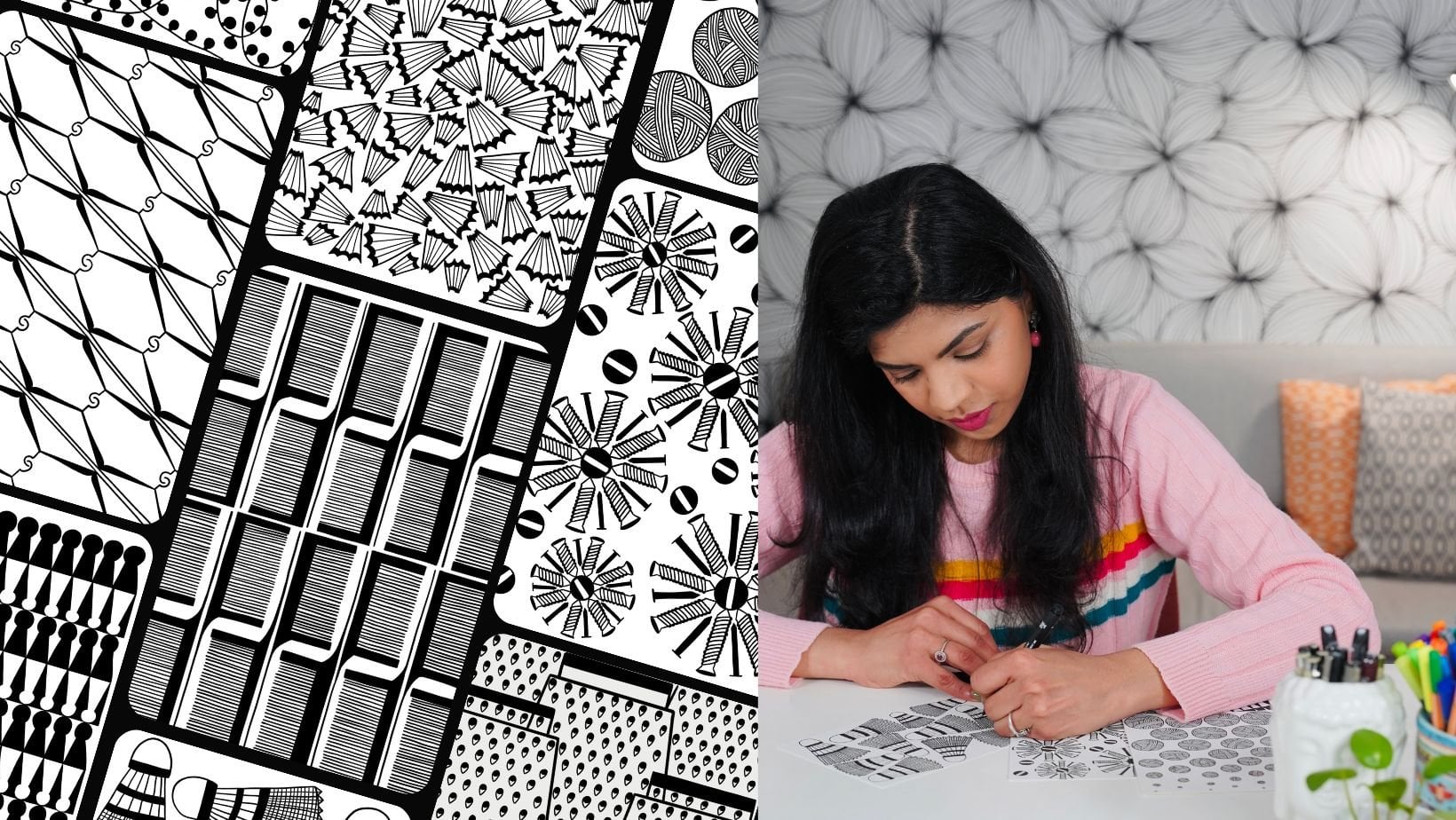
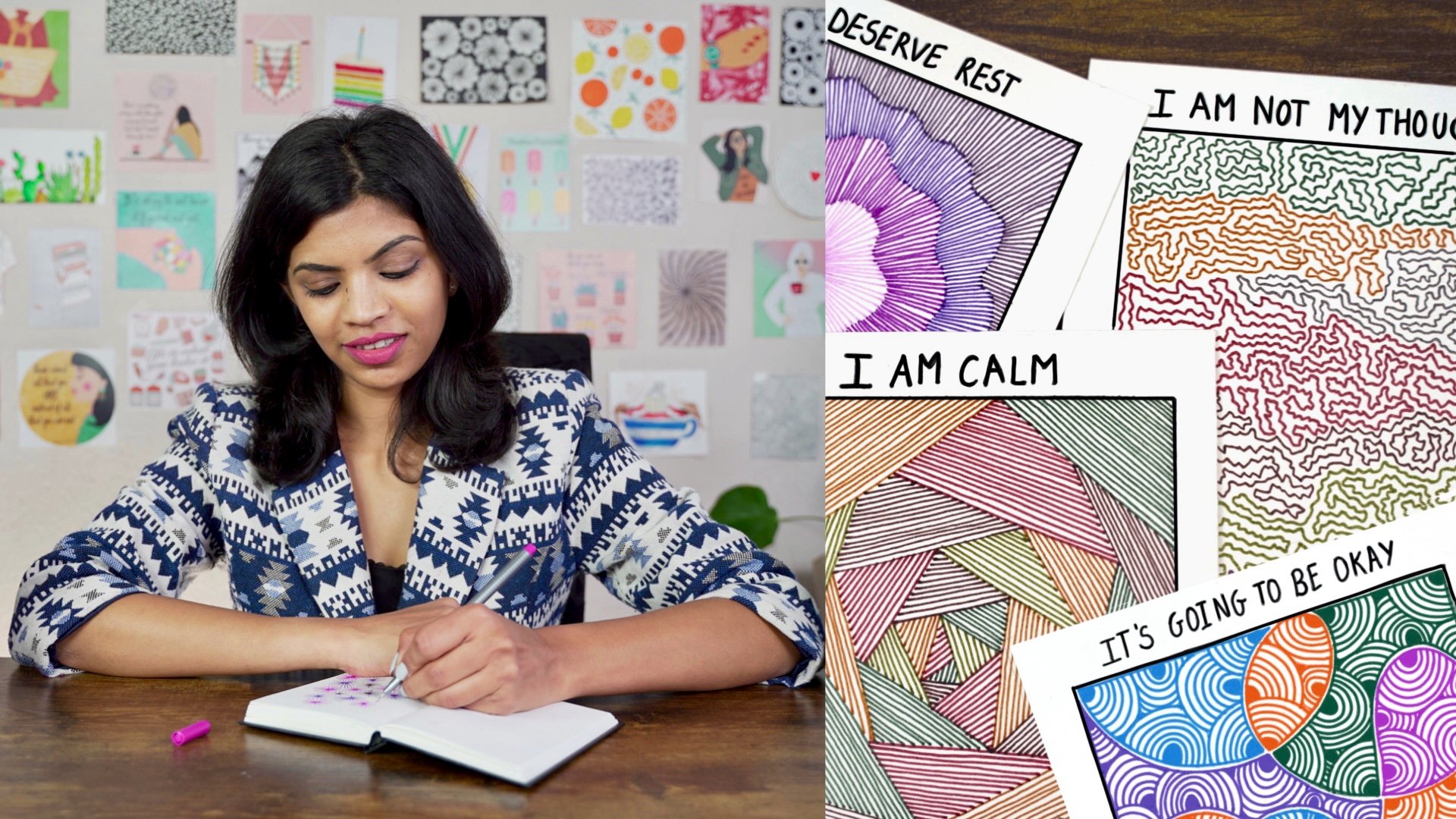
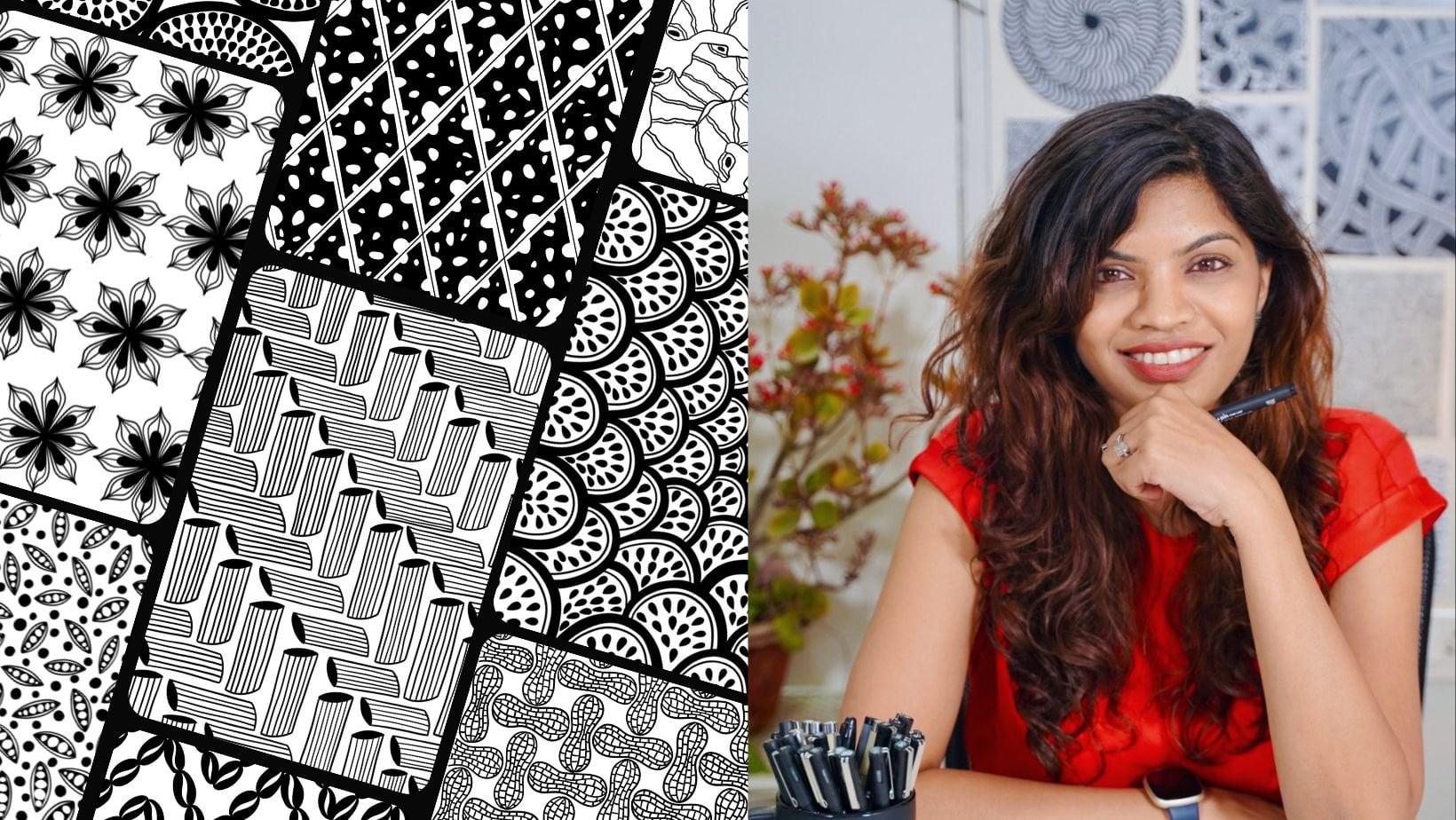
1. Introduction : Hi, I'm Neha. I'm an artist, creative well being educator, and a top teacher
here on Skillshare. A few years ago, during one of the lowest phases of my life, I picked up a pen,
not to make art, but to meditate and to feel
a little more like myself, though I never imagined that my little personal practice would connect with
so many of you. Thousands of you
joined my first class. You drew between meetings
while dinner cooked, sometimes with your
morning coffee, sometimes with your
late night thoughts. Your beautiful projects,
heartfelt reviews, reflections and
stories showed me. But there's a deep
need for calm for creative mindfulness and for ways to express ourselves
without pressure. That realization inspired me
to study and explore more deeply the intersection of art, mindfulness,
and psychology. And now, after years of teaching and
growing in that space, I am back with Part two. This time, we will draw
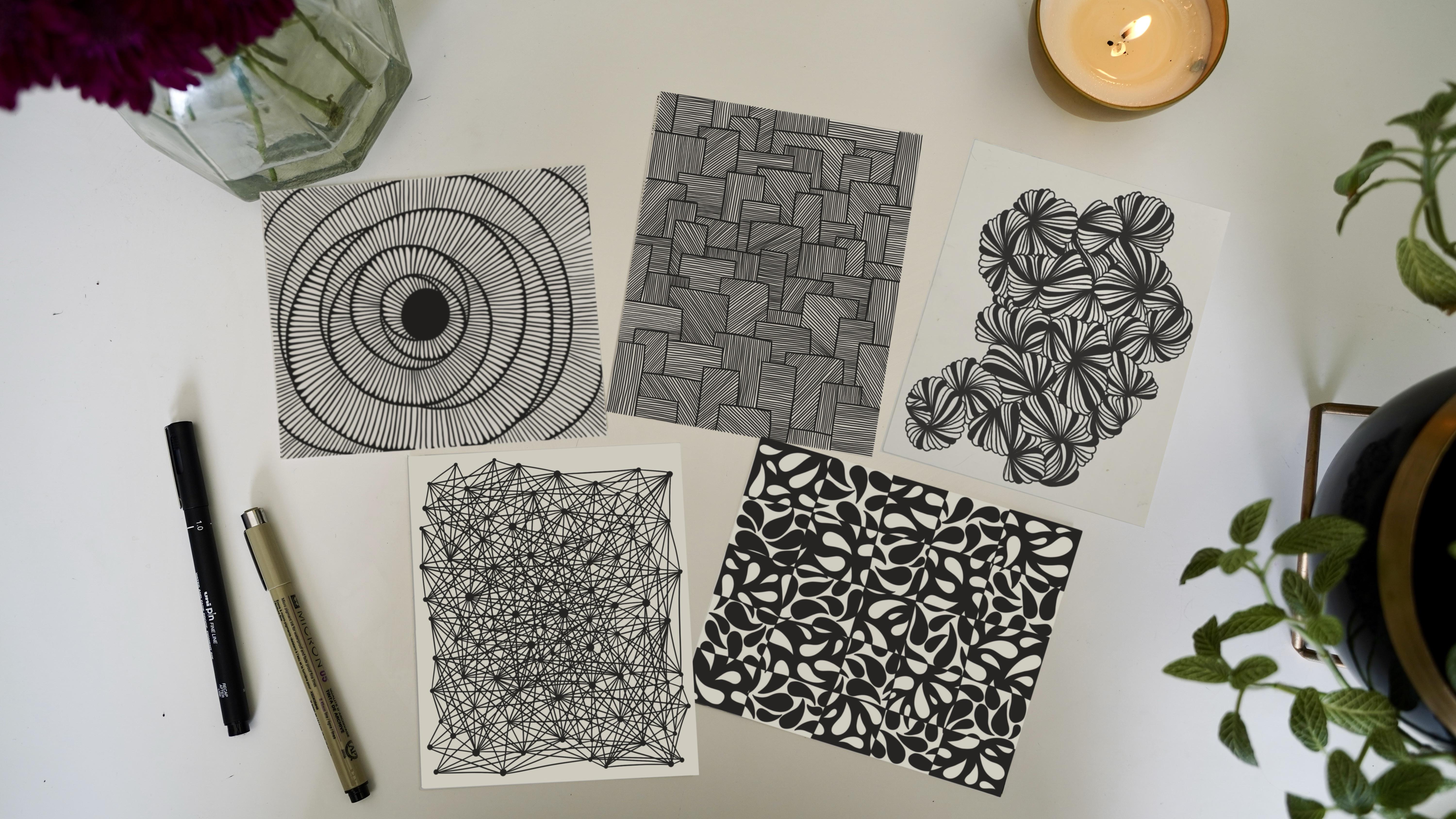
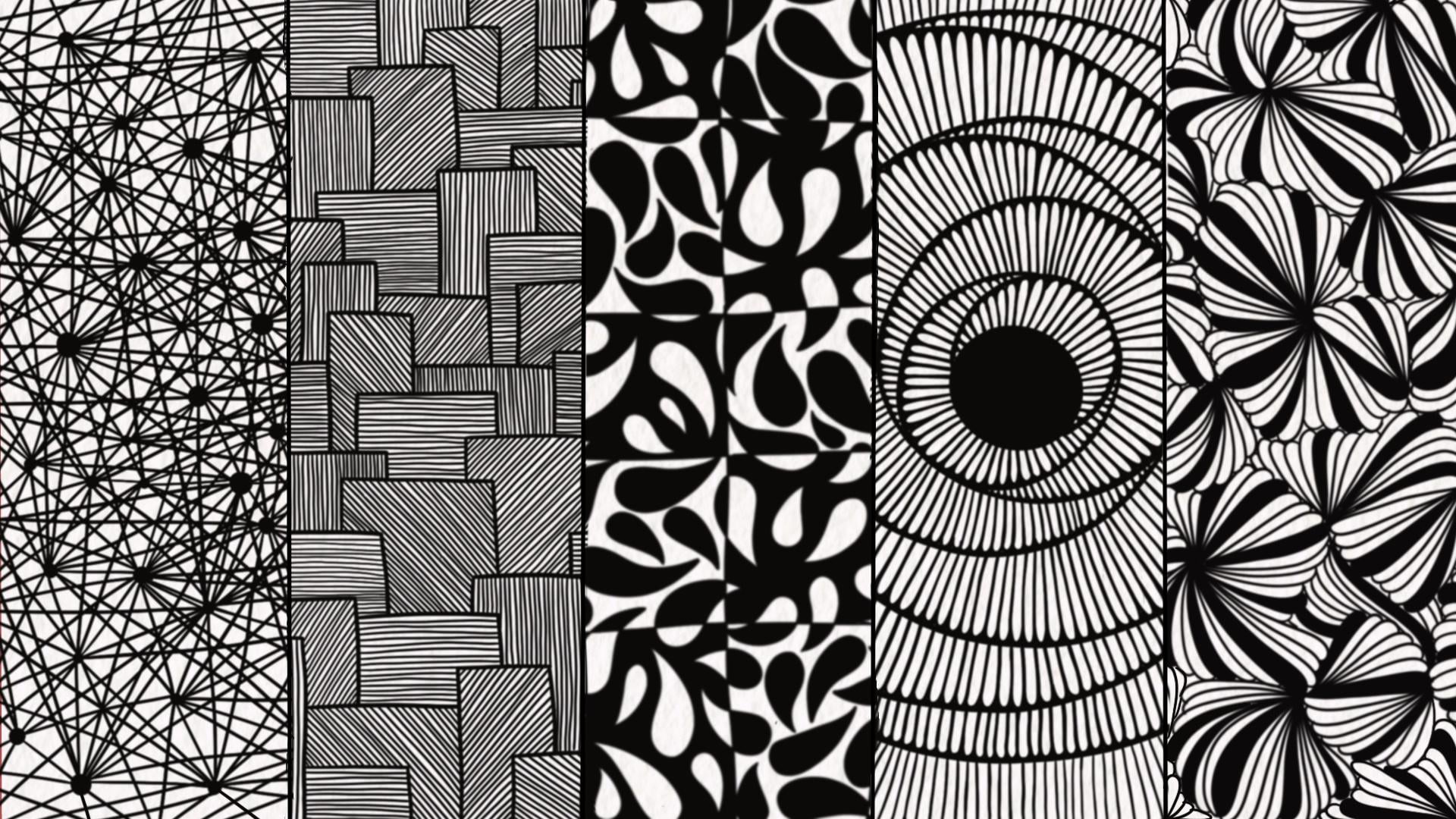
five new patterns, and each of them will combine
technique with intention, movement with meditation,
and focus with flow. In the first pattern, we
will explore connection, the invisible ties that hold us to others
and to ourselves. In the living duality pattern, you will move between
dark and light and learn to sit with
emotions that are opposite. The third exercise
will remind us that resolence is not just
what we have survived, but also how we
continue to grow. In the bloom within boundaries, we will explore how
limits can help us thrive without
losing ourselves. And the last one is a
practice in letting go on losing our grip on
how things should be. Each pattern that you
will create in this class will carry a story
of where you were, how you felt, and
what you released. So whether you have joined me before or you are discovering this practice
for the first time, I can assure you
that in this class, you will find something
that will calm your mind, nurture your creativity, or make you fall in love with
drawing all over again. So grab your art supplies,
and let's start.
2. Class Project & Material : Welcome to the class. I'm so glad that you decided
to join me here. Now, this space is for you
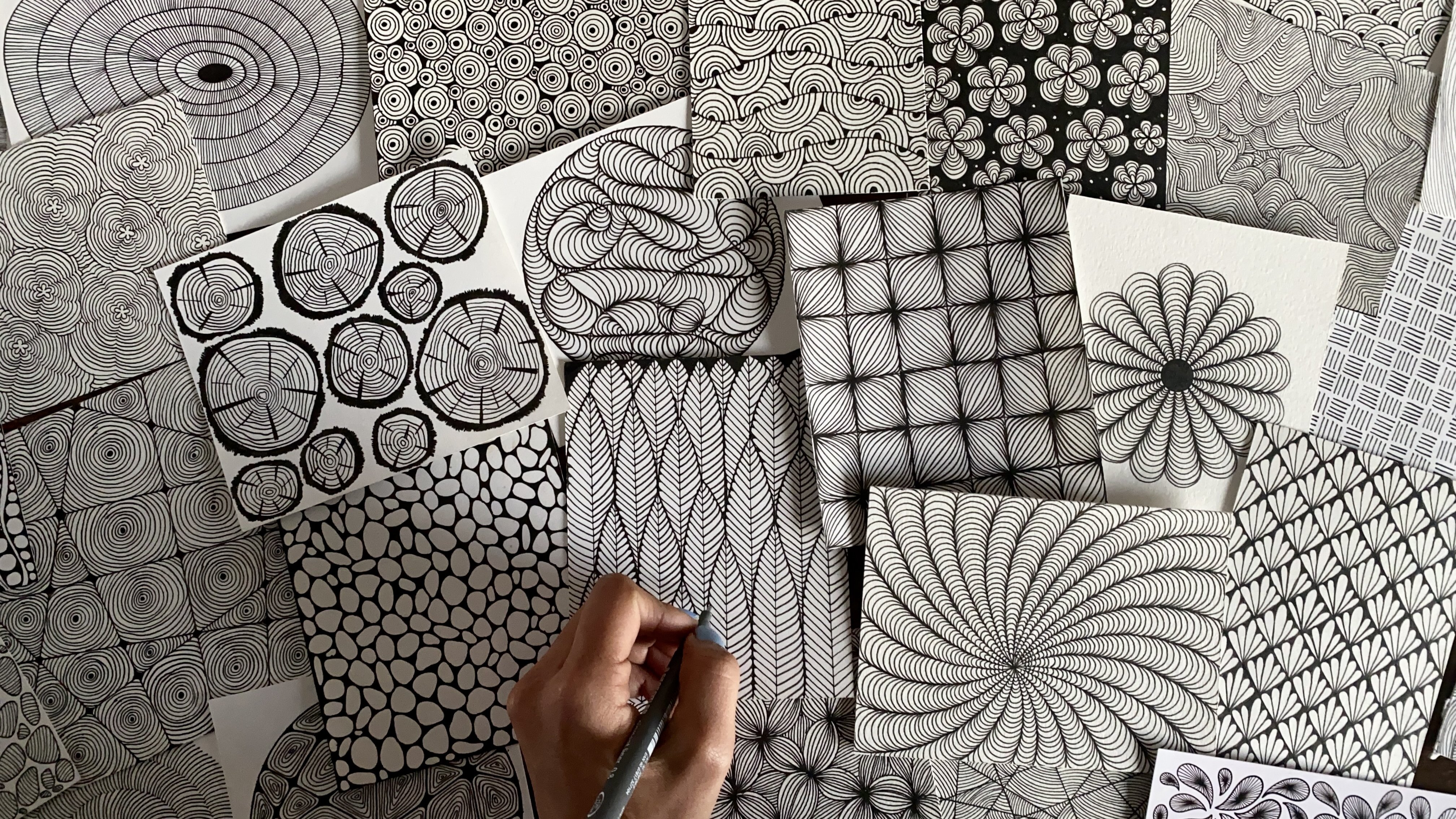
to experience the magic of repetition and create
not just patterns, but quiet conversations
between your hand, your breath, and your heart. So let go of the idea
of getting it right and just let your pen move on the
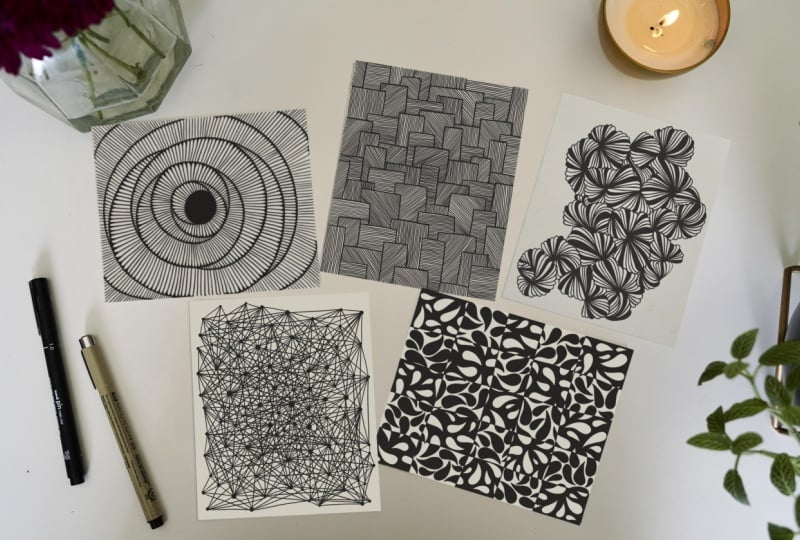
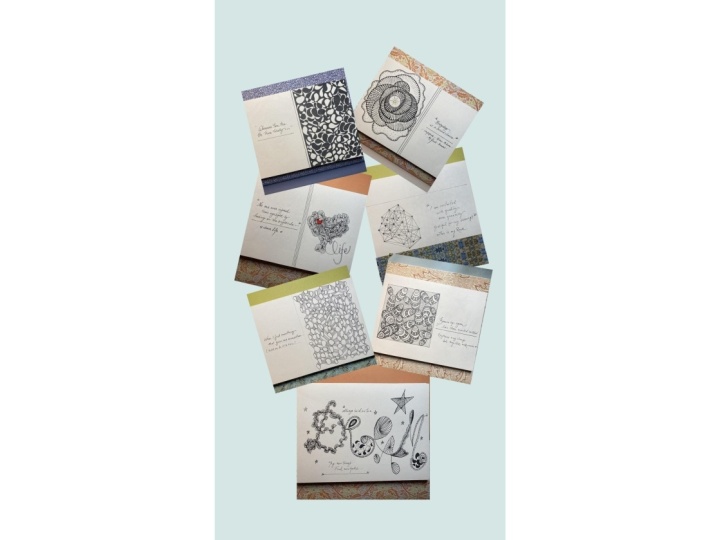
paper and see what unfolds. Now your class project is to
create five unique artworks, each inspired by
the pattern proms we are going to
create in this class. You can draw them per day, one per week, or whenever
you feel the need to pause. I will also share ways to build variations so that you can create more patterns
if you'd like. When you are done, please do upload your work in
the project gallery. You can upload each
pattern as you finish, or you can share all of
them together in the end. Now if you're comfortable, then along with
your work, please do share your reflections, too. Now when it comes to material, you don't need anything
fancy, pen and paper. I like working on
a smooth surface. That's why I use a 250 or a 300 GSM hot pressed
watercolor paper. Now, when it comes to pen, I like to use a black fine liner. I'll be using 0.5 0.8 and size one pen
depending on the pattern. Even though I'm using black, you can choose any
color of your choice. But honestly, if all you have is a ballpoint pen and a
notebook, that's perfect, too. What matters most in this class is the mindset
and not the material. If you were part of P one or have taken my
previous classes, then this class will feel
like coming back home. And if you are new
to this practice, then I would recommend
visiting the first class too. It's there that
we began learning how drawing can become
a form of meditation. And this part, too is a continuation of that
story with new patterns, new awareness, and
new reflections. So now that the
basics are cleared, find a peaceful
corner, make it cozy, get your art supplies, silence the notifications if
you can, and let's start.
3. Dotted Connections : Sometimes life feels
scattered, doesn't it? Like we are all moving alone and trying to make
sense of the chaos. But the truth is, we are
part of something larger. We are part of a quiet network of connections that
holds us together. Every interaction, every
small act of kindness, adds a thread to that network. This pattern is a way to
explore those invisible ties and remember that none of
us ever exist in isolation. We will start the pattern by making one.in the
center of the page. Think of this dot as you, you're quite center, the place
where everything begins. Once the center dot is done, you can start placing
more dots around it. Imagine these dots as people, moments, experiences
that surround you. Some dots will be big
and closer to the center to signify people who feel
like home, your inner circle. Others can be a little
further away or smaller in size to indicate other aspects of your immediate
life like your work, your routine, your environment, or the dreams that
orbit close to you. Together, all these dots will
form the area around you, your immediate world
of connection. Once you're done with that, you can then move on to
the rest of the page. Keep on adding
different size dots across the page in any
direction that feels right. Don't overthink the layout. Let your hand wander
freely on the paper. Think of this process as the natural rhythm of
your relationships, how they expand, contract,
and shift with time. If at any place
you find yourself pausing and wondering where
the next dot should be, then take a deep breath,
soften your grip, and simply place the next one wherever your
instinct guides you. As you move towards the
edges of the paper, let the new dots represent the
wider circle of your life. You community, mentors,
distant friends, the people you may
not speak to often, but who still hold
space in your story. They can also represent
those quiet moments of connections that
come unannounced. Think of each dot, whether big or small, as a
constellation of connection, a reminder of how deeply we are held by
the world around us, even when we don't
always see it. You can cluster some dots together to signify
communities or closed groups and
scatter others at the edges to represent
solitude, distance, or change. Once you're done with the dots, you can start connecting them. I'm starting from the center, but you're free to start
from anywhere on the page. Begin by choosing any two points that feel drawn to each other, not by logic, but by instinct, and then draw a thin clean
line to connect them. Once the first line is done, you can keep on extending that connection or move
on to the next one. There's no fixed pattern
or sequence here. Let one movement lead
into the next as if you're tracing invisible
threads of connection. Keep overlapping and
intersecting the lines. Some dots can have only
few lings while others can become hubs redating
lines in many directions. Maybe one line goes from a
small dot to a larger one. Maybe three lines
meet at one point. There is no right or wrong here. Just play around, let one
line lead to the next, and eventually you
will find your rhythm. Just like life, even on paper, the connections don't need to be perfect or neatly aligned. Every now and then rotate your page or view it
from a different angle. This simple act helps you notice balance both visually
and emotionally. It's quite similar
to mindfulness. I mean, when we
shift perspective, we begin to see the
whole picture clearly. Now, as you draw these lines, pay attention to what
you feel in your body. Notice how the repeitive motion begins to slow down
your breathing. The small deliberate movements regulate your nervous system. The simple act of connecting visually and symbolically
starts to ground you. And this is the meditative
effect of mindful drawing. You're not just building
a pattern on paper, you're strengthening your
awareness of connection, both with yourself and
with the world around you. In system thinking, as
well as in mindfulness, we learn that energy
never stops at one point. Every action thought or word ripples outward through
the network of life. The same is true here, too. Each line you draw slightly changes the structure
of the whole page. It reminds us that
we are not separate, not from nature,
not from others, not even from our past
and future selves. Every experience pleasant or difficult contributes to the web that makes us who we are. When you truly understand this, loneliness begins to soften. You realize that connection isn't something
you have to chase. It's something you're
already part of. So keep building
slowly intentionally, allow some areas to
stay open and airy while others can become
dense and more connected. This variation creates
visual rhythm, like the pulse of community itself expanding
and contracting. Now, the more you connect, the denser the pattern becomes. And yet, instead of chaos, what emerges is a structure
made of belonging? And that's the paradox
of connection. The more we open
ourselves to others, the stronger and
steadier we become. Now, the interesting
part with this pattern is that there's no
fixed completing point. You can make it as dense
or as light as you want. So every once in a
while check in with yourself and see if you feel
that it's completed or not, and then you can end the
pattern accordingly. Once you are done, don't
rush to name it or judge it. Just observe the connections, the balance, the small
imperfections that make it alive. This is your personal
map of relationships, not just with people,
but with time, memory, thought, and space. You can try this
pattern in many ways. You can add color to represent different types of connections or play with size and density to keep it
minimal and spacious, or sometimes you can just
fill the page completely. Every version will
feel different, but each will remind
you of the same truth that we are always connected
even when we feel alone.
4. Living With Duality : Most of the times
we keep waiting for things to settle
for our routines, relations, emotions, and goals
to fall neatly into place. But life rarely works
that way, does it? We are constantly
living in duality, dark and light, chaos and
calm doing and being. And that is why probably peace isn't about escaping
the contrast, but it's about learning
to live with it. And we are going to explore
that idea in today's pattern. We will begin the
pattern by drawing organic droplet like
shapes across the page. I'm starting from one corner, but you can start
anywhere on the paper. Just let your hands move freely without worrying
about where it's going. Do keep changing the direction
and size as you move. Make some shapes
big, some small, some close to each other,
while others can drift apart. There's no need to make them
perfect or symmetrical. Just let them fall
wherever they want to like raindrops
finding their own path. I often think of these
droplet forms as emotions, each unique, each temporary, each part of the same whole. Some fall heavy,
some float light, some merge with others, just like our moods
throughout the day. And together, they all form a landscape of everything
that makes us human. Now while drawing the droplets, if you notice that you
are tightening your grip or hesitating to draw
an imperfect shape, then just pause for a second. Take a slow deep breath and
then let it out gently. That simple act of
noticing without trying to fix or change anything
is mindfulness. You're watching
your own reaction with curiosity, not judgment. You're saying, I see
what's happening here. You're letting the moment, the
shape to be just as it is. And in a similar way, we can meet our emotions, too. Sometimes they are
calm, sometimes messy, sometimes they spill
into one another. But we don't need to label
them as good and bad. After all, they are all just
part of our human weather. Just like these droplets, emotions move, shift,
and eventually pass. Our role is to notice them, to stay present and
let them flow through. Once you've filled the
page with droplets, it's time to add a framework. So to do that, we will
make a loose grid. Just some vertical and horizontal lines
to create squares. Now, you don't need
a ruler for that. Just hold your hands steady and make lines across the page. It's absolutely okay if
the lines wobble or bend. This isn't about accuracy.
This is about rhythm. Now, just like the
way the droplets representated emotions, these simple lines will
represent structure, the framework that hold our
lives together, our routines, relationships, responsibilities, the invisible grid that
gives shape to our days. Now, we often mistake
structure for control, but here, the grid doesn't
confine your droplets. Rather, it supports them. It gives your flow
a place to land. Mindfulness works
in a similar way. It does not restrict your
thoughts or silence emotions. It simply creates space for
them to exist with awareness. So as you draw these lines, think of them as small
acts of grounding, a reminder that even when life feels fluid
and unpredictable, we can hold it gently
with presence. We will start by filling
alternate squares with black. So in one block, I'll fill the background and keep
the droplets empty, and in the next block,
I'll do the opposite. I'll fill the droplets and leave the space
around them blank. This way, we will slowly
build a chessboard like grid, one square at a time. Now, as you start filling in
the color, take your time. Do not rush here. Follow the grid carefully and notice how each block
connects to the next. Sometimes a droplet might
cross into another square. One part can belong here and
the other can belong there. So pay attention to
those small details. It's quite easy to fill
the whole shape and then realize that a tiny part
was meant to stay empty. Even though this whole
process may look very simple, each stroke here invites
your full attention. You're watching closely, staying
present with every line, every decision, and learning
to see rather than rush. And in a way, that's
what mindfulness is. It's about being aware of
what's happening right now without drifting into
what's next or what went wrong. Now, as you alternate
between dark and light, notice how each color
defines the other. The black becomes deeper because
of the white besides it, and the white becomes brighter because of the black next to it. In visual art, contrast
gives form its clarity. Without it, everything
can blend into sameness. In mindfulness, contrast is what helps us perceive the
richness of our life. Our joy feels fuller because
we have known sadness. Our calm feels deeper
because we have met chaos. One cannot exist
without the other. So instead of resisting
what feels opposite, see if you can hold both without needing
to fix or choose. As you continue filling in, step back for a moment and look at what's
happening on your page. You will notice
that you began with complete freedom, the
unrestrained droplets. Then you added boundaries,
the framework. And finally, you
invited contrast, which is harmony
through opposition. This is the same journey we
live pretty much every day. Our emotions flows in waves. Our responsibilities
shape those waves, and between them, the dance
of opposite continues. Some days are light,
some are heavy. Sometimes we are full of energy, other times we just want
to pause, and that's okay. This pattern is a reminder that beauty isn't in choosing
one over the other, but in learning to let
them exist together. And with that, we are done
with our second pattern. I hope it gave you the
time and space to reflect. Now, if you'd like
to explore more, then you can try changing
the size of your droplets, as well as the
style of your grid. You can make abstract
shapes, too. They don't have to
look like anything, free, wavy, jagged
or playful forms. You can even use colors
instead of black and white. Try the various versions and
see what works best for you.
5. Shape Of Resilience : I think strength is
often misunderstood. We tend to imagine it as
something unshakable. But over the years,
I have realized that true strength is not about
never falling apart. It's about adapting
and rebuilding. It's not about
staying still through the storms but learning
to live with it. And in today's exercise, we are going to translate
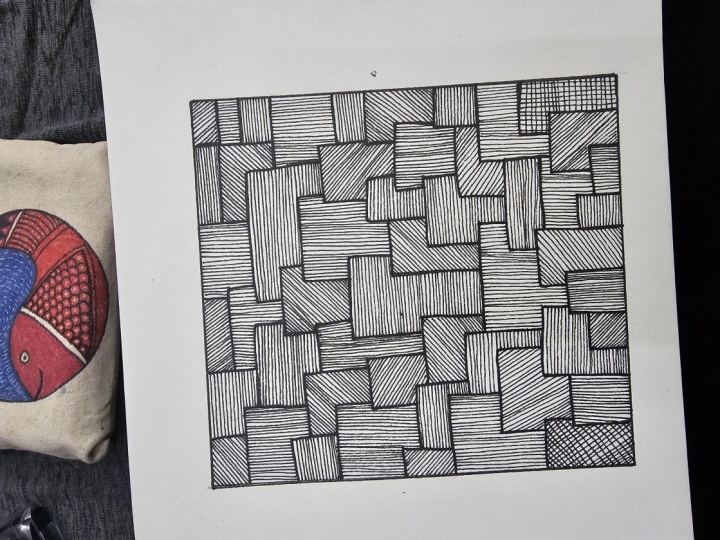
that idea into a pattern. We will start the pattern by
drawing a series of blocks. I'm starting from the
bottom of the page, and just like we would
stack building blocks, I'm going to keep adding
one block after the other. Now you can build
the first layer, the foundation of the
pattern, and then move ahead. Or like me, you can do one corner and then move
to the rest of the part. There's no need
to plan too much. Just draw one rectangle pause and then draw the next one
wherever you feel like. After a while, you
will notice that one shape will naturally
lead to the next, and all you have to
do is respond to the empty space and be
intentional with your marks. Now, some blocks can be tall, some narrow, others
short and some white. You might even end up
making some tilted, and that's absolutely okay. What matters is not how
even or perfect they look, but the quiet rhythm
that begins to form as you move from
one shape to the other. As you draw these blocks, think of them as chapters
that have shaped you, the seasons that built
who you are today. The tall ones can remind you of those intense
stretching months, the times that challenged
you or pushed you to grow. The wider blocks could
represent steadier pass, the times that felt slow and
maybe full of quiet growth. Some blocks might end
up short and small like fleeting moments brief
but still meaningful. The slightly uneven
or weird shapes can be chapters that
didn't go as planned, and some blocks might
overlap just like how certain experiences
spill into each other. Together, all these blocks will create an abstract
kind of timeline. It is not perfect nor linear, but organic and evolving. This step is not just
about drawing rectangles. It's about mapping moments, acknowledging the different
shapes your life has taken and giving each
one a space to belong. After the blocks are done, we will start the line work. All you have to do in this step is fill the blocks with lines. Now, I'm going to
draw horizontal vertical and diagonal lines. You can follow the
same method or you can stick to one direction
throughout the pattern. I started with horizontal in the first block and then
diagonal in the next. I'm going to keep changing the direction of lines
from one block to another and ensure that I don't draw similar styles of
lines next to each other. This variation will add movement as well as visual
interest to the pattern. Mm. I love drawing lines as they are very calming. And that's why after drawing
them so many times in different situations in
various types of patterns, I've started feeling that
different directions of lines also carry
different sense of energy. Like vertical lines
feel steady and strong, horizontal ones feel
calm and grounded, while diagonals add a sense
of flow and adaptability. And when I look
at them together, especially in a
pattern like this, the interplay of direction
reflects life itself. The moments of
stillness, movement, and change that co exist
to create balance. That is why I keep switching directions as you move
from one block to another. This constant shift will not only strengthen
the visual structure, but will also become
a small reminder that flexibility is a
form of resonance. Now, you can move your pen as fast or as slow as you want, but try to keep a consistent
distance between the lines. We don't have to make
consistent lines to achieve a perfect pattern, but rather we're keeping
this little reminder, this little condition
so that we are present, we are mindful
throughout the process. The space between your lines is like a built
in feedback loop. Whenever your lines will get
too close or too far apart, it'll become a gentle reminder that your attention has drifted. It'll become your cue to come
back to the present moment, to the paper and the
pattern that you're making. And that's what mindful
drawing really is. It's not about
controlling the outcome, but noticing when your focus wanders and gently returning
to what's in front of you. As your page begins to fill, step back and take a
moment to observe. Notice how each block
supports the next, how the overlaps,
the differences, and even the tiny imperfections create a quiet sense
of strength and depth. Some areas might
feel tense and lead, others will look
more open and light, but together, they all form
something balanced and whole. And if you look closely, you will see how the
lines that once felt uncertain now make sense
in the larger pattern. And that's how resonance
often works in life, too. We don't always see it
while we are in it. It reveals itself
only when we pause, step back and realize
how far we have come. Each rectangle
here is a chapter, and every line within it is
a moment you keep going. Some lines can be
steady and calm, some could be jagged or uneven, though each one carries its
own energy, its own story. And together, they hold a
structure of your strength. Your pattern, just like life
isn't perfect or planned, but it's deeply connected line
by line, moment by moment. It becomes a proof
that healing and growth happens in motion through the simple act of showing up and beginning
again and again. So this is how my shape
of resonance looks. What began as simple lines has become a
reflection of balance, patience, and presence, a pattern and a
practice all in one. From here on, you can take this idea into your
own direction. You can fill each block with
different kind of lines, some straight, some curved, some close together,
others spaced apart. You can repeat a
smaller version of the same shape
inside each block, like a visual echo of
rebuilding within rebuilding. You can also play around with
the style of the blocks. No matter which way
you choose to go, the process will
still feel meditative because mindful drawing
isn't about how it looks, it's about slowing
down and finding a small moment of calm
in the act of making.
6. Bloom With Boundaries : In a world that is always
asking us to give more, do more, be everywhere
for everyone, it is very easy
to forget that we need space to space to breathe, space to recharge, space that is even in the middle
of everything. That is why in this pattern, we will explore one of
the most core essential of self care and emotional
well being boundaries. Let's start by drawing a circle in the
center of the page. Now, this circle represents you, the part of you that
remains steady, no matter what
happens around you. So make it bold and firm. It doesn't have to be
perfect or very big, just strong enough to feel like an anchor for everything
that will grow around it. Once the center is marked, we will start creating
our boundaries. We'll start with one soft
curve around the center, not a full circle,
just a semi curve. Now the next curve
will start from any point of the previous curve. So instead of starting
from an empty space, we will place the pencil
directly on an existing curve, and from there, we will let
the new line grow outward. Think of it like
this. Two curves will come together to form
an imperfect circle. As you move forward,
repeat this each time. Each layer will gently
overlap the one before it gradually
completing the shape. This makes the
pattern more organic, almost like rings
of a tree trunk or the folds of a petal. Now, in many ways,
this style also mirrors how we build
boundaries in real life, too. I mean, rarely do they
appear all at once. Instead, we create them piece by piece
through experience, through reflection,
through learning what feels safe
and what doesn't. As you keep drawing outwards, think of what each layer
represents for you. The first one can be
an emotional boundary, the space where you
learn to protect your feelings
without closing off, the next your mental
boundary where you decide which thoughts to let in and which to gently release. And the next one can represent your time and energy boundary. You can draw as many
boundaries as you want. And just like in
life, your boundaries doesn't have to be
rigid or perfect. Don't aim for symmetry. It can bend, flow, adapt as long it is
rooted in awareness. Once you've drawn
all the layers, you can take a pen and
start tracing over them. Once the framework is ready, the first step is to
fill in the center. I'm using black, but you can use any other color
of your choice. The center works like
a visual anchor, so choose a color that
feels grounding for you. Once that is done, we will start adding small curved lines, almost petal like shapes
inside the boundary sections. This is the step where the
boundaries will begin to look like they're blooming
instead of just existing. I'm starting from the
innermost section, the one closest to the center, because this is where
everything begins. Just like in life,
healthy boundaries aren't built from inside out. We don't suddenly create
strong outer limits, right? We first learn to
understand our own space, our comfort, and our needs. If you start from center, your movement will also
be controlled and steady. It will give your
hand rhythm before you move into the wider
and more open less. Now, you can play around
with the spacing of your curved lines depending
on the look you want. If you draw them
really close together, the texture will feel
more dense and bold. If you make them wider, the pattern will feel
light and more open. Tough whichever style
you want to adapt, try to maintain a
similar distance between each stroke to create a rhythm that feels
steady and mindful. Once your first section is done, you can move outward to the next ring and follow
the same method there too. As you move from
one side to other, allow your hands to move
at its natural pace. If you find that you're feeling tensed,
pause for a moment. Take a slow breath, feel your pen resting lightly
between your fingers, and then begin again,
not from where you left, but from a calmer place. When we fill spaces like this, something subtle
starts to happen. At first, we want control. We want every mark to look even. But as we continue, we realize that perfection isn't
the goal, presences. So lines will bend unexpectedly, some may overlap
or end too soon. And yet in the end,
when you step back, you will notice that
they all belong. And that's how
boundaries work too. They aren't meant to
be flawless walls. They evolve and they
shift as you do. After a few strokes, you will notice
that your breathing starts to sink with
your hands movement, and the mental chatter
starts getting quiet. Slow repetitive
movements shift you into a mindful state where
you stop thinking about the result and start
enjoying the process. As you fill each layer, gently remind yourself
why you're doing this. This isn't just about
decorating a page. It's about understanding that real life boundaries aren't
meant to push people away. They're meant to help you feel safe, steady, and balanced. Healthy boundaries let you stay connected without
feeling drained. They let you care without
feeling overwhelmed. And that is why with every
layer that you fill, you're practicing awareness
and self respect. And the more you draw, the more natural that
feeling becomes. Once you're done
with the petal part, you can fill in the spaces
between the petals. This part is optional, though
I like to do it because it creates contrast and makes the petal shape stand
out more clearly. Now, why filling these spaces, try to work slowly
and patiently. Use small, steady strokes
and take your time. And with this, our
fourth pattern is ready. It's a visual reminder
that boundaries are not sharp falls
nor closed doors, a soft structure
that keeps you safe while still letting you
breathe, evolve, and bloom. From here on, you can do variations to the
existing pattern by changing the style of the boundaries or the
shape of the petal. Make them wide or fill
them in with color. You can also fill
the boundary part with any other mark
of your choice. Make the pattern
your own and spend some time reflecting and
reworking on the boundaries, both on the page as
well as in life.
7. Surrender To Flow : We spend so much of our time and energy in trying to
hold things together. We try to control every plan, every moment, every line. But life doesn't work
that way, right? Things change, path
curves, timing shifts, and probably peace is
not in trying to fix it, but in trying to
go with the flow. And that is why in
this last pattern, we will explore the
art of surrender. We are going to
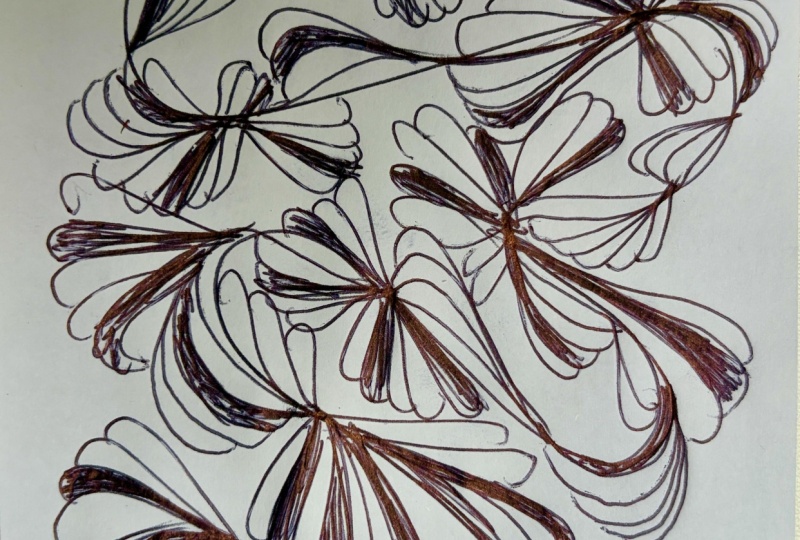
start this pattern with a single flowy wavy line. Just place your pen on the
paper and let it move. You can go up and down,
curve in, curve out, touch the edges of the page, or just stay in the center. You don't need to plan
this line at all. Just let your hand move freely and see where
it wants to go. Don't worry about how it looks. It's your way of
telling your mind that I don't need to control
everything right now. Once the base line is done, we will start creating our
first layer of rhythm. Choose any one side
of your line and start adding curved
strokes along the edges. Make one arc upward and
the next one downwards. It's almost like you're making
a series of small petals, one from above, one from below. Where one ends, the
other one begins. Let each petal emerge
from the previous one. Now, when you're
making the petals, don't overthink their
spacing or their size. This isn't about
control or precision. In fact, a little difference makes the movement feel alive. After your first set of
curved lines is complete, we will start adding depth. So to do that, we will go
back to the shapes and start adding curved
lines along each petal. The idea here is to
slowly build from what's already there rather than creating something
completely new. These lines add visual
weight and structure, and this is where the
pattern begins to feel fuller and
more dimensional. But yes, we are not going to fill everything
completely right now. That will happen only
in the next step. Now, the interesting
part here is that you don't need to add
exact number of arcs. You can play around
with a number of petals depending
on how you feel. One section may feel
complete with two lines, another may feel like
it needs five or six. Trust that instinct. This step is about listening to your intuition and following where your hand
wants to go next. This stage also teaches
an important skill, and that is visual listening. You're observing what the peach needs instead of
deciding in advance. From a mindful practice
point of view, this step helps you shift from controlling the drawing
to responding to it. This is where the idea of surrender starts to
enter the process. You're not forcing the shape, you're letting the
shapes grow naturally. Once you're done adding
the base layers, we will move to the next
part of the pattern. We'll start this step by completing the petals
from the other side. Now, you can follow
the same directions of lines to create a smooth, harmonious look, or
if it feels right, you can change the
direction of your strokes. So instead of top to bottom, you can switch and go
from bottom to top. When you change the direction, it adds contrast and creates a slightly more dynamic
and layered look. You can also play with
the size of the petals. You can change the height
as well as the width, the slight variation will bring more dimension and movement
to the overall pattern. In this step, there
is no right or wrong. The only question
that you need to answer is what feels
balanced to you. And when you start answering to that question and
responding accordingly, the drawing starts becoming a conversation
instead of a task. Now one approach
to do this pattern is that you keep
completing the petals, each segment by adding
more lines to them, and in that process
fill the empty space. Another way is to draw
a new set of petals in the gap and then
build slowly around it. The new petals act like bridges between different
sections of pattern, and then they change
the structure of the overall design in a
very interesting way. When you add a new
petal inside a gap, it creates gentle overlaps. It builds new
visual relationship between the old shapes
and the new ones. It adds layering, depth and complexity without making
the pattern feel crowded. It also makes the
drawing more organic, like it grew naturally
instead of being planned. In my case, I'm just
following my intuition. Sometimes I start from
the top of a petal, sometimes from the bottom, sometimes I switch
halfway through. I look at different sections and based on that
decide what to do. If in between, I
feel like filling up an empty space,
I do that, too. When it comes to a
pattern like this, I don't try to think
of the whole pattern and every line right
from the start. At one point of time, I pay utmost attention to the
shape I'm working on, and then I move on
to the next one. And I love that
about this practice. This whole process
is a great reminder that everything doesn't need to be figured out in advance. Sometimes you just
need to respond to what's happening
right here right now. As you continue
drawing, after a while, you will notice that the drawing itself starts guiding you. The pattern finds
its own direction, sometimes merging,
sometimes drifting apart. And that's the
beauty of surrender. The moment you stop trying
to control the outcome, creation starts to
collaborate with you. As you repeat the
simple petal movement, you will start to feel a natural rhythm
forming in your hand. Your strokes will start
to feel more fluid and predictable and your breathing
will naturally slow down. And that's a very important
part of this practice. The reputation is not only
building the pattern, it's also calming
your nervous system. Surrender here is not
about losing control. It's about trusting
the reputation. Sometimes you'll draw many
fine lines close together, sometimes just a few bold ones. Let those changes
happen on the paper. Each variation will add
life to the pattern, and in a way, this step mirrors how change moves through us. We adjust, we flow, we evolve line by line. These variations also remind us that harmony isn't about
everything going one way, but about everything
finding its way. Once your beast pattern
feels complete, take a moment to look at it. You'll notice that there are certain areas that might need a little more weight or maybe few spots that
could hold more depth. Now, you can fill those areas gently with black or any
other color of your choice, or you can also add more curved
lines at certain spaces. Do what feels right to you. There is no end point
to a pattern like this. You can make it as dense
or as light as you want, and you can stop whenever
you feel like it. Now, if you decide to
fill the smaller spaces, you can follow a rhythm, or you can work in a
completely random organic way. In my case, I'm simply adding
depth wherever I feel like. I'm not thinking much, rather I'm just responding
to the pattern. Once the pattern is done, you might feel that it doesn't exactly look like the
way you have imagined. And that's great, because this practice was never about
creating a perfect design. It was about
practicing surrender. If you'd like to explore
this pattern more, try changing your starting line, make it more angular or more
loop sided or spiral like. Try building all
the petal outwards like waves or
inwards like folds. Each version will feel different and each
will remind you that there's nothing wrong with not knowing exactly how
things will turn out.
8. Conclusion : Congratulations on
finishing this class, and thank you so
much for being here. I hope that this
class helped you find something new about
drawing about meditation, and maybe even a little
bit about yourself. Please remember that
mindful drawing isn't about making
something perfect. It's about how you
feel while creating, and that is why you
can come back to this practice anytime
when the day feels heavy, when you need focus or when
you simply want to pause. Please don't forget to share your work in the
project gallery. Your work can inspire somebody else to start their own
mindful art journey. And if this class
resonated with you, then please do share a review. It would mean a lot to me. Thank you once again
for drawing with me for choosing calm over chaos, and for showing up for yourself in this quiet, beautiful way. Until next time, stay curious, stay kind, and keep drawing
one mindful line at a time.