Transcripts
1. Intro: Are you ready to give an extra dynamic
touch to your poses? Do you want to create characters and art that stand
out from the crowd? That this is the course for you. In this course, you learn everything there is
to know about ester drawing from how to draw dynamic gestures to the
secrets of gesture drawing? That will take you a step
above other artists. Hi. I'm Patricia from Don Corgi, a professional art
teacher who has taught thousands of students
over the last decade? I'm here to help you become a better artist and very
easy to follow steps? Not only that, but you'll
get real time demonstrations of me creating dynamic gesture drawings
in several videos. This way, you can follow along and learn using actual examples. You'll also get
downloadable templates and helpful assignments to
get feedback on your art. So are you ready to give an
extra life to your drawings? Join now, and I'll see
you in the next video.
2. What Is Gesture Drawing?: Hello and welcome. Before we start
learning and drawing, let's first talk a bit
about gesture drawing. Gesture drawing is a
very helpful exercise where you focus on
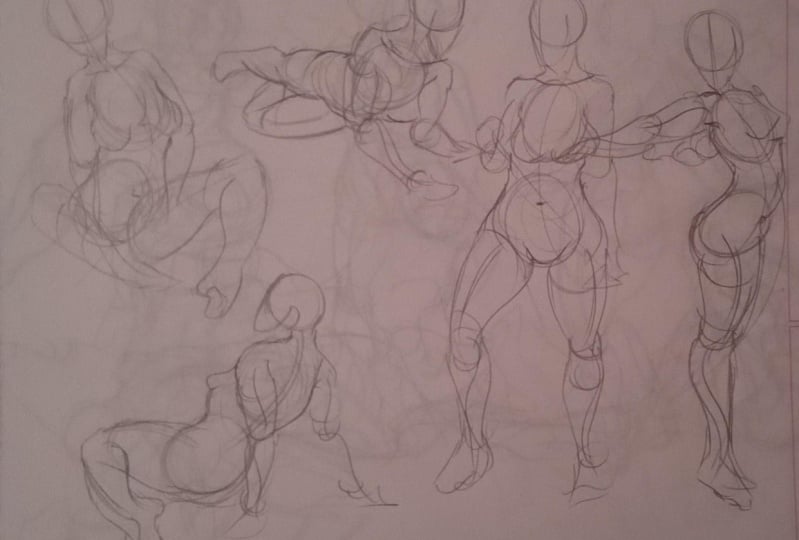
capturing the form, movement, pose, and even move of a subject with as few
strokes as possible. Here, instead of
focusing on anatomy, you'll focus on the
expression of your drawing. Although you're not
drawing anatomy perfectly, gesture drawing can
help you be more confident when drawing
the human figure. These drawings are usually
quite quick and simple. The idea is for you to be able to capture the whole pose and action as quickly as possible without
focusing on details. When you're done, it
should be clear what you drew while keeping
simplicity to it. Of course, this might feel quite difficult and even
impossible at first. But with a few good exercises that we'll be practicing
throughout this class, time, you'll get more confident
in your own gestures. With practice, you'll start understanding
what's important in a pose and what are the right lines to reproduce
the movement and its mood. Usually, gesture drawing
is a time exercise. Between each pose, it's
good to set up a timer, so you're sure you
won't fall into the temptation of drawing
unnecessary details. For beginners, I tend
to recommend something between 1 minute and
a half and 2 minutes. As you get used to
gesture drawing, you can challenge
yourself and go for drawings that won't
go over 30 seconds. There are also different ways for you to practice
gesture drawing. And the process you choose
is totally up to you. In short, there are no wrong
answers here and the way you draw a pose can be different
from any other artists. As long as the pose is
there, you've done it right. But more specifically,
you can draw gestures by only using
lines and contours. Another option is to
use a few lines and big shaded areas that represent
the body and its form. You can also just focus
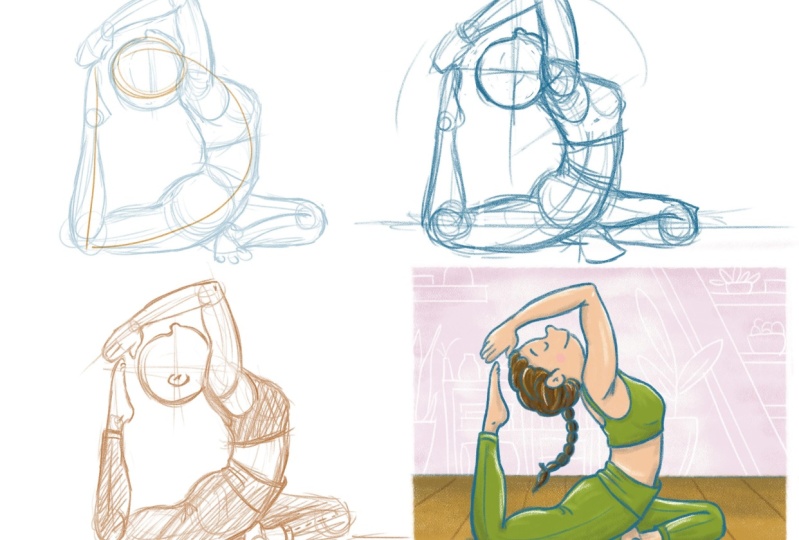
on very simple shapes. Drawing something close to stick figures is also perfectly valid, as long as it works for you. A few sticks in circles can easily translate the
poles into paper, and later you can
refine your drawing. With a few examples, you can already
have a vague idea of what esto drawing is. Quick, simple drawings
of the human body that focus on capturing
poles and movement. Now follow me to the next video, so we can dive into
it a bit more.
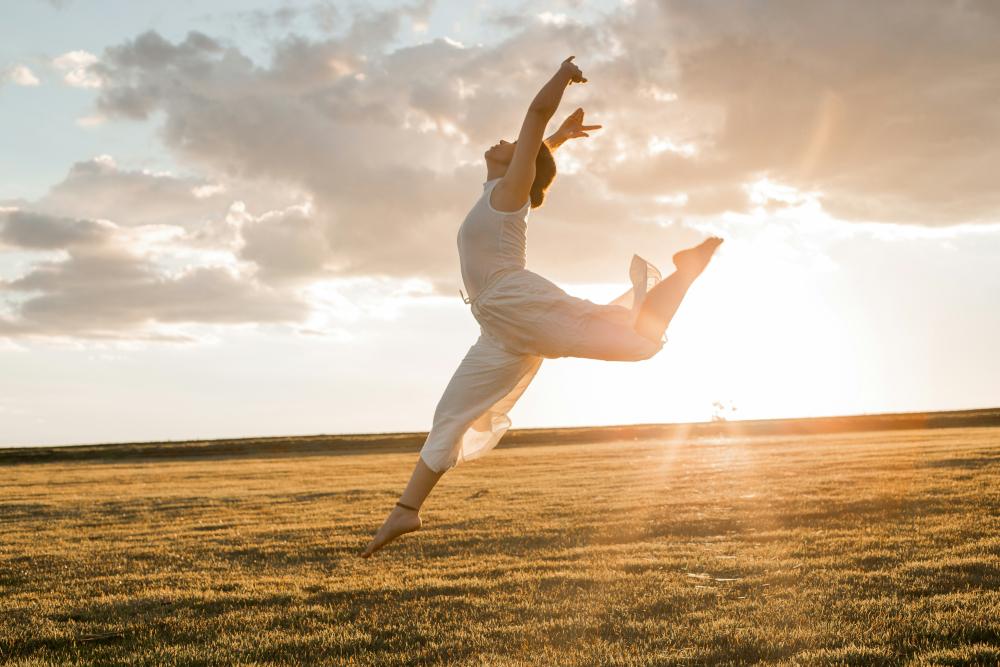
3. Test Your Gesture (Mini-Assignment): Hello, and welcome back. Now, before we talk more about ester drawing and how to do it, I have a mini
assignment for you. Download this photo and then
make a quick gesture of it. It doesn't need to be
perfect nor detailed. Just a quick drawing that
captures the post in the photo. You can post and share the results of your
assignment if you want, but the goal of this
exercise is for you to have a point of reference of your ability and improvement. At the end of the class,
you can compare this first drawing with the
ones you'll do afterwards. And this way, you can see your progress and how
much you learned. I'm also going to
do the same without warming up just a
quick gesture drawing. This is my gesture
for this exercise, and now it's your turn. Download the photo, draw
a quick gesture of it, and then follow me
to the next video.
4. Secrets Of Gesture Drawing: Low again and welcome back. When starting to
learn something new, it's good to divide it into smaller and simple steps along with easy
strategies to follow. This way, it's less overwhelming and learning becomes
much more enjoyable. This video focus on a few tips to help you
start drawing gestures, the easiest way with as few
as possible bumps in the way. As mentioned in the
previous video, ignore most details in
the post you're drawing. It's really easy to
get lost in those and waste time trying to fix
small little details. That does make sense when you're working on a full
handled illustration. However, your goal with gesture drawing isn't to have
a perfect detailed drawing. I'm going to tell you a secret. You don't even have
to draw the face. Most of the times
when drawing gesture, I'll just draw a round shape and a few guidelines
for the head. Unless it's something
I want to translate on paper due to the mood of the
pose, I'll just ignore it. In truth, being able to show emotion through
your lines and pose without drawing the face is quite challenging and
interesting to tackle. So whenever you
feel drawn to focus on a particular detail of
the pose your drawing, stop and move on. This is why having a
timer is so helpful. It will drive you to focus
on what's important. Another important
aspect of creating a good and expressive gesture
is to be quick about it. I'm not trying to rush you here, but it's something that's
really good to practice. Most of the times, we feel that if we do something slowly, it will result in
something better, which a lot of the time is true. However, with gesture,
you'll be able to draw more expressive and
fluid lines by drawing quick long strokes instead
of drawing each line slowly. I know it sounds
overwhelming at first. When starting to
learn how to draw, we don't have control
over our lines. But one way to learn to
have that control and gain confidence in your drawings
is by drawing quick lines. In the long run, this will
also be healthier for you. Since most of the times, you'll apply too much
force on your wrists and hands when trying to
slowly draw your lines. It is true that
your first tries at being quick with your gestures
might not be too good. But that's okay. Just keep going and you'll
get better at it. To gain some confidence, you can just practice by filling a few sketchbook pages with quick lines in any
direction and size. Then you can apply that
to gesture drawing. Something else you can do to make gesture drawing more fun, but also to explore
different techniques and materials is to try
different mediums. Different tools create
different results. If this is something that's
interesting for you, be sure to try and experiment
as much as you can. Graphite pencils or charcoal, even inside both these mediums, there are different
levels of hardness that allow you for different
styles of gesture drawings. The same goes for
markers and pens. There are many different
colors and tips you can dry. You can even mix
different tools, for example, pencils
and water colors. There is no right
way to practice gesture drawing and you can even develop a
style out of it. Even if you prefer to
draw digitally, nowadays, there are so many different
brushes that allow you to do many different styles
and textures while drawing. This not only brings a new perspective
to gesture drawing, but it might also help you
find your art and work style. Now when practicing gesture
drawing, you'll need poses. For those, you'll
need references. But one of the most
important things in gesture drawing is being able
to find good references. This is especially important
if you're just starting. The poses you're drawing should
be as clear as possible. It's good to start with simple
poses and grow from there. But be sure the photos have good enough lightning
and perspective. One thing to pay
attention is how well you can see the
body of the model. Ideally, you'll want
to find nude models, but if that's something
you don't like, then find pictures
of people wearing tight clothes or even underwear. Drawing a pose of
someone wearing everyday outfits can be quite tricky since most of the times, the fabric will hide
certain areas of the body and it's hard to
understand how to draw it. If you want to practice drawing the gesture of fabric,
different clothes, and outfits, it's possible
as well and a good exercise. However, if you want to focus
on drawing the human body, then be sure it's
probably visible. We'll talk about a few
places you can find the perfect pose references
in the following video. But one thing you can
do if that's something you'd enjoy is take your
own reference photos. Me of the poses
you want to draw, take pictures of yourself
and then draw them. A good thing about taking
your own photos is that you'll always have the exact poses
you're looking for. Finally, before moving
on to the next video, don't waste time trying
to fix your drawings. Don't even bring an
eraser with you. If there's any
mistake, leave it. You can instead repeat
the drawing several times and compare each version
and see your progress. Or if you're just not
working at the moment, move on to the next pose. Just a drawing is
something you evolve by repeating and learning
with your mistakes. With each pose, you
learn something new. Leaving your mistakes means
you can come back to it, analyze it, and figure out how to fix them
in the next drawing. You'll make a lot of bad
drawings, and that's okay. Get all those drawings
out of the way one by one and watch your
evolution with each stroke. This is it for this video. Follow me to the next video, where we'll talk about the
lines in gesture drawing.
5. The Lines Of Gesture Drawing: Hi, and welcome back. Let's talk about the
lines of gesture drawing. As mentioned, there are many ways for you to
practice gesture drawing, but there are a
few concepts that will help you out
while practicing. The first and most important
is the line of action. You might already
heard about it before, but basically the line of action is a line that evokes the
whole pose of the body. Usually, this line follows
the spine of the human body, but it can diverge from that. You can practice finding
the line of action by gathering a few photos and
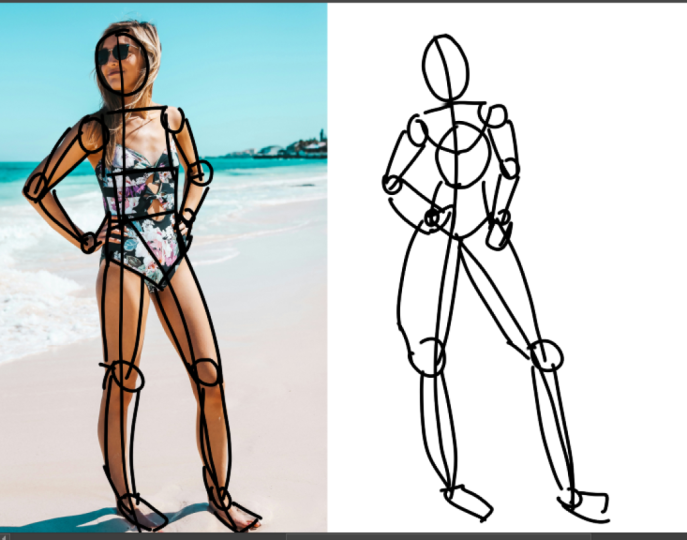
drawing a line on top of it. Just lower the opacity
of the photo and then draw a line that represents
the movement of the pose. One thing to remember is that there is no one true
line of action. One pose can have more
than one line of action, and you can draw the one that makes the
most sense to you. As with most things when
it comes to drawing is that there is no wrong
way to go about it. If it makes sense and works, then it's the right way for you. Next, when it comes to
lines and just to drawing, quick long strokes are generally
better than short ones. This, of course, might depend on the pose and specific
areas you're drawing. But generally speaking,
drawing long confident lines will show more fluidity and
expression in your poses. Once again, a good way
to practice this is by drawing several
lines on a sketchbook in several directions to
become more confident in your lines before
going for pose drawings. Your lines don't
need to be perfect, but chances are they look much better when
you're less afraid of drawing a long line quickly instead of trying
to slowly draw it. It's also good to find a good balance between
curved and straight lines. The body is made out of
different shapes and curves, and it can be fun and
interesting to play with that. For example, a lot of the times, while one side is curved, the other is straighter. Take advantage of that
with your gestures. It can annual makeup for very interesting
drawings and pauses. Finally, shapes. The body is made out of lines, but also made out of shapes. Each part of the
body can be made out of a random
and simple shape. Imagine no bodies as if it
were a legal construction. Instead of trying to
outline the whole thing, divide it into individual blocks of legal connected
to each other. By breaking things
into smaller shapes, it gets easier to understand
the pose and the body. It would also make it
easier to draw them. For me, these four
concepts of lines for gesture drawing help draw better poses and also
develop my style. Hopefully, this will be
helpful for you too. We'll apply all of this when
practicing gesture drawing. But for now, follow
me to the next video, where we'll talk about
resources and where you can find reference
images to help you practice.
6. Best Websites For Gesture Drawing References: Hello, and welcome back. All right, we went through
a lot of theory here, and we did talk a
bit about references and how important it is to
find good reference photos. In this video, we'll talk about places to find those references, as well as websites where you
can practice ester drawing. One of those websites and the favorite is line of action.com. Here you can choose from
different categories depending on what you want
to practice, full body, hands, faces, and expressions, animals, basic shapes, and
even scenes and environments. When you choose a category, for example, figure drawing, you can then customize
your session, the kind of models
you want and how long do you want each
image to show for? Then just start your
session and start drawing. You can pose a session at any point if you need more
time or take a break. You can also move on to the next image if you're
done with the one shown. Overall, this is a great place to practice gesture drawing, filled with many
different images, and it's interesting that you can choose different categories, so you can practice
different areas and themes. Another similar website you
can use is catchaily.net. This is a more
straightforward website, but still allows you
for some customization, such as the type of model, node or clothed, the kind of poses you want to see
and different views. If you want to focus on a
particular view of the body, you can narrow
down your options. Like before, you can also choose the timer
for each picture. Here there are also different
categories to choose from. If you want to practice
the gesture of particular areas of the
body or even animals, you can do so as well. Once again, once
the session starts, you can pose at any time and
the session or skip images. They are very similar websites and I enjoy both very much. Feel free to take a look and
see how you feel about them. I'm sure you'll have
fun practicing figure and gesture drawing with them. Finally, one last
website you can use to practice is at dork atok.com. On this models website, you can find a sketch tool that will work similarly
to the previous ones. Although less customization,
you can still choose how long will the session be
and a timer for each image. Then you'll go through
a big collection of reference photos taken by
the creator of this website. As for reference
images as mentioned, it's important to find good photos where you can
clearly see the body. Even if you don't want
to draw noude bodies, there are many options around such as a Darker stock
mentioned previously. This is a famous creator among artists with many
reference photos, with several themes, and
even collaborations. Each photo is very clear and the outfits allow you to
properly see the body, so you can draw it
without any doubt. There are other similar creators such as the pose archives. This pair focus a lot on
couple reference photos, but also single references
with different themes, always with a female
and male version. This way, if you're looking for a specific pose for your
characters and drawings, you'll definitely find what you're looking for
in any gender. Another pose reference model I always look for is
Joke Bob stock. Zu pop has many different
reference poses, all quite interesting and sometimes even with
different lighting effects. If it's something
you want to practice in your gesture and
figure drawing. All of these offer
many free options on their platforms
or social media. You'll always be able to easily find reference material to use. This is it for now. Take some time to search for some reference photos and
choose a few if you want, and then follow me to the
next video where we'll be trying a few simple gesture
drawing exercises to warm up.
7. 60 Seconds Gesture Drawing Warmups: Hello, and welcome back. It's time to warm up with a few simple gesture
drawing exercises. Before we start drawing, let's quickly talk
about each of them. Each of these exercises is quite short and will only
take 1 minute each. I'll be using a few
reference photos that you can download to practice
with them as well. If you prefer, you can just find your own images by
looking them up online, taking your own photos or using the websites we talked about
in the previous video. The first exercise will focus
only on line of action. All you have to do is look
at the image and find the line of action that capture
the movement of the pose. Remember that there's
no wrong answer here. What I draw can be different
from what you draw. This is very simple and
perfect if you feel a bit overwhelmed about drawing
the whole body and pose. The next exercise is
all about shapes. Here we'll draw
the pose by using only basic and simple shapes, circles, squares, triangles, or any
other irregular shape. For this one, you can even
draw on top of your images. In fact, I do
recommend you do that since it can help you
understand the pose better. Then repeat the
shapes to the side so you can memorize the
pose and its movement. The third exercise
requires some strategy. Draw a pose in one
continuous line. Here we're not allowed
to pick up our pencil. We'll have to try to draw the whole pulse
using only one line. Again, you can practice
first on top of the image and then repeat
the process to the sit. This develops muscle memory, but also helps you
slowly understand how the body moves
and how to draw it, keeping the fluidity
of the pulse. Finally, let's draw one or more of the poses
we drew so far, but this time, draw
it for memory. Choose one of the poses you
drew through these exercises, take a good look at it and
then move it away from view. Start your timer and draw
that pose for memory. It might be a bit hard at
first, but with practice, you'll be able to
more easily draw the human body without relying
so heavily on references. References will always be a major resource and you should always use
them while drawing. However, practicing your
memory is also good. We will set up a 60 seconds
timer for each exercise. It might feel like it's too
quick, but you got this. It doesn't matter
how many drawings you managed to finish
within this time. Just have fun with
the exercises and repeat them as many
times as you wish. Without further
ado, let's start.
8. DEMO: 60s Gesture Drawings: Okay. Here we are. It's time to do our exercises that I just described
it previously. We'll start with
the simplest one, which is the line of action. I'm going to put up a time, a 1 minute timer, and we'll try to draw as many
line of actions as we can. Three, two, one, start. I'm going to to what
I talked before, which is first, I'm going
to draw the line of action on top of our images. For example, I would say
something like this. Now I'm going to go here to the side and I'm going to
draw the line of action. I can even draw the head
just so I know what it is. Now for the second
one, there it goes. Very simple as well. And the hell about here. T done. Let's go for the next two. So let's see this one. I'm going to say this and this. And we are out of time. 1 minute, T line of
actions, as you can see. It's all very smooth, very simple, even messy, but you see I first went to look for the line of
action in the picture, drawing on top of the
picture as you saw, and then practice the line
of action to the side. This is something you can do. If it feels like it's too
overwhelming to just go on the blank paper and draw the line of action or
even the whole pose, you can try and draw on
top of the picture first. This is an idea. Our
second exercise is shapes. Again, I'm going to start with the first images,
focus on shapes. Again, I'm going to
draw first on top of the image and
then to the side, the shapes that I just used. Three, two, one, start. He is a circle. Then I'm going to use a
trapezium shape here. Don't forget the line of action. A circle, triangular shape, rectangles for the legs, and a mixed shape for the rest of the legs and
a triangle for the feet. Now, rectangles and circles
for the arms. There we go. See triangle for the feet. Another arm right here. And we are out of time. You see, the more
complex the exercise is, the harder it is to
make more positions. Drying the shapes
takes some time. Of course, it isn't
exactly what we saw. I'm doing this very quickly, but that's the idea
for you to be quick. Don't think about being perfect, the pose being perfect. We just want to warm up a bit
and do this very quickly. I'm going to do it
again for this one. For example, head, we talked
about the line of action. This one has very
interesting shapes. For example, I can use
a lemon wedge here. And then do the same
thing on the other side. We got the knee,
another lemon wedge and a triangle for the foot. Rectangle, rectangle, and hands. Line of action head,
mon white shape, lemon white shape again
in another position, leg, the knee, and
triangle for the foot. Then we have our arm. And the hands. There we go. Very simple, very
messy, but that's fine. Now, next we had the
continuous line, which is quite hard to
do because this one requires a bit more planning,
but we can do this. Put a time, 1 minute
counting now. I'm going to start with ahead going down like we did with the With a line of action, and arm, hands, leg again and feet. We've got here and arm again, shoulder, and there we go. Now I'm trying to
remember what we did. Going down again. Feet leg, going the other side, hand here, arm, another shoulder
and connect everything. Very weird right, but it's here. Now for the next one head, we go circle here, one leg, foot, and we're out of time, but I'm going to very quickly finish this p and there we go. Now we can repeat it. Circle going down and there we go. As you can see, I'm
making very weird shapes, but I'm getting warmed up and I'm getting
more confident in my lines and letting
myself go with it. That's good. That's
what we want. There's only one exercise left, which is drawing our
poses from memories. Which one should I do?
Maybe I'm going to do this one since I think it's
the one I drew the most, although I like this one more, but I'm going to go
for the first one. You can choose whichever
pose you prefer. As I said, you can
use anything that you found online,
that's also possible. Now we're going to
draw from memory. Let's see if I don't
forget her pose. So hiding the image and the
time started, let's do this. We have the head. We had
something like this. Then circle right triangle here. Now once again, this
might not be too good, which is fine because
I just want to warm up and get
comfortable with my poses. There we go. I
finished the first one very messy. That's fine. Let's try the second one. No on wedge, the leg triangle. I made it too close
to the ground. And there we go.
Our time is done. As you can see, these are very, very quick and weird doodles. That's fine. You can do
these exercises more often. You can also set up
a larger time or so a bit more time if
that's what you need. But as you can see, my drawings
aren't pretty right now. Let's just take a look at
our images by the way. For example, you see, I drew this arm here way too
far from the body. Or arm is a bit closer
to the body and I pointed pointed it
all the way down. Same thing with this
one is too high up. There are a lot of
mistakes. It's fine. I'm just trying to
figure out poses. I'm just trying to get
the movement in here. It's messy. It's not a good
drawing. It's not a drawing. I'm going to share online or or view it as a very
important art piece. It's not, but we are
getting a bit more comfortable with our lines
and our poses, right. This is it for now, and I will
see you in the next video.
9. Practice Time! Assignment: Hi, and welcome back. It's time for your
first assignment. Simply pick one or several of the exercises from
a previous video. It doesn't matter
which one or how many, just have fun with practice. If drawing a post from memory feels too overwhelming
for you right now, then go for a simple
exercise such as the line of action one
or drawing the shapes. It's all up to you how
many exercises you do. Don't forget to use
a Tier as well, so you don't get distracted
with small details. Once you're done,
post your drawings. I always love to see
what you come up with and we'll give you
some feedback if you want. This is it for now, have fun and I'll see you
in the next video.
10. DEMO: Dynamic Gesture Drawing With References: All right. Hello,
and welcome back. Now it's time. We looked
at a bunch of references, we learned what
gesture drawing is. We made a few very
quick exercises and we learned
that we don't need to make beautiful drawings, especially when we're
doing it very quickly. Now we're going to
take things slowly. We're going to make
some gesture drawing. I have here a bunch
of references. And we're going to
draw this pose, draw each of this pose. I don't know how
long we'll take, but we will take our time
this time and have some fun. First, I'm going to find
my shapes in the picture, and then I'll repeat
those shapes to the side. Line of action going to
use this one, the head. Let's see the shape
for our torso, something like this, circle. And now a triangular shape
here for the waist area. Now we're going down and
the triangle for the feet. Same thing, legs,
triangle for the foot. Arms, circle for the shoulders, rectangle for the arms, another circle for the elbow, and then arm arm here and heads. Let's to the side right head. Torso with a circle and with shape triangular
shape for the waist. Now leg going down, circle trig for the foot of the leg triangle
for the foot. Now shoulders.
Rectangle for the arm, circle for the elbow and
another rectangle for the arm. Now our hand, another
arm, and there we go. One pose the next one. Let's practice, find the shapes. Before this, we want
the line of action. Head lemon weight shape. Another lemon weight shape. Rectangle for the leg, circle for the knee, the other leg, and
triangle for the feet. Circle for the shoulder, rectangle, another
circle for the elbow, and rest of the
arm, and our hand. Don't forget the other arm, and that's it. Let's try it out. Heads lemon for the torso, another lemon wedge for the
lower area of the body, rectangle, circle
rest of the leg, triangle for the foot. Circle for the
shoulder, rectangle, circle for the elbow, the other arm and now our hands. There we go. I really
like this pose. This pose makes very
beautiful shapes here. One more time. Let's go for the next
line of action or my line of action is
very simple here. We got here circle, torso. Shoulder, circle waist area, one leg, circle, the other leg, and a triangle the foot. Another rectangle and circle
rest of the leg, triangle. Arms rectangles and circles,
rectangles and circles. Something else you can do is add some guidelines so you know where everything
goes and the dro it. It can also be very helpful. Had our torso here. Circle and then waist area. Rectangle for the leg, circle, rest of the leg, and then we have our foot. Is it turned right. As you can see I'm
being very messy here. I like to be very
messy with this. When doing some get a drawing, it really depends on the kind
of drawing I'm going for. But when I'm just practicing, I like to be quick. This time, let's try drawing
without drawing on top. We have something like this, and then one line going up. Okay. You got the head, white shape, the
lemon white shape. Another lemon white shape. One leg, knee. Angle for the foot. Other legs here
the size a bit and another foot and now shoulder elbow hand. T. And there we go. As you get more used
and more confident, you can stop drawing on
top of our images and then start looking at the image and draw
to the side of it. But again, it's all
about confidence. If you don't feel
confident yet in that, then continue to find the shapes first on the image and then
repeat it to the side. If you're feeling confident and with a lot of courage there, then you can start doing
as I'm doing here. Let's see the next one. This is a very tricky one. First the line of action, which for me is
something like this. Almost like a D. The
letter D, there we go. Here, we have our head,
lemon white shape. Now Another lemon wet
shape going here. Well, this is a bit
more of a circle. Bit of an shape. This big is a bit too big. This shape here
is a bit too big. There we go maybe
something more like this. I can divide this even
something like this, maybe. Now we have our leg circle and the rest of the leg. And triangle for the foot. Now here we have the head is here and we see
the arm is in front, so something more like this, elbow, rest of the arm and hand. There we go and I'm
missing one leg. I almost forgot that
leg over there. Triangle for the
foot. There we go. We have here our pose. If I want to refine it, I'll be able to add more details and make the pose
look a bit cleaner. But we're not interested
in that right now. Next one, go and search
for our shapes first. Line of action, where is it? Let this one. Head. Torso. One leg, triangle foot, O leg, arms. Shoulder, the other arm and had. There we go. Had torso. Look at the shapes
you draw them again. He goes a bit to the side and s. O the leg. Now the other arm. And there we go.
Let's see our next. I'm going to do something
like this for line of action. The head goes here. Something like this, shoulders, and the arms appear
here and here. Now, one leg, and the other going the
other side. There we go. Now, the last image this
for the line of action. One leg. Now, the other
one shows up here, right? One arm here, and the other arm going
this way, and there we go. There's a lot of
things happening here in the front of the pose. But this is it, a drawing. You don't need to
worry about the, but if you want, you
can do that as well. Go over your drawing
and draw the clothes. Instead of drawing the
legs here, I can just go. And draw the pants.
Same thing here. Instead of drawing the legs, I'm going to go and
draw the pants. There we go. There we go. This is what you can do after
finishing your drawings. You gesture drawings
is going over them and that some details. This looks immediately much
better than before right. Looks much more interesting. There are some clothes here. But as you can see, I
started with a very, very massive drawing and now
we add a few more details. It looks a bit prettier right. This is what you
can do afterwards, doing your gesture
drawings is to go over the poses again and
refine them a little bit. But for the first part, I don't want you to
worry about that. I want you to worry
first on this part here. Seeing the pose, seeing the movement of the
pose and drawing it. Then it doesn't
matter if it's ugly, if it's messy, that's fine. Just do those gestures, and then you can go in and refine everything
just like I did here. This is it for now. Follow
me to the next video, where we're going to talk
about your assignment.
11. Assignment 2: Let's Practice!: Hello, and welcome back. It's time for your
second assignment, which is very simple. Using all the information
you learned to the class, go through a small session of gesture drawing as we did
in the previous video. You can use one of the
websites mentioned previously, gather some reference photos or download the ones provided. Then draw three to six
gestures of different poses. Take your time with this and
remember to keep it simple. Don't focus on details, and instead focus on the
movement of the pose. If you need, repeat the
same poste more than once. You'll improve with each dry. Just have fun and relax. Once you're done, be sure to
post your ae to drawings. I can't wait to see them. This is all for
now. I'll see you in the next video for
some final words.
12. UPDATE: Gesture Drawing Inspiration & Masterstudies: Hello, and welcome back. So I have here a smaller video. Mostly so you can have some references and
inspiration from artists that usually or sometimes do some figure
and gesture drawing. I know I've showed a
few references before, but here is a collection of different people
and different artists. So I'm going to start
with Steve Houston. Does a lot of figure drawing. And if you find his
Instagram page, for example, you'll
find a lot of it. And it's very interesting,
as you can see. I like the way he used
broad brushes, let's say, to build the whole
body and create this whole contrast
between the shape, the light, and shading and all of that. Let's
see another one. And we also have here
another example. And still, as you can
see, there's a lot of broad brushes here and there. It's all very shapely, but you can clearly
see the body, and I like the difference
of lines you have here, quite a lot of difference
in how broad it is. It goes from thin to a
bit broader and so on. You can really see the
movement of the poses here, and you can see
that through value. So it doesn't always need
to be lines, just lines, but using value
to your advantage can really help create
a more dynamic pose. So having a good contrast
between light and dark areas. Same thing here with
these portraits, and as you can see, it does have a little bit
more detail as well. We see here the earrings
and everything. But again, we have the
value playing here, a big role, so you can
define what you're drawing. Then we have Jin kim, which is an animator, and one thing you
should know is that animators are a very
good reference when it comes to figure and gesture
drawing because they really focus and then learn to focus on capturing the
movement of the pose. It doesn't really matter how anatomically correct the
poses can be sometimes, and I'll show you some
examples after this one. But it doesn't really matter the whole perfection of
the body, but the poses. And here we got a few
examples of a figure drawing, as well as a gesto drawing,
especially with this one. We can see this is
a very quick study, right? Of a pose. And again, we see here
value playing a big role, very dark and light
in some places. So we can truly see the pose and what are the most important
aspects of that pose. And here I like this picture because it's all about lines. And as you can see,
I think you can very clearly see that these
lines are very quick. And we have here a good amount. Like if you notice
here this leg, it's not one line. You'll notice that
there are here several strokes
going below the leg. So you don't really
need to go like, and draw a whole line perfectly. No, you can go one stroke,
another, another, another. And it's a good way for
you to learn to control your lines and be able to balance the weight
of the pose as well. And you can see that
in all of this, we have these short
strokes here and there. Sometimes they are longer. So we got this whole line
here. And hear the same thing. But here we see that there are several strokes
going down the legs. So two different examples on how you can draw some figure
and just to drawing. It's all according to
your own preferences, really, but it's good to
know every option out there. Then we got here Glen
Willpo which I really love. Both sides of his gesture. So here we see that
it's more painterly and all about although we
have here several lines, it's also about drawing
these broad shapes, playing a bit with value
as well and color. And as you can see, it's
quite messy, right? We don't really have here just one line going up and down. It's all about small strokes and really feeling the movement. And we see that here as well in these studies that I find
really, really beautiful. Again, see the contrast between lighter strokes and darker ones. So you can easily see in the drawing which are the
main lines that you should look at or the main lines that perfectly translate the pose and the movement of the pose. But as you can see, we
got here so many strokes going on about it's
all about fluidity, and I think they are beautiful. This is the kind of drawing that I really like
having these lines very, look at this line here. The whole movement of these
lines here is so beautiful, and it really translates to
how the body moves, right? We can clearly see all the
movement here and there. And as you can see,
not a lot of detail. Not in these ones,
but these also, like we can clearly see
there's a face here, but we don't have the
details of the face. We can recognize a face in
here through the use of color, contrast and broad
shapes of color. Let's see another example. So yeah, you see, once again, look at all these small
strokes here and there. Using once again value and contrast to give more
shape to the body. So through the shading in here, we can clearly see the
shape of the body, the small strokes, the
contrast of lines. So we have here lines that
are darker than others. And I think that's
really important to have a really
beautiful gesture is to focus on that contrast of lines or shapes
that you're drawing. If it's a lot of strokes here, a lot of lines, you can clearly see a human
body in there. And just one other mostly because this one
has animals here. Just to tell you that
Jester doesn't need to be only about um human body. It can be about animals,
objects, anything really. This class is more focused
on the human body, but you can draw a
gesture of anything. And you can see that
with the horses here, the same style, the same
idea, the same concept. I really like this sketch here at the back because it does have a small amount of strokes compared to
the rest of detail, let's say, but still you
can see that's a horse, and there's a lady
atop the horse. So very beautiful. And as you can see here, the bits of shading, they're not very complex. They're just small blobs of painting there of
watercolors, but it works. Then we got John Singer Singer. But then we got John Sargent that I really like
the simplicity here, and I wanted to show
you once again, we have here this drawing, this sketch of mostly clothes. So this is a study of clothes. Once again, gesture can be
applied to clothing as well. And this is clearly a
study on folds and how the the whole cloth falls and
bundles up at the bottom. But as you can see, it's a very simple gesture. Values and the pressure of
the lines really matter here, trying to see what is more
important and what isn't. So yeah, gesture can also
be done with clothes. And I really like this one
because of its simplicity. This is just a few lines and a little bit of
value here and there. So yeah, we can see
there's a face. But as you can see, this is just two lines and a
bit of shading inside, so we know that it's an
eye, the nose, same thing, just lines in there
and the mouth as well. So we can clearly see
what is destroying, what has been sketched, but we don't need
a lot of details. So we know that the
artist cleverly focused on the most important lines
to draw this gesture. And now both of these
still from John Sargent, and this one is more
of the same as before, right, but I feel
it's a good example. But I really want you
to focus on this one. So if I'm not mistaken, this, there are several sketches or gestures of this that are
called Spanish dancer. And what I love about this is that even without the title, you would know what's
happening here. And these lines just look
like a mass of lines, and there was no
thought behind it. But when you look
at this drawing, you clearly see
that it's a dancer with one of those
flamenco skirts, you know, the flamenco skirts full of folds
and all those layers. And you can clearly see that. There are other examples that I really recommend
you to look at. There are different poses. It's really beautiful. Alright, so then we got
Glenc also an animator, and you can clearly
see that from his gestures and the poses. Once again, animators
are perfect. When it comes to
gesture drawing, they really focus
on the pose and the movement because that's the most important about gesture. It's the movement and the
fluidity of the pose. Notice how simple
these lines are, and there's a good contrast of straight lines and
curves here and there. This one also really good. We can clearly see
there's a persony there. We can see the skin,
we can see the head, the arms, torso and
the legs and the feet. Is it anatomically correct? No, it's not perfect. It's not realistic, but the movement and the pulse
are absolutely there. Once again, some more
examples from Glen kin, and I chose both
of these also to once again show you that gesture
can be about everything. So we have these two scenes outside and inside
of a coffee place. And as you can see, we got gesture not only in
the poses and the people, but also everything behind it. The whole scenery, the objects, has, furniture, everything. And as you can
see, it's all very simple and very, very beautiful. And you know what's in there. So yeah, sometimes you can add more details to your gesture. It all depends on
how long you want to keep drawing
the same gesture. And just one more because here, what's very good about this one is the the absence of lines. So for example, this leg here,
we know it's a leg, right? But there's only one
line to show us the leg. Using everything else
in the negative space, we can clearly see what's going on in this picture
and these people. Same thing here, two
legs. It's just one line. The arm also line in these
squiggy lines for the hands, and you clearly see
that a character is holding their
hands like this. So it can be very simple. Now, is this easy to
make? Not really. It's really about practicing and figuring out how you
like to do your gesture, and with time and practice,
you'll get there. But these are very
good examples of that. And also different examples of things that you
can do with gesture. Then one of my favorites, this is Bakadnski
the Dance curves. There are a lot of examples, and I really like
how geometric it is. Even though it's very
different, very experimental, you can clearly see the poses
in each of these drawings, and I like how
geometric they are. So yeah, once again,
think outside the box, maybe for your gesture. This is it, and you can even create a whole
collection of pieces, just drawing your
gesture this way. And that's why I wanted to
show you this example so you know how versatile it is and how many things you can
do with gesture drawing. Then, of course, we
have Andrew Loomis. This is one of the pillars of
figure and gesture drawing. So many artists when they're
learning how to draw people, Andrew Lumis is the
perfect reference. It has more detail,
but we have here different studies
of the human body. It can be very simple,
just a few lines. You can focus on
bones if you want. And then we got something that resembles the human
body a bit more. Another example, very simple. All we want here is the
movement of the human body, and we got it with
very simple strokes. This is from the book figure
drawing for All it's worth, and it's a very, very complete book
about figure drawing, drawing women, men, children,
the whole proportions, gesture drawing, figure drawing, all of it, even
folds and clothing. Now we have here,
as you can see, with all the proportions
here and showing us different steps of drawing
the masculine figure. And then I also got one
for the female figure. So as you can see, we can start with very
simple proportions here, very simple shapes, and then
we can build from there. See, we can go step by step, break things down into
simple shapes first, and then add a bit more
detail and shape as you go. Then, of course, we got
Bichon, once again, another important figure of
gesture and figure drawing, even though it's
a bit more rough. For me, at least, I think
it's a great example. All these poses here are
very, very interesting. I like the contrast between
straight and curved lines. And you can very clearly
see this is a human body, even though a lot of
aspects sometimes members, facial features are gone, but you can clearly see the movement and the pose in there. This one is another example, especially because
of the clothes. We can clearly see there's
some drapery happening there. The whole movement
and fluidity of the pose is very,
very beautiful. And once again, there isn't
a lot of detail here. Now, Bridgman does have much more detailed drawings of each part of the
human body and so on. But I chose these ones
because of their simplicity. And once again, we got here
the shading and value being used to create form and
shape to his gestures. There's very simple
shapes in here. We got almost cub in there, right for the torso, same thing for the face, but we know what it is. And now, finally, we got Michelle Liicella I'm very sorry if I pronounced
that wrong. This is the author
from the morpho books that are also very popular among figure drawing artists
because they're all about the human body
and how to draw it. And as you can see, it's
a bit different here. There's a bit more detail, but still focusing on very
simple lines, you know. And I especially like this
first one here that is really just bits of
broad brushes in there, but we can clearly
see the pose and then we'll see something
a bit more detailed, adding some lines, adding
some facial features, some extra shading, and so on. Just this gesture is enough for us to
understand the bows. And these books are very
useful because there are many of them and some focus
on different body types. So others focus on different
parts of the body, such as the hands, for example, different poses,
anatomy, all of that. They are very good, and I
really love his drawings. They are very, very good. And look at this here. So we see this leg in the
front is more important. It's the first thing you see, and this one, we
don't see it as well. I belongs to the bag so we got much less title.
Very beautiful. And now, these are all the drawings that I
wanted to show you. But of course, there
are other artists. Maybe look for your favorite
artists that you know online and see if they have any figure
drawing posted somewhere. And if you want,
you can also go for the classic artists such as Leonardo Da Vinci,
Michel Angelo. Rafael, your favorite artists, be it from any era, from any era throughout history, search for them on the Internet and see if you can find
different gestures and figure drawings
from them because they will also be an
excellent example for you. It's your favorite artist. So these are always the
most perfect inspiration. So this is it for this video. I hope you enjoyed it, and I will see you in
the next video.
13. Conclusion: Before You Go: Congratulations. You
finished the course. I hope you had fun and learn
a lot with these videos. I know this can be a lot of information to take in at once. Feel free to rewatch
the videos as much as you want and follow along
with your own drawings. If you have any questions
or need any help, don't hesitate to ask me. I'll reply as soon as possible. If you can lead me anonymous
review to this course, that will make my day. It allows me to keep
creating new courses and updating old
ones. All right. That's about it for now. Thank you for watching,
and I hope to see you again in
other of my courses. As always, keep on drawing.
 Patricia Caldeira, Illustrator | Digital Artist | Designer