Beginner Watercolor Florals: Paint Loose Nasturtiums Step by Step | Disha Sharma | Skillshare

Playback Speed


1.0x


  • 0.5x
  • 0.75x
  • 1x (Normal)
  • 1.25x
  • 1.5x
  • 1.75x
  • 2x

Beginner Watercolor Florals: Paint Loose Nasturtiums Step by Step

teacher avatar Disha Sharma, Artist & Illustrator

Watch this class and thousands more

Get unlimited access to every class
Taught by industry leaders & working professionals
Topics include illustration, design, photography, and more

Watch this class and thousands more

Get unlimited access to every class
Taught by industry leaders & working professionals
Topics include illustration, design, photography, and more

Lessons in This Class

    • 1.

      Intro

      0:59

    • 2.

      Painting Process

      10:30

  • --
  • Beginner level
  • Intermediate level
  • Advanced level
  • All levels

Community Generated

The level is determined by a majority opinion of students who have reviewed this class. The teacher's recommendation is shown until at least 5 student responses are collected.

11

Students

--

Projects

About This Class

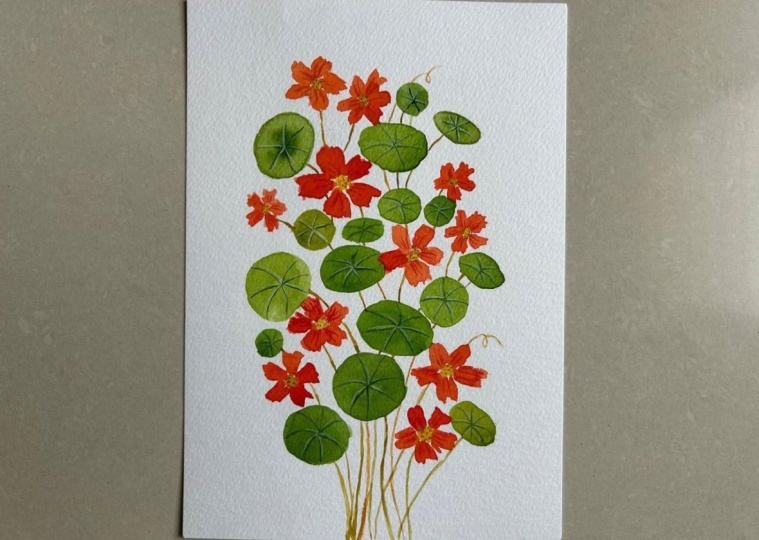
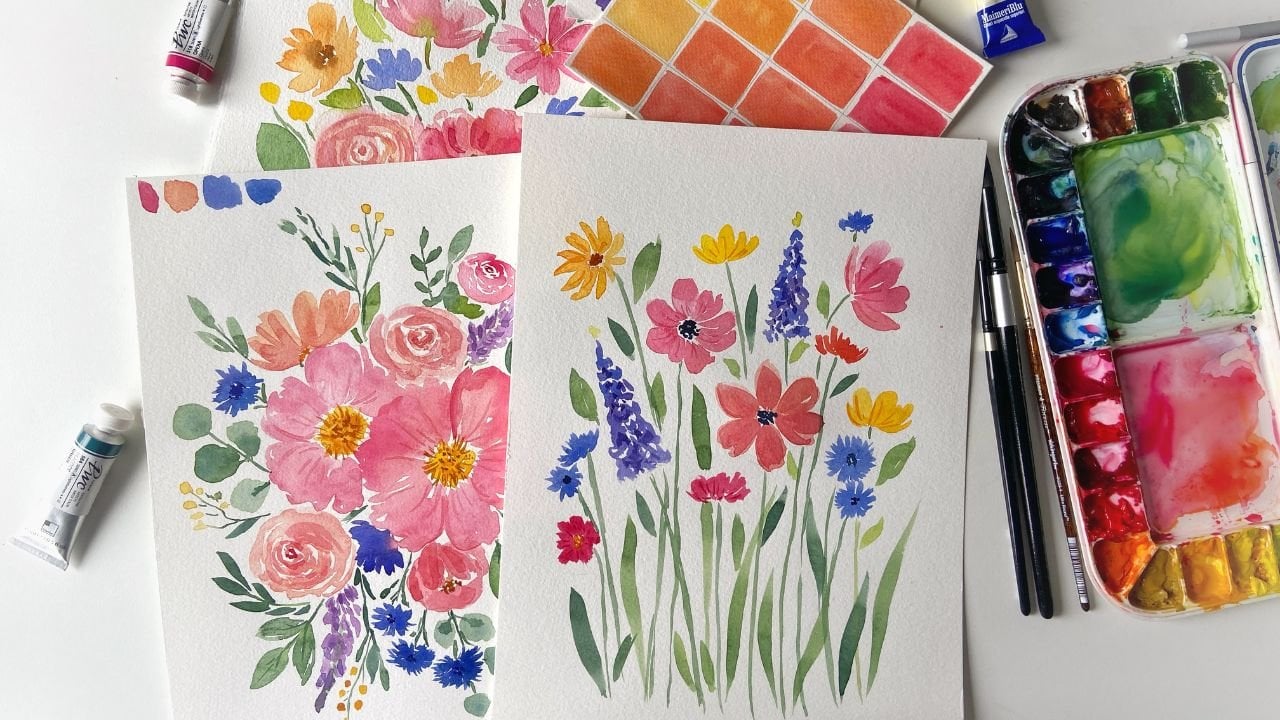
In this short and beginner-friendly class, you’ll learn how to paint loose watercolor nasturtiums using simple techniques and minimal supplies. This class is perfect if you’re new to watercolor or looking for an easy, relaxing floral painting project.
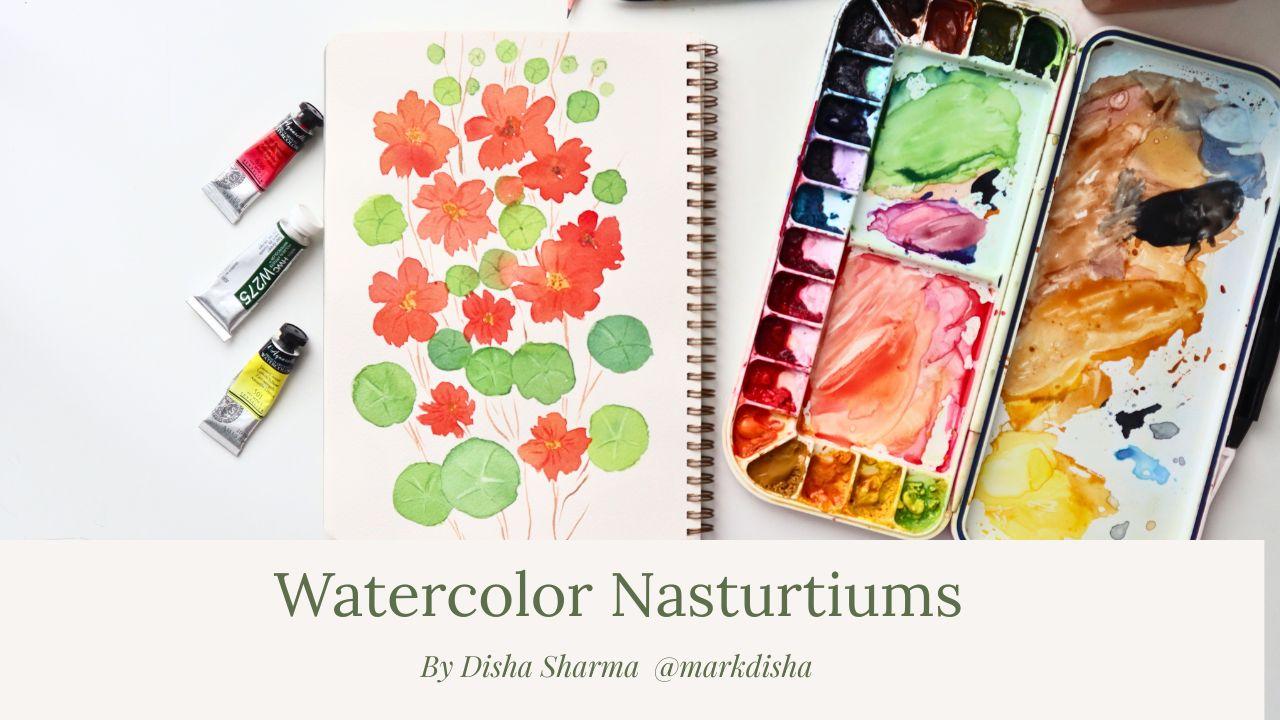
You’ll follow along step by step as we paint vibrant nasturtium flowers in a loose, expressive style, focusing on capturing their movement and natural beauty rather than perfect details. This approach makes watercolor fun, stress-free, and ideal for building confidence.

By the end of the class, you’ll have a beautiful floral painting and a solid understanding of how to approach loose watercolor flowers.

This class is perfect for:

  • Beginners who want to learn watercolor basics
  • Anyone interested in loose watercolor florals
  • Artists looking for a quick and relaxing painting session

Grab your supplies and let’s paint some beautiful, expressive nasturtiums together! 🌿

Meet Your Teacher

Teacher Profile Image

Disha Sharma

Artist & Illustrator

Teacher

Hello and welcome!

I'm Disha--a commercial illustrator and artist specializing in realistic watercolor food illustrations, loose floral paintings, botanical art and digital illustration in Procreate. My work blends the beauty of traditional media with the flexibility of digital tools, creating art that's both vibrant and full of life.

I collaborate with magazines, creative agencies, and brands on editorial illustrations, surface pattern designs, and product packaging. My art has been featured in Shoutout LA, Uppercase Magazine, and Gravy Magazine.

? Polara Studio

JOIN my FREE Art Forest Community in Skool! ? Inside you'll find:

Live Painting Sessions Project ideas & watercolor lessons FREE Tutorials

Click here to join us! See full profile

Level: Beginner

Class Ratings

Expectations Met?
    Exceeded!
  • 0%
  • Yes
  • 0%
  • Somewhat
  • 0%
  • Not really
  • 0%

Why Join Skillshare?

Take award-winning Skillshare Original Classes

Each class has short lessons, hands-on projects

Your membership supports Skillshare teachers

Learn From Anywhere

Take classes on the go with the Skillshare app. Stream or download to watch on the plane, the subway, or wherever you learn best.

Transcripts

1. Intro: Hi, everyone. My name is Disha. I'm a watercolor artist and I've been painting with this medium for a very long time. Today in this class, I'm going to teach you how you can use a loose and expressive style and paint some nasturtiums in loose style with me. We are going to use very simple and basic techniques as well as very simple supplies. If you have never painted with watercours before, not to worry. This is a very beginner friendly class and a very quick one too. We are going to go with very simple steps, very basic techniques. It's just fun, and I really hope you enjoy this class. And in case if you're painting with me, which I hope you will, please do share your work on Instagram and tag me at the rate Mark Disha, so I can also have a look at what you have painted and also share them in my stories. Next, I'm going to talk about what supplies you will need to get started and then we'll work on our painting. So what are you waiting for? Let's get started. 2. Painting Process: For this particular painting, I'm using a cold press paper, 300 GSM and my palette has a collection of tube paints from different brands like Windsor and Newton and Senere. But you can use any watercolor paints that you have available. The brush that I'm using is a quill brush size four. Again, use any brush preferably a round brush. I'm mixing some paints here using my big brush. I've mixed a bright vermilion like color using some red, orange, and a bit of a yellow. Nasturtiums are such vibrant, cheerful colors. They have a simple rounded shape. So I'm starting with loose five petal forms, leaving the center blank for now. I'll vary the tones by adding more yellow to the mix. This gives a really beautiful natural variation. Having multiple tones on your brush always makes the painting feel more lively and organic. I'm overlapping some of the flowers, keeping things loose and intuitive. These flowers grow more like vinees rather than just structured plants, so it's okay for them to overlap and flow into each other. I'm really enjoying this colored palette, honestly. I usually gravitate towards pinks, but these warm oranges and reds feel like a refreshing change. I'm referring to an image from Pinterest, not copying it exactly, just using it as an inspiration for this painting. I'll add a few flowers towards the bottom as well to balance the composition. To create these shapes, I'm simply using the body of the brush to form soft rounded petals, nothing very complicated, just intuitive strokes. Now I'm going to let the flowers dry and move on to the leaves. For the leaves, I'm starting with sap green. I go to base color for foliage. I never use it straight from the tube, so I'm going to mix some lemon yellow and a touch of blue to tone it down slightly. The leaves of nasturtiums are interesting. They are round, almost like water lily leaves. I'll paint them as simple circular shapes and place them organically around the flowers. As I move upwards in the composition, I'll make the leaves smaller to create a sense of depth. Since this brush is too large for smaller details, I'm going to switch to a small six round brush, which is this is silver velvet brush, and using a lighter green to add smaller leaves. By the way, I'm working on a cold press paper in a sketchbook, which is 300 pounds in weight. Cold press paper works really well for these loose style paintings. It allows for beautiful textures and soft bleds which adds more interest to the painting. Now, I'll fill in some gaps with additional leaves. Don't worry about paint bleeding. It actually enhances the organic feel of the piece. Next, I'm going to move to the centers of the flowers. The reference image is quite subtle here, so I'll experiment a bit. I'm going to first try a darker violet tone. Oh But I think a warm yellow works better, so I'll go with that. This is a part of the process just playing around and seeing what feels right. While the paint is still wet, I'm using a clean damp brush to lift out some veins from the leaves. This creates a soft natural texture. This technique works best when the paint hasn't fully dried. Now I'm going to add some stems using a thin brush and a soft brown mix. Since these are wine like plants, the stems can be loose, flowing and slightly tangled. There's no need to be precise here, letting the lines move naturally through the composition. At this stage, you can consider the painting finished if you like. Personally, I really enjoy adding a few more details once everything is dry, like subtle veins or fine lines, but that's completely optional. Now, I'm going to use a thin long brush to add some final details. The idea at this stage is simply to define things a little more, adding a few veins, some darker marks, and just gentle details. Alright. I think this piece is done now. It turned out really cute, and I hope you enjoyed watching this process. And if you have painted this piece with me, don't forget to share it on Instagram and tag me at Rate Mark Tsher. I would love to see you work and also share it in my stories.