Transcripts
1. Snack Class Intro: Welcome to this new series of snack sized acrylic
painting classes, designed to help you
grow your skills one simple subject at a time. Instead of overwhelming you
with everything at wants, each short lesson focuses on a single topic related to
painting with acrylics, so you can learn quickly, practice confidently, and build your
knowledge step by step. Throughout this
series, we'll explore essential subjects like
painting surfaces, acrylic paint types,
brushes and tools, color mixing, beginner
friendly techniques, textures, layering,
palettes, mediums, and more. Every class is designed to
be approachable, practical, and easy to fit into your day, whether you're completely
new to acrylic painting or returning
to art after a break. These lessons are
meant to remove the guesswork and help you understand not only what to use, but why artists choose certain
materials and techniques. By focusing on one
topic at a time, you'll gain confidence
faster and create a strong foundation for your painting journey that fits nicely into your
busy schedule, too. So, turn on your
computer, stay curious, and join me for these quick, focused lessons that
make learning acrylic painting simple,
enjoyable and inspiring. In this class, I'll
introduce you to surfaces also called substrates that
take to acrylic paint, which, by the way,
you'll find is one of the most versatile
mediums there is. With proper preparation, there's a myriad of substrates that
can be used with acrylics, and deciding what works best for you depends on where you
want to go as an artist. For anything from crafting
a decorative ornament for your holiday tree
to creating one of a kind fine art pieces to be sold in galleries
around the world, you'll find the acrylic medium
will rise to the occasion. I'm really glad you're here. Let's dive right in. Meet me in the next lesson
to get started.
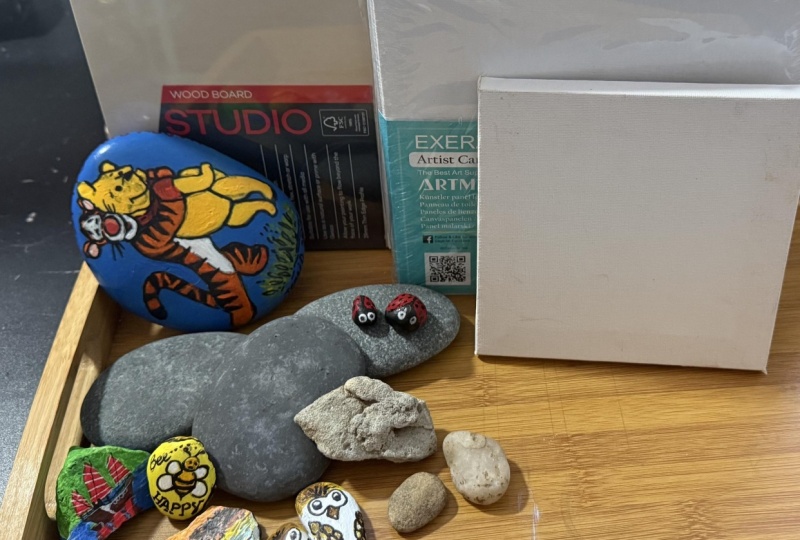
2. Class Project: For your class project,
take a photo of the painting surfaces
you currently have or plan to use after
completing this lesson. This can include anything
I've covered in the class, as well as anything that
interests you or that you've tested and would like to share with me and anyone
taking this class. Then share your photo
in the student gallery, and if you'd like, include a few notes about
what you learned from class, which services appeal
to you the most, or what you hope to try in
your acrylic painting journey. Don't worry if you don't
have everything yet. You can post your project with
the supplies you currently own and update it later as you add new materials
to your collection. The goal is to start
exploring your options and connect with students
as you build your acrylic painting tool kit. I'm looking forward to viewing your progress and seeing what appeals to you and seeing what's available in
your neck of the woods. If you have any questions about specific surfaces
or any questions about the acrylic
medium in general, feel free to ask in
a student gallery or in the discussions
area below this video. I check my messages daily, and we'll get back
to you promptly. Now, without further ado, let's talk about surfaces
to use with acrylics. See you in the next lesson. M
3. Surfaces or Substrates: One of the great advantages of acrylic paint is
its versatility. Acrylics can be used on many different services,
also called substrates. The key is choosing a
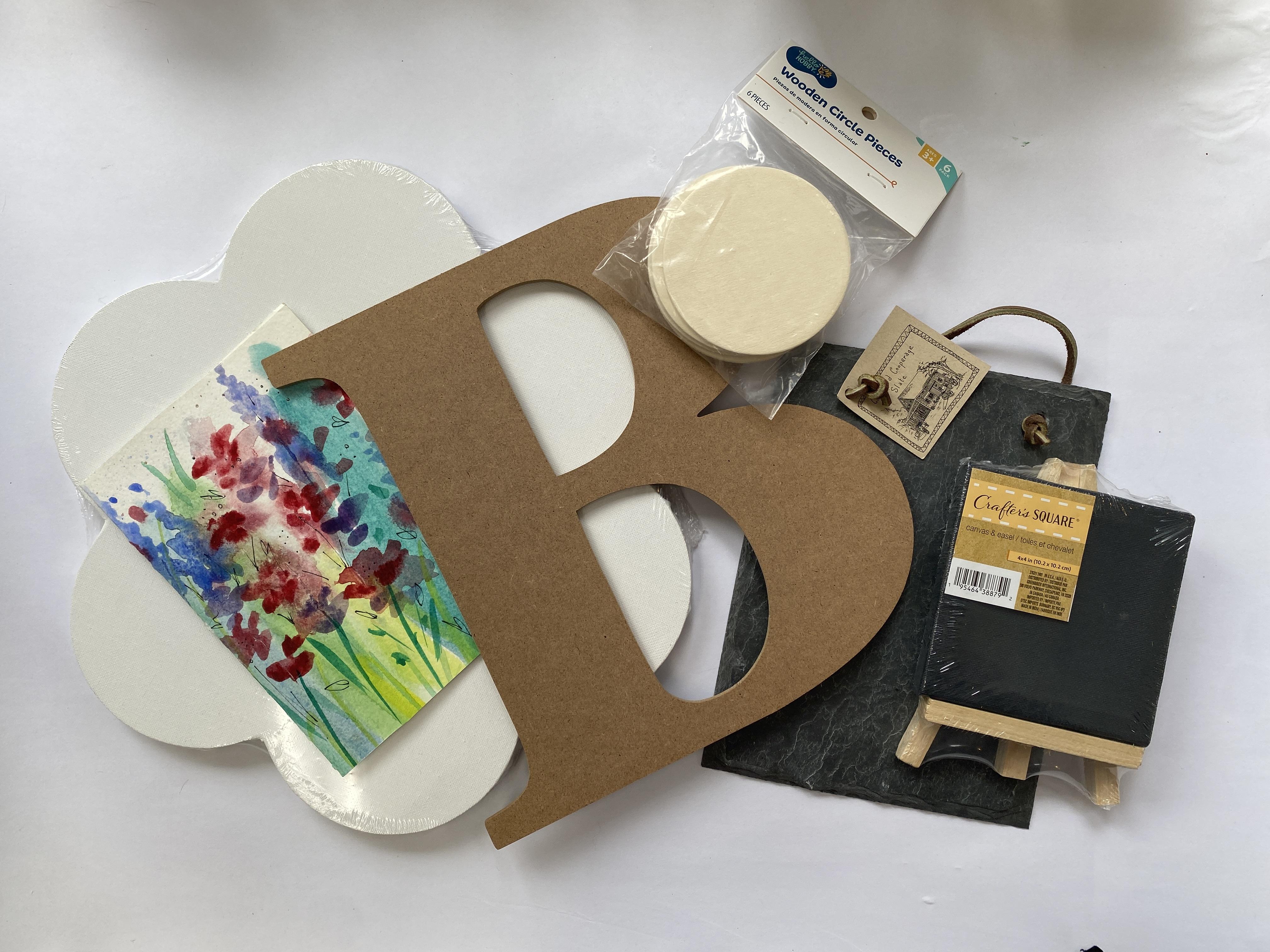
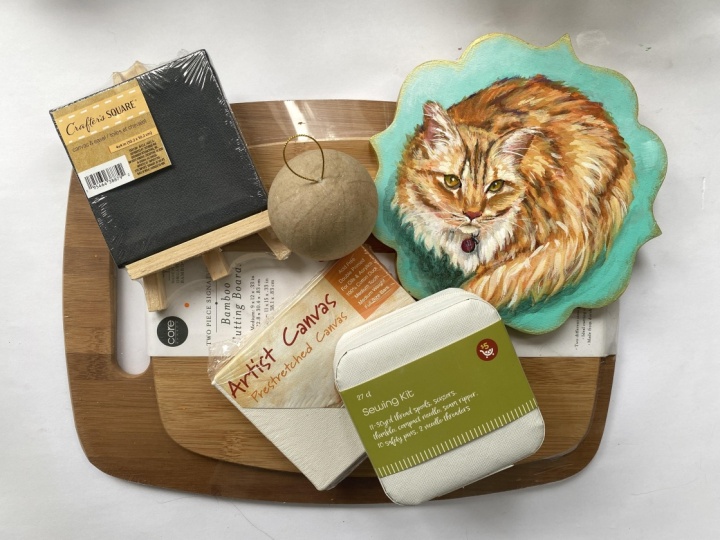
service that is sturdy, clean, and able to accept paint. Canvas is the most traditional and probably popular
painting service. It's lightweight, durable and available in stretched
canvas, canvas boards, or even canvas pads, and in a variety of shapes,
sizes, and thicknesses. Most store bought canvases come pre primed with gesso
and are ready to paint. However, you can
also buy canvas raw, stretch it to your own frame, and then apply gesso as a primer to prepare
your surface for paint. Gisso is a thick paint primer, mainly used for fine art. Once dry, it has a
slightly textured surface that's slightly absorbent, which makes it very suitable for adhering to acrylic paint. It usually comes
in white or black. However, if you'd like another
color, you can tint it. Or if you prefer, it
also comes in clear. Acrylic paper, heavy
mixed media paper, or 140 pound or heavier
watercolor paper is excellent for beginners, practice work and studies. Ticker paper prevents warping and can handle
multiple paint layers. Paper is also affordable
and easy to transport. And I've seen other artists
use paper in their fine art. It's more durable
than you might think. I like it because
it doesn't take up as much space in my studio. Acrylics are a
water based medium, and if you use a lot
of watery techniques, the paper will
buckle as it dries. To prevent the buckling, I tape the paper down
to my working surface. I also apply a coat of gesso, but it's not
absolutely necessary. I just feel like it adds to the rigidity of the final piece. If you're careful
with the taping, your final piece will also have an attractive border
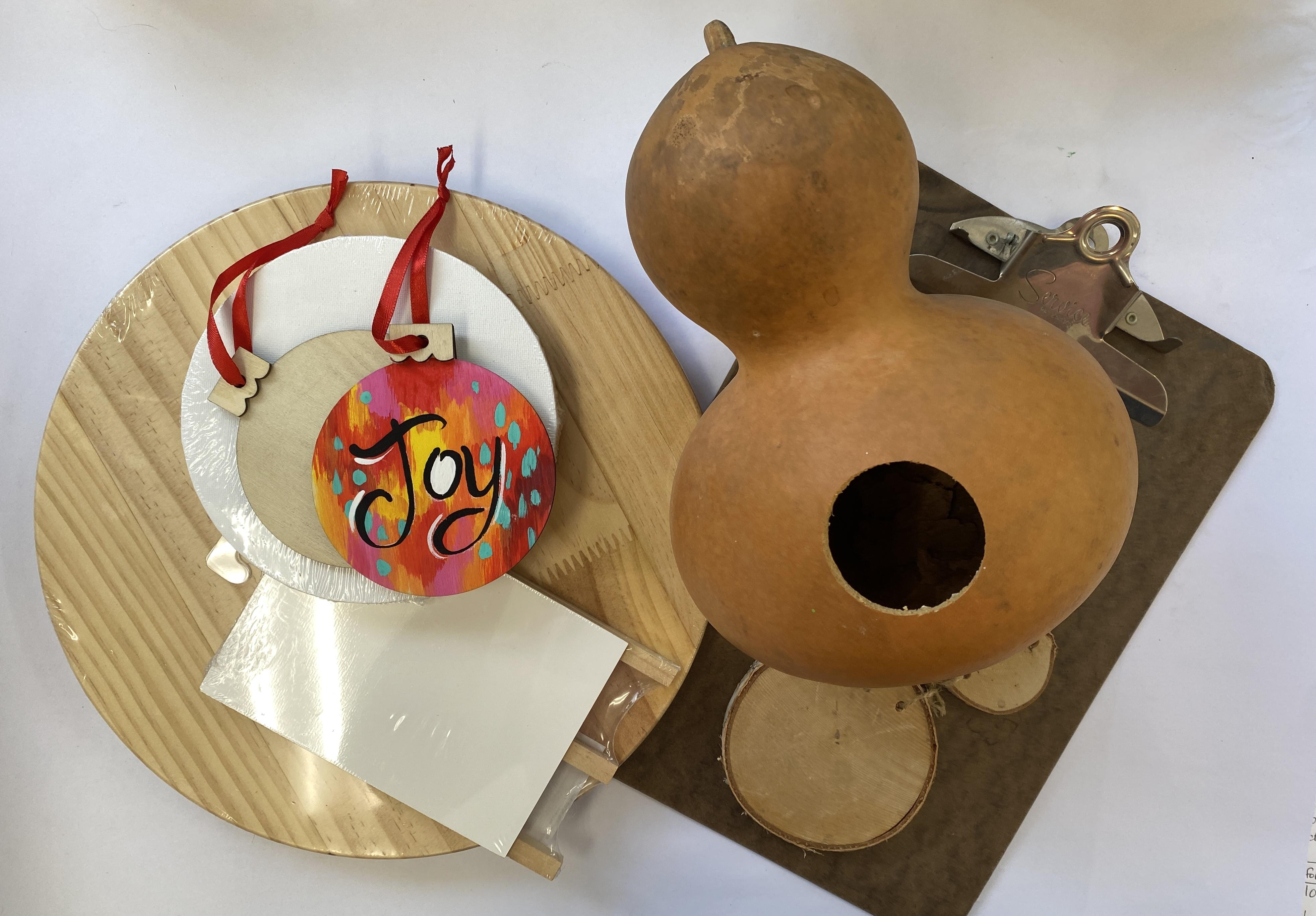
framing your art. Wood panels and products
provide a smooth, solid service for
painting as well. Birch panels, plywood and MDF
boards are common choices. Wood should be sealed or
primed with gesso before painting to prevent absorption and improve paint adhesion. It will also prevent
natural oils from seeping through
the paint over time. Here's a ceramic dish I found at a garage sale with a wooden lid, and I plan to paint the
top to give it a makeover. I love to paint
custom wooden signs, ornaments, plaques, and
sometimes furniture. If you do, too, just remember to prepare
the surface well, and your artwork will
stand the test of time. Recycled surfaces
like cardboard, cereal boxes, and
packaging materials are inexpensive and creative options for practice and
experimentation, as well. As is paper Mich products, plentiful at craft stores. These surfaces also benefit from a layer of gesso to strengthen and prepare
them for paint. If this sparks your interest, I've created a fun class on upcycling in my
painting craft series. You can find that by
clicking on my profile page. Acrylics can also be used
on fabrics, ceramics, glass, rock or concrete, and walls when properly prepared with the correct
primers or mediums. When choosing a
painting surface, consider the
texture, durability, cost, and the purpose
of the artwork. Acrylic paints
flexibility allows artists to experiment with both traditional and
recycled materials while developing their skills. My recommendation for
beginners is to try a lot of different services to see what you like the best. When you post your project, you can let me and
your classmates know what you've tried and
if you have a favorite. My favorite hands down
is walls and windows, but I'll paint on anything I can get my paint to stick to.
4. Wrap Up!: In this snack sized class, you learn about
the versatility of acrylic painting as it
pertains to surfaces, also known as substrates. I hope you experiment and try several services to grow your knowledge and skills
in this specific area. Post your project to Let me
and others taking the class. Know what you'll be painting
on in your creative space. I look forward to reading
about your experience, seeing your choices,
learning more about you, and seeing you make
progress as an artist. If this course was helpful, be sure to follow me for more and leave a review if
you have the time. I'd love to hear your thoughts about my new snack size classes. Thanks for taking the class. Happy painting. Oh
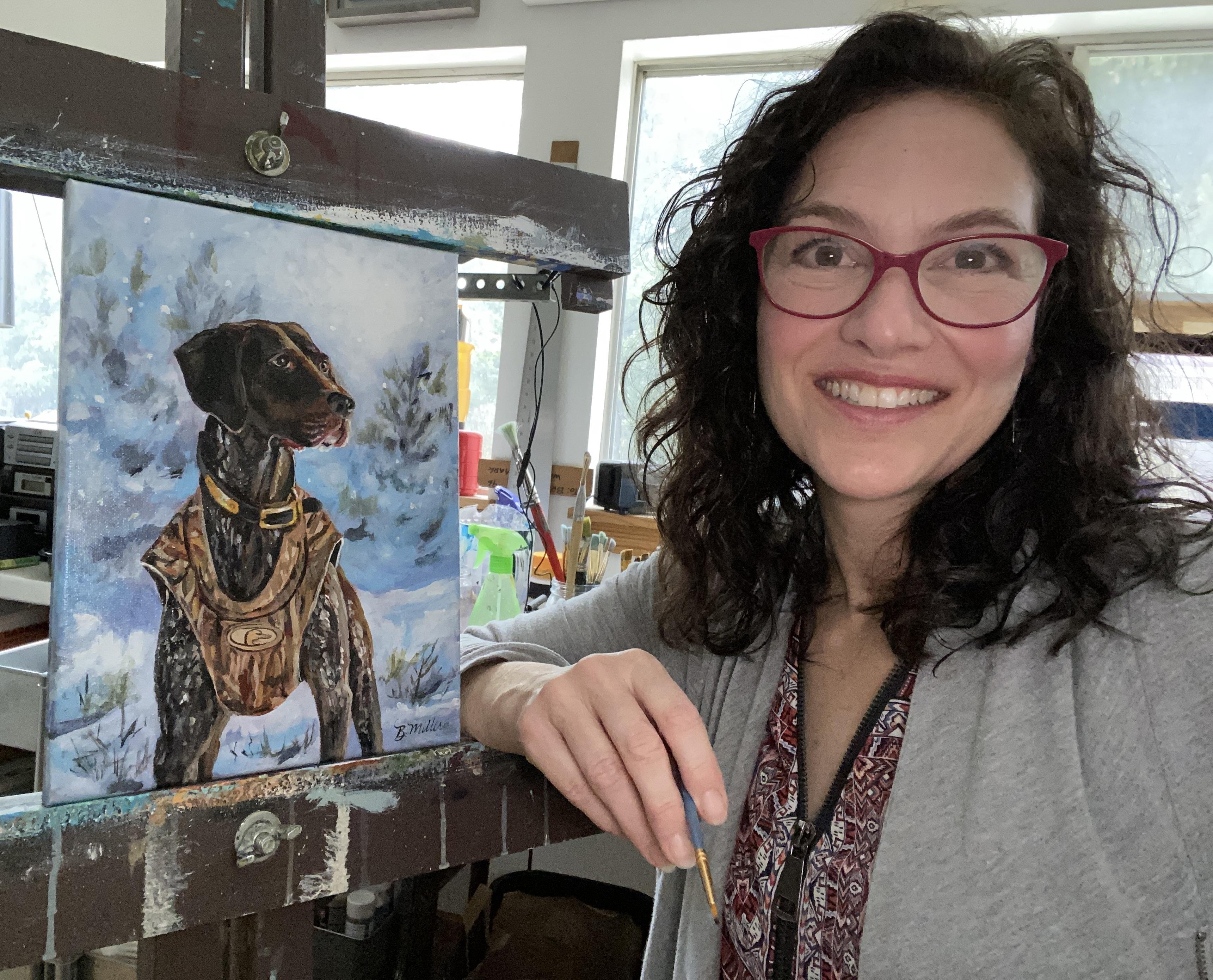
 Brigitte Miller, Artist | Creatively B