Transcripts
1. Introduction: Hey, everyone, I'm Francine Mackley. I designed brands and my business is called Breezy Camper. I actually started in marketing, got a degree in marketing and work some office and corporate jobs before I realized I hate being cooped up and key inside and not being creative. So I learned graphic design and emerged with my knowledge of market. And no, we designed brands 1/2 function and purpose and our centers around the customer. I had a rocky start, not really knowing out of star or what to focus on and where to find right people. So in this class, I'll be teaching you the easiest path I know to start your design business and to reach the audience that you are. This is for all skill levels. So whether you're thinking about starting a design business and want to know what it's like , or you're already designer who wants to go off on your own, and this is for you, Michael is to get you off your feet and into career. You absolutely love. So whether you're going all in full time, I want to start this off as a side hustle. I'll help you along the way I also want to go a little bit against the grain of what other people are doing. So at the end of this class, you'll have the foundation to start a design business and to grow it into a sustainable one . And after the class is over, you're gonna have a simple capabilities, deck and business plan. So thanks for joining me and let's get
2. Commitment and Setting a Date: so lesson number one commit. If you are committed to this, then you can go far. If you're thinking about it and you're a little bit wishy washy, it will either a never happen or V take forever to get off the ground. Make commitment to yourself that you will be dedicated on a certain date so you can even start as soon as you're finished with this class. I have a worksheet for you to fill out so you can add the date that you're either gonna start or start to ramp up the business that you're working on. So working on your business is different from working in your business. They're two totally different things. Working on your business means working on your own branding, marketing, business, development, networking website, etcetera and working in the business means you're doing client work or product development . The key is to get the clients, but if you don't make time to work on your business, it won't give you a sustainable model of more leads. So Step one, set a date and then add dates. True calendar, where you can block off timeto work on your business
3. The Nitty Gritty Details: Now, before you take on work, let's get you legal. Some people wait until they make more than a $400 because that's when they get taxed. But let's face it, you're not shooting to make only $400 the entire year, are you? If that's the case, then let's not do that right. Let's start now. So do it in the beginning, so it's out of the way and you can focus on creating an awesome business verse. Let's start with deciding on what you're naming your business. Are you using your first and last name? If so, then you're done. Easy peasy. Then you can move on to the next step. If you don't want to use your first and last name, make sure you register for a DP A or a doing business as in your county. So doing this insurance that the name is yours to keep. When you register for a DP A. You can look through the database to make sure that your name isn't already taken and I'll show you how. - Once you do this, it's best to snatch that domain name. Go check out Go Daddy and see if it's already taken. If it is taken, you can consider other variations of this waste to go around this. So let's say your business name is super awesome. You can either see if a different extension is available like Dot co or DOT is. Or if you want to make sure, it's dot com. If you really want that and most people dio, try adding the word design or studio or co or company or agency. It just depends on what you want and what your business model will be. You can get creative and add something like Hello at the beginning of it, or a short phrase at the end. Just make sure that it's short and sweet and memorable. If you need. Resource is for a business name. I'll leave some links below if you need to brainstorm. If you absolutely can't think of anything and it's taking up time, it's best to start with your name and evolved from that. You just don't want to delay or make any excuses on why or not starting your design business today. Next, you're gonna need a business license in your city, an e i n. And if you're selling goods a seller's permit. If you're sending out newsletters like email newsletters or other things, you'll have to show your address. If you don't want your dress showing, try getting Appeal Box or a virtual office address. And as a last note, I'm helping you do this as a sole proprietor and other things like an LoC. So that way it's just simple and straightforward, so I'll leave the links or further instructions for all of these in the attachment.
4. Positioning and Niching: Now let's figure out how you're going to do what you do and what you're gonna offer. So there are so many branches of design, and it's up to you to decide which direction you want to go. If you can find a niche from the beginning than you're studying yourself up for success with a specialty, the other cool thing about this is that if you're just starting to design, you won't get overwhelmed by trying to learn a bunch of different things. So here are some directions you can go with a niche for me. For example, I work on branding design on Lee and for entrepreneurs and small businesses, so I don't work on editorials. I don't really do too many illustrations. I try to limit myself so I can have that as my specialty. Some other images that you can think of is maybe a style. So maybe you are doing general design work, but only in, let's say, a vintage tattoo style or ah, watercolor style. Maybe you're doing all types of design, but it's on Lee fashion related. Maybe you're doing things based on the software you, so maybe you're just making layouts like for PdF's and for presentations and on Lee working on in design. Or maybe you're, um, emotion designer and only work in after effects. Or another way you can niche is to do it by people. So maybe you're a brand designer for yoga instructors or your A brand designer for a tech start ups. So there's so many different ways of doing this, whether it's style or a target market or software or the type of services that you offer. So once you have that come up with just two surfaces that you'll want to start advertising , maybe it's editorial design an aloe ghosts. Just keep it in mind and then add that to your capabilities deck at the end of this.
5. Your Porfolio: Okay, so now it's time to show you off and show off your work. So if you are in the very beginning stages, you might not have a lot on your portfolio. So I'm going to focus on two ways. You can do that both with personal projects and real ones. So for personal projects, think of your niche and then think of your target market. So let's say you're going to start doing editorial designs and you love toe work with media outlets and magazines, then designed those he been. Mind your client every time you design something new, so I want you to document everything you do if you haven't learned yet. Well, guess what? You're on skill share, so your first design can be the first thing on your portfolio. The key is to document everything you do. And, um, you can take photos of your initial sketches or any research or a mood boards, or get someone else to take photos of you working. That will look really great when you're done with a design. Talk about your thought process toe. Why you went with that design while you chose that style or those colors and anything else that you can think of for real life projects. If you don't have any clients yet, you can still offer one or two, but not much else for free, so you can approach people and either offer them a discount or do it for free. That way, you just have something on your portfolio right away to get those higher paying clients. Here's the trick. Don't go to just anyone. Go to a really business, one that you know is operating. So what I mean is, don't go to a friend who's thinking of maybe starting a block because you don't know how committed they are yet. So you want to find a real legitimate businesses even better if you can get people in the industry you want to design, for. This is your chance to practice systems and work flows and client communication. So remember, don't due to money free ones limited to one or two, and document the process as much as you can. This will give you a starting point to add highly detailed work to your website
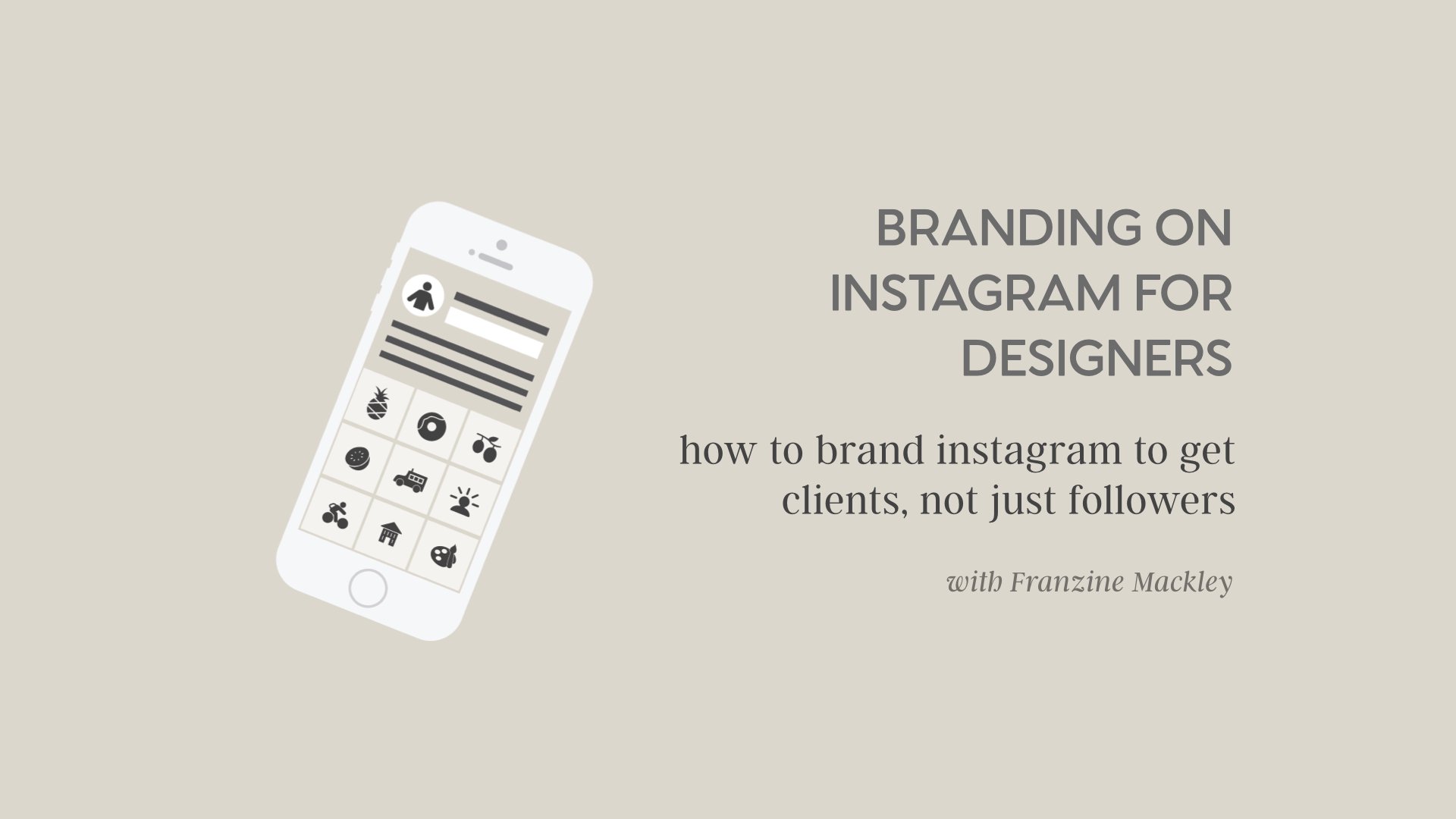
6. Marketing and Getting Clients: now let's move on to marketing. So now you have a few things on your portfolio. Let's get you those clients network and talk to as many people as you can tell your family and your friends In the beginning. Word of mouth and referrals are everything. So do that to stay afloat for now and make money while you're building your other channels , setting a good foundation so this convert you leave pretty quickly, but to get consistent client, it's always going to take a while to get there. So if you want to start now and stick to it, then you'll reap the benefits later off your hard work. So now I will be talking about a few channels like your website Instagram Pinterest and Behan's endurable for your website. If you want to dream big, you definitely want to think about a CEO. So let's say your thing is logo designed for a fitness instructors. If you google that, what do you see? Ultimately, like this should be your goal, and this is how you're gonna get found in re niche. You don't have to be a blogger, but consider adding a few articles to your website about what you do or things related to your industry, so you have more ways to be found. This will also contribute to SDO and give you a better chance of being found. Pinterest Pinterest is like a mix of Google and a social media platform. It's king When it comes to image searches, all types of inspiration is found on here, and as a designer, your work needs to be seen on here. Pinterest is often underutilized, but I get 80% of my website traffic on Pinterest. Use it to pin your blood posts on all your portfolio pieces and link everything back to your about site. Make sure you have your logo or website on these images so it doesn't get locks in the mix , and people will know that you did it. You'll want to set up a business profile and link it back to your website. That way you can check the analytics and see what is being pinned from your website. Now let's talk about social media all mostly be talking about instagram, but if your ideal clients are on there, use the same principles on Facebook or Twitter or LinkedIn. Don't use these platforms to simply gain followers. Most likely, these followers aren't your ideal clients. The name of the game is networking and making real connections. Use social media as a dynamic and updated portfolio. Use it to story tell. Show your behind the scenes, show your everyday life and who you are and show your work and tailor it to the people who are going to pay you. You can also put all your personal projects on here. Since it's updating constantly. Feel free to be creative as long as you can Remember the end goal. Use the hands. Urge arable to showcase the nerdier side of your designs. You'll want to upload your work in progress. He studies client work and personal projects here. If you can hone in on a style, you'll definitely get noticed here by both small businesses and companies. And just like anything else, it might take a while for people to actually discover you. It is good to get that going now
7. Capabilities Deck & Closing: now we're gonna be creating a capability is duck. It can also be a pdf proposal. You can use this on Kino or Power Point or in design. If you don't have a local yet. Well, you're in luck. You can just type your name or your business name as a simple font until you have one. This is ready so that when you're networking and talking to people, you can send them a piece of work you did and some of your pricing. This is super simple, because the goal of this class is for you to take action and get started without overthinking anything. Since your designer you can start refining this as you gain more experience. Right now, though, I want you to take this and start getting some work. You will slowly build a better and better portfolio and get connected with the right people . So that's all I have for you. This is a high level overview of how to start a design business. If you have any questions, feel free to leave comments below or come find me on instagram app. Breezy camper. Thanks so much
8. Walkthrough of Deck + Business Plan:
 Franzine Mackley, Brand designer & strategist