5 min Cinematography Tip: 7 Shot Rule for Content Creators | Fred Trevino | Skillshare

Playback Speed


1.0x


  • 0.5x
  • 0.75x
  • 1x (Normal)
  • 1.25x
  • 1.5x
  • 1.75x
  • 2x

5 min Cinematography Tip: 7 Shot Rule for Content Creators

teacher avatar Fred Trevino, DP/Colorist & Top Teacher

Watch this class and thousands more

Get unlimited access to every class
Taught by industry leaders & working professionals
Topics include illustration, design, photography, and more

Watch this class and thousands more

Get unlimited access to every class
Taught by industry leaders & working professionals
Topics include illustration, design, photography, and more

Lessons in This Class

    • 1.

      Intro

      0:21

    • 2.

      7 Shot Rule for Better Cinematography

      4:41

  • --
  • Beginner level
  • Intermediate level
  • Advanced level
  • All levels

Community Generated

The level is determined by a majority opinion of students who have reviewed this class. The teacher's recommendation is shown until at least 5 student responses are collected.

1,735

Students

9

Projects

About This Class

In this 5 min mini class you’ll learn the 7 Shot Rule of Cinematography to take your shooting to the next level. We'll cover 7 crucial shots to get to make your projects more interesting and cinematic. This is great for beginners or just as a cheat sheet for more experienced filmmakers. This class is short but packed with tons of useful nuggets of knowledge. Go check it out!

About Your Teacher

Fred Trevino is a colorist with over 15 years experience.  He's graded over 60 feature films and hundreds of projects for high end clients such as HBO, Versace, ESPN, Under Armour and more. His narrative color work has screened at well known film festivals like Sundance, Cannes, and Slamdance. His goal is to use the experience and skills he's developed over his career to accelerate your learning in the field of color.

Meet Your Teacher

Teacher Profile Image

Fred Trevino

DP/Colorist & Top Teacher

Top Teacher

Fred Trevino is a cinematographer & colorist at Beambox Studio and Top Teacher at Skillshare who has been grading projects for small, medium and large corporate clients, as well as filmmakers from all over the globe. He's graded over 60 feature films along with hundreds of music videos, short films, documentaries, commercials, web spots and more.

Some past corporate clients include HBO, ESPN, Shiseido, Under Armour, Sundance Channel, Tru TV, and Pepsi.

He's worked with countless talented DPs and directors and his color work has screened at several highly esteemed festivals such as Sundance, Cannes, and Slamdance. Along with grading he enjoys doing street photography in New York City where he lives.

As a first class he recommends Introduction with a Pro Colorist and ... See full profile

Level: Beginner

Class Ratings

Expectations Met?
    Exceeded!
  • 0%
  • Yes
  • 0%
  • Somewhat
  • 0%
  • Not really
  • 0%

Why Join Skillshare?

Take award-winning Skillshare Original Classes

Each class has short lessons, hands-on projects

Your membership supports Skillshare teachers

Learn From Anywhere

Take classes on the go with the Skillshare app. Stream or download to watch on the plane, the subway, or wherever you learn best.

Transcripts

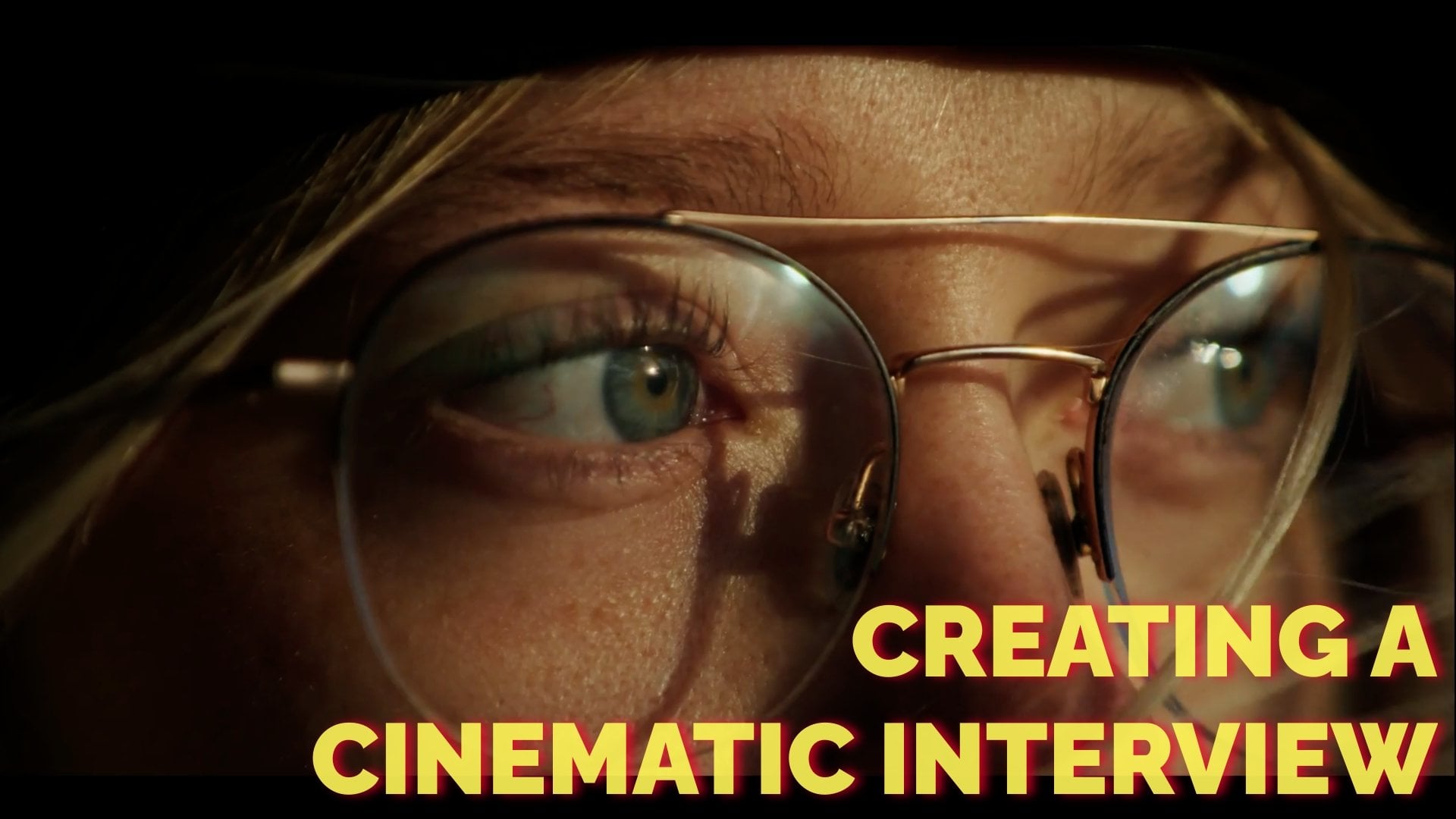
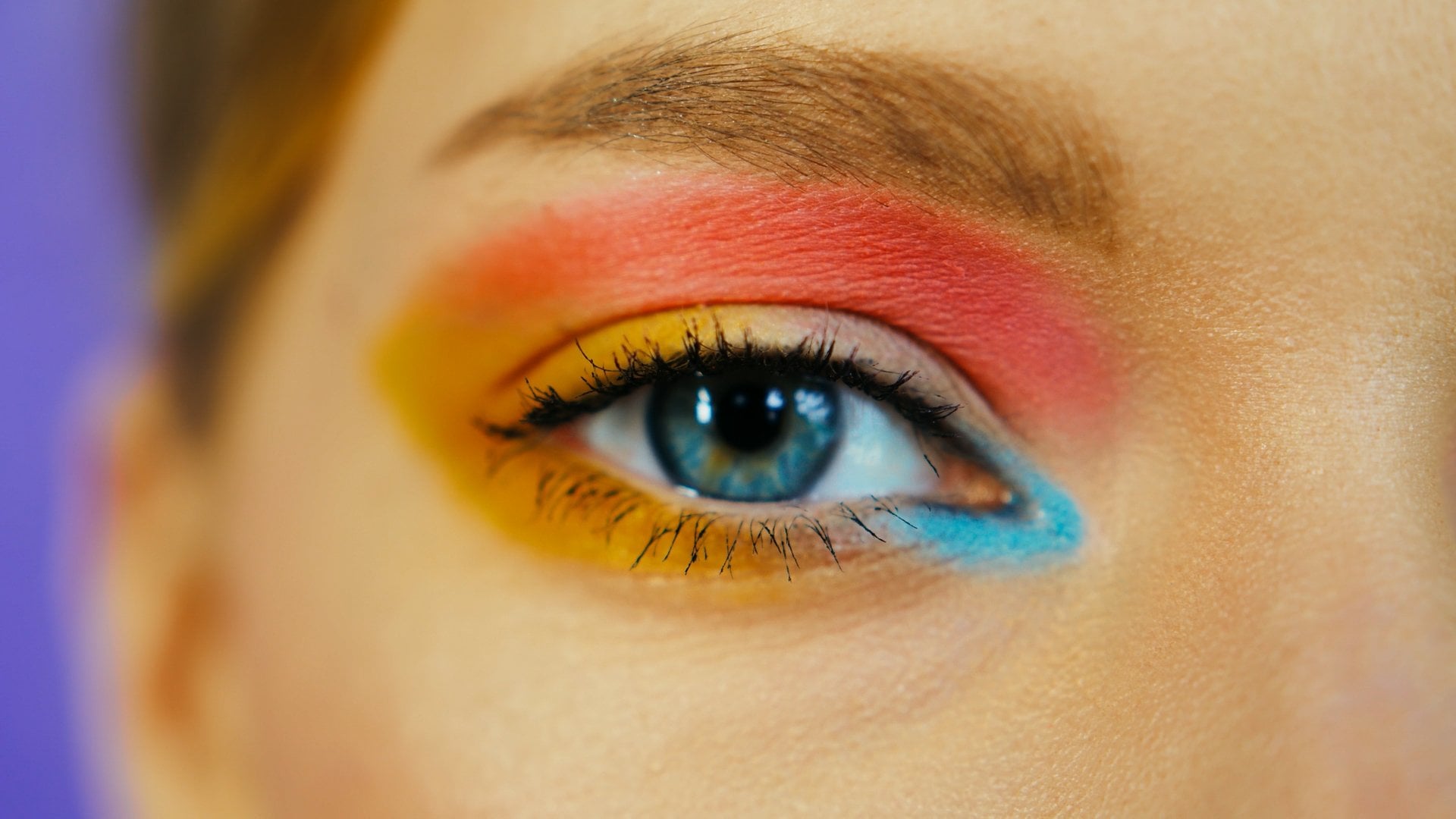
1. Intro: Hi, I'mFretervino, and I've been a professional colorist for the past 15 years. I've graded over 15 feature length films. And in that time, I've worked with a ton of great cinematographers and here's some tips that I've learned from them over the years. This is going to be a super short class, and it's the first in a series of tips that I'm going to give you about cinematography. So let's get started. 2. 7 Shot Rule for Better Cinematography: So as a project for this class, it's simple, go out, shoot, do the seven shots, follow the seven shot rule, cut something together. It can be 5 seconds, 10 seconds, 30 seconds, and then post it in the projects page. Okay, so my first tip for whenever you're shooting something is to follow the seven shot rule. This rule is super easy. It simply means that whenever you're shooting anything, do the seven shots, and you are guaranteed to have great footage, great B role, and something that will make your project look interesting, whether it's a corporate video, a feature film, a scene for a short film music video or anything else. So here's those seven shots. So the first one is a wide shot or establishing shot. Some of these makes sense. I'm sure if you've worked on any film projects, you will have heard about this one, but stay with me because there's a lot more interesting shots coming. But the standard, most basic one is the opening wide shot or establishing shot. This basically just gives you all the information that's in the scene and shows you where you are, where your characters are. And then the next two shots shots number two, and shots number three of seven are to always remember to get two medium shots. So a medium shot is basically what you're seeing now. I'm in a medium shot. It's basically one you're not two too close, such as a close up like this. It's not a wide shot like the establishing shot. It's somewhere in the middle. Hence, a medium shot. So always get two of those, so you have plenty of footage to work with. And then the fourth shot is a close up. Again, this one's pretty simple, a close up, usually a close up of someone's face, or if you're shooting B roll, get close up of whatever object or subject matter you're shooting. And now we're getting into the more unique shots, and that is shot number five, which is to always get an extreme close up. So whether you're shooting, you know, a scene with characters, get an extreme close up of their eyes, of their hands, of their phase, of something they're holding, if you're just shooting B roll, get really nice and tight on that object or whatever it is you're shooting. So that is shot number five, get an extreme close up. So by now, you're probably noticing that the shots are getting more and more interesting. And when you start thinking about all these shots cutting together, you're seeing that you're going to get a very good, unique, interesting, cinematic, scene or project that you're shooting. So shot number six. This is one of my favorites, and it's basically the unexpected shot. So what does that mean? It basically means don't overthink it, stick the camera somewhere, almost random, put a camera somewhere that you would never normally put that camera, hit record, put the camera on the floor, put the camera on a desk, put the camera, you know, up here pointing down. Put the camera with in any random odd location you can think of. And I guarantee you when you're editing, when you're in post production later, it's going to be your most interesting shot and one of the shots that everyone will ask you, Wow, how did you get that shot? And the last shot shot number seven, it's kind of related to shot number six, but this one is known more as the abstract shot. So whereas the unexpected shot might be a little bit more traditional, you know, like let's say you've gotten your wide shot, a medium, a close up. Well, the abstract shot is similar. But it's really the kind of shot where you're kind of thinking of breaking all the rules. You know, a good example of this is when you see people, you know, stick a camera, you know, inside a bag on a shelf, a POV, of someone opening up a box or something like that. Or it might just be a shot, that's just again, completely random from a bizarre point of view, from a bizarre perspective. It can be of someone's face, it can be of someone's feet, hands, the object they're holding. It can be B roll. You know, the point about that one is to just get creative and get something that's completely abstract. Because again, I guarantee you that's going to be one of the shots that makes your scene very interesting, and it's going to be one of the shots that people ask you about. So, that's it. I told you he was going to be micro learning, a meaning class. And again, the shots are number one, wide shot two and three, medium shots, number four, close up. Number five, extreme close up, number six, the unexpected shot, and number seven, the abstract shot. So thank you for watching this, Create a project, go out, shoot, get your seven shots, posted in the projects page. Leave a review for this class. Check out my other classes as well. And if you have any questions, comment in the discussions below. Thanks again, and I'll see you all next time.