Transcripts
1. Intro video: Hey everyone, my name
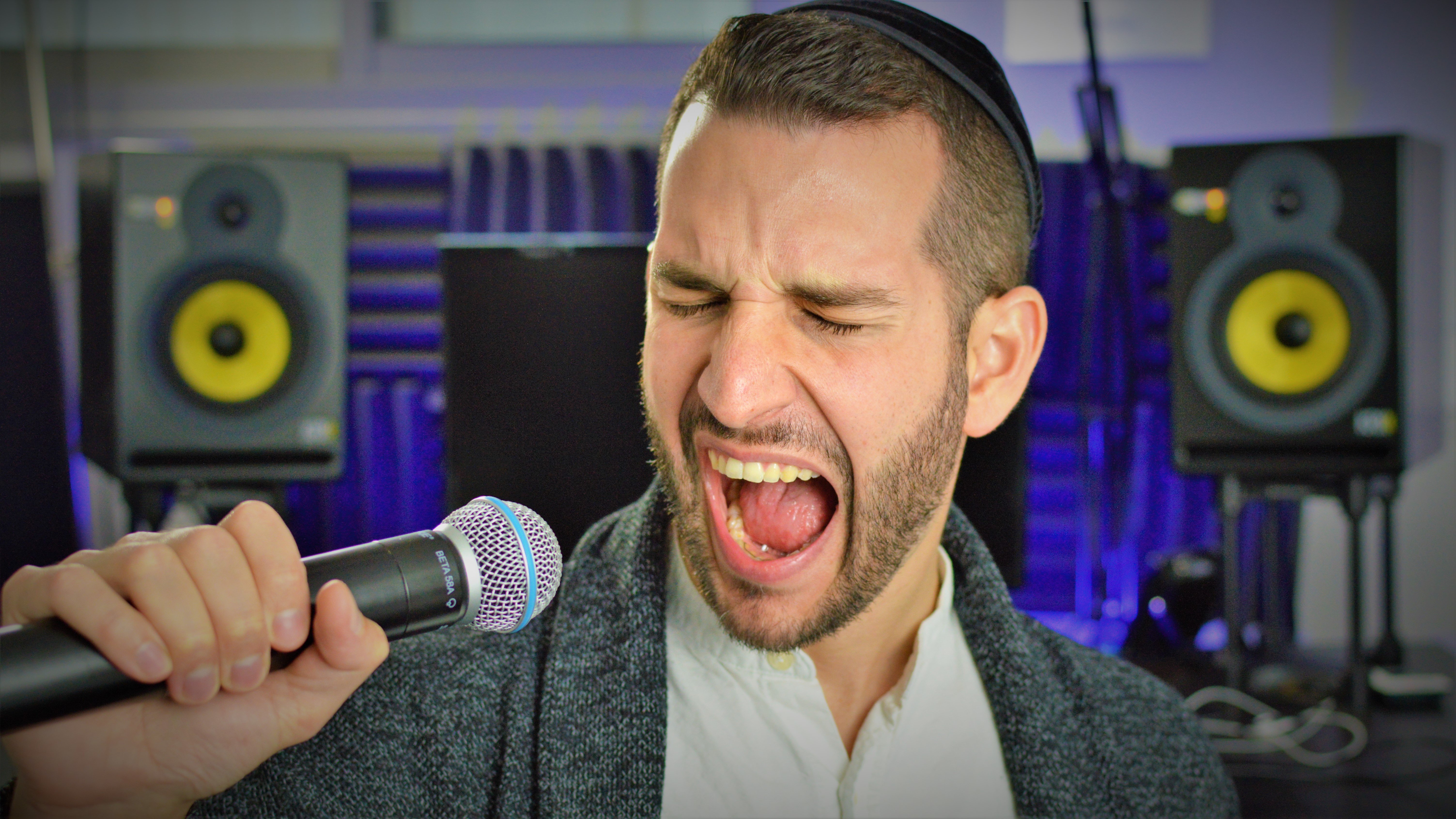
is Adam is Shannon. I'm a singer songwriter
in vocal coach. Welcome to this warm-up. So why should you
be listening to me and watching this course? Well, I currently have
a YouTube channel with over 400 thousand
subscribers on it. And I got there by first
posting a video of how I went from this to this. So who better to
teach you how to sing then somebody
who was born with absolutely no natural
singing ability and was able to learn how to sing throughout my
15-year journey, I've learned all the
techniques on how to improve your voice as
quickly as possible. And I've applied
those techniques for myself and for my students. And that is exactly
what we're going to go through here,
here in this class. You're going to follow along
with me moment by moment. And I'm going to show you
step-by-step how I would take a student to be able to warm up their voice as
quickly as possible. Now part of this course is
that I want you to record this entire process every
single time you do it. What this is going to do is it's going point out and you'll be able to see any points of
tension that you might have. And you'll be able to overtime, see the improvements
and start making corrections to the way that
you're doing these exercises. Before you move on
to the next video, I want you to prop
up your smartphone with its camera on
so you can record yourself on video and
really be able to watch back and see how you
did with these exercises. And I want you to post
this as your project to show other
students the mistakes that you're making are the things that
you're doing right, so that everybody can
learn from each other. Now, my goal with these follow
along courses is to make it super fun and engaging singing lessons
don't need to be boring. We're gonna make really
weird sounds here. It's gonna be much
better than just following along with
a random piano scale. You're going to walk
through it with me and we're going to see
improvements in your voice. So I'm really excited for
you guys to get started. If you like this course, then I highly recommend
jumping over to my website where
you're going to find a lot more resources on singing, more in-depth courses
on all the information that you need to go from
beginner to advanced in singing. Now without further
ado, let's jump in.
2. Straw slides: Alright, so I'm going to walk
you through step-by-step exactly what I do in
my own daily workout, my daily warm-up routine. I actually haven't
warmed up today. So this is the
perfect experience to be able to see
exactly what my warm-up looks like without any sort of sugar coating on it, it's going to sound not so pretty in certain spots because there'll be
warming up my voice, but you guys can join in
with me and do it too. So the very first thing I
start off with is the straw. It is by far one of the best
exercises that I know of. Um, and it has been
scientifically proven to get the vocal cords
working in an optimal way. So we want to, we
obviously want that. So that is the first thing
that I start off with. So what we're gonna do is a slide from the
bottom of your range. We're going to go
up to the midpoint of your range and back down. So that's what I'm gonna do. I'm just going to try to
focus on release relaxation, getting my breath to come
in and relax my stomach. So all I do on my
breath in and as I think of releasing the abs, released the abdominals
to be able to keep that airflow moving. The other thing I forgot
to mention is that generally I wouldn't
do a full our warm-up. So the fact that we're
doing this full hour is to just pack this full
of content for you guys. But I would generally do about a half-hour and
then I'm good to go. I wouldn't do more than that
in a regular day warm-up, but think of splitting this up. You could mix and match
different exercises here and find your own
half-hour warm up. So let's let's do
let's do some more. So releasing the abs. Also very important to
make sure your lips have a good seal around the straw. There at the beginning, my lips hadn't completely sealed
around the straw, but then as it continued, I got a much better seal. So as it again, the other thing
that I'm keeping in mind is key, my tongue relaxed. So thinking of keeping it really loose and making sure that it sits right up against
the bottom teeth. So we don't want it to pull
back or retract in the mouth. We want to try to keep it. I'm forward in the
mouth, but relaxed, not pushed for store, stuck in there. We don't
want to think that. I tried to gradually
increase the volume, getting the vocal chords
to vibrate a little bit more intensely as I go. Now I'm going to try to
slide up into my head voice. So, so far I've been keeping
it in just chest voice. Let's go into head voice. Let's go. Alright, So being that it is
first thing in the morning, I've got a little bit
of a bump to go over. So let's try that again. Feeling a little bit of
that break in my voice. So we want to get rid of that. So the way that I do that
is by focusing in on it, you'll notice exactly
how I focus in on it. Alright, so out of breath there, Let's try it again. Good. Alright, so feel free to follow along
with me or to watch, and then later on follow
along totally up to you. So that is the slides. So now what we're gonna do is throw in a little bit
of piano with us. So what I'm going to start with, just got some spitting
there on the piano. Always get a little bit
of spit stuck in there. I clean that off. That's gross. So now what we're gonna do
is go up to a specific note. So we're going to relate this. Alright, so my voice is
wanting to break there. So you've got to spend
some more time that spot. You guys found me on an off day, which is actually good
because then you really get to see how I go about
dealing with problems. If my voice was 100%, then I wouldn't really have
to spend much time on it. Say that again? There would happen was my voice broke too early before the note. So what I did was drop back down and now
I'm going to reset. So what I'm hearing there is already it's starting to
even out on that note. I'm going to go up. And even though it's
not 100% perfect, it will perfect
itself over time. Another thing that
I'm trying to avoid is going to early
into head voice. So I'm trying not to go. Yeah. I went to head
voice prematurely. I wanted to try to bring my
chest voice as high as I can. Alright, let's try the e here. E4, got an F. Alright, so that one is feeling a little bit stifled there. No worries. Let's try to
get at it a different way.
3. Chew and hum: So we're gonna do
a chew and Hmm. So I'm going to do is chew. And I'm also going
to, at the same time, it's like this. Good. And remember, I'm trying
to keep my abs as relaxed as possible
on the breaths in in-between the exercises and do a couple more kind
of getting caught there. So I'll try it again. So there it's getting a little
cut on the top. So what I'm gonna do is use what I like to
call the dog cry. So it sounds like a dog crying. But this does is it brings
the vocal cords together in a very precise way so that they're not being
pulled apart and they're, they're staying
together very nicely. So we want to keep that they're feeling a little bit of resistance and feeling a
little bit of blockage where normally that should
be nice and open. So what I'll do is
just keep working that also I'm thinking a little
more airflow through it. So if it's feeling
a little tight, a little blocked, then I need to kinda blow through
it a little bit more. Still getting stuck
on the way up. So let's do top-down if
that's working the best. To now that's starting to feel a little bit easier
and less blocked.
4. Quiet EE slides: The other thing that
I'm doing is I'm keeping a little bit of a smile. This is to stay on top of them, note and bring out the
brightness and my tone. So I don't want to think of it as that's going to drag it a
little bit under the pitch. Another thing to note is
as I'm doing it my eyes, I'm keeping my eyes downwards. I'm not looking up for
those higher notes. I'm thinking down for
those higher notes. Another thing I'm not doing is I'm not clenching my teeth. So I know I'm keeping my jaw
nice and loose as I do this. Ones getting stuck. I try not to push it. I tried to keep it
still really loose, really light as I do it. Another thing you're
gonna notice is that most of this exercise, most of my warm-up is done
at a very low volume. It's really the
basis of where you can figure out the entire voice. We don't need to start
at super high volumes. Now the thing is drink a lot of water because that can help to keep
everything lubricated. Obviously, the water that
I'm drinking right now, it's not going to
touch my vocal cords. But what it does is it
helps to coat the throat and keep everything
they're moist, moisturize and not from
a wave from getting dry. Let's do that again. I'll bring it back down. When I feel like a good vibrato kicking in that tells
me that things are loosening up because
it's spinning vibrato will not come if you
have strain in there. Now, all the exercises
that I've done up until now have all been
focused on chord closure. Now I will backtrack and do after this a falsetto exercise. So it's one of the things that
every time I do a warm up, I want to make sure
that I'm tapping into that falsetto because that's the beginning to
finding release is falsetto. And if you find your vibrato is kicking in, that's a good sign. So let it flow. There. I got stuck by voice, didn't know they want
to go more towards chest voice or more towards head voice got stuck
in the middle. So let's be patient with it. Me. When in doubt, always
more towards head voice. Especially in a warm-up. I'm using a little
slight shake my head just to find looseness
and those muscles. Something that I'll also do some times is I'll
just kinda go in here right around my
hyoid bone and larynx. So right there is the
tip of my larynx right above that, my hyoid bone. And I know for mine personally, my hyoid bone gets
stuck a little bit. And so if I do a little bit of stretching here
on these muscles, I can open it up a
little bit more. This side tends to sit
lower than this side. Muscles are just a little
bit tighter over here. Go back to it. Yeah, my vibrato seems to be spinning a little bit
faster after doing that.
5. Outro video: Thank you so much for joining
me on this singing warm-up. I hope you guys
benefited from it. I hope you notice
that your voice is a little bit more loose, a little bit easier to sing, and go sing a few songs. See what happens if you
start using your voice with these new techniques and
exercises applied to your voice. Again, if you're interested in getting more
resources on singing, there's no better place
than www dot am vocal studios.com head on over there and you could do
private one-on-one lessons. You can join my subscription
and it makes it a much easier way to gain
live access to me. I'll see you in the next course. Yeah, also don't forget to
check out my other courses on Skillshare and I'm hoping
to put out a lot more. So please go check
out my profile to find all of the courses
that I have on Skillshare.
 Singing Coach Adam Mishan, ANYONE can learn to sing