How to Paint a Watercolor Fox
Add an essential member to your woodland paintings by creating a watercolor fox. Blend gorgeous red hues and try to capture the mischief in its eyes.
Table of Contents



If you’ve experimented a bit with watercolors and want a project that will let you practice painting tone and texture, why not learn how to paint a fox in watercolor? Foxes are beautiful creatures, and their striking fur and delicate faces give you the chance to use many different techniques. Follow these steps to paint a sleek, mischievous fox.
Quick Links
- Step 1: Gather Your Materials
- Step 2: Find a Reference Photo
- Step 3: Sketch the Fox
- Step 4: Paint the Body
- Step 5: Add Salt for Texture
- Step 6: Paint the Head
- Step 7: Paint the Eyes
- Step 8: Paint the Ears, Nose, and Whiskers
- Step 9: Paint the Tail
- Step 10: Finish With the Legs and Feet
How to Paint a Watercolor Fox

Painting a watercolor fox is an intermediate-level painting project, so it’s best if you’ve tried painting a few simpler subjects first. While you may initially think a fox is just one color—a rusty orange—you’ll need to work in a wide range of shades and use a few special techniques to paint realistic-looking fur.
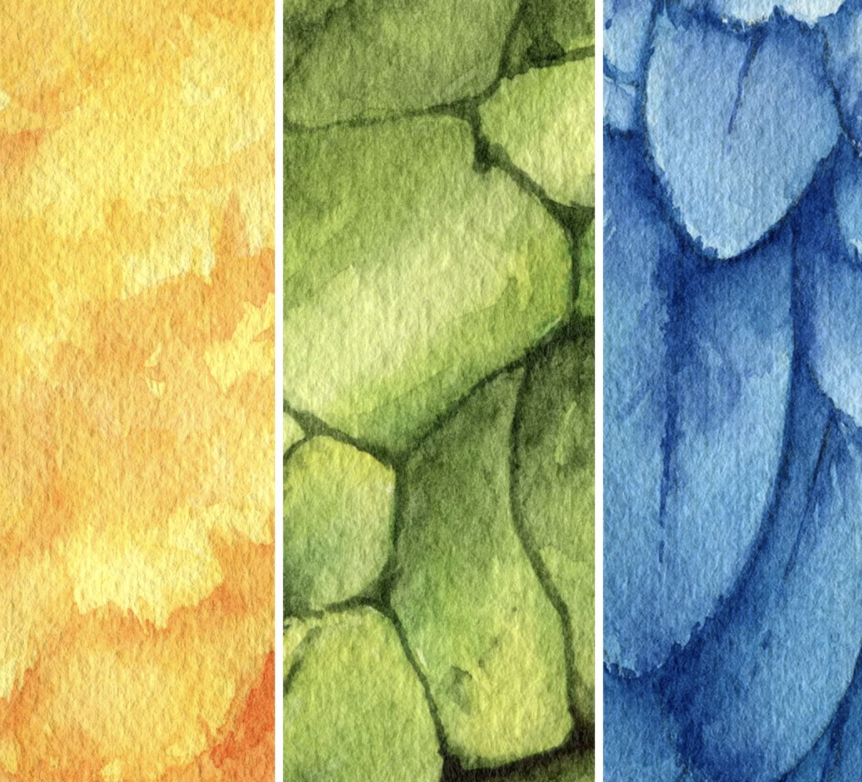
Paint a Noah’s Ark of Animals
Fur, Feathers, and Scales: Painting Animal Textures in Watercolors
Step 1: Gather Your Materials

In addition to basic watercolor materials you may have on hand already, you’ll need a few extras to paint a fox:
- Pencil
- Eraser
- Watercolor paper
- Watercolor paint brushes in various sizes
- Watercolor paints
- Two jars of water
- Absorbent paper or sponge
- Coarse sea salt
- Hairdryer
If you’re comfortable with color mixing theory, then you might be able to blend the colors you need from a limited palette of paints. However, you might find it easier if you’ve got a more thorough palette that includes multiple hues of browns, reds, oranges, and yellows.
Step 2: Find a Reference Photo

You’ll need a reference photo to create a natural-looking fox with the right proportions and details. Search free stock photo sites like Pixabay or Unsplash, and choose a sharp image with all elements of the subject in view.
Step 3: Sketch the Fox onto Paper
Start by sketching the fox lightly onto your watercolor paper, making sure to get the proportions and composition right. Pencil marks that have been painted over can’t be erased, so unless you’re using quite dark paints, it’s important to keep the pencil sketch as light as possible.
Step 4: Paint the Body

Wet the body of the fox with a layer of water. Then, paint a wash of a base color over these wet areas. Use your reference photo for guidance on what colors to add where.
Step 5: Add Salt for Texture

Once the paper has dried slightly (but not fully), sprinkle some rock salt onto the surface. The salt sucks up the water but not the pigment of the paint. Once the paper is completely dry, you can wipe the salt off to reveal some interesting textural effects.
Step 6: Paint the Head

Next, wet the head area with a wash of water. Be careful to control where the water goes so you can vary the colors throughout the different sections of the head. Add some fine lines around the edges to suggest the spiky fur.

To create extra texture on this smaller area of the fox, use a hairdryer to push the still-wet paint and water around the surface of the paper and create “blooms”.
Step 7: Paint the Eyes

Make sure the paper is dry, then use a fine brush to fill in the eyes.
Step 8: Paint the Ears, Nose, and Whiskers

Finish off details on the head with the appropriate paint colors. For the whiskers, use a very fine brush and paint each strand of hair in one stroke.
Step 9: Paint the Tail

Fox’s tails are big and bushy, so you’ll want to use lots of texture here—have another go at the salt effect here if you’d like. Use the wet-on-wet technique by wetting the paper thoroughly first before adding paint.
Step 10: Finish With the Legs and Feet
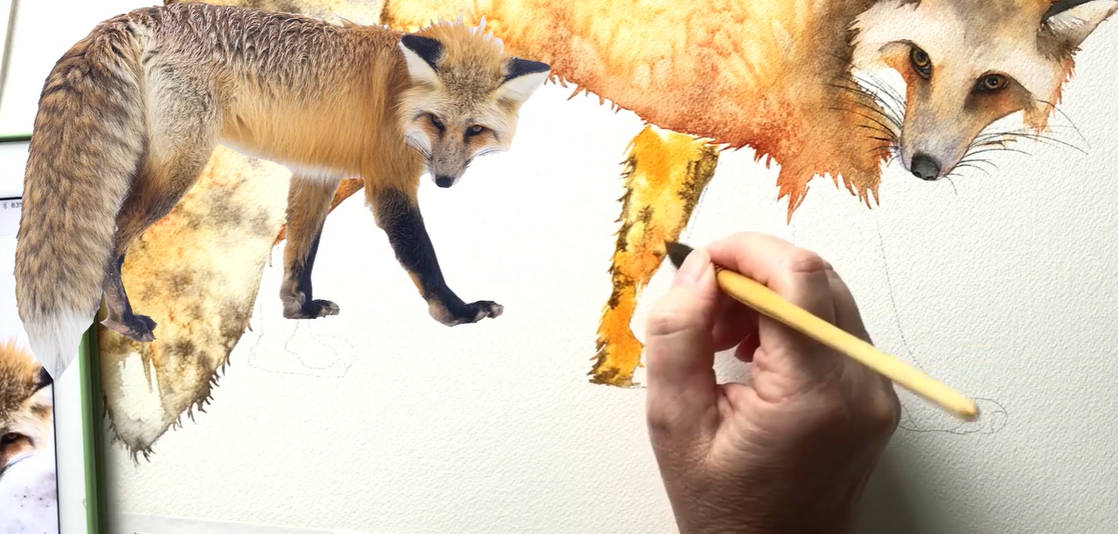
Paint the legs and feet, paying attention to textured areas where you might want to paint some spiky fur. This is another opportunity to use the hairdryer bloom technique.
You now have a beautiful fox!

Paint a Pretty Woodland

Now that you’ve learned how to paint a fox in watercolor, why not complete your woodland scene? Watercolor paints are ideal for painting all kinds of natural elements, from plants, trees, and fungi to butterflies, moths, and birds. Practice each of these subjects individually or bring them all together in an amazing forest.
Unleash the Wild
Painting a Tiger and a Lion in Watercolor
Try Skillshare for free! Sign up for a 7 day free trial today!
Get Started- Unlimited access to every class
- Supportive online creative community
- Learn offline with Skillshare's app