Transcripts
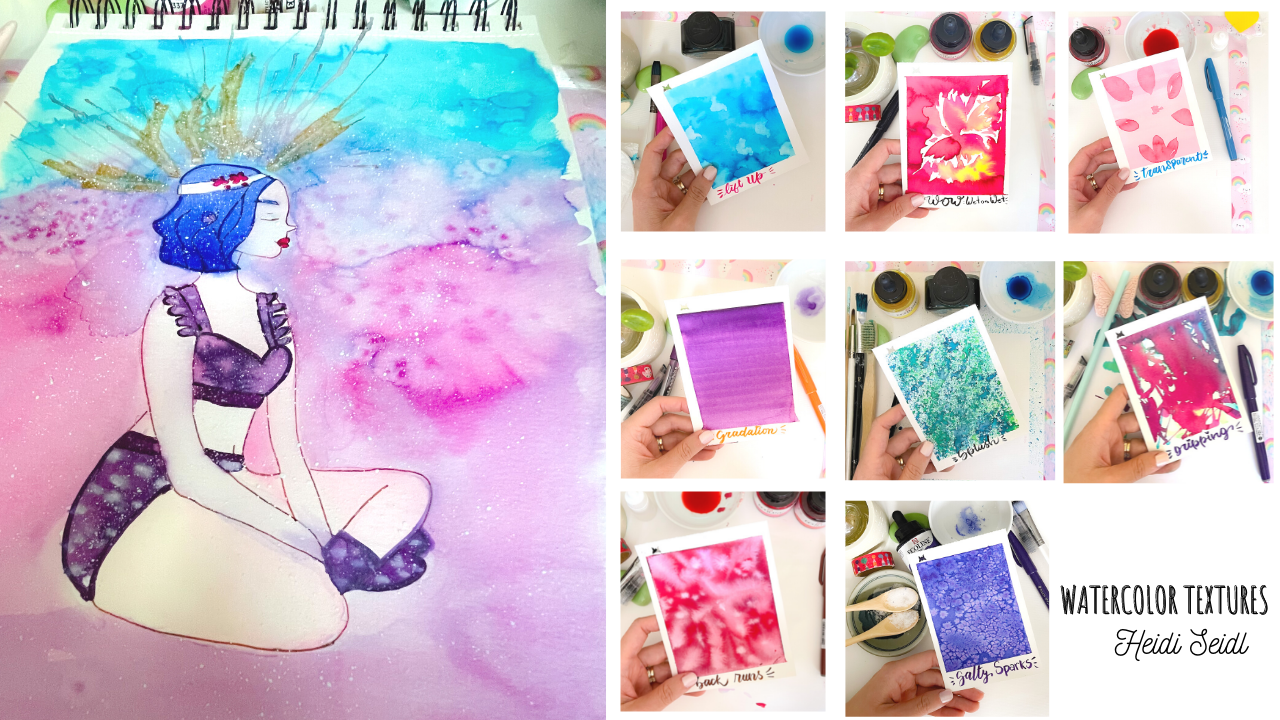
1. Intro: Hello and welcome to this
class. My name is Heidi. I am guiding you in the
wonderful process to create textures in your
watercolor paintings. So I will be sharing with you a few techniques that
we're learning to work. A quality that you will love. You can use this together or
you can use ten separately. And you will see the improvement
in drug addict work. And by the end of the class, I will show you how
you can combine all the technique and create
a beautiful painting. Whimsical gear,
meditating like this. I hope you join me for
this class and remember to follow me here on Skillshare so you
don't miss any class. I will see you in
the next video.
2. The Supplies Overview: This is an overview
of all the supplies that we are going to be
using during this class. Remember, we are learning techniques to use watercolor and create a beautiful texture. Let's take a look at them. So we are going to be working
eight and new techniques. And for that we
need a cotton pad, paper towel, or a clean towel. You can use whatever
you have at hand. This is just an example. Next, doing it water, always do we need water? A white paint. It can be acrylic or it
can be gouache, has one. Watercolors in whichever
form you have, you can use markers or
you can use liquid, liquid watercolors or
normal watercolors. A mixing pad or a container. Straw. You can use
whatever you have. At home. A big flat brush
or a water brush. This is very
convenient to use an embedded easy for the technique
that we are working with. In a brush. Whichever brush you have. If you don't have
any other brushes that I'm showing you there, then just use whatever you have. You will need a flat
brush in a bamboo stick. We also do will also need salt. I have two types of salt or
regular salt and flaky salt. You can also use pink salt. Watercolor paper. This is a cold press,
Canson watercolor paper. And A4 type size. So do also will need maybe washi tapes to
fix your paper surface, to put your paper
and make a mess. At the beginning of
every technique, I will be explaining
and telling you which exact supplies you will
need to do that technique. So the worry, and I will
see you in the next video.
3. Mini Canvas: Let's create or mini
Canvas for that. We need a cotter for
Piper, a roulette, and your watercolor paper in a mad soldiered on
damage your surface. So I will just cut my A4 size watercolor paper
in for a small canvas. And in total, I really made for from each paper and then another four
for the other paper. So in total, we
are going to make eight mini canvas to
work on or techniques. You can use whatever
size you want. It. It is not mandatory that do
to the same FIN doing here. This is justice, is an
inspiration for you. So you can use API, get paper, moderate paper or
mini, mini sizes. Paper. It doesn't matter
if they are on even. That is not the problem here. I will do the same
with this paper. Then we will complete
or eight pieces of paper to start working on. Or eight easy techniques to create texture in your
painting with watercolors. And this is a very fun
class where you are going to be learning at to elevate
the quality of the rework. Adding some texture. Always make your paintings truly beautiful and mesmerizing for the people that
they look at them. I am then finishes
the last two pieces. And then I will have eight
pieces of watercolor paper. Or I am calling them
the mini campus. To get better
techniques organized. I am suggesting to you to
make a bundle with Azure. Eight techniques for that, do we need to a perforator, a band of textile band? Your papers, of course, you need to punch your paper
with Egypt perforated. So then you can pass
through the text still one. So you can make your bundle with all your beautiful
eight techniques. You can use another method. If you want. You can maybe paint
techniques in a sketch book. So you have all of
them in one page. So just see at them and to
know what technique do use there and to Assad reference
for your future work. I think doing this like
this because for me is Marfan to have pen in my hand while I am
creating a piece. Or just to refer, what technique where
do I want to use for this specific painting? And then I can choose
them, are mixed them. And the idea is to hold all of them to get it at
the end of the class. So I will see you
in the next video.
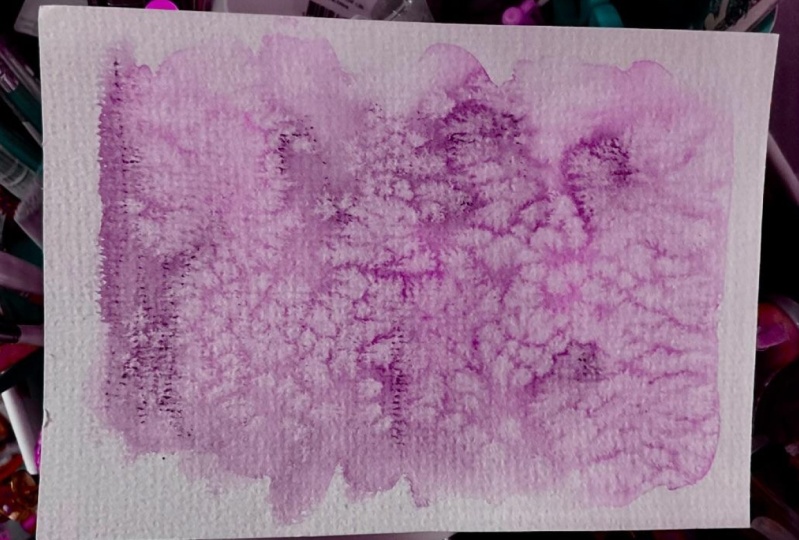
4. Texture 1: Salty Sparks: I have here all the
materials we are going to be using and I will
describe them. We need salt in flaky
or normal size. Eight brush, flat
brush, or round brush, whatever you have at hand IN
using liquid watercolors. Here. This is an indigo
color and I replace them and on my container so I can
begin pick them up easily. If you don't have a
liquid watercolor, you can use watercolor brushes or any other kind of watercolor. Don't hesitate to use
what you have at home. You're going to see cells and washi tapes
and we're going to fix or paper on the
surface due Sunday 18th, our water and maybe
a water brush. So let's fix our
watercolor paper that we did in the past. People letting a little bit of space to write the
name of this technique, which is salty sparks. But we'll be doing that at
the end of the technique. So let's fix our
paper on the surface using my wonderful
technique for washi tapes. So drill pipe it doesn't damage. Using my clean towel. First, Both of my washy tape
on to that cooling tower. So the glue from the washi tape, faith a little bit so it doesn't stick to my pepper too strong. When IN billing and off. I have shared this technique
in my other classes. So I invite you to
see my other classes. You'll learn a lot of my tips for you to have beautiful work. You can check them in my
profile here on Skillshare. And I will be placing the last washi tapes
drip onto my paper. And my paper will be
fixed to my surface. Then we can proceed
to start painting and to create the texture
with this beautiful salt. Now we can hit stat. I will use my flat brush within it in the water,
in the clean water. And then picking
up the color and just painting my surface on
my pip from side to side. I will try to keep the
color a little bit darker. So the technique show up more
beautifully for you to see. If you need more water, you can add more water. Try to keep the paper a
little bit. What did we do? Watercolors, it doesn't
need to be dry because we need the salt to dissolve
in the water color. They will see if you need
more color to add more color. As I'm doing here, I want to make a little bit
of darkness in some spot. So it's better if, if we, if we use the color
in the paper. Now, we jump the
debt onto the salt. I will use the two type
of salt that I have here. So you can see the difference
which is not know much. So don't hesitate or do, don't feel doubts
about this technique. Then you realize that you can use any salt
to have at hand. The salt will react with the
water dissolving itself. And you will see the beautiful
park that it creates. So I will let this
completely dry and you need to let this
completely dry as well. You can add more salt there
where you see you need a little bit more off sparks and play with it and
make it beautiful. You think you need.
Now, my painting is completely dry and
with my dry brush, I will remove all the
salt particles that are in the surface of my
painting as I am doing here. You can see it very
gentle, not rushing. And if I notice
some salt clusters, I will maybe use
my hands to remove them very carefully to
not damage the paint. And you can already see
how pretty fantastic this technique is due and use this technique for
maybe for backgrounds, for patterns, for a sky, for galaxies guys
type of paintings. If it is really beautiful
when they use them, or just to add a little bit
of funkiness to painting. So I am removing all the salt before peeling of
the washy tapes. As you can see here. And
you can see how cute is this pattern that forms
naturally with water, watercolors and the salt. Now you can see
that my washy tape peel off very easily using my fabulous technique that I showed you in the last
part of this class. So satisfying, okay,
or painting is ready. Now I will write the
name of this technique. So I know which technique is
this for future reference. Solve these parks. Easy to remember. I suggest you do the same because then du will forget which
technique you use here. And you can also write
the description and the materials that you need
on the back of this card. I am not doing that,
but you can do it. So here we have our
technique, salty sparks. And look how beautiful and nice. It looks like. You can use this with
different colors and you will see how beautiful the reactions. I will see you in
the next video.
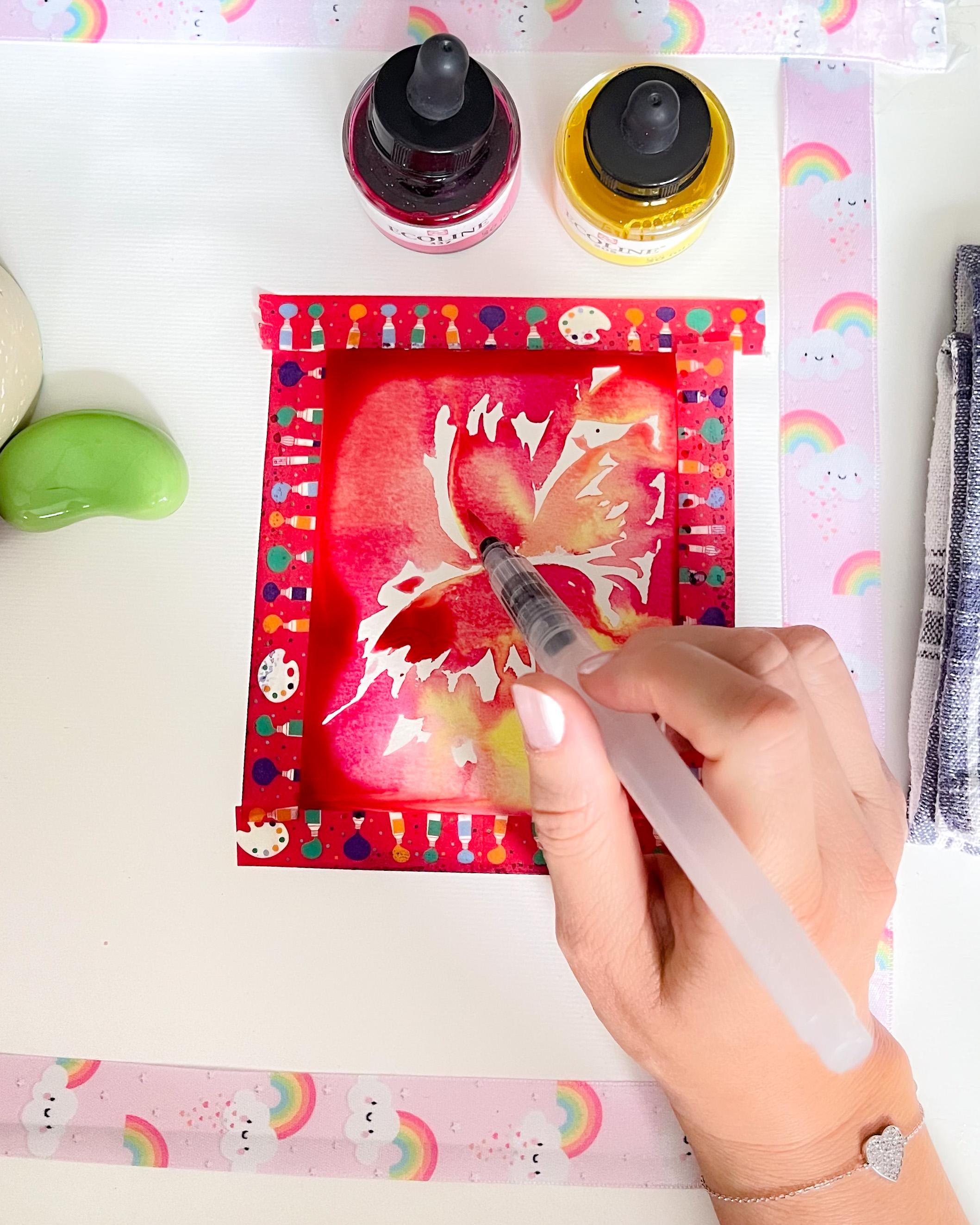
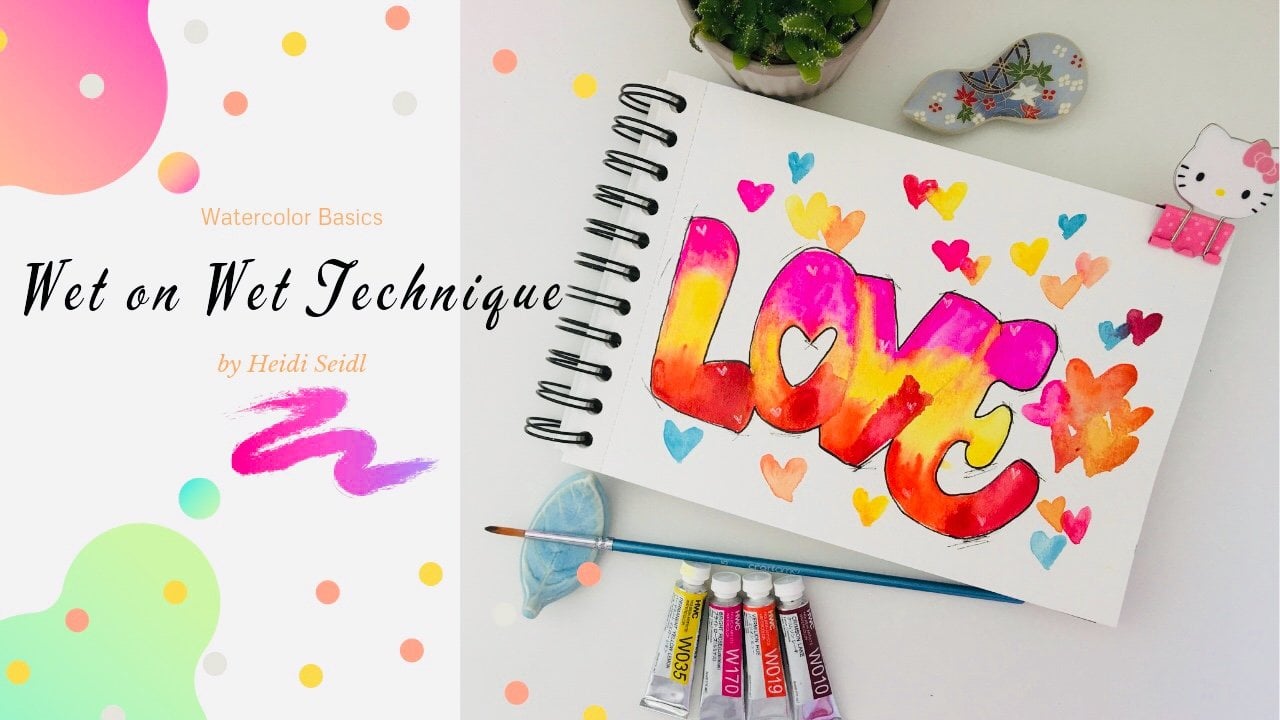
5. Texture 2: The WOW Effect = Wet on Wet: I have VMA materials. We are going to be
using the, what? The Pradesh watercolors. I don't use any liquid
watercolors for this technique. And I have my paper fix. So let's start. What if your paper, this technique is
called the technique, or better known as the wet. On wet technique. We will start adding water to our paper in whichever
form you want, identifying domain
abstract painting here. Now, we do watercolors. Using the liquid watercolors. Place watercolor on
a corner of paint. If you're using
another watercolor just with your brush
on the watercolor, and then place it on one
coordinate of your painting. And you will see the magic
happen very beautifully. This happened here. I will just let my
creativity, creativity flows. And then I will make some
adjustments as I am doing here and see what comes into
this beautiful paper. I went to see the mixing and all the reaction of the
water with the watercolor. So I will be adding more
water or less water, picking up the color
with my brush and making it run through the water. And to my paper. It looks so magical.
Simply magical. This technique is very useful and it's one
of the most useful. Use it techniques
on watercolors. Because it gives up
beautiful effect. And show up the
magic of watercolor, which is having life for Excel. You can use this in
whichever form you want to paint the background
to make it beautiful. Skies, to paint flowers, or wherever you want. Even flute and
many other things. Wet and wet technique is a farm to bring a little
wetter color to life. Hi, I have add some water
on my paper to make it wet. And I have my wet liquid
watercolor and I'm just adding some splashes or points
of color into my paper. What it, when it is wet
already with the word. So easy and so beautiful. You will see when it is dry that the colors create a
beautiful effect. In this case, abstract painting. To make my color paper, I just added water to the
paper in with my water brush. This is the magic of
this water brush, is that you can press the
brush and then water comes out and the watercolors
react and activate itself. Running through the paper, as you can see here, is, is me just pressing my water brush and then water come out and
they watercolor, just take it for itself. We'll let this completely dry. As you can see, now
it is super dry and the colors are vibrant
and beautiful. Mix it, and then just bailing, they wash it off. So we can see the
magic technique. How beautiful and
simple and easy. Now, let's bright the
name of this technique, which is wow, technique
or wet on wet technique. I hope you are enjoying
these techniques and I can wait to see what you create with these
beautiful techniques. Please remember, you can
upload your work in progress, your materials,
whatever you want to. The class project
section for this class. And one lab here it is. Wow, technique, wet
on wet technique. So I will see you in the
next Habib you to get a more techniques on our palette filled
in the next video.
6. Texture 3: Gradation: For this technique, I
am going to be using a watercolor brush. I have here. My watercolor brush and my water brush
accidentally become at, I went off and I couldn't
feel the fierce part. But I will explain it now. I'm just tracing lines with my watercolor brush
onto my paper. If you're using another
type of watercolor, just to the same we did
Pradesh Andrew watercolor. Just lines and left a
big chunk of the paper, white at the end. Now with wet watercolor
brush or to water brush, just go upon each line trying
to make them dissolve. This technique is called
good observation. So we are going from dark
to light, the colors. And this is a very
beautiful and you can use it for different pieces, for hair, maybe for
backgrounds as well. And it is super easy to do. Then we did water brush and just add a little bit
of water at the end. And just move the color until you have your
white space covered. Clean your brush if you need them because they can be
saturated with a color. So you get the
perfect gradation. And if you see that do need a little bit more of that goodness on the
beginning of the color. Just add a little bit
more of watercolor. Just simply. Then, you just need
to let this dry completely to see the
beautiful effect. This technique
requires a little bit of patience and time. So you get a ready saddle, the derivation or underpainting. So take your time. As I'm doing here. As you can see, I am now cleaning my water
brush in clean water. And then I will go through the whole painting
again with this team. Water brush and
picking up some color, excess of color on the edges
from my painting here. So I get the beautiful predation from dark to lighter color, adding more literal with
the murder of pigment. That is where I see it needs a little
bit more of pigment. And picking up some color there where I see that there
are too much color. Still. Just go with the
flow, takes your time. And you would see that the final disorder
would be very varied. Now let this dry
completely and see how beautiful the result
is that candidate. But on the upper side and
lighter on the bottom. Now I wouldn't be love
the washy tapes to habe, write the name of
this technique. This technique is
called gravitation. And the color that I used for
this was violet or purple. From dark to light. It is a beautiful technique
in a beautiful restocked. So let's write the
name on the bottom. We have our organize
bundle of techniques. You can also use
two colors here. But I wanted to show you
how it looks doing this with the same che one lab. Now we have our graduation card ready to get into the bundle. I will see you in
the next video.
7. Texture 4: White Back Runs: For this technique, we are
going to be using white paint. It can be also wash
or a critique. What? A clean vessel. Watercolors in similar shades. A brush. And your water
brush, clean towel. And your paper is fixed on
the surface preferably. So let's add that. I will be adding water to my bathroom so I
can wet my brush. And then I will add my
watercolors onto the paper. This Colorado
similar, you can use two different colors tomorrow. Dramatic effect. And then just with
your wet paint, the surface of your
watercolor paper. We are using two different, two different color but similar
in shape. In this case. To make a little
bit of contrast. To use two different colored
totally, if you prefer. My MBA here is to use
a darker color and a more lighter color. So this is our fears. But for this technique, and as you can see, I ended in water color
a little bit wet as normal because we need it this water running
freely on the paper. If you're using another
type of watercolor, another liquid one,
just make sure your watercolor is wet. Now, we do what the
brush with water inside. Pick up a little bit of white
painting on the tip of it. And just with the tip
of your water brush. To make some torches. In your watercolor paper. You will see that the
water in the paper will make its money from itself. Didn't need to do too much. But if you see
they do need some, a little bit of help. Just had your paper and your watercolors and do
as many torches you want. You can see how your white
paint with watercolors react, how they mixed together, and how they dance
on non-digit paper. By now, it looks like nothing, but you will see when it is dry, the magic will show up. And then just making some
lines so the white pain will go through the
water in my paper. The effect disability,
beautiful. And you can use this technique for many different paintings. For a wind thinker painted. This is the perfect technique. Though, as many, though
just asked you what can now lead the time path
and to become dry. Like this. As you can see, it looks like magic really. Now, let's peel off
the washy tapes. The sea, or beautiful technique. This technique is
called back grants. In this K, white backgrounds, you can use maybe jello
or another color. Gold or silver, or gray, or any color if you prefer. How beautiful this is. Now, let's write the name of this technique at the
bottom of our card. Back trans, in this case white. But clans. How easy and how beautiful
this technique is. I can wait to see
what you create. And if you are making
any of these techniques, has asked that, yeah, just upload your work to the project section
for this class. I can't wait to see
what you create. So this is eight runs technique. I would say to you
in the next video.
8. Texture 5: Transparent: I have here the materials for this next technique,
which is transparent. I will be using a flat
brush I have are left over from my previous
technique in watercolor. A little bit of water. I clean. My paper is, is fixed to the
surface and we are starting to paint the paper. I will add a big
amount of water to my left over watercolor
to make it dilute, the color to be lighter. And with my brush, I will start painting. And as you can see, the colors, the color isn't very, very transparent as
this technique is. For Betty transparent. The trick here is to
use a big mound of water to dilute the pigment
in your watercolor. And as always, you can use what type of
watercolor you have. It doesn't need to be
the liquid watercolor. You can use normal watercolors, brush marker pens, watercolors, watercolor pencils,
or whatever color. In the most traditional type. I will paint the whole
surface of my paper with this diluted Shea of grep. And then I will let this dry. But makes sure all the surface, barely even if you see that you need to add more water
than just add more water. To make this color super,
super transparent. When you are finished
painting yourself. Check those spaces. Where do you think the
color is not even? And then go with your brush. Maybe you can wet it on water and then let
this completely dry. Now, my background
is completely dry, and now we're just paint with a more pigmented watercolor onto this transparent background that we just painted with the
transparent technique. And you will see that
this technique will help you to make different ledgers
when you are painting, for example, mountains
or flowers or whatever painting that
you want to make. This effect that something
is near or far behind of. This technique is very
useful for that effect. And you can have a
lot of fun creating this experience for the
people that will watch. At work. I will be painting some
petals around my surface. Remember this is a mini Canvas. So my painting is small. But you can use this
in another way. Maybe. You can paint some mountains and make like
this beautiful landscape. Pictures or paintings. It is really beautiful. I will keep some painting, some patterns and with the
pigment that water color. And then of course, I will let this dry. And you will see the
beautiful effect that you can create with this jet. Beautiful technique. Okay, now the painting is
dry and I will peel off the washing tapes very slowly and gentle to
not damage my paper. That I use this technique to
make the washy tapes little more gentle on my paper
so it doesn't damage it. And now we can see our beautiful transparent
with the petals on top that we just did to get
time to write the name. But from this technique
at the bottom of our camera to a half or maybe further
bundle of techniques. Thanks parent, is this. I can't wait to see
what you create, how your creativity will
play a big role here. I really can't wait to see
the beautiful creation you, how would you play with
these beautiful techniques? Let's finish this lettering. And wallah, we add lady with our next card for a
bundle of techniques. I hope you like this technique
and find it very useful. And I will see you
in the next video.
9. Texture 6: Lift Up: We're ready for
the next technique and here are the supplies
that we're going to be used. I have my paper fixed and
you will need a cotton pad, a paper towel, or a click tower. One of these, a brush, whichever do have
some watercolor. In every form you have
in a container to mix. My paper is figs with the
washi tapes and we're ready to start this beautiful
technique called lift up. And as the name suggest, lifting up the color
from the paper. I will start by mixing my
watercolor with water. And then just start
painting on my canvas. Doesn't need any direction. Just paint your canvas and let some spaces darker
than the other. You can pick up more pigment, more color and add
to Egypt paper. Does is the idea. This beautiful technique is very useful when you're painting, painting skies or succulent. Or the C is very beautiful
when you can use this technique to
make the texture of this natural landscapes. Do. We'll see why in a minute. Try to let some cluster of what are for liquid,
liquid watercolor. Now with your paper, with your cotton pad
or with your towel, just start lifting the color. In some places of your painting, it doesn't matter where, but try to distribute them
alone. And you're painting. Just plays and the cotton pad, the paper or the, or the tower, see, look how different the patterns are going when I am
using or the path, the cotton pad or
the paper towel. You can also use
a Q-tip is very, it doesn't matter what to use. And wallah had to say how beautiful marbling
this pattern looks like. After it is dry. It looks really fantastic. And I really love this technique and to see how easy
it is to create. Now I am removing the washy tapes to see
our beautiful creation. Lifting up the color from
the paper with bring into the painting to another level and create this
beautiful patterns. But they did think, I hope
you are liking this texture. As much as I am doing. It looks just like water. Cookies, a word. Now let's provide the name
at the bottom of the card. So we have our cut
ready for bundle. We are almost finished with all the technique that we're learning today in this class. Lifting up. This technique is very up. Lifting. Now is finished and it is going to
bundle of technique. I will see you in
the next video.
10. Texture7: Splash: For the next technique, we are going to be working
with this technique. And for that we
need a flat brush, a little bit sturdy. N a bamboo stick. What the color of cards? And IT band to mix them. White, paint, a
clean towel, water. And I am using here
two different colors of water color to make it
a little bit of contrast. And you can see in the white and I am having
another brush, round brush, play with it. I will show you how. So it is very simple. Very, very simple. To use this technique. You need a very fluid
watercolor texture. Liquid. And then you can,
with your brushing, your pigment, with
your flat brush. And we do bamboo stake. Then we're going to go through the brush with the
bumper sticker, making these little
confetti splashes. And you will see this is
a very fun technique. It can be a little bit messy. So be careful around and endure. Work space. Try to cover everything. Hide your computer and
your other devices because the splashes can
reach them very easily. I have that problem in the past. So now I covered everything before starting to
use this technique. I realized that with the blue. Then I will change
and clean my brush, introduce the lighter color
in this case is Jell-O. You can use two different
colors, whichever you want. Do the same with your
brushing the watercolor. And then with your bombastic. Just go through the brush. Taking the color out in
the splash like fashion. This is a way of doing this. But you can also use another method that I will
show you in a minute. Using a bot as a toothbrush. I will show you. Don't worry. If you don't
have a flat brush like this, you can use then etas brush. I will charge you in a minute. Then let add some splashes
using my round brush. This is another technique. This is not my
favorite technique, but I wanted just to show
you it is very, very easy. Just wet your brush
and tied to let them be the white paint, very fluid so it can
go into the paper. I can hear a little bit
and near to the paper. So you can see because
it is very difficult. Because this
technique is most for galaxies or sky's dark skies. And the colors that I have
here are two, lighter. So you maybe cannot see
clearly the splashes or token. I think you can. Now with the toothbrush, you can use this with the bamboo stick and
create the splashes. The same technique just with the toothbrush in
the watercolor. And then with the bamboo stick, go through the paper
and make the confetti. They confessed the splashes. Use more color if you need them. I have this leftover and
I am adding just a little bit more so I can
wet my toothbrush. And I am making my
toothbrush wet in the water. It doesn't matter because it's blue and so it's
no problem here. But if you have another
color than the water to be clean so you
don't get a mess. The splashes with the toothbrush
are tiny, tiny, tiny. So this is another texture
that you are creating here. Be careful that the brush, this brush is not
too to running way. The water is not to run it on the toothbrush because they can be and bigger splashes. I want to show you
a little close-up. So maybe you can see a
little bit better how tiny these splashes are
with the toothbrush. It's very fun and the
effect is pretty beautiful. You can use this for trees. And they make really
beautiful trees. Or for galaxies, guys, on every Nebula, a sky, sky. These were really, really nice. So now let's bill offered the washy tapes to see a beautiful creation
and you can see them mess around in my paper that I put in on my work desk. But it doesn't matter
because it is a removable. So here, these are
beautiful splashes. How nice, how easy and
how pretty fun to make. Now, let's put right
at the bottom the name of this technique as blush. To have another car for
our bundle of techniques. Splash. You can also use this for water. Splashing water. Maybe if you're
painting a flower and you are gardening
in the painting. And then you can use this
technique as the water coming out to the water can hear it is ready to be put in our
bundle of techniques. I hope you like this one, and it is very, very easy. I will see you in
the next video.
11. Texture 8: Dripping: So we're ready for
the last technique, which is dripping,
dripping colors. This is a fun
technique for that we need a brush or a brush. We need a stroke. Whichever you have at home. We need three different
colors of watercolors. A clean towel, dude paper, fixed on the surface. And we're going to start by
adding some pops of color. With a water brush. Just place some
drops on the paper. It needs to have water. It needs to be very liquid. So the technique works. So those drips or drops of color and the fun thing with the water versus
jet that you can press, the brush and water comes out and it becomes really fluid. And then we just started
blowing up those drops. And to make the dripping effect. It is very fun and playful. And you can play
with it as you want. The merger blow the mode of
the colors come together. So keep that in mind if you
don't want that to happen. Now clean your water brush and take the other color
of watercolor palette. In this case is the jello
color and do the same. Just pressing your brush in the water with
color with come out and then you can blow up those drops with
your restaurant. If you don't have a water
brush, don't worry, you can do this same process
with your normal brush. Just a drip that deep in water. Now as you can see, I'm
just adding the drops with the watercolor onto the paper
and then blowing them up. And it is very easy
and very intuitive. You can play with the
lines with a dripping. Where do you want
the color to go and then to blow
the color there. And if you notice that
you need more color than to add more color to make your painting more
cohesive, beautiful. This technique is
very fun and it beginnings painting
to a foreign state. Maybe your campaign,
a fruit cut in half. And then you can use this
technique to make like the juices from the fruit
are coming out. In. This looks super nice. So as you can see the color
here I'm mixing because the water is accumulated
in one place of my paper, but that doesn't
matter because that is the flow of this painting. Looking more. Aster. Went then dry. Look how cool this look. Doesn't like those abstract
painting in the art gallery. Now pulling off the washy tapes to say, Oh, beautiful painting. This technique is
really, really messy. So be careful of the things
that you have around. Maybe you can put a plastic or waterproof surface below to
painting your paper painting. So when the color contrast then it doesn't damage
your workplace. And look how pretty
and beautiful look. Now time to write the name of this technique at the
bottom of our card. Dripping colors with
the pink colors. So beautiful and
truly fun to use. You can use this with your
kids because they will love them as you can
be active again, this is pretty nice. Car is ready for our bundle. And with this, we finished
the eighth techniques. And now we're going
to see how we can use this technique
in a painting. So I will see you
in the next video.
12. Assembling the Bundle: Now is the time to
get organized and put all of our
techniques in a bundle. And here I have my a tank
techniques and the ribbon Text, it'll rebound that we are
going to be using to make the bundle with all
the eight techniques. Remember that you can use. Another method is you prefer. But this is how I want to do this because it's
more easy for me to look at N2 to look at and to have all my
techniques listed. So I can refer to them when I am creating some work pieces. And it is very easy. You can bring them
wherever you go. And you can consult. Do bond. Anytime you need an inspiration
for a beautiful texture. Now when I am doing the naught, to have easy access to all the beautiful techniques that we just created
in this class. This is how it looks and
see how EC2 can turn of every technique from when
you are creating your ad. Easy to use. So I hope
you find this bundle of technique useful
and they do use them to create your own bundle. I will see you in
the next video.
13. Whymsical girl: Using all the Textures: Okay, Now it's time
to put in practice all the techniques that we just learned in
all this class. I have here a subject is a
beautiful meditating girl. And I have all the
materials that I need to use for every one of the
techniques that we learned. I am going to start with
the wet on wet technique. You know this very well. I will wet my paper and
then add the colors. I will speed up a little bit the videos so it
doesn't get too long and too boring because
we are just using the technique as you just
learned in the whole class. Don't worry and just
go with the flow. You can use whatever
subject to want to use. And if you want this subject, particularly just
let me know and I will check this with you. In the class. Project resources. I will paint a sky, and then I will be using
the next Technique, which is the salt is parks. I then just adding pinch
of salt in the sky. So it makes its magic. The next technique that
we are going to be using is lifting up. I have my paper and my path, and I will just start lifting those colors using
these two mediums, the cotton pad in
the paper towel, to make a beautiful sky. Now, I will start painting
in the bottom part of my painting using the wet on wet technique and
the salt is parks. So just using another color to make it a little
bit of contrast and beautiful mix of colors
using the color very light. So it looks super
pretty with parents. Transparent thing,
makeup, beautiful contrast with the
gear in the center. Adding more color
and just mixing those colors using the same
techniques. Wet on wet. Lifting up and solve this box. As you can see, wet on wet, salty sparks and
lifting the colors. I have more, a little bit of transparent as you can
see and lifting up. I have many others
technique to use, so let's get into it. The next one I will use
is mostly for the hair. I have yet my brush marker, watercolor wash market, a brush and water
and clean it out. We are going to be doing
elevating the head of the gear. From the bottom to
the upper side. I will just start painting. Then doing the elevation effect. It really looks at a pretty nice this technique on her hair. And I will then, now painting the body using a brush marker
again water brush. And we are going to be using
the transparent technique. So the skin looks really even in beautiful cheese meditating. So she is almost gone. So these colors are making
hair vibrant, beautiful. Make sure you are letting
this color really blend and use water and lifting if you
need in some parts. And you will see that the
skin looks pretty natural. So maybe listening. Now ready with the skin. I will just add a little
bit of color in this space. This is the background of hair. So it looks even. The next technique that I
am going to be using is the backup plans for hair. For hair, close backgrounds is using the white
paint in watercolor. Hi, I'm mixing the
blue with red, so it gives me a purple tone. And then we're
going to be adding the bucket runs as a
decoration for her, for her costume of
our head clouds. Nice time to add the background. Just taking a little bit of
white with my water brush, the color glands
into the watercolor. And you will see the
magic happens here. I will do the same with the
charts that she's wearing. So it looks now I would paint that chart
and do the same process. I want to show you
a more close how this technique do its magic. So this is a little close up. You can see how the white runs into the wet watercolors
in hit charts. Now that the salt is completely, the background is
completely dry, I will remove the salt clusters with my clean and dry brush. Remember if some of the
salt stick to the paper, just use your hand. Very, very kind, very gentle. Now for the hair head, I want to make like a
shiny rays of light. I will be using the
dripping technique. I have here, gold
ink and my stroke. I will just place some drops
of this ink you can use. Or gold watercolor or another
color that you prefer. And use the technique
for the effect. Just placing the drops. And then the magic happens. Now I will blow up. With my stroke. I realized that this ink
is a little bit too thick. I will help the lines with
my brush wet in them, the brush in water
and going with lines. And then I will dilute a
little bit of the ink and try again with dripping effect. Here, I diluted it, they called, and I will now use a little
bit more of a lighter medium. And then I will blow up again with my straw
and see what happens. Yeah. It looks much better
because it's not too thick. Remember, you can always correct and make adjustments
in their paintings. For the last
technique that we are going to be using, a splash. For that we're going to
be using white paint, a flat brush, and are bombastic, and neither will be able to see the little splashes on the painting with a
white paint because the colors are more saturated
and more beautiful and vibrant is looking
really pretty. And now we're ready for the
last touches in the mouth. And whenever it
needs a little bit of color to make the painting. So here it is. Our painting is ready and we use the eighth technique in
this beautiful painting. All of them are included and
they are so fun and easy. And the finished work
is so beautiful. And I hope you get inspired to use them
in your next painting. And remember, you
can always upload your work to the work project
section for this class. So I will show you a little
bit more of this painting, and I will see you
in the next video.
14. Class project: Now you're ready to create
your own class project. And it is very easy to come chat with us
whenever you want. Stopped in front your materials, your process to work in process. Or Logan chair, just a snip snaps off your work
or your final pieces. I can't wait to see
what you create. And please, when you have
your ideas to share with us, outlawed these to the
class project section in the taps for class projects. In this class. I can't wait to see
what your day and I will see you in
the next video.
15. Thank you: Thank you so much
for taking my class, and I hope you enjoyed this
class as much as I did. Tell him, eat with it and
let me know which one of the eight technique was your
favorite chapters we'll meet in the discussion
section for this class or in your class project
when you upload them in the class project
section for this class, I would invite you to follow
me here on Skillshare so you don't miss any new classes I create and share it with you. And if you are so kind to leave a review for
this class telling me, what do you like it or how
I can improve my classes. Thank you so much in advance. You can also follow me on Instagram if you
create your artwork. And you said that
on good faith just taught me and I will
review your work as well. Thank you so much. Again. I can wait to see what degree and I will
see you in my next class. Bye bye.
 Artjourneywithme Heidi, ARTIST AND FACILITATOR