Transcrições
1. Introdução: Oi, pessoal. Bem-vindos à minha primeira lista de habilidades. Eu sou Emily Wasow para artista aquarela e educadora com sede no Reino Unido Um monte de meu trabalho se
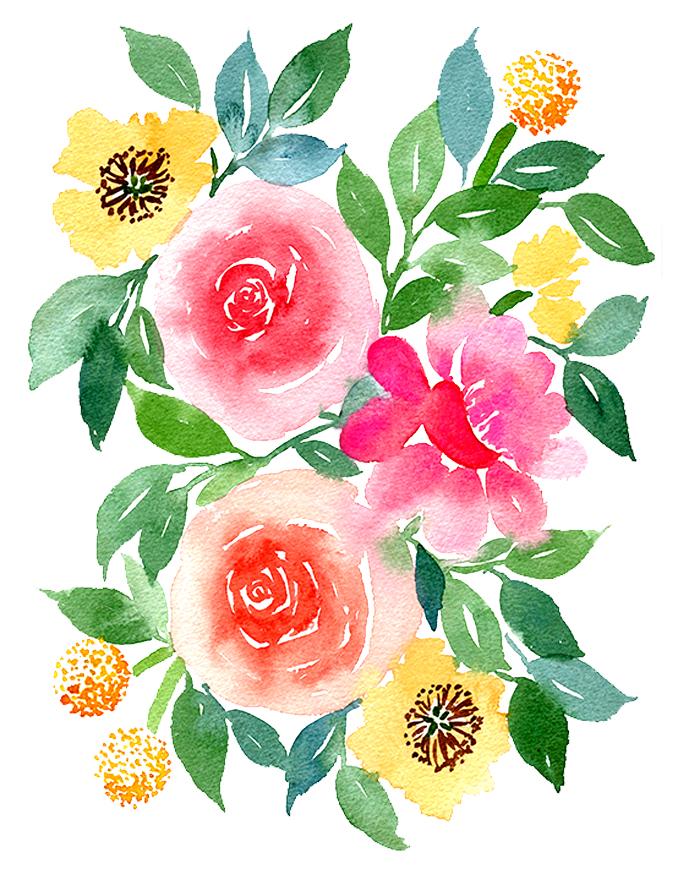
concentra em florais soltos, e isso é o que vamos cobrir hoje. Nós vamos estar olhando para seis pinceladas diferentes hoje, e para cada um, nós vamos olhar para como pintar diferentes flores com técnica. E então o projeto final será uma paz de nível solto baseado em todas as coisas que você aprendeu na classe. Aprender esses pincelados realmente ajudou a desbloquear florais soltos para que eu possa usá-los no meu trabalho todos os dias. Esta não é uma aula focada em ensinar. Você tem dor flores específicas, mas im como dominar as técnicas de moral solta para que você possa usá-los para pagar qualquer tipo de flor que você quiser. Não te esqueças de mostrar a tua última peça do fim. Você poderia colocá-lo em compartilhamento de habilidades para a seção Projeto, onde você compôs o dedo do pé no instagram e enfrentando. Adoraria ver o que você cria. Muito bem, já chega de introdução. Vamos começar a pintar
2. : Certo, pessoal, antes de começarmos, eu só queria falar com vocês sobre suprimentos. Então vamos precisar de três suprimentos principais para esta pintura de papel e pincéis. Agora eu estou usando dois tipos diferentes de papel, então eu tenho este papel aquarela de arte elenco. É £140 prensado a frio. É só uma boa prática. O papel é ótimo para praticar traços. A textura da prensa fria significa que é bom para o tipo floral solto de sangra, permitindo que as tintas se misturem no papel. Para a peça final e qualquer flor de treino,
estou usando isto,
que é do Maroni Daily. Para a peça final e qualquer flor de treino, estou usando isto, Então novamente £140 imprensa fria um papel muito bom. A principal diferença com isso é que o papel é colado nas bordas. Eu não sei se você pode ver isso lá, mas isso só significa que quando você pinta com algo muito molhado como você faz florais soltos em uso no papel não fecha e cria piscinas de água porque é fixado nas bordas. Agora, se você não tem um bloco, você pode apenas prender seu papel com uma fita adesiva, e isso deve mantê-lo no lugar, mas isso é o que eu vou usar para pintar. Vamos usar o Windsor e o Newton. Então este é o meu piloto personalizado Issa. Piloto de plástico barato que tirei da Amazon e está cheio de
tintas de Windsor e Newton . Você pode ver que é realmente sujo, então eu usei a gama profissional de tintas de aquarela Windsor e Newton. Eu os compro nos tubos só porque é mais barato. E então eu os espremo nos poços do palato e deixo secar. E então quando eu quero pintar, eu só entro com um pincel em um pouco de água e tipo de ativar essa cor, misturando nos poços e as paletes e adiciono muitas outras cores, bem como para criar uma mistura . Você pode ver que eu nunca tinha jogado nesta paleta. Gosto de deixar misturas antigas lá. Você pode reativá-los com apenas um pouco de água se quiser usá-los novamente. Uhm, eu estou indo bem como as paletes de plástico. É fácil, se dobra e eu conservo, te
levo comigo. Então é isso que vou usar aqui. Então, para os pincéis, eu usarei principalmente meu tamanho cinco Princeton Herança escova redonda sintética. Então, a principal razão pela qual estamos usando pincéis redondos é que eles são como um pincel dois em um porque eles têm uma pequena ponta pontiaguda lá que você pode usar para linhas realmente finas. E então eles têm um corpo mais amplo que poderia ser usado para linhas mais grossas também. Eu também tenho um tamanho 38 aqui só para traços mais grossos. A outra coisa que você precisará para esta lição é duas xícaras de água. Estou usando esses óculos. A razão pela qual eu tenho duas xícaras é porque eu lavo meu pincel fora neste quando eu tenho
cores frias ou cores frias como azuis e verdes neste copo, quando eu tenho cores quentes. Então, seus vermelhos, seus amarelos, seus rosa, etc. A principal razão para isso é que se você tiver apenas um copo de água que esfria e os
aquecimentos são misturados e eles criam uma espécie de cor lamacenta, e então quando você mergulha seu pincel e você colocá-lo de volta em seu papel, você começa fazendo tipo de cores maçantes,
enlameadas no papel. Eso acho que ajuda ter duas xícaras. Se você não tem duas xícaras disponíveis, você pode usar apenas uma xícara, mas certifique-se de manter mudando a água regularmente para que não deixe as cores enlameadas. E finalmente, o que vou usar são apenas algumas toalhas de papel normais. Então isso é ideal para, hum, por que cortar seu pincel se você quiser tirar um pouco da água dele, ou se você cometer um erro no seu papel e você quiser pegá-lo, você pode usar o título do papel e dobrar o papel e removê-lo, e isso é tudo.
3. BÔNUS! Minhas principais dicas: Ok, pessoal, antes de começarmos, eu só queria falar com vocês sobre algumas dicas florais soltas. Agora, muitas pessoas podem lutar com florais soltos. Eu acho que uma das principais razões para isso é tentar capturar muito detalhe sobre isso é uma das peças vai estar olhando para mais tarde, mas você pode ver como ele é muito baixo em detalhes. O ponto dos florais soltos não é capturar cada detalhe, cada parte da pétala ou cada parte da flor. É simplesmente para criar uma sugestão da forma em traços livres soltos sem se
preocupar em capturar cada detalhe. Sabe, o estilo é para ser brincalhão. Então, sempre que você olhar fotos de referência para florais soltos, não tente capturar cada detalhe. Basta fazer uma sugestão solta das partes componentes, e ele funcionará muito melhor. Outra dica é focar nas formas de flores para que você possa ver a forma geral Aqui está um que é uma pétala de cinco com bordas irregulares, e por isso é apenas a forma geral que temos usado para criar. Isto, enquanto que se olharmos para algo como um delphinium. A forma geral é uma de um cone longo e
curvo e, em seguida, tem pequenos detalhes lá. Então, não são todas as pétalas. Eles são apenas traços soltos para capturar a idéia, mas é para se concentrar na forma da flor em vez de todos os detalhes. Sempre que você está olhando para uma flor para criar um foco floral solto em realmente simplificá-lo e apenas escolher algumas das partes para demonstrar, você não precisa colocar, você sabe que pode haver outras flores em hit. Você poderia apenas tirar isso se eles não parecerem bem, ou eles começam a parecer bagunçados, simplificados. Escolha algumas das flores que você quer pintar e apenas pintá-las. Você não precisa pintar tudo. É o seu quadro. Não precisa ser realmente a vida. Simplesmente simplifique o que você pode ver. Outro aspecto realmente importante disso é deixar o espaço em branco. A aquarela como um meio não tem um branco. Ele não permite que você adicione destaques novamente. Então, é muito importante quando você está pintando esses florais deixar o espaço em branco entre as coisas, para que não comece a derreter e criar um pouco de confusão. Minha dica para pintar florais soltos é realmente focar. Em contraste é a única coisa que muitos iniciantes esquecem em suas pinturas, e muitas vezes os resultados podem ser bastante planos. Então, se nós, por exemplo, olharmos para pintar uma flor rápida aqui e estiver tudo na mesma cola, é tudo no mesmo valor de escuridão. Vai parecer bem plano, , e o que acontece é que ele tende a, ah tudo se transformar em um tipo bolha
sem forma. Hum, então a maneira de contornar isso é, fazer como você está pintando, realmente se concentrar em como você vai criar contraste. Então comece com uma pétala e, em seguida, voltar e permitiu uma cor mais escura para ele pode estar no centro e começar a criar esse contraste em uma pétala muito mais escura lá, e você já pode ver como isso é e permitir que a aquarela para fazer esse contraste. Para você permitiu que a técnica Wellman significasse que as cores se misturam e se misturam e criam. Você sabe, áreas de cores mais escuras e claras criam esse contraste para você. Você também pode misturar outras cores, você sabe, laranjas
aditivas. Mas para marrom talvez laranja, que você possa criar contraste com cores diferentes e escuridão diferente é nossos valores . Tudo que você precisa é usar mais ou menos pigmento ou mais ou menos água para criar
efeitos diferentes , você sabe. E não tenha medo de voltar com pigmento mais escuro enquanto ainda está molhado e deixar cair um pouco . Vamos ver o que aconteceu. Veja quais são os efeitos, concentre-se em criar esse nível de contraste.
4. Stroke Ponto: então a primeira reta que vamos fazer é um traço escuro, e isso vai ser usando apenas a ponta do seu pincel apenas apontado para baixo. E, em seguida, basta tocar no papel para fazer pequenas bonecas. Você pode ir devagar e fazer pequenos pontos leves, ou você pode ir mais rápido e fazer um pontos regulares. Você pode girar o ângulo dos pincéis para fazer o ponto em diferentes direções. Você pode ir rapidamente ou lentamente para criar qualquer efeito que você quiser. É um traço muito simples, mas é realmente ótimo para criar textura como o centro das flores. Hum, então pratique isso algumas vezes na sua folha. Usando o papel de treino que temos. Tente variar a quantidade de água para ver o que acontece para que você possa criar muito doc em torno dos traços assim, ou secar um pincel em uma toalha de papel e, em seguida, criar traços
mais ásperos e texturizados. Então pratica em sua folha de papel, e então podemos começar a pintar algumas flores, então o primeiro andar que vamos pintar é através da mídia eso. Eles têm uma superfícies texturizadas que você pode ver em uma forma redonda. Vou usar as cores diferentes para criar a ilusão da forma de Roma. Então você vai precisar misturar um amarelo em uma cola média e pegar seu pincel e usar a ponta dele como nós praticamos e começar a tocar para criar alguns pontos. Mova em uma forma redonda, tente variar o tamanho dos pontos para criar um baixo contraste. Certo, então lave a escova um pouco e volte com um tom mais leve para fazer a
parte de cima . Tente preencher algumas das lacunas. Se você tem algumas pequenas lacunas no ok, e então nós vamos fazer uma cor Richard ligeiramente mais escura e pintura na parte inferior para
criar a sombra aqui, eu estou adicionando um pouco de amarelo escuro com o fundo para fazê-lo olhar ao redor. Todas as unidades precisam do caule é de cor verde, e você pode simplesmente puxá-lo para baixo, certifique-se de que ele se curva um pouco para torná-lo natural e, em seguida, adicionar um pouco de
pigmento mais escuro em uma borda. Eu acho que vamos fazer outro pequeno Chris tratado pelo lado,
então, mas com o amarelo no pincel, você faz este um pouco mais baixo certifique-se de que você está batendo para baixo com a ponta do seu pincel para parar de construir a forma fora. Volte pelo meio. Se você vir algum que tem bordas um pouco ásperas, você quer suavizá-los. Basta voltar por cima, um pouco de luz de cor lá em um pouco mais escuro grito para o fundo para sombra. Se você notar que isso está começando a parecer um pouco separado, você também pode voltar e apenas mover algumas das cores mais escuras para cima para suavizar na
linha de sombra . Há um pouco mais para este. Ok, vamos. Podemos fazer o caule. Tem uma cor um pouco mais escura para a borda. Lá vai você. Essa é a sua primeira flor feita. A próxima mosca que vamos pintar. Esta técnica está em um
estábulo eles, um, que tem pétalas realmente delicadas em forma de arco, hum, em uma forma triangular. Então vamos misturar um tom roxo mindinho para este. Vamos usar a mesma técnica de ponto com a ponta do pincel. Desta vez, vamos fazer uma espécie de forma de cone que arca em todo o papel, então comece de novo com os pontos, você pode ir tão rápido ou devagar quanto quiser. Às vezes gosto de ir um pouco mais rápido. Se estou tentando obter um efeito irregular, pare de construir essa forma. Eu vou em um pouco mais de cor que amou essas flores, e eu amo esse efeito. Apenas continue no topo. Estava começando a aparecer uma forma de cone. Agora é sempre importante ter certeza de que quando você está pintando flores, você usa curvas e arcos com elas. Se você tiver um olhar atentamente para uma imagem de uma flor, você verá que eles muito raramente têm linhas retas quando as bordas. Então isso parece um pouco limpo demais. Então nós vamos fazer isso um pouco mais regular, especialmente debaixo de onde as sombras estão, tendo um pouco mais roxo agora para obter algumas sombras e pode usar alguns adultos grandes também para variar o tamanho e a textura especialmente maior em torno da base Dio, eu vou adicionar um pouco de rosa para o lado mais leve. Misture as cores um pouco, vou tê-las para misturar. Essa é uma das melhores coisas sobre aquarela reduzindo o custo da mistura para fazer suas próprias misturas no papel. Veja, isso parece um pouco limpo demais. Ele vai manchar meu pequeno alguns outros pontos indo sobre os usos rosa claro na borda superior você vai. E então o caule vai ser a mesma coisa. Um pouco verde, divertido verde meia. Aqui estão Levante-se. Eles vão. E então, se você quiser, você pode superá-lo através de um pouco no centro e permitir que ele se espalhe. Lá vai você. Esse é o segundo. Então eu estava acabado.
5. Stroke único: Então, para um próximo traço, vamos praticar o único traço, que vai usar tanto a ponta do pincel, a extremidade do pincel na barriga plana do pincel. Então, para este acidente vascular cerebral, voltamos a uma folha de treino. Nós seguramos o pincel em torno de um ângulo de 45 graus,
descansar a mão sobre o papel, e então você coloca a ponta do pincel para baixo contra o papel assim e,
em seguida, pressione para baixo para puxar e, em seguida, levantar e chegar a um ponto. Ok, eu vou carregá-lo com um pouco mais de tinta e fazer isso de novo. Mas a ponta do seu pincel no papel pressione para baixo fresco e levante de volta para cima. Então a idéia é ir de uma dica Oh, e então voltar para a ponta muito lentamente. Então, se você começar a fazer isso acontecer, onde você tem uma poça em uma extremidade, você pode voltar e meio que mover a tinta por lá para que você não tenha uma ponta com um pequeno poodle com bordas duras. Então, uma vez que você pegar o jeito disso, continue praticando no seu trabalho de treino. e então podemos tentar algumas variações para que possamos tentar fazer uma muito longa. Por exemplo, coloque-o para baixo, puxe e arraste e, em seguida, levante. Ou podemos tentar fazer uma dica muito curta e, em seguida, voltar para cima. Faça isso de novo. Dica puxando dragão Levante de volta rapidamente para que você possa ver como isso é realmente uma reta útil quando se trata de pintar pétalas de flores e folhas, como veremos mais tarde, Você deixa os que você sabe o grande com a ponta para baixo? Pressione o pincel para baixo, puxe ao longo e, em seguida, esquerda para cima em seu pincel de volta para cima é você esquerda para cima Então você quer arrastar e, em seguida, endireitar o pincel de volta para cima. Você também pode experimentá-los, por exemplo, em diferentes direções para que você possa puxar desta maneira com essa maneira puxada para baixo. Então você pode começar a ver como você pode criar pétalas indo em todas as direções. Minha prática que mais algumas vezes no lençol e então podemos começar a pintar algumas flores . Então, para o nosso primeiro incêndio, vamos pintar a Daisy. Estes são alguns dos meus mosca favorita foi porque eles sempre olhar tão feliz. Então vamos começar com uma mistura marrom e pintar um círculo só para o centro
da flor. Não precisa ser perfeito. Na verdade, ajuda com florais se as coisas não estiverem quites, e então vamos usar o único golpe em puxar para fora. Então, começando no centro para a ponta do seu nascimento para baixo pressione, puxe para fora para criar a pétala. Você passa por cima de novo. Lá vamos nós. Vamos continuar com isso. Basta obter um pouco mais de cor no pincel. E não se preocupe se, assim, a tinta tocar no centro. Isso está tudo bem. Isso vai criar um bom efeito. Puxe para trás. Basta dar a volta ao centro, puxando as pétalas para fora. Agora, o truque para fazer isso parecer natural é muito do tamanho da pétala. Então alguns deles iam fazer os mais longos. Alguns deles iam fazer uns ligeiramente mais curtos. Alguns deles vão ser mais finos ou mais grossos, dependendo de quão duro você pressionar o pincel e isso vai torná-lo muito mais natural. Você pode ver que é uma coisa agradável em torno de um apenas suave que volta através de Guy foi difícil para mim fazer isso neste ângulo. Mas você pode ver a intenção se você ficar como aqui, onde há um pouco muito marrom sangrando nisso e você não gosta, simplesmente quer que eu escove uma toalha de papel, suavize de volta, e então você pode Encha-o com mais amarelo. Se você tiver tirado muita tinta fora. Se você quiser empurrar alguns dos Brownback através, você também pode ir e conectado lá para que ele possa começar a sangrar através. Ei, vou criar alguns efeitos agradáveis. Vamos fazer a mesma coisa pelos caules. Vamos pegar um pouco de verde e criar uma linha curva. A coisa mais importante com hastes é tentar certificar-se de que eles apontam para a carne , o centro da flor, porque é aí que eles se conectam com a flor. Você não quer caçar vindo aqui ou ali porque foi como se estivesse preso
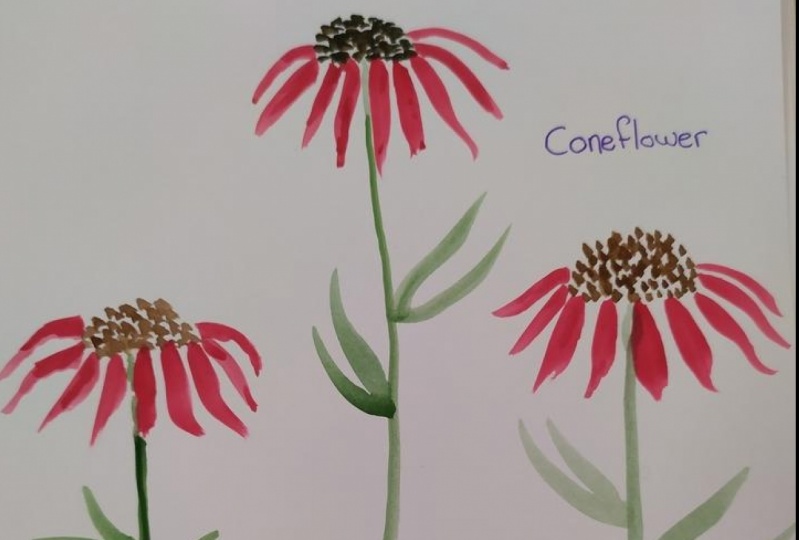
à cabeça da flor. E então o que vamos fazer é pegar um pouco mais verde e fazer o mesmo golpe para criar as folhas. vai colocar a ponta do pincel para baixo. Puxe o elevador seco para cima. Lá vamos nós. Farei a mesma coisa do outro lado. Ponta, puxe e arraste e levante. Você pode puxá-los em outras direções também. Puxe isso para baixo. Somos mais um aqui em cima. Então, há a nossa primeira flor de traço único. Então, em seguida, queremos usar a mesma técnica para criar uma flor de cone. Então, para isso, vamos fazer o marrom no sentido, mas vamos usar a técnica de pontos que aprendemos na última lição. Eu disse, pegue a ponta do seu pincel, incline-o para baixo, e então os cães estão no jornal e estamos mirando no Sammy. A forma do círculo vai criar o pequeno cone no centro. Eles iriam enxaguar isso, e então desta vez eu vou usar um pouco de vermelho, e então nós vamos pressionar a ponta do pincel para baixo perto do centro, sobre eles puxar e arrastar. Lá vamos nós na mesma coisa aqui. Vamos colocar as pétalas debaixo do cone. Lá vamos nós. Só vou virar o jornal. Para que você ainda possa ver o que estou fazendo aqui. Sente-se e, em seguida, puxe e arraste e levante. Estou outra vez. Fresco e seco à medida que chegamos às pétalas externas. que você vai querer fazer é começar a curvá-los. Estou a torná-los um pouco mais finos como eles se tornam as pétalas laterais. Lá vamos nós. Discussão fez isso em casa. Talvez essa forma, bem tocado centro lá. E depois um último aqui. Use apenas um golpe fino colocado em drogas. Ok, das 10. Esse fundo. Então você pode ver e, em seguida, exatamente a mesma coisa. Sistema um pouco verde. Imagine-o saindo do centro e, em seguida, crie o pequeno caule que você pode criar algumas folhas pequenas lá também. Se quiser, puxe e arraste. Lá vai você. É essa lição terminada.
6. Stroke dividido: Ok, então a próxima lição será dividida. Então isso é essencialmente pegar esses traços simples aqui e combiná-los para criar um golpe
duplo. Use exatamente a mesma técnica. Você coloca a ponta do pincel para baixo e nós movemos isso um pouco para cima. Você coloca a ponta do pincel para baixo e puxa e arrasta. Eu saí de novo, como com um único golpe, e então você faz exatamente a mesma coisa ao lado dele e então se encontra neste ponto superior. Então puxe e arraste e depois eu para o ponto superior. Suavize isso de volta. Então a maneira de fazer isso é empurrar para este lado para aquele golpe e, em seguida, puxar para o outro lado da carne no topo. Então você está quase criando um pouco de forma oval com um ponto do fim. Então ponta do pincel, puxe e arraste e empurre para aquele lado e, em seguida, a ponta da escova puxada para baixo para o lado e, em seguida, encontre de volta no meio para que você possa fazer isso onde ele deixa uma pequena linha no meio, ou você pode fazer a mesma coisa, mas junte-se a eles no meio. OK, faça isso mais algumas vezes bem devagar para ver a ponta do pincel empurrar a droga. Oh, para trás e então nós pegamos um pouco mais de tinta e então usamos a ponta do pincel. Puxe e arraste para baixo e, em
seguida, volte para cima. E se você não gosta da forma que você fica com, você sempre pode voltar e precisar disso. Nivelá-lo para fora. Não, algumas variações. Você pode fazer isso muito longo, traços
finos. Você pode começar aqui, puxar para cima para criar um curso muito longo. Você parou, se de novo. E então você poderia fazer o mesmo do outro lado. Puxe-o de volta e também faça o oposto e faça essas drogas muito curtas. Então, mais arredondado. Precisando disso, deixe-me fazer outro desses para que você possa criar pequenas pétalas ou folhas curtas. Esta é uma ótima técnica para folhas. A maioria das minhas folhas é feita com este. Ok, mais
um par só para terminar. Você pode deixar uma lacuna no meio como essa. Então empurre a volta e depois puxe para trás e, em seguida, comece a partir do ponto inferior novamente. Arbuste-se e puxe para trás. Pode deixar um pouco de espaço em branco no meio? Você também pode deixar bordas irregulares na parte superior. Se você não quiser que seus traços se encontrem novamente no topo para que você possa empurrar e, em seguida, parar e, em seguida, empurrar e depois parar. E assim você acaba com duas dicas, o que é um bom efeito. Isso é muito bom com, hum, coisas como girassóis, que mostrarão mais tarde na lição novamente. Você pode puxá-los para cima. Você pode criar pequenos movimentos na parte superior, criar bordas irregulares. Certo, vamos pintar algumas flores. Ok, então a primeira flor que vamos pagar com esta técnica é um girassol. Algumas flores têm grandes centros marrons agradáveis com muitos pontos e detalhes e, em seguida, adoráveis pétalas amarelas
ásperas ao redor do exterior. E vamos usar uma curva curta arredondada para isso. Ok, então vamos começar com o centro. Uhm, eu vou esboçar a forma dele só para que eu saiba aproximadamente o quão grande vai ser e então começar a preencher isso com pontos. Vamos deixar alguns pontos ultrapassarem a linha também. Só para criar um bom efeito regular. Vou acelerar este Papanicolau. Está bem. Assim que o centrista
ligar, vamos pegar tinta amarela fazendo uma lavagem aquosa para que possamos obter algumas boas hemorragias de cor. Vamos começar por cima, e vamos usar a ponta do pincel para conectar, e então puxar para cima de um lado e puxar para cima o outro e eu. Certo, pegue um pouco mais de cor e faça isso de novo. Um lado do outro lado, na carne, então você pode ver que estamos fazendo um belo formato redondo. Obter alguns bons sangramentos indo lá dentro. Talvez um pouco demais. Empurre isso de volta para isso mais tarde. Novamente. Tente conectar as pétalas. Os suprimentos têmbatalhas muito densas e
próximas, batalhas muito densas e
próximas, por isso ajuda a tentar conectá-los dele. Só vou virar o papel batendo sem colocar minha mão no caminho da câmera para que você possa ver o que estou fazendo. Ajuda a ser capaz de praticar esses traços em todas as direções, mas não há nada de errado em mover o papel. Se achar que dá um ângulo melhor de novo. Você pode ver que estou adicionando variações de cor. Então este aqui há alguns onde o semelhante fechar. Vou entrar com um amarelo muito rico. Essa é uma boa variação. Não se preocupe se eles são de diferentes formas, isso é absolutamente bom. Quanto mais irregulares eles são, mais naturalmente vai olhar espaço para um pouco no Deixá-los todos sangrar um no outro. Os consumidores vão ficar castanhos o suficiente vindo aqui. Vai manchar isso um pouco. Está bem, vai
muito. Você pode adicionar mais algumas linhas. Se você quer pensar em pétalas de um centavo de Philip, alguma lacuna lá também? Caso contrário, poderíamos passar para as hastes e as folhas. Então algumas flores têm um bom e grande caules grossos que vamos molhar do centro para baixo e depois desenhar. Bom consertado. Vou voltar por aquele lado e até sair. Eu gosto de onde é tocado essa pétala que eu não vou mexer com o do
bleedin amarelo e, em seguida, para as folhas de girassol, nós vamos usar as mesmas técnicas para as pétalas, mas torná-los agradáveis e grandes. Então desenhe uma pequena linha para que a folha não comece diretamente do caule e, em seguida, pressione em torno de um lado, pressione a sala para o outro lado. Eu até o topo. Bem, eu vou suavizar essa borda nosso pouco. Isso iria em um pouco amarelo para o verde se você quiser,
um, um, puxar esta folha para fora, puxar em torno de uma rodada, e então criar uma pequena dica. Você sabe, perto que eu não gosto de como isso parece. Está bem. Aqui temos um pouco de farinha. Ok, então a próxima flor vai ser um pouco diferente, mas usando a mesma técnica. Então este vai ser um dia para este. Vamos querer uma mistura rosa e roxa de novo. Sete. Quando você tem sua cor escura para o centro, o que nós vamos fazer é criar os traços em uma pequena estrela em forma para o meio. Então, muito pequenos traços divididos aqui. É tudo um, uh, um pouco lá. Puxe-os até um pequeno ponto, o e, em seguida, outro lá. Um cara lavando a escova. Adicione um pouco mais de rosa à mistura. E eles iam fazer a mesma coisa. Vamos fazer os traços saindo entre essas duas pétalas. Então comece por aí simples carne que Ok, Queremos ficar um pouco maior e um pouco mais leve. À medida que nos afastamos do centro. Vou preencher essa medalha de lacuna. É bem grande. Fazer. Não está um pouco mais rosa de novo. E então venha para este lado. Lá vamos nós, depois o último aqui. Está bem. Consegue ver os sinais? Obter algumas pequenas hemorragias agradáveis no Agora queremos iluminar novamente, ter um pouco mais rosa e fazer exatamente a mesma coisa. E desta vez as pétalas vão ficar ainda mais longas. Certo, dê outra. Ah, é
isso. Pare de se misturar. A cor está um pouco boa. Eles não têm que estar perfeitamente nas lacunas. Diariamente é um bom e Regula os guardas tocam melhor cor lá. Vê como está construindo isso? Só vou virar papel contra isso. Você pode ver o que eu estou fazendo para deixar isso um pouco mais pontudo. Estou sentindo esse cara com um roxo. Ok? E depois de volta para uma camada final. Isso vai precisar da cor mais clara, certo para colocar muita água em seu pincel e depois parar de tirar o maior possível . E vamos dar a volta, essas pétalas devem estar quase se tocando. Você tem sido mais roxo lá. Não há problema em usar alguns traços para criar a forma, especialmente se o ângulo não for ótimo para você. Vá. Boa, grande. Eu só vou preencher. Comprei isso com um pouco de cola. Tinha um pouco mais roxo. Aqui de cor. Boa luz. Um pequenino ali. Eu vou usar esta cor clara enquanto eu tenho no meu pincel para vir e criar algum contraste aqui em baixo. Nenhum g o a um pouco mais de cor. Só vou virar isso em torno de um pouco rosa e eles vão gastar mais água que é bastante escuro. Suave ao redor. Quanto mais nessa ponta. Volte para isso, não roxo. Aqui. Vá. E então o que você precisa fazer é dar uma olhada na forma do seu. Há algum pedaço que se
pareça um pouco com isso? Não muito quites. então Eentãopodemos usar o último derrame para fechar essas lacunas. Sinta-se livre para voltar e soltar um pouco mais de cor em qualquer parte que você acha que poderia fazer com um pouco de contraste e, em seguida, quer que você feliz com a forma dele. E poderíamos começar a adicionar as hastes de volta a um verde. Imagine que está saindo do centro, então vamos juntar-lhe o e, em seguida, certifique-se de dar-lhe uma curva melhor. Você pode sair, se quiser. O golpe dividido Morteiros papéis muito seco em um mais do outro lado para o equilíbrio. Lá vai você.
7. Estrelado de curva C: Tudo bem, pessoal. Bem-vinda de volta. Em seguida, vamos aprender a pintar, ver traços. Portanto, estes são essencialmente pinceladas na forma de curva de um See. Agora vou segurar o meu pincel. Uma espécie de ângulo de 45 graus ou um pouco menos. Apenas um descanso minha mão no papel. E então nós vamos tocar na ponta do pincel e puxá-lo para baixo em torno de uma cidade que você pode criar sido uma ou Thich. - Eu. Mostra-te outro ângulo. Se eu passar por cima para criar um arco, você
pode ver isso? Ok. Então tente segurar o pincel de ângulos diferentes para que você possa criar formas diferentes. Doença online. Você pode criar pequenos finos. Bem, você pode criar os Thika ou você pode ir realmente plano e começar a criar
truques realmente pensa . Ok, então havia algumas maneiras de fazer isso. Podemos fazer esses pequenos apertados como este ou enfraquecer dio muito sina como aqueles muito mais longos. Então você simplesmente, mas a ponta do seu pincel para baixo e, em seguida, pressione para baixo na esquerda de volta para cima novamente . Então é como uma tese. Curso simples, mas com uma curva para que você possa torná-los mais curvos ou diretos. Como você preferir. Você pode dio curvas apertadas. Will. Realmente tomadores tinham linhas retas,
ligeirase ,
ligeiras curvas como essa. A outra coisa que você pode fazer é torná-los realmente grossos. Então nós tocamos na ponta que e, em seguida, pressione puxar, puxar de volta para cima. Esta é muito boa. Pétalas. Você vê como puxamos e depois empurramos para trás. Pode puxar a pequena gorjeta. Você pode tentar torná-lo realmente bom. Eles vão. Ok. Agora vamos testar isso em algumas flores. Ok? Então o primeiro voo com o qual vamos fazer isso é um Kilis de renome. Então essas flores têm muitas batalhas bem cheias, então eu vou carregar com uma Cola Vermelha doente e apenas usar a ponta do pincel para
começar a criar seus buscadores no senador. Tudo bem, então vamos imaginar que estamos olhando direto. É ridículo. Então começamos com o pincel para cima, certo, e começamos a criar pequenos buscadores. O Você vê isso para que você possa manter o curso bastante curto quando eles estão no centro. Isso ajuda a segurar o pincel perto da ponta outra, e para que você possa controlar realmente firmemente onde ele está indo. E então você ainda pisa a terra para criar o centro. Tudo bem, isso parece bonito e detalhes. E, em seguida, lave a escova e bata contra a borda de seus copos de água que você pode obter um valor mais leve e, em seguida, continuar em torno do centro disso. Certifique-se de deixar muito espaço em branco entre esses traços para que eles não saibam misturar em um. Você pode começar a ficar mais grosso neste ponto. Faça algum crossover que eles não se parecem com anéis. Mantenha-o agradável e irregular. Pare para pressionar um pouco mais e ficar um pouco mais grosso. Ei, lave a escova de novo e vá para um valor realmente leve um pouco mais, talvez para as bordas que você vai começar a puxar ao redor. Ok, agora vamos criar na borda irregular para que eles não gostem de Perfeito. Nós não queremos isso com flores, e se você achar que está começando a ficar um pouco com as pedras coloridas, mas diga-me, você pode voltar com uma cola mais escura e então apenas adiciona pequenos pedaços que está criando um
efeito agradável . Suavizar aquele E g o redondo tinha um pouco mais escuro. A cor cria sombras e misturas novamente aluga um pouco se você acha que está indo. Mas pato, lá vamos nós. Ok. E então este caule no centro então imagina sair do centro e depois
puxá-lo para baixo. Ajuda a ter um verde agradável e
ousado quando você tem flores vermelhas. Então, as cores complementares agradáveis e, em seguida, você pode absolutamente vive se você quiser também. Faça isso, Sam. Só estou usando uma meia verde para isso. Olá, Split stroke. Isso mesmo? Perfeito. Ok, o próximo fogo que vamos pintar com o golpe do mar é uma rosa. Vocês adoram os primeiros tutoriais. É uma das minhas flores favoritas pintando aquarela porque funciona muito bem com a técnica
molhada sobre molhada. Então vai usar um processo semelhante que ridículo, mas apenas batalhas muito mais grossas. Tão bela cor rica. Obter muito em seu pincel e, em seguida, certifique-se de que usando a ponta para criar o centro ver curvas como uh, você pode começar a puxar e arrastar dele shopping com este. Faça-os bonitos e curvos o suficiente. Obter levou as pequenas bordas das pétalas em. Certo, enxágue a tampa da escova contra o lado do copo de água e faça a mesma coisa. Polônia, Dropkick para um pouco cansado de você pode fazer os cantos pouco 0.2. Se você quer uma ondulação continue indo mais leve e leve enquanto saímos. E pare de torná-los mais soltos e ligeiramente mais diretos do que os mais bem curvos do centro . Eu só peguei aquele pequeno final. Você também pode usar vários golpes se você sempre pode usar um pincel maior para isso. Mas vou continuar a usar este agora, está bem? O efeito dela não empurre a explosão para os lados e arrastando a cor. Crie o último aqui. Você pode começar a fazer essas pétalas, Weida. Certifique-se de que todos eles tocam em pequenos lugares para que possamos criar bons efeitos. Tudo bem, então. Você também pode usar alguns golpes ligeiramente mais finos se você acha que deseja equilibrar a forma dele. Você algo, distritos que bem, talvez o é para criar uma borda agradável e
irregular. Ok. E depois vamos fazer a magia. Mas é aqui que voltamos com a cor mais escura desde o início e começamos a superar isso tão perto e ele lacuna em qualquer detalhe e então deixamos que comece a sangrar. Se você conseguir alguma aposta como essa, onde as cores já secaram, você pode simplesmente lavar seu pincel, voltar com apenas água sobre ele e suavizar eles vão, pegar um pouco mais de tinta. Oh, olhe para isso. Acredita que é adorável. Topo que, uh, começar a criar alguns efeitos agradáveis lá dentro. Eu tinha um pouco escuro lá. Onde quer que você sinta que precisa de um pouco de contraste. Eu gosto muito de como isso parece. Eu só tenho um pouco mais naquela borda escura lá. Puxe uma pétala pequena ao redor. Talvez um pouco mais aqui, está começando a parecer um pouco inchado. Começou perfeito. Então eu prefiro fazer estômago este aqui. Só vamos fazer algumas folhas, , mas isso aí, e deixar um pouco de sangramento acontecer e depois fazer o derrame. É difícil fazer isso com você. Você vê, ela cria folhas bonitas. Deixe-me virar isso. Lá vai você. Isso é duro pintado rosas soltas
8. Stroke em loop: Muito bem, pessoal, o próximo golpe é muito parecido com a curva C. Mas em vez de fazer uma curva, vamos fazer um loop. Então este é o traço do loop. Então vamos fazer a mesma coisa, mas depois puxá-lo de volta para o ponto de partida. Então deixe-me mostrar-lhe no trabalho de treino. Oh, você vai começar a base, puxar a pressão para baixo, dar
voltas, e depois juntar-se a parte de trás do parado. Você pode ver como ele cria uma borda redonda agradável do topo? Então vamos fazer isso de novo. Comece na parte inferior, use a ponta do seu pincel. Pressione para baixo e achate o pincel
e, em seguida, puxe para cima. Estou de volta para baixo. Certo, mais
uma vez. Muito devagar. Você sabe, começar por baixo, mas a ponta para baixo. Pressione o corpo do pincel para baixo. Puxe para cima e, em
seguida, gire. Volte para baixo. Certo, mais
algumas vezes. Um pouco mais rápido. Está bem. Portanto, existem algumas maneiras diferentes de fazer isso. Strope você pode fazê-lo e um círculo de loop. Então aperte a garota do lado de fora e venha transar. E então você pode preencher o meio ou deixar aberto como você preferir assim ao redor
do livro. Muito bom para deixar espaços em branco. Você pode fazer, um,
um, menor meu circular. Então redondo e volta em si mesmo, redondo para trás em si mesmo Durante esse pequeno espaço você vê como ele cria uma borda redonda agradável. Faça isso novamente muito lentamente para que você possa ver a ponta para baixo, balançá-la e, em seguida, puxe para trás para criar quase forma de círculo. Você também pode fazer este um loop realmente grande. Então, por exemplo, puxe todo o fundo. Então você tem que tipo de torcer o fundo do pulso enquanto você puxa. Leva um pouco de se acostumar, mas uma vez que você tem a batida, ele vai se tornar realmente fácil em torno de torção e puxar de volta para baixo. Você vê como você quase torce o pincel em sua mão entre os dedos? Torcer, torcer Pior Bem, recuar. Obrigado. Ok, vamos tentar isso em algumas flores. Então, o primeiro incêndio nós vamos testar isso como em um candidato. Agora os nossos indicados têm batalhas leves adoráveis. Estou usando um azul prussiano muito leve. Só estou para me dar um pouco de espaço para o centro. Vou marcar isso com uma espécie de círculo solto. Ok, então nós vamos ficar cheios de um pouco de cor e ir andando. Ok, então aqui, nós vamos tocar no pincel ali e então puxar para cima e olhar para trás. Preciso de um pouco mais de água. Basta preencher isso. Então vou tocar nisso e depois puxar para cima por quarto. Encontramo-nos outra vez no centro. Muito. Vá só suavizar um pouco, ok? Faça outro quarto lá de novo. E depois um último. Puxe para o centro. Está bem. Eu só vou adicionar um pouco mais de água. Se você ver seu passel começando a secar, você pode apenas voltar sobre eles com um pouco de água. Vamos precisar que eles sejam o quê? Para o próximo estágio. Uma das coisas que eu amo sobre este acidente vascular cerebral é um cria pequenas bordas irregulares. Eu sou, o que é realmente ótimo para fazer Sly não era natural. Ok, agora vamos pegar uma doca, um pouco de azul prussiano e apenas em cima deles na borda interna ao redor do círculo e
deixá-lo sangrar até morrer. Você também pode adicionar um pouco para as bordas da flor se você quiser as bordas Patil. Apenas um contraste criativo. Eu tinha um pouco mais se você quisesse se espalhar um pouco mais. Não fique muito escuro porque ainda temos o centro a acrescentar. Vou apenas adicionar alguns pequenos pedaços de cor aleatórios aqui. Você também pode, se você acha que as pétalas parecem um pouco parecidas demais, você pode voltar para dentro. Basta colocar seu pincel em um pedaço de papel de cozinha, hum e depois voltar e pegar um pouco do contraste criativo coletivo. Se fizer isso, talvez não tenha estado lá também. Ok, enquanto isso seca ou nós vamos fazer, é nós vamos pintar o caule e as folhas então nós vamos usar como nós temos feito a mesma técnica para isso. Você pode misturar as formas das pétalas nas formas das folhas quando você pinta seus próprios florais. Mas apenas enquanto estamos nesta lição, puxe o caule lá em cima e que apenas um pouco de um sangramento Vá sobre o e, em seguida, vamos criar os laços de folha. Hum, tão pouco caule para a folha e, em seguida, para cima no quarto criar um pouco redondo de sua tentativa um mais longo, bem disse baixo espaço para criar mais de um oval fazendo último pouco. Aqui vão eles. Faça um par mais do outro lado sempre ajuda a equilibrá-los, mas simplesmente não simétricos. Vamos limpar a borda e usar a tinta escura para outra, tentando colocar minha mão na frente da câmera. Uma das minhas coisas favoritas com folhas é deixá-las tocar e, em seguida, deixar um pouco de cola só vai fazer isso. Mas lá também, como um pouco de cola ir entre as folhas. Ok, agora vamos deixar isto secar. Deixe secar, e depois voltamos e pintamos o centro. Ok, então agora são pétalas Um poço seco que você pode ver os efeitos agradáveis que temos lá nos pequenos sangramentos onde é seco Amor este meio que temos você pode ver a textura
do papel de imprensa frio. Eles estão criando um bom efeito também. Nós vamos didio está no centro do inimigo que eu vou fazer é usar uma mistura azul preta para isso. Então vou pintar e um círculo e filho para apenas tentar e deixar um pouco de espaço em branco para um pouco de detalhe, e então eu vou usar a ponta do pincel Muito ponta para puxar pouco, ver curvas um pouco para fora do centro para criar esta afirmação. Então você precisa de um monte de tinta na ponta do seu pincel e, em seguida, pressione e flick pessoa flick puxá-los para fora muito longe, se você quiser. O que eu gosto de fazer é cair esta noite, sair e depois voltar para criar uma boa variação de traços. Está bem? E então, para o detalhe final, vamos adicionar pequenos pontos como fizemos na primeira lição. Eles têm-lo. Ok, a próxima mosca que vamos fazer com isso é um PNE. Isto é tecnicamente uma mistura de dois golpes. Vamos usar o Sikh de para o fim, esta pétala, e então vamos usar traços de loops para os outros Pata Valls. Então a primeira coisa que vamos fazer é criar um golpe C, então esta será a pétala mais próxima da pessoa que está olhando para ela. Vamos fazer uma espécie de semi-círculo lá e lavar a cor um pouco. E então vamos criar alguns pequenos traços irregulares aqui só para ajudar. Dê um poucode de detalhes no centro também. Ótima. Um ponto focal. E então vamos fazer um loop de traços. Então, começando em um dos detalhes puxado para cima e rodada voltar para baixo,
em seguida, adicionar um pouco mais de pigmento para o centro. Lá vai você de novo. Um pouco mais fino. Talvez para cima e redondo. Voltar para baixo. Mais um aqui. Para cima e para baixo. Plano de fundo. Lá vai você. Posso adicionar um pouco de lado lá. Eu ia suavizar isso. Gosto do jeito que está secando. Tinha um pigmento rosa mais escuro na base. Está bem. E então vamos fazer o mesmo no caminho para baixo. Então olhe em volta e se afaste. Chega de vermelho por aí. Afastem-se com uma pequena tentativa. Só vou me virar para pagar um pouco aqui para que você possa ver o que eu estou fazendo e depois ter algumas pétalas laterais por perto. Certo, então o que vamos fazer é voltar com uma cola escura no meio só para dar um pouco de contraste. Então certamente esta batalha aqui e permitir que ele toque o outro. Então ele completa e, em seguida, adicionar um pouco mais rosa em alguns lugares, talvez um pouco lá também. Certo, perfeito. Então, como com todas as outras flores, íamos para caule e folhas. Desta vez, vamos imaginar que o caule vem aqui, puxa-o para baixo, e as peônias têm vidas longas. Vou usar uma longa divisão estrita para estes. Comece por aí, e então pressione e a droga chegar a um ponto e, em seguida, faça o outro lado pressionando a droga e chegar a um ponto. Agora, eu vou fazer isso do outro lado e começar de um ângulo ligeiramente diferente e então
pressionar e arrastar o ponto de cultura mais uma vez. Vou juntar-me àquela base. Pode ter
9. Stroke Wiggle: Ok, pessoal, a última reta que vamos olhar nesta aula é o que eu vou chamar de
golpe de manobra . Não, não
sei se esse é o termo certo para isso. Provavelmente não, mas é assim que vou chamá-lo. Tudo o que eu realmente quero que você faça com este derrame é mexer seu pincel para frente e para trás,
quase como se estivesse fazendo um ziguezague. Tudo o que eu realmente quero que você faça com este derrame é mexer seu pincel para frente e para trás, Há duas maneiras de fazer isso. Podemos fazer isso com a ponta do pincel e criar um pouco para frente e para trás como aquele rabisco. Talvez devêssemos chamar de “golpe de rabisco”. Hum, ou você pode colocar sua escova mais plana e fazer um para trás e para frente assim que você está esfregando,
ok, ok, para trás e para frente. Uma vez que você fez isso algumas vezes e você tem o jeito dele, então nós podemos começar a tentar isso com diferentes formas. Assim, por exemplo, poderíamos começar a partir de um ponto central em movimento para cima e sempre puxar de volta para o centro em uma forma de
lágrima. Pode dizer para fazer isso de novo? Muito ligeiramente. Puxe para cima, puxe para baixo, volte para o centro. O objetivo deste golpe é que ele é aleatório e é solto, e é isso que dá um bom efeito. Certo, então não tenha medo de ir rápido. Uma vez que você tem o jeito do movimento para trás e para a frente mais rápido, você pode voltar e outros pequenos detalhes ou linhas estranhos. Ou você pode voltar em um suave para fora se você acha que parece desigual, mas isso nos dá um bom ponto de partida aleatório e o mesmo com fazer isso no lado. Podemos simplesmente ir para frente e para trás e, em seguida, puxar de volta para o centro com mais alguns detalhes lá, e você pode ver o começo de algum floral solto em forma mais uma vez, para frente e para trás. Lá vai você. Certo, mais
algumas dicas sobre isso. Hum, você pode ajustar o ângulo do seu pincel para mudar o traçado para que você possa alternar entre ter o pincel para cima direito e o pincel de volta para baixo para que você possa começar lá e, em seguida, colocar um pincel a jusante para fazer backup, você pode ajustar o ângulo do seu pincel para mudar o traçado para que você possa alternar entre
ter o pincel para cima direito e o pincel de volta para baixo para que você possa começar lá e, em seguida, colocar um
pincel a jusante para fazer backup,
para baixo, endireite novamente, e você pode começar a criar seções mais finas e seções mais grossas aqui. Você pode ver como você tem alguns traços grossos lá e, em seguida, algo fino traços A aqui. Outra coisa que você pode fazer esta viagem mudou a direção e dividi-lo em diferentes seções. Então você pode ter um casal indo para aquele lado e depois parou e um casal indo para aquele lado e então parar por ali e por ali, e então você tem um pouco floral solto. Você tem um pouco de contraste, talvez saia do pincel. Mas, uh, talvez até um par de pedaços fora. Eu estou entendendo. E você tem um belo floral solto. Uma última dica com estes que lhes mostrarei é uma maneira de mover o espaço em branco entre eles. Então essa técnica vai precisar que você segure sua escova, certo? mais certo que puder. E então vamos tocá-lo no papel, arrastado para frente e para trás e deixar espaço em branco no meio. E então você pode puxar isso ao redor e você começou a comprar uma pétala com pequenos pedaços de espaço branco nela. Então vamos fazer isso de novo. Puxe para frente e para trás, arrastado para baixo, deixe algum espaço em branco e então você pode construir essa forma em uma flor. Você pode ver apenas ter contraste. E talvez alguns pontos no meio. Isso é muito mais abstrato do que os outros traços, mas é uma ótima maneira de intensificar seu jogo chão solto. Uma vez que você tem a folha de treino feito, vamos para as flores. Ok, então para os dois últimos fluxos de treino, nós vamos pintar hoje nós vamos dilatar uma California Poppy Onda delphinium. Ok, então a papoula da Califórnia vai usar cores amarelas
e laranja, e nós vamos entrar, impressionar e arrastar, balançar as pétalas ao redor. Ok, em outro. Lá vamos nós. Perfeito. Mais um do outro lado. Grupos Bever Wiggle. Se juntares assim, não te preocupes. Faço isso o tempo todo. Pegue uma escova e muita água. É um pouco verde, mas não será rápido. Dobre-o com toalha de papel. Levante de volta. Lá vai você. Como se nunca tivesse acontecido. Ok, você adiciona um pouco mais de água a esta mistura e depois puxa outra pétala lá para baixo quando aquela água do
amor para esta última. Ok. Incrível. Só vou conectar algumas dessas coisas que eu vou adicionar um pouco mais rico amarelo puxar um pouco desse detalhe para o meio. Certo, enquanto isso seca um pouco, vamos pintar outro em uso um pouco mais de cor laranja. Certo, aqui
embaixo, dragão. Mexa mais água no mesmo novamente. Ali. Deixe tocar para um bom sangramento. Um pouco mais de cor aqui em baixo naquele sangramento de novo, para frente e para trás. Mantenha-o agradável, solto e orgânico. E não se preocupe muito. Se o formato não parecer certo, não parece ótimo, mas podemos voltar e consertar isso mais tarde. Wiggle novamente em seguida Wakaluk em. Eu tinha um pouco de laranja mais escuro na esperança de que cuspir para pato ao redor da borda. Preencha alguns dos governadores. Eu só vou suavizar um pouco disso com um pouco mais de água. Se todas as suas misturas não estão funcionando muito bem, o que você pode fazer é adicionar e adicionar algumas gotas de água. Dê um pouco de um movimento e deixe-os secar por conta própria. Ok, seguida, nós vamos fazer este caules, hum, papoilas tem um bom caule grosso, então você pode puxar uma linha ética bastante agradável lá em baixo e então se você quiser adicionar alguns detalhes. Você teve um pouco de McCullough e então apenas puxe alguns pequenos detalhes e textura
criativa no caule. Faça este. Estas hastes vão sair? Provavelmente aqui. Tinham um pouco mais de cor. Isso é bastante leve. Bem, não é bem provável Efeito. E depois lá em baixo, Smith fora. E então novamente com o pequeno movimento E detalhes dar uma textura. As cópias têm belos telhados, Harry caules. Fato, vou me juntar lá. Ok? Você sabe que está seco. E depois vamos voltar e fazer os senadores. Ok? Então, para pintar os centros dessas papoulas, vamos criar um pequeno detalhe verde no centro. Apenas um pouco de forma de estrela, ok? E então vamos usar um brilhante com um pouco de amarelo adicionado a ele para criar o
estame central . Então, assim como fizemos para o inimigo, apenas fugindo muito para entrar e sair em todas as direções diferentes. E então podemos adicionar alguns pontinhos. Detalhe Tom. Lá vai você com o mesmo novamente neste filme e fora tentando. Sempre puxe-o de volta para o centro e, em seguida, adicione pequenos pontos ao redor do exterior. Lá vai você. Uma mãe. Certo, a flor final do treino. Vamos sofrer. Hoje é um delphinium. Delphiniums parecem bastante complicados, mas o truque para pintar flores complexas é começar com uma pequena seção e, em seguida, apenas
repetir isso à medida que você expandir. Então, vamos fazer um pequeno movimento ali na semana do para criar uma pequena
flor de cinco pétalas , e então vamos fazer a mesma coisa ao lado dela. Mexa-se em algumas direções diferentes. Eles não precisam ser perfeitos. Eles não precisam ter cinco pétalas e, em seguida, uma neste intervalo médio aqui. Está bem, Perfeito. Não. Quando temos as bordas dos delphiniums é a flor começa a girar. O caule que vamos fazer é pintar um pouco do lado. Então vamos escolher um ponto central, nos mexer para imaginar uma flor do lado, fazer isso do outro lado também. Há uma manobra, e depois pintar outra frente virada para uma aqui. Tudo bem, enquanto isso ainda é o que eu vou pegar um azul um pouco mais escuro e ir em cima disso para o centro lá e deixá-lo sangrar até morrer. Estes que estão muito molhados voltarão a estes quando tiverem secado um pouco. Caso contrário, tanta água que as hemorragias não vão funcionar. Não vais criar um bom efeito, está bem? Faça flores onduladas Somalo cravando para cima. Vá um pouco mais de um wigo. Ok, eu poderia apenas preencher esta lacuna picaretas. Isso parece um pouco de uma lacuna. Está bem, consegues ver a forma dos delphiniums a começar a funcionar? Então, enquanto o azul se instala, um pouco nós vamos fazer é pegar um pouco verde, hum, e depois no tronco dentro. Então este vai ser o caule um pouco mais verde, o e então o que vocês fazem é pintar as pequenas lacunas todo o caminho até o topo, e então nós vamos adicionar alguns pequenos botões aqui. Então, estas flores abertas como aquela tocam o azul ali, e então apenas algumas hastes aqui criam textura de flor. Isso está tudo bem. Lave a escova de volta, pegue o azul escuro novamente. Então vamos adicionar aos centros de flores. Mas o do talvez puxe um pouco aqui para as bordas ali. Onde quer que você possa encontrar, um pequeno detalhe central poderia ver que eu sempre lacunei que onde isso não parece muito que nós vamos. Tudo bem, e finalmente, vamos fazer as folhas. Agora Delfini deixa um ótimo porque você pode usar o golpe de manobra para criar a forma da folha. Então eu puxei um pequeno caule aqui para que você possa cidade. E então o que nós vamos fazer é virar o pincel para o lado e então balançar para trás e para a
frente para criar folhas e puxá-lo para um ponto. De cada lado deste caule. Tudo bem, para trás e para frente. Bela irregular balançar e puxar um pouco de volta para o fim e depois para trás e para a frente , um, puxado um pouco para fora, e então você pode voltar através de um estranho, mais escuro cor no centro. Vamos torná-lo um pouco mais regular. Se você acha que ele olha para puxar um pouco para fora de novo e então você sistema delphinium
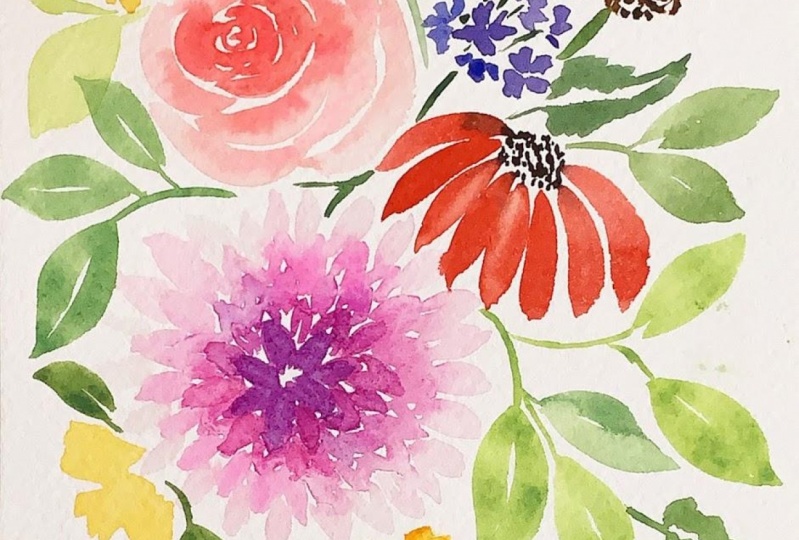
10. Projeto: composição floral: Ok, eu Então, para uma paz final, vamos juntar todos os elementos que aprendemos nesta aula para fazer uma peça
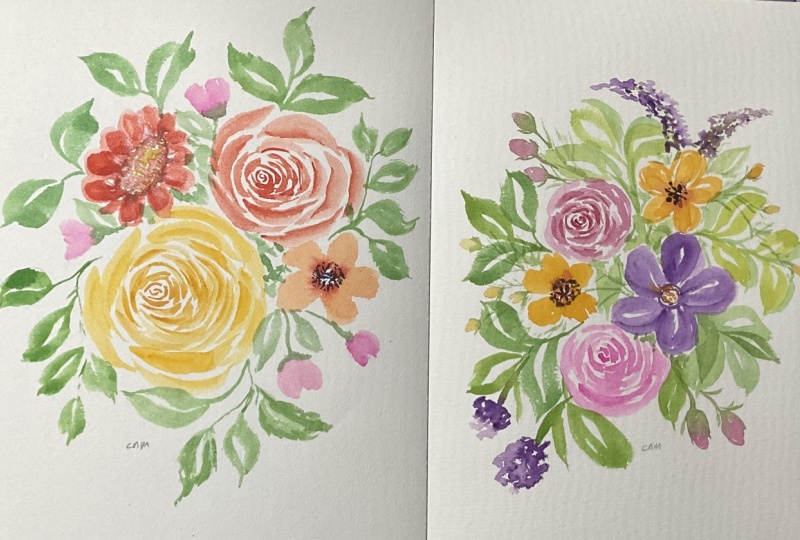
completa de chão solto. Agora, você não tem que fazer a peça que eu estou fazendo. Você pode criar suas próprias composições a partir de coisas que aprendemos. Mas se você quiser acompanhar a May, eu vou pintar isso em tempo real para que você possa, hum, praticar tudo o que você aprendeu tão bem, eu vou usar uma composição bastante simples de três peças do piso principal para criar uma espécie de triângulo dos elementos principais. E então nós vamos adicionar algumas folhas e algumas flores menores em torno disso também. Então eu vou começar de novo aqui no topo com rosa na cor vermelha profunda. Eu vou manter todos os elementos florais para vermelhos quentes, laranjas,
amarelos e rosa , e então as folhas para meio verde no verde azulado. Então, começando aqui, vamos fazer os pequenos traços para criar Rose, apenas puxando-os suavemente. Você pode ver que eu tenho um vermelho bem profundo aqui, perder o pincel fora, e então apenas continuar puxando isso em torno de muito que apenas manter alugar um pincel fora na água quando você quer que a cor para ficar um pouco mais leve. Eu faço um pouco mais de detalhes deste lado. Então eu vou adicionar um pouco dessa cor escura de volta ao centro do não pode. Belo faroeste. Meu efeito trazer um pouco aqui é bem, tudo bem. Ok. Em seguida, vamos pintar PNE. Então eu estou usando uma mistura rosa e vermelha aqui. Então vamos fazer isso um pouco do lado dele. Hum, nós vamos fazer o traço ver para criar 1/2 forma lua lá, e eu vou puxar as pétalas de loop do fundo ao redor. Este papel está tão seco apenas concentrado em fazer esses loops, certo? E então vamos adicionar uma cor mais escura aqui e deixá-la sangrar. Tenha um pouco mais de detalhes aqui. Só vou colocar mais rosas nisso. Só vou colocar mais rosas lá para variar a cor, permitir que sangrem até morrer. E aqui onde temos algumas pétalas tocando, eu só vou adicionar um pouco mais rosa menos que ele completa na rosa fazer um bom efeito. Lá é ótimo. Então, para completar o triângulo com eu vou colocar a terceira flor aqui em baixo. Sou estudante de pós-graduação da rosa. Poderia fazer este um pouco mais vermelho laranjado. Então você pode ver que esta é uma cola muito mais quente, e então você está no pincel fora nas mesmas curvas de ver apenas um pouco. Toque lá para permitir que a tinta sangre para dentro da laranja. E então nós compulsivos pequenos traços ao redor, criando a forma, mas a lacuna lá que nós podemos simplesmente preencher. Então vamos voltar com um pouco da cor mais escura aqui. Prestes a alegar. Não, parece adorável. Ok, então agora nós temos um três andar médio. Não, é hora de adicionar alguns detalhes de folha entre eles para que possamos começar a obter a forma. Não, o que eu vou tentar e fazer é puxar um fio de folha terra aqui, um fio de folha lá em baixo e depois a folha amarrada lá em cima. Assim, tanto quanto você puder com composições florais soltas, tente obter as folhas para sair entre as flores, em vez de sair do meio das flores. Fará com que pareça mais natural assim. Alguém para misturar algumas meias de tom médio verde com um pouco de azul prussiano e para obter uma agradável profunda cor verde Larry, será um bom contraste com a guerra. Sim, eu era o termo laranja. Então eu vou começar aqui, e puxar
um pouco de gaguejar e depois fazer algumas folhas de golpe dividido. Lá vai você. Tinha um pouco mais isqueiro aqui. Tanto quanto você pode permitir que os elementos toquem dessa maneira, eles podem começar a criar bons efeitos de sangramento, especialmente se eles ainda estão molhados. E então podemos tocar as folhas juntos. Eu tinha um pouco mais escuro aqui. Sinto como se eu já tivesse gostado de um tom. Só vou aparecer um reconectar sobre isso. Ok, Sam de novo terminou aqui. E desta vez eu vou puxar as folhas para cima em torno da flor aqui, ter um pouco mais azul de contraste, é um folhas menores. Tudo bem, eu sou um a menos que eu vou puxar Isso os deixa por lá e então ninguém azul. Basta preencher algumas das lacunas com cor escura e, em seguida, cabeça para fora o não, e eu puxei para fora quando é um pouco mais de um ponto. Bem, caro. Tenha um descanso. Um verde vindo aqui um pouco gosta de transformar a sua só conversa sob aquela flor. Ok, agora vamos fazer é ruim. Tão pequenas papoulas da Califórnia. Estou perto das bordas onde confinamos pequenas lacunas. Talvez alguns pequenose
crocantes Aguirre's. Talvez alguns pequenos Bem, só para preencher essas lacunas, faça um pequeno movimento. Eu estou aqui. Eu tinha um pouco mais o para um pouco de contraste. Gosto do jeito que está sangrando. O mesmo elemento aparece na parte superior. Provavelmente lá. Ok, nada de mover-se para mais um amarelo. Vamos adicionar alguns detalhes crocantes da DEA. Eu vou ter um casal aqui em baixo e, em seguida, um par aqui em cima apenas para
inclinar o pincel um pouco para você ver o que eu estou fazendo para parar aqueles pequenos pontos todo o caminho ao redor. Ok, então alguma vez que algum dos amarelos se vira para fazer isso Este lado desta vez é o lado da sombra. Eu sou o mesmo aqui. Misture no médico, você já tem, e depois comece a adicionar apenas mais alguns detalhes para resposta. Ok, eu só vou fazer a vontade no topo ok . E o mesmo tom laranja. Vamos espelhar a forma disto para que seja por baixo, mas tentar fazer a sombra como uma pequena lua crescente estão lá nessas hastes incríveis para ancorar um pouco, e então podemos pintar algumas folhas em torno deles. Então aqui o caule vai vir, uh, das folhas, e então aqui vai vir por trás desta Rose Coloque-os ambos de um ângulo semelhante. Ok, agora vamos adicionar algumas folhas azuis da cidade. Oi, senhor. Saindo de novo entre as flores e, em seguida, em um golpe dividido chegando lá em cima. Eu só vou voltar sobre isso, mas e apenas adicionar um pouco mais de azul lá. Talvez este aqui seja. Bem, uh, Pani não estava completamente seco. Só peguei um pouco, certo? E depois saindo deste,
uma gripe normal, outro verde de volta do próximo, um pouco mais rico. Bem, assim é melhor. Vou fazer outro lá também. Bem
, Bem Bem , misturou um pouco estas cores. Acabei de falar com o sangramento. Não gosto do jeito que está tentando. Só vou puxar isso. Duh. Tente parar com isso, isso é tudo. Talvez isso tenha sido muito contar um pouco vermelho, assim como isso vai resolver. Espero que sangrem um pouco mais. Você poderia apenas suavizar isso. Vamos tirar outras folhas daqui para baixo. Bem, é um pouco verde. Oh, em. E então faça um bem grande aqui embaixo. Não há problema em usar alguns traços para obter a forma que você quer sobre estes. Vou responder a mais picaretas verdes. Isto está muito azul. Só mais uma vindo de trás desta flor. Apenas faça esse ponto ainda. Feliz vai, certo, a composição. Olhando para fora, parece que tem um pouco de uma lacuna aqui. E o que vou fazer é preencher isso com outra papoula da Califórnia. Apenas um bem pequeno do lado. Então parece mais um botão. Então eu tive um pequeno movimento aqui dentro, e então apenas olhar um pouco para lá. Eu voltaria para os verdes. Sim, eu tinha um pequeno caule vindo para isso. E então só mais algumas folhas saindo do lado. A senhorita vai ficar um pouco triste. Não temos tanto azul nesta seção. Ok, então vindo entre as flores e puxando para baixo tem um mais leve vindo por aqui. Então, se não conseguirmos sangrar um pouco, o amarelo também vou puxar um para baixo um pouco mais verde aqui em baixo, ok? É só uma pequena lacuna aqui. Preencha isso. Não tenha medo, Teoh. Sobreponha as folhas e coloque-as umas sobre as outras. Certo, continue dando um passo atrás na análise. Sente pastas? Sinto que há lacunas. E então nós podemos olhar para preenchê-los com alguma coisa, apenas verificar estes um seco, e então nós podemos entrar e para o detalhe por cima. Então nós tivemos uma pequena estrela moldar o não e ter um bom marrom quente. Vou sair um pouco laranja para isso para mantê-lo bonito e parede. E então podemos começar a dio-love flicks. Se quer que pareça, é um ângulo. Você poderia fazer isso no fundo mais curto, e então eu vou fazer o cabelo oposto. Eu vou fazer santo em um top mais curto. Ok, não há tempo para alguns adultos. - Gosto mesmo destes. Por favor, olhe para isto. Um pouco aqui. O verde que sumiu no O nestes também. Tem um monte de efeitos realmente interessantes acontecendo aqui. Certo, acho que terminamos.
11. Considerações finais: Tudo bem. Lá vai você. Ele está acabado. Bem, feito, Goes,
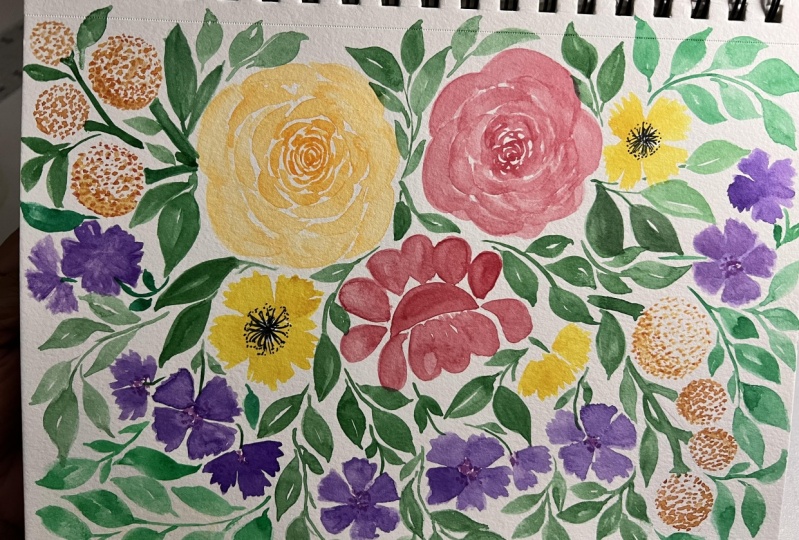
por favor, não se esqueça de mostrar o seu trabalho. Você pode colocá-lo na seção Projeto e no show de habilidades. Ou se você tem instagramming composto lá embaixo, Tigre me para que eu possa ver. Eu adoraria ver o que você cria. Uma última coisa que quero falar antes de terminarmos de pintar é uma habilidade, e leva tempo e prática para pegar o jeito dela. Vejo que muito Begin está ficando frustrado. Vai descender chances. Senti o mesmo quando comecei, mas aprender a pintar assim me levou anos. É tão fácil, especialmente nas redes sociais, comparar seu trabalho com o de outras pessoas, mas não faz sentido. Quero dizer, como você pode comparar sua primeira pintura ou até mesmo sua quinta pintura com algo que pode ser sua 50ª pintura ou 500 pinturas? Não faz sentido comparar o seu trabalho com outra pessoa. O mais importante é pegar um pincel e começar a pintar todos os dias que você faz que você vai ser melhor pintura do que você estava esta manhã. Se eu puder fazer isso. Você poderia fazer isso. Basta ficar com ele também, se ele gosta desta aula, venha e diga oi no Instagram. Adoro ouvir de você. Nós amamos qualquer pensamento de feedback que você tem ou qualquer coisa. Eu poderia fazer isso na aula do futuro. Adoraria ver o que você paga. Continua a pintar e vejo-te em breve.
 Emily Wassell, Watercolour Artist & Educator