VISION BOARD FOR CLIENT'S NEW HOME
Act as an experienced European interior decorator with 8+ years of experience designing distinctive, personality-driven residential interiors.
I have a client who has recently moved into a two-bedroom apartment and wants the entire home to feel deeply personal, artistic, eclectic, intimate, and slightly unconventional.
Client ProfileShe is 26 years old, bald, has multiple piercings, and has a strong sense of individuality. She is highly sensitive, emotionally intuitive, introspective, and very connected to her feelings.
She loves:
-
Art, particularly pieces with emotional or conceptual depth
-
Books and collecting books
-
Films and cinema
-
Objects with history, character, or sentimental value
-
Collecting and "hoarding" beautiful or interesting objects
-
Expressing herself freely rather than following conventional design rules
-
Spaces that feel lived-in rather than overly polished or minimalist
Her aesthetic should communicate freedom, creativity, emotional depth, intellectual curiosity, sensuality, individuality, and a love of beautiful things.
She does not want a generic "Pinterest apartment." The home should feel like the physical manifestation of her personality — as though someone could walk into the space and immediately understand that an artistic, sensitive, slightly eccentric person lives there.
Apartment SpacesThe apartment contains:
-
Living room
-
Bedroom
-
Home office
-
Kitchen
-
Bathroom
Create a complete interior design concept for the entire apartment, with a distinct but cohesive theme for each room.
For every space, provide:
1. Room ConceptGive the room a memorable name and explain the overall design concept, emotional atmosphere, and story behind it.
2. Color PaletteProvide:
-
Primary colors
-
Secondary colors
-
Accent colors
-
Suggested finishes
-
How the colors should make the client feel
Include approximate HEX codes where useful.
3. Materials & TexturesRecommend specific materials, fabrics, finishes, and textures for the room.
Think beyond conventional choices and incorporate elements such as:
-
Wood
-
Metal
-
Glass
-
Stone
-
Velvet
-
Linen
-
Leather
-
Ceramic
-
Vintage materials
-
Handmade objects
-
Textured walls
-
Aged or imperfect finishes
Recommend the major furniture pieces and describe:
-
Style
-
Shape
-
Material
-
Color
-
Placement
-
Whether the piece should be vintage, contemporary, antique, thrifted, handmade, or custom
Prioritize pieces that feel collected over time rather than furniture that looks like it was purchased as a matching set.
5. Art & ObjectsBecause she loves art and collecting, make this a major part of the design.
Suggest:
-
Types of artwork
-
Photography
-
Film memorabilia
-
Sculptures
-
Books
-
Ceramics
-
Objects d'art
-
Posters
-
Found objects
-
Personal artifacts
-
Interesting collectibles
Explain how these should be displayed without making the space feel like a chaotic storage room.
6. LightingCreate a layered lighting plan for each room:
-
Ambient lighting
-
Task lighting
-
Accent lighting
-
Decorative lighting
Include recommendations for fixture styles, bulb temperature, and the emotional atmosphere created at night.
7. Styling & ArrangementExplain exactly how the room should be styled.
Include:
-
What goes on shelves
-
Coffee-table styling
-
Wall arrangements
-
Book displays
-
Plants
-
Curtains
-
Rugs
-
Mirrors
-
Decorative objects
-
Negative space
The goal is intentional maximalism, not clutter.
8. Signature ElementGive every room one unforgettable design element that becomes its visual identity.
For example:
-
An unusual ceiling treatment
-
A dramatic bookshelf
-
A gallery wall
-
A sculptural light
-
A vintage piece of furniture
-
A cinematic installation
-
A highly unusual color or material
The home needs to be beautiful but genuinely livable.
Consider:
-
Storage for someone who loves collecting things
-
Easy maintenance
-
Organization systems that don't destroy the aesthetic
-
Comfort
-
Functionality
-
How the space can evolve as she acquires more objects
-
Budget-conscious alternatives where appropriate
Although every room should have its own identity, the apartment must feel like one person's home, not five unrelated interiors.
Create a design language that connects the rooms through recurring:
-
Materials
-
Colors
-
Shapes
-
Textures
-
Art styles
-
Metals
-
Wood tones
-
Lighting
-
Decorative motifs
Explain how these recurring elements create continuity.
Overall Design DirectionDo not make the apartment:
-
Generic
-
Sterile
-
Ultra-minimalist
-
Influencer/Pinterest cliché
-
Overly feminine
-
Excessively bohemian
-
Visually chaotic
-
Like a showroom
Instead, aim for something that feels like:
European art apartment + eccentric collector's home + intimate cinema + literary retreat + contemporary bohemianism + intentional maximalism.
The result should feel sophisticated but imperfect, intellectual but sensual, unconventional but warm, and highly personal.
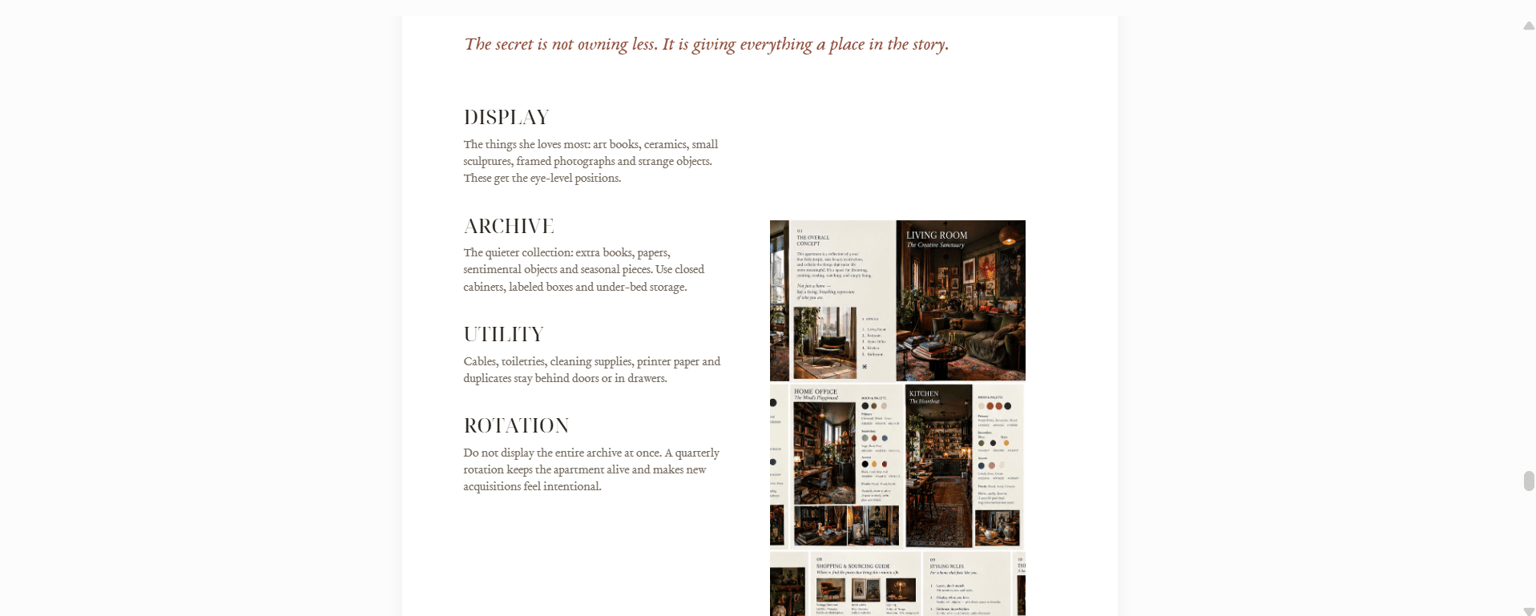
Visual GuideAfter developing the design concept, create a visual guide for the entire apartment.
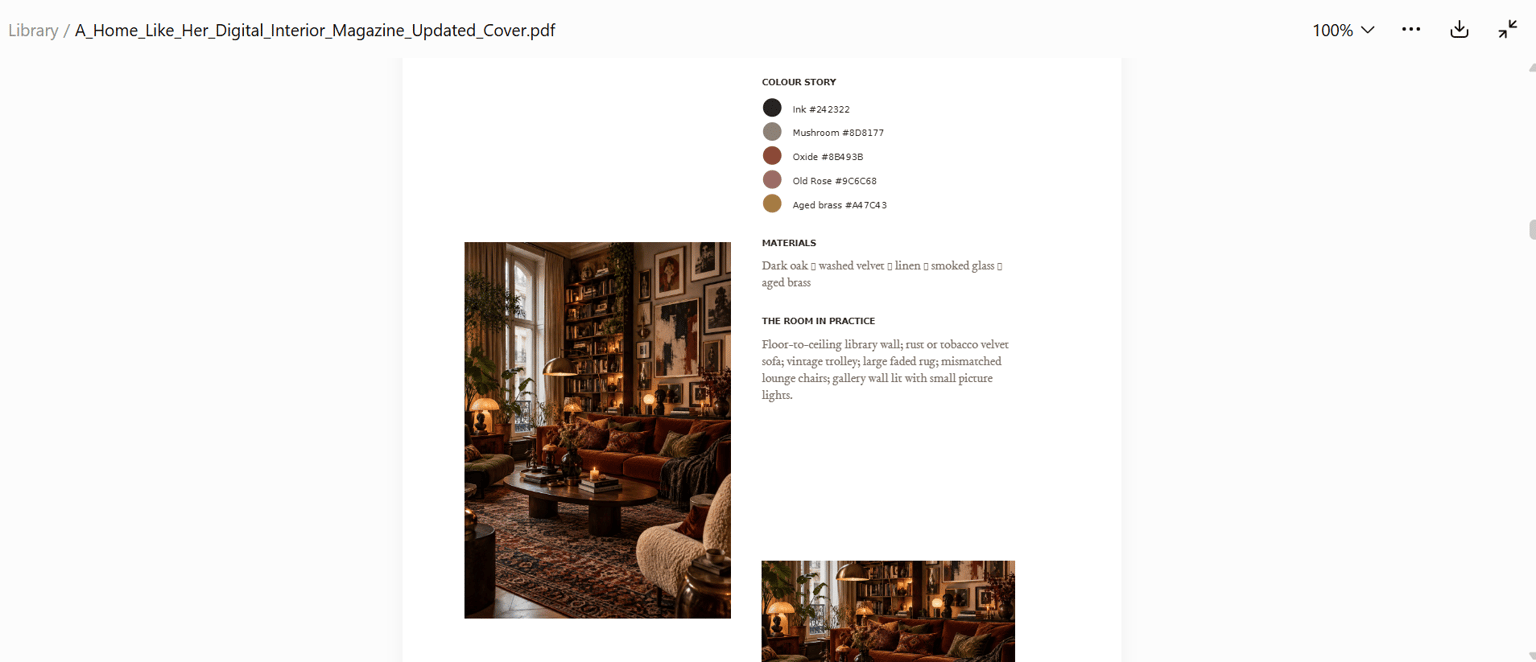
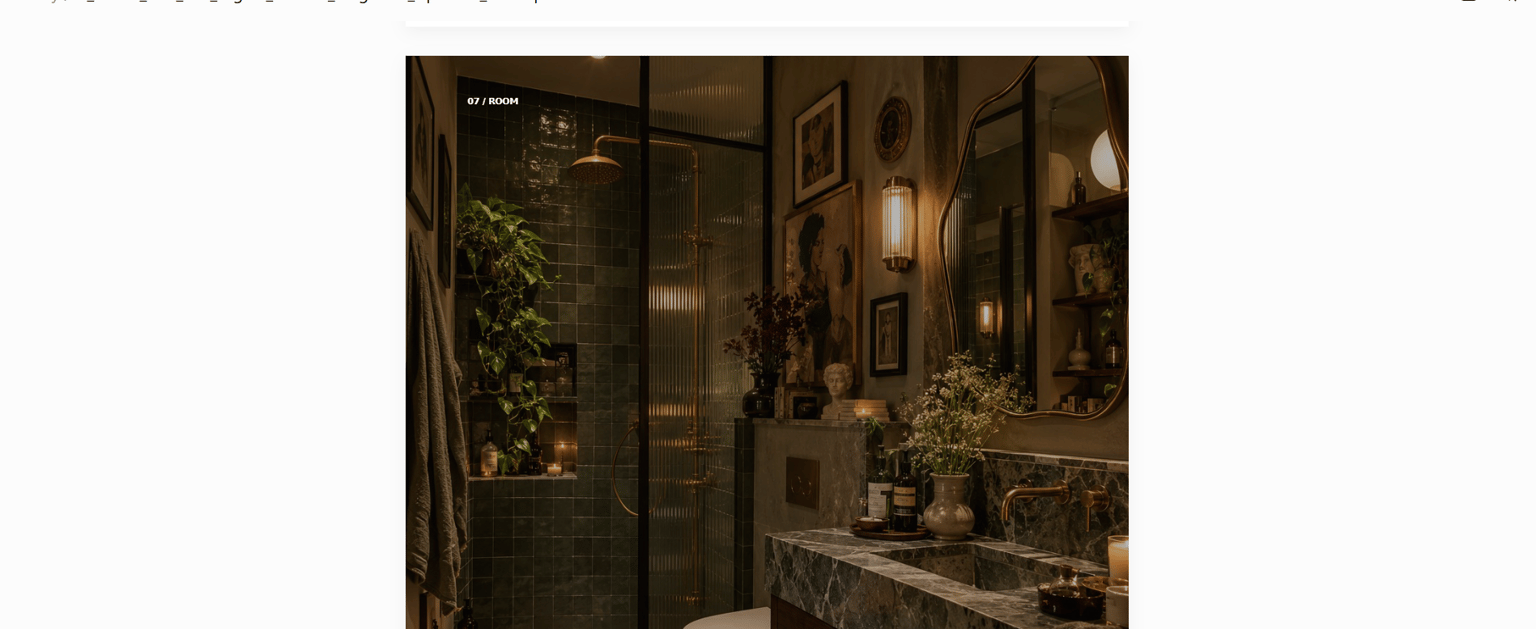
For each room, provide a moodboard-style visual direction showing:
-
Color palette
-
Furniture styles
-
Lighting
-
Materials
-
Textures
-
Art references
-
Decorative objects
-
Architectural details
-
Overall atmosphere
Use visual references that would help someone actually understand what the finished room should look and feel like.
Also provide a final apartment-wide visual direction showing how the five spaces work together.
Final DeliverableStructure the response as a professional interior-design concept presentation:
-
Overall Apartment Concept
-
Design Philosophy
-
Living Room
-
Bedroom
-
Home Office
-
Kitchen
-
Bathroom
-
How the Rooms Connect
-
Apartment-Wide Shopping & Sourcing Guide
-
Styling Rules for the Client
-
Final Visual Moodboard
Be highly specific and imaginative. Avoid generic advice such as "add plants" or "use warm lighting" without explaining exactly what kind, where, why, and how it contributes to the aesthetic.
The final result should feel like a home designed specifically for this woman — not a template applied to her apartment.