Problem-Solving Skills
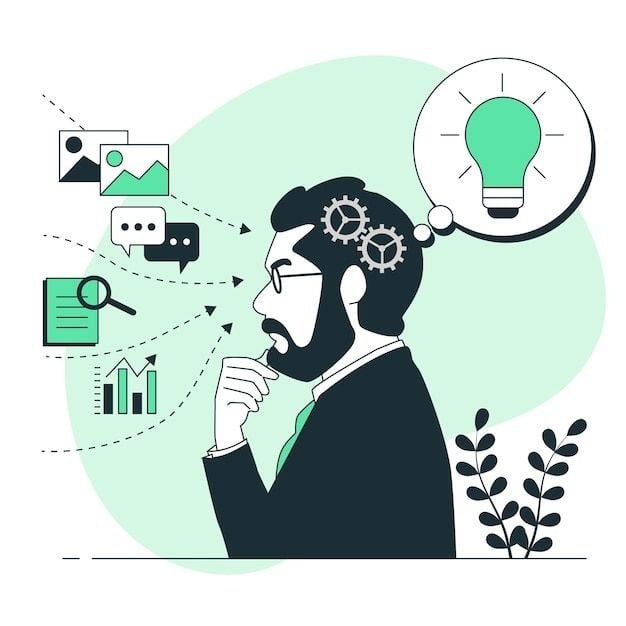
1. a.Listening skills,
b.Creative thinking skills,
c.Analytical skills,
d.Decision-Making skills
e.Communication skills.
2. a.Think Like a Freak" by Steven D. Levitt and Stephen J. Dubner
This book teaches unconventional thinking and challenges conventional wisdom, encouraging readers to approach problems creatively.
b.The Art of Thinking Clearly" by Rolf Dobelli
It outlines cognitive biases that cloud judgment and offers clear, practical tips on how to think more logically and effectively.
c.The Lean Startup" by Eric Ries
Though geared towards entrepreneurs, this book presents a methodology for testing ideas, adapting quickly, and solving problems efficiently in uncertain environments.
3. Adaptability:
Problems are inevitable, and strong problem-solving skills help you adapt quickly to changing circumstances, finding effective solutions even under pressure.
Critical Thinking:
It sharpens your ability to analyze situations, identify the root cause of issues, and develop thoughtful, well-structured solutions instead of relying on impulsive or surface-level fixes.
Innovation and Creativity:
Effective problem-solving encourages you to think outside the box, fostering creativity and innovation. This can lead to breakthroughs in work, relationships, or personal goals.
Resilience:
Being a skilled problem-solver builds resilience by fostering a mindset that sees challenges as opportunities for growth rather than setbacks.
Improved Decision Making:
It helps you make better, more informed decisions by considering multiple perspectives and potential consequences, which can prevent future issues and promote long-term success.
It is always to learn problem solving skills in ones live. Since it enhances your ability to thrive in an increasingly complex and fast-paced world.
4. a. Listening Skills
b. Analytical Thinking Skills
c. Communication Skills