My Personal Journey in Photography
What is the oldest camera you have ever used?
My first camera was a Fisher-Price Perfect Shot camera, which I used to take photos in the late 1990s. It was basically a toy for children, but I always had fun photographing my toys, my window, and posters in my room on 110 cassette film, just so I could get the film developed as quickly as possible.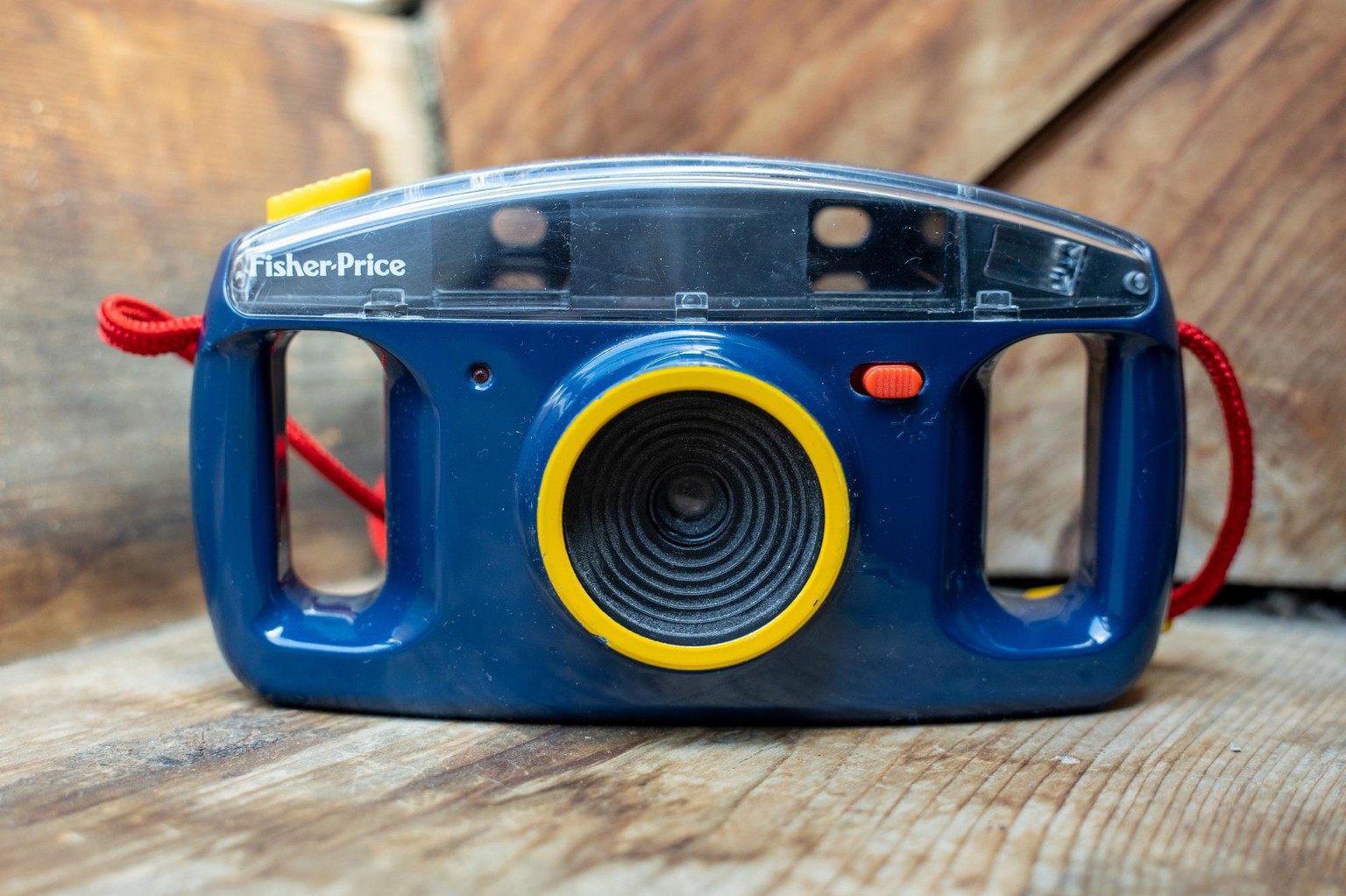
The oldest camera I have successfully used, however, was an Agfa camera that I borrowed from my professor’s assistant in college. I am not sure which model it was, though it was probably a Syncro Box, considering that I used 120 film with it.
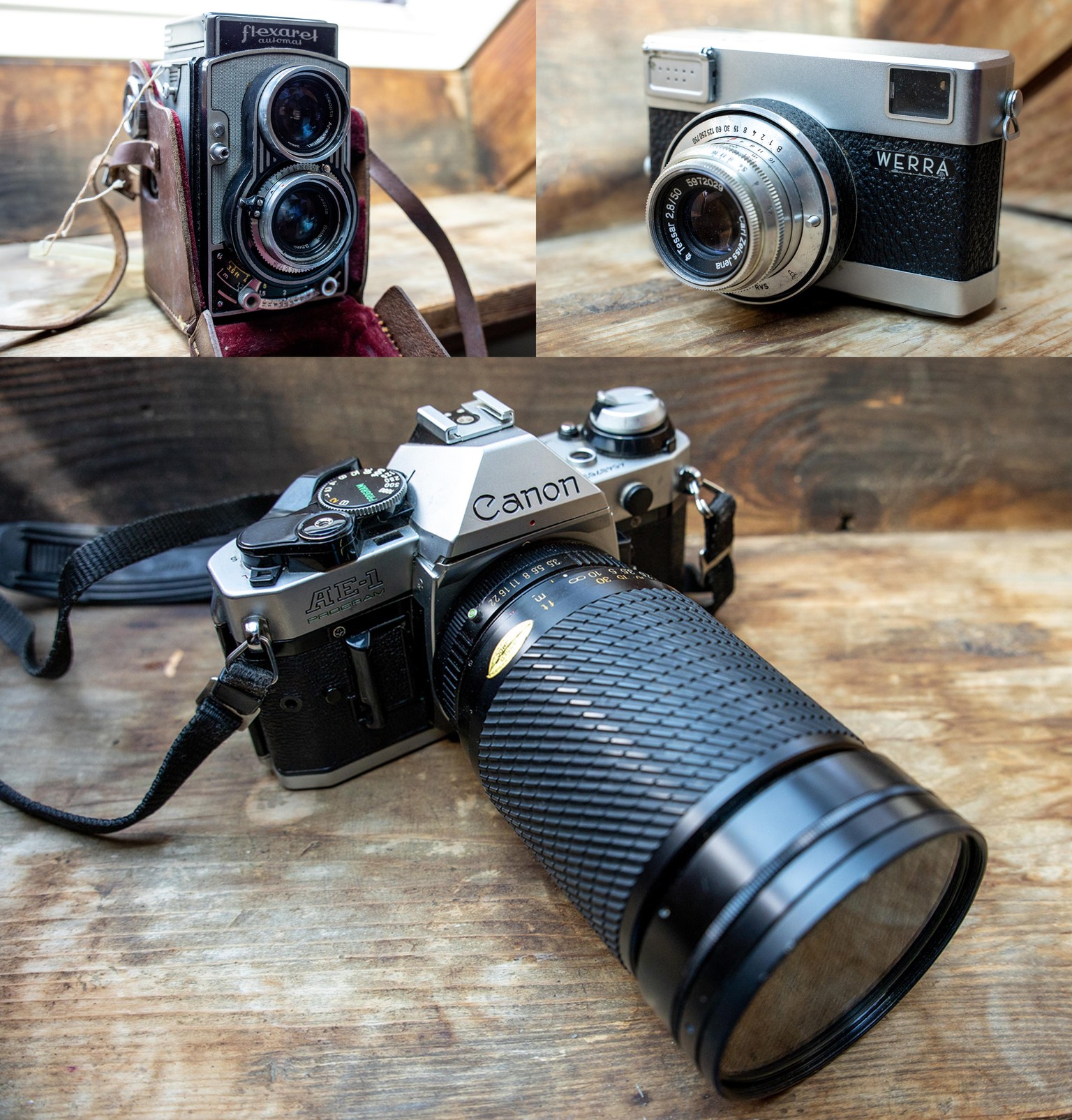
My late grandfather also gave me several old cameras as family heirlooms: Flexaret, Werra, and Canon AE-1. Sadly, all of them need repairs. I tried taking photos with the Werra, but the aperture would not open properly, so every attempt failed. Hopefully, in the near future, I will be able to repair them and finally experiment with shooting on them.
Can you remember when you first used a digital camera?
I believe it was in the early 2000s when I first used a digital camera BenQ DC2300. The photo quality was quite poor, and I disliked taking pictures with it so much that I eventually saved up for a different compact camera and bought Canon IXUS 900 Ti in 2007. The quality was dramatically better, and I could also record videos with it.
A couple of years later, I bought my first DSLR camera Canon EOS 450D. It served me well for a very long time. At that stage, photography felt like it opened up properly for me, and I started experimenting much more freely.
Eventually, it was time to upgrade again, and I moved to a mirrorless camera Canon R6 Mark II, which once again felt like a major leap forward after many years.
Do you prefer taking photos on your mobile phone or a digital camera?
It depends on the situation. Professionally, I use a digital camera to take photos for work and artistic purposes. However, I do not always carry my camera with me, while my mobile phone is always with me, so I occasionally take photos with it as well, for example of food in restaurants, nature, or museums.
In my opinion, mobile phone cameras are improving so much that the results can look almost as professional as those from dedicated cameras. Nevertheless, I still prefer using a digital camera, as it allows me to take my time and think about exposure, aperture, and ISO in order to create a more intentional photograph. With mobile phones, it is very easy to take many photos quickly, which often results in a large gallery that I may never look through again.
Have you ever built a pinhole camera?
Yes, I have, and I still do. I started building pinhole cameras in 2014, and I submitted my first pinhole photo for Worldwide Pinhole Photography Day (WPPD) in 2015. I have participated in WPPD every year since, although 2016 was not very successful. I made a mistake during construction, and light could not pass through the pinhole, so no images appeared on the film. As they say, it is a process of trial and error, which is important from the very beginning to the end — from building the camera, to taking the photographs, and finally developing and scanning the film.
At first, I made pinhole cameras out of matchboxes. Later, I found a design online that used a cereal box, which I also built and experimented with.

Have you ever constructed a ‘camera obscura’ type device to observe a solar eclipse?
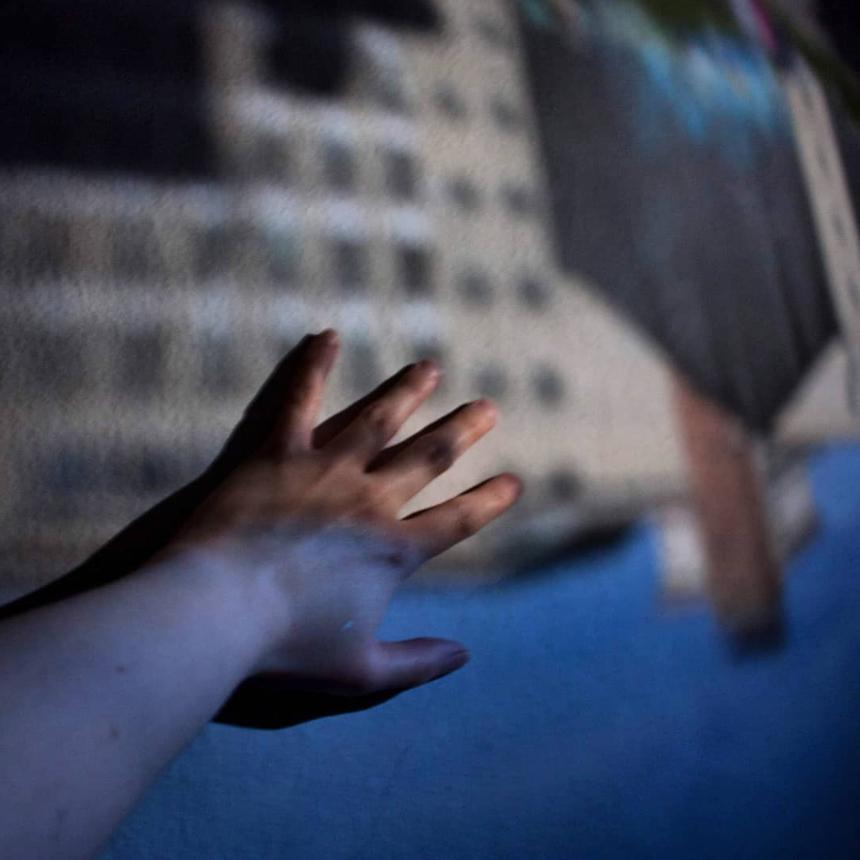
I did, during quarantine in 2020, my room served as a camera obscura. It was my first attempt at creating one, although I have never made a camera obscura specifically for observing a solar eclipse. The view across from my window was a building against a blue sky, which was clearly projected onto my wall on a sunny day.
What is the oldest photograph you have in your family album?
The oldest photograph in my family album is a photo of my late grandmother with her two daughters (my mother and my aunt), taken in 1965.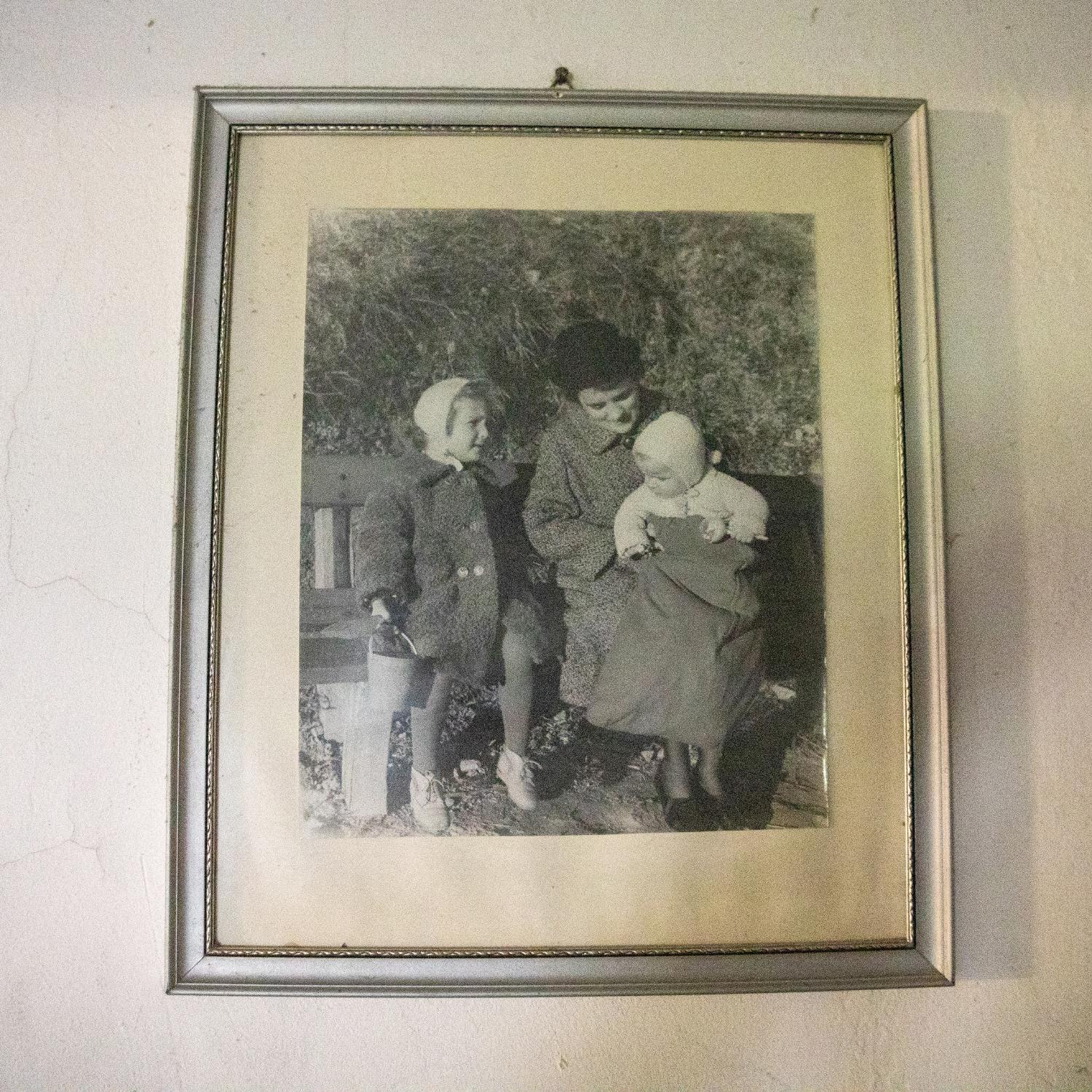
Do you still use 35 mm film?
I do, but not as often as I would like. I always use 35 mm film for WPPD, which is basically once a year. Unfortunately, the price of film has risen significantly since the COVID-19 pandemic, so I cannot afford to buy as much film as I would like for photography.
I hope this will change in the future, because shooting on film makes me think more carefully about taking photos in a way that digital cameras do not. It is also quite humbling, as you do not know whether you have succeeded until the film has been developed.
Do you prefer colour or black and white photographs?
It depends on the situation. I always photograph in colour, and if necessary, I convert some images to black and white in Photoshop. I decide based on the subject of the photograph — if I feel that colour is not essential, or if the contrast works better in black and white, I convert it. Some images even exist in both versions. Sometimes black and white photographs can tell a stronger story than colour ones, especially because of the contrast, where colour might distract from the message.
What do you use filters on social media platforms like Instagram?
Rarely, almost never. I prefer my photos to retain the colours I have chosen and edited, so they look consistent across different platforms such as Instagram and Facebook, whether as posts or stories. I put a lot of work into my camera settings and Photoshop editing, and I do not want that to be lost or altered by a platform’s filters. I sometimes adjust the colour balance using filters in stories, but this is very rare. I also avoid filters and visual effects that significantly alter people’s faces, as I do not find them appealing.