Learn to Learn
Chapitre 1 : The 3 study stages
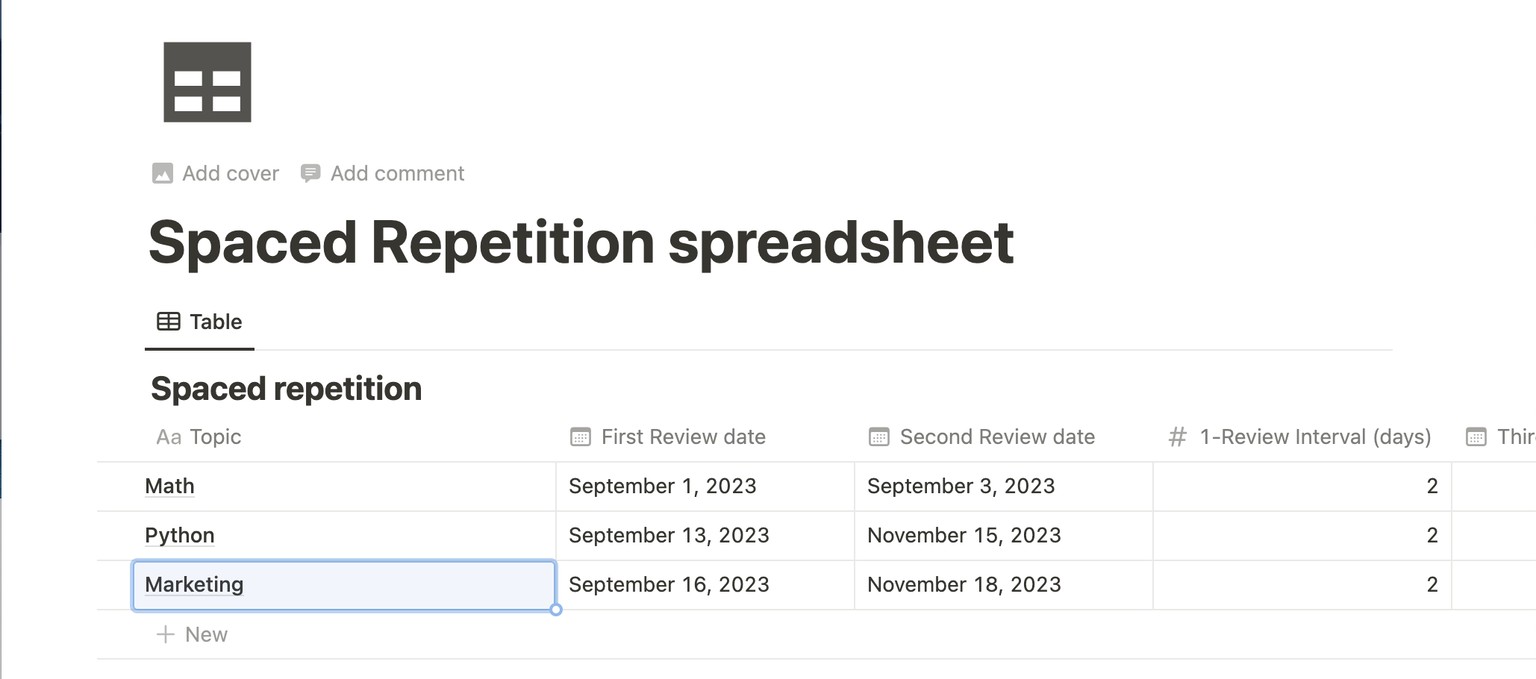
SAAD : Spaced repetition
SAAD : Active Recall
- What study techniques do you currently use?
Difficult and desirable
Journal Prompts - Desirable Difficulty
-
Do you tend to avoid subjects you find hard? If so, why?
I tend to avoid difficult subjects for a long time. I feel like I will never succeed, that my brain freezes every time I think about it.
-
Do you tend to study subjects you enjoy most, or find easiest? If so, why?
I prefer to spend time studying subjects in which I feel most comfortable; it gives me a sense of comfort. It makes me feel like I'm not ineffective.
-
How does it make you feel when you study something challenging or that you don’t understand?
When I am deeply interested in a subject, I make an effort to comprehend it in various ways, diversifying my approaches. I consult various texts and books, watch videos or documentaries related to the subject, and occasionally invest in online courses to deepen my understanding. However, if I find myself studying a subject I don't enjoy and find challenging, my attempts to understand it using different tools may have the opposite effect, leading to a sense of demotivation that hinders my progress. It's even possible that I might give up in the face of this difficulty.
-
How can you come up with strategies to seek help when you’re in that challenged phase, such as asking teachers or peers for help?
Confronted with academic challenges, I consider seeking assistance. Frequently, I turn to online platforms and forums that offer abundant resources for support. Websites, discussion boards, and educational communities frequently host seasoned individuals who are eager to share their expertise and extend help.
Chapitre 2 : Example and study techniques
I use the Anki app for my Flash cards.
 Self-explanation and teaching
- What is active recall?
- Asking questions from review sheets
- Explain a concept to a friend
- Active information retrieval
- What does it mean to understand?
- In-depth knowledge of the subject
- Understanding concepts
- Understanding principles
- Understanding relationships between ideas
- What does it mean to learn?
- Memorization (of facts, formulas, definitions)
- Consolidating information
Blurting & active recall
- The three stages of learning :
- Understanding
- Learning
- Application
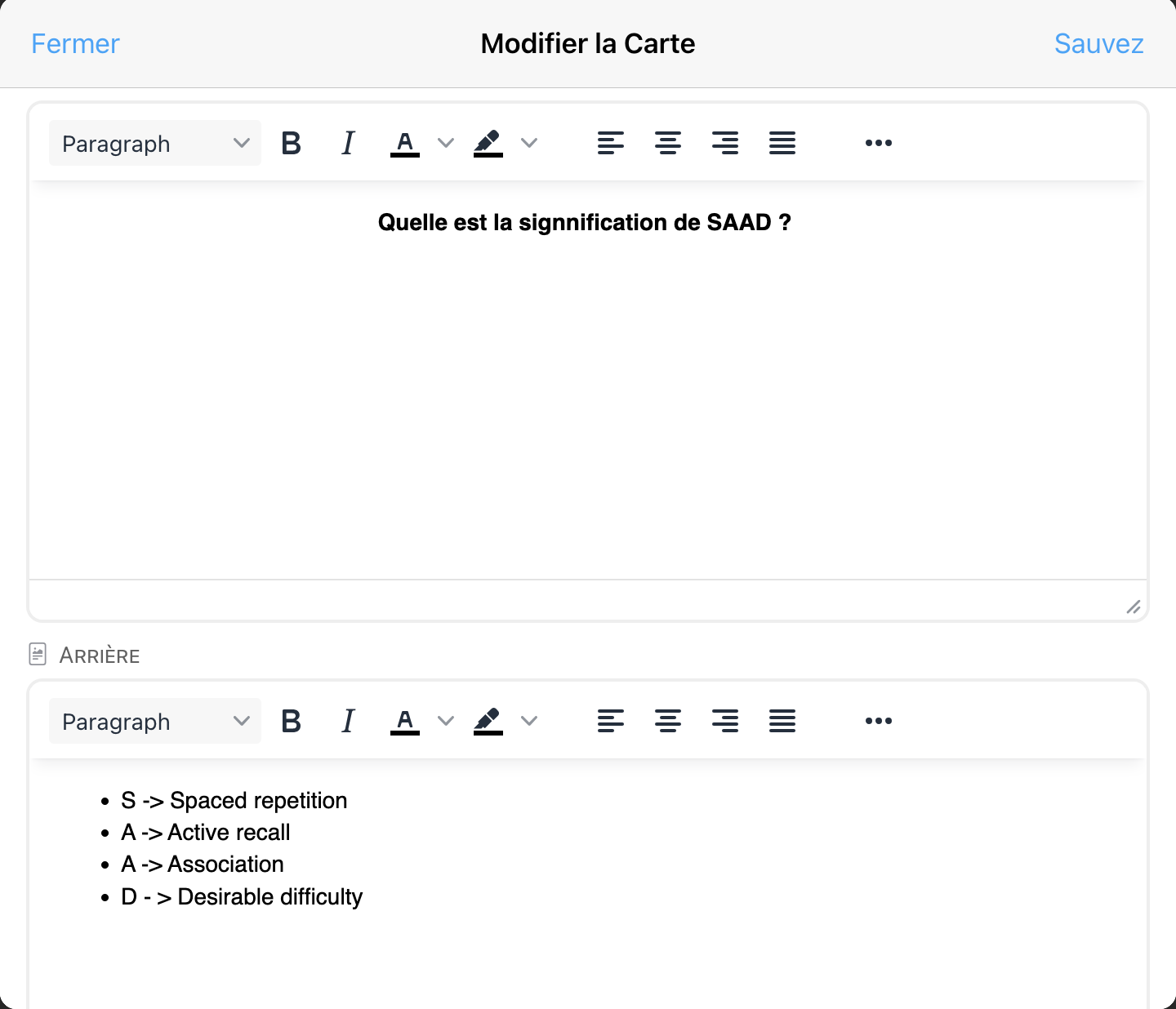
- The SAAD technique :
- S → Spaced repetition
- A → Active recall
- A → Association
- D → Desireable difficulty
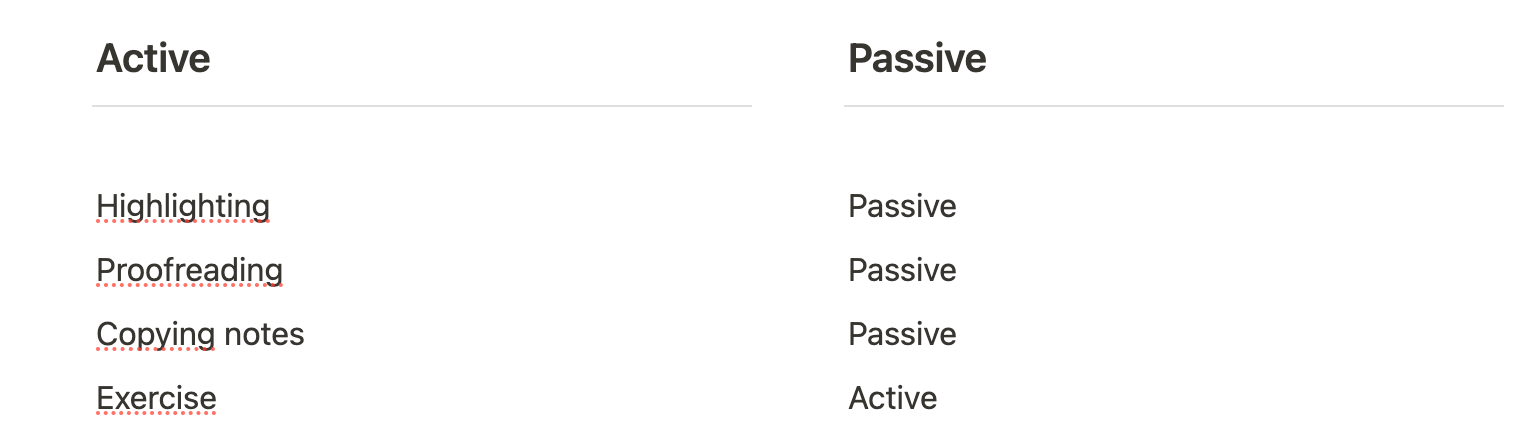
- Active recall: actively recalling information without having any support in front of you. Example: asking questions from review sheets and explaining a concept.
- Passive recall: overlining, rereading and copying notes,
- Association of ideas: associating something you know with something you want to learn.
- Difficult and desirable: balance between a subject that is too easy and one that is too difficult. Desirable difficulty involves choosing activities that challenge you but don't overwhelm you.
Learning techniques :
- Flash cards
- Concept association
- Self-explanation and teaching
- Blurting
Note !
- More definitions
- More examples
Chapitre 3 : Motivation
-
Identify what motivates you intrinsically and extrinsically to study.
- intrinsically: learn new things, Broaden my knowledge,
- extrinsically: Study for a good grade
-
Analysis of factors leading to loss of motivation: Reflect on times when you have lost motivation in the past. Identify possible causes.
Stress and anxiety are something that completely blocks me when I want to move forward.
-
Create systems and habits: Develop a plan to create systems and habits that will support your motivation. This could include a regular schedule, clear goals and personal rewards.
Creating a timetable and using an app to check my goals for the day.
How to devellop a grow mindset
Here are the fixed beliefs identified in the statements:
- "I'm just not naturally good at it."
- "I'm not good enough to succeed in this field."
- "I can't cope with this situation with others."
use the word "yet" to express the potential for improvement:
- "Still, I can improve my skills and adapt to this field."
- "I'm still learning and improving to reach my potential."
- "Still, I can develop my relationships with others and rely on them to manage challenges."