How To Create a Balanced Diet for Your Dog
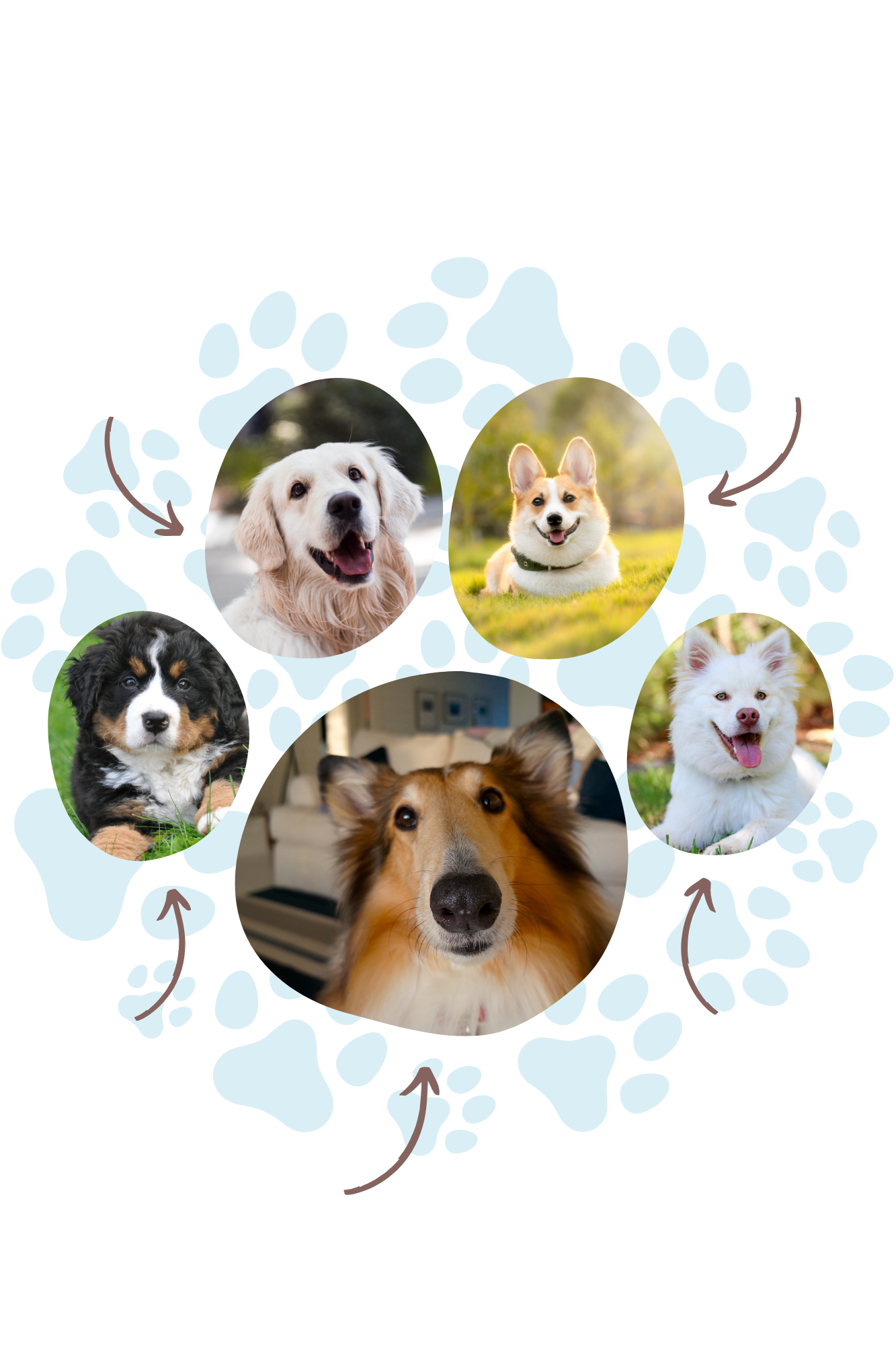 How To Create a Balanced Diet for Your Dog
Dog, a man’s best friend. How does your dog behave when you’re around? Are they always excited, jumpy, or tend to jump around the whole place? Our furry little friends need all the love, care, and support they can get. This includes ensuring they are well-fed and healthy at all times.
To commit to our pets' overall health, we should ensure they receive a balanced diet. The different diets we present to our dogs serve various purposes, enabling your dog to live a healthy life.
Here, we’ll learn a few ways on how to create a balanced diet for your dog;
Learn the Essence of Your Dog’s Balanced Diet
Knowledge is key when it comes to life in general. To ensure your dog’s overall wellness, a great, balanced diet is the way to go. A healthy weight is the first step, as it encourages the development of strong bones and boosts the immune system. Most importantly, a balanced diet aids your dog to maintain long-term wellness, henceforth avoiding long-term health issues such as heart disease.
Figure Out Your Dog’s Nutrition
Did you know dogs are omnivorous animals? This means they can acquire nutrients from both plants and animals. The most essential nutrients your dog needs are:
- Protein – This is required for the growth of muscles and overall body repair. Most importantly, it helps boost immune functionality. Foods such as eggs, fish, and beef provide high-quality protein.
- Carbohydrates - Like in humans, these help in digestion and, most importantly, provide energy for your dogs. Peas, brown rice, and oats provide exceptional carbohydrate sources.
- Fats – Proper brain function is accelerated by fats. Also, it promotes healthy skin. Chicken fat and fish oil are excellent sources of fats.
- Minerals and vitamins – A blend of minerals and vitamins are crucial for bone wellness and metabolism. Potassium, calcium, phosphorous, and related vitamins are crucial for your dog's wellness.
- Water – It’s always a great idea to nourish your dog with fresh water as it aids in digestion, waste removal, and circulation. Most importantly, it ensures your pet stays properly hydrated. Water is the most essential because it nourishes their overall health and longevity.
Determine The Dog’s Activity Level and Weight
Your dog’s activity level is a key factor concerning feeding them. Also, it’s important to deliberate the size of your dog and overall wellness when purchasing food. For them to maintain a healthy weight, they often need more calories. However, older, pregnant, and nursing dogs need a higher calorie intake as opposed to the active ones.
The quantity of food fed to them is equally important. Choosing quality dog food is important to help you attain a nutritional balance. Ensure to check your dog’s weight and regulate the portion sizes as often as you can as this will help control weight fluctuations.
Opt For Home-Cooked Diets and Raw Food
Careful preparation of dog food guarantees the general health of your dog. Before choosing raw diets and home-cooked foods, carry out an extensive search on how to go about it. Visit a pet nutritionist and have a conversation with them.
You can choose to combine different types of foods that will help supply nutrients and energy to your dog. Incorporate an assortment of carbohydrates, protein sources, and vegetables. Home-made meals, however, should be noted that some may lack sufficient minerals.
Make sure to always plan diligently to avoid messing up the dog’s eating habits.
Be On the Lookout for Treats and Supplements
Most dog owners love giving treats to their dogs. However, you should only give them sporadically to help avoid gorging them with calories and other nutritional imbalances. Opt for healthy foods such as lean meats and wholesome snacks. Avoid food such as chocolate and onion.
Seek advice from a professional if you want to introduce your dog to new treats and supplements. This will help you make customized decisions that will help you feed your dog better and most importantly, ensure the general wellness of your little furry friend.
Consider How Often You Feed Your Dog
For advice on regulating your dog’s diet, it’s practical to do so carefully. Come up with a planner or menu for your dog and figure out the quantity and number of times your dog feeds. Puppies and smaller dogs should eat frequently throughout the day but in small portions. You can reduce this as your puppy grows. Bigger and older dogs should be given bigger portions, maybe twice or thrice daily. Monitor their fat intake to avoid heart conditions and unnecessary weight gain.
As a responsible pet owner, providing your dog with a well-rounded, balanced diet is the key element to ensure your dog maintains great health. Incorporating nutritional needs shows how you value your furry friend. Monitoring weight and seeking guidance from certified pet nutritionists will ensure your dog gets proper care, thus promoting a lifelong healthy life.