Transcripts
1. Introduction: The Earth around us is alive
with fascinating creatures, each playing a vital role in the delicate
balance of our planet. By documenting your
wildlife encounters in a nature journal, we can appreciate
their behaviors, habits, and how they interact
with their environment. The more we understand wildlife, the better we can protect them. Observing wildlife is not only a creative and
peaceful experience, but it also deepens
our understanding of the importance of protecting these
incredible creatures. My name is Amy Wayne. I'm a Wildlife film
director and a designer. Wildlife has always
inspired me as an artist, offering endless wonders to discover and learn from
in our natural world. In this class, I'm
going to take you outdoors and share with you all the important essentials
I bring when I go outdoors and
observation techniques, how to plan your
wildlife journey, and how to document your wildlife encounter story
in your nature journal. By the end of this class, you're gonna have a completed Wildlife nature
journal page all about your wildlife encounter
story that you can share with all your
fellow nature lovers. Now, let's put your
curiosity head on and let's go outdoors. See you there.
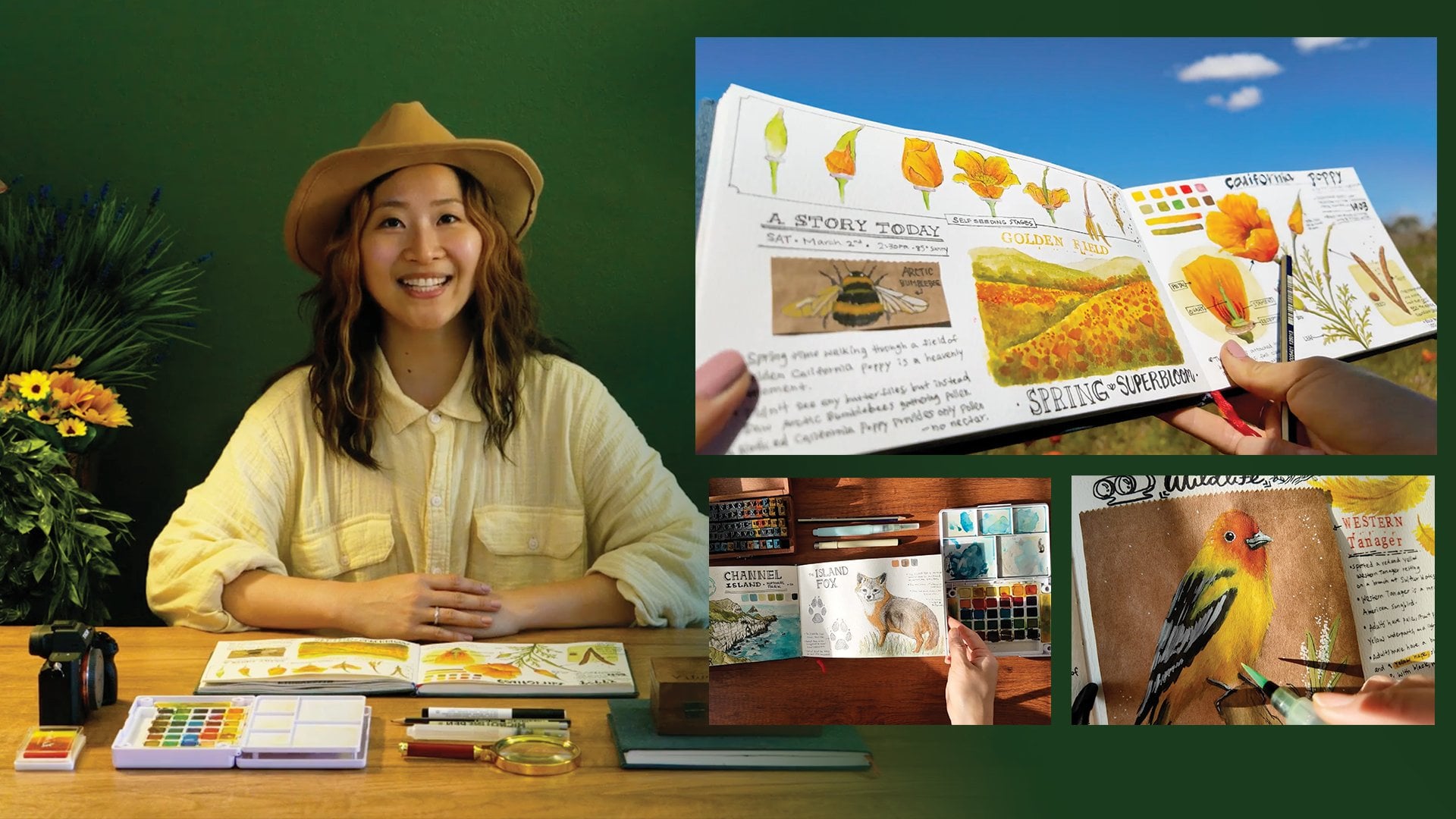
2. Class Project & Materials: In this class project, you're going to pick
a wildlife that you are interested to
learn more about and to create a nature
journal page to document all your observations and your wildlife encounter story
in your nature journal. The wildlife could be a
bird from your backyard, a bear from a mountain during a hike or a horse from a wrench. And to document and
observe all its behaviors and your wildlife
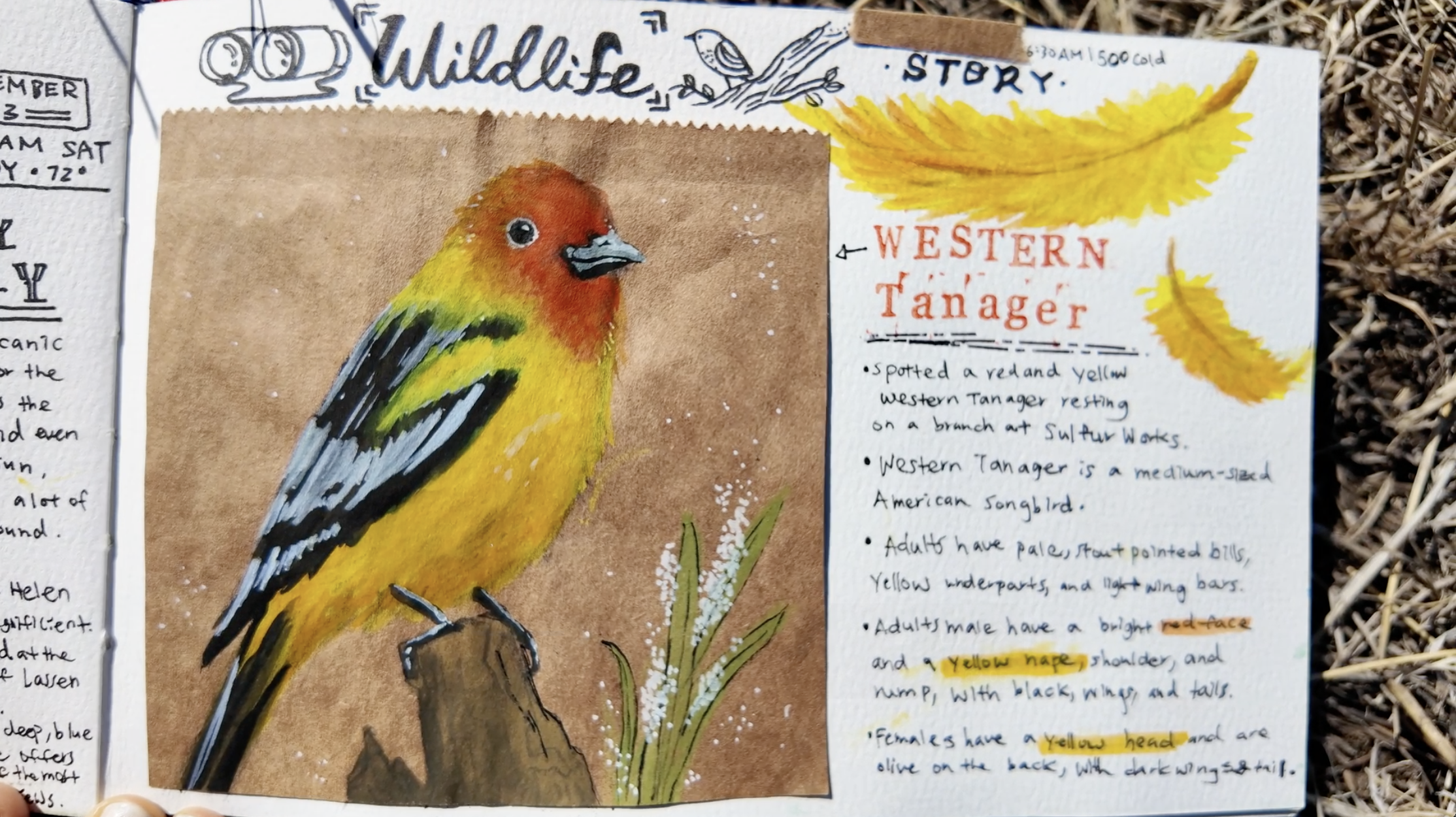
encounter story in your nature journal page, you're going to create a sketch and a color palette based on your wildlife and write all your observation notes and story in your nature journal. By the end of this class, you'll have a completed wildlife nature journal
page to share with your fellow nature lovers and share all your wildlife
encounter stories. In this class, I
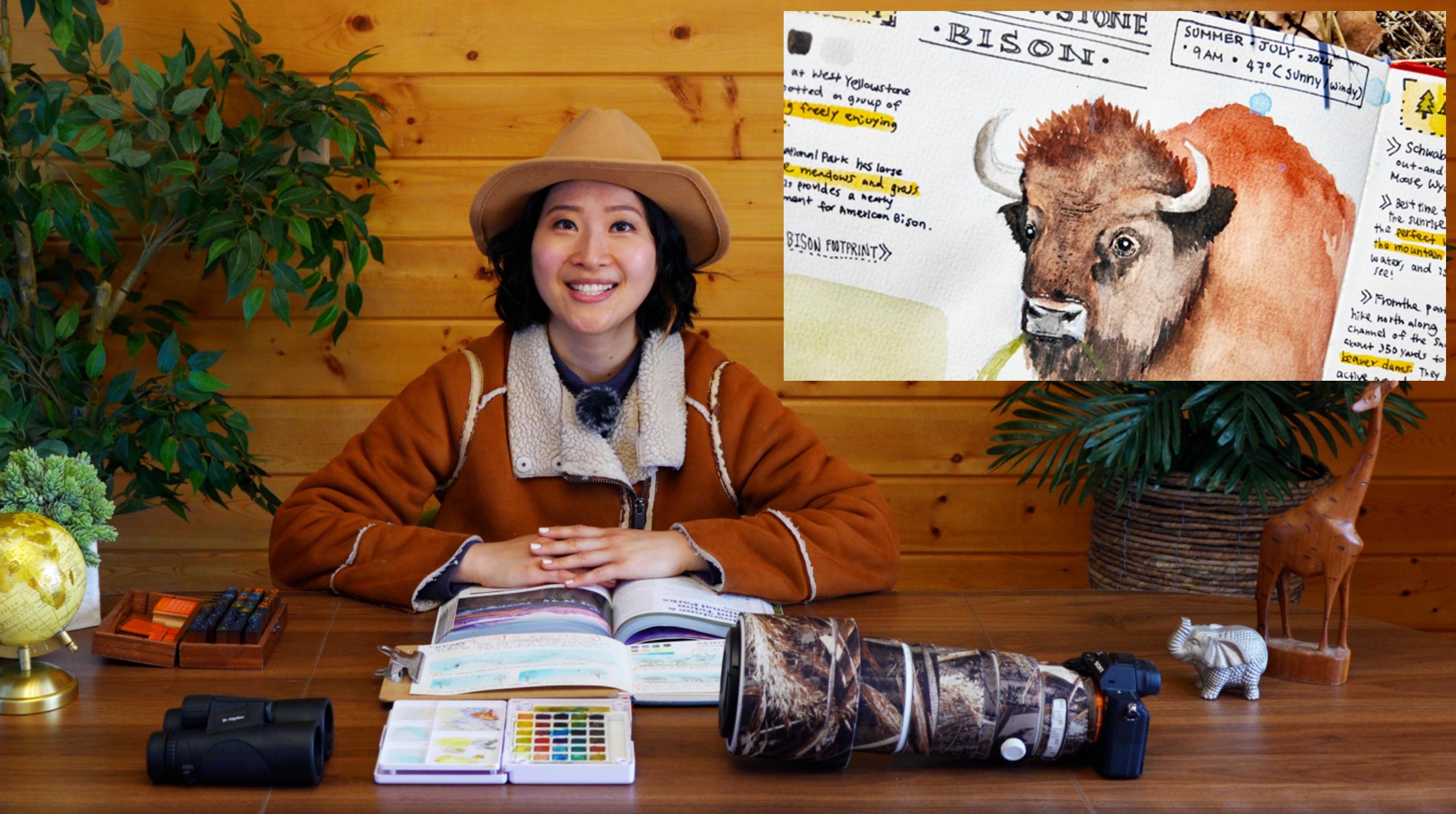
will share with you all the essentials I
bring when outdoors. I usually like to
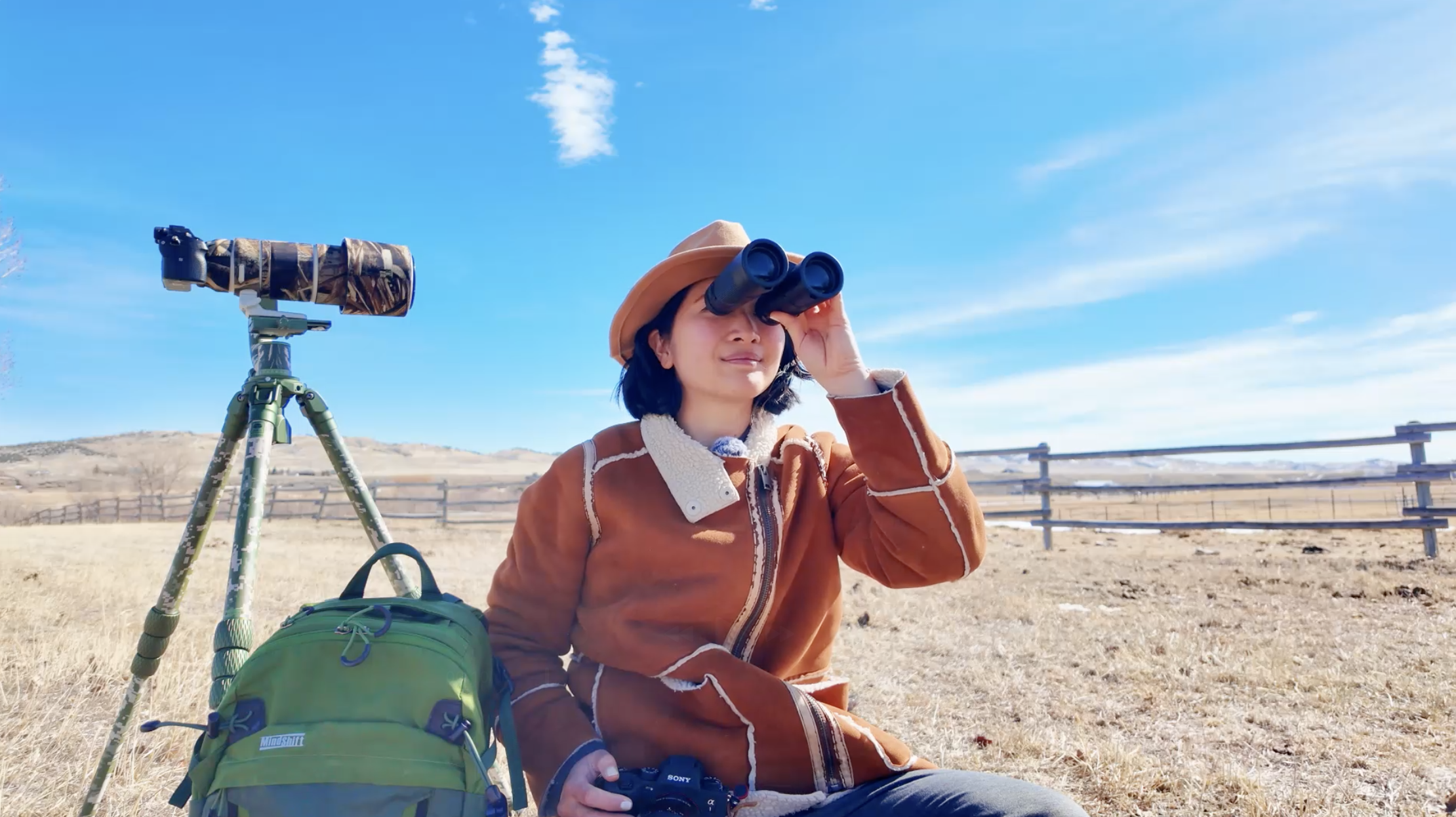
use this backpack that lets me able to
carry my camera with me, a gray backpack that's able
to have the space to protect my camera lens and also on the side to hold my tripod
or my water bottles, which is really
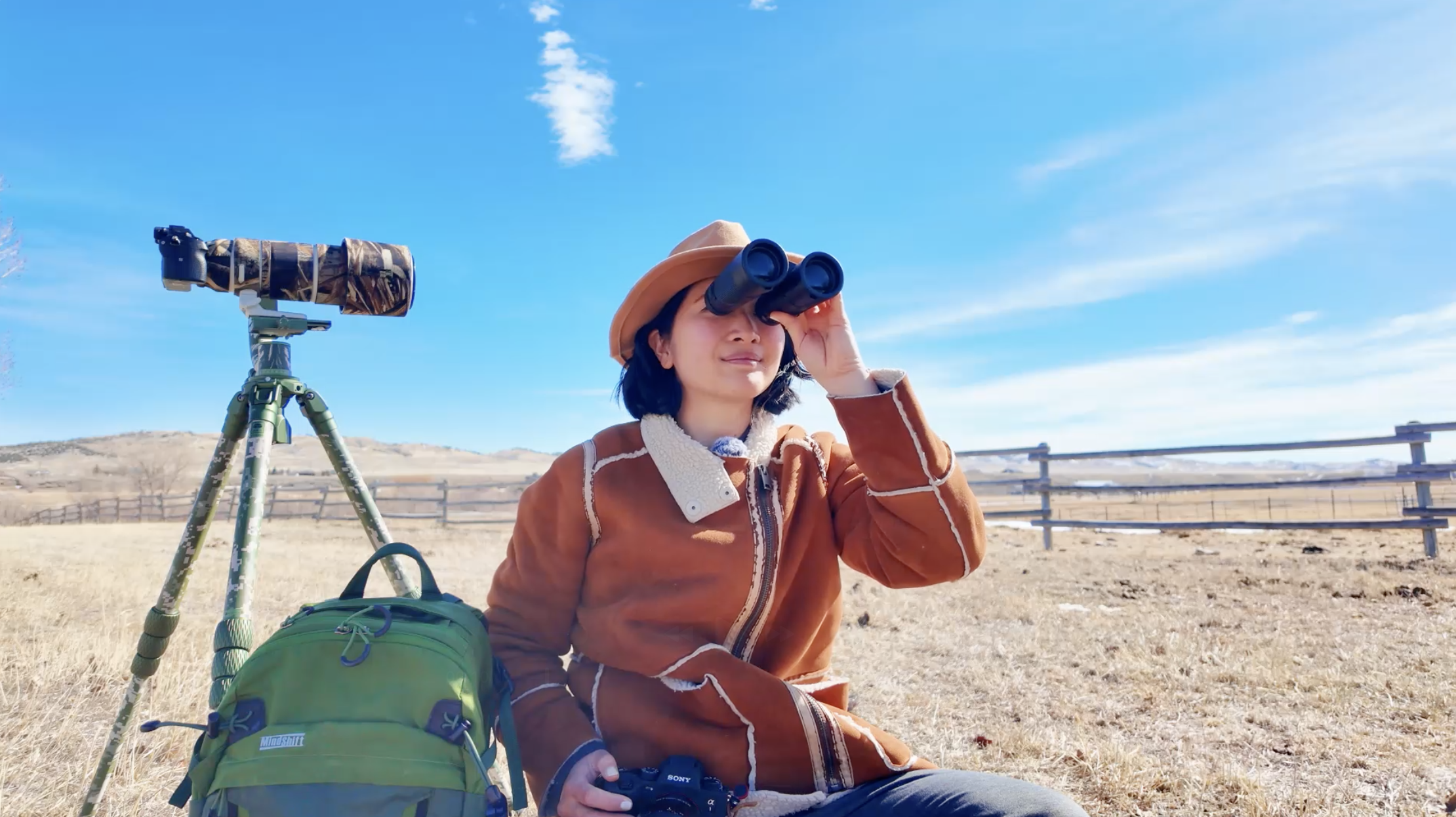
important to have. I also like to have
a binocular with me. And also my wildlife
nature journals. I like to use watercolor, so you can pick any kind of
sketchbook for you to use. You can use color pencils to sketch on your
wildlife as well. For me, I will be using a watercolor palette that's
simple with a lot of basic colors to mix and with a sponge to create
my color palette. I also have some eraser, pen, and also carry some
pencils with me to sketch. For camera gears, I like
to use a telephoto lens. This one is a 200 to 600
millimeter telephoto lens. Now, let's put your
curiosity hat on. Let's go outdoors.
See you there.
3. Planning Wildlife Journey: In this class, I'm
going to share with you all about planning
your wildlife journey. Before I head outdoors, I usually like to do
some research and have a map to determine the
best route for me to get to my destination
and determine what's the current season and
which wildlife are active. Each season affect which
animals are active. Are you in winter? Spring Summer, or fall? What animals are commonly
seen during this time? Next, I will research
the active wildlife. Find out what animals in your
region during this season. Are migratory birds
passing through, are mammals preparing
for hibernation? Are certain species more
active at dawn or dusk? Choose your location.
Pick a location that you are likely be
able to see wildlife. This could be a nearby
park or nature reserve, a forest or meadow, a river bank or lake, a farm. Next, plan your
route ahead of time. This will help you
able to get to a destination safely
and efficiently, especially during wintertime, a lot of the route
will be closed. So always check for route
closures before heading out and to check if the roads
are open for the season. It's also great to have a
local guide book able to plan your hiking trail and the route you can
take to drive through. Lastly, bring all your essentials
and pack ahead of time, especially if it
is a bear country. Be prepared to bring a
bear spray with you. Remember, safety
is always first. Now we're ready to go
outdoors. I'll see you there.
4. Tracking Wildlife: Tracking wildlife signs
and clues in nature. Tracking wildlife is an essential skill in
nature journaling. Animals leave behind
clues that tell a story of their
movements and behaviors. Here are key ways to track and identify wildlife
in your area. Animal tracks look for
footprints in mud, sand or snow. Compare the shape, size, and stride to
identify the species. Sounds and calls. Listen for bird songs, rostering leaves
or distant howls. Each species has
unique vocalization that can help you locate them. Animal droppings, observing
animal droppings can reveal what an animal eats and how recently it
was in the area. Feathers and fur,
loose feathers, shed fur or even
scratch marks on trees can help indicate
an animal's presence. Spotting a borrow, a nest or then can tell you when
animal live or take shelter. As you track your animals, document all your findings and observations in your
nature journal. When you look back, you have a clear picture of your
wildlife encounter story. In the next lesson,
I'll take you outdoors and how we're going to wait and observe the
wildlife. See you there.
5. The Waiting Game: When observing the
wildlife in the beginning, most of the time is a
waiting game and usually will take a few hours to wait
for the animals to appear. After I found my spot, I'll have my tripod and my camera and all gears are
ready to capture the moment. Now is the waiting game. Finding wildlife is
all about patients. Animals don't always
appear right away, and most of the time observing them requires being
still and waiting. Silence and stillness are key to spotting animals in
their natural behavior. I will first find a quiet
place to sit and observe. Pay attention to movement in
the trees, bushes, or water. Listen for bird calls, rostering leaves or
distant footsteps. Be patient. Wildlife may
take time to reveal itself. Your goal is to
capture the moment in your nature journal as soon
as the animals appear. When I'm waiting, I usually like to listen to
my surroundings. There are usually many
different species of animals and birds
around the area. And I will also document and record those sounds around me. In the next lesson, I will
share with you how to observe the wildlife using
camera and binocular.
6. Observing with Camera & Binoculars: When I'm taking videos
of the wildlife, I also like to capture
it in slow motion. Slow motion can reveal
subtle details in animal behavior that might
be missed at normal speed. By slowing down the actions, we can study intricate
wildlife movements like how a deer eat the grass or how the birds
find seeds on the ground. I also have a binocular with me. Benefits are binoculars
for wildlife observation. Binoculars offer a
wider field of view, allowing you to easily scan a larger area and
track moving animals. Depth perception,
helpful for judging distances and terrain
when observing wildlife. Portability. Binoculars
are lightweight for easier to carry for long
periods of observation. Less disruption, Binoculars can minimize the chances of
startling an animal. For camera gears, I like
to use a telephoto lens. This one is a 200 to 600
millimeter telephoto lens. Benefits of using telephoto lens for
wildlife observation. It keeps you in safe
distance from the wildlife. Stay far enough to minimize
disturbing the animals. Capture detailed images. Telephoto lens can capture high level details of the
wildlife from a far distance. Isolate your subject. It can isolate your subject from distractions that pull
focus, create impact. Telephoto lens can feel
the frame tightly with your subject to create a real
impact with your images. I also have a stainless
steel tripod. It is important to
have a sturdy tripod that can handle harsh wind and
weather from the outdoors. I also have a micro lens, which lets me to take photos and videos of all the
wildlife that are small, that I can capture all its
micro details with this lens. Getting familiarized with your camera is really important. So when you're outdoors, you're all ready
and able to just take the shot and
capture the moment. Especially wildlife, they
move really quickly, and they will disappear
in a few seconds. In the next lesson, I
will share with you how I document in my wildlife
nature journal on the common starling. And
7. Wildlife Nature Journal on Common Starling Part I (Observation): In this lesson, I will share
with you how I observe the common starling and create
a wildlife nature journal. Before I write anything
in my nature journal, I will first observe
the environment that the starlings are in and
the sounds they make. I first notice the large sound that the starlings
are calling to each other and the loud wind flossing sounds they
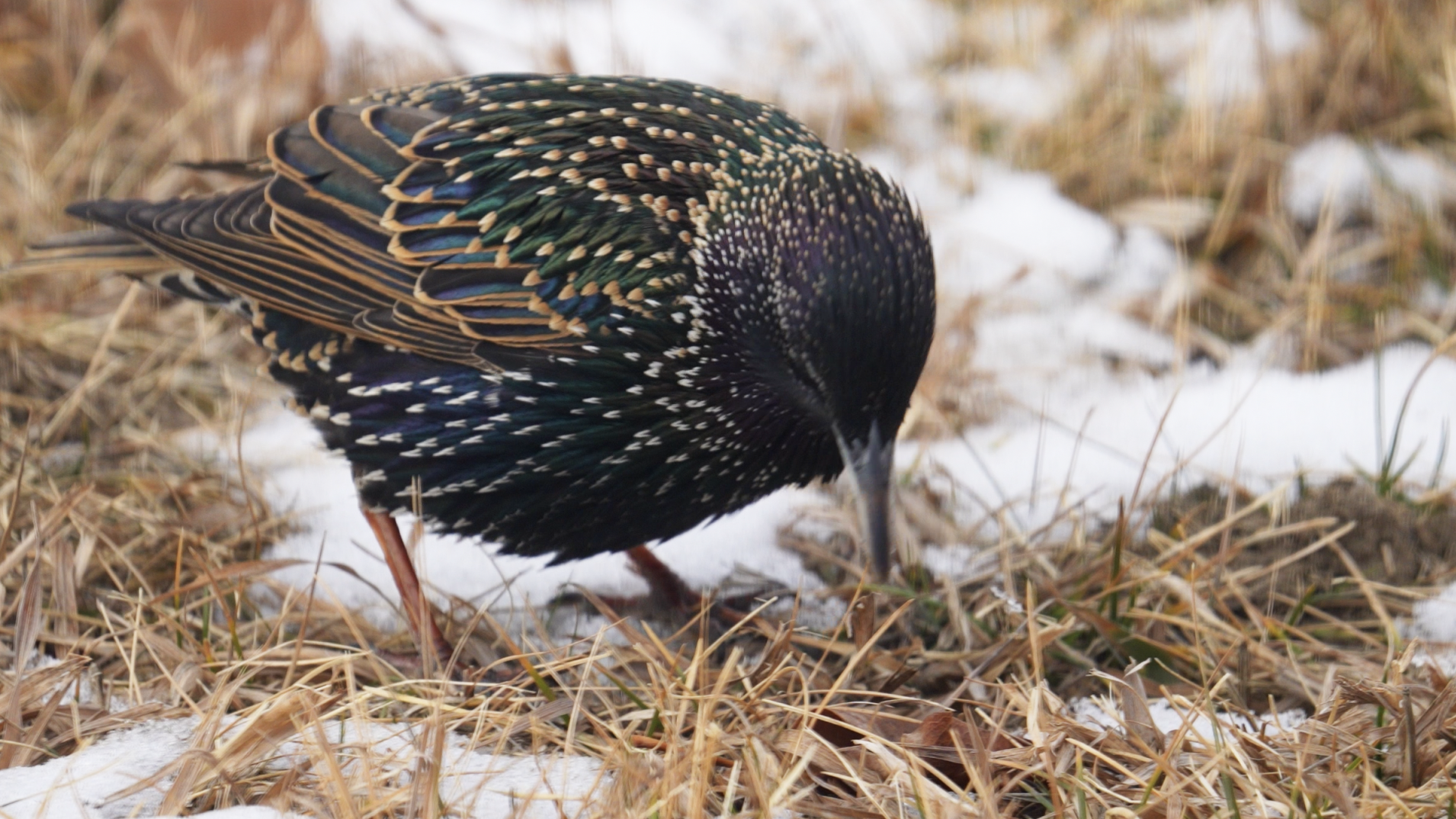
create as a flock. The common starling is a medium sized pasting bird
in the starling family. Currently, during winter,
the starling flogs are often seen here in agriculture
fields to find their food. These flocks gather
in the evening and perform amazing aerobatic
displays in the sky. The starling flocks
provide safety in numbers as predators find it hard to target
individual starlings. When I'm observing,
I like to have all my camera gears and
nature journal ready. Then I began to quietly observe the starlings as they
move together as a flock. It was healing to watch
this nature's creation. When I first start
my nature journal, I like to write down the name of my subject on the
top of the page. So for this example, it'll be the common starling. Under the title, I'll
write the time and the month and what
kind of weather it is when I saw the starling. This is really important. So when I look back
at my nature journal, I can remember what
kind of month, weather, and time that
the starling appeared, and what kind of behavior
they were doing. You can add some decorations, and it's really important to having your own style
for your nature journal, because it's all about
your own personal experience with the wildlife. I noticed that the
flock of starlings are all gathering on the
ground searching for food. So I'll make a quick sketch of the starling in my
nature journal. First, using basic shapes. Don't worry about making
your sketch perfect. When sketching
wildlife outdoors, it's always best to capture
what you see in the moment. For the starling, they were finding
seeds on the ground. Nature journaling isn't about making perfect art or sketches. It's all about what
you have observed. It's wildlife behaviors
that you have noticed. So don't worry about making all the details or making
your sketches perfect. You can always go back
and refine your sketches. Most of the time
when I'm outside, the animal will move
really quickly. So I like to just sketch
out the basic position and jotting down some notes
on what it's doing. Mm. I noticed the starling
under the sunlight, their feathers reflect
these beautiful, iridescent colors of purple, green, and blue colors. So I'll add this note
in my nature journal. Put a note in my nature journal that the feathers has
iridescent colors. Then I will draw a feather here. Also, you don't have to
be very perfect for now, jotting down some
notes of what you see, and later, we can add all
the details and the colors. Under here, I can also write
what I see of the colors. I can write Starling's feathers, has a black brown iridescent with spotted white
patterns on the feathers. Also like to add using stamps, having my own style
in my nature journal, using the fun stamps. Here, I also like to add another observation
of the starling. What I observe is starling. They like to fly in a
large group of flock. I'm going to add
that information and note it in my
nature journal. Another thing I noticed
is the starling create a very loud rattling
and chirping sound. I also like to add this
note in my nature journal. In my nature journal, I also like to add some
questions when encounter wildlife and always stay curious when you're
doing nature journal. So I also like to have a
section here to have questions. One question to add is, how do starling create such a synchronized rolling
pattern in the sky? Over here, I like to
sketch out how the stay move and how do they pick
the seeds in the ground. What I notice is during winter, their feather pops up. But when they are alert, the feathers become skinny. So I like to sketch
these observations here of a movement
and a sequence. Like the first draw the grass and what kind of
environment they're in. I can usually do like
a number one and that. This will be just
really quick sketches. Also, again, don't worry about making your
sketches perfect. It's all about what
you have observed documenting their
wildlife behaviors. So their head is
all tilting down, looking on the ground. And then the second one
is when they're alert, their feathers
become very skinny. And the third one
you'll be flying. Another thing I noticed that
they all travel in groups. So they will communicate
with each other when they notice something and they
all fly away together. And on the bottom, I can write what I noticed
in more details. Another thing I observe is
that I like to also sketch out how they find their
seed under the ground. What I notice is
really interesting is that since Darling doesn't
have arms and hands like us, they use their beak to
open up like digging the ground and going through all the long
grass to find the seed. I'm going to draw
and making a note. You can add a number
is number two. They use the beak to dig into the ground
looking for seeds. And the third one is
when they found a seed. And now I can add what
I observe under here, making a note of
what I have saw. Another thing I saw, which is really interesting
is that when the starling mistakenly ate little
rock and it spit it out. Now I have completed
writing down all my observations and quick sketches of the
starling I have observed. In the next lesson,
I will share with you how to add colors and create a color palette based on what I have observed. And
8. Wildlife Nature Journal on Common Starling Part II (Add Color): And here, I like to create a color palette based on
the starling color schemes. From far away, the
starling might resemble a raven
with black feathers. However, when the
sunlight hits them, their feather reveal
these beautiful, idscent colors of
purple, blue and green. You can get us close for your color palette of
what you have observed. They have this very
purplish color. And they have this
purplish blue color. And it goes on into
this greenish color, almost looking like
what a peacock where the colors
iridescent under the sun. But far away, you
almost think that it is a blackbird until the
sun hits their feathers. The iridescent colors
really shows under the sun. I'm also going to add
a dark brown color. And they also have this really
interesting white spots. Which I sometimes also
looks very golden yellow. And on the beak is a
bright yellow color. Always observe your binoculars so you can see all the
details they have. Lighter yellow here. Here, I also like
to do a gradient of what the descent looks like. So iridescent it's from
purple, blue and green. Start with purple bluish color. Into more green colors. Now I've added the
color palette. Now I can add that
into my sketch. Don't worry about making it
perfect or exactly the same. Just do the best you can to add the colors in your sketch
of what you have observed. What I saw is on the neck of the starling has
these purple colors go add these bright
purple colours. I usually like to use the
brush, the watercolor brush. And when painting a bird, I like to paint the feathers with the direction of the
feathers where it grows. And on the wings, that's where the
iridescent colors appears. So I'm going to ask
some of the blue colors on the wings and the green. You could add some
of the highlight of where is the
brightest colors. You show more contrast in your drawing and
with your colors. And the beak is a
bright yellow color. And there's a bit of gradient on the tip that's a bit orange. And interestingly, I noticed their feet are a
bit reddish color. Also it's good to add some shadows to make
it more dynamic, like under the wings and under the feathers to add some
shadows in the crease. On their wings, they have the
golden spots and patterns. Also on their head as well. There's really a lot of
dots, white patterns. I also like to use
this white pen that you can add some
highlights in your drawing. So I'm going to use
this white pen to add the white pattern
on the feathers. Don't worry about
making all details. You can always go back in
and add all the details. But when you're
outdoors, usually, I just quickly put
all the colors that I observe and go back home
to add more details. And s for the feathers, I can also add that
iridescent color on here. And I also like to add some of the green and the
colors here as well. Now, you have added your colors and some
colors on your sketches.
9. Wildlife Nature Journal on Common Starling Part III (Write Wildlife Encounter Story): Now that you have observed and documented your wildlife
in your nature journal, it's time to bring your experience to life
through storytelling. Writing about your
wildlife encounter allows you to reflect
on what you saw, how you felt, and
what you learned. Here are some helpful
prompts to guide you to write your
wildlife encounter story. Describe the moment you
first spotted the animal. What was your first impression? What caught your attention? Capture the environment. What was the setting like? What sound scent or weather
conditions were present? Detail the animal's behavior. How did it move? Did it interact with other animals
or its surroundings? Reflect on your emotions. How did this encounter
make you feel? Did it change your
perspective on wildlife? Conclude with a
personal takeaway. What did you learn
from this experience? How does it connect to your overall
understanding of nature? As you write, don't worry
about making it perfect. This is your
personal experience. Let your creativity and
emotions guide you. When finished, add your
written story alongside your sketches and
observation notes in your nature journal to complete your wildlife
encounter story. For my winter wildlife
encounter story, I will focus on the
common starling. It was on a winter
afternoon at 2:30 P.M. I heard a loud, rattling and
chirping sound in the sky. Looking up, I saw a flock of starlings forming a
mesmerizing strolling pattern. It was a breathtaking sight, a true wonder of nature. What I learned is that a starling murmuration
is a stunning, natural phenomenon where
thousands of starlings move in a synchronized
swirling dance across the sky. This behavior, primarily seen
in winter likely serves as protection from their
predators and a way for them to share information
about their food sources. On this page, I also like to put the titles
on the top here, and I'll be using
the letter stamps, which can create the
titles on this page. This page, I'm going to write my story of the
Starling Murmuration. And I like to add a heading
here, Story of Today. Here, in my wildlife
encounter story, I will capture the enchanting
murmuration patterns and to highlight the loud rattling
and chirping sounds as if the starlings were
communicating with one another. But here, I'm going to
paint the sky blue. Also, I could show a sequence
of how the starling was flying from one tree to
another together in a flock. I'm also going on to paint two separate sections
for the sequence here. Also to paint the sky blue. Now I'm going to use
my ink pigment pen to create the thoughts of this intricate staarling
murmuration pattern here. Mm. Sketch out the star
inmmmoration and its spectaclo whirling
pattern in the sky. And on the bottom,
I'm going to write what I have observed
was the loud, rattling and chirping sound as if they were communicating
with each other. M. And I'm also going to use my stamp
here for my observation. And on the bottom,
I'm going to draw a sequence of the starlings
moving from one tree to another together as a flock and how they're going back to the
same other tree as well. I'm going to draw another
arrow of how they are moving back and forth from one tree to another together as a flock, which is really fascinating
how they can communicate with one another and move
together all together as one. And now I'm going to write this observation
on the bottom here. And now I have completed my
star Murmuration story page.
10. Conclusion: Congratulations. You have now completed your first wildlife
nature journal page. Now it's time to share your amazing wildlife
encounter story with your fellow nature lovers. Upload your nature journal page to the class project section. Nature journaling it's
all about sharing our experiences and learning from each other's observations. Seeing different
wildlife through different perspective
will help us grow as naturalist and artist. Or Final takeaways. Observing wildlife takes
patience and respect. Nature journaling helps us connect with nature
in a meaningful way. Every season brings new
wildlife to discover. By documenting wildlife, we also learn how to
better protect them. I hope this class inspires
you to go outdoors and observe and create meaningful wildlife nature
journal. Happy journaling
 Amy Wang, Creative/Wildlife Film Director