Transcripts
1. Welcome to the Class: I personally love to paint
watercolor landscape, especially when it is
in an abstract form. In this class, we
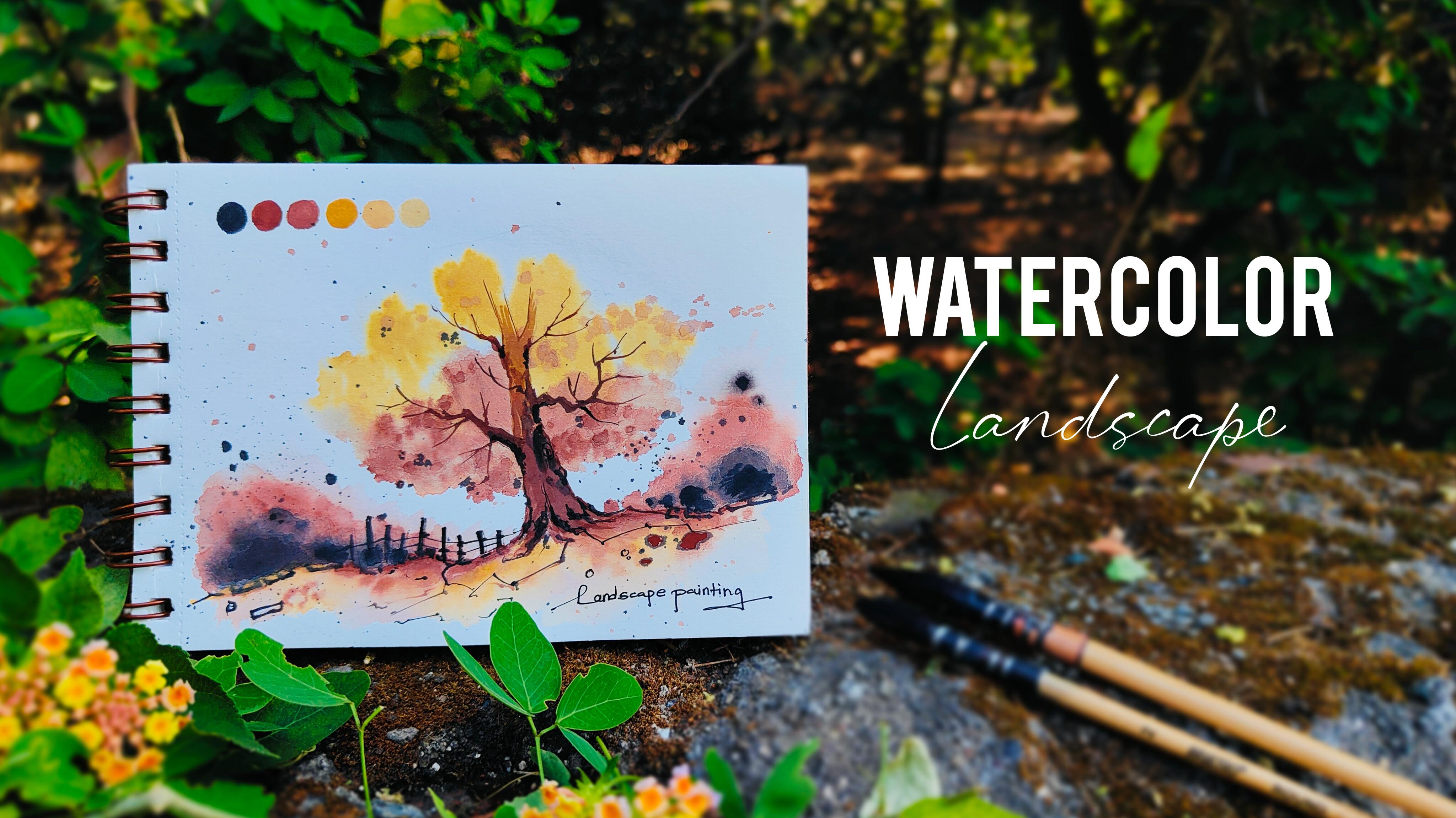
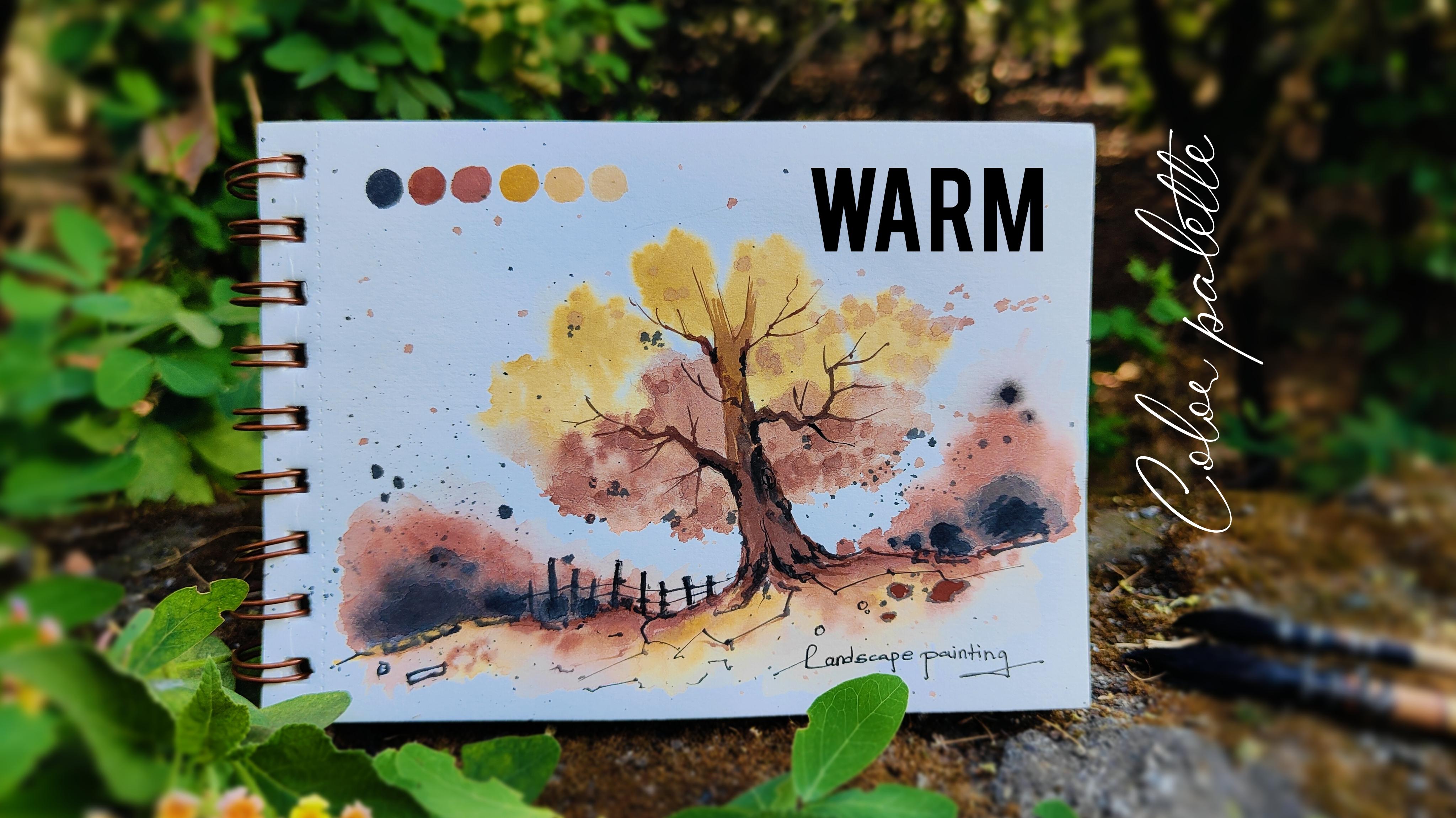
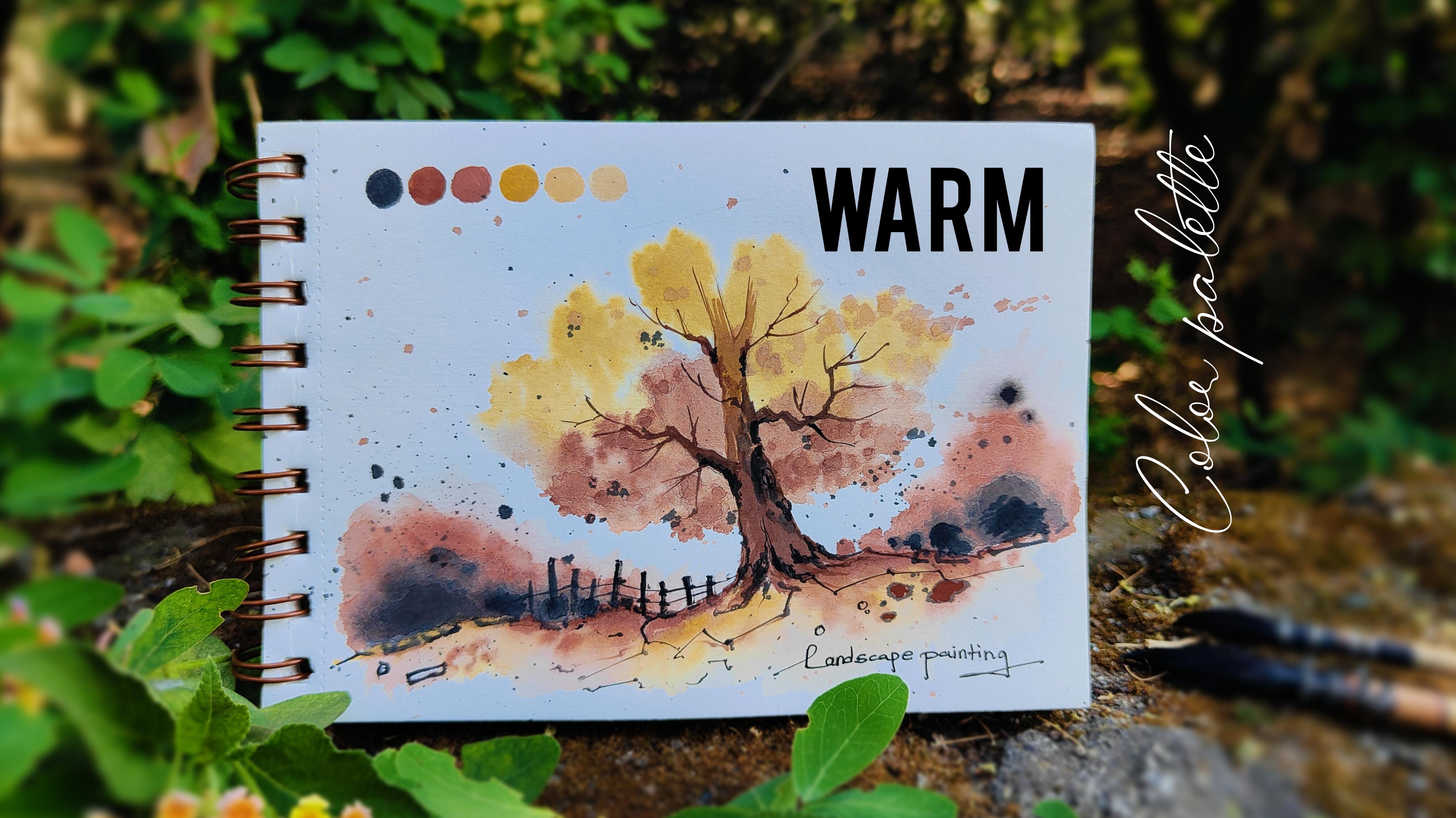
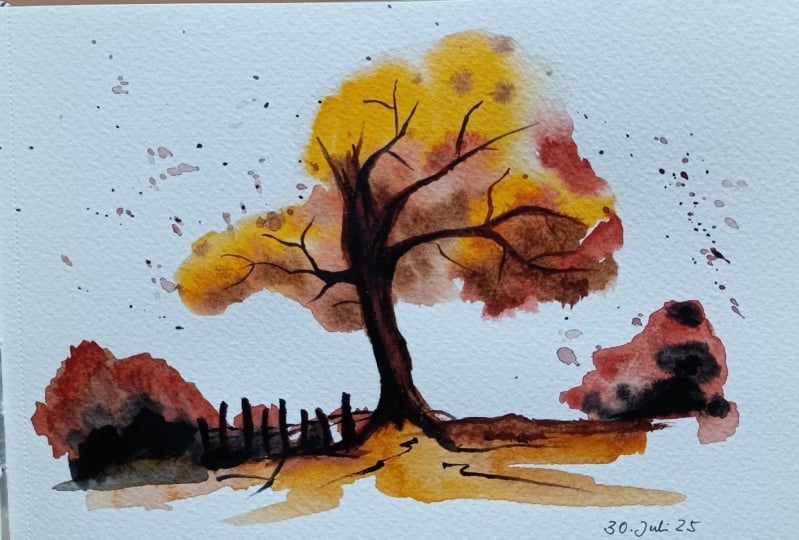
are going to paint a beautiful watercolor landscape using a warm colour palette. The major element is
going to be a tree. It's a short class with easy and simple painting
techniques to learn. Hey, everybody.
Myself, Ruwick Patel. I'm a self taught, independent artist and an interior
designer by profession. I personally love to explore different art forms and styles and not stick to
one particular thing. So if you are joining
me, you'll find a variety of classes
that I create. We're going to start
by understanding all the art supplies
that you will need. I'll be giving you
details about the colors, the paper, and the brushes
that we are going to use. Before we start with
the class project, there is going to be an
easy practice session in which we are going to learn about all the elements
that we are going to use while we
create the painting. It will help you a lot to develop confidence
while painting, and the chances of making
mistakes will be very less. The first step is going to be a basic sketch that we are
going to draw using a pencil. Then we are going to
paint the entire tree and the landscape using a
beautiful warm color palette. We are also going to
paint the tree trunk and the branches in detail using
easy painting techniques. Combining these little elements together at the
end of the class, you'll have a beautiful
abstract watercolor landscape. No need to worry
about the output, enjoy the process of creating. The class is absolutely
suited for beginners and also intermediate and advanced
level artists can try it. So without any delay, grab your art supplies and join
me on this creative journey.
2. Art Supplies: Hey, everybody. Now let us talk about all the art supplies
that you will need. So as you can observe,
I have placed all my art supplies in
a systematic manner. Let me give you the
details one by one. So let us talk about
the first art supply. It's a simple glass container, as you can observe some
colored water in it. Of course, we're going
to take some clear water so that we can use it
wherever required, and it is also required
to clean the brushes. Then let us talk about the watercolors that you will need. The best part is that you'll need three basic watercolors. The worst one is black. Then we have dark
brown and aqua yellow. These are the three basic colors that you will need for
the entire painting. Now, in case you want to explore with the color palette,
it is completely fine. You're free to explore
and experiment. Then I have a simple
eraser in case there is any mistake while
you're doing a basic sketch. Then a simple tissue paper, which you will need
whenever you're painting so that you can dab your brush to remove
excess amount of water or color from your brush. So it is always good
to keep a tissue paper nearby whenever you're
working with watercolors. Then I'm going to use
a simple sketchbook of size B six and 150 GSM. You can use any good alternative.
It is absolutely fine. You can use a 300 GSM
watercolor paper as well. No need to worry about the size. You can use any size
that works for you. So this is about the
sketchbook that I'm using. Now let us talk about the
most important art supply, which is the brushes that
we are going to use. So there are three
basic brushes. The first one is a quill
brush that is of size too. Then apart from the quill brush, we are going to use two
different round brushes. One is of size four and
another one is of size zero. Mostly, we will be using size zero round brush to add
details to our painting. Then we will need
a simple pencil to draw a basic sketch
before we start painting. Then I have a simple black pen that we are going to use to add a minor text in the entire painting to make it look a little
bit attractive. Then I'm going to have a simple color palette
that you can observe, which is having enough space to take out multiple
colors in it. I'm not going to use
the color palette. I'll directly take the
colors on the surface, which is basically a tile
surface, so it works for me. You can use a color palette. It is absolutely fine. Now, apart from the sketchbook, in case you want to paint the entire painting on
a watercolor paper, it is completely fine. Let me give you the detail about the watercolor
paper as well. So these are A six size
watercolor papers with 200 GSM. You can use these papers as well to create the
entire painting. And no need to worry
about the size, you can use any
good alternative. So these are all
the art supplies that you will need
for the entire class. No need to worry at
all in case you're missing out on any
particular art supply. You'll find it very easily in
any nearby local art store, or you can go for any other
good alternative, as well.
3. Lets Practice: Hey, everybody. So before
we start with the painting, let us practice all the elements that we are going to use
in the entire painting. You can observe a beautiful, huge tree in between, and there is this
beautiful tree trunk. So I'm going to use a
simple practice sketchbook, and I'm going to teach
you all the elements and the painting techniques. So let us start with
the first element, which is going to be
the tree foliage. And then we'll
learn how to paint the bushes in the
landscape area. So it's a very simple
and easy technique. Use your quill
brush of size two. You can use a simple
pencil to create the outline of the
entire foliage initially if you want to, or you can directly use
your quill brush as well. So the first color that you
will require is dark brown. Then apart from that, we will also need ocher
yellow and black. So it basically comes
under a warm color scheme. So I've taken all the three
colors on the tile surface. You can use a simple
color palette as well. I'll be using my quill
brush of size two, take some decent
amount of water in it, simply apply a thin
layer of water just above the labeling
of tree foliage. Now, there is a
nice water surface. Now use a little
bit of okay yellow, mix it well with water, and simply dab your brush using the tip of
your quill brush. You'll observe that the
color will automatically spread creating this
beautiful area. This is basically known as
a wet on wet technique. Now, similarly, I have taken some dark brown in
the bottom portion, and you can observe the way we have created an entire foliage. No need to worry about painting
it in the exact same way. Now I'm going to
create the bushes just about the landscape area. Again, I'll take
some clear water, apply a thin coat of water. Now you can observe a nice brown and black color together. So I'll take some dark
brown in the quill brush, simply apply it using the tip of your quill brush in
this random manner. You'll observe that it will
create a nice bushy element. Now, apart from this, we'll
take some solid black color, clean your quill brush in water, take some black color in it, and apply it in the
bottom portion. You'll observe a nice depth. You can create variation in the bushes according
to your convenience, so you're free to
explore and experiment. So this is how we have created
bushes in the painting. You can compare it
with the painting placed on the left hand side. Now let us combine all
the elements together. I'm going to create a thin
coat of water in this manner. Now, similarly, I'll repeat
the same painting techniques. Take some aqua yellow
in your quilt brush. Simply dab your brush
in this random manner. Since tree is having a very
natural and organic shape, so there is no specific
way of applying the paint. You can just randomly apply it. Similarly, take some
dark brown color, apply it on the bottom portion. And you'll observe a beautiful depth in the bottom portion. So this is how we have created an entire foliage for the tree. Now, similarly, we'll
just create the branches. It's a very simple
and easy technique. You'll definitely enjoy it. I'll be using my round
brush of size zero, take some solid
black color in it, try to have less amount
of water and more color. Now, it's a very detailed
painting technique. You just have to apply
very less pressure on your hand and keep your hand
very much loose and free. Now simply apply
these little strokes and try to paint the
entire tree trunk. You can compose the entire trunk according to your convenience. You can keep the trunk thick
on the bottom portion. And as you move towards the
foliage of the entire tree, you just have to create
these little branches. So whenever you want to
have a nice thin stroke, try to use the tip of your round brush and apply
very less pressure on it. And this is how we
attach the entire trunk and branches with the
foliage of the entire tree. So these are basic painting
techniques required now using the same round
brush of size zero. Create these little
vertical lines, attach it with one
single horizontal or two single horizontal lines. This will help you to
create a nice fence element that we have used in the
main painting as well. You can create some random lines in the landscape area as well. In order to get the
exact color palette, you can just apply all
the colors that you have used in one section of
the entire painting. As you can observe in
my main painting, also, I have applied all the colors
on the top left corner. So it basically makes the entire painting look a little bit more
attractive and aesthetic. Just take your round
brush of size zero, apply all the colors in
this circular manner. In case you want a
less saturated color, try to have less amount of color and more
water in your brush. So you can observe
the way we have completed the entire
practice sheet. The practice sheet
will help you a lot to develop confidence
while painting, and the chances of making
mistakes will be very less. It will also improvise your
painting and brush strokes. So let me take you a
little bit closer so that you can observe all
the elements carefully. Combining these
elements together, we are going to form
our final painting. So now, without any delay, let us move towards
our final painting.
4. Basic Sketch: Hey, every buddy. Now let us start with the
final painting. The first step is
creating a basic sketch. So I'll be using
a simple pencil, and you just have to be very careful while you
create a basic sketch. I'm starting with
the bottom portion, creating a random rough
line for the landscape. No need to apply a lot of
pressure on your pencil. We just need a
simple light line to get a reference of the entire
tree and the landscape. Now I'll start with
the tree trunk. So as you all know, that trees generally have a very
natural and organic shape. There is no specific
way of painting them. So no need to worry
about painting or drawing it in the exact same
way I'm doing right now. You can observe the
way I have created these little random
branches which are coming out of
a huge tree trunk. So these pencil line basically gives us an exact idea where to apply the paint. No
need to hurry at all. Whenever you're creating
a basic sketch, try to draw in a very
slow and steady manner. No need to keep your
hand very much stiff, try to keep it very
much loose and free. So I'm slowly adding these
little branches to make the entire tree look a little bit more
attractive and aesthetic. No need to worry
about the foliage. We can directly paint the
foliage using our watercolors. So we have added
enough branches in the entire tree trunk in case you want to add
additional branches, we can directly paint
them using our brush. Now using the same pencil, I'll just create these
little vertical lines attached with the
landscape area. You can have a variation in the size that is
absolutely fine. So this is basically the fence
structure that is needed. So we are done with the
entire basic sketch. This is what is required
before we start painting. I hope that you got an exact
idea of the basic sketch. No need to worry about drawing
it in the exact same way. There can be differences, and it is absolutely fine. Now let us move
towards the next part.
5. Tree and Landscape: Hey, everybody. Now let us paint the tree and
the landscape. So I'll be using
three basic colors, which is going to be dark brown. There is going to be
aqua yellow and black. I'm taking out three colors
in the tile surface. You can use a simple
color palette as well. I'll be using my quill
brush of size too, take some decent amount
of water in it and apply a thin coat of
water in the branch area. You can observe that I'm not applying it on the
entire paper surface, just creating a little foliage. You can also observe a little
bit of water reflection. Now I'll just take a little bit of water in my quill brush, mix it well with aqua yellow, and simply dab it
onto the surface. You'll observe that
the color will automatically spread in this
beautiful natural manner. This is basically known as a wet on wet technique in which we apply some water
initially and then color. Now I'll take some dark brown in the same brush and apply
it on the bottom portion. Create these little
patches and you'll observe that the color
will automatically spread. Now while you're painting
the tree foliage, no need to worry about painting
it in the exact same way. It might get a little
bit of difference, and it is completely fine. It's a natural
process of painting. Now slowly, I'll just
apply the darker tones of dark brown using the
tip of my quill brush. You just have to
simply use the tip of your quill brush and dab
your brush in a certain way. You can apply it on the outlines as well and define the
shape of the tree. You can observe that I have left some space in the
center portion, which is the trunk of the tree where we are going
to apply dark brown color. So this is how you have to paint the foliage of the entire tree. Now, let us paint the
landscape area as well. These steps are very
easy and simple. But before that, take some
water in your quill brush, take a little bit of dark brown and simply tap your
finger onto the brush. You can splatter
some color around in this random way. No
need to hurry at all. And you'll observe that
these random dots makes the entire painting
look a little bit more abstract and attractive. I'll again, add a little
bit of dark brown dots on the bottom portion to create some depth in
the entire painting. So now we are done with the
entire foliage of the tree. Let us paint the landscape area. I'll take some good
amount of dark brown, add a little bit of water in it, and get a highly
saturated color. Apply it on the outer
portion of the landscape. You can observe the way
I'm adding the line. Now just clean your
brush in water, take some good amount of water, and simply apply it on
the bottom portion. You'll observe that the color
will automatically spread, creating a nice gradient effect. You can pick up
some ocher yellow and you can add it in
the bottom area as well. So this is how we create a nice depth in the entire
landscape area as well. You can add these
little circular shapes. You can add these
little strokes in the landscape area to make it look a little
bit more in texture. Again, as I told you, it's an
abstract form of painting, so no need to worry
about perfection. You can have a nice
variation in the landscape. In fact, you can create your
own composition as well. I'm adding a little
bit of more texture and details in the landscape
area in the bottom portion. You can take some dark
brown up light in the remaining portion
in the edges as well. So we have applied a nice amount of color in both the elements, tree foliage and landscape. I'll take a little bit
of solid black color. Let us add some details. I'll take dark brown initially, and we are going to
paint the tree trunk. You can add a little
amount of black to make the dark brown color look a
little bit more saturated. Now, let us paint
the branches first. In case your pencil lines
are not still visible, you can directly
apply the brush, or in case you want to
draw it again with pencil, it is absolutely fine. So if you observe carefully, I started with a
nice thin stroke. Slowly, I made it a
little bit thicker. So that's why I'm using a
round brush of size zero. Whenever you're going to
paint these little branches, you'll definitely enjoy
the entire process. It will enhance your
painting skills and hand moment as well. While you're working
with thin strokes, always make sure that you keep your hand very
much loose and free. No need to make it
very much stiff. You have to create
these little strokes on the topmost portion as well. Now, in order to make
the entire tree trunk look a part of the
entire tree foliage, I have mixed a little bit of aqua, yellow and brown together. I'm applying it in
the center portion, and there are going to be these little branches
coming out of it. Slowly apply the
color and be careful whenever you're using a
nice detailing brush. I'll connect these
little branches on the topmost portion as well. So just observe carefully
and follow the steps. So as you can observe, we have almost painted the branches, and it creates a nice contrast
with the foliage as well. Now using the same solid black
color and some dark brown, we'll add some nice
abstract strokes as well. So again, I'll try to keep my hand very much
loose and free. No need to make it stiff. You can also observe the
way I'm holding my brush. You just have to
keep a distance. You can take a little bit of solid black color
wherever you want to create a nice contrast between the foliage
and the branches. Now, let us paint
some beautiful shrubs just above the landscape area. So it is a very
simple and easy step. Take some water, add
it in dark brown. Now using the quill
brush of size two, I'll just create
these little patches just above the
line of landscape. You can observe right now we have a light saturated color. Now I'll take a little
bit more saturated color. Try to have less
amount of water and create these dark brown patches just about the first layer, and you'll observe a nice variation with the
background color. In case you find that there is excess amount of
water in your brush, just simply dab it
onto the tissue paper. Now, similarly, we'll create a nice shrub on the
right hand side as well. These steps are absolutely same. Apply a nice thin coat of water and then take some dark brown color
in your quill brush. Apply it in this random way, and the color will
automatically spread. While you'll be doing
this particular step, you'll definitely enjoy it a lot because it is
very satisfying. I'll take a little bit
of solid black color, and I'll create
these little patches just about the first layer. And you'll observe a nice variation with the
background color. So it creates a nice depth
in the entire landscape. Also, it creates a nice
foreground element as well. Similarly, I'll take some more
solid black color as well. And we are going to apply these little patches on the
left hand side as well. Again, this is a wet
on wet technique only where we apply a
nice thin coat of water initially and then color so that the color spreads in a very
natural and random way. Now you can observe
a nice depth in the entire landscape area where we have painted these
beautiful plantation. Again, I need to remind you all that no
need to worry about perfection or painting it
in the exact same way. There might be a little bit of difference between your
painting and mine, and it is completely fine, since it's an abstract
form of painting. Now I'll just add these
little solid black strokes on the bottom portion to
create a nice difference. So we are done painting the
tree and the landscape area. I hope that you
got an exact idea of how you have to apply colors to your entire painting using a warm color palette. Now I'll just take a little
bit of solid black color, and you can just tap your
finger onto the brush to splatter some color
around in this random way. Now let us move
towards the next part.
6. Fence and Details: Hey, everybody. So now let us paint the fence and details. We are done with the tree
foliage and landscape area. Now it is time to add some minute details to
enhance the entire painting. So I'll be using my round
brush of size zero. We are going to add these
little vertical lines that we already drew
using our pencil. In case the lines
are not visible, you can draw it
again with pencil, or you can directly paint it with your round
brush as well. Now, while you're painting
these little vertical lines, just make sure that
you have a good amount of black color and less
water in your brush, you can observe a
nice variation in the height of the
vertical lines as well. Now, once we are done
painting the vertical lines, we are going to connect it using a simple horizontal line, which basically completes the entire structure
of the fence. So that's why I'm
using the tip of my round brush to get
this nice thin line. You can observe that we are
done with the entire element, and it creates some nice aesthetics in the
entire painting. Now using the same round brush, we can add few more
random lines just below the tree trunk to create some more variation in the
entire landscape area. Again, no need to worry about perfection or painting it
in the exact same way. You can create your
own composition of the entire painting, and you are free to
give the strokes according to your
convenience, as well. One thing that you can keep
in mind while working with a detailing brush or a round
brush with a zero size, you just have to keep your
hand very much loose and free. Try to apply very
less pressure on it in order to get
a nice thin stroke. You can also use the same brush to add
these little details in the entire painting by adding these little dots and
some random lines around. Now, apart from
the random lines, I'll just enhance the
entire tree trunk as well. So for that, again, I'll take some good amount of
solid black colour. I'll use the round
brush and just add these little details
in the entire tree trunk. We have a nice solid
dark brown background in the entire tree trunk. You can add these random
lines of solid black color to create some nice variation and texture in the entire trunk. In case you find that
the color is getting finished from the brush,
take some more color. You can add a little bit of water as well to
loosen the color up. Now, to make the
entire painting look a little bit more
aesthetic and attractive, we are going to create
the color palette on the top left corner. It's a very simple
and easy step, but it will enhance the
entire painting as well. So I'll take my round
brush of size zero. I have already added
a circular shape of solid black color,
as you can observe. Now, similarly, I'll
take some dark brown and create a circular shape
just beside black colour. Now just clean your brush, add a little bit of water in it, and take a less saturated
dark brown color. Then we are going to
have the next color, which is going to
be aqua yellow. So again, I'll clean
my round brush, take some good amount
of aca yellow color, and apply it in this
circular manner. So we are done adding
the color palette. Now let us add a little
text using our black pen. So I'm going to write
landscape painting. You can write any message or any attractive text
that you want to write. It is absolutely fine. You can write it in a
good calligraphy manner. So we are done with
the entire painting. Let me take you a
little bit closer so that you can observe all
the details carefully. It's an abstract
form of painting, so no need to worry
about perfection. Just enjoy the
process of creating. You can observe the way we have combined minimal elements
together to form this beautiful landscape
using a warm color palette. You're free to explore and experiment with the
entire scenery. You can create your
own composition, and you can also experiment with the entire color
palette as well. I hope that you enjoyed the entire class and got
to learn something new. Now let us move towards
the class conclusion.
7. Class Conclusion: Hey, everybody. You're most welcome to the class conclusion. I hope that you enjoyed the entire class and got to learn something
new and creative. While I was creating
this particular class, I made any number of mistakes, and that is something
that I always tell my students never to be
afraid of making mistakes. It is really great
if you maintain an art journal to practice
on a regular basis. This basically improvises
your sketching, inking, and painting skills. I would be really
excited to see all of your class projects
into the project gallery, so do not forget to add them
into the project gallery. It would be really
great if you leave a review for the entire class as it encourages me a lot and my class can reach many
more students like you. At the end, I would like to say, keep learning, keep practicing. Thank you so much for joining the class and happy painting.
 Rutvik Patel, Artist and Instructor