Transcripts
1. Intro to Urban Homesteading Movie: Hey there and welcome to urban homesteading 101 is rooted sustainability initiative. My name is Louise Parker and I'm the founder of Rubik sustainability initiative and I'm going to be your instructor for this. Of course. I'd like I'd like to take a minute to program introduce myself and why I started grew to sustainability and issues. I graduated from UNC bone containing 2016 with a bachelor's earth science. Since then, my family has grown in London with my husband or forward kids. We began our own urban homestead and enjoyed sharing these still so much with my family and knew I wanted to be able to create a community where I could continue to share them with others. What started as a local initiative in my own community has now shifted into an online community based with the onset of proven 19, my in-person workshops and Children's Environmental, we're no longer peaceable. However, it pushed me to get creative again on informed, not only a local or global initiative to educate and encourage a more sustainable future. I also want to say thank you for joining me in this course and let you know that with your purchase, you were helping raise funds for environmental education resources and stable materials for schools nationwide. Each month, a portion of the proceeds are donated to a non-Buddhist school. To nominate verse school. Please email me at CCS Project dot m c at gmail.com. Alright, let's get started. Is urban homesteading. So I have a definition here that I'll go ahead and read to you and then we'll talk a little bit more balanced. The urban homesteading can be defined as the transformation of residents in an urban environment so that it is self-sufficient in food production and other various means and reducing consumerism and waste. It's a common misconception that you have to have a ton of space in order to grow your own food and then have a more sustainable lifestyle. And fact, which is still a little bit of creativity and a little bit of skills and knowledge and these names, you can practically barrier on food and enough space, whether it be an apartment or a condo, and the balcony, whether e on a quarter acre plot of land and when a city, all of that space used creatively can't be used to grow your own food. Alright, so why is this important? Well, being more sustainable, growing your own food not only reduces your carbon footprint, but it's support your local economy and your local environment. I don't think I need to explain the carbon footprint, like why about why it's so important? But you may think to yourself, boy, if I'm growing my own food, then I'm not going to be visited by local grocers mage or the farmer's market. However, a promise, get to know all your small business owners or in general, if you have if you're doing your a container garden or if you have backyard chickens, you're gonna have to have feed, you're going to have to have soil. And you're gonna wanna go Similar to get your seedlings. You're going to start building relationships with your local hardware store owner, your local farm supply, garden supply, all of these people you're going to start to build relationships with. Not only those people. But I can't think of a better way to start a conversation than by somebody walking down the street and go, wow, what a beautiful garden path. I know in our house on our little Urban Homestead. Part of our gardens slits on the chronic. And I often can see people walking past and they stop and they just local native stare at our garden and they're happy and, you know, a lot of terms were out there and they stop and have a conversation. So how, how are your tomatoes doing this year? You know, maybe there's a question that I can answer for them or vice versa. Maybe they're borrowing the same stuff up the street and I'm having a problem and I can say, hey, are you having the same problem? So it really does give you a different way to build relationships, people in your community. And additionally, these are skills that once you know if you have that you can pass on to other people in your life that you care about, to other people in your community, to other family members, neighbors. These are, these are things that you can share with other people. And once again, it's, it's another way of maybe a little you should shoot. So what are we going to cover in urban homesteading granola? Each of these lessons is going to be fairly brief as this is an introductory course. So this isn't a course that you probably benefit from if you have been gardening for, for years and years to, or you already have your homestead. However, there might be one or two things from these lessons that you can pick up. But this is an introductory course. It's appropriate for you if you haven't done this before and you don't know where to get started. So this is a great starting omega less than one. We're going to talk about container gardening. Less than two is going to be composting. Lesson three's backyard chickens. And less than four, we're going to talk about native bees. So without any further ado, let's go ahead and get started and I will see you all in lesson.
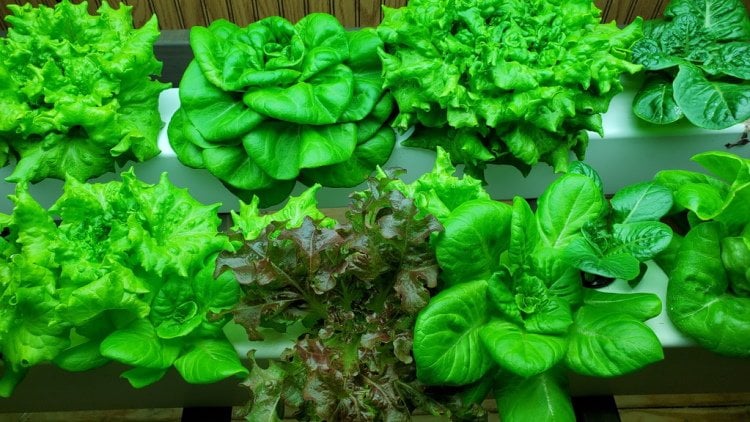
2. Container Gardening Movie: Hey guys, welcome to Lesson one of rooted sustainability initiatives. Urban homesteading 101 course, less than one is going to be on container gardening. And I just want to note that container gardening is something that everyone can do. So it's, it's a common misconception that you need a ton of space. So tunneled land in order to grow your own food. Container gardening is something that you can do in the department, which just made it a window. You can do it on a patio or a balcony, or a condo or apartment. You can do it. If you don't have a ton of space. To be a little creative. This is also a really great thing to learn if you're a renter. So if you maybe have the art space, but you don't wanna make any drastic changes to the lawn, maybe your landlord won't allow it. But I'm a container gardening is is really great for renters as well because you don't have to dig anything up. You can take it with you when it's time to go. As I said, Creativity might be required, but there are many plans that you can grow in your small space that do really well in containers. So these containers can range from window boxes and herbs you can have hanging plants, utilize the whole floor to ceiling space that you might have in your smallest space. There's many plants that you can train to grow up. And you know, you can, you can learn how to do something called companion planting, where you're putting a couple plants in, in one container. So like when you go out in nature, you don't see everything perfectly evenly spaced with all of the green onions on one side and all of the tomatoes on the other side. You know, that's not how it works. Things grow together naturally together. So container, container gardening is something you can kind of utilize that so that you're getting as much as you can out of each container. And another thing that I want to know is that companion planning is actually really good for your soil health. So kinda rotating your plants around and having different plants. It's really, really good to maintain that soil health to make sure that it's really healthy and nice and rich for the next plants that you put in and really providing your garden with all the nutrients that it needs. And I did want to throw in this little pro tip here is at Green Onions are actually really, really easy to grow. They are voluntarily growing in my backyard right now and, uh, hm, bear, even we can kinda sprinkle omen anywhere. So if you have some extra space and you don't really know what to put their green onions and they're really great one to throw in there. Here, the picture that I have is actually the part of our garden in the front. This is our container garden that we have in the front. And you can see we've utilized just like regular pots, various materials. We've got some trellises sticking out as well. We've also, like I mentioned, about getting creative. We've used some things that aren't necessarily the planting containers. There's a force trough in the back. There's like a Rubbermaid container. If we have another force water around the other side of one of those trees. But this is just, I I'm going to show you guys what I mean by having not a lot of space or in this case, we didn't want to dig up this whole rocky area because we do not own this house. And so instead we just gathered a bunch of different containers as many as we could and started planting, it knows. Okay. So I did mention growing up and by that I mean, training plants not normally grow up, to grow up. And to the left you can see where in a different part of our garden we've got like four or five different spots. Where were we grossed up normally, but in this particular area, we have started to train some cucumber plants to grow up and trialists, instead of out over the ground, it takes up a lot of space and it's actually what has worked out pretty well because when our cucumbers are starting to ripen, if they're touching the ground, they get off Yellow and they, they kind of sit in the wet ground sometimes and start to rock before we can pick them. So growing up, they're not touching the wet ground anymore and it actually keeps them healthier and let some vine ripen a little bit longer. And then on the right is just some tomatoes that we have, which you do typically put a tomato cage around in order to provide some stability. Otherwise, these plants would just kind of fall over. But just another example of something that you can utilize, the upward space that you have as opposed to the ground space that you have. Trellises can be made out of practically anything. If you have materials laying around the tomatoes, obviously, we do have to regular tomato cage around. But the trial is that we have for our cucumbers was just some x's material that we had some tattle fencing that my husband had leftover from one of his carpentry jobs and just steak that we found. So you can utilize whatever materials you have to help your plants grow upwards. So other plants besides the tomatoes, cucumbers with these zucchini, zucchini squash, yellow squash, small melons. Strawberries grow really well in containers and they actually like to grow down. So, so putting up, putting them in. A hanging basket is a good way to grow strawberries and also utilize the upward space that you have. And another thing I wanted to mention about container gardening and growing up is that placement is absolutely key. So you wanna take into consideration the amount of sunlight that your plants need to grow. So you don't want to block something that requires a lot of sun with taller plants that you're growing up that maybe don't require as much because they're going to block that sunlight. And then your plants aren't going to grow as well. So you really need to time to learn exactly what each of your plant needs that you're going to be putting in your garden and make a plan and where you're gonna put them so that they're getting all the nutrients that they need and not blocking any of the other planets from getting what they need. So, and this goes to if you're, if you're putting your garden out on a patio, you need to pay attention to what parts of the day your patio gets sunlight, or your condo or your apartment balcony. So maybe you spend a day taking, taking note of where the sun is on your patio, and then plan how you want to arrange things so that everything is getting all the nutrients, sunlight that it needs to grow up really nice and healthy for you. And here I just wanted to throw out some more Container friendly plants. We obviously solve tomatoes, those do really well. Potatoes you can grow in containers, and those are root vegetables. So you're going to need kind of a big container for it. Leafy greens do really well in containers and something like shard. You can plant and harvest almost continuously throughout the year. So that's another really good one to kinda always have some leafy greens on hand. You can do carrots in containers, peppers, We do all of our peppers and containers. My husband's a big pepper guide. We grow our own prefers. Harbin arrows goes peppers, loves to make his own hot sauce and all the peppers. We grow in the garden, harvesting cook down into his hot sauce. I mentioned strawberries and of course, herbs are really grateful. Window boxes. Herbs can be a little finicky sometimes and certain ones kinda like stress. The really big, the leafy herbs, such as rosemary. Those tend to like to dry out a little bit more. So you wanna make sure you have really good drainage and your containers when you're thinking about planning an herb garden. And then the photo I have here is just some Faisal. Faisal does really well in containers. It does not like to get cold. So if you're thinking about having basal, make sure that you have room to put it somewhere when it's time to bring it in, looking out for that first cross at the end of the season. Alright, so another option you have for container gardening is a raised garden bed. And the great thing about this is, I mentioned before about maybe you don't want to dig up your yard because you're renting somebody something to that effect. But raised garden beds don't require any tiling now you can, you can't do it that way. The way that I'm going to talk to you about is as a no till raise garden bed. Super easy to do. And like I said, you don't have to dig up alone in order to do this. The other great thing about raised garden beds is you can make them as tall or as short as you would like. So if you wanted to be, you know, just just off the ground, you can do it with the couple one by six is or you can make it so that you don't have to kneel over to garden that you can do it while you're standing up to however you want to do it. And this is this is what I was talking about the no till. So this is how you want to get that started once you have your box built out, like I said, on the ground and do this as follows. So you wanna start with setting yourself up for proper drainage. So about four inches of sticks are rocks. Follow that with about ten to 20 sheets of what newspaper. And this newspaper is not the kind of has like the store ads on it. It's just like the regular black and white newspapers. You don't want that rule in Keystone because that's going to leach into the ground and not be good for you. You want to add one or two inches a manure or compost on top of that. And then you kind of repeat until you reach the height that you're going for. And you can add some soil in their topsoil and mix it all together. And you plant your plants in there, you're ready to go. Alright, we've reached the end of the container garden lesson, lesson to thank you guys for sticking around. And I hope you enjoyed learning about container gardens and I hope you're inspired to start looking at your space more creatively and figuring out how you can start your own little Homestead, even if you have a small space for you rent. The next lesson is going to be composting and I will see there guys. Thank you.
3. Composting movie: Hey there, welcome to lesson two. This is going to cover composting. So let's go ahead and get started. So the benefits of composting are going to really come down to your, your home in your garden. So it's going to greatly reduce the amount of kitchen waste that you're throwing out every day. So you're going to be able to divert a ton of waste from landfills that comes out of your house. I'm going also composting really, really great that your own garden. It provides a ton of nutrients to your future props and it's really easy to do. You just have to create the right balance. And if you get creative with it, it can be really inexpensive. You don't have to go and purchase a fancy rotating then although you can. But you really, there's no need to do that. You can use the materials that you already have or maybe that your friends or neighbors have laying around and create a compost bin. So again, I know a lot of you are probably living in a situation like an apartment or a condo. And to have a larger been outside and your patio, a balcony might be ideal. It might cause some neighbors give them reason to complain about the smell because unfortunately, composting does involve a foot to rotted food. So there's other, there's other options. There are much smaller countertop compass spins that you can have. And there are options for indoor composting. She would need to purchase if you do decide to do that. However, there's also, in many cities there's a services that will come and pick up your kitchen waste where you and take it to a much larger diversion area suit that uses the whole town's compost. I know here in my town there is a great company that works with a ton of local businesses are local aquarium and all kinds of restaurants, coffee shops, things like that. And they even work with an elementary school. So they're helping our town diver waste from the landfill and using it as compost. So maybe looks for something like that in your areas either disservice like that, you can find if composting is in in your living space is not going to be something reasonable for you. Ok? So if it is reasonable, you have several options. You have unlimited how you can do it. The photo that I have here is actually my compost then area and I just have a single pile. If you if you look up. Compost and lot of people do degree three piles. So it's in three different stages. I don't have that kind of space. I don't have a huge yard, so I just chose to do one. And as you can see here, I used just a bunch of leftover materials. My previous job involved a lot of wooden pallets. And so I've put a lot of those to use around my little Urban Homestead. And here I use even, that one's even broken, but doesn't matter. You use it right up against a fence. We use some leftover hardware cloth from chicken who to kinda wrap around which helps keep out my dogs and cats, other vermin that run around. We do have a lot of possums, raccoons, coyotes, even that wonder around our area. And so that kinda helps divert them. I've never had anything break into their picks up from my own dogs. So he know that you do want to think about that when you're setting it up is how to keep Berman out. So you can use, you can use old lattice pieces if you have just anything to kinda create. You can. What I do when I am, when it scoot compost out is I removed that hardware cough, it's just kinda sitting around there and I just scoop it right out of the bottom in the opening of that palette there. So the only real requirement is that you provide aeration for your compost so you can get creative. You can use plastic waste spins just like regular garbage cans. You will need to drill holes in that and along the sides, the bottom for drainage. So that is another inexpensive option. You can you can get a waste bin for probably around $20 at the hardware store. And like I said, if you are doing that, you'll want to situate the bins on top of maybe some cinder blocks or something so that it can properly drain. So when you're deciding where you want to put your compost bin and new yard. You of course you do want to think about the smell. If you have room to put it a little bit further away from your house to Nozick. So I'm not that this smell, it was horrible or anything for the most part. We've not had any issues, but it does attract a lot of flies. And so I like to keep that as far away from my doors and windows as I can. You want to kind of monitor your yard and figure out where it's going to be a nice shady spot during the day to place your compost bin. If it sits in direct sunlight all the time, it's going to dry out and it's not going to do what it's supposed to do. Compost piles actually produced their own GTE. And so again, being in a sunny spot will dry out the compost. So don't just The process that much more. You want to pay attention to what happens when it rains and new yard. An area that takes a long time to dry up after a rain is probably not going to be a great spot. You do want to allow for proper drainage, so just, just keep an eye. In fact, it's really great career homestead in general, if you know where all the spots are in your yard, that gets great sun. It doesn't get a lot of sun, has good drainage respect drainage. In general, that's a really good thing to know. If you're placing your compost to look directly on the ground. As I said before, you're going to need to have holes for drainage. And it will also allow worms and things to climb up in your compost pile. And those are things that you want to happen there. They're helpful in moving the process along and creating your compost. And I mentioned before about vermin and predators. You just need to try and reinforce it as you, as best as you can to keep, keep those critters out. Because that can turn into a big mess if they get in there. When you're starting your compost bin and you want to start with a few inches of twigs, dried leaves. And this is going to be all your your brown stuff. So that's going to help with your drainage. And then you can go ahead and add some already well through compost which you can buy at your local gardens storm or from a friend who compost. And then you can start adding your green stuff, which is going to be your kitchen witnessed. And you want to have a proper balance between your brown stuff in your green stuff or else the, the process of creating compost is, is not going to happen the way that it should. And so when you're when you're checking your compost, you know, you'll be able to tell if you need to add one thing or the so here I have just a general list of what's compostable and what is not. So we have fruits and vegetables and all of their skins score is of course, compostable. Eggshells are really great coffee grounds and filters. Most of them you may want to check the packaging. Shredded paper and newspaper. And again, this is not that newspaper that's covered in thick ink for ads. This is going to be the newspaper that it has no color, just black and white, plain old newspaper. You can add cardboard. Just remove the tape. If you're using an old cardboard box or something that's been taped up, you just want to make sure you take that table off all your yard trimmings, even when you move the graphs when you're raking all of that can be thrown in the compost, hair and for when you when you're brushing your dog's outside. All of that can be used to you can use mulch. Just be careful when you're if you're putting mulch in that you're not using the kind that Scott synthetic dyes in it. That's not going to be really great for your compost. You want to use a natural mulch if you are putting it in there. And you can use manure from livestock, as long as it's an herbivore, you don't really want to. A carnivores waste in your compost bin. But for example, if you have chickens that can, their waste can go in there and it's actually really great for your confidence. So on the no side, which I've made red and a little bit larger because I kinda felt like it was more important for you to know what not to put in there. We have your yard waste in your yard clippings that's been treated with pesticides or herbicides. So you wanna think about everything that you put into your compost bin, especially if you're using your compost in your garden, is stuff that's gonna go back into your body. So pesticides and herbicides, if you are using those in your yard trimmings and then it goes into your compost and then your compost is using for garden which helps your, your produce grow and then eat it. It's right back in your body so you want to try and avoid that meat and bone scraps. The bones are not going to break down. So it's not gonna do any good for you to put them in your compost bin, meet itself, you can put it in. However, that's really where it's going to start to attract your wildlife that you probably don't want, especially appear in a small setting. I would just avoid putting meat in there and don't know. Plus it's also one that starts to smell pretty quickly. Dairy, again, is going to be really attractive to hungry animals and attract a ton of flies. You, you can, these are things that you can put in there. But for this course being at its urban homesteading or in small spaces, I would just avoid that. Bird droppings are not healthy for your compost. Chickens are a little bit different because they have a different diet than the pigeons that are flying around. So no, no bird droppings. Your house plants. They are not there, have a lot of toxins in them that it's best to just avoid in general if you can. So don't put houseplants in there when their time is up. Don't put dryer lint and actually could figure out this one for awhile. And why you should not put dry Ireland in your compost. And I found out that because most of us have clothing that's made of synthetic fibers, give that dry Ireland. It's not going to break down any further. So unless you have a 100% cotton clothing all the time, Don't put your driver Lin in the compost. And as I mentioned before, the manure from the carnivorous animals. You don't really want that in there. And then of course, plastic and metal, they are not going to break down. So avoid putting that in your compost. Alright, so once you have your compost bin bill, you started adding your yard waste kitchen ways. Starting again like a pretty decent pile. You're gonna want to know how to maintain it. And if you don't have to do a lot, but you do have to do a little bit. And it's not difficult in it's going to be a learning process. I'm going to have to kind of check on it and see how it's doing. Kind of identify, you know, if something doesn't look right or it doesn't seem like anything's happening. There are certain things that you can do. So, you know, you need to check the moisture level. If it's too wet, then you can cover it. And, you know, if it's a particularly rainy time, I would put a little cover on it and try and let it dry off. Also, you want to check for drainage issues as it's been awhile since of rain and it's still wet. You check around and see if maybe you're having some drainage issues. However, on the other hand, if it's too dry, you can just write it with a garden hose. If you're having a particularly dry spell, you might wanna do that every day for a few days. And you need to turn it to support that aeration that I was talking about. They do have rotating bins, as I mentioned, that you can purchase. However, turning it while it speeds up, the process is not 100% necessary. So if you get lazy, you don't feel like turning it. You don't have to. But sometimes it's really hard to get to. It's not 100% required. It's just gonna take longer if you don't turn it. If you are in a very windy or dry area, a cover again, is going to be something that's going to be helpful to move the process along the turning your what Easton compost. The wind and no dry areas is not gonna help to maintain the moisture that you're going to need when you are creating that compost. As I mentioned before, You should see steam off coming off of it and cool days, It should be producing its own p. That is a good sign that and everything is going the way that it's supposed to in there and that you're going to have some healthy compost in about eight to 12 weeks. And when, if you're not sure if it's ready, just take a scoop out and if it's nice and brown and earthy smelling and doesn't smell rotten. It's got no larger than your fingers size chunks of waste in there anymore than it's probably ready to go. Alright guys, and it's going to wrap up our composting lesson. I hope that you've been inspired now to go and check and see what kind of scrap materials you have that you can start putting together your own compost bin. And I think I might have mentioned this before, but composting is just so vital to the health of your garden and it's such an easy thing to do and it really divert so much waste coming out of your kitchen, which of course is the biggest producer of waste in your home. So something that I really, really encourage you to do in, in some capacity, even if you can't do a full blown compost bin. But maybe and reach out and see if you can find one of those companies. And I was talking about see if there's somebody somebody else to compost that you can donate your scraps to. You know, this is a really important aspect of waste diversion and homesteading. And I have been here to experience the full circle. So as I was saying, you know, you grow, grow your produce in the garden. You take it into your kitchen. You cook with it, you eat it, you have leftovers and you have waste. And instead of putting it in the trash can, you're putting it right back out in the compost where it's going to turn into fantastic nutrients for the harvest that you have. So it's one big circle of growing and then decay. It's a really cool thing to see. And I never knew that I would be this excited over kitchen waste, but honestly, it's been really cool to see how everything works and interacts. So again, I hope you guys enjoyed this lesson and I will see you in lesson three things.
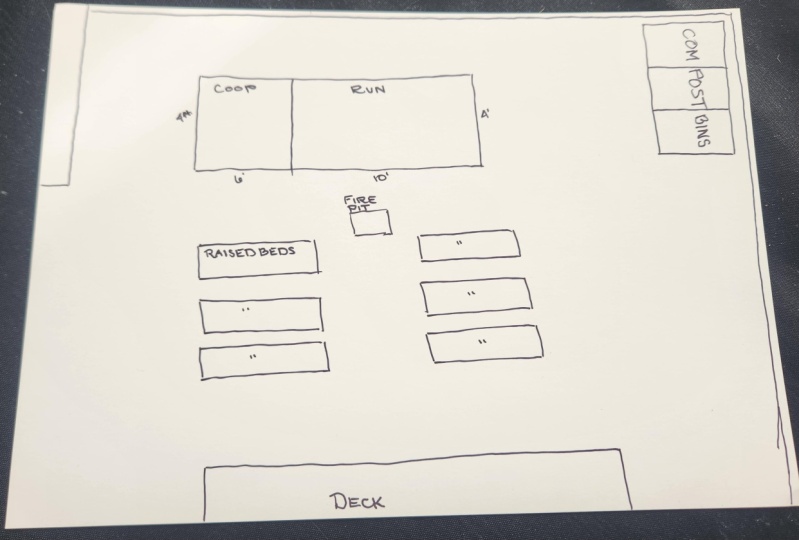
4. Backyard Chickens Movie: Hello and welcome to lesson three, which is backyard chickens. And to be perfectly honest, this is absolutely my favorite topic that we're going to talk about in urban homesteading 101. And you will come to realize that because instead of using some of that maybe lovelier, better quality photos that I've been using. I'm using my own photos from my own chicken coup in my own little thoughts. So right here at the very beginning, this is Mabel had more, I'm a Downton Abbey fan. If you couldn't tell. These two were the first chickens that I acquired. Unfortunately, I don't have them anymore. They've both tense passed away, but these two are the reason that I love backyard chickens so much. So I'm super excited and let's go ahead and get started. So we'll start with the benefit. So why should you have backyard chicken? And I'll tell you, I honestly was not super stoked on having chickens and General until several years ago when I went to help a she's a friend now, but at the time I was interning for her at her farm. And I didn't know how funny and silly and interactive chickens could be until Ana without helping her and she had a non-profit heading farm. And we started using chickens for for education and for showing them to kids. And I was like, kind of, they kind of stole my heart. And so other than being really entertaining, There are lots of benefits to having chickens on your urban homestead. It's another great way to reduce your way. So if you can't have a compost or you don't want to or there's, you know, your compost is overflowing or you just want to give your chickens to treat. They will eat almost anything from your kitchen. They really love pasta, noodles, Of course, fruits and vegetables. And there's a couple of things that they don't like, but it's a really good way to divert a lot more of your kitchen waste from the landfill. I mentioned in our composting section that you can put the chicken waste into the compost bin or you can use it directly in the soil as a fertilizer and provides a lot of nutrients to your garden soil. Of course, they're highly entertaining and they're easy to care for. So once you get everything set up, they're not a difficult animal to have. And I think you'll find that maybe not all of them, maybe you'll have one or two that's your favorite. But they really do become like household pets to you and they're really fun to watch and learn from. And of course. The eggs. And I've, I've listed here, and this is a list that compares free range backyard chicken eggs to those that you buy in the store. And so there's a third less cholesterol in your free range, backyard chicken eggs, there's a quarter less than the saturated fat. You get two-thirds more vitamin a and two times more omega-3 fatty acids, you get three times more vitamin E and seven times more beta-carotene. And these are, in general, not, these measurements aren't exact for every egg, but in general these eggs are so much better. You have rich golden go X instead of the pile. Get from the store bought eggs and they're just generally more delicious and nutritions. So I know we've talked a lot about having space limitations and to maybe backyard chickens is not something that's feasible for you at the, at the moment, but maybe you're thinking about it for later. And when you do and you have the space to do so, you're going to need to look up your city or towns regulations. So lot of cities and towns have rules about how much space is required per chicken. And maybe like a general numbers, it has to be at least such square feet. With such and such square feet per chicken. You have to have room for a hen house. If you're free ranging, you don't need to have a run, but it's, it's helpful too. And especially in when you're, when you're in an urban setting, you have a lot of predators that you might not think about, like cats and stuff. So having a run that's secure is gonna be really helpful, which you need to have report. You need one nesting box for every two or three hands. Currently, I have six hint and we have three nesting boxes. And I can they all seem to like to go to the same nesting box and it's not really the same one. But when one starts lying and one of the boxes, the others seem to want to lie in that same box as well. So you don't need a nesting box for every single hidden. And in general, you want to have about 60 square feet per chicken. So that may or may not be something close to what your town's regulations. But that's that's kind of a general suggestion to make sure the heir hands are healthy and have helped them out of space. Now when you're looking up your town's regulations, you may find that your town doesn't have any regulations here. Nobody's ever brought it up to them before. And if this is the case, then I would seek some guidance from your community. Maybe find a community gardening page and ask if anybody else has backyard chickens and what they do. You can mean the tail could come by P, set it up and tell you that we can't do it anymore. However, in my town, we actually did. A regulation that said that we couldn't. And there were a lot of people that had backyard chicken setups. And it was actually a family that had had him for about 20 years. And some neighbors decided to complain. And when it got taken in front of the town, the family with chicken said, you know, there's no regulations against the chickens and actually turn into kind of a big deal here. And it was approved that we are allowed to have chickens following certain regulations. So maybe if you decide that you do want to do it and you find out that There's no regulation for it or their regulations against it, you know, you can go to the town and put up a fight and and see what happens. And then the worst they can say is no. And best-case scenario you get to have backyard chickens. So there's definitely a little research involved in finding these regulations and figuring out what your town will or won't allow or if they've said anything about it at all. Alright, when you're setting up your CPU, you wanna check where your yard has the best drainage. So as I've said in previous lessons, and it's really important to start to pay attention to where in your yard has good drainage, whereas good sunlight, where's could shade, you know, you really wanna get to know exactly what's happening in your yard with sunlight and the drainage at any part of the day and after big brains or when it gets really dry, things like that. So you wanna have you wanna have room for them to get some sun. It's very healthy for them to be able to go out in the sunlight. However, you also need a space for them where they can get away from the sun, where they have a little bit of protection in case overheated. So what you build your coop out of is, is entirely up to you. You have room to get creative. In the photo. This is this is our COO or an R R1 that we had. I did purchase kind of a prefabricated hen house. It's got a little area below it where the chickens can can roam around that I can shut the door. I generally shut that door at night, say all go in there and the little hint house at nighttime. But we also used a lot of scrap material. I mean, when we first got the two hands pad more than I introduce you to my I was waiting on my husband to build me a proof and it was taking too long, so I ended up going and getting the chickens and kind of forcing the matter it into his hands. Said, well, we have the chickens now they really need a place to stay. And so maybe those little sneaky of me, but I was really passionate about getting those chickens. And so before we have what's in the photo here, we ended up using a lot of it was palettes that we had laying around. I ended up using a really large old mental sign that I have in the business I used to have. So we kinda piece. Together and the chickens didn't mind. It worked and it worked for a little while. And then we were able to build this a little bit nicer area for them. But we got creative with it. We use a space in our yard that it really wasn't a usable space before. As you can see in the photo. At that time, the ground cover was had already been kinda cleared out. But before we put anything there, it was actually a really, really overgrown area that we really couldn't use and it was a little bit scary to go in there because I didn't really know what was gonna be lurking behind the an error. So we were able to utilize that space and it really didn't change how much space we have available to us in our yard. You're gonna want to consider what you're gonna put on the floor. So if you can use a construction sand, if you if you want to kinda, kinda like a big litter box is real easy to break up and clean any droppings. And, but as I said, you want to use constructions and not the sandbox kind of sand. You can use malt, she can use dark guard ways. That's kind of what I do sometimes. So when I do our cleanup, I'll go in and put it on the floor of a chicken Run and it gives them something to scratch around and they really enjoy. But you have a lot of options available to you. You can use pine shavings if you so choose. That gets a little messy though and you're coming in and out. But the biggest thing is you want something that's going to dry up quickly. Having your chickens walk around in a constantly wet brown is, is really bad for their feet. They can develop something called bumble foot. And that's something that you'd have to care for and it's unhealthy for their respiratory system to have such moister floating around. So the floor covering is fairly important. You just wanna make sure you have proper during image. Now your, your hands over your hands and rooster's say do require a roost. They like to perch on things. And so you can, again get really creative with it and you stick so you can use branches. We use scrap pieces of pickets and for railing that we had from my husband's carpentry business. And inside of our hen house, there were built-in little roosts for them to sit on at night. But it is also back to that drainage issue. If you do have a heavy rain, a roost, we'll give them somewhere to sit that is up away from that moisture. So entertainment, I know that sounds silly, but chickens get bored. They, they enjoy having things to do. So I have like a little cage that you can put a head of cabbage Jan, and I hang it and they peck at it and they get a snack. And it's kinda fun to watch them. Catch it well, it swinging around. Some people cook xylophones in their chicken coops. And that's, I've actually never really had much success with that. I can't get my girls to, uh, to play the xylophone forming, but apparently some people can't. So if you want to try that, please feel free to send me a video. We also have little swings for them. And that's again, it's kind of like a Reus, but any notes, I don't know if it's more entertaining for us or them, but they do get up. Parents swing around. And again, your, your tube can be just how you want it to be creative. You know, since this taken, I've added some guard and boxes to the throne, prettied it up a little bit, and then I rearrange some things within the run so, you know, it's up to your creativity with the materials you use and how you want it to look as long as they have their basic needs and are being taken care of. And that it's a healthy space for them. You can be as creative as you want. Okay? So we do have to unfortunately talk about predators. Predators can be anywhere and everywhere no matter where you live. So even if you live in a very and setting with lots of neighbors, your neighbors might have cats. You might have ALS and hop hawks that fly around, chromosomes, dogs, maybe your own dogs. So unfortunately, chickens are kind of at the bottom of the food chain no matter where you are and you have to make sure that they're protected. So one of the big things that I know, a lot of chicken keepers or chicken tenders, if you will. A mistake that they've made is to not rock up their clock at night and nighttime is when the most disastrous things happen. To me. My sweet little maple that I showed you at the beginning, she was attacked by a possum in the middle of the night. And luckily I Herder and heard the commotion. It woke me up because I commit window open and ran out there and was able to save her. But she was injured at that point. And I had to bring her into take care of her and her sorbet. So locking your flock up at night is very, very important to keeping them safe. So as I said, you can have owls and HOX, your neighborhood cats. Unfortunately. Just as soon as I got maple well enough and they go back into the run with the other chickens, a neighbor, and had actually abandoned her house. And I don't mean a shirt, a horror story, but she had abandoned her house and her cat. And your cat was very hungry and our cat was able to get in under the fence into my chicken tube and actually ended up killing Mabel. So that was that was our little trauma that taught us a lot about what we needed to do to protect our file. So be very aware of the neighborhood cats. We have coyotes, foxes, possums, Of course. Dogs, as I said, and snakes. Generally with possums and snakes, they're not necessarily going to be going in your coops looking for your chickens so much as they are the ends. So with snakes, you're looking at an extended in eastern North Carolina, eastern United States. You're looking at rattlesnake king snakes. Non-venomous snakes are, are more than likely going to be the ones that you might find in your coop going after eggs. And they really don't want anything to do with chickens. However, if they find eggs, they're likely to keep coming back. So they're not something you really hanging around your chickens. With that being said, snakes are good for other parts of your homestead. But if you do have chickens, you might feel the need to relocate. Snakes that you find. So things that you can do to help prevent predators from being able to get to your flock. We use what's called hardware costs. It's much stronger, sturdier than chicken wire. It's got much smaller spaces than cattle fencing. So it's really the ideal material if you're, you know, you have a frame that you're covering was something. We added aviary netting and the top of ours are little Phantom chickens are much better flyers. And the bigger ones they have a much larger wingspan, which is great when they're trying to get away from something. But we had to put aviary netting it across the top is very cheap. It's very simple to put up. You can just do it with a staple gun. But it keeps not only things like the cats and the hawks and Alice from getting in a, keeps your chickens from the ones that might potentially fly out and keeps him pointing out. You can use chicken wire. We actually used it around the bottom. As I said, we hadn't experienced where came in under the fence. So we've now learned to dig a trench around our fifth line and very chicken wire about halfway down into the ground to prevent things from being able to dig under fitness. And they do make these false ALS and hops that you can put around your regard and your chicken coup. And that keeps other fine creditors, cats and stuff away from because they don't know that for fake and then hanging CDs. So this one's kind of interesting. When the son catches the CDS, it deters flying predator from, from wanting to get to your file. So that's kind of an interesting thing that he can do to help prevent predators from attacking the error chickens. Alright, so you maybe decided you wanna go ahead and get chickens, and maybe you're doing it the more traditional way, not like I did. And you want to, you have your cube setup already. Instead of doing it backwards. And you're, you're looking, you're starting to look for where you're gonna get to the goals. The first thing you want to decide is if you want chicks or if you want adult ends. Reducers if you're allowed to have them. So what I in most comfortable with in my space is adopting pullets which are not fully there, not quite at point of lay, so they haven't started laying eggs, but there are hints and they will start lending. So pullets are kinda like teenage pins. Chicks require a lot more equipment. They, they can't be outside because of their ability to regulate their body temperature when they're, when they're so young. So you need to have an indoor space that's going to be warm enough for them. So heat lamps and whatnot is required if you have something like shut that you're keeping them in. So you need to have a bit more time and more money to invest if you're going to start with chicks. Which is again, another reason why I enjoy most either getting an adult head that's already lying or getting a pullet. You're going to run into something called a straight run or sext if you're looking at checks. So if you go to a place, maybe like Tractor Supply and they have straight run checks, these are going to be either male or female. There's a chance you're going to end up with a rooster which you may or may not be able to have in your area. Now if they'd been sex, then you know, if they're going to be a career goal. When you're choosing what breed. There's a, there's a ton of breeds of chickens. And theirs. They all have different temperaments. So you might want to choose something that's really good layer. You might want to choose one that's really great with families and little kids. So it kinda, you're looking for and what you're using your chickens for. But do some research. There's a ton of breeds. We have. We've had several cell keys that have been really great layers their eggs are a little bit smaller, but they're very docile and they let the kids hold them, you know, they're super sweet. So we really enjoy those and then we've really enjoyed, or Easter Eggers, they have been the best lighter, so we have, and they have these really nice hours late blue eggs. But they're nice, big, golden yoked eggs that are really delicious and they're pretty docile as well. I mean, they've led us folded. We've gotten to know them. They're a little bit more timid when it comes to being able to be to help to hold them. And it takes a little bit more time, but the ones that we've had kinda opened up to us over time. So there's a lot you can research and learn when you're looking at breeds. Phantom chickens are, of course the smaller ones. And then you have some really big guys. We currently have three Barred Rock hens and three bands, bands. So it's very interesting dynamic, but the Barred Rock hens are definitely the largest chickens we evolved. Chickens are very social creatures, so it's best to start with two or three. They do. And to have a little pack, as you call it. They, they'll have a leader. They'll establish a pecking order, which is a real thing you'll find. And that's exactly what they do. They peck at each other until one comes out as leader. It is something you need to pay attention to if it gets more up hand. But in general, it's natural it's going to happen. And it's something you kind of need to step back and allow to happen even if it looks like one of them is getting her, you know, just keep an eye, make sure it's not getting too intense. If you're going to a breeder or farm or someone else that has backyard chickens as maybe hashed a bunch of chicks. You're going to want to look at the health of the chickens before you take a ball. So if you already have an established flock and you're going to pick up another chicken. If it's got a disease, it can spread very easily to your clock and it could potentially kill your entire flag. So the health of the chickens that you're bringing home is extremely important. Some of the biggest things to look at besides the general demeanor, the chicken, you know, you don't want to take home. One was extremely aggressive. But looking at the eyes and the feet and the beets, These are all important health indicators. If the eyes are foggy, have discharge, likely you have respiratory issue. It they've got healthy look and feel without bumble feet knows scaly, scaling legs or anything, then that would probably be a generally healthy chicken to bring home it for any reason you feel like the chickens that you were looking at to potentially take home are not healthy. Do not be scared to walk away. Don't, don't feel like you have to take one of those home because as I said, if there isn't issue, diseases are very easy to spread within a flock and it could affect and Dutch be detrimental to your entire flock. And on this slide I have included a photo. I'm the youngest chicks that we've ever brought home and actually did end up having to keep inertia. They were not quite young enough that they needed a heat lamp anymore, but they just weren't quite old enough to be out with our adult chickens. So that is me and my son, Oliver With sunflower and, and actually another little Easter egg or that ended up being a rooster. And we've had to take back to the nice woman that we got from, from because we are not allowed to have researchers in our small urban area. And he was a very, very vocal roost her. So unfortunately, we couldn't keep it. So said, backyard chickens are my absolute favorite part of our homestead. It's been really, really fun to get the kids involved and they've got to know all of our chickens and all their personalities. And in the, in the photo here you'll see my older son Jordan. He's actually turned out to be quite a chicken whisper. I call him because he has been able to approach some of our most timid hands. And they'll let you pick them up. And it's been really interesting and he loves to just go out there and spend time with them. They've learned a lot about taking care of animals. You know, I can trust them now to go out there and a, feed them and check on their health and general get, get the eggs, collect the eggs for me. And they've just really enjoy getting to know their personalities and learning how to care for animals and seeing the benefits and having the chickens and cooking with their eggs and whatnot and you know, sharing, sharing these, these eggs with our friends and our family and our neighbors. It's been really rewarding it. Again in the photo, that's my my older son Jordan, with Mabel and little Ali feeding. And as you can see here in the background, is, that is the makeshift Chicken Run that I told you about previously in this lesson with the pallets in the metal side and the chicken wire. And while it worked for a little while we ended up doing a little bit of an outgoing. So this is it for backyard chickens. If you have questions, please feel free to contact me. I'd be happy to talk about it if you just want to send me pictures of your chickens, I'd be more than happy to receive those as well. Otherwise, I will see you in lesson four.
5. Native Bees Movie: Hey guys and welcome to lesson four, the final lesson for urban homesteading, one-to-one. Thank you all so much for sticking with me this far, and I really do hope that you've enjoyed learning some new things and found some inspiration to start your urban homestead. So less than four is native bees. We're gonna talk about what native bees are and how we can utilize our home standards to help protect them. So let's go ahead and get started. So first let's talk about how important it is to provide safe for native bees. The presence of our pollinators directly affects our ability to continue growing, what's necessary for our survival. So all the fruits and vegetables are considered flowering plants, and they depend on these mainly to, to be in a mode of transportation for the pollen that they need in order to grow. So we know now and this is a bit of a hot topic, but that the bee colonies are slowly being decimated. So their numbers have drastically declined over the years. And it's something that we really, really need to take into consideration. Start taking seriously his bees are a very important part of like pollination is the number one natural way of growing. What we have to have to survive or food. Let's talk about the difference between honeybees and hives, and I'm native bees. So typically when you think of peas and save the bees, we were picturing honey bees that go back to a colony. They have clean, they all lived together. But there's actually over 25 thousand species of bees and 4 thousand of those are present and native in the US alone. So the majority of those are actually native bees which live a much more solitary lifestyle. They travel, they lay their eggs, and they don't stay to tend to them, they just lay them and move on. They typically live in and under some fallen leaves in the or in debt. What is you see in this picture here? That is a wonderful bee habitat where they would lay their eggs in those small holes and use them for protection. Didn't they might do that around other bees. So some multiple fees could use this space. However, they're not going to continue to travel with those other beads. They're just going to lay their eggs, like I said, find protection there for however long they need and then they're going to move off. So these native bees live on much different lifestyle than the honeybees that we typically. So one of the things that we can do in order to utilize our homesteads to provide a safe haven for the native beams, which is also going to help our gardens. Going to encourage pollination within our own homestead by planting native flowers is, is not only beautiful, but really essential to helping provide pollination to your garden and provide a safe place for the bi's that we need to survive again. So planning native flowers should be done. As I said, you can get creative with this just like with our container gardens. You can sprinkle some flowers and do, do some companion planting and use whatever space you can to add these flowers that are great pollination speaking. So because of the range of vision, bees, the best flowers are going to be white, yellow, and purple, and those are going to be the most attractive. The bees really do like the shape of something like a Black Eyed Susan, where it's flat, it's got a single level of pedals. So things like that are going to be the easiest for bees to get in and out. And that shape, a flowery than 5m is, is one of the better ones. The B's will be tracked to chain. So flours and the mint family, carrots, mustard sunflowers are also really attractive to native bees. And as I said again, these filers can't be planted as companion plants alongside with your, your produce garden. So here I've added just some more worthy, friendly pollinator friendly flowers that she could use. And E, This is going to depend on your climate and, and where you live. But these are some, some basic flowers that should be fairly hearty and you can add to your garden. So of course I mentioned the Black Eyed Susan's. Those are a great one. Salvia land Tana, bergamot, lavender, the cone flowers in the camera mail. These are all really, really attractive, pollinator friendly flowers that she can use in your florida. Alright, so this was a quick lesson, I know, but I just wanted to make sure that I did add to this force how easy it is to provide an essential service to these creatures that are really necessary for our survival and that really need our help at this time to continue to survive on their own. This is, this is the end of urban homesteading. There's gonna be one more quick little video to wrap it all up that this is the last lesson. Again, thank you all so much for, for joining me on this journey. And I hope you're inspired and you're ready to go take some action to start getting creative with your space and create an urban homestead. You can be proud of.
 Elise Parker