Transcripts
1. Welcome To The Class!: Welcome art lovers. My name is Will Elliston and I'm super excited to be doing
this class with you today. I'm going to show you two
painting exercises that I promise will unlock
your creativity and improve your
painting skills. These two expressive
paintings are purposely designed to be
open for interpretation, leaving room for
individual exploration. The first painting allows
us to explore textures, different levels of paper, wetness, different
consistencies of pigment, and how they all
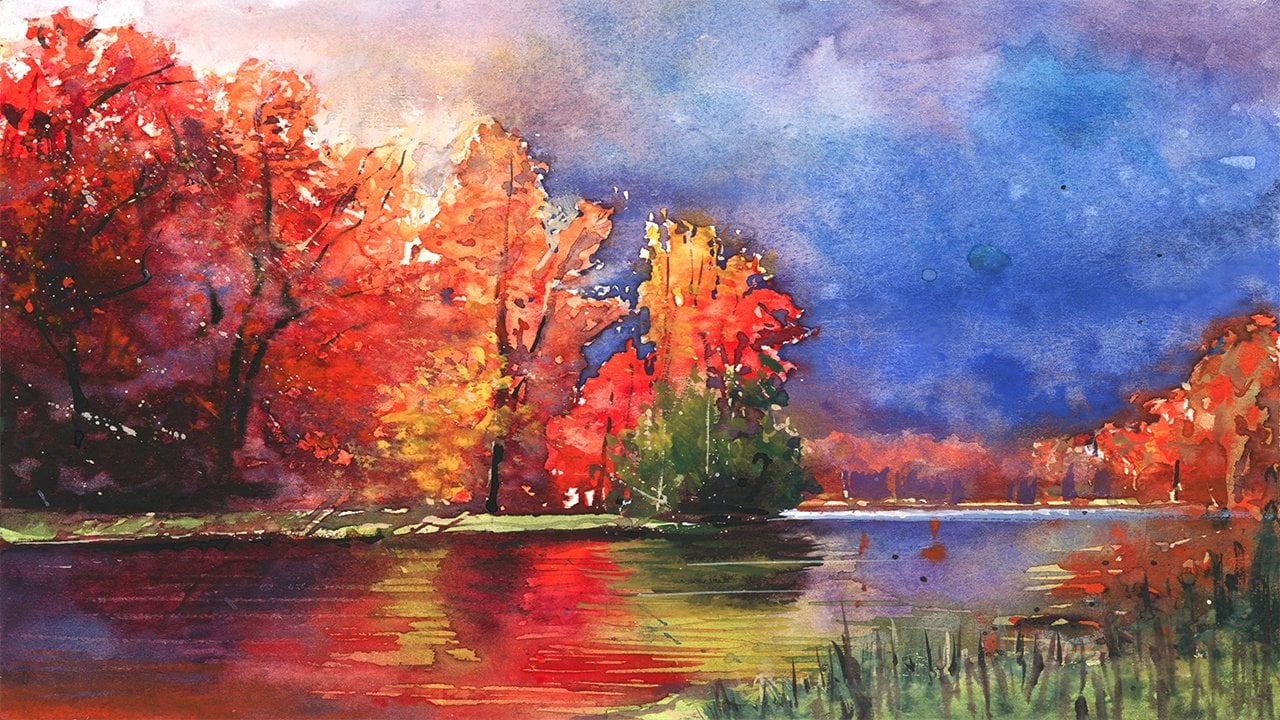
affect each other. The second painting gives us the opportunity to explore an
entire spectrum of colors. Each stroke and wash will
be a step towards unlocking the expressive possibilities
of this captivating medium. I've been a professional
artist for many years, exploring lots of
different subjects, from wildlife and portraits to city scapes and
countryside scenes. I've always been entranced by the possibilities
of water color, but when I started, I had no idea where to begin
or how to improve. I didn't know what
supplies I needed, how to create the
effects I wanted, or which colors to mix. Now I've taken part in many
worldwide exhibitions, been featured in magazines, and been lucky enough
to win awards from well respected
organizations such as the International
Watercolor Society, the Masters of
Watercolor Alliance, Windsor and Newton, and the SAA. Watercolor can be overwhelming
for those starting out. Which is why my goal is
to help you feel relaxed and enjoy this medium in
a step by step manner. Whether you're just starting out or already have
some experience, you'll be able to follow along at your own
pace and improve your watercolor skills if this class is too challenging
or too easy for you. I have a variety of classes available at different
skill levels. I'd like to start off with a
free, expressive approach, with no fear of
making mistakes as we create exciting textures
for the underlayer. As the painting progresses, we'll add more details to bring it to life and
make it stand out. I strive to simplify
complex subjects into easier shapes that
encourage playfulness. Throughout this class, I'll be sharing plenty of
tips and tricks. I'll show you how to turn
mistakes into opportunities, taking the stress off of
painting in order to have fun. I'll also provide you with
my watercolor mixing chart, which are an invaluable tool when it comes to choosing
and mixing colors. If you have any questions, you can post them in
the discussion thread. Down below, I'll be sure to read and respond to
ever think you post. Don't forget to follow
me on Skillshare by clicking the follow
button at the top. This means you'll be the
first to know when I launch a new class
or post giveaways. You can also follow me on Instagram at Will Elliston
to see my latest works. Let's grab our brushes, embrace the water color magic, and embark on this artistic
adventure together.
2. Your Projects: I'd just like to say, thank you so much for
choosing this class. I'm very happy that you're here. Watercolor is a medium that
allows us to dance with spontaneity and embrace
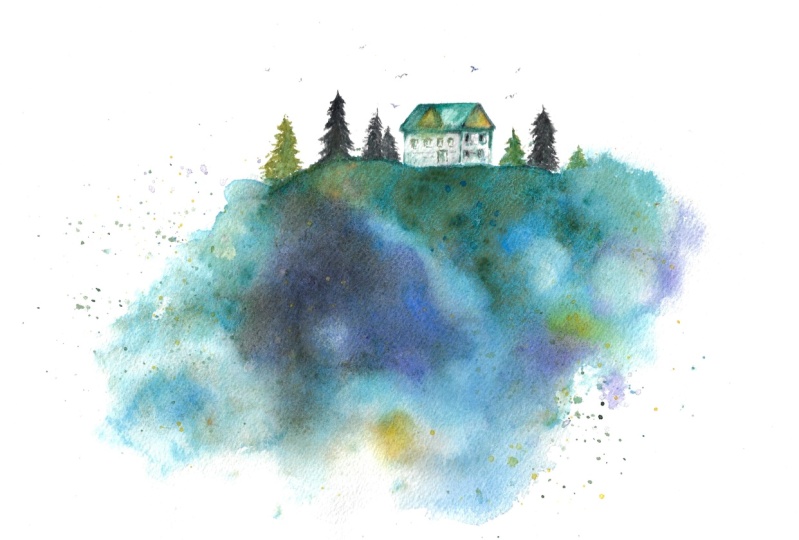
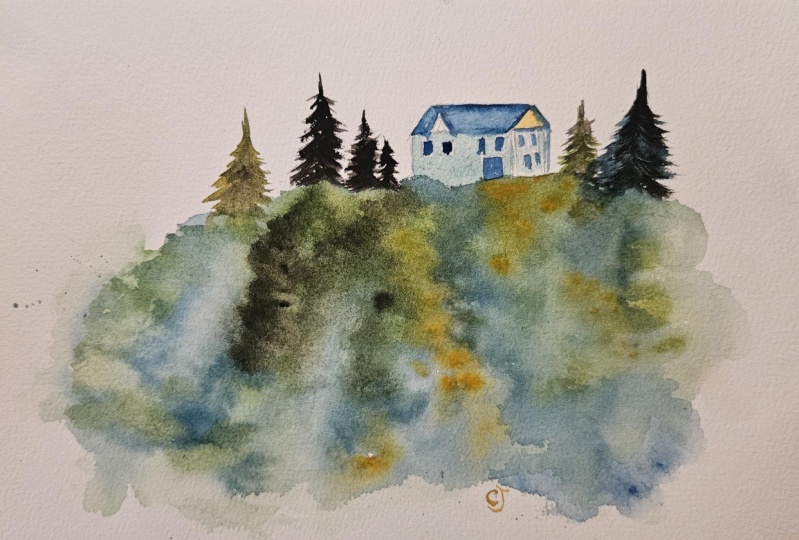
the unpredictability of the creative process. We'll use houses as a subject, but they're merely a backdrop, providing a grounding
context for our exploration. In our first painting, we'll explore how different
wetness levels of paper and varying pig
consistencies interact to create stunning
textures and effects. Moving on to our
second painting, we'll immerse ourselves in the vibrant spectrum of colors. The goal is to embrace
the entire palette, experimenting with
bold combinations, subtle gradients, and
everything in between. In the resource section, I've added a high
resolution image of my finished paintings
to help guide you. You're welcome to
follow my paintings exactly or experiment with your own composition
As we're going to be focusing on the painting
aspect of watercolor, I've provided templates
you can use to help transfer or trace the
sketch before you paint. It's fine to trace when using it as a guide for
learning how to paint. It's important to
have the underdrawing correct so that you can relax and have fun learning the
watercolor medium itself. Whichever direction
you take this class, it would be great
to see your results and the paintings you
create through it. I love giving my
students feedback, so please take a photo
afterwards and share it in the Student Project Gallery under the Project
and Resource tab. I'm always intrigued to
see how many students have different approaches and how they progress with each class. I'd love to hear
about your process and what you learned
along the way, or if you had any difficulties. I strongly recommend
that you take a look at each other's work in the
student project gallery. It's so inspiring to see
each other's work and extremely comforting to get the support of your
fellow students, So don't forget to like and
comment on each other's work.
3. Materials & Supplies: Before we get started
with the painting, let's go over the materials
and supplies I use. Having the right materials can greatly impact the
outcome of your artwork. I'll go over all the supplies I use for
this class and beyond. They're very useful to have at your disposal and we'll make it easier for you
to follow along. Let's start with the
paints themselves. Like most of the materials
we'll be using today, it's a lot to do
with preference. I have 12 stable colors in my palette that I
fill up from tubes. They are cadmium
yellow yellow ochre, burnt sienna, cadmium
red, Alizarin, crimson, ultramarine blue,
cobalt blue, sill, blue, lavender,
purple, di, black. And at the end of the painting, I often use white gas
for tiny highlights. I don't use any
particular brand. These colors you can
get from any brand, although I personally
use Daniel Smith, Windsor, and Newton
for Holbein paints. Let's move on to brushes. The brush I use the most is
a synthetic round brush, like this Escoda Perl brush
or this Van Gogh brush. They're very versatile because
not only can you use them for detailed work
with their fine tip, but as they can hold
a lot of water, they are good for
washes as well. They're also quite affordable, so I have quite a few
in different sizes. Next are the mop brushes. Mop brushes are good for
broad brush strokes, filling in large areas and creating smooth
transitions or washes. They also have a nice tip that can be used for smaller details, but for really small details, highlights, or anything
that needs more precision. I use a synthetic
size zero brush. All brands have them and
they're super cheap. Another useful brush to have is a Chinese calligraphy brush. They tend to have long bristles
and a very pointy tip. They're perfect for
adding texture or creating dynamic lines
in your paintings. You can even fan them
out like this to achieve fur or feather
textures as well. And that's it for
brushes onto paper. The better quality
of your paper, the easier it will be to paint cheap paper crinkles easily
and is very unforgiving, not allowing you to
rework mistakes. It's harder to create
appealing effects and apply useful techniques
like rubbing away pigment. Good quality paper, however, such as cotton based paper, not only allows you to rework
mistakes multiple times. But because the pigment
reacts much better on it, the chances of
mistakes are a lot lower and you'll be more likely to create
better paintings. I use arches paper because that's what's available
in my local art shop. A water spray is
absolutely essential. By using this, it
gives you more time to paint the areas you
want before it dries. It also allows you to
reactivate the paint. You want to add a smooth
line or remove some paint. I also have an old
rag or T shirt which I used to clean my brush. Cleaning off the paint
before dipping it in the water will make the
water last a lot longer. It's always useful to have a tissue at hand
whilst painting, to lift off excess paint. Also, you never know when an unwanted splash or drip might occur that needs
wiping away quickly. I also have a water dropper
to keep the paints wet. When you paint, it's
important to have them a similar consistency to what
they're like in the tubes. This way it's easier to
pick up sufficient pigment. A hair dryer is useful
to have for speeding up the drying time and controlling the
dampness of the paper. Lastly, masking tape.
And this of course, is just to hold the
paper down still onto the surface to stop it sliding
around whilst painting. Also, if you plan on
painting to the edge, we'll allow you to create a
very crisp, clean border. That's everything you
need to paint along. I encourage you to experiment and find out what
works best for you. Now let's get ready to
start the painting.
4. Painting 1 The Drawing: The good thing about
these drawings is that as long as we get a few details like the house
and a couple of the trees, the rest of it can be pretty adventurous and you can
explore your own compositions. I'm going to, first of all, just to fill out with
a very soft pencil, some of the areas
where I may want to go just to get a bit of a spatial awareness
of what I want to achieve. Very soft lines. They're going to move to a
harsher pencil and just draw in a little house starting with the roof. I do it at a slight
angle, almost 45 degrees, move it along a
bit and go back up 45 degrees there and
connect the two. Then you can go
down the other way. There can be a straight line, basically to keep it simple. Then you can come in a bit
to have a bit of overlap. It doesn't need to
be that accurate, we're just playing around here then we don't even need to apply the
bottom of the house. We can just fill that end
of some pigment later. Maybe if you want to be fancy, you can add a little secondary
feature of the roof there. I don't know what that
feature is called, but we can just add a bit there. Maybe put two windows in there. I put a few vertical
lines to help guide me. And then horizontal lines. And then we can just
use those to mark out some windows and then maybe a larger door here. Then we can use the pencil to just rub away those light on. And then add a tree here, maybe a secondary tree here. And then we'll
come to this side, maybe add a few more
mini trees here, maybe one big one here, and then a smaller one fading
out the distance here. And I'll have the water
color coming out here. I'll fade it, I'll do
some fun textures. And that's all we
have to do, we just get that detail and the rest
can be quite expressive.
5. Painting 1 The House: For this first exercise, we've just got this house and a few trees at the
top just to give some context to the
abstract brush marks and textures we're
going to create. Because really, this
is just an opportunity to explore what you
can do with watercolor and have fun being abstract and just experimenting with
what happens if you, let's say, add water
while it's drying or add more pigment
while it's dry. It's very close to drying. You've only just applied
a first layer of paint. And straight where you're
adding a second one, it's a good opportunity
to mess around how watercolor reacts at different drying times
and how wet the paper is. This is what we're
going to explore. It's a very important
thing to know about when painting watercolor to
have in your knowledge. Just for future reference. Really this is
adding the house and the trees just makes
it a bit more, adds a bit more context to what would just be a complete
abstract painting. We can just imagine
their hills or bushes. The first part we're
going to paint a little house and a
few of these trees. Again, it is very simple. I'm just going to use
little bit of yellow Oka there maybe the smallest bit of vidian green just here. Just so that it's
not plain white. But it could be plain white
if you wanted it to be. If you want to make
it even easier, I'm going to mix some infridan. I've got here a bit of blue. I'm using silian blue, but you can use cobalt or
ultramarine if you want. This is the color scheme
that I'm going for in this painting, Green and blue. I'm just going to
paint in this roof, I'm using a small brush because it's quite a small detail. I was leaving that triangle
there where that roof is, that bit there. Then
I'm going to go back. There was some thinker
pigment and a bit of black darken some of these corners and edges. And I'm just using quite a dry bit of black
so that it doesn't spill out and just defining the angles on the roof. Well, this same black. I'm just going to go over
these window markings. I went, I did my pencil, my brush. Go back
with this purple. Go back with this green using a bit of dry brush. A few more texted lines. It doesn't have to be
complicated, Fact, having it a bit loose
adds more character to it for this style that is done.
6. Painting 1 The Trees: I'm going back to this
black and is going to paint these pine trees starting at the top again. At the moment it's
just pure black. It's good to get used to
painting with thick pigment. You have to make sure
your paints are wet enough to pick up
that thick pigment. A lot of time when you're
beginning water color, the paints are very
hard in the palette. It's easy to just absorb
enough paint onto the brush. We really have to activate the paints and get thick pigment at the base of these trees. I'm just going to put
some pure green pigment. It looks like black,
but when it dilutes later you'll see that
it's actually green. Then one more tree. I'm not going to do
this with all of them. I'm going to leave a
couple to add later going back to that pure green. Okay, that's all
the detailed part we'll need to do in this lesson. The next part is
purely abstract, but it's abstract with intent. We're trying to learn
what we can do with water color in this
part of the painting. It's very important to have a tissue in your
hand because we're going to use that to pick up the pigment and create
some lighter areas. We have a nice variety
of different tones. Like I say, I'm going to be doing a mixture of
different greens. Oh.
7. Painting 1 Mixing The Colours: To start off, I'm going
to mix these greens. Primarily I'm going to
be using Vidian green. I'll make a big pile
here because that's a nice forest color in that pan. In my palette, I'm
going to have vidian. Then in the next pit
long, I'll have a blue. You can mix your own blues depending on what
kind blue you go for. I'm of course going to
mix green into that blue, that's a greenish,
turquoise blue. Then in the last one, I'm going to pick up
some yellow ochre. Of course, I already have
that blue on my brush, so it mixes it and
makes it into a green. Here's a nice mixture of
greens I've got in my palette. Once you're happy with the
colors that you've got mixed, I can actually make this green, this blue a bit thicker. You need to make sure you have enough of the paint mixed on your
palette because you don't want running out halfway. Because you'll have
to mix it again at a precious moment
when it's drying. Make sure you have
everything pre mixed before you
start your painting. I'm using a mop brush for this stage because it
holds a lot of liquid. This mop brush, you don't want to have to go back and refill
your brush all the time. I'm using a mop brush because I don't want to have to go and refill my brush each time
with these smaller brushes. When it comes to a technique we'll use later of
dropping in water, there won't be enough water
in the brush to drop off. With this, you can really pick
up a lot and drop it out. Also, the other way around, we can suck up pigment
that's already on our paper and use a brush to
suck it out and draw it out. Whereas this, it'll
only do so much. Once you have your colors mixed, then you have to
clean your brush. Of course, your
brush will already have quite a lot
of pigment in it. Make sure we mix enough so that once you've
cleaned your brush, you still have
enough in the pant. Now my brush is pure water and I'm going to just pre wet the
areas that I've marked out, it's pure water because we don't want any hard
edges at this stage. By pre wetting it, wherever
you dab the pigment, it'll spread out
with a soft edge or a soft line rather
than a hard one. It gives us a bit more time to think about
what we want to do while we're in the middle
of the painting process. You can see I've got
different rings and pencil markings for where I want areas to be
darker or lighter. This is a painting that's
impossible to repaint again in the exact same way
you should really be following it as a guide
and then just going with the flow of however or
whichever direction your painting goes naturally. Okay, now it's all wet and
I've got a tissue in my hand. It's time to start the fun.
8. Painting 1 Applying The Paint: Now I'm going to start from
the top and work my way down. Starting with this
screen, I'm just going to start interact at the
bottom of those trees. Move it down and you can see because we pre
wet it, there's no hard edge. Then I'm going to
move on to this blue, maybe a bit more yellow ochre. Start to fill that out, see starts to merge
with the other, other pigment up there. This process doesn't take long. It's a very quick painting to do because it's so
abstract and you're allowing the water color to
experiment and do its thing. I'll be play small. This back. Yeah, get a scream. You flex that. Now basically we've done
a first layer of pigment. Now the important thing
to practice is to see how it dries and interact
with it while it's drying. To see what different
effects you can do, maybe we can go in
thicker pigment. In some of these sections, this is where the mop brush comes in. We can just drop in thick
pigment in some of these areas. Maybe we can even use black
in some of these areas. Maybe we can get a tissue and softly pick up some
areas like that, then go back with a brush and
just soften up those edges. If there's pools of water, we can use the tissue to suck
those pools of water out. Don't be afraid of going in
with nice thick pigment. We can keep on adding
and taking away water. We don't need it to
dry when it wants to. We can manipulate it a bit. This area is starting
to get very dry, so I'm going to add more pigment here and just dot
around like that. You can see the little granules taking shape with the
cotton base paper.
9. Painting 1 Taking Away Pigment: Let's use the brush to
take away some pigments. So I'm completely cleaning
my brush now and I'm using my tissue to suck
out all the liquids. Is a very dry brush
now and I'm just going to go on the paper, just suck up some
of that liquid. Then you can go back and
soften it out a bit. Over time you can learn how
wet you need your brush to be in order to
make these changes and how the wetness of the paper affects the different textures
that you're creating. You can get a small brush and
splat pure water on there. You might have to replace
your tissue very often. I think I need it a bit
yellower up at the top here. And this is a good time
to paint another tree. That tree a different color. Now, I'm going to be very bold. I'm going to take
some pure black. We just drop it in here. You'll see the more
it starts to dry, the edges start to become, when it's wet, it
just blends out, right to the end, right
to the very edge. And there's no
transition either. But the drier it gets, the longer it takes for
the water to merge out, put a bit more green
rather than the blue. Some of these areas from Flick pigment. Some of these areas
you can add water, then use a tissue to suck
up that while it's wet. As long as it's wet you'll
still have soft edges. You can be quite
aggressive with it. As you soften those edges, it will work when you don't even have to fiddle round with it as much as I am. I'm just showing you
different possibilities. Good. Yes.
10. Painting 1 Final Strokes: Now. I'm just going
to wait for a bit. I'm quite happy with how
it is at the moment. I can see by bringing
my head a bit, the light reflects in it. I can see which areas are wetter and which
areas are drier. Through my experience, I can
see what would happen if I add pigment to certain
areas and other areas. I just let, I can see
here that it's still wet. It doesn't have the
complete glossy edge where I can't even
see the texture, but I can see the
texture of the paper. But it's the shining
texture of the paper. I know that if I
drop a bit in there, I can add more pigment. But it will blend out
in a nice smooth way. Let's say I want
it lighter here. I can go up, then I
can go back again. And that should create
a nice smooth finish. I can have my brush
full of water up, stroke it, go the other way. Just do these different,
just play around. It doesn't have to
be pretty at all. It's not about making a
pretty painting today, it's just about seeing what
you can do with water color. You can see if you look
at my palette here, the pigments here are too wet. Now, my painting has dried to a stage where if
I added this wet pigment, it would just blow out
and create a hard edge. The paper gets the thicker
your pigment then has to be, your pigment has to match
the wetness of your paper. These are general rules, you can learn to break them depending on the kind of
textures that you want. So now I'm just gonna let it dry naturally and I'll show you what it looks
like at the end. Even once it's dry, you can go back and do some
interesting things like re, wetting a section and
then interacting with it, interacting with the middle, at least leaving the edges intact. Then you can get a tissue. Just suck out some
of that liquid in the middle and then
just let it dry again. Now this is completely dry. You can see just the range of textures we've had here
and the things you can achieve by interacting with the paper and
pigment as it dries.
11. Painting 2 The Drawing: Again. We start
with a soft line, just to mark out
where we're going. I'm just going to put a line
that's slightly off center, a bit higher than the
middle to begin with. Then I'm going to do a bit
of a circle here, very soft. And then a larger
circle like that. It's not really a
circle actually, it's more like a potato. Now in the center, I'm going to start to draw the house. Start off of a vertical line, then a horizontal line that's
completely parallel with the edge of the paper
and the horizon line that go across there too. Then we can go up for a roof and that can
go across there too. It doesn't have to
be super accurate, we're just playing around. Then we come down there maybe at a chimney side of
the house here. It comes along a bit more and
then comes down like that. We bring it down the other end, drawing some little
windows in between, maybe on this side
through two windows, a window on the roof section. Very simple house. A little house on an island. Then fill in a bit
of space here, and I'm going to add
some trees here. 12.3 Now we can follow these down here and
roughly mark where they would be as little reflections. Notices that the
house is a bit below the horizon line because it adds to the sense
of perspective. It's a kind of background
island here I want to add, we're just a few bushes or trees in the distance there we can add a bit
more to these trees just to zigzagging using the
central line as a kind of mirror and criss crossing, getting slightly
larger as we go down, it's rough reflections
down there. There will be lots
going on around here. But I'm not going
to draw that in. I'm going to leave that
for the water color. There's no need to draw that in for the time
being. That's fine.
12. Painting 2 Underlayer: This is a fun one
in which will be a good opportunity to explore
color blending because we'll have a nice
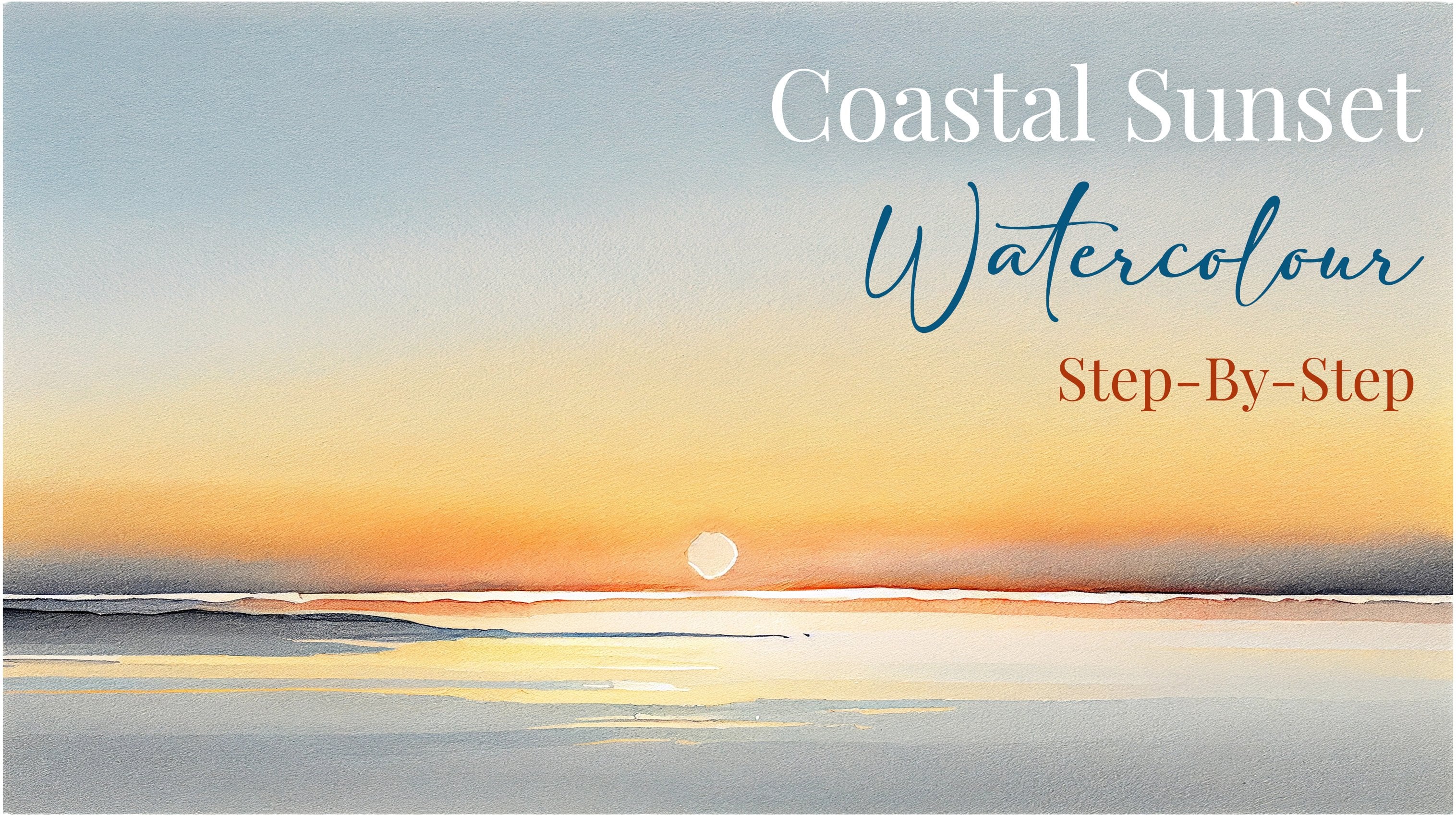
colorful sunset sky and a blue water section here. Whether it's a lake
or sea, I don't know. Just a little house
on the island. And we're going to start off by just wetting under the
horizon line here. Then I'm going to pick
up a little bit of yellow Oka. Just drop some in. This is a very light under layer using a little
bit of pigment. Then maybe here we go, a bit darker and it
is just a splash of red at the top,
barely perceivable. And that's the first part done. Maybe a bit more yellow workers start to fill that out. Babe, bring some
more of this back using a tissue. Just to Dave, some of the edges so I
don't have a hard edge.
13. Painting 2 The Sky: Now I'm going to paint the sky and we're going to start
off with a red down here. I'm using cadmium red for that. Maybe even a dab of a
lizard and crimson. We're going to do red there
and red there as it goes up, it's going to go
warmer into a orange. Then at the very top
it's going to be blue. What we can do to
prepare ourselves, we can pre wet some of the areas like we
did in the last painting, just so that we don't
get those hard edges, unwanted hard edges. Rather, we're creating our edges here with pure water and then we'll use pigment and push
it into these areas later. And you can see I've used a light pencil
marking going around the composition just
to help guide me, and I'll rub that
out at the end. So starting with this red, I'm just gonna
drop it into here, just where the horizon line is and go a bit dark if we want. Then as we move up we can add some other colors
into it like this yellow, which will then turn
it into orange. Of course, a tissue to clean up that edge because we re wet the paper pre, wet the paper, we've got more time to explore and
manipulate the pigment.
14. Painting 2 Blending Colours: And I'm going against
the Serilian blue. Starting from the
top paint down. I noticed I've painted all that and I'm still painting it without
lifting up the brush. I'm just moving that
pigment around, smoothing that edge. So it's a nice transition. We're bringing that
orange back down here, going back and forth
between the pigments. Oh, I went under
the horizon line, then you'll see the
tissue to clean that up. The tissue just to
soften that edge there. That's the sky done. I'm just going to
let that dry by itself for the time being at least because it's
too wet to use a hair dryer. Once the glistening of
the paper has gone, we can use a hair dryer
to speed up the process.
15. Painting 2 Some Ripples: But whilst we're waiting, there's other things we can do. For example, we can start doing the under
lay of the house, which I think I'll use that same pink as the
background on this side. Pink is red at least, and then it can transition into kind of blue
on the other side. You can use a smaller brush if you want to be a
bit more delicate. Also, we can paint a
different section. Now I'm going to take some yellow Oca and mix it
with that serilian blue, and that makes a
lovely kind green. I'm just going to
paint up to the tree, even up to the house
just below the house, I'm going to start and the edge here I'm going to
do a few ripples. Maybe at the very top we
can do blue like that. And as we go down can
add some red here. You can see the
transition of colors. Pick up some more. I'll
pick up some birds that is make it extra darker
here at the bottom. You can go back to that
green again if you want. Just having fun exploring
the different colors. We'll squiggle here. Which will be the reflection
of the trees that are yet to be painted there. Agree. And I'll let that section be. I'm actually going to use
a tissue to bring out that because it's just going to be a guide. We're going to
paint the water and then add the main reflections.
16. Painting 2 The Sea: Now I'm going to get
my Serilian blue here, make sure it's nice and wet. Let me add a dab of cobalt and a dab
of Vidian green, just to make it a
bit more turquoise. Also mix that there. Now, starting depending on whether you're left
handed or right handed. I'm left handed, so I'm
going to start here. I'm just going to find that horizon line
paint along like that. Then I'm going to
carry that down, Pure water, just start adding ripples. Then you can have a tissue in your hand to dab away any
bits that are too strong. If you want, you can
start playing around. Some of the sky colors yellow. Oka here, bit of
cadmium red here. Let's have fun dropping
pigment around. Not being so strict on yourself, just allowing yourself to have fun exploring the
medium of water color. S.
17. Painting 2 Full Circle: Start again on the other side will make it quite
literally. Full circle, Almost full circle. I guess it doesn't
have to be perfect. In fact, it shouldn't
be perfect. There's a kind of
beauty in imperfection. A few splits, a few big
water spills down here. Intentional water spills,
going back up here, popping in some thick
pigment right there. Let's see how that reacts. I don't know how it'll react, just going out my
comfort zone and allowing it to do
whatever it does. A little green spontaneous
green hill right here. That's what it is.
It doesn't matter. The eye can make it
whatever it wants to be. Now, I'm going to let that dry. It's easy to interfere with it, but I can feel myself
wanting to do it already. The best thing to do is just after you've had
fun playing around, just let it dry naturally. That's what I'm going to
try and do. I'm just going to step away from it for about 10 minutes and then just come back to it and see
how it ends up by itself. Now sometimes what I like
to do is take a tissue and just when the edges
of a section have dried, just dab it out like this. It creates a nice little
effect of having dark edges and a light center, like a water splash feeling adds a bit of roughness to it. Intentional roughness. Now it's dry. You can go back if you want
and add a few more ripples. If it looks like it needs it, that is, that will be fine.
18. Painting 2 The Island: Now it's time to go and
paint the trees up here. To start off with, I'm going
to add another reflection. A reflection of
these trees here. Now we can go in and paint
the trees themselves. I'm using this cobalt blue and a bit of a Lizarin crimson to make it darker
and more purple. And at the tip of my brush
painting out these trees, the tops of them
looks like black. That's okay, because we're putting down this thick pigment. And then I'm going to use that to spread it out with
some pure water, gets more diluted, lower down, it gets, then I'm
going to get this di, green, the paint that just up until the
edge of the house that we'll go back
to that green list to find the edge there
to make it look a bit like an island. I take this red and green again, mix it with burnt sienna. Although there's many different
ways to mix these colors, if you look at the color charts, you can see how you can do it with what colors you might have. Now, painting the bottom of this tree of this house rather a bit bluer. Over here we can see we're starting to add
full tonal range now. So we've had lights, mid tones, and now the dark colors
into a new dimension. Few reflections there. Thing that's sating
blue and cobalt blue. Now painting the roof
again at our definition.
19. Painting 2 Colour and Tone: In this painting, we're
exploring a wide range of different colors and
tonal values and ranges. It's very valuable practice
for several reasons. Firstly, it allows us to develop a nuanced understanding
of color theory once we get a grasp of the intricacies of mixing
and blending pigments. This not only
enhances our ability to reproduce like a big
spectrum of colors, but it also empowers
us to create more vibrant and
realistic artworks later on in our path on our
journey as an artist. Also by experimenting with
different tonal ranges, we cultivate a
heightened sensitivity to light and shadow, giving us an
opportunity to convey depth and dimension
in our compositions. The versatility gained
through such practice not only builds our technical skill, but also encourages
creative expression. As artists, we learn to harness this emotive
power of colors and tones to evoke
specific moods and atmospheres in our future works. While these are fun,
simple, expressive artwork, they also help us learn to do a bit more complicated
compositions in the future, even realistic ones, because we're dealing with
the same principles here. And this exploration
of colors and tones contributes to a
well rounded skill set for artistic growth. Yeah, yeah, captivating
creations in general. I'm now to paint those
background trees. I think I'm going to
go for an orangey, well, a reddish purple. A reddish purple as if it's catching the
warmth of the sun. Obviously, controlling the
water to pigment ratio is a crucial aspect of achieving
the best results you can get with water color
painting because it ensures that your pigments are the right vibrancy
and well distributed. When mixing water and pigment, it's best to start with a conservative
amount of water to begin with and gradually add more as needed to be
on the safe side. Aim for a consistency
that flows smoothly without being overly diluted
that mindset to have. Be mindful of the specific characteristics of your pigment. That, of course, comes
through time and practice. As some may require more or less water to
achieve the desired effect. Of course,
experimentation is key, is one of the main
philosophies of water. Color is to go with the flow
more than any other medium. It relies on being spontaneous.
20. Painting 2 Finishing Touches: I'm right on the border
here. I'll go very dark. A few reflections, ripples, dark ripples going
out there like that. Of course, painting
a reflections of these trees start off just
doing dappled vertical lines, then gradually space them out. So it's going to be a quite
an orange reflection. Orange reflection,
a green reflection, and a purple reflection. So you can really experiment
different colors. These reflections ptially
turned to the land. Now if you want to
go the extra level, you can get some white quash. And very carefully, a few window frames by window frame. Does N P crosses
those back squares? That's this one done. Don't forget to make sure
it's completely dry, then use a rubber to rub
out these pencil lines.
21. Final Thoughts: Welcome back and
congratulations. As we reached the
end of this class, I wanted to share some
final thoughts and reflections on this water colored journey we've
taken together. Remember that throughout
Bofa exercises, the houses are just
a starting point, a foundation for your
expressive journey. They only serve as a means
for your imagination to run wild with hues,
tones, and textures. Feel free to let
your creativity flow interpreting the scenes
in your own unique way, allowing for the
beautiful fusion of technique and expression. The beauty of water color lies in its unpredictability and their ability to
capture the essence of a moment With spontaneity, try things that make
you uncomfortable. There's really nothing to lose. Only more insights to gain. Remember, watercolor painting is not just about technical skills, but also about expressing your creativity and
personal style. I encourage you to continue
exploring, experimenting, and pushing your
boundaries to create your own unique
watercolor masterpieces. As we come to the
end of this class, I hope you feel
more confident and comfortable with your
watercolor painting abilities. Practice is key when it comes
to improving your skills. So keep on painting
and experimenting. I want to express my gratitude for each and every one of you. Your passion for
watercolor painting is so inspiring and I'm honored
to be your teacher. If you would like feedback on your painting, I'd
love to give it. So please share your painting in the Student Projects
Gallery down below. And I'll be sure to
respond if you prefer, you can share it on Instagram, tagging me at Will Elliston
as I would love to see it. Skillshare. I also love
seeing in my student's work, so tag them as well at Skillshare after putting
so much effort into it. Why not share your creation? If you have any questions
or comments about today's class or want any specific advice
related to water color, please reach out to me in
the discussion section. You can also let me know about any subject wildlife or seen you'd like me
to do a class on. If you found this class useful, I'd really appreciate
getting your feedback on it. Reading your reviews
fills my heart with joy and helps me create the best experience
for my students. Lastly, please click
the follow button up top so you can follow
me on skill share. This means that you'll be
the first to know when I launch a new class
or post giveaways. Make sure to carry the
adventurous spirit of today's class into your
future artistic endeavors. I'm excited to see you
all in future classes. Happy painting in the meantime.
 Will Elliston, Award-Winning Watercolour Artist