Transcripts
1. Turn Your Life into a Living: Hi. Do you like taking photos and videos of the
things you discover, your activities,
food, and friends, and would you be interested in earning some extra
money doing so? In this first class in the Better Stock
Photography Series Turn Your Life into a Living, I will share my best practices to transform the
simple images of your daily life into effective and successful
stock imagery. And it really doesn't
matter where you are, what you do, and with whom
or what you don't do, practically, anything can
be a topic. Even this. And what is stock
imagery, you ask? In short, it is imagery,
photos, videos, and illustrations
that clients can license and use for their
media or advertising. And the creator,
that could be you, receives royalties
for these purchases. I'm Lucy Lambriex, an all
around creative, based in Amsterdam, living
with my love and two cats. And I've been a stock
photography and videography creator since 2009. My portfolio currently
exceeds 8,000 assets, and I've been paying
my models and mortgage from the
royalties for years. The class is for you
if you like capturing the activities and encounters
of your daily life, and if you would like to start earning some extra
income, doing so. And it is for existing
stock contributors who would like to
start selling more. And how much can you earn? Between zero and hundreds or even thousands
of dollars per month. And it depends on many
factors like client needs, the way you match those needs, the size of your portfolio, and sometimes sheer luck. And with this class, I want to help you increase your odds. A while ago, I
created a class for professional and
aspiring photographers who want to level up their
portrait photography, The Authentic
Portraiture Toolkit. With this new class and series, Turn Your Life into a Living, I help you start or improve creating and selling
stock imagery. First, you'll identify
your topics and style. Secondly, you'll capture
some simple activities and things that happen
in your daily life. Next, you'll add
an idea that will create extra value
for your clients. And if you want to
capture the people in your daily life as naturally
and lively as possible, hop back to the earlier class. Fun fact, you can use your smartphone! For the
class and for real. No expensive gear necessary. At the end of this class, you will feel ready to take your daily image
making more seriously. And you will know how to turn a simple moment into something more
interesting and valuable. Ready to start earning
some passive income? Let's get active first.
By taking a shower, doing the dishes, or
going to a concert.
2. Your Project: Put it into Practice: Like in all of my classes, the project is vital, as it helps you
practice and you get an opportunity to get my feedback and that
of fellow students, and looking at other
students' work and sharing how they may improve will help
you all learn even faster. Also, at the end of this video, I'll share an opportunity for you to win a portfolio review. Your class project consists
of three exercises, and as soon as you've
done the first, you can start uploading. You can download the instructions
for future reference. Assignment one from the lesson, find your topics and style. Start your project and share
the topics you seem to be capturing most and share what
gives you joy in doing so. Also share anything you
notice regarding your style. Is there anything in particular you would like to
learn and discover? Please don't be afraid to give
away your secrets because you are the only one that captures your life
the way you do it. So there's no competition
when you capture your life. Assignment two, from the lesson, create series, not similars. Create and share a series of three new images that capture an activity
from your real life, and it can be
anything from cutting vegetables to coding or dancing your head off
in the living room. Share these in your project and reflect on how
it was to do this. Assignment three
from the lesson, let's shoot images with an idea. Shoot a few versions of a regular moment and try to
turn it into a little story. Upload it to your project with a few words
about this process. And if daily life is not
your favorite topic, can you still participate? Certainly, do what you want
to do, create your imagery. Try to follow the brief, though. And I will give my $0.02 on whether this could
also work as stock. Comment on at least
one project of a fellow student and give
some constructive feedback. You don't have to upload a
complete project all at once. During the class, I
will guide you through the exercises that will help you complete
the whole project. Please also download
the cheat sheet under projects and resources
for all the terminology. Win a portfolio review. The first 15 students to complete a project
as I described, and to leave me a review
for this class can win a portfolio review of ten photos, videos,
or illustrations. I will provide feedback
on the chosen images, and maybe if necessary, I could point you in
another direction. In the next lesson, let's quickly have a look at
what stock imagery is, what it is used for,
and what it is not.
3. What is Stock Imagery?: In this lesson, I
want to share with you what stock imagery is, what it is used
for, and by whom. Like with physical
goods that are available for sale or
distribution in a store, stock imagery is
also ready to be sold or rather
licensed right away. And like tangible goods, imagery can turn stale, like this hands free pick of
me with my good old Nokia. Commercial and free image banks have huge amounts of photos, videos, and
illustrations in stock. And many of them also sell
music and sound effects. Examples of commercial
image banks are Shutterstock, iStock, Getty Images, Adobe Stock, Alamy, and Stocky United.
But there are many more. Although there are
subcategories, there are roughly two
main categories of stock imagery, creative
and editorial. If you look at the
search results of editorial and creative
work on Getty Images, for instance, you can
immediately see the difference. Creative is showing ideas and
concepts like togetherness, simple living, health issues, love, grief,
creativity, cooperation to be used for
practically any purpose, including advertising. Creative images don't
necessarily look creative. They can be very normal looking like images from
your daily life. And there is editorial, featuring imagery of news, current politics,
finance, and sports. Only to be used by
newspapers and magazines, paper or online to illustrate
news items or stories. Most of these images are dated the moment
they are posted. In general, creative assets have a longer shelf life and wider applicability
than editorial, but the latter can be
lucrative as well. You will understand that
creative imagery of people and property requires
official permission. More on that in the final video. And what is not stock, anything can be stock
as long as it is ready and available
for license now. At an image bank or perhaps on your own website if
you have good SEO. Stock is in store, ready to be licensed, and in case of creative use, it has to be model and
property released. A perfect business
model for free spirits. One of the main reasons
I love creating stock is that everyone
in the chain is free, the artist, the image
bank, and the customer. I, the artist, I'm free
to shoot what I want. I sometimes see myself
as a Trojan horse, where I insert a
certain type of image into the database
of older people, strong women and people of all
ethnicities, for instance. That way, improving
representation of those groups. Being free also means
taking risks and spending money that
doesn't always flow back or maybe
takes a longer time. But compared to
shooting in commission, it makes me a lot happier. And most of the
time I earn more. An asset can be sold
again and again, and as we say in Dutch, 'Massa is Kassa', or the
masses are cash. Ka ching. The image
bank is free to curate my work and choose which assets they want
to have on offer. The customer is also free
to buy what they want. And they can immediately see if an image works
or doesn't work. Stock is there now. So who is that customer? Open any newspaper or magazine, paper or online, and items will be illustrated
by stock imagery. Visit a website of someone offering services like coaching, and you will find stock
photos and illustrations, showing people and
expressing concepts. Watch a documentary or
reportage and you are most likely to find stock video
called B-roll video, used to illustrate a topic
or create an atmosphere, but stills too end up on TV. My aunt once phoned me all worried if I knew
that a photo of my parents was used in a TV show about intimacy
and the elderly. I knew. Additionally, often
companies use stock photography and videos and illustration in their communication and
even in advertising. And then the assets are
licensed exclusively, so no one else can use
it for a certain period. Years back, a large
Dutch insurance company licensed several of my images, and I made more than
$14,000 in a few months. And this photo with
my lovely model Hetty has made me
more than $10,000, despite it being out of focus and showing the remote control. This bus, with my photo as the ad for a housing
facility for the elderly, was riding around in
Utah at the time. And the photo was also used as the header of their website. This type of earnings
is not normal, but it can happen with
patience and persistence. Who doesn't buy stock and why? If a company makes a product, clearly, they cannot use
stock to promote it. They want to show the product and choose their own models. Another group of people
that doesn't use stock is afraid that perhaps the competition will
use the same image, and that is a real risk, but many people
don't know you can license stock imagery exclusively
for a certain period. And then you are the
only one using it. Finally, a large group of
naysayers have a disdain for stock and they don't want
to be associated with it. And I think they haven't seen what stock can look
like these days. More about this and why they can drop this notion in
the next lesson, where I'll debunk a big myth
about stock imagery.
4. The Truth About Stock Imagery: After learning what stock
photography is and who buys it, now let's have a look at why looking down on stock is silly. I can spot stock photos
from a mile away. Many people who are not familiar with modern
day stock imagery, think it still looks like this with the ever
present white background, people fake, smiling, visual stories that are cheesy or
don't make a lot of sense. Unnaturally white teeth, unrealistic exchanges
between people, unnatural emotions, or too perfect lighting in
everyday settings. And it's quite true
that this type of imagery is still around
and it's still being made. And to be honest, I too have made some very
bad, cheesy, crappy imagery. And I still do this, and I think it's okay
because we have to learn and making bad stuff will
make us improve as well. So even though this
crap is still around, most stock photography is
not dumb and bad anymore. And even among free stock, you can find lots
of quality imagery. And over the past decades, new styles have evolved
that are more personal, experimental, and often
rougher around the edges. Aa a stock photographer or videographer or illustrator
for that matter, you have to approach
this quite cleverly. You have to anticipate
what might sell, you have to keep up with trends, and sometimes you even have
to predict the future. We climb into the client's skin, and we wonder: what can we
do to solve their problem? I will elaborate more
in the class with a surprising title Tips to
Sell More Stock Imagery. The way I got into stock
photography was way back when I still had a
Flickr account and I posted a self
portrait every day. At the time, Getty
Images was looking for new talent and they
partnered up with Flickr. And they discovered
several photographers in this daily self
portrait group. And much to my surprise, they reached out to me, too. And many of my portraits
were pretty strange, but they still started
selling after a while. Even this very
strange carrot photo was sold several times. So slowly but surely, I decided to take
this more seriously, and I started shooting
on a regular basis. And I also started
working with models. These weren't trained models
or overly pretty people, just normal people, friends, and family, people I knew and I seldom did
studio photography at first. I will share more
about why your models shouldn't be models and how to treat them
like real people, in a future class
in this series. The great thing
about this type of image making is that you
can develop your own style and tweak it based on what you like doing and on
what seems to sell. In this class, I hope
to help you discover your daily topics and style and be commercial
about it, too. In the next lesson,
let's start with that.
5. Find Your Topics & Style: After learning that stock
doesn't equal poor quality, on the contrary, it requires clever anticipation and
your unique expression, In this lesson we'll dive
into that latter aspect. Let's find your style
and your topics. They're already there, right
in your phone or camera. Assignment one, let's look at what you've already created. Take some time to look
through your camera roll or look at your most
recent illustrations. When looking at your work, what do you notice about it? Is there something
that you keep doing, something you like capturing, a certain way you
frame what you see, a certain angle you like? Topics you keep repeating, lens effects, composition,
a color palette even, or is there another
quality that seems important to you?
Like beauty, speed, roughness, clarity,
complexity, or spontaneity? Ponder this for a moment
and write down the answers. You may write them
in your journal and then share them
in your project. You could also add
a few examples of imagery that best represents
your style or styles. You can download some examples under projects and resources. Storytime. In my
photos and videos, technique is never
the most important. So many images don't
have special lighting, and some of my best selling
photos are not even in focus. So what was it that made Getty Images choose me as one
of their new contributors? I think it was a mix
of quirkiness and realness and not
following any rules. Mostly because I
didn't know them. Which can be a huge advantage. Nowadays, most of my images
and videos are realistic, pure and simple, and I capture
moments in my daily life. And when I work
with other people, I seldom ask them to strike
a pose or stop moving. Authenticity, even
in staged settings, is my main thing to go for. And a positive vibe
in most of my work, but I don't shy away from heavier emotions like
grief or loneliness. I will share more about how to achieve realness when
working with people in a future class
in this series, Why Your Models
Shouldn't be Models, in which I'll teach
you how to guide your models into
showing their realness. You can already
learn a lot about this in one of my older classes, The Authentic
Portraiture Toolkit. Now I invite you to spend some time discovering
what your style is, and perhaps you have more styles and ponder what topics
make you the happiest. Train yourself to recognize opportunities when
traveling or eating out, relaxing with a friend, walking, gardening,
riding your bike. And remember, you are not
stuck with this choice. You will evolve over
time, learn new things, and you will get better
at creating work that is attractive and valuable
for your customers. It is important, though, that you don't lose yourself in this learning process of
adapting to the market. You're not an AI machine
excreting images on demand. You're a human artist, and it's important that
you stay happy and inspired in your
creating process. So stay close to yourself, even though you can learn
from external factors. After looking at
what you've already created, recognizing your style, and discovering what
gives you the most joy, in the next lesson,
let's look at what makes a series
and what are similars.
6. Make Series, not Similars: Now that you've
looked at your style and what you enjoy
creating most, in this lesson, we're
going to have a look at what makes a series
and what are similars. Stock platforms and
customers, for that matter, do not like similars
because they clog the system and take up valuable time when somebody's looking for a suitable
image or video, and people get annoyed. A series clearly shows
different images that can't be replaced easily
by another one in the set. They vary because they
look different and they tell different things about
the topics they portray. Similars differ only slightly, and losing one from the set doesn't really change the story. Most of the time a client only
buys one asset from a set, but sometimes they want to
buy the whole series so they can use it in a series
of ads or in an article, and they like to have options regarding angle and
crop and aspect ratio. It is not so difficult
to separate series from similars when you look
at other photographers work, but it's very difficult
to do it for our own. So please ask someone else. There's no shame in
asking for help. Help. Show them a set of ten photos
and ask them to create a little series of three
that complement each other. Now, let's do Assignment two. In the previous lesson, you looked at your
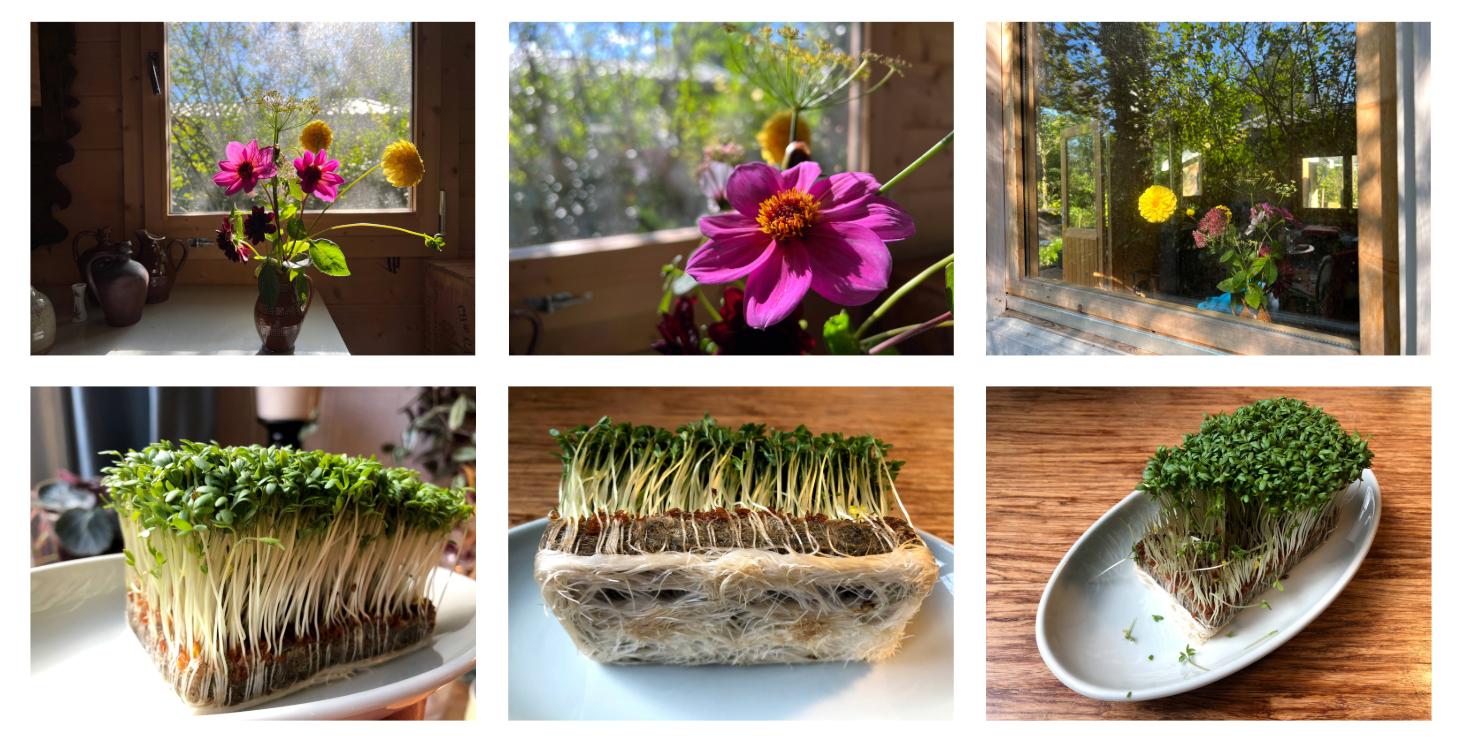
own work and you discovered some common traits. Now, create and share a
series of three images that portray an activity or experience from
your real life. Practically, anything
can be a topic, food, shadows, pet, your kids toys, making art, and even
the dirty dishes. Pick just one topic
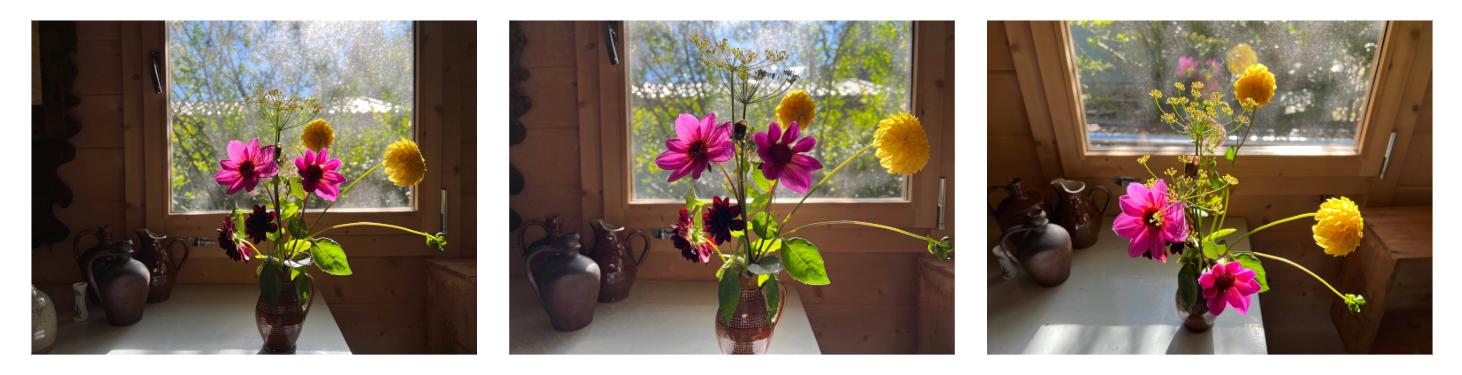
for three images. Make sure these images are different by varying
the angle, for example, the angle of your camera
towards the topic, and varying between close ups and wider lens
angles, for instance. And you can also change
what is in focus like so. Keep a possible customer in mind who could buy these and
how would they use them. Upload the series and a few words to your
project and comment on at least one project of a fellow student with some
constructive feedback. You can repeat the
exercise a few times to discover what gives you the greatest joy
in terms of taking the images and in
terms of the results. And both are important
because you will be spending a lot of time with the
images after making them. It is really a
lengthy job to select and edit all the images and
add them to your portfolio, give them the right titles
and captions and keywords. I will address
this whole process in the next class
in this series, and I will talk about
how to do all of this, so you will sell
more of your work. In this lesson,
you learn to avoid similars and create
a little series. In the next lesson,
let's step it up a notch and capture
some ideas or stories.
7. Create Images with an Idea: After shooting a
variation of images from your daily life and
combining them in a series, in this lesson, let's look at how to make them
even more attractive to customers by adding an
idea or story component. Straightforward images
and videos from your daily life can already
be valuable to customers. They can use them
on their website or illustrate articles. But what if you
could add more value by looking at the moments
of your life differently? In this lesson, I'll share a
few ways your assets can get another layer of meaning and become more valuable.
Train your eye. I often take out my phone to
capture the things I see. Many simple things are
beautiful and attractive or interesting or
straightforward ugly. And those are needed, as well. By shooting on a regular basis, your eye will get
trained and you will recognize interesting
moments quicker. Usually, I start just
capturing what I see. Then I pause and look
again. Can I see more? If I add, remove or change something or change
the angle radically, does it become more interesting? It can be difficult to recognize interesting topics if you
keep the task too wide. It can really help
to give yourself a little assignment like
shooting round objects, just shoot below your knee or choose a certain
colour palette even. Include point of view. Personal perspective shots are always wanted because
they are immersive. They feel like the viewer is
included in your experience. So if it makes sense,
include your hands, your feet or your shadow to
add an extra personal layer. You can also use
someone else's hands, which is easier to take a
good picture. See faces. Faces in objects always sell because they represent
people without showing them, and they're more
widely applicable. Somehow, the best faces are
not made, but accidental. So a fruit face on a plate
can probably sell, but accidental faces,
faces you discover, are often more interesting. I can't unsee this cute face that is always looking at me. Machines often have faces, too, or the knots in wooden planks look like dogs or other animals. And what about cutting
fruits and vegetables and finding a face or
another image inside? Next time you see a face
in your food or anywhere, capture it and play with it and try to make a
series out of it. Tip at the end of the shoot, cut up the vegetables
and film it or photograph it and make a soup and take a
picture of that, too. This way, you don't
waste anything and you create more
opportunities for sales. Note that this must
all be real and no AI. No serious platform allows AI. Customers don't want it. Even if they can use
AI with your image, you are not allowed to do it. You can use AI to remove
a logo, for instance. But even there, there
are some rules. So please read the guidelines of the platform before
you add anything. Your image may be flagged if you add it to your portfolio. Recognize a metaphor
and tell a story. I recently put this toothbrush
holder in my bathroom. Started noticing how the brushes were telling a story that can represent the concept of relationships or
human interaction. Turn this into practice. Play and be open to
surprises. Exercise three. Shoot a few versions of a regular moment and try to
turn it into a little story. Upload it to your project with a few words
about this process. After practicing
turning images of your regular life into imagery
with an extra layer of meaning, in the next and final
video of this class, I'll recap what we've discussed. And I will also
add a few tips on important things
you need to know if you want to start
creating stock now.
8. Recap & Important Tips: In this video, I'll quickly sum up the things I've
discussed in this class, and I will share
some important tips. I will dive into all of these things deeper
in future classes, but these are already important if you want to start
creating stock now. In this class, you
learned there are two main types of stock, creative and editorial that allow for different
types of usage. Then I shared why stock imagery isn't all that bad
anymore. On the contrary, it requires quality and realness and a smart
prediction of the future. By doing the exercises, you took a few first
important steps in creating a videography, photography or illustration
stock portfolio. You looked at the
work you already made and recognized your own
style and favourite topics. You then created a little series about a topic from
your personal life, and you added all of
this to your project. You went a step
further and added an idea and a layer of
meaning to your work. You also commented on at least one project
of a fellow classmate. Like I mentioned a few
times, more classes in this series are
in the making. In these classes,
you can learn how to improve your chances
of selling your work. I'll be sharing loads of tips, and I'll be sharing everything
I learned about what is necessary when you add imagery with people
to your portfolio. And if you immediately want to learn more about
working with people, just go back to my older class, The Authentic Portraiture
Toolkit, that helps you work with normal people
and make them come alive. If you are ready to take all of this seriously and
you want to start uploading images with
people or property, you must know that you can never do so without the people in the image or the
owners of the property signing a model release
or a property release. You will need their
explicit written permission on this official document. Otherwise, the images
cannot be sold. At least, this is if you
want these images to be part of your
creative portfolio. For editorial the rules
are a bit different, but I recommend always
asking people to give their permission so you can use the images the way you want. Please read the guidelines of your chosen platform
before adding any images. This also holds for property
like homes or artwork. These release forms are usually provided by
the stock platform. Or you can use a digital
app like Easy Release. And if you intend to
do a lot of shoots, I can highly recommend it, so you won't have to keep
repeating all the information. You only put it in once, and the model and
property owner just sign. It's very convenient. Something else that is
really important if you want your images to be eligible
to be used in advertising: You cannot use any logos, and you must remove all branding and
recognizable interfaces. This goes really far. Even these connections
and sockets must be removed as they can be recognized as being
an Apple product. Include copy space. You may have noticed
that many of my pictures have open spaces. That is no accident, and it is called Copy Space. So space where the customer can add their copy or graphics. I recommend you make
this a habit, too, so leave natural open
spaces in your work. Also add the words 'copy space' to your
caption and keywords. Well, that's it for now. I hope you've enjoyed it and
hope you've learned a lot. Go and practice a lot, even if you're not
ready to start your portfolio, and
do your project. Let me know in a short review how you've experienced
this class and follow me for updates on
new classes and giveaways. If you have a question, you can ask it in your project or in the discussions section below
this class. Happy creating. Bye.
 Lucy Lambriex, Creative Confidence & Camera Courage