Transcripts
1. Ultimate Wedding guide Intro: Would you love to plan your
wedding without the stress, One that all your
friends and family are left raving about
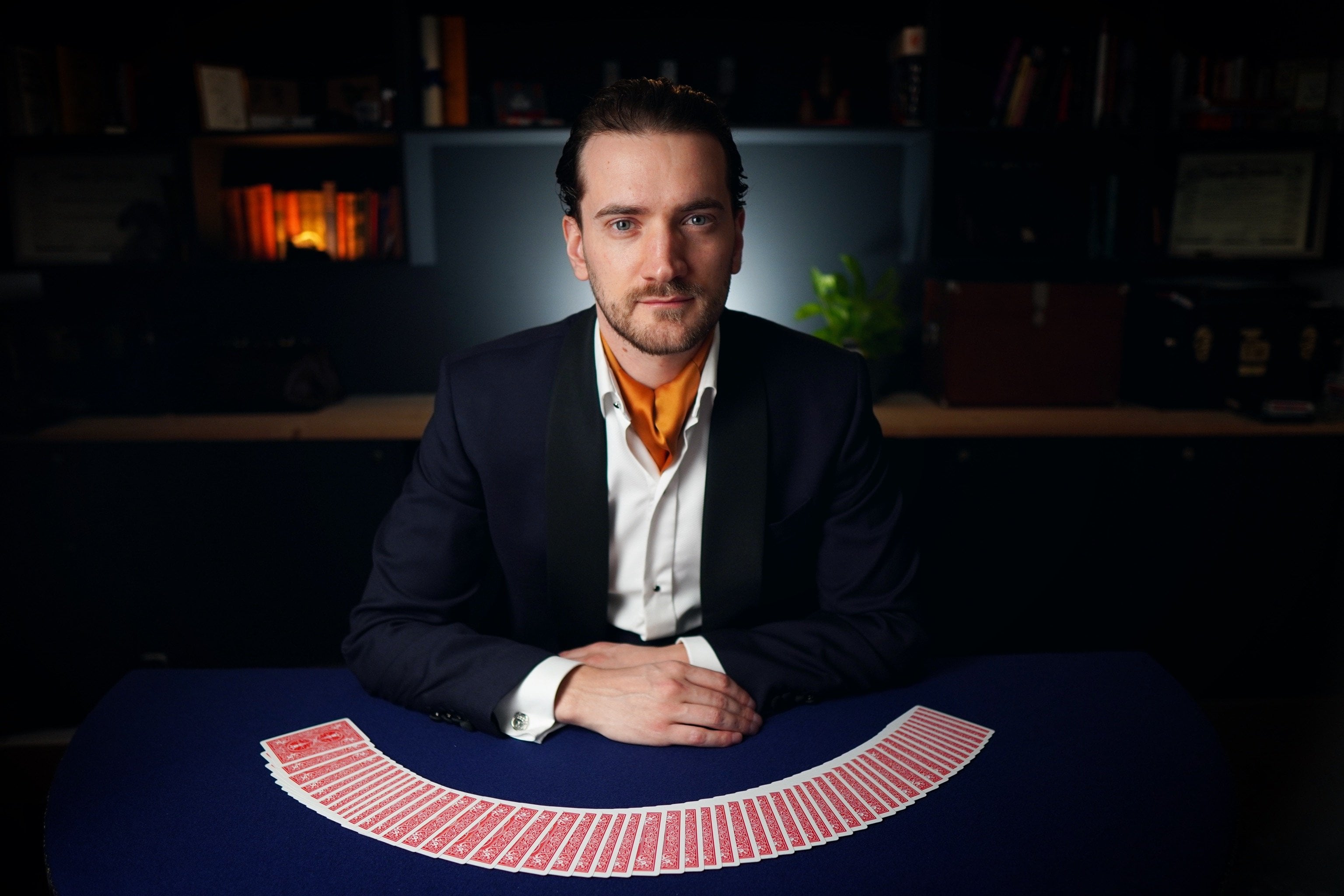
for years to come? Hello, I'm Matthew. I've been in the wedding
industry for over 10 years, working as a magician
and magical toastmaster. In that time, I've worked
with hundreds of couples who all want to make their
day, one to remember. I've also worked with
hundreds of venues and wedding supplies
in the process. This video series is the ultimate collection
of all the tips, tricks, and advice I've picked up along the way to help couples like you avoid the mistakes and
plan the ultimate wedding. Things as simple as
creating a wedding email, how to stay organized
with a wedmin, budgets, and invites all the
way through to finding the right entertainment and what to ask your wedding venue. There's a whole section
on design and even how to deliver a great wedding
speech with confidence. But I wanted to make this video series the best it
could possibly be. So I sat down and interviewed
a host of wedding experts, all sharing their
top tips and advice. You'll hear from an award
wedding venue manager, wedding planner,
florist, musician, DJ, photographer, all sharing their best advice to help you
plan the ultimate wedding. This series is jam-packed
with golden nuggets. Whether you're newly engaged or your wedding is just weeks away, there is something here for you. I've broken the series up
into bite-size chunks, so you can skip ahead to the lessons as they
become relevant. The project is to complete
your wedding planner, ready to hand over to the
organizer for the big day. By the end of this course, you'll have all the
knowledge you need to plan the ultimate
wedding. Let's begin.
2. Wedmin - Set-up & save time: [MUSIC] First up is wedmin. Now, love it or hate it, we
have to create some kind of a system that we can rely
on to stay organized. Planning a wedding
is a big project and it's very easy to turn into a hot mess with notes on our phone, photographs,
screenshots, 100 tabs open on our computer, brochures, bits of paper notes, all of this stuff
can just become strewn everywhere across
multiple devices. The best thing to do is to
keep everything in one place. There are three things that
is worthwhile setting up, the first one is creating
a wedding-specific email. What I mean by this
is an email which is just used for your wedmin. Now the beauty of this is
you both have access to that email and anything to do with the wedding gets
sent to that email. When you're speaking to
a supplier or you're speaking to somebody
that's going to send you some
wedding information, you use only that email, and at the end of the day, once your wedding is complete,
everything is done, you can then delete
the email account and you won't receive any spam, the project is
done as well over. Create something like
johnandjoan2024wedding@gmail.com. It's very easy, it's
something quite long, make sure you both
know it and you're using that when you're
communicating with suppliers. The second thing to set
up is a Word document. Now there's one reason for doing this and
this is to keep all of your screenshots and notes
and ideas and things you just throwing out there as you're collecting ideas
and all this kind of stuff, it needs to stay in one place. Because if you've got half of
your stuff for your phone, half of it on a laptop and
half of it on bits of paper, it's very difficult to
keep everything together. When it comes to doing
your wedding planning, you want everything
in one place. The other thing is to
create a Word document, and you can create two of them, one of them could be
called a brain dump, and the other one can be called the actual plan, for example. The idea behind brain
dump is you're taking all of those ideas
as you're collecting them and throwing them
into a Word document. If you've got a
screenshot of something, send it into the email, send it into the Word
document, do whatever, but keep it all in one place so then you can go through
that brain dump go, okay that's one bit
we need to discuss. Thought as you discuss it, you can take it over
to the actual plan, and then from that
point onwards, you can start making decisions based on whether you
actually want to do that idea or to
follow that supplier up. Or if you decide
not to then you can delete it and it's
gone from the system. You have one called brain dump, one called the actual
plan and you can work side-by-side using just two simple Word documents
or two folders, but don't make it too
messy would be my advice. The third thing is to
create some kind of an Excel sheet. How
do I spell this? Excel, there is a C. It's quite an Excel sheet to
keep track of your budget. It's very easy for couples to go over their wedding budget. To set a bit of a joke really in the wedding industry
because to be fair, you only get married once, hopefully in your life, and understanding how much things cost and
getting a grasp of just the amount of things that you'd like to
book on your wedding day, it can just blow out of
proportion very, very quickly. Creating a budget and having an idea of how much you can actually spend on your wedding, and maybe going out there having a discussion with a few venues, a few caterers, photographers, and just getting an idea
of how much things cost, it can quickly go into the
tens of thousands of pounds, just to give you a heads up. Create a budget of something
you can actually afford over the time span that you're
planning to get married. Creating an Excel sheet will
keep you from going over budget and it will also show you where your
money is going. Here's the three main things that you need in order to start planning a wedding and doing it deliberately with
some organization. There are three ways
you can do this, the first one is to go analog, get yourself a binder,
call it wedmin, buy yourself a bunch of plastic sleeves and you can keep stuff like
business cards, notes and you can print
up pieces of paper, chuck it all in the same binder, buy yourself some dividers,
and you're good to go. Whenever your doing
wedding planning, you grab the binder, open up your emails, and you're done. You can also keep your
budget sheets in here as well rather using Excel if you'd prefer to go more analog that's
one way of doing it. The other way of doing it
is by using your computer, setting up a folder
called the wedding plan. Having two folders in there
or two Word documents, one called brain dump and
one called the actual plan. Brain dump is where
your ideas go, the actual plan is where you
start filtering things from brain dump into there as
you start making decisions, and finally using an
Excel spreadsheet. Just keeping everything
all in one place. As you thought with an
idea or your phone, or you take a picture
of a business card, you can just throw it in there. Now the third way
to do this is by using an app called Notion. Now with this bare-bones
Notion is a note-taking app. You can sign into it,
create multiple folders, and keep track of lots
of notes in there. For example, you
could have one page called suppliers and keep track
of all of your suppliers, who you want to contact, who you are, invoices to, etc. That's one page. The second page could be called guest list, keeping track of who's
RSPVD, who hasn't, who needs following up, who's choosing what
meal to have, etc? You have a third
page called theme, you could throw all of your photos and ideas that you've screenshot
on your phone, that can all go into that page. It's just a way of organizing your ideas all in one place. Whenever you open up Notion, you go into your wedding
planning folder and everything is in there on
lots of different pages. I personally use Notion to run my business and any projects that I've got going on both professionally
and personally. It's a really great bit of kit. The advantages to it are you can access it using your
phone, your computer, or your tablet, and it
updates instantaneously. If you can both be working on the same document at
the same time and it will update for both of you as long as you're
connected online. Another advantage
is you can give other people certain access. If you've got a wedding
planner that you'd like to have a look and
review your plan, they can make comments. They can also make
edits so you can change their permissions, and you can basically
give the link out to certain important
pages to your guests. If you just want to see one page which is
maybe your RSPV, or for them to select what meal they'd
like for the wedding day. You want to do that online, you can do that using
Notion quite easily. Again, you can keep it as simple or as complex as you like. I've actually created a template especially for this video
series so if you're interested in getting
that we spent a little time making it
as good as possible, that'll be available
at the link below. To recap, the first
three things you want to set up is a
wedding-specific email, some kind of a Word
document to keep track of all your
ideas and your plans, and an Excel spreadsheet, something to keep
track of your budget and where you're
spending your money. You could do that either by
going analog using a binder. You can go on your computer, set up a few folders
on there with a few Word documents in
an Excel spreadsheet. Or you can go with
something like Notion and set it up
on there as well. That brings us to
the end of wedmin.
3. What matters most? - One thing each: [MUSIC] What matters most? I think this is a really
important question that couples often forget
to ask themselves. Once you've answered
this question, I think it gets you
both on the same page and it also makes
decision-making a lot easier because you have a foundation in order to
make those decisions. I've reduced this down to five or six questions
that should help get you on your way. The first one is, how do
I want my guests to feel? That can affect your
choice in music, and the choice in format, and the choice in
entertainment that you book. The second question is what
do I want them talking about? Now, to get them talking about your wedding
day is quite easy. You seem to think of
a few things that stand out on the day, and it really depends down to personal taste and what
you want people to be talking about your day that will govern what way
you spend that money. If you want them talking
about how much fun they had, then looking at
the entertainment and spending more of your
budget on entertainment. If you want them
talking about how beautiful the room looks, then spending more on decor and flowers and all that good stuff. Really thinking about what
you want them talking about can govern where your budget is spent
and how much of that budget is spent
on those things, which is the same thing. The third thing is what
do I want to avoid? Thinking of things
that you definitely do not want on your wedding day and both of you sharing
that list with each other, you might find some clashes that you might need
to compromise on. Thinking about what we
want to avoid can be really useful question to
ask yourselves as well. The next question is, what do I remember most from
the last wedding I was at? This can really
help with getting an idea of what guests actually
remember from a wedding. I've never heard anybody say, I went to Jimmy and Jones
wedding and oh my god, their wedding cake was amazing. I've never heard somebody
make that statement. I've heard people make
statements about music, about something funny that happened and the people
that were there, the stories that were told, potentially amazing
fireworks or an entertainer that was particularly
stand out on the day. But generally speaking, they're not going to be talking
about your table favors unless they
really are amazing. I've never heard
anybody talking about table favors from a wedding day. It really gives you
an idea of what you actually remember
from our wedding will probably be a good idea of what other guests will
remember about yours. What was bad about
the last wedding? Now it's probably a
friend or a family the last one you went to, but thinking about what you didn't like from
that day can be really useful in narrowing down what you're going to be
booking and what you want to avoid for your day. Just thinking about a
few weddings I was at, what did I not like about
those days or what did I feel wouldn't suit
me on those days? Asking yourself those questions
can be really useful too. What was good about
the last weeding? What things that you
want to steal and pinch from those or ideas
that you want to get from those weddings that
you can also utilize on your day can also help
make some decisions. If you really like to
table favor that they had and you want to
do the same thing, then tick that decision
has been made. You're golden, you can
move on to the next thing. The last question
which I think is a really good one
to ask both of you, is what one one
do I really want? I think it's a nice
idea that both of you get one thing that you
get a definite yes. When it comes to all
the other decisions you can make compromises on, but what's the one thing
you do not want to compromise on and you
definitely want on your day? I think that's a really nice
way of finishing this video, is asking yourselves
that one question. It can really help
give you an idea of what's really
important to both of you and asking all the questions can really help narrow things down and hopefully bring you both on the same page. [MUSIC]
4. Budget - Keeping track: [MUSIC] The wedding budget, definitely not the most exciting part of
planning a wedding, but it is one of
the most important, is understanding how
much you can comfortably afford to spend on
your wedding day. Notoriously, couples are spiraling out of
control and going over budget because they
either didn't budget earlier on or they
just fell in love with so many things
they just thought, okay, we'll get a loan and we'll be paying this
off for the next five, 10, 15 years. If you don't want
to be doing that, then definitely sit down
before you do anything else and figure out what your
budget is. It's very easy. If you've got your
wedding happening in a year's time or two years time, sitting down and figuring
out how much you can comfortably save each month
over a period of two years, and that's the budget
you've got, roughly. If you figure out that
you've fallen in love with the venue and that doesn't
quite match up to the budget, then maybe pushing
your wedding back another six months or
another year might help you manage the expense
of the wedding day better. What I'd hate for you to do is to start looking
at suppliers, decor companies, and venues that you then fall in love with, and then you do the maths
on the budget and you realize that's taken up
80 percent of our budget, we're going to have to scrimp
and save on food and drink. Maybe we can't get
the installment we wanted and start
having to make cuts in places where you don't really want to be making cuts
because there are so many components that go together in making
your wedding day. Something that you love, but
also something guests love, it's not all about the
venue and it's not all about one single component, it's about everything
coming together. Figuring out your budget early
on is highly recommended. At the end of this video
series is going to be a bonus section and I'll be making a video on
top money-saving tips, so you probably want to
check that out as well.
5. Venue, Date & Wedding officiant: Next up is finding your venue, booking your date and
your wedding efficient. The first thing you
want to consider is the style of venue
you're going for. This goes back to what
matters most so do both want to get married
in a barn type of venue, a castle, a manor house. There's a plethora
of different places to get married nowadays, but finding something
that fits you both is probably the first
decision you want to make. The next thing is
looking at your budget. How much have you got to
spend on your wedding venue? This will help narrow down
your search once again. The third thing to
consider is the location. Do you want to get
married close to your home to make it
easy for yourselves, or do you want to
get married in a location which is closer for the majority of your guests? Considering where the majority of your guests will be traveling from, especially
elderly relatives, are you going to be arranging
accommodation for them, it's something to consider if it's far away from their home. Once you've got to all
those under our belt, the next thing to consider is, does the venue want
accommodation attached to it or do you want
accommodations being hotels and things
away from the venue. The other thing to consider, although not a necessity, there are some venues that have additional accommodation
available for close family members
and elderly guests to make that trip a lot easier
and manageable for them. The next thing think about is the number of guests
you have in attendance. We'll come to the guests
this later on down the line, but it turns to an onion, and there's almost like
close friends and family then like cousins
and then workmates and then social
clubs and can get quite wildly out of
control quite quickly. Having an idea of
how many guests you want to be on
your wedding day, it gives you an
idea of the size of venue that you'll be looking at. You can go for something
which maybe has a 200 person capacity and you fall in love with
that venue, however, if you're only
inviting 60 guests, then that space is going
to look pretty empty in comparison to the photos that you might be seeing
on their website. Whereas at full
capacity and feels, so full and vibrant, having just 60 guests
in a 200 person space will feel quite sparse so just have that in the
back of your mind. Another thing on that point is some venues will have a
minimum person spend, so even though
you're only having 60 guests and their
capacity is 200, they might have 100 person or 150 person minimum
spend on the venue. You're essentially
spending money, almost double the money over double the money on the
guests you'll be inviting. To have that in the back of
your mind as well and asking those questions for your
wedding venue is worthwhile. Once you have all of those
things checked off the list, we can then start going on to Google and doing
a bit of a search. For example typing in
wedding venue barn Cambridge will bring up a list of venues
available in that area. Starts short listing
them you can quite quickly start looking at
venues, size, capacity, the ones that you
like, the look of, you might get down to
maybe three or four. Put those in your shortlist
and then you can start arranging viewings and
getting more information, looking at brochures to get
an idea of what is offered, more packaged deals
they have, etc. This brings me on
to the second part, which is looking
at what season you get married and what
day you get married. Depending on the season
will depend on how much a venue will charge for
that particular day, for that particular
time of year. For example spring and winter weddings tend to be slightly cheaper than summer and autumn weddings it's
not always the case, sometimes there's a premium on different seasons of
the year depending on what type of venue you're going for and the location
of that venue. But considering that
there are cheaper times a year may help you get more towards the dream venue that you want rather than trying to
have something in the summer, you can make that
compromise having something later on in the year. Another thing to consider having a wedding later in the year, you get nicer sunsets and you get a few more photos
earlier or in the day, just something to
throw in there. The next thing to consider is the day you're getting married. Getting married on
a Friday, Saturday, or Sunday tends to be
more expensive than getting married midweek,
Monday to Thursday. Again, if you've got
a dream venue and the day doesn't
matter to you guys then getting married midweek, you can save a few pennies
on the venue hire there. Once you've found your venue and you've booked
your wedding day, the next thing to hire is
your marriage efficient. This would be the
person that will be marrying you on the day, so it depends on the style of wedding or the religion
that you follow. One question to ask them is, are there any restrictions
around the ceremony? Things like the use
of photography, flash photography, confetti in the ceremony
space, things like this. Some wedding
efficient, don't like the use of photography
during the ceremony, I think it's a real shame and it can be quite disappointing
for couples when they find out a few months
down the line after the fact. Do ask that question upfront to make sure you
avoid disappointment. There we go. I
hate for you to be disappointed later
down the line. That's everything
to do with venues, date, and booking your
marriage efficient.
6. Venue open days - Checklist: [MUSIC] Next up, our venue
viewings and open days. It's really a good
idea to go along with a set of questions that
you might have in mind, to ask the venue, such as latest closing hours, opening times, any
restrictions on confetti, fireworks, additional lighting, certain dressings that maybe
you can't change the room. Some of these spaces
are listed buildings, and you can't make
certain changes to them, so it's worth
asking the question upfront to avoid disappointment
further down the line. While you're there, get an idea for what the staff
are like as well. Do you get along with them? Do you vibe with them? Do
you share a sense of humor? Once you've booked
your wedding venue, you're going to be
working alongside the venue organizer leading up to and on the actual
day of the wedding. If you don't get along with these people then
you can just cause more friction and make the whole planning process a
lot more stressful. Try to find a venue that
a, you fall in love with, but also be mindful of the
people that are working there and they're going
to be taking care of you in your wedding journey. It can really make
a difference into how enjoyable that
experience is. Do pay attention to that. Finally, just have fun.
Go along to these things. Sometimes if there's
an open day, there might be some
entertainment, some nibbles and
drinks and things. Have some fun with it and enjoy your venue search experience.
7. Invites - Who, How & When: [MUSIC] Invites. There are lots of different ways you
can invite your guests and there are a lot of ways
you can collect responses. You can use email, you
can use a WhatsApp group. You can send away
personalized stationery and get it asked for
a postal response. You can use a Google capture
form or an online website. There are lots of
different ways to do this. I highly recommend you choose
one and stick with it. It's very easy,
it's turning into a hot mess with lots
of different invites, some responses coming
from different places, and keeping track of them all, it just turns into a bit of
a nightmare so asking guests to respond in one way, is
why I would recommend. There are a few different
things that you need to put on your invites, so you got the invites up here. The first thing you
need is the date. Make sure it's the correct date. Double-check, triple-check
the dates on your invite. If you get that wrong, you
have to spend a lot of money and there's a lot of logistics involved in correcting that. Get your date book, Tim. I have it confirmed and
stick it in the invite. The next thing is the
time, arrival time. Remember what I said in a previous video,
which is the fib, tell a bit of a lie to
your guests and say the ceremony time is 15 minutes earlier
than it actually is. This will make sure
that no guests miss out and nobody turns up
too late hopefully. Next is the location. The location gives people an idea of where
it's going to be, but also how much travel
time is involved in that. If it's abroad or if
it's quite far away, they need to make that call and that decision as to whether
they can make it on the day and whether
they can afford overnight accommodation which brings me on
to the next thing, which is if it is in a location where some
guests that can be traveling quite a distance is to include some
accommodation. Usually, a venue will have some deal
with a local hotel, or a local bnb, or whatever for accommodation. Do speak to your
venue about that. They might have some
deals going on. Or if you're booking your venue with accommodation on-site, they'll tend to have some deals with the amount of
rooms booked as well. Include accommodation
options for your guests too, and prioritize that
accommodation to guests who are traveling from further afield and also elderly guests that
might not be able to do quite as much traveling
as the youngsters might. Date, time, location,
accommodation. Next up is dress code. I can spell here. That says code by the way. Giving guests an idea of what they should wear
on your wedding day, just reassures them that
they're not going to turn up overdressed
or underdressed. If you go for black tie, then say cocktail
dresses and black tie. If you're going for
a smart casual, then say smart casual, but just let guests know how they're expected
to dress on the day, just to make sure
they all fit in. Next up is the meal options. If you have spoken to your venue about
the meal options then it's worth
including this on your initial invites if you can. Sometimes you have to
do this in two lots. The first invite will be, can you come or not? The second invite might
be a meal option. You can do the first one using really fancy stationery
and get those responses. The second one can
be as simple as a WhatsApp group or a
Google form online, just to keep
everything organized. But if you can't get
your meal options in the first one,
then go for it. You're hitting two
birds with one stone. If you have option A, B, or C, one is the chicken, one is the beef, and one is the vegetarian
option for example. Next up, underneath the meal options
and attached to it, are any dietary
requirements. Up at diet. I just make spelling
easier for me. But dietary requirements
really important nowadays with not allergies,
and other allergies, and other intolerances just making the venue aware
of who has them, how many meals to make. It's just worth getting that in as well because you will be asked that question
by your venue or caterer at some point. You're just making
sure of where you stand with all your guests
is really important. The final one is how to respond. How to respond, very important. You want them all to
go to the same place. If it is, scan this QR code and choose your options online, you've got to go super
techie with it, go for it. If it is as simple
as WhatsApp me your response yes or
no to this number, then that's another way
of dealing with it. Another one might be
email, a postal response, whatever it is, make sure all of them are going to the
exact same space. Otherwise, it just gets messy. That's the whole point of this lesson really is just to stay organized with your invites
and how to go about them. That's pretty much everything
as far as invites go. There is a really
neat trick that a friend of mine,
a wedding planner, Haley Evans has from
major wedding and events. In fact, I'll let her deliver
this message to you now. Isn't that a fantastic tip? Some people might find it
a little bit too harsh, but it's up to you to soften it or make it sharp as you'd like
to get those responses in. The whole point behind that little trick is
the nudge people to go, I really have to
deal with this right now because I don't
want to seem ruined. That's what makes
it so beautiful. It will get responses. It's a great little hack
to make sure all of your guests have responded
promptly if they're going. That brings it to
the end of invites. In a nutshell, include all
the important details. Try and get as much information
on there as possible. Have one place to collect all of your responses to
stay organized.
8. Format & TImings - Overview: Next up is the format
and the timeline. What this does is it gives us a zoomed out view of the day and it helps us visualize the experience that
you're going to have, but also the experience
of the guests as well. Now, bear in mind, I'm
going to be basing this timeline on what
I'm most familiar with, which is a traditional
British wedding. I have worked at Jewish weddings and Indian weddings also. They have slightly
different timings and a few different bits and pieces, but overall, the format
is very similar. Hopefully, there'll be
something of value in this but the main takeaway from this video is to create a
timeline for you to focus on. It helps you divide
the day up into easily managed
bite-sized chunks. Very easily, get yourself a piece of paper or create
a bullet-pointed list. We're going to start.
We're going to have a finish time of midnight because that typically seems to be the time the party ends, either 11:30, to finish time the venue
needs to start packing up. Some venues do have
an additional hour. You can book at a premium, but we're going to
use midnight just as a arbitrary finish time. The first thing is
guests arrival. After guests arrival,
there's the ceremony. Who knows what happens there. After the ceremony is
the reception drinks. We then have a wedding
breakfast, which is the meal. Then you have the speeches. After speeches, we have
evening guests arrival, if you're having
evening guests arrival. Then after that
we have the cake; cutting of the cake
and first dance. Then the rest is
just party time. From here to here
is just a party, which is why we're
all going, right? Now, this has
mapped out the day. This immediately helps us visualize what the day
is going to look like. Even without putting
timings on this, we've divided the day up into 1, 2, 3, 4, 5, 6, 7, 8 parts. Now, we can start focusing
on individual parts, and it makes the whole
decision-making process a lot more manageable
and easy to digest. Hopefully, this has
given you an idea of a timeline and what
timeline should look like. I know it seems very
simple but I've spoken to a number of couples and
like speaking to you, we didn't have any idea what the day was
going to look like. Spending 30 seconds to a
minute just going over the timeline really curves in these key moments
throughout the day and it makes the decision-making
process so much easier.
9. Format & Timings - The Details: [MUSIC] This is a
typical timeline. The next thing to
consider is how early to start because
the earlier you start, the more guests will be flagging in energy by
the end of the day. If you want them to be really
up for a party and all for it then start
your ceremony time a little bit later in the day. If you want to make the
most of seeing guests that have traveled from
far and you want to get loads of photos in, and you just want to have a
really casual time and guests can go away halfway
through the day and come back for the party then have an earlier ceremony time and spend more time during
reception drinks. I would say on average the majority of weddings I go to guests don't tend
to have a break. When they do it's
at a venue which has lots of accommodation
and guests are expected to book a room
in the hotel or venue wherever they're
having the wedding so it's just something
to bear in mind. My advice would be to start a little bit later on
in the day just so you have more energy for the party
later on and also you can get more out of the morning by looking
forward to the ceremony, getting ready, and having those pre-ceremony shots with
your photographer as well. That's just my personal opinion. Let's say guest arrival
is one o'clock, so we'll go on PM. From guest arrival to
the ceremony time, half an hour is advisable. I would say this
is the only time that you should lie to
your guests and say that the ceremony time is 15 minutes earlier
than it actually is. If you don't want guests to miss the ceremony then
just lie to them a little bit and just say
it's 15 minutes earlier maybe up to half
an hour earlier. I have been to a couple
of weddings more than enough where guests
have either been late, haven't made it, or
got caught in traffic. There was one occasion where the guests were
staying in a hotel, they were getting coachloads in, one or two guests were
late for the coach. They made the
entire coachload of guests late and they missed the ceremony so the bride wasn't too pleased with
that as you can imagine, so just fibbing to guests and letting them know that it's 15 minutes earlier than it is, just gives you a
bit of a lay way, a bit of a buffer for time to make sure everyone's
going to be there, that you want to be there. So we're going to say the
guest arrival is at 1:00 PM, this will be the
actual timeline. The guests arrive
at 1:00 PM we have the ceremony at, let's say 1:30. Serving usually takes
half an hour and if the ceremony and the
reception drinks are happening on the same site, then allow half an
hour for the ceremony. If you're having a
different type of ceremony then allow for that, but do speak to your
venue organizer, they will know the
timings much better than anybody else because
they work at the venue with
certain suppliers. They've got a much clearer
idea of their timeline, but this is to
give you a typical wedding day that I'm used to. So 1:00 PM, ceremony is 1:30. We then have reception drinks, if the ceremony is half an hour that brings us onto 2:00 PM. Now reception drinks; The longer these
are the hungrier the guests get and
don't kid yourselves in thinking that the canape
is going to fill them up and the drinks are
going to be enough. An hour and a half is about the right sweet spot for
any number of guests. I think if you've got 200 guests they can get away
with two hours, but if you've got
anything less than that then an hour and a
half is the sweet spot. Imagine having 50 guests
hanging around for two hours, it's just not great. Unless what you want on the day is to have
people super relaxed, chilled, comfortable, chatting, but do bear in mind they're
going to be hungry and just don't kid yourselves that
the canape is going to be enough food to tide them by. For some reason wedding
guests don't eat before the wedding day either because
they need to get ready, they are going to
make themselves look as good as possible so they don't tend to get
food for whatever reason. Also they're anticipating food on the day so you should
be looking after them. But an hour and a
half is a sweet spot. Reception drinks, that
brings us to 3:30. Guests get called to the meal, [NOISE] then there's
a 15-minute gap for guests to actually take their seats and then for
you to make your entrance, so the meal won't
start until 3:45. Basically so I'll
put 3:45 just done here because I've mentioned it, we'll put, service starts here. Depending on the number of
guests you have, the venue, how many courses you're
going for as well, it can all vary in how long this meal section
of the day happens. The wedding breakfast typically it's between two hours
and two and a half hours. It doesn't tend to
take longer than three unless you've got particularly
slow service and a lot of guests so I'll build in two and a half hours for this just to be
on the safe side. We have, that is 6:15. That's when your
speeches will be happening so the
toasting drinks go out, at that point the first
speech is introduced or the first person doing
the speech stands up. Speeches go under away. When it comes to speeches
timings can vary massively. If somebody has
written their speech and they're reading
it out loud with a timer at home it might
be a seven-minute speech, but when it comes to performing that or delivering that to the wedding party it does get
stretched out much longer. "I've been told my speech
is only five minutes, my speed is only 10, seven," it ends up turning
into an hour quite quickly. So I would say doubling
whatever times you get from the best man or
anybody doing speeches, just double the time and
you'll be safe within that. Because you have to allow
for ad-libs, heckles, people being a little bit drunk, these things happen, so things don't happen
quite as planned prior so double
up your speeches, but I'd say typically speeches are 45 minutes if I was
to pick a sweet spot. I've been to some speeches that have been an
hour and a half, some have been just
15 minutes long. So it really depends on
who's doing the speeches, but as a ballpark figure
45 minutes is about right, which brings us
to seven o'clock. This is when your evening
guests will start arriving. It's for about 6:30-7:00,
so it wants to be during the speeches-evening
guests arrival time, goes overlap because you
want to have a number of guests to start filling up the bar area before the guests are let out of
the wedding breakfast space so just let them start to mingle into
each other and start to brew in numbers during
the speeches in the bar. Hope that makes
sense. Speeches into evening guests arrival,
seven o'clock. During this I would say, telling your evening
guests to arrive at 6:30 because there's an half an hour fashioned for anybody
to be late to business, at least here in the UK. I know in other cultures
people are much later but here in the UK about half an
hour is a sweet spot. So I'd say telling
your evening guests to start arriving
from 6:30 we'll have the majority of them there by seven which then
lines you up for the cutting of the cake
and the first dance for about 7:45. If you want to allow space there for your
photographers take you out for 20 minutes to
get some sunset shots, some shots around the
venue you're in and just go for those arty shots
that couples really love, so allowing some time there
and also some time to take a bit of a
breather to yourselves and just enjoy the
day as a couple. Depending on the photographer, sometimes going out
with the photographer they'll encourage you just to do your own thing and they'll catch those natural shots as you're
walking around the grounds. We've got even guest's arrival, end of the meal
starting from seven, then you've got cutting
of the cake happening at 7:45, all being well. The cutting of the
cake tends to go straight into the first dance, so there'll be a cutting
of the cake which brings the either
wedding organizer or if you've hired a
Toastmaster on the day, will gather guests around the cake or the
photographer even, if you've got a vocal
top photographer, which I highly
recommend inquiring, is your photographer prepared to manage guests and tell
them where to go or when, really helps on the day. If not then using the
ushers to your advantages and telling them to get
all the guests around, give them jobs to do
really helps too. You've got everyone gather around this
cutting of the cake, you get your photos. Everyone's already got their
mobile phones out there taking photos of you as a
couple cutting the cake. Once that cake is
moved off to the side goes straight into first dance. Sometimes this can change
because your band hasn't arrived on time or
they need to do a sound check and there's
a room changeover period. Sometimes that's
either, it could be as little as half an hour or it can sometimes be as
long as an hour and a half, unusual, but it's around about 45 minutes is about sweet spot for having
a room changeover, band or sound check, they've already set up, etc. I think 45 minutes
is about right. Your evening guests
arrival, cut the cake, first dance at 7:45, they are used into
party period here. Now you've got about
so from 8:00 PM, once the first
dance is finished, 8:00 PM until midnight. That's a good four-hour period for guests to have
fun, have a party, there's enough
energy in four hours to have a pretty good night. If we were to start
the ceremony at twelve o'clock that's a whole
hour and a half earlier, so the cutting of the cake and first dance would be 6:15, which I think is a
little bit too early. That's a long period
of time for guests to be partying and going all out
with the drinks and things. It's a long period for the
evening guests as well. I think going to
an evening party, you don't want to be there for half of a day is
quite a long time, a six-hour period,
including travel, it's a long time. So I think having a nice, dense party period is
really worthwhile. See you. Hopefully this has given
you a decent idea of what a typical wedding day will
look like and the timeline. Make it suitable to
you, to your venue, do speak to your wedding planner or your wedding
organizer on the day, they'll have a much
better idea of how the timings work at
that particular venue. If you've just got a
dry-higher venue then speak to a wedding planner or plan out your timeline
nice and tightly. Do get some advice
from other people, when you're speaking
to your suppliers, to your band, to
your photographers, to any other entertainment
you've got that's going to be helping
you on the day, it's worth speaking to them
so you know typically, when would you work
up until typically? How long is reception
drinks typically? Just asking those questions
can really help create a timeline that's suitable for you and that works
with your suppliers. That's everything for
Format and Timeline, essentially get everything
down and turn it into bite-sized
chunks. Have fun.
10. Suppliers - Find your people : [MUSIC] A quick word
on suppliers are really wants to
include this because I think it's really important to think of your
wedding suppliers on the day as your wedding team. This includes everyone
because together we're creating a day which
is perfect for you. Now you can break this
team up into two groups. There's the back-stage staff and the front of house staff. Back-stage are people
that get there before all the guests
before you're there and they're getting
stuff ready for the day. These are people like your
florist and your decor people. It's important you
get along with them in the planning process, on the date as long as
the place looks great. There's nothing
else to consider. Whereas your front of house team are people like your
wedding planner, your toast master,
your videographer, photographer, entertainment,
music, catering. These are people that
are interacting, not just with you, but also with your
guests and each other. It's really important to make sure that you're
booking people that you get along with
and that you vibe with. I think it's so
important to avoid any level of stress
throughout the day, so making sure that you vibe
with these people is so important and making sure that they get along with each other. The best way to do
this is to meet people in person if you can. If there's an open day or
a wedding fair happening, then go in to those days, interacting with these
people or having a bit of a chat is one way to do it. Another way is to arrange a coffee for half an
hour or whatever. If you can't do that with
some of the suppliers, they might do that or they
might have a studio or a place where they work out
of that you can go and visit. Do bear in mind suppliers
are very busy people, so it's difficult to take an hour route to go and
visit a particular client, is something I
personally used to do and I ran out of time
to be able to do it. The way I do with my clients
is I go with a Zoom call. If they've not had a
preferred supplier venue that I'm working at, and they can't attend
the open day then I have a zoom call with them
and have a bit of a chat. It's an opportunity just
to build a bit of rapport, make sure that there's the vibe with these people
and you get along with them, because if you don't,
then it can make the whole day way
more stressful. At the very minimum, have a phone call and then
next up is a Zoom, and then next up from that is an in-person conversation
just to make sure that you get along
with each other and you're on the same page. The other thing to consider
here is making sure that the suppliers on the day
get along with each other. I think the two main people that can get on each other's
nerves that I've experienced are
videographers and photographers getting
in each other's way. They're both there
on the day to do a job which is to
capture your day, but sometimes they can get in to each other shots and they can be a bit of a power struggle between I need to get the
couple over here because I need to get this perfect
shot in this location, at this venue, and the
photographer will have a different mindset and they want to take them another way. You only have a finite amount
of time to get those shots. Putting these two people
in contact or even having a Zoom meeting
with all three of you so you have a
clear plan of what's going to happen avoids
all that stress. It will also alleviate
the stress and anxiety the photographer and the videographer might have prior to the wedding day going, I need to manage this. It's just good to get it all out in the open and say,
this is the plan. The first thing is
we go into this location for these shots, this location for these shots, sunset shots, done. Just sharing the time between
the two I think it's really important to nip that
in the bud early on. There you go. That's my
$0.02 on wedding suppliers.
11. Photographers & Videographers: Photographers and videographers; I think there are three
useful questions to ask. The first one is about style, do they fit your vibe? The second one is, have they went to
the venue before, and the third one is
can they work together? Starting with style, definitely go out there,
go into Instagram, go onto Pinterest,
go into Google, find local businesses and
check out their work. Do they fit the style
that you're looking for? Find out what you like
and what you don't like. Someone are really arty, some like more natural shots and some go for more
formal group shots. But definitely check that
out and decide on a style, that's the first thing
to get out of the way. The second thing is
to find people in the area that you're getting
married or local to you. A useful thing to ask
your wedding venue or organizer is asking
for recommendations or recommended supplier list. Generally speaking,
finding a photographer that's worked at the
venue previously, they'll know how the
venue operates, already, and they'll know
the best places for those shots so they can keep that time
period that you have for your reception
drinks as tight as possible so you have more time
to spend with the guests. Hiring someone that's already
familiar with the venue is a really useful
thing to keep in mind. The third thing
is, can they work together with each other? One thing I've come into over the years is
occasionally there'll be a photographer and
videographer that just they don't work
well with each other. I can hear them moaning about each other when
I'm speaking to them. The main issue is they
get in each other's way. You've got a photographer
trying to get photos in, and you've got a videographer
at the same time trying to capture moments
throughout the day, and they can often get
their wires crossing, just get in each other's way. The videographer doesn't want a photographer in the
shot taken photos, and likewise, the photographer doesn't want the videographer
getting in the way. Making sure you hire two people that are going to be able to work with each other
is really important. Now a way around this is there
are lots of companies now that are providing
both a photographer and a videographer, and this is really beneficial. Because again, it keeps that
timeframe really tight, because they'll have a
method of working that allows the photographer and the videographer
to work in unison, but they won't be getting in each other's way
because they are used to have each other
work and they can communicate really effectively. If you get two different
companies involved, then it can cause
a little bit of friction and it can
just take lot of time in order to over-communicate
what each needs. I'm thinking of a company
that does both is great. I would suggest finding a company that does
both really well. Some companies have
videographers kind of an add-on, so something that they can do, but it's not what they
specialize in and likewise, you can have some videographer companies that have
a photographer, which isn't their main thing, but they can do it. Finding somebody
that can provide to the quality that
you're happy with, I think is really important. Another route to go down is
finding that if you find a photographer that you
really fall in love with, then ask them, do you know any videographers that you regularly work with, that you'd be happy joininig you on the day and they can team up and that happens
a lot as well. I've been to a lot
of weddings where you've have two
separate companies, but they work together a lot and that's just how they work. Those are the three
main questions to ask. Once you've created a shortlist of photographers
and videographers, I suggest the next thing
you do is to arrange a Zoom call or a phone
call at the very least, just to check in with
them and see if you share a sense of humor and
you've got the same vibe. The last thing you
want is somebody here has really great work online, but when it comes to the day you feel uncomfortable around and you feel a little
bit awkward and maybe you don't share
the same sense of humor. Because they will
be with you for the whole day and they'll be
with your guests as well, do bear in mind when you're getting ready in the boudoir, will I be comfortable with this person around me
taking photographs? Because if you wont, then it
just adds another layer of stress that you really don't
lead on the wedding day. So do have a Zoom call,
have a phone call. If you can meet them in
person on wedding fair or an open day or
meet up for coffee, then that's definitely
an added bonus just to see if you
vibe with that person. The next thing to do is
in those meetings is to ask them questions
about how they work and also get a clear idea in your mind of what kind of
shots you really want. Because the important
shots are the ones you want to cover
straightaway at the very early on in the day
and get those checked off the list first and then
anything else is a bonus. If you're really hell-bent on getting loads of group shots, then go for that and that's the first thing you're
going to start out with and then the rest of them can be natural shots if
there's enough time. The wedding day just goes in an absolute flash,
it goes so fast, so communicating effectively
with your videographer and photographer what you
want and what you need from the day is
really important. A lot of conversations
I've had when I've spoken to these people is they've
said the best clients, the ones that communicate really clearly what they're looking for and what they're
not looking for. Getting that across is really useful for
everyone involved. Do bear in mind if you do want lots of group shots
or you've got lots of ideas for photos
around the grounds, etc, then these
things do take time, so do prioritize them for your videographer and
photographer so they can manage the time effectively and give you a realistic
idea of how long they'll need in order
to get all that taken. One final tip is to make
sure to get the group shot done after the ceremony is
the perfect time to do it. Usually after the ceremony there is the confetti
throw moment, and then guests go
into reception drinks. While everyone is at the
confetti throw moment, gather them together
in a big group, your photographer or if you have a toastmaster should
be able to do this and capture that moment
while everyone's together. There's nothing worse than right before the
wedding breakfast trying to heard everyone back together to get this group shot, because uncle Dave
is in the toilets, aunt Sally has gone to
her car to go and get something and there
are people at the bar scattered everywhere. And believe me, it's almost like herding
kittens on a wedding day. Get it done while
everyone's together and you won't miss anybody out. As a side note, that is
something else to consider, which is hiring a
photographer who has the ability to
shepherd guests and use their voice and be quite demanding while
they're taking shots. Because if you don't
have a photographer with a voice and you don't have
a toastmaster to help, it can become very difficult to get the right people
in the right places. Do consider that when you're booking your photographer too, you can ask those questions with your photographer in the
meeting, definitely do that. Just get the general idea of what kind of a person they are. Checkout their
stories on Instagram and you'll get an idea
of how they work. But, yeah, that's always
a useful thing to do.
12. Music - More important than you think: Onto music. There are
three things to consider. The first thing is
when to have it, the second is live music
versus a playlist, and the third is a
DJ versus a band. Now, starting with when? A lot of couples have the ceremony music and the evening reception
planned out, but very few consider the reception drinks and
between the causes of the meal. I really think that music plays an important role
throughout the entire day. You only realize how loud awkward silence is when
you're experiencing it. If you notice if you go into a shop where you go
to a restaurant, there's always some
background music playing and that's the fill in
the awkward silence. If there's no conversation, it naturally comes to a close, it's just dead silent. It feels a little bit anxiety inducing for some and it can
be a little bit awkward. Having something playing in the background just fills
in that dead space. The ceremony, the
reception drinks between the course
of the meal and the evening reception are the four places where I live music really
makes an impact. For Reception
drinks, is probably the most awkward part of the day, is when
you've got guests, they haven't seen each
other for a long time or they might not
know each other, so having something just to fill in that dead space
really helps them out. Between the course of the meal in the wedding
breakfast as well, just having something
playing in the background. Either if it's an ambient
track or somebody just playing some some
gentle guitar or piano, just something playing in
the background to fill in that space really helps create an atmosphere
and a vibe in the room. Again, this ties into
your style as well, going back to your questions of what really fits us as a couple? What do we want our guess
to remember on the day? Music can really play an
important role with this too. Those are the places
when to have it. The next is to make the decision on whether
you'd like to have live music versus a
playlist, essentially. Now, the benefits of having a live musician playing
in front of people, is it something that
people can stop and watch and talk about
and interact with? This is something
that we would take photos of, comment on, and if you get a musician
that has a bit of banter with the crowd and that's
always useful as well, creates bit more
of an atmosphere, and there's just a
better energy when you have a live musician
playing music in a space. It just fills it with a certain
energy which a playlist on an iPhone or on
Spotify playlist, it just can't compete with. If you can't accommodate a live musician
within your budget, then definitely have something playing on a playlist
at a bare minimum, really does make a difference. Again, this goes back to
their finding your musician, just figuring out what your
style is and what you'd like. If you'd like a string or text or a pianist playing something, or if you want
something more upbeat, like a guitarist or a three-person band playing some music throughout reception, drinks and between the
course of the meal, then go for that, it really does make an impact and a difference. Moving on to the
evening reception, the next question you want to ask is whether you'd like to have a live band or a DJ. Now, I think hands down every single time a
live band always wins. I think the amount of live bands that I've
seen go down well, far outweighs the amount of
DJs I've seen go down well. In fact, there's only one
DJ that I recommend to any couple that are looking for one because he's the
only guy that I've seen, fill the dance floor
and really knows and understands how to play music, the right tracks
at the right time. There's definitely a
skill to being a DJ, and I've only got one
guy that I recommend. But I think the benefits of
having a live band is again, it builds atmosphere
and a space and it creates some interaction
with the crowd, and it's just more floor
filling when you've got people already on the
dance floor space. They're trying to
attract people, they can push out
energy whereas I think a DJ is very difficult for them to
have that same skill set. They have to be a little
bit more fine tuned as to what tracks are filling
the dance floor, which ones aren't and so
judging by the crowd and also your suggestions in your
playlist and for your requests. I'm just trying to get
that feeling right. I think I live band
always outweighs a DJ. Again, when you're looking
to hire these people, do check them out on
their social media. See if they've got
videos up there, if they're working a lot then you should be
able to see their work. Is the dance floor full? Is it full throughout
the evening or they're only showing
the last song? Because on the last song, everyone has to be
on the dance floor, so it's a good time to
capture that video, so do check that out. If it's a live band, then
go out and see them. Go watch their work live and have a chat
with them afterwards, make sure you get
along with them. Again, it always boils that back to a hiring the right
people that are going to do the best job for
you on your day and that you're happy with
it and you vibe with because if you've
got that connection, then it will feel better
and you'll be able to communicate with them and it will just be a better experience
for everyone involved. Considering when to have it. Reception drinks
and the ceremony, between the course of the
meal and evening reception, whether you want to go for
live music versus a playlist. Live music will feel more energy in the
room over a playlist, and a live band or a DJ, I'd go for a live band
every single time just because of the energy it creates and the
interaction with a crown. There we go. That's
everything for music.
13. Entertainment - Being remembered: Next up is the entertainment. Now sometimes couples can leave the entertainment
as an afterthought. What have we got
left in the budget, we'll spend on the
entertainment. I actually think that
entertainment should be pushed right the way towards the higher end of
the priority list. Because it's the thing that guests are going to
be talking about, is the thing that adds color, energy, creates an
atmosphere on the day, gives guess something to
interact with and talk about. I think having
entertainment as one of the top priorities
after your venue, food and drink and
the photographer, I would definitely
start looking at your entertainment options. Entertainers do get
booked up in advance. If you find an actor or somebody you'd love to
have along on your day, then book them as
quickly as possible because they will get
booked up eventually. That out of the way, the
next thing to consider is when to have
the entertainment. There are three points of
the day to think about, the first is reception drinks, the second is between the
courses of wedding breakfast, and the last is the
evening reception. Starting with reception drinks, this is probably the most awkward period of
time for guests. It's just after the ceremony and they're left to
their own devices with a drink and they need
to find somebody they vaguely recognize and
start a conversation. You've got two
different families that maybe haven't
met each other and a whole bunch
of friends from different groups that
maybe haven't met before. It's good to have
something just to break the ice and get them chatting
and create a talking point. There are many different
things you can consider during this period
to a caricaturist, a magician, garden games, the list is literally endless, type in wedding
entertainment and you'll find an endless
list of ideas, go onto Instagram
or Pinterest do your research and see what
you like the idea of, something that's guests can
talk about and interact with. It just creates a better
vibe and atmosphere, which can then lead into
the wedding breakfast and throughout the
rest of the day. Having something during
your reception drinks, I think is really important. After reception drinks is
the wedding breakfast. Now because you've
designed the table plan, you've decided who's
sitting where, so guest might not be sat with the same people they
were with during the reception drinks. It's good to have something
just to break the ice and create a talking point between
the course of the mill, something like a caricaturist, table side magician
or live music can really add atmosphere
and a splash of color to this
point in the day. Finally, the evening reception. If you have additional guests joining you for the evening, it's nice to have
something to break the ice between day guests and the evening guests
before the music and the party takeover the night. Again, a caricaturist, magician or a photo
booth will do a great job of just integrating those two groups together, getting them relaxed, feeling comfortable with each other, and then the party
can take over. As always, when thinking about booking your
entertainment, they all could be
interacting with you and your guests on the day, so making sure that you book the right person for you
is really important. Get on the phone, get on
a Zoom call and if you can meet these people in
person all the better, make sure you share
the same sense of humor and you vibe with them. Because if you don't,
then it can just create a bit of an
awkwardness on the day. Make sure you're booking
the right person for you. As an additive, it's
always worth asking you entertainment when they think they'll work best for your day. You can go over the details and what your vision is for the day, ask them where they'll work best and they can give
you the best advice. They can also say
whether they're the right person for you. They might also know
another entertainer that could do a better job
or if you're looking for something slightly
different they'll also probably know a lot of other entertainers
in the industry. It's always worth
asking the question and asking for their advice too.
14. Design 1 - Room layout, flowers & lighting: [MUSIC] Next up is design. Now split this into two
different sections. In this section,
we're going to be covering the table layout, the flowers, and the lighting. Starting with table layout, there are four different styles. The first style is
the most traditional, and it's the top table, which is then filled in with
round tables for the guests. The top table is the father and mother of the
bride and groom, best men and bridesmaid. There are two different types
of top table to go for is either a straight table like this or you can go for a
half-moon shape like this. Now the half-moon
shape creates a bit more of a social way of sitting your top table so two people at the ends of the table can still
see each other, and it's a bit more interactive. If you have the option
for a half-moon shape, then I'd say go for it. The advantage of
round tables for guests is it's the
most interactive, most sociable way of putting guests at the tables.
That's the first way. Now the second option
to go for it's called a sweetheart
table and this is where the bride and groom share a table just to themselves, and everybody else
is at roundtables. If you have any awkward
family dynamics to manage, then it's basically a
great solution for that. The way it looks is just one small table for
the bride and groom, everybody else is
that roundtables. Now what this also
does is it allows you both have some time
to yourselves. You'll find that throughout
the wedding day it just goes buying
an absolute flash. You're being pulled pillar
to post by the photographer, videographer say
hellos and thank you's and having conversations
with friends and family. It's like being a
celebrity for the day. If you have your own table
just for yourselves, that at least you have three
courses to get through, sat next to each other, and you can absorb the day. What it also does is it
encourages you to get up and have conversations with the
tables and doing the rounds. I think that's a really
lovely thing to do rather than being stuck at
the top table feeling as if he should be managing the conversation
at that table. If we just have a table to
yourselves, you can get up, go to various tables,
do the rounds, then come back and
enjoy your food and enjoy the moments
between yourself, which I think are really
important to make the most of throughout the day. Another advantage to this is when it comes down
to the speeches, it actually looks a lot
tidier for the photos so either to the left side or the right side
of the top table, which will be your
sweetheart table. All speeches can
happen in that space, and it just looks a
little neater and tidier. Yeah, a sweetheart table is
definitely something I'd recommend is the one that I prefer out of all four options. A third option to go for is
going for all roundtables. If you don't like to be
the center of attention, they can put yourselves
at a round table, and then everybody else
fits in the same space. If you'd still like to be
the center of attention, then you can put yourselves
right in the middle. Finally, the fourth option
to go for is long tables. This is more of a medieval
banqueting style. I think there's two
downsides to this actually, the first is that they're quite
cluster-phobic to sit at. Generally speaking,
whenever I've worked with long tables, the guest seem to be
quite tightly packed in, and you can only really talk to three people in front of you and two
people either side. Whereas at a roundtable
is a bit more of an even split
between everybody else. Everybody can see each other without having to arch
their neck around. I think that having
roundtable towards much better than long tables and the second reason is when it comes doing the
rounds as a couple, because everyone is
so tightly packed in, it can be difficult
sidestepping around service staff and around people getting up and
down from the bar, going to the bathroom
and that kind of thing. I would say that long tables would be at the bottom
of my list personally, and they do look great for photos when you first
enter the room, long tables always look great, but it's just for
that one moment, and then when it comes
to practicalities, they can be a little bit
more difficult to navigate. Next up are the wedding flowers. Now I have three tips
for wedding flowers. The first one is they can
be used more than once so all the flowers
used in the ceremony can be used again to decorate the wedding breakfast space
and use the centerpieces. The second tip is to create some photo moment
that people can line up for and use
for their Instagram. Either that's a flower
archway or a flower wool. It's a nice thing to add. The third thing is
that the flowers use the centerpieces can
also be used as gifts. Usually, during the speeches, gifts are handed out to certain important people and you'll probably never
spend as much money on flowers ever again as you will on your wedding day so it's
worth giving them away as gifts and it's also useful
way of getting rid of the flowers at the end
of the day because unfortunately at the
end of a wedding day, the flowers have to go somewhere so if you're not
taking them home, then they're going to
end up somewhere else. Giving them away as a nice
gift during the speeches, it's just nice little touch. Finally, it's lighting. Now, this is only a small point, but I think it makes
such a big impact. I wanted to include it in here, and that's the use
of up lighters. Up lighters are the lights
that sit on the floor, and they shine upwards and they fill out a space of a room, and it just adds such a different atmosphere
to the space. They can really change and
alter a space and make it look way more
attractive and yeah, just builds an atmosphere
in the room so yeah, these have up lighters,
I'd highly recommend.
15. Design 2 - Personal details: [MUSIC] This is
Part 2 to design, and we'll be looking
at the table. We're including
centerpieces, table favors, and additional personal touches. Starting with the
table centerpieces, these are the bits that are
in the middle of the table, which are used as
decorations for all the tables to give
it an atmospheric lift, and it adds to the look of the theme or the color
scheme that you have going. People tend to have
either flowers or water jugs with candles and there's all
things you can go for, and if you have a
particular theme such as cities around the world, you can have an Empire State
Building from New York, etc. So there's lots of
different ways you can go send to pieces. The one piece of
advice I would give you [NOISE] is to
first think about the size of the centerpiece and how much space it's taking
up on the table itself. Ultimately, the room will look amazing when it's
empty or not filled with people but as soon as
people sit down at the tables, they need to be able
to see each other and communicate with each
other essentially. If you have a big beautiful
bouquet of flowers, but it's right at
the line level, then half of the table aren't going to be able
to see the other half, and I have seen unfortunately, AT 100 pounds worth
of flowers get picked up off the table and
put on the floor. Thinking about your
centerpieces in a way which makes the
table a social table, and people to talk to each
other is really important. I would say go for
something either low and wide or tall and thin. You can have a tool, giant martini glasses, I've seen all these
copper frames, but say a frame there, but
these couple of frames like a platform on the top with a small flower
arrangement on the top, but it's way up here so everyone's able to
see each other still. That's are my recommendations
for centerpieces, and one other thing to
avoid would be to have liquids in any of the
centerpieces as well. It's so easy for these
things get knocked over, the tablecloth can get
pulled to one side, something that can get
knocked over on the table, which then knocks over these water-filled jugs
with candles in it. They look great and
they do look great, but if they get knocked over, somebody has just
created a paddling pool on their table and in their lap. [LAUGHTER] Avoid any liquids, and go with low and wide or tall and thin for centerpieces. Table favors. Now, table favors
are the little gifts that every single guest
gets at their table place. When I was growing up in
the late '90s, early 2000s, every wedding I
went to as a kid, it was sugar almonds in a little white netted
bag tied for the ribbon. Things have moved on
since then, clearly. I've seen things such as
personalized love hearts, you can get personalized M&Ms
or alcoholic miniatures, all things you can get for
guests as the table flavors. I would say, when you're thinking about this in
terms of your budget, and if you are on a budget
and you're trying to save money in smaller places, ditch the table favors, having nothing sometimes, guests won't know
the difference, and also table favors are never a thing that
guests talk about. I've never been
to a wedding I've ever heard anybody else say, do you remember Jimmy
John's wedding? Oh my God, their table favors were amazing. Do you
remember their table fit? Their table favors worked,
it's never happened, that the conversation
has never been had. Unless you're willing to
spend a lot of money on them, then it really isn't going to be a standout feature
of the wedding day. I'm hoping that there'll
be other elements to your wedding day
that are going to be standing out more than
your table favors. Unless you want the
table favors to be, if it's an iPhone each, they're going to be
talking about the table favors, I promise. I think there's two examples of table favors which I
think really stood out, and the reason they stood out is because the couple
had put blood, sweat, and tears into
making them themselves. They really were personalized. If you have a hobby or you want to get handy at
something arts and crafts, say, spend some time, it might take you six months, it might take a
year just to slowly do one a week for each guest, and creating something
special for them, which relates to if your theme, your relationship with
them or whatever it is, that will stand out more
than spending money on it. I think you can quite
easily save 500, or 1,000 pounds on table
favors just by thinking creatively and going into your hobbies and getting
a bit arts and crafts. Going a bit blue pizza
style on your table favors, it sounds cheap, but actually they can look
really, really classy. Two examples of this that
I know stood out to me; one of them was the
couple I had gone through their Facebook photographs
and they'd gone back, way, way back until they may be they first met that
particular afraid or the first photo they're
handled them and they cut their image out or scanned
it or do whatever, and turned into their place
card and table favor. It was a really lovely
image of them and their family members and their guests at a
moment in time, which was years ago
or associated with a particular story that created conversation
at the tables. It was really fun thing to do. I'm sure it took
many hours to do it, but I think it also would
have been fun going through all the old photos
of old friends and family and remembering
those stories. I think doing that
created three things. It was a nice personal touch, it was momenta that people
were going to keep, it was also a talking point at the tables because it showed
them what photos they get a view and it just sparks a conversation very
naturally and organically. I think that was a
really good idea. The second one I saw, which stood out
was the groom was quite good cartoonist,
a bit of an artist. It wasn't what he
did for a living, but he was very good at drawing, and for each
individual place card, he did a cartoon for every
single guests at the wedding. It must have taken him, God knows how many
hours to do this, but it looked incredible and it was definitely a
massive talking point. He even did a big group shot, a cartoon version
of a group photo of every single guest that
was in the other weddings. It's almost like a cast of the
day, which is really cool. Those are the two exams that I can think of that
really stood out, but I would say, but
centerpieces go tall, thin, low, wide, with table favors go with something
that's personalized, something that can
create yourself as something which has a
bit of a personal touch. If you want to go all out, then by all means do that. I think the most
expensive table favor I've ever seen were personalized leather
passport holders to every single guest. It was really lovely touch. They got to get used because
people don't tend to buy a personalized
passport holder, they usually are gifts. That was probably the most
expensive one I've seen. It was nice, classy touch. But if you're looking to
save money on a budget, then look to your own
skills and see you can create and come
up with as a couple. Another item on the tables
are the place names. Now, I've seen many
different versions of these in all shapes and sizes, I've seen the calligraphy, handwritten place cards, which look lovely, I've seen laser cut
pieces of words, I've seen plastic molded copper, painted place names which
are very difficult to read. But they look nice, if it fits the theme, fine, it looks great. I think there is an
opportunity here though for more of
a personal touch. Beyond going through
Facebook and cutting out the phases
of friends and family, I think you can, if you have a calligraphy
handwritten place card by professional on the
inside of that card you could write a little
handwritten message. Remember when dot, dot, dot and then thinking of a small story between
you and that person or some joke is a lovely
personal touch or something like
when I think of you, dot, dot, dot, and then writing a nice
little personal note, and everybody can look
inside that card, they can read a thing, they've got to stories
to help the tables, and it's a nice personal
touch that people are probably going to keep
because it's handwritten, you put the time and effort into it and they know that you care. Place names is something where
you can get a bit creative and explore your
hobbies and crafts. To throw in a few
other ideas for personal touches on a date, you can think about
your guest book. You can have a classic
guest book where people can write their name
on a little message, you can also have a
fingerprint tree. It's a printed piece of paper, varying in size and you get these little green or orange or whatever time
of year it is for you, fingerprints and you can print your fingerprint on a
leaf and then the guest writes their name underneath the fingerprints so you know who was there on your day
and you can frame it, put it up on the wall, and it's a still takeaway for
you as a couple and also it's a fun thing for guests to get involved with too. I've also seen almost
like a connect for frame with
little love hearts, and you can write a little message on the left
heart or write your name on the left heart. You can drop them in so that the little
wooden love hearts, they go to connect
four and they build up this mountain of love hearts, which then turns into a
piece of art that you can put on a mantelpiece or
in your bathroom at home. That's a few other ideas
for the guest book. Another thing to think about is the letter boxes
and the place where political people
are going to put cards and their
presence on the day. Even if you set your guests, please don't bring
anything with you. We don't want any money or
any presence of any gifts. People are going to bring money, presence and gifts and at least
cards to our wedding day, at least here in the UK, we're just too polite. I would recommend having a small table which is designated for gifts
and cards and things, and also having a
letterbox that's big enough to fit big cards, and I've seen different
versions of this, you can have a classic Royal
Mail style letter box, but you can also have pigeon
hole style letterbox, say I have a box, lots of boxes that
people can put things in of varying sizes, and I've even seen a
chicken coop made of soft chicken wire with a little more top with
a hole in the front. A whiskey barrel that people
need to put things in, maybe not as big as
a whiskey barrel, but miniature size barrel. What else is there? There
was one or hamper as well. It's a nice, easy
way to go about it. You can flip the lid
up on the hamper, put the word gifts, and then people can just
drop their gifts in there. We'll have a little slot in the front of the people
and that things. Having a place for your
gifts is really useful. It sounds obvious, but if
you don't have a place for them or it's not
obvious where to put the cards of the gifts, you'll be unindicted
with guests say, I've got a card, where
should I put it? As soon as you've heard
about five times, you'll be thinking to yourself, I wish I had someone else
doing this or I wish I had a place where people
could just put things and not keep on
asking me that question. Thinking about where
gifts and cards go is something to
consider for the day. Finally, there's the
order of the day sign. This is the sign that everyone sees as they arrive
at the wedding day, just to give them
an idea of what to expect throughout the day
and when to expect it. Usually says, we get
hitched and then drinks and a party can be inventive as you like
with the different terms, but essentially it's going
through your timeline and give them a creative
name if you want to, and the times that
it's happening. One thing I've seen
a lot of recently, our old palette boards have
been spray painted white. Then each section of the day is written on a
different plank on a pallet. I've seen mirrors with
white board writing on, there's loads of different
versions you can see. I've even seen bookcases, but like authentic style bomb
of woody effect bookcases, and each shelf has the
time what's happening, and then a little item or object or photos of the cup or
displayed on it as well. It's turned into a
double whammy there. We've got a bookcase
which it fits your theme, which has time, event, and then photo frames
of the couple or guests that are unfortunately
no longer with us, and that gives guest something
to interact with as well. We'll look at and reminisce on as a feature as guests arrive, it's something's talk
about before the ceremony. So thinking about
how we can spark some conversations even before the ceremony is really useful, it do break the ice and
get people chatting. They have it. That's it
for Part 2 of design.
16. Food & drink: Next up it's food and drink. We can separate food and
drink into three parts. There's the reception drinks, the wedding breakfast, and
the evening reception. Starting with reception drinks, this is the moment
after the ceremony, before the meal
while guests seem mixed and mingling
and you tend to have gone off as a couple with a photographer to take four more shots with
close friends and family, the rest of the
guests who have left their own devices for awhile. After the ceremony, depending on whether you have food and
drink supplied by your venue, whether you have a dry hire, so you're completely
organizing everything, you're all by yourself,
it will differ. But as a rule,
after the ceremony, guests want to have at least
one or two drinks that are on the house that has
been paid for by the couple. If they can grab a drink
straight off the ceremony, it just gets the atmosphere and the energy at a place where
everyone can grab a drink, feel comfortable and
just start chatting, rather than having to wait
a bar to grab their drink. There's something
comforting about holding a drink and chatting
rather than not because it gives you something
to do if it becomes awkwardly silent or you
to think for a second. Having a drink available
straight off the ceremony is something I'd recommend
for that matter. When it comes to food,
having canopies. Now, some weddings
have a buffet, some have canopy, some have
other versions of the above. I would say having something for guests to
eat over that period of time is really important because there'll be waiting around
for at least an hour, sometimes up to two, depending on how you've decided to give that period of time. I know we covered
timings before. My recommendation is 90
minutes an hour and a half is about sweet spot so
our guests don't get too hungry or too bored that
they have enough time to chat amongst themselves
and you have enough time with
your photographer. Having something to
eat and snack on before the meal is
really recommended. After reception drinks, it's time for the wedding breakfast. This is the main
meal of the day. The reason it's called
a wedding breakfast, it's because it's the
first meal a couple are sharing as a married couple, they go, it's a bit
of a wedding history for you, tradition. A wedding breakfast is
typically a three-course meal, starters, main desert. There's usually wine served between the courses
that they're already at the tables and then having toasting drinks just
before the speeches. If you're having your
speeches at the beginning, there may be having
some bubbles, Champagne or Prosecco brought at the beginning of the meal. People have something
to toast to. If you're having it
at the end and having the toasting drinks
poured just before the speeches is what
typically happens if you have a drink to
toast to speeches. Things to think
about here are if you're going
completely dry hire, so you've just hired the
space and nothing else, I would speak to your caterers and get their advice on what they used to working with. Also what they think
will fit your theme. If you have a very fixed idea on how you'd like to do
your wedding breakfast, then speak to your
caterers and make sure they have a clear idea of that. Otherwise, if you
have a venue that has a wedding organizer with it, then there'll be able
to guide you through that and it gives you
some advice there too. After the wedding
breakfast typically, the room has to be changed over. The space that's used for the
wedding breakfast is then transformed into
this party space depending on the
size of the venue, have sometimes it's
a separate room but generally speaking, they want to change
that room over anyway. After the wedding breakfast, people have finished
the speeches happen in the same space then guests exit. They'll grab teas and coffees
at that moment in time. Again, if you go for a dry hire then do think about what guests will be having after
the wedding breakfast. Generally speaking,
there's a tea and coffee table but people
can help themselves too just before the party
starts and it gives them a bit of energy
boost of caffeine. After that point, we then go
into the evening reception. Sometimes if you have
evening guests arriving, there will be
expecting some food. The day guests
will start to flag about four hours after
wedding breakfast. Then give them some small
snack is a good idea. I've seen things such as street food carts
have been hired to add a splash of color and creativity
to the wedding day. That could be anything from
fish and chips to Thai food, whole grossed has been used, pizza ovens, there's also some things that you can go for. Again, if it's dry hire, speak to your caterers, they might have some advice. If you want to get creative, then also the street food carts. Or you can look at traditionally
dressed-up food carts that are specifically for
weddings they do exist. About having something
for guests that eats during the
evening just to keep their energy up and keeping the field is really worth
thinking about too. While we're on the topic
of food and drink, I just wanted to add a
quick word on food service. Now, believe it or not, there is a right way and a
wrong way to serve food. I'll give you two examples. The first example, let's say you have four dishes
for guests to choose from; there's a chicken
dish, a beef dish, a fish dish, and a
vegetarian dish. The servers will come out with the plates and they'll go to a table and say who
ordered chicken and then the people that
ordered chicken pop their hand. They put down the chicken. They do the same for the beef, same for the fish, same
for the vegetarian style. By the time that's happened, the people that were
served the chicken, their food is going cold. To be polite, guests tend to not start eating until
everybody's food is there. Although some people say, no, go ahead and start. I think it just doesn't
flow very well is a bit jarring for guests
and just creates this awkward moment of should
I eat shouldn't I eat? Even if guests to saying, no please go ahead, it still puts the person
but the food in front of them in this predicament,
which isn't ideal. That's one way of serving food. The second way is
called a fan service. Now, this is the
head and shoulders. The best way of serving
food is way above the rest. The way this works is every single server has the plate of food for one
individual at the table. If you have a table of ten, you'll have five servers
with two plates each. They'll wrap around
the table and they'll all drop their plates
down and serve the food in the correct place at the
right time without having to ask any questions because
they have the table plan, they know what people
are eating at each table and it gets served
really efficiently and it looks super slick and everyone's food gets
delivered on time and is hot. If you are working
with a catering company or with the venue, then ask them how they're
serving the food, what's their service style. The service style we're
looking for fan service. It sounds very
small point but it really gives it a massive lift during the wedding breakfast and avoids complicated
just awkwardness about who ordered what and I can't remember when I ordered. That happens a lot.
But if you have a fan service than the kitchen, know who's ordered what and
if there are any issues, then you can talk to the catering staff
while you're there. The people at the table can talk to the catering
staff, say actually, I ordered the fish and it can
be quickly changed now but everybody else at the table
gets their food very quickly. That's a quick word
on service style. Finally, the open tab, should we or shouldn't we? It's not an uncommon thing for some couples to have an
open tab behind the bar. I think there are
three things to consider before doing it. The first is when to have it. The second is what drinks
are included with it. The third is to make
sure that there is a limit and that you're notified
when that limit is hit. It gives you an
idea of how quickly people are drinking and how
quickly that budget is going. Starting with when to start it, I would say starting it after the wedding breakfast is
probably the best time. If you start it too early, then guests can get a
little bit too drunk, a little bit too quickly. You just want more
of a natural flow at the beginning of
the wedding day, I think when people are
starting to break the ice and create a talking point
between themselves to having to put some effort
into being polite and following decorum and
protocol at our wedding. I think if you get
people too drunk too early on the night
can got to go out of the window and it just gets a little bit messy
a bit too quickly. Having open tab at
the end of the meal, I think is the right
time to have it. The second thing to consider
is what's included in that. You can tell the bar staff
the top-shelf spirits, shots and bottles of champagne are not
included in that tab. I know you're thinking, my friends and family
wouldn't do that to me. Believe me, your
friends and family would most definitely
do that to you. [LAUGHTER] Also if these
plus ones coming along and they're just taking
advantage of an open bar. Having a limit on what is available and what
is under that tab, you can govern that. The third thing is to just make sure that somebody either behind the bar or the venue organizer or whoever is the
designated person, gives you a nudge when your
budget has been maxed out. If you've put 1,000
pounds behind the bar, get a nudge one that's run out, then you have the option to
either extend it or just to leave it as it is and people start paying for
their own drinks. Those are the three things
I would consider if you're thinking about having an
open tab behind the bar.
17. Ceremony: It's time for the ceremony. Now, I'm sure you have
a very clear idea of what the ceremony
is going to look like. But here's a few
things to consider. The first is the timings, the second is having
an unplugged ceremony, and finally, the music
and the group photo. Starting with the timings. If you have your ceremony
at say, twelve o'clock, just an arbitrary number, let guests know that the
ceremony is starting at 11:45. This just prevents
people from being late and missing out
on the ceremony. I know you're thinking,
we're all adults, they'll arrive on time, they're my closest
friends and family. I've been to enough
weddings now where guests have unfortunately ran late and they haven't arrived on time and they've been
locked out of the ceremony. Because as soon as
those doors close, you don't want any
interruptions going back in. It just doesn't look good. There was one event I went to where the majority of
guests were staying in a local hotel and the
coach arrived late for the ceremony because
one or two guests couldn't make it to
the coach in time, which then made the entire
coach late for the ceremony. About 40 guests were
missing from the ceremony. The bride wasn't too
pleased to say the least. Lying to your guests, it's the one time that I
would recommend lying to your guests is about the
timing of your ceremony. It'll just stop people from
being late and missing out. That's on timings.
The second thing is having an unplugged ceremony. One unplugged ceremony is, is where all the guests are
asked to turn their phones off and there's no use of
cameras from your guests. The only person that
should be taking photos is your photographer. Now, this has a few benefits. The first thing is
nobody is going to get a call that's going to
interrupt the ceremony. Somebody's poorly placed alarm that they've forgotten
about won't go off. If there's a phone
on airplane mode, the alarms still work. Finally, when the
photographer is taking photos of
you down the aisle, they won't have somebody in the foreground with
their phone up here. It just makes the
photos look so much better where it's just
people being in the moment, being present and enjoying the moment together
and not busily looking through their phone
into real life and watching a video or a photo that they're never
going to look at again. That then just sits in
a library somewhere. The photos are there for you. Having their hands out of shot, having their phones off, that's what's considered
an unplugged ceremony. To make sure people do it, you can request
it in the invite, remind them on the
day with a sign. As guests are entering the ceremony room have a
couple of ushers to remind guests to turn their
phones off and there's no use of cameras
throughout the ceremony. Having a few
reminders throughout, we'll make sure that guests don't fold in and start taking
photos with their phone. You can have a bit
of a compromise after the main event has happened and that the I do's have been said and you're
officially married. When you're doing the
signing of the book, that's when guests can
flip their phones on, take as many photographs
as they like. I think that's a fair
haggling system. No use of phones
during the ceremony. But once you're
signing the book, take as many photos as you like. Another thing to consider during the ceremony
is the music. I'm sure you already
have a song in mind that you'd like to
walk down the aisle to. That means something
special to you both. If you don't, then start
having a bit of a think. There are two ways to play it, either over a playlist on
a sound system or hiring a musician to play that as
you walk down the aisle. It's a nice magical
touch, having it live. I think the other advantage to using a musician to
play down the aisle is they can be playing
other songs and some ambient music as the ceremony space starts
to fill with guests. They can then get a nod from a venue organizer or a
manager or whoever is in place to say we're about
to go into the main track. Then they can play that track. Then as the signing happens, they can play the right songs as the signing happens and
there's some ambient music. If you're relying on technology and somebody pressing,
play and pause, things like the backtracking go, a call can come through, just lots of unexpected
things can happen. I think it's far less
stress going with a musician who knows
what they're doing and can play throughout the
entire ceremony seamlessly. Finally, it's the group photo. Now I highly recommend doing this straight after
the ceremony. The ceremony happens,
they set a confetti throw moment with two
lines facing each other. I did recommend having
a group photo then. The reason for that is
all of your guests are together at this moment
in time already. You don't need to herd anyone together and get them together
to take this group photo. If you decide to do it before the wedding breakfast
because some way you heard it's a great
idea to get everyone together before going into
the wedding breakfast, it's just not a good idea. Believe me. Usually
there's somebody that has some surprise they need
to get from their car, Uncle Jerry is in the toilet, or somebody's gone off for a walk and people
are just everywhere. It's like herding kittens. Getting the group photo done
and out of the way while everyone is already together
is highly recommended.
18. Speeches - Who & when: [MUSIC] The speeches,
when to have them, and some tips on how
to deliver them. Before we get into the
main bulk of this video, there were just three
points I want to cover right at the beginning. The first is a quick
word on gifts. Having a small table, which you can put the gifts on well in advance is
highly recommended. If they're just
objects on a table, nobody is going to pay
attention to them. Don't feel as if
you're revealing a surprise or something. But having bags or flowers hidden under the top table or behind a curtain in the room, it just looks clumsy and messy when it comes to that
point in the speeches, because all we need, I've got a gift for the
mother of the bride, or can we go find? It just turns into
a bit of a mess. Rummaging underneath
the table and looking over the flowers,
water goes everywhere. It just becomes messy. Having a table off to one side which has
some objects on it, people don't know what
they are if they're wrapped up or in gift
bags or whatever. But, just having a place
nearby that you can get the reference to
and people can come and collect them
after the speeches, or they can be given out
during the speeches, depending on how you
want to deliver them. That's just a quick word
on giving out gifts. The next use of projectors. Now when my brother got married, I use a projector and I did a dual speech with
the other best man, which is his best friend. [NOISE] We made sure
that the projector worked and that everything was working before
that speech happened. I've seen too many times
people setting up a project as a surprise and then the
technology just failing them. Either the laptop doesn't
connect anymore or the power to the speakers in the video they're trying to play doesn't play out the main speakers, so they're trying to
use a microphone. It just becomes very
messy using projectors. I would say just to let anybody know that's
doing a speech. If you're planning on
using a projector, please check everything works before we get into that room. During the reception drinks or even prior to the ceremony, make sure all of that technology is working ready to rock and roll and that nobody can touch anything or
change anything. Because it really
does kill the mood when you've got the
best man speech, usually the closing
speech and then you're messing around with technology.
It doesn't look good. That's just a word
on using projectors. Otherwise, projectors
are good fun, but just making sure the tech
works is really important. Letting everyone that's
doing a speech know what's off limits and being
very clear about that. I think it's quite
obvious to most people that talking about ex
partners is off the table, talking about very messy moments in people's lives is off limits. I think that skeletons in
the closet style stuff. You can touch on some things, but if it was like about onetime it happens
to them when x, y, z happened, the best man basically he's dropping
a bomb on the day. He doesn't want to do that. Just being very explicitly clear with your best
men, particularly, but anybody that's
doing a speech and you're giving the power to speak to everyone over a microphone and it's their time to be funny. Make sure they don't mention
anything about ex partners or those times when you don't want people
to be talking about those times or know those times. By all means, if
you're very open and you're happy for people
to know about everything, then fine, give them all
the power they'd like. By speaking about ex partners and things and mentioning up people's names could cause a bit of a sour moment
during the speeches. Some reason it's usually
the best man after a few drinks who's been
encouraged by some other friends. Just being very clear
about speeches, what is off-limits, yeah, highly recommended, just
saves a lot of pain. Next we have when to
have the speeches. There are three
styles to go forward. The first is before the meal, the second is between
the courses of the meal, and finally, after the meal. Now if you don't want to
watch the rest of this, then the answer to this question
is having your speeches after the meal hands
down every time. It's the best time to have them. But because we're here, I'll talk about all three
options and the pros and cons. Having them before the meal. The usual reason for doing this is because the people doing the speeches want to
enjoy their food. They'd like to get their
speech out of the way. If you're the groom and this
is what you want to do, by all means do it. It's your wedding day just
as much as everyone else's. But do bear in mind that
after the reception drinks, as soon as guests start coming into the
wedding breakfast, they're primed for food. If they've traveled
for a couple of hours, they probably haven't eaten
for the last 4-5 hours, they are quite hungry and definitely don't fool
yourself into thinking that we've got that covered
because we're serving canopies throughout
the reception drinks. The canopies and
never enough food to satisfy stomach. They
are just hungry. There's still gonna be
hungry. Believe me, I've had guests talking to me about, when's the
food happening? We've got speeches first. It's all this stuff.
Thinking about the hunger of the guests and also when they sit
down at the tables, they might not know the
other half of the table, they might not know
who they sat with. When the jokes land
in the speeches, they don't go down
quite as well. They haven't had many drinks and they don't know that
people who are sat next to. It's just not quite as
good as it could be. That's having them
before the meal. It helps the people out
doing the speeches, but the people that aren't
doing the speeches, they just hungry, they
want things to move on. Next up is having them between
the courses of the meal. I guess it's an interesting
way of doing it. Having one speech after
another between each course, it adds some entertainment
between them. I do think that interrupts
the flow of the room. If you're sat at a table and you've already
created conversation or you're halfway through your meal and you haven't
quite finished yet, you then having to stop everything to then listen to
the speech and then carry on eating or carry on
a conversation just as things were getting
too warm up and then cools off again
because we have to sit down and watch this
next speech happening. I think it's a bit jarring. It doesn't quite flow as well
and it's just not as good. Also sometimes people
are left out of the room because
they didn't know speech was about to happen. Either out for a
cigarette or they've gone out to have a chat
with old friend, or they've finished that course. Having them between
the courses is just a little bit jarring. It's not an ideal scenario. Finally, having them
after the meal, which I believe is the
best time to have them. The reason for
that is as soon as guests have finished their meal, they've had a few drinks, they get warmed up the people
around them at their table. They've broken the ice. They feel comfortable
and relaxed and they've got a food baby in them. They don't want to move is the last thing they want to do. This is the ideal scenario to have a rapt audience
is strapped to the meal, for the food, they've
had a few drinks. They're comfortable in
their surroundings. The speeches are
going to go down better and everyone
doesn't want to move. This is the best time
to have your speeches. Now typically, the order of the speeches goes the
father of the bride, the groom, and
then the best man. That's the traditional
format for speeches. However, this is
your wedding day, do whatever you like. You can add or subtract as
many speeches as you like. Don't have any speeches
if you don't want any. If the bride falls to say
a few words, go for it. Ultimately, there is set
rules to a wedding day. There's just tradition. But by all means, do
whatever you like.
19. Speeches - How to give a great speech: [MUSIC] How to deliver
a great wedding speech. I've created a list
of 11 tricks and tips to help make
sure that your speech goes as well as
you want it to and just to calm your
nerves well in advance. By all means, feel free to share this list with anybody else that's giving a
speech on your day. Some you may have
already thought of, others may be really useful. We'll start from the
top. The first one is obviously introduce yourself. There's always opportunities
for comedy there. Is quite funny having a groom introduce himself on
his own wedding day. But introducing
yourself also gives you basically a space and time which is
so easy to deliver. You know your name is and
you know who you are, is a great way just to
start the speech off confidently and just a way
of getting into things. Introducing yourself,
it's at the top. Next up and this is
specifically for the groom, is there's a traditional line
at almost every wedding. It's not always delivered
how it should be. It's the line my wife
and I and it's usually delivered on behalf of my wife and I and it gets a big cheer. Two things to remember
is the wording on behalf of my wife and I. That is the right wording for that gag and there needs
to be a pause after that moment so then
it gets filled in by the cheer or the applause
from the guests. On behalf of my wife and I. There should be feedback
from the audience. We can't hear it
now, I'm in front of the camera. I hope
that makes sense. But basically messing up
that line is a real shame. It's a great line
and it always gets a reaction so deliver
that one properly. Third up is just slowing down. I think when people get nervous they just want to get their
speech out of the way. It's a natural habit
to speed up because of the nerves and just
getting through all the words in your
script or in your head. I think just slowing down to the point where
you feel a little bit uncomfortable is probably
about the right speed. Just slowing down and letting yourself breathe and just
giving yourself space. It comes across as
more competent and confident and that's
exactly what we want to see as a guest
so that people are comfortable being the
center of attention. Even if you're not
acting like it just for this five or 10 minutes is really worth it
on the wedding day, especially if they're
being recorded and captured on the camera. Keep them short and sweet. I think 10-15 minutes is the
optimal time for a speech, 20 if you're a really
good storyteller. But any longer than
that and it just turns into just this very long. It's too long for the guests. I know they've had food they
don't want to move but they also want to be kept
entertained at the same time. Keeping it short and
sweet, 10-15 minutes. Tell all the people doing
speeches 10-15 minutes. If they have timed their
speech and they're reading it from their notes
and they're timing it on their phone and they're
just reading word for word, I always double the time that
it takes to read through it because there
will be an ellipse, there will be some heckling, there will be some to and fro, there will be applause,
cues, laughing. There's also things
that get added into that time so if it takes
five minutes to read this, that's probably going to
take about 10 minutes to deliver it in
front of an audience. That's just how it
goes. Keeping it short and sweet between 10 and
15 minutes is about ideal. Now there's a toss-up between
scripts or bullet points. Some people like to have their entire script
printed out on a piece of A4 and they're reading
it word for word looking down at the microphone,
that's perfectly fine. If you can work
from bullet points, it always looks better. Just because you've made a
bullet point about something, they can just ad-lib and free flow and just
trust your instincts and just keep your mind
calm and just go with it. If you want to read
word for word, then by all means,
read word for word. If you're going to do that, then use big bits of paper like A4 and print it in
large font size. Something that I didn't know, font Size 14 and above. Keep it really big
print and create chunks of text so you know where
you are in each paragraph. Break it up into
lots of paragraphs and if you're really smart, then just create lines as
milestones between the script. When you come off of scripts
and you're looking up, you can look down and immediately be at
the right place in your scripts rather than having
to search where you are. It's fine if you have to search where you are but it
just keeps things moving a little bit slicker
if you can just add a glance, know exactly where you
are because you've made some breaks in the text
and you've created milestones either using
a highlighter or just dashing across on the Word document or
whatever you're using. On the topic of
reading from a script, you can read from an
A4 sheet of paper. Print it out on a
printer at home. Another option is to use these. These are index cards. You can get them slightly bigger and slightly smaller than this. If you're using bullet points, then you have three
bullet points per card. Once you've finished
that section, you then move on to
the next one and just make your way
through the cards. If you're reading from a script, you can print the script out, cut out each paragraph, and glue the paragraph
to each card. Now you don't need to
keep track of where you are using a big sheet of A4. It's all handwritten on one card each so
you know where to land the line and
then you're on to the next section and you can
just work your way through. An extra pro tip here is to
number each of the cards. You've got just in the
top corner up here, I've got 1, 2, 3, and 4. If I drop these or they mix up, I can quickly just look at the numbers put them
back in order again. If you want to go super pro and you're nervous
about dropping them, then you can punch a hole in the corner and then just
tie a piece of string. That'll stop them
from falling out of order if you were to drop these. Also using index cards, it's a little bit neater than that an A4 piece of
paper or an iPhone. I think reading from a
phone can look a bit messy, especially with
the photographer, and an iPhone can also
run out of battery. It can not have Internet
connection and it can ring and do all things
while you're mid-speech. Using index cards,
I think is probably the way to go.
Remember to look up. As you're delivering
your speech, if you've got a line
it's going to land, then look up to the guests and make a bit of eye
contact with them as well. They want to connect
with you ideally. Just make sure to look up every now and again and have a bit of eye contact with the
people looking back at you. It's crazy about our atmosphere. Remember to breathe. This is great for
if you're feeling nervous or if you're feeling
emotional at any point, is just to stop take a breath and don't be
scared of pausing. Silence isn't as awkward as
it feels if it's intentional. Taking those little
pauses between those lines hopefully didn't
feel too awkward to you. Sometimes taking
an awkward silence is different from
planned silence. Just stopping and controlling the sentence and just going slower feels like
you're in control. An awkward silence is
trying to find your place. You can have confidence silence when inside you're going
where the **** is my place. Just thinking about it in
terms of enjoying yourself, take a breath and pause
is absolutely fine. Giving people the
opportunity to laugh. I think some people rush through their speech at
such a speed that there's no time for the
audience to be able to laugh and have fun with
what you're saying. You spent all this time
writing the speech, give them the opportunity to laugh and respond
to that as well. Making sure you're
able to be heard. The amount of times
I've seen speeches where the microphone
isn't working or the microphone is being
held down here and it's not picking up the voice or if people choose not
to use a microphone, people at the back
really can't hear and they start muttering
between themselves. I think it's the most
important thing if you're giving a speech
or if you're talking to any group of people is to make sure
you're being heard. If they can't hear you, it just makes it
very difficult for them to know when to laugh, when to applaud, or what's
going on in the speech. If you have the option to use a microphone, always take it. Make sure the microphone is fully charged and that it works. I've seen microphones go dead
mid-speech before venues, and it's very embarrassing. It's not the greatest
thing to see. If you don't use a microphone, make sure you can use your
voice but the majority of the time average person on the street doesn't know how to project their voice properly. In some of these big manor
houses and big bonds, using a microphone and a sound system is the way
to go every single time. Just making sure you're
heard is really important. The next one is very obvious. Avoid speaking about
your ex-partners even if it's in a joke,
just don't do it. It's not the right thing
to do on a wedding day. Unless you've got that
relationship with your partner and you've
cleared it with them, don't do it. Easy as that. Finally, this is probably
a message to all of the fathers of the brides,
avoid the biography. Yes, we get it. You're very proud of your son or your daughter but
we don't need to hear the entire life story. Were born in Cambridge
and then in 1973 dadada, and then GCSEs and A-Levels and university
and career progression. It just becomes too much. [LAUGHTER] Say a few things
you're proud of or just say, I'm really proud of everything
they've accomplished. Half of the people in that room already know what that
person has accomplished. There's no need to rehash
all of the old stuff. It is not interesting to
anybody else but yourself. Believe me, so avoid the biography and just go
straight for the good stuff. It'll be a sharper
snappier speech and you can always say to your son or your daughter
that you're proud of them. But just keep it
short and sweet. Don't go for the biography. It's just the better way to go. Those are all the
tips and tricks for giving a great speech. I hope they've been useful and
I hope you found something that you can use.
Catch you in a bit.
20. On the day - Have fun!: [MUSIC] It's come
to the date itself, what can we do to reduce the stress levels and
create some reassurance? There's two things we can do. The first is to
create a checklist, have a list of
things that you need to do or things that need to be brought into the venue either the evening before
or the morning of, and just work through the list. It will create some
reassurance and it'll also organize your mind and
reduce the stress massively. The second thing
you can do is to delegate as much as possible. Utilize your bridesmaids and your ushers, give
them something to do. It makes them feel
a little bit more special and important, but also takes some of the weight off of your
shoulders and onto theirs. Somebody needs to
organize guests into certain seats
during the ceremony, give the ushers that job, make sure they know
what they're doing. If somebody needs to give out confetti before the
confetti Photoshop, give that job to somebody. As the more you delegate the less stresses on your shoulders. Finally, and it
sounds very cheesy, but enjoy it as much
as you can and give yourself some time to enjoy together just as a
couple on your own. Building some 10 minutes
slots throughout the day, reception drinks
before you go into the wedding breakfast and at
some point in the evening, just to spend
between yourselves. Freshen yourselves up, have a little chat and
have a moment between yourselves uninterrupted
because the rest of the day you're going
to be celebrities saying, hellos, thank yous,
having a photo taken, and all that good stuff. I know it sounds cheesy, enjoy your wedding
day and have fun.
21. Verity Chivers - Venue Manager: [MUSIC] I am Verity Chivers. I'm currently General
Manager at Bassmead. I've been in the wedding
industry for 6.5 years, but been in hospitality
for countless years. I won't count back
exactly how many. But I've done restaurant work
which included weddings, and then I've worked with
outdoor catering companies at various East Anglia
wedding venues. I've done quite a few
weddings in my time. Try to look at venues
within your budgets. They'll always be
the one that is out of reach that is
going to make you stretch your budget
and put stress on the whole wedding planning, because you're always
going to be thinking I've spent probably too
much on my venue. Maybe start with the
ones that you can afford that maybe aren't the
ones you would like to have. But with some a little bit
of decor and titivation, it might become the wedding
venue of your dreams. Maybe work your way up to a wedding venue that
you really love. If it is out of your budget, you might need to change your numbers and look at the
supplies you're going for. But I think it's definitely worth not going with
your most expensive, the first one you view, because you're just going
to be disappointed if you can't afford it and
you fall in love with it. [MUSIC] A lot of people come and just want to fall in love
with the venue, and they get a feel
for the venue. It's always worth asking what services the venue
provides for you. Some do everything, some
do very little and maybe just provide the
bar and you have to get everything from outside. Some do the management
of the wedding, they do the catering. It's worth asking that
so you can then compare each venue against each other. Yes, we're paying a
little bit more here, but actually we're getting
a lot more for our money. Worth always asking about suppliers who work at the venue. Because that's always nice to know which suppliers when
looking for your suppliers, know the wedding venue well. When you're in your show around one question actually
before booking, is minimum numbers
for catering because some venues have an
80 minimum numbers. If you're not going
to reach 80 guests, are you prepared to
pay for 80 guests when you don't have. You want a smaller
intimate wedding, and you've only got 50 guests. Some venues will enforce that
it's an 80 minimum numbers. To me, I would then
scrap that venue, move on to one that is
going to work for me. Don't over-complicate it
with too many questions. They will come up
as you walk around. But if not, just get
the feel of the venue. The person showing you around, you will hopefully get a
good feeling out of them. They should be
showing you more of how the wedding day will run, and how the feel of
your day will go. Rather than you just bombarding
them with questions, actually as you walk around, your answers will
probably be given to you as you're enjoying
your show around. If you can meet with them or have a phone
call or a Zoom call, so that the first time you meet them isn't just
on your wedding day. I think you definitely
need to try and gel with your suppliers, more so with your photographer, they are the ones
that you're going to be with most of the day. You need to feel
at ease with them. You need to be able
to relax and have them within your personal
space for a lot of the day. You've got to be comfortable
with the way they work, and then to be able to gel with their personalities
so that you can have a bit of a laugh with
them and be more natural. Some suppliers, you don't need to worry
massive about a venue decor, or a venue dresser,
or even your florist. As long as they
get your ideas and your thoughts of what you want
your wedding to look like. But they don't need to
get your personality, because they're going
to come in when you're getting ready in the morning. They're going to
be able to dress the wedding venue and put everything out, and
then they'll be gone. You might not even see them. Your event manager or whoever is running your wedding
at the wedding venue will then direct them
what they need to do. Having a relationship with
them isn't imperative, but having people that
are up close with the videographers
and photographers, I would say definitely go to
wedding fairs, meet them. Get a feel. It's not just about the product that they produce
at the end of the day. That's exceptionally important, but it is about how
you feel with them. Because if you get on with
them and you can have a laugh, they're going to get the
best out of you on the day, and you're not going to be
fed up of smiling all day, which you know can get a bit tedious after awhile [LAUGHTER]. There's loads of questions and some sometimes the
information that is given out by the event organizers will
cover everybody's questions, and then you'll get some couples that just have so
many questions. Important questions,
I think asking the venue about
timings of the day, I think that is
really important. People who work at the venue are going to know sunset times. They're going to know
where the sun sets. If you are having
a winter wedding, you don't want to be
getting married too late because obviously
the light goes, you may well lose that
beautiful sunset shot. Before you book your ceremony, it's definitely worth
speaking to them and saying, "When would you advise
for this time of year, and if we booked at that time, what would our day
look like after that?" Because you can have some couples that
want a late wedding, because it feels more romantic to get married at
4 o'clock in the afternoon. But then you have
such a small amount of time afterwards
to do everything. My advice is always book an earlier rather
than later slot, 1 o'clock is your perfect timing if you get married on-site. If you get married elsewhere
and you've got a traveling, then you would want to be looking at bit
earlier than that, maybe 12 o'clock, because you've got incorporate that travel time to your venue. Church, ceremony at 12 o'clock, you wouldn't finish
until about 1 o'clock. Then you've got to
have some photos at the church and then travel, so you might not have arrived at the venue until 2 o'clock. Whereas if you've got
married at the venue, 1 o'clock ceremony, your drinks reception
starts at half past one. It's a match,
there's these things that you do need to consider. Maybe advice about
what suppliers to use, who comes to the venue a lot. Not so the venue can give
their personal opinions, but so they can say, Yes, that supplier knows
all the nooks and crannies for photographs. Or they're here a lot, so they know the
flow of the day, so they know how
it's going to work. If the venue and the
suppliers gel on the day, your day is just going to have a such lovely
feeling and it's going to be so smooth
because everybody is just working
alongside each other, so it really does work when
people know each other. If you do choose suppliers who don't come to your chosen venue, definitely advice the
suppliers to get in contact with the venue
to maybe find out, when can we arrive? What do you need of us? Can we come and have a
visit so on the day, I know where I'm
supposed to park. I know where I can get changed. Those kind of questions, all the nitty-gritty questions
will then come out within any meetings that you have during the process of
planning your wedding. Budget. I think it's
very easy as a bride, particularly go on Pinterest
and just go crazy. I want this, and I want
that, and I want the other. That's great if you
have the budget for it. But if you go over with
booking different things, and you then have 18 months of worrying on
how you're going to pay it. The enjoyment of the
process it's going to just be gone, and it's
going to be a stress. Having planned a wedding for myself the process
of planning it, you have to enjoy it because
the wedding day just flies. It goes. It's this 16 hour day, and the planning of it
you have to really enjoy, and you don't want
it to be stressful because the day goes
so very quickly. That would be my main advice, and make it about
the two of you. It's your day, you're
getting married. It's lovely to have input from friends and family
and be respectful to parents that are
contributing money, ask their opinions, but don't
let them be forced on you. All your guests are privileged to be invited
to your wedding. They've made the cut. You don't need to worry
about them too much. They will enjoy the day because
they're here because they love you and they're
friends of yours. On the day, I would say, put yourself in the hands of the person running
your wedding. Hopefully you've got a
good rapport with them. Hopefully they are
your friend on-site, and they're going
to move you from place to place and
take all the stress on the day away from you so that you are just enjoying
getting married. I think take some time
for the two of you. Have a couple of moments away. Whether it is to
your then husband, please come help me
take my veil out, or something, so that
you get a couple of minutes to the two of you. Because if not, you're
dragged from place to place, and I've got to go
and see that person. I've got to go and
see that person. Yes, you do. But it's about the two of you, you're marrying each other. Have those times where after-dinner you just
have a walk maybe, and just go and spend 10
minutes without anybody, so that you can just go, "My God, did you see
so and so, and all. This is just how I
wanted it to be." I think definitely view your dining room area that you have planned,
your table decorations. You will have planned that
in your head for months, of how you envisage
your room to be. Try and make sure
that you're taken in there before
your guests go in. Because once your guests go in, the serenity of
the room is gone. There's a coat, there's
a dirty gloves. There's a push jar. If you go in before they open up the dining
room to your guests, you can just go. That is exactly as I wanted. Or hopefully, it is better
than you had planned, and so you have that
lasting memory of the room. I think my final piece of advice would be at
the end of the night, try to possibly leave the venue just before
the lights go on. Because the last
thing you want to see of your venue, is the mess. You want to remember
how it was and not the dirty glasses
or the rubbish, or if you've plates
or cups and saucers. If you're staying in a
hotel somewhere else, leave 20 minutes before. Have a farewell by your guests, so they can say goodbye to you. Don't be, for me, the last people standing
because then you'll just be in an empty venue and you'll see everybody possibly drunk at midnight when
the lights go on. I would try to leave
a little earlier, go to a honeymoon suite just that little bit
before the lights go on, so that your memories
of your room and your venue are the
beginning of the day, rather than at the
end of the day.
22. Verity Chivers - Venue Manager pt2: [MUSIC] I think it can
hit your wallet hard. Personally, I think
it's a lovely idea. But on average nowadays, a gin and tonic's £8.50. I'm not a big drinker,
but if I had a free bar, I'd be on about five or six gin and tonics just on an evening. Probably, the free
bar, if somebody has a drink, they put it down. Oh, I've lost my drink, let me go and get another
one, I don't paying for it. To me, I think there are other offers that
your venue will do. You could do a cocktail. Can we do a voucher system? Can our guest give a
voucher as a favor, come and have a drink? But that's a very
personal opinion. I think it can rack up into the thousands
before you know it. I think there are
other creative ways of giving your guests drinks without losing
lots and lots of money. If you do want to
do an open bar, I definitely ask for
there to be restrictions. You can't buy a bottle of wine. You can't have doubles. You can't have the top shelf. It can only be a glass of wine, pints, lager, and a house
gin and tonic, for example. I think then at least you are
able to minimize the spend. Also during the day, they're going to get
reception drinks. They're going to get wine, so maybe it's a start
after the meal. Starts at 7:00, and then you could do that, it finishes at 11 o'clock. Because once you get to 11:00,
and you're in that final, anywhere between half
an hour to an hour, depending on when
your bar closes , people start to get silly. They start to get on the shots, and suddenly, a round
of shots can cost £40. I think there are restrictions
to be put in place to help not get some
ridiculous bill at the end. But I think that doing
something a little bit more creative is a better
option, personally. Efficient ways to save
money on your wedding day. I think definitely when
booking your venue, have a look at the
different months, the different days of the week. A lot of venues do
an off-peak season, a mid-peak season, and obviously a peak season. You're not going to get a
different service from them, a lesser service, if
you choose a Monday in February rather than
a Saturday in August. Some people have to have
a Saturday in August. But that's where it's going
to incur you the highest cost for exactly the same
service and building, as you would get on a Monday
in February, for example. That is definitely,
I would think, the first thing to consider
a weekday wedding. Guests will come to
a weekday wedding. They will book a day off. I'll book a day off
to go to a concert, so I'd definitely book it off to go to my friend's wedding. Definitely, that
is where you can save your biggest
amount of money. That's where you can probably
have your wedding venue of your dreams without breaking your budget is go for
an off-peak month. I always think the first week
of November is beautiful, it's cold, it's frosty, but the sunsets are
just phenomenal. They're mainly orange skies. The trees look like charcoal
like I'm up against them, so that is always definitely
something worth considering. Numbers, I think
your second most. The way you can is not having to invite every single
guest that you think. Put your wish list down,
what the prices are. Then go, yeah, need to
save a bit of money. Plus ones, if there
had not being a plus one for years and years, it's a new plus one. I don't think it's
unreasonable to say, you're more than welcome
to come to the evening, but I'm not going to spend
X amount plus on you. You've only been with
them two months. Do I want you in my photos? You might not be there
six months down the line. There's these things
that you can consider. They're your two biggest
ways to save money, I think, is those ones. Also when looking, if you're not too worried about getting
married in a church, if you have your ceremony
on site, cars are gone. You don't need to have a wedding car to get you
from place to place. That's just a small thing. If you get married on the
site, it's definitely worth, you're saving possibly
£1,000 on cars. Reusing wedding
bridesmaid bouquets. If you've got five
bridesmaid bouquets, that could be five
table decorations. Glass vase, in the middle, you have 10 tables, you have five already there, and then you pop
those into vases, and that's five
centerpieces that are done. There's ways of doing things,
re-utilizing your flowers. Or in your ceremony room, that can go on your top table. Any PUNs that you're having
from the church or from your ceremony room can be
reused in different areas. But I think the one
about the bouquets, not everybody considers, so definitely worth
considering that to save you possibly 50 quid a
table centerpiece depending on what
you're spending. I always think
they should have a videographer because I think that you miss a lot
of what goes on. Also, I know it's a video, but it's weird, but a tactile thing. Photographs are fine, but they are static. My first wedding, we
had a videographer. My ex-husband was like,
do we really need it? When we watched it, when we
came back from honeymoon, it brought back all the
memories, all the feels. Also, I got to see
things that I didn't see on the day because
I was in this area, or I was over there, or I was somewhere else. When people ask me,
what do we need? I always say if you
can afford one, that to me is an important
part of it because it brings the wedding back to life again
when you watch it. Obviously, we had a quite
an old-fashioned VHS. I don't think it
was like you would get today with the
drones and all that. But I don't have it anymore. But we watched it a lot
just to re-watch the day. I think that's quite an
important thing, like a top tip. Also, depending on your venue, having a second shooter
with the photographer, I think is really important. Depending on your ceremony area, they can get shots. A photographer is always stood at the front
of the ceremony, capturing the
partner who stood at the top of the aisles' reaction. But there's that part, the emotions that are going on before the bride
walks down the aisle, the emotion with the person who is walking down with them. As an event manager, the one pitch I always take on every wedding traditionally, is the father of the
bride and the bride. But I always get a picture of them before
they're about to go down because there's
no one there to get that picture
and that emotion. I always send it to
my couples because that is one that I
would always want. I'm very close to my father, and it's an emotional time for a father to be giving
their daughter away. I think that's quite
an important one if a second shooter is
part of the package, something really to consider. When choosing suppliers, have what you want, but don't go too over the top. If you've seen a supplier
at a wedding venue, and you're like, yeah, I've
got to have that, great. But you don't have
to have everything. Everything doesn't
make an impact because guests don't
know where to go. Having one really
fantastic extra supplier that does something that is
not within the ordinary, will really make your
guests talk about it. But if they're pulled from here, crazy golf here
or alpacas there, or magician there, or a
character tourist over here, they won't know where to go. There's too much going on. Whereas you have one
really good supplier, they're just going to go, oh my God, we all got a drawing of ourselves
at the wedding, how fantastic to have that. There's some things, having seen pretty much
everything within weddings. Have what you want,
but don't go too OTT because as a couple, you won't know where
to do and what to do. The wedding isn't about
entertaining your guests. It is about the two of you
and having what you want. If there is alpacas, or it is a confetti pony,
that's absolutely fine. But you don't have to have
everything of every kind of supplier possible because it's just not always
warranted, I don't think. Also invite the guests
that you want to invite. You don't have to invite
everybody that you know and every family member
that you never see. I think, make it about the two of you and
what makes you happy. If that is 30, fantastic, if it's 150, fantastic, but make it
about the two of you.
23. Emily Lambert - Florist: My name is Emily and I am the
owner of Thatch and Roses and I'm a florist based heavily in the weddings
and events industry. When couples approach us
about wedding flowers, we always ask them to complete an inquiry form which
takes key details. Most importantly, when they're getting married and
where they're getting married to make sure that we are available for their date and then we run them through
a series of questions based around guest count, budget, if they have
any ideas in mind, so that we can ascertain the style and the size
of their wedding, and we can guide them then
through the process of the best flowers we think are going to
suit their wedding. Other than the
factual things about knowing when and where
a couple's wedding is, we really want them to understand and be able to tell us what their day is about, why they're getting married, how they want their day to feel, the emotions they
want their guests to feel when they're at
their wedding and not the specifics about wedding flowers necessarily
because we appreciate that most couples are
never gotten married before and don't know the first thing about
wedding flowers. That's why we're here. When couples are looking
for a wedding florist, we always recommend that you
choose the florists that you naturally feel like
their style aligns with you. In the same way, you wouldn't go to
an art gallery and buy a piece of art
you didn't like, don't go to a florist
and ask them about wedding flowers
if you don't like most of what they are producing. Go to a florist whose
style you naturally align with and they will translate
that into your wedding, and they will be
florists whose styles overlap with each other
so there's always more than one flourish you
can go and talk to you and to get an idea of a
gauge of whether that fluoresce is the
right flourished for you. What we also do after we've had your consultation
behind the scenes is we will touch base with
venues and make sure that we are working
with their restrictions. There's lots of
things that couples probably don't even
think about when it comes to having decor of
any kind in their venue. Pat testing, risk assessments, whether there are allowed fresh petal confetti or whether it has to be paper biodegradable, whether they're going
to have real candles, whether they have to
be faux LED ones, all those things are part of what we do
behind the scenes. After you've left
the studio before we come back to
you with a price, we will go and do that research
so that we really know, and most of the time if they're
venues we've worked out, we know anyway, but if the new venue or a
new marquee company, we will go and do that
work behind the scenes so that we don't come
to you with problems. We always come to
you with solutions. Yeah, we handle everything. Anything that flowers
go in on or around, we have to cover our backs
and we will therefore do the research to make sure
that we're looking after you. So there are different
types of styles, with wedding flowers,
with flourish tree. Think of it as an art form. Thatching roses
were quite natural, seasonal, aesthetic is a
little bit wild and textured. Other fluoresce they might
do really well at creating tight balls of roses and a very lux romantic, modern look. When you look at their work, you will see the differences, and to know whether you
want that for your wedding, you can't just pick a florist and then ask
them to recreate something that is totally not what they do on the daily because that's the area they won't excel at. A florist will
naturally excel in their creative comfort zone. Really remember that
flowers are part of a much bigger tapestry
of your wedding. And for some couples, they absolutely love
flowers and they want as many flowers they can
squeeze into their day. That great couple by the way, because you're asking
a florist to cover a wedding and flowers,
we can do that. For other couples,
flowers aren't important. They feel like an
essential item. They feel like they
need flowers and what they need help
doing is picking through which ones actually are essential and which
ones are nice to do. Part of the inquiry and
on boarding process for our clients is that they get centered design
questionnaires. That is where we ask
some probing questions about how they think their
wedding looks in their head, and I'm not just specifically
about the flowers because some couples come to us and have no idea what they want
the flowers to look like, but they will know whether
they want their wedding to be a rustic countryside affair or a black tie do in a country
house and we can help. We can then pick through their
answers to try and really understand what it is
in their brain that they are imagining for
their wedding day. Typical focal points for
weddings tend to be, and it is venue dependent, every venue is different, your personal
flowers so that'd be the broader bouquet, a
bridesmaids bouquets, and any partner flower
so button holes or additional bridle
bouquets because they are in all photos. Even if it's a casual picture of you hugging after a ceremony, there in your hands still
after getting married. Those are really
super important. And then the bigger
focal piece is, can we always say
frame the end of the aisle where you
stand for your ceremony? Whether it be an arch or a
pair of pedestal arrangements. Most of the time the photographs after the wedding are usually down-the-aisle shots
in both directions and of you two stood at the end of the aisle getting married, things on chairs, get lost in once all your
guests are sat down, doors on the way in. Your guests are going
to see them and it's lovely and if your
budget allows, great, but if your budget
doesn't allow, focus on the end of the aisle. And then when you move through
to the reception area, and typically that's up
to ten round tables, probably with guests
sat round and a long top table is your
usual traditional setup. Your guests are going to notice
what is in the middle of your guests' tables and they're going to spend a long time two, three hours sat there
eating, drinking, enjoying a magician and any
other entertainment going on, whilst all those things happen around them and then
also your top table, because everybody spends
their time looking at you for the speeches and all of
those kinds of things, so we recommend spending, budget on guests' tables, and if you've got the room, a focal area around
your top table as well. Because again, your
photographer is going to capture those moments, your guests enjoying themselves, and you guys enjoying
your guests. Those are the key
focal areas probably. Quite often couples
asked straight away how much wedding
flowers are going to cost and it really is a how long is a piece of
string kind of question. A wedding in the same
venue that has ten guests, could have 10,000
pounds worth of flowers if the couple
were to spend that much, or a wedding in the same
venue with 100 guests, could have 1,000 pounds worth of flowers if the couple didn't
want to spend that much. A really common
misconception for couples, when they come to talk
about wedding flowers, is they think they need
lots of little things. They think they need
flowers everywhere. And usually, because of budget, they tend to think lots of little things will add up
to create a bigger impact, and actually, it's the opposite. A really good example is
Pw ends or chair flowers, loads of couples come to us and they've seen a beautiful
picture on Pinterest of an empty ceremony and
it's all beautifully edited and every single chair
has a bunch of flowers on. Looks great in an empty edited photo shoot
picture on Pinterest. But the second that you
get Uncle Steve and his flowery shirt
and Aunty Susan in a big pink hat and
everybody else sat down, those little flowers get lost. That is a big chunk of money
when they're added up. Actually, that would be a larger focal
piece at the end of the aisle and where
our expertise is, we can talk you through that,
through trial and error. We know these things. We can also give you
ideas that you probably haven't thought about in terms of using items for your ceremony that can then be
lifted and moved into your reception
space and give you even more bang for
your buck if you like, for want of a better phrase. Because we understand
the versatility of the venue and we
understand the versatility of the items that we create
and it might be that you come to us and want a
great big arch and we say, "Well actually if we do
an arch in this style, you'll still have an arch, but it can be moved by us into your reception space to create
a secondary focal point." Those are the kind of
conversations you should be open to having with a florist and listening to
the ideas that they have about how they can
maximize their potential. Really don't water down
the floors that you're having by having too
many little bitty pieces and really go for a
big impact piece. Couples tend to think like, "Oh, there's a horrible sign in
the background of the venue, can we cover it with flowers?" Actually, by covering
it with flowers, you're drawing an eye to it. If you do a focal
piece in a focal area, that's where your guests are going to look
and they're not going to see the sign in
the corner of the room. That means nothing to them and nothing to the wedding day. Once we've gone through the key items that you think
you would like for your day. We will then go away and spend some time on our
own with our team. Really creatively dreaming
of something bespoke to you. That may involve drawings and unique quotation pricing because nothing is cataloged with us, we are making those
prices for you. It's really difficult
for a couple whose only question they want the answer to is how much
is it going to cost. Well, the answer is at
this moment in time, we don't know until
we've gone away and imagined your wedding in our head and
creatively thought it up and then sat
and priced it out, we don't know
because we've never done your wedding before. We can give you a
ballpark figure based on experience, number of guests, size of venue, the focal points that you're
saying that you want, but actually, it is very
much a flexible thing. If you're asking a florist
to spend money on flowers, the answer is we could spend
a lot of money on flowers. But if that isn't
where you're going, we can also rein it
back and help you make really considered choices about where you do want
to spend your budget. My favorite thing to hear from a couple is, we trust you. That gives us the freedom and the safe space
to go and actually, we could really pull
something out of the bag here and this couple
aren't afraid for us to throw some things at them that they've
never thought about before and we can then, in the planning
process like I said, throw ideas at them that they've never thought about before. But also as the
wedding edges closer. I had an example the other day we'd originally
talked about one color of fabric on a huge
display that we did and actually when
the flowers came in and the weather
had changed and I looked at it and I thought
we can do better than this. I would really think to
make that pop and make a really dramatic statement which changed to a
different color, and we did, and I said to the couple, "Are
you okay with that?" And they said,
"Whatever you think. We trust you the most, you
know what you're doing. You've done it more
times than we have." And it looked
absolutely amazing, and it was because they
said, we trust you. It gave me the creative
space that I needed to look at the bigger picture of their
wedding because it's not just about plunking
flowers on a table, it's about how the flowers work with the dresses,
the dinnerware, the venue itself, the lighting based on
the weather outside, it all has to work
together as a big puzzle. To be given the trust of a couple to do that is
really something special. Those are my ideal clients. Another thing to think about
when talking to florists and other suppliers is the level of professionalism that
they operate at, and I don't mean that it's
all suits and sir and madam, you can still have a
relaxed relationship and have that rapport
with suppliers. But do they have things in place like terms
and conditions, contracts, payment terms? If anything, the last few
years of chopping and changing through the
wedding industry with COVID and things
like that has taught, hopefully, suppliers
and hopefully couples, that those things are
in place to protect both you as a couple and
the business itself. Any professional business should have things in place
to protect them, to protect their income, and to make it clear exactly
where a couple stands. And it also protects the couple, so that should anything
happen that is unforeseen, such as a world pandemic, everybody is looked after and it's very clear where
everybody stands, so just bear in mind
professionalism and the level at which the supplier operates
and that goes for everybody, not just wedding florists. No matter who you choose as
a florist for your wedding, as long as you love
them stylistically, trust them explicitly
as a person, they will do a fabulous job, and most importantly,
enjoy the process.
 Matthew Le Mottée, Magician • Youtuber