Transcripts
1. The Power of Sketching!: Sketching is more
than just drawing. It's a powerful tool
to reset your mind, unlock new ideas, and change
the way you see the world. It helps you reflect,
capture moments, and find creativity
in everyday life. And the best part, it only takes a few minutes a day to start feeling the
benefits of sketching. Hey, guys, my name is Parson. I'm a graphic
designer, top teacher, and someone who's
constantly figuring out how to stay creative in a world
full of distractions. When things start to feel overwhelming or my
mind gets cluttered, I come back to one simple
tool, my sketchbook. In this class, I'm
going to share with you four fun and easy
sketch practices that you can start using today. These are some of the exercises I use to break free
from distractions, clear my head, and get
back into a creative flow. This isn't about being perfect or creating
polished artwork. It's about showing
up, exploring and giving yourself the
freedom to create again. We'll start by looking
at the real benefits of a daily sketch practice and how it can support your
creative well being. Then I'll guide you through simple practical ways to build a habit that fits into your day so that you
can stay inspired, focused, and
creatively energized. I can't wait to
see you in class.
2. The Power of Sketching: Introduction: Sketching can mean a lot of different things to
different people. For some, it may be a way to plan ideas or build
towards a finished piece. But in this class, sketching is something much simpler and much more personal. Here, sketching is simply
the act of putting pen to paper as part of a
short daily practice. It's not about creating
polished artwork. It's about giving yourself
space to slow down, let go of pressure, and
reconnect with your creativity. Think of these sessions
as a reset for your mind and a way to take care of your
creative well being. There's no judgment,
no expectations, the act of showing
up, being present, and letting your thoughts
flow onto the page. To keep things simple, I'll
be using an 8.5 by 5.5 sketchbook and a black pen and maybe a sharpie for
thicker linework, but you're free to use whatever
tools you enjoy pencils, markers, paint, or any tools
you feel comfortable with. Sometimes I just use whatever
is accessible, you know, colored pencils, colored pens, pencils, highlighters,
markers, et cetera. The goal is to remove friction so that you can focus
on the practice itself. The small sketchbook makes it a lot easier to fill the
page in less time, and having a pen makes it
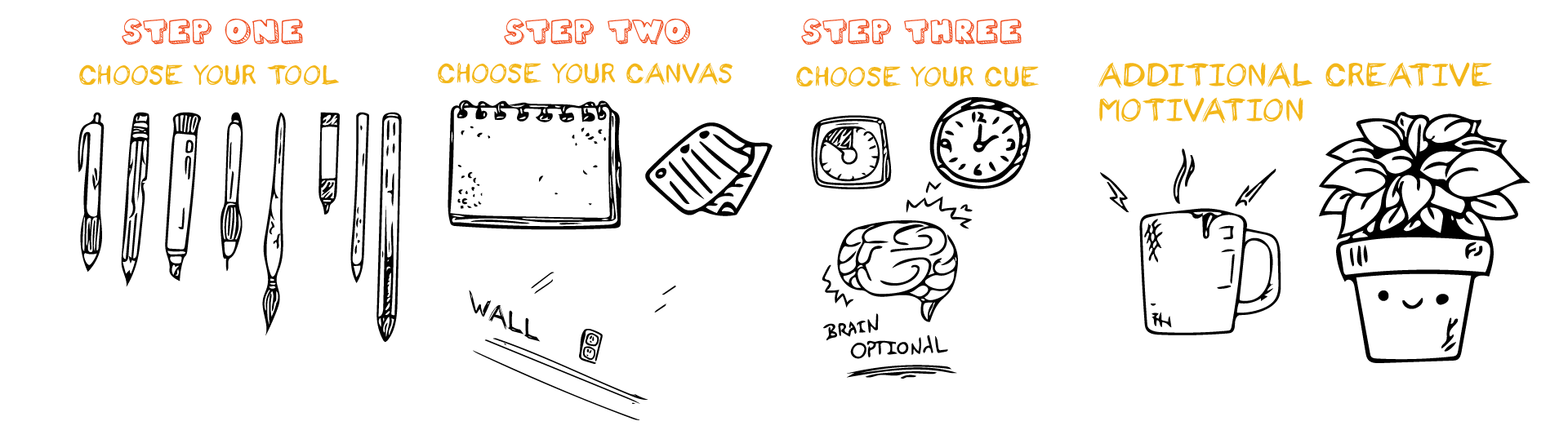
quick and easy to get started. To stay focused and make
this a consistent habit, I recommend using a timer. It signals that
it's time to begin sketching and helps
reduce distractions. Once the timer starts,
that's your only goal. Sketch until it
ends. Whatever you create in that time is enough. This removes the pressure
of the outcome and allows you to be fully
engaged in the process. Having a timer at
the beginning really helps lock in your habit so that eventually
you may not need. This class is divided into
three simple sections. First, we'll explore
the benefits of daily sketching and how it supports your
creative well being. Second, I'll guide you through four sketching
practices that you can use to build into
your daily habit. Finally, you'll be
able to join me in real time Walong
sessions where we will put these practices
into actions together. To help build consistency, I'll be uploading a new
work along session here on Skillshare and on YouTube each day for the first
two weeks after launch. These are designed for you to
follow along in real time, coming back each day, making it easier to stay committed and turn this
into a daily routine. Think of it as a shared
creative journey. We're showing up together
one sketch at a time. So follow me here on
Skillshare and join the class, so you can stay
updated and be part of each new session as it's
released. I'll see you there.
3. Benefits of Sketching: More Than Just Drawing: If you've ever felt
overwhelmed by the constant noise and
distractions of everyday life, a simple daily sketching
practice can offer a way to slow down and reconnect
with your creativity. Taking just five to
10 minutes a day to sketch creates small
pockets of focus, one where your mind can reset, your ideas can resurface, and you can re engage with your creativity in a
more intentional way. Sketching isn't about producing perfect drawings or
finished pieces. It's about giving yourself
permission to explore, experiment, and
enjoy the process. Over time, this small habit
can have a powerful impact. Let's look at some of the key benefits of
daily sketching. Sketching gives
you the freedom to explore ideas
without boundaries. There's no final outcome
you need to achieve a chance to let
your thoughts take shape on paper
without limitations. It's okay to get messy. With regular practice,
sketching can help you slip into
a flow state where distractions simply fade away and you become fully
immersed in the moment. Even a few minutes
of sketching can feel calming and restorative. Putting pen to paper helps you step out of your own
head and into action. It can help you clear
mental clutter and create space for new ideas
to emerge naturally. Daily sketching removes the
pressure to be perfect. There's no judgment, honest mark making and experimentation. This freedom allows
your creativity to grow without hesitation. You truly have fun when you let go of the need for
approval and perfection. These sketches are for you. There are no rules to follow, no expectations to meet, making it easier to stay consistent and
enjoy the process. M. Finally, over time, sketching helps you learn how to represent forms on paper. You begin to see
shapes, structure, and proportions more clearly through simple,
consistent practice. If you learn to
enjoy the process, naturally, you'll develop
better sketching skills. So keep it simple. Set a timer for
five to 10 minutes, grab whatever you have
nearby, and start sketching. No pressure, just the
freedom to create. In the following classes, we will discover four sketch
practices that you can use today that have the power to rejuvenate your inner creative. I'll see you there. Okay.
4. Sketch Journaling: Recap Your Day: That's an That's a g's pranks. Sketch journaling is a
simple and meaningful way to reflect on your day while
nurturing your creativity. Instead of letting moments
pass by unnoticed, this practice helps
you capture them visually and
emotionally on paper. It's also a great way
to clear your mind. By putting your thoughts
down creatively, you can better process
your experiences and even gain a deeper understanding of how you felt
throughout the day. Whether you keep
things minimal with black and white sketches or
add a color for expression, the goal is to make
the process as enjoyable and
personal as possible. To help get you
started, here are three sketch journaling ideas
that you can try today. This is a simple and
approachable exercise, even if you don't feel confident
in your drawing skills. Start by reflecting
on your day and picking a few key moments
you want to remember. Maybe a walk in the park, time with friends or something
interesting you noticed. From there, turn those moments
into small, simple icons. Focus on capturing the essence of each moment rather
than the details. It might be helpful to start it as a simple
journal entry, about your day and summarize the moments
you want to remember. Then draw the icons that best
represents those moments. Even simply sketching
out what you had to eat is a lot of fun. Add some fun to your pages with some expressive lines and creative text and
enjoy the process. Okay. For this approach, choose one moment
from your day and turn it into a small
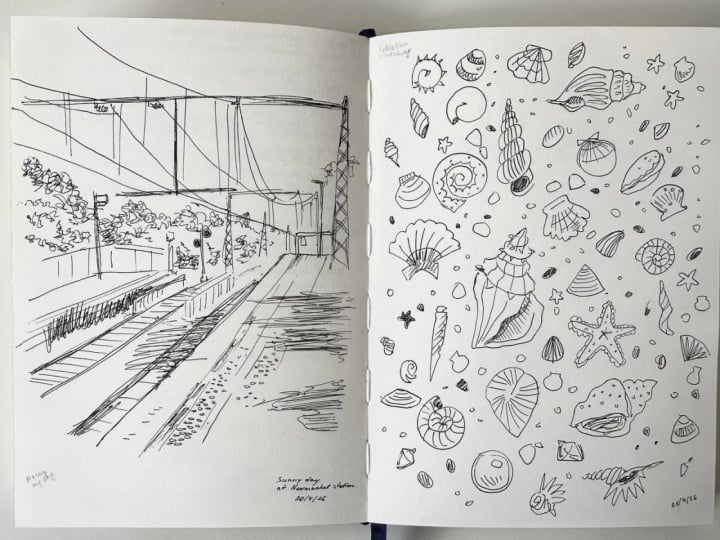
scene in your sketchbook. It could be a place
you visited or even something that made
you pause and take notice. The natural scenery or buildings around you could
be good things to use. You can keep the drawings
loose and simple or build it up with more detail. It's
completely up to you. Adding a few notes here or
there or a short caption can help tell the story and anchor the memory
even more clearly. I do this most often
while I'm on location as a quick midday sketch session to take a break from
the day to day grind. This is a fun and expressive
way to document your day. Take a moment or interaction and turn it into a short comic. You can include humor, dialogue, or even exaggeration to make
the moment more engaging. Keep it simple
with stick figures or explore more detailed
characters if you'd like. Your comic can be a single
panel or a short sequence. There's no right or wrong
way to tell your story. I've enjoyed some of the
comics that I made in the past so much that
I made them into a mini boook to
remember the things my wife and I did together when we were first starting dating. I can now look back at them even ten years later and remember
those special times. These sketch
journaling ideas are meant to be enjoyable
and pressure free. There's no need for perfection. Just focus on capturing
your day in your way. Over time, these pages become
something really special. When you look back on them,
they'll make you smile, remind you of
meaningful moments, and help you see
just how much life you've captured along the way. If you feel comfortable sharing, I'd love to see your
Sketch Journal entry. Post your Sketch Journal page in the Project panel
here on Skillshare. It's always inspiring to see how different people tell their stories through sketching. In the next class, we will learn ways to clear your mind and reduce stress through
meditative sketching. See you there.
5. Meditative Sketching: Clear Your Mind: Yes meditative sketching
is about slowing down, letting go, and being fully present with
your pen and paper. There's no end goal,
no expectation, and no pressure to
create something good. The only focus is
to keep your hand moving and allow
your mind to settle. As you sketch, you may
notice your thoughts begin to quiet and
your body relax. It becomes less
about what you're drawing and more about the
act of drawing itself. This practice can be a simple
but powerful way to release stress and step away from the constant noise
of daily life. There are many ways to
approach meditative sketching, but here are three
simple methods that can help get you started. You can choose
one, combine them, or move freely between them. There's no right or
wrong way to do this. Start with a single
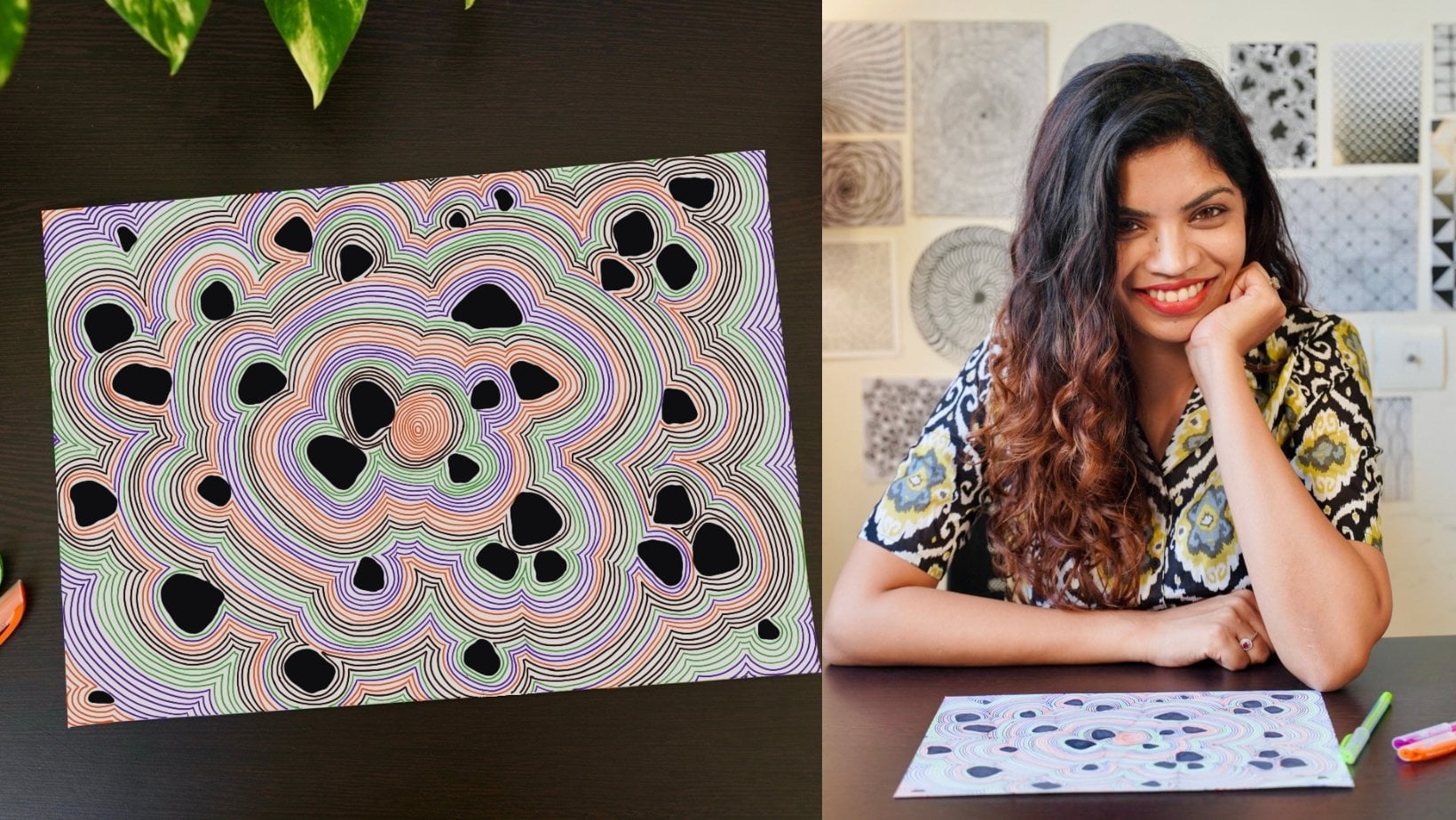
line on your page. It can be straight, curvy, wavy, or even loose shaped. From there, draw another line in response to the first line. Maybe it runs parallel, overlaps or branches away. Continue adding lines, letting them flow naturally
across the page. As you build, you begin to see interesting shapes
and textures emerge. Try not overthinking each mark. Just let your hand move and follow the
rhythm of the lines. This approach focuses on
filling your page with shapes, almost like building a mosaic. You can use simple geometric shapes like
circle squares and triangles or create
more organic forms that curve and flow
into one another. Start anywhere on the page,
whether it's from the corner, center or scattered throughout, and then gradually
fill in the space. You can start with
large shapes first, then fill in the gaps
with smaller ones, allowing the composition
to grow naturally. The repetition and structure can feel calming and grounding. Seeing how all the
shapes fit together in harmony always makes me
feel a bit more at ease, even among all the chaos. This method is more
open ended and works especially well
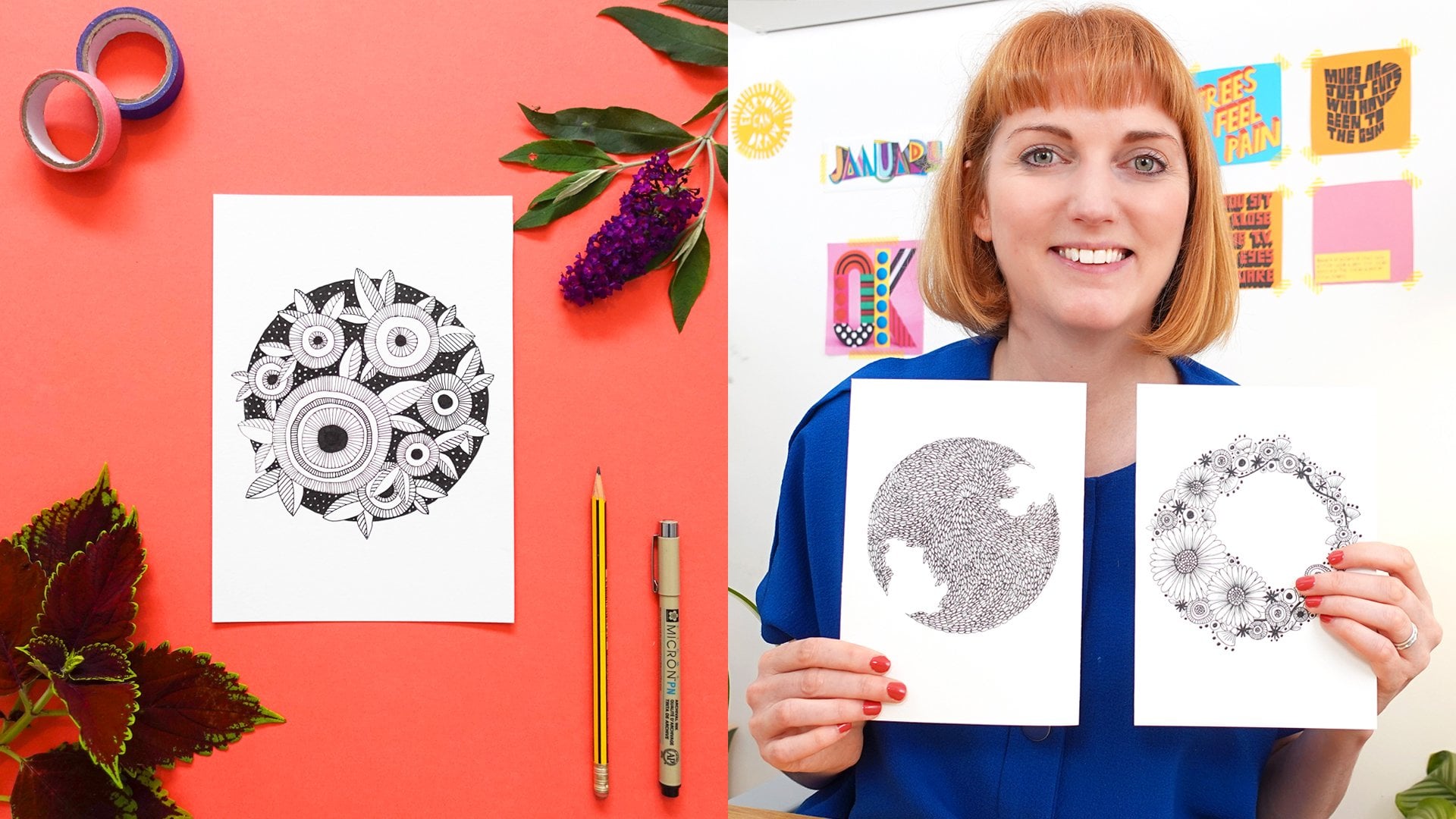
for longer sessions. You can begin with a blank page or build on an existing sketch. The focus is on adding
details, contour lines, patterns, hatching, dots, or small decorative elements like flowers or abstract shapes. As you layer these details, your attention
narrows and deepens, helping you stay fully
immersed in the moment. Try adding a detailed
brick pattern to a wall or try drawing every leaf of a tree or all the texture details
of the wood grain. You can break up your pages into smaller sections and tackle
each section at a time. This can help spread
the page over multiple sessions and open yourself to do more
experimentation. Meditative sketching is
a gentle way to step outside your thoughts and into a more relaxed,
focused state. If you're feeling overwhelmed or simply need a mental reset, this practice can help
you slow down, breathe, and reconnect with
the present moment, one line at a time. You can also extend
this practice by returning to your sketches
and adding color, slowly filling in
your linework to deepen the sense of
focus and relaxation. If you try these practices out, post them in the project panel, I would love to see
your calming sketches. In the next class, we
will look at ideation sketching to unlock
your creative flow. I'll see you there.
6. Ideation Sketching: Fill The Page: Ideation sketching is
all about exploration. Pushing past your first
idea and discovering how many possibilities exist
within a single concept. It challenges you to see
familiar things in new ways and expand how you think about
shapes, forms, and ideas. Instead of focusing on
one perfect drawing, the goal here is to fill
your page with variations. How many ways can
you draw a star? How many ideas can
branch out from a simple idea such as pizza? This practice
encourages curiosity, play, and most importantly,
creative thinking. You can select a
subject or theme, set a small amount of time, and start filling the page. The more you explore, the more your creativity begins
to open up for you. Here are two simple approaches
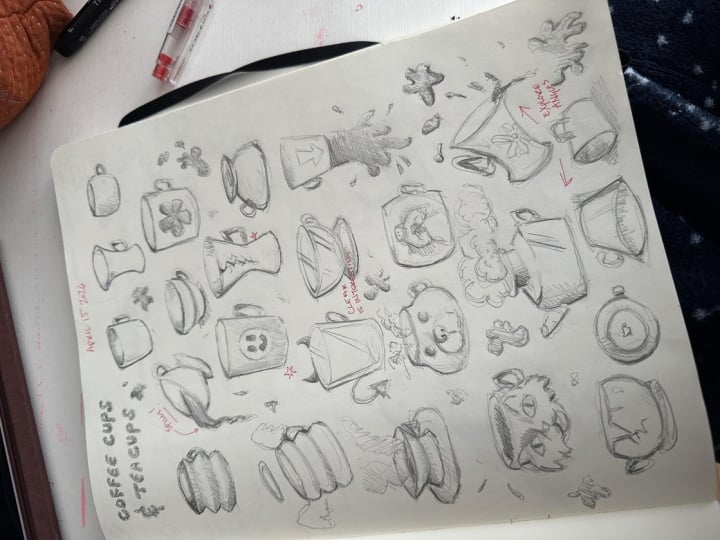
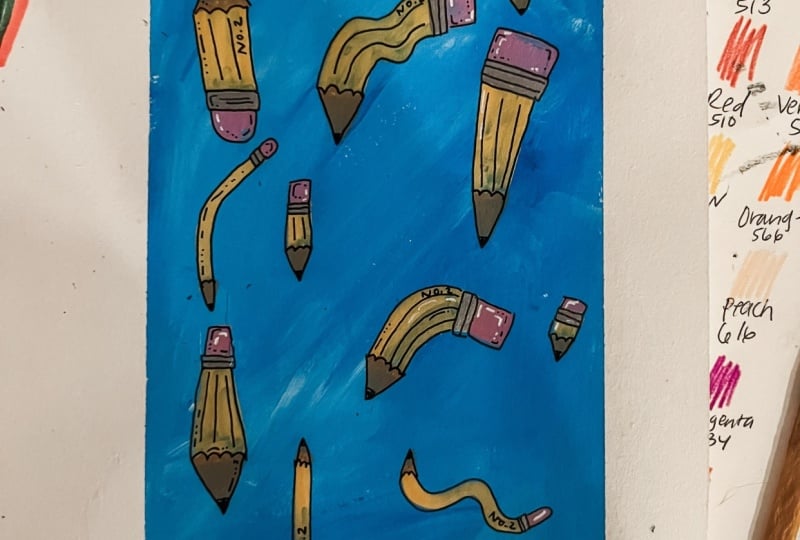
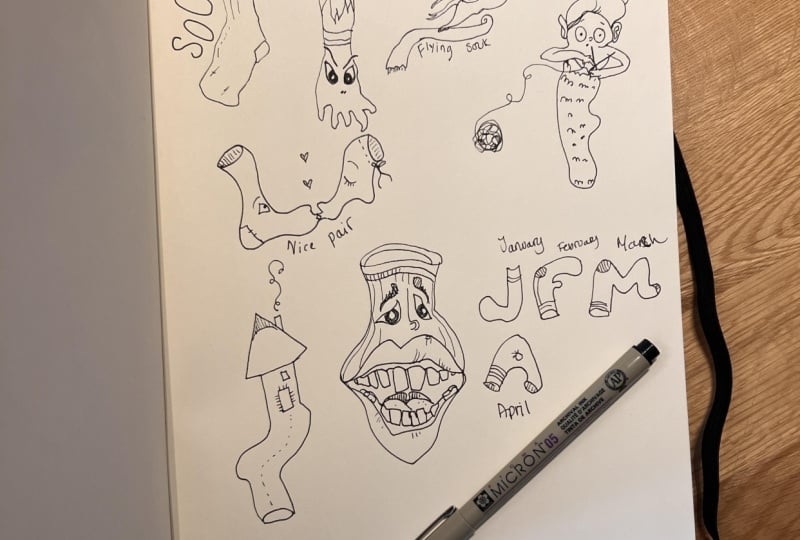
to ideation sketching. Start with a single subject and redraw it in as many
different ways as you can. Begin with a simple version, then gradually change,
add or remove elements. Play with proportions, shapes, textures, perspectives,
and styles. Your subject can
become stretched, simplified, exaggerated,
or even abstract. For example, a clock could be
round, square or triangle. It might display time
with numbers, symbols, or patterns or entirely new
visual system you invent. There are no limits
here, just exploration. Approach it with a
sense of curiosity and willingness to experiment. This is your chance to let go of expectations and
rediscover a more playful, imaginative way of creating. Instead of focusing
on one object, choose a broader
category or theme and draw as many related
ideas as you can. For example, if your
theme is pizza, you might sketch toppings, cooking methods, delivery boxes, restaurant scenes,
ingredients, or even playful
interpretations like characters or patterns
inspired by pizza. Let your ideas branch out
and keep asking yourself, what else can I add? The goal is to keep
pushing for one more idea. Then one more after that, gradually filling your page with a whole range of
connected sketches. One of the best parts of ideation sketching is that it doesn't have to
end in one session. You can always come
back to the same page and continue adding
new ideas over time. What starts as a simple
exercise can grow into a rich collection of variations
and creative discoveries. By the time your page is full, you'll not only have a fun
and dynamic set of sketches, you'll also have strengthen your ability to
think creatively, explore freely, and see
the world with fresh eyes. If you explore the ideation
sketching practices, share a picture of your
page in the project panel. I love to see where your
creativity leads you. The next class is all about creative collaboration to help strengthen relationships
and have fun. I'll see you there.
7. I Draw, You Draw: A Collaborative Sketching Game: I draw draw is a fun and interactive
sketching game you can play with a partner. It's a great way to
loosen up creativity, share ideas, and enjoy the
process of sketching together. You can start with
a specific theme or simply let the drawing
evolve naturally. There's no need to plan
too much for this. The unpredictability
is part of what makes this exercise so enjoyable.
The way it works is simple. Each person takes turns drawing for a short
time interval, usually 30 seconds to 1 minute without the other
person watching. When the time is up, you switch and continue building
on each other's work. You'll go back and forth like this until
the session ends. As the sketch develops, you begin to see a unique blend of both of your
ideas take shape. It might be
unexpected, humorous, or even a little chaotic, and that's exactly the point. This exercise
encourages you to let go of control and
embrace collaboration. For an added twist, try using two sketchbooks
instead of one. This way, you're both drawing the entire time and
you'll end up with two completely different
collaborative pieces by the end of the practice. This activity is all
about having fun, staying present and seeing where your combined creativity
will take you. I've done this multiple times with my son using a whiteboard, and we always have a fun time
creating things together. Now that we've seen the
sketching practices for your creative well being, let's look briefly at how we can practically build a
daily sketching habit into our lives. A
8. The Sketching Habit: By now, you've seen how
powerful sketching can be. But the real transformation doesn't come from doing
it just once in a while. It comes from showing
up consistently, even if it's just for
five to 10 minutes a day. The goal here isn't to make
big elaborate actions. It's to do something
small every day. A helpful way to
think about this is through how habits
actually work. Every habit follows
a simple cycle, a cue, an action, and a reward. The cue here is what
reminds you to start. The action is your
sketching practice, and the reward is the feeling
you might get afterwards, maybe a clearer mind, a sense of accomplishment, or just a moment of fun. Over time, your brain begins to connect
these three things. The more you repeat this cycle, the more natural it becomes. Eventually, sketching stops
feeling like something you have to do and starts becoming
something you want to do. So how do you set
this up for success? Start by choosing a
consistent time in your day. It could be right
after you wake up when you get home or
before you go to bed. The key is to attach
your sketching practice to something you already do. For example, after your
morning coffee, you sketch. This creates a reliable cue
that helps the habits stick. However, these practices are for your creative well being. You can use them anytime to take a step back from
the distractions of the world and refocus and
recharge your creative energy. The next thing you want to
think about is your setup. Keep your setup as
simple as possible. Keep your sketchbook and pen or whatever materials you're using in a place that's easy to reach. When everything is
already prepared, it removes friction and
makes it easier to start. Even on the days you
don't feel too motivated. You can easily just open up your sketchbook and
go one important tip. Try to limit distractions
during your sketch time. If you're using your
phone as a timer, it can easily pull
your attention away. Instead, consider
using a simple timer or even just
estimating the time. This helps you stay focused and keep your sketching
session intentional. And remember, keep it short. Five to 10 minutes is enough. The goal is consistency,
not intensity. These practices could be used as a stepping stone to create
more polished work, but I'll leave that
up to you to decide. It's also important to be
patient with yourself. Building a habit takes
time and it might feel a bit forced at first.
It's completely normal. If you miss a day, don't worry, come back to it the next day. Each time you complete
your sketch session, take a moment and
acknowledge it. That small sense of
accomplishment is what reinforces the habit and
keeps you coming back. Over time, this
simple daily practice becomes something
you can rely on, a way to clear your mind, explore your creativity and
reconnect with yourself. Start small. Say
consistent and let your sketchbook become
part of your daily rhythm.
9. Thank You! You Are Awesome!: I just want to take a moment to thank you for joining
me in this class. It truly means a lot to me that you chose
to spend your time here exploring these simple but powerful
sketching practices. Throughout this class,
you've learned how just a few minutes of daily sketching can
help clear your mind, reduce stress, and reconnect
with your creativity. You've explored
different ways to sketch from reflecting
on your day to meditative mark
making to expanding your ideas and even
creating alongside others. Above all, I hope
you take away this. Sketching does not have to
be perfect to be meaningful. Showing up even for five
to 10 minutes is enough. That small, consistent effort is what leads to real
growth over time. Everyone's creative
journey looks different, and that's exactly
how it should be. So some practices will resonate with you
more than others. Lean on those ones. Let this be something that supports you, not something that
adds any pressure. My encouragement to you
is simple. Keep going. Keep your sketchbook nearby, return to it often and allow it to become a space
where you can think, explore, and just be present. If you've created any
sketches during this class, I'd love to see them. Feel free to share your
work in the project panel. It's always inspiring to see how each person approaches
these exercises in their own unique way. Follow me here on Skillshare to be notified when a new class launches and to see my
library of other classes. If you're interested
in how to further develop your creative
thinking through sketching, check out my class
Creativity Blast, where you learn how to unlock your creative potential
through five daily exercises. And if you want to
continue with me, I'll be sharing real
time work along sketch sessions
following this lesson where we can practice together. Think of it as an
ongoing creative rhythm, showing up one day at a time and growing through
the process together. Thanks again for being here,
and I wish you all the best on your creative journey.
I'll see you next time.
10. Day 1: Ideation Sketching (Pencil): This
11. Day 2: Meditative Sketching (Lines): Oh
12. Day 3: Sketch Journaling (My Day in Food): [No Speech]
13. Day 4: Meditative Sketching (Bricks): Okay. Okay. Jen
14. Day 5: Meditative Sketching (Blobs): [No Speech]
15. Day 6: Meditative Sketching (Textures): [No Speech]
16. Day 7 Scene Buildings: This h
17. Day 8: Ideation Sketching (Lightbulb): This
18. Day 9: Meditative Sketching (Triangles): This
19. Day 10: Meditative Sketching (Flowing Lines): This
20. Day 11: Meditative Sketching (Rectangles): But Yeah.
21. Day 12: Ideation Sketching (The Letter A): This
22. Day 13: Ideation Sketching (Spring): Ing
23. Day 14: Meditative Sketching (Adding Color): [No Speech]
 Kyle Aaron Parson, Graphic Designer and Illustrator