Transcripts
1. Welcome & Introduction : Hello class, and welcome to the fundamentals of leadership. My name is Josh. I've been an executive
leader for over 20 years, not only leading companies but consulting with some of
the largest in the world. And these are eight
fundamental parts of leadership that are
crucial for us to learn, to know and to develop. Now many people talk about
the values in leadership. Today we are going
to be talking about the skills that are
required for leadership. We are on skill share. And so we're going
to be talking about the actual skills that can
be learned, developed, honed in on crafted and really
a journey for all of us. So whether you've
been a leader for 30 years or three days, this class is for
you if you're in any type of leadership position or you want to be a leader. So when we talk about
the fundamentals, we're not talking
about being a rookie. We're not talking about
being a beginner. When we look at the
word fundamental, it is the core thing that makes up the
substance of something. It's the, it's the very things required for the
success of something. And so today we're going
to be walking through the fundamentals of leadership and I'm so excited
to be with you. This is going to
be fun, effective, and easy for you with an amazing class
assignment at the end. So join me as we
go on this journey of learning the
fundamentals of leadership.
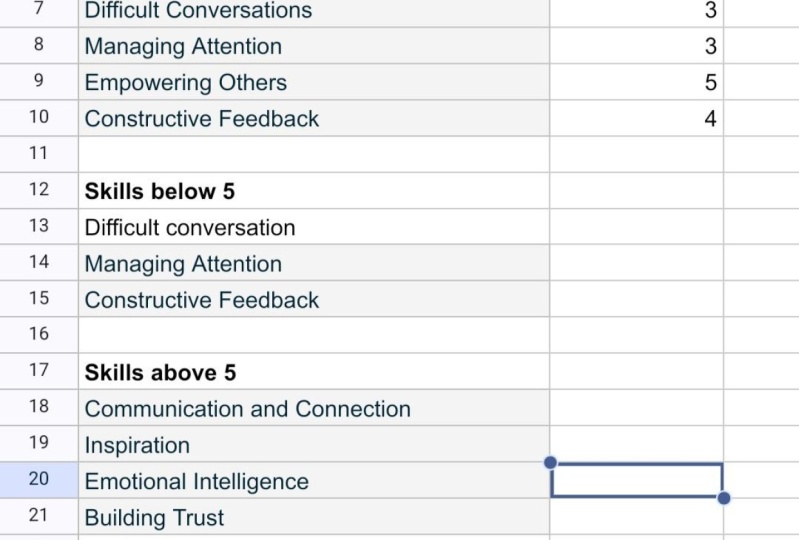
2. Class Project : All right, So the project for
this class is going to be considered a self
assessment project. As you go through all these eight fundamental
elements of leadership, be thinking about how you currently I'm going to ask
questions and each one, and each of these lessons. But be thinking
about where you are currently on your
leadership journey. And at the end, we're
going to go through that and develop
something just for you to be the best leader
that you can possibly be. So join me on this
first lesson as we talk about communication
and connection.
3. Communication: Out of all eight of these
fundamentals of leadership, communication and connection
is the most important one. All the rest of the seven
are really important. They're skills that
we all need to be developed for us to
focus on and work on. But communication and
connection, I promise you, is the most important thing that you can do for your
skills in leadership. Again, we're talking
about skills today. John Maxwell says is I have
this quote in front of me. And this is, this is amazing. John Maxwell's in his amazing organizational
and business leader, he says a good
leader communicates. But great leaders connect. Good leaders communicate,
but great leaders connect. Now there is a big difference between just communicating
and actually connecting with people
because we could communicate all
day long and send emails and call people and
give directions and all that. But if we're actually not
making a connection to them, that is the goal in leadership
to make a connection. I'm not saying with hundreds of people or
thousands of people. Especially when you're at the sea level of
an organization, There's a lot of
people that you're not going to be able
to connect with, but there is some people that you do need to connect with. And so this is my challenge
to you right now. We're gonna get right into
how to develop these skills. So my question is, how do we understand and how
do we diagnose and how do we increase this skill for you
right now in this class, my first question and I told you the project is a
self-assessment. We're going through the
skills of leadership, not just values, because
communication is not a value. There's values that
support communication, but communication and connection is a skill that you need, that you need to develop,
that you need to learn, that you need to
know how to do that. And there's so many
good Skillshare courses that will share that
with you as well when it talks about if you know
how we effectively communicate and body language
and all those things. But the first question
I have for you is this, how are you connecting
with the people on your team or those working
with you right now. And this is a self-assessment. We're, we're, we're,
we're moving directly into project territory because this Skillshare is all about us growing learning and
increasing the skills, not just head
knowledge, but doing. We're talking about action here. Skill always requires action. So my first question for you again is how are
you connecting with the people that are on
your team or that you're leading right now as we speak. One thing I want you
to do right now, and this is an action item. I want you to get
your phone out. Maybe you're using it right now, but get your phone out and text a couple
teammates right now. And if you're leading people, text them right now and say, Hey, I just want to thank you for the job
that you're doing. I just want to congratulate
you for having, you know, for for doing all that you
do because I'm telling you just those small things
go such a large way. And so we need to constantly
thinking about how are we connecting and we
increase it by doing, we increase it by actual action. So one, some of
the tax right now and what I want you also to do and you could
start this tomorrow, but call on the phone one
of your teammates or, or one person a day that you are leading that you don't
normally have to connect with. Maybe you're working remotely, maybe you're at home, maybe you are in the field. Maybe you're doing something that you have clients
and you're, you know, you're an entrepreneur
and you're by yourself, connect with a
client and say, hey, thank you so much for the
work you've given me. And that is creating
a connection and communication in
your leadership. All right, the next thing
is questions for yourself. Do the people around
you understand the vision and the mission of what you're trying
to accomplish. If there is no there's no understanding or
if there is a lack of understanding of the
vision and mission and means that you personally have not done a correct or
good enough job to actually share the vision
and mission with them. Why do you exist? What do you exist to do
if success was a place? How would anyone
know they got there? And so these are
things that we are always communicating as leaders. We're sharing the vision and
we're sharing the mission. Whether you're leading clients
or you're leading people. Let me say that again,
whether you're leading clients because so many
entrepreneurs who are, who work for
themselves, they think, Well, I'm not a leader
because no one reports to me. False is not true. We are leading no matter what. If we are in any type of business capacities,
doing something, selling something,
connecting with someone, even if you are a YouTuber. And that's all you
do is you work for yourself and you create
content all day long. You are leading people. You're leading people and they, do they understand why you exist and how you are
going to help them? How you are going to share your vision and
mission and say, Hey, this is why I exist for
you to whatever that is. Share that, communicate
that and bring a level of connection so people feel so connected to your
vision and mission. Whether it's where a company, organization or you're
an entrepreneur and doing this by yourself. All right? Are you listening more
than you are speaking? Communication. So much of it has to do with you listening and not talking. And we're talking about
this skills here. These aren't just,
these aren't values. This, these are skill
sets for you to develop in yourself to
be a better leader. So when we talk about
communication and connection, one of the major, major assets in that
as being able to be what we call effective and
intentional listening. Intentional listening
have ever sat down with someone and you've talked to them and it was
just like Man, that was an amazing conversation and you're doing
all the talking. It's because they were such
a good intentional listener. They may have only
said five words. And you're like, Man, that was the best
conversation I've ever had that that
person is a leader. Because we as leaders,
we intentionally listen. We intentionally listen. And maybe your job requires you to give so much direction, so much vision, so much
mission, many tasks. But when's the last time that you'd sit down
with someone said, hey, how are you doing? How is your job? How is it going? How is this? How is this week, Ben, maybe on a Friday or a
Saturday or on a Monday. This is where the communication
and connection is so crucial for us not to just
give tasks and give direction, but to say, Hey, are the things that I'm
giving you good for you? Are you able to accomplish them in the time that I've given you? How am I leading you? Those are tough
questions to ask as sometimes we don't
like those answers. But for you to
listen as a leader and listen as you
make connection, that's one of the best ways you could actually
make a connection. All right, The last thing, nonverbal cues and
communication, we're talking about
nonverbal things. Being aware of how you're
communicating at all times. You could just be
sitting in a meeting and you're sitting there
and you're slouch back and your arms
are like this. And everyone's like men,
What's their problem? And you're like Man, that
was a great meeting. Everyone else thinks
that you're mad at them. Everyone else thinks that you're upset, especially as leaders. The way we come
across our posture, the way we look at people, the way we make eye
contact with people, having a smile on our face. Some of the nonverbal
cues are one of the greatest ways we actually make better connections
with people. It's sometimes without talking. And all the introverts
said, Heck, yes. Spirit, like I
don't like talking. I don't like having to give
Michigan I'm a leader, but it's hard for me. I'm telling you if you
lead with nonverbal cues, you will be the best
leader that you can possibly be because your
posture will be correct. The ways that you connect
with people will be, I'm telling you
it's life changing. And so these are things, these are skills that we're
talking about when we look at communication and connection. All right, Well, let's
move on to the next one.
4. Inspiration : All right, so the next
foundation element of leadership is inspiration. And I'm not talking
about getting loud. I'm not talking about, you know, being a motivator or even
having an attitude of trying to motivate people or
being jovial or, you know, like I said, it so
many people when they hear inspiration,
they think loud, they think someone
who's, you know, rambunctious and your personality
depends on inspiration. That is not true. Well, we're talking about here, and this is a skill
we're talking about. Skills is the ability to
inspire confidence in others. And so when we talk
about inspiration, There's so many
different levels to it. There's so many
different, I mean, I'm sure if you just
Google the inspiration, there's a million videos. There's a million people
talking about how to inspire people when we're talking about
for the leadership skill, for the fundamental skill
of This is how do you inspire confidence in the
people that you're leading. So we're not just
inspiring them to do good and to do better and to be the best
that they can be. It's inspiring confidence in
them to be a better leader. It's inspiring confidence for them to be able to run a
meeting by themselves, for them to be able to
branch out into new things. And so when we talk about this, it's crucial that we
understand how we actually develop this skill. Because you might say, Man, I
want to be able to do that. I feel like I inspire people, but how do I actually inspire
confidence in people? There's three things
that you need to think about before
we get into some of the action items
is authenticity, values and self confidence. Authenticity values
and self confidence. The ability to inspire
confidence and other people comes from
those three places. You being authentic,
you actually having values for yourself and
you being self-confident. You cannot inspire
confidence and other people, if you yourself are
not self-confident, you can't, it's impossible, you can't do it. And so what I'm
talking about here is your ability to latch
on to your values, to latch on to being an
authentic and real leader, an end that there is a
confidence that Combs. I'm telling you, if you have values that you adhere
to you and say, This is how we're going to live, this is how I'm going to work. These are the things
that I'm going to die on the hill for. These are my values. There is a confidence and self confidence that
comes out of that. So those are three things, and these are questions for you. What are your values? Are you authentic? And are you actually confident? Are you confident in
your own ability? And as we go through the
rest of these things, if you are living
all of these well, you will be confident. And so my question again is, how do we understand, diagnosed, and increase this skill through all eight
of these things, we're going to go through
questions for yourself. And this is leading
up to the project at the end for us to
be able to really do this real self-assessment. And again, we are increasing skills here, we're
developing skills. This isn't just head knowledge. This isn't a lesson for just, oh, that was a great lesson. I'm going to go on with my day. These are things that are
actionable for you right now. Okay. So the first question
when we're diagnosing, when we're looking at how
do we increase this skill? Is this, why do you lead? Why do you lead? What is the reason
that you lead? This is a question to look
deep inside of yourself. Why do you lead? What is the, what is
the reason for it? Is it just because that you took a job or that you wanted to be famous or you wanted
to have a voice. What is the reason
why are you a leader? Why are you doing it? And that's something that
I'm always asking myself. And these are things that
when I sit with clients, when I sit with people
that report to me, when I sit with organizations
and businesses and sit at the C-suite level and
at the leadership level, in the management level
and the director level. My question is, why
do you do for this? Why are you elite or
why are you here? What are you doing this for? And I know this is
something much deeper, but these are questions
that we have to ask ourselves when we're talking
about inspiring confidence. You must understand
why you want to lead, why you are a leader, why you are doing the
things that you do? Why do you do it? What is the purpose of it? Because if you can get down to the core root of your
purpose and leadership, your ability to
inspire others and inspire confidence in them
will be off the charts, a promise you are at. So here's a couple of ways
that you can actually inspire confidence in
yourself right now. And these are questions
that ask yourself and things to look
at how you lead. There's two things
that great leaders who inspire others and
inspire confidence do. The first thing is risk-taking. How risk averse Ru, do you take risks? Do you challenge
others to take risks? Or are you a play it
safe hunker down leader? Because the hunker down
play it safe leaders, they're not inspiring and they
don't inspire confidence. And so if you look at some of the biggest best leaders
in any industry, whether it's at
Apple or Amazon or smaller businesses are
Fortune 500 or Fortune 100, 00, 00, 00, 00,
00, or even local businesses around you that are doing amazing, great things. They all have
something in common. And it's being able
to take risks. It's understanding
how risk-adverse Ru, how do I take risks? What do risks look like
in my realm of work? Because all of you watching
are from the farthest left to the farthest right on the spectrum of what you do
and what your job looks like, and how you operate and
what industry you're in. But all of you who are
watching this can take risks. What does it mean
to take a risk? And how do we inspire as we
take risks and others are the second thing is willing
to change and allow change. So taking risks and having the ability to change and pivot quickly and to be able
to look at markets, to look at things and say, Hey, we need to change faster. I need to be able to change with where the market's going. And so when you look at the
biggest leaders in the world, they are all
risk-takers in there. They all have the ability to assess what changes are needed and assess the change that they need to make as a
leader themselves. And those two things inspire confidence more than
any other thing that you can do as a leader, say, Hey, we're going
to take this risk. I know that it's risky. It's in the word. But I promise you guys if
you keep following me, if you know the vision and mission, we're going somewhere. We're going to take this risk. Whether it's very successful or whether you
fall on your face, you at least inspired people and you pick
each other backup. Or you, you've, you know, live in the glories of winning and doing
something amazing. And so those are two things, risk-taking and being
able to change. That is how those are things
that you look at right now. Look at, look at yourself. Am I a risk-taker and
am I able to change? Because if you can't change, you will not be a leader. I promise you guys. So think about those
things as we move on to the next leadership skill.
5. Emotional Intelligance: Alright, so the next one
is emotional intelligence. And I know this phrase
has gotten much more popular over the last
five to ten years. If you said EQ or emotional
intelligence 20 years ago, people were like, What
are you talking about? There was very few literature, There's very few books. There was very few blogs
and podcasts about it. Now you hear this
word everywhere. And it's for a
reason because this is a requirement for you as a leader to
develop this skill. If you want to be
any type of good, healthy leader, it's
emotional intelligence. And I just want to read you, I have this in front of me
that my definition of it, so there's a lot of
different definitions of it, but this is my definition. It's the ability to
understand, use, and manage your own
emotions in positive ways, as well as understand others emotions and how
you could affect them. So it's not only how your emotions are affecting yourself and your
work environment, It's how you are able to manage your own emotions and able to assess others emotions
and how you come across. So there's, I know
there's self-awareness and that there's empathy in that we're gonna talk about those things very quickly here. But emotional intelligence
is not only how you are able to manage
your own emotions and assess them in real time. It's, you're assessing
others emotions and how you are coming
across to them. I know this is something deeper when we talk about leadership, but there is skill sets
that are involved with you increasing your capacity to be emotionally intelligent. And so there are five
main characteristics. Makeup EQ, we call it emotional quotient or
emotional intelligence. But there's five main things
that you need to look at. And so I hope you're
taking notes in this. This is a lesson,
this is a class. So whether you have a
notepad in front of you or you have a piece
of paper in front of you. Take notes on this because
I promise you guys, this is something
that is foundational for you to actually have
emotional intelligence. So the first thing is
having self-awareness. I know I said that already
before we got into these, but it is so crucial
for there to be a actual self awareness in you. And this is always knowing
how you feel and how you are presenting yourself
in any type of situation. And I know it's self-awareness can be described in
many different ways. But at the core of it, it's knowing how
you feel and how you are presenting
yourself to others. It's when you, have you
ever met someone who's, who's completely not self-aware? It's exhausting. It's, it makes you nervous. You know, a lot of
them are close talkers or they talk too loud
or they talk too much, or they make you
feel uncomfortable, whatever that would be. People who have no
self-awareness, have no ability
to actually lead. That can't lead. It's impossible for
them and the people, the leaders that have been put into a position that
aren't self-aware, it is almost impossible
to work for them because they have no clue how their actions are affecting you, how their emotions
are affecting you. And so this is something for you to have
a better understanding. And then my question to
you is how self-aware Ru, how self-aware Ru of
how your actions, how your emotions are
not only affecting you and your family
and people around you, but those who work for you, those that you work with, and those that you're talking
and communicating with. So that's number
1, self-awareness. Number two is self-regulation. It's being able to
regulate your emotions, you choose what is right
for that situation. And this is, we're talking about this as an executive skill set. This is executive functioning that we're getting into here. But self-regulation, It's
literally having the ability to choose the emotion that is
required for the moment, not having that
emotion choose u. This is one of the
hardest things and one of the most misunderstood things
because people were like, How can you choose an emotion? How can you, how's that
even possible is that, you know, are you manipulating all you get into
all those things. And really it comes down to you, you as a leader, no matter what is
happening around you. Whether it's really good, whether it's really bad, not allowing those emotions to affect everyone else negatively. And we could be going
through turmoil. We could, we could be
completely stressed out, but us as leaders, we have to come across
with a confidence and there's a humility
and that I'm not saying be prideful in fake. I'm saying for you to be able
to manage your emotions in a way that no matter what is happening in
your personal life. I know people who have bosses that if they have a
fight with their spouse, the night before
or the morning of that day will be the
worst day of their life. Because they are
angry at everyone. They're yelling at everyone,
there's slamming doors. And that is them
not being able to self-regulate their emotions
and how it affects others. Okay, we're going
to keep moving. So self-awareness,
self-regulation. The third thing is
self-motivation. It's working
consistently towards short and long-term goals while maintaining high standards
of quality for your work. That last part is the most crucial thing
because we could all have goals both
short and long-term. But you keep the same standards of quality at the beginning than you did in the
middle and the end. And that is having
the ability to self motivate yourself to say, hey, as a leader, I'm not
going to rely on anyone else to inspire and motivate me. I'm going to have
a self-motivation. So to have the ability to
say what you're gonna do to the long-term goals
that you have and the short-term goals you have the same level of excitement, the same level of quality, the same level that you
had at the first day, because it's easy
to write out a big, let's say there's
like a big rock that you want to
accomplish and it's like, Oh yes, we're gonna do this
this year, six months later. Are you still excited about it? Are you mad that it
hasn't been accomplished? Do you bring the same level of enthusiasm from the beginning to the end that has the ability to self motivate are
the four thing. And there's only five. It's empathy. You could put yourself
in other situations. It is easy to support
your own view, but can you see others
points of views? It's really easy to say, Hey, here's what my view is. But are you able
to put yourself in other people's shoes and say, I I may disagree with it, but I understand where
they're coming from. If you could understand
where people are coming from,
your empathetic. If you are not empathetic, you will never, if you
disagree with anybody. And they, and they have
a different point of view, you get angry, you get upset, you get mad, you start to lash out. And these are, I'm
telling you guys, there is so many
liters that lack empathy that are unwilling and unable to actually put themselves into any other
people's shoes as leaders. That's what we do
all day, every day. Even if you don't have no one
reports to you and you are a freelancer or a YouTuber
or whatever you would be, put yourself in your
client's shoes and say, Hey, I don't know why
I'm struggling with maybe there's a
strain relationship there that having the ability to have empathy to say, Okay, let me see what let me see
from their point of view, which is going to be a
100180 different than whew. It's literally going
to be the opposite. And some of the ability
to see the opposite point of view is what so
many people lack in, but as required for us to have true emotional
intelligence. The last thing is
just social skills. Can you hear good
news and bad news? Are you able to get
people to support new things and to
support change? How is conflict resolution?
How does that work? Social skills so much, so, so many things that we do in
leadership when it comes to social skills is the
ability to manage conflict. When conflict arises, are
you able to confront it? What do you get
socially awkward? And I'm not talking about, are you an introvert
or an extrovert? I'm not talking about that. I'm talking about the
social skills that are, that allows you to be able to jump into situations and say, hey, I know there's
conflict here, but I'm going to I'm
the resolution now. It's not a process
that you put in place. It's a person that you put
in place for conflict. Let me say that again,
conflict resolution is not accomplished
through process. It's a conflict by, by a person and that's
you as a leader. You jump into that, or you develop others
around you to develop it. And of course, we
could have processes for when there is conflict. They go into this meeting
with these people. But conflict is always always fixed and resolved only
through people talking, not through tax messages, not through emails,
physical talking, whether it's on Zoom, whether it's person to person
in a meeting with them. That's how it's done.
It's not done through a text. It's not. So many people want it
to be, but it's not. And that's one of the
hardest things in leadership as your ability to actually have a social
skill of confrontation, of being able to
confront and say, Hey, this isn't going right, what are we going
to do to fix this? And there's empathy, there's self-awareness,
There's self-regulation. All of those things mix with, with being able to confront, always create a
healthy environment. All right, So as
we end this one, we're going to be talking
about ways to understand, diagnose, and
increase your skill. This is what I want you to do. Keep a journal, spending just
a few minutes at breaks, a few minutes during the day, here in there at different times to write
out your thoughts. This is something
that most people want to do, but never do. So when we talk about
emotional intelligence, get a journal, whether it's a Notepad on a digital device or a
physical piece of paper. But start writing a
journal today or tomorrow. And start writing down your thoughts of things
that you're feeling. This is one of the best ways to understand how you are
emotionally healthy or not. Because you can quickly start to see how angry you are getting, how mad you're getting
or how happy you are. And maybe you're really
good at this heredity. But started journal and do
that for seven days straight. I'm only asking for seven
days straight in this. So start-start this journal, write those things
out after seven days, go through each day and say, Hey, what was I
feeling that day? Maybe your complaint over but you look at that day and
was like, Oh my goodness, I can't believe how angry I was, how upset I was, and how my emotions affected
every single person. So the second thing
is know your values. I know we talked about
this, but you're, you knowing your own
values are so crucial. In that same journal, I want you to write
down five values that you have right
now that you say, here's things that I
believe that I adhere to, hears things that
are valuable to me. These are things that
I feel like I do. Write those out and then put them next to your
journal and say, do my values support the things that I'm
doing and feeling? Do they actually
supported or is it, Is it a dream and not a reality? Because we could have
values and say, Yeah, I'm honest and have integrity
and accountability. But really all those
things could just be in your head and you dreaming
of doing those things. Alright, so the
last thing is know where you stand
with what you do. How much do you enjoy
what you actually do? And in this journal you
can write this out. Where do you stand,
isn't is it like, Man, I got into this business because I used to love it
and now I don't. Because the more
we hate our work, the less emotional,
intelligent we become, the less self-aware we become. And sometimes you could become a monster just because
you're doing something that is complete opposite of
what you actually want to do or our call to do or what
you've dreamed of doing. And so right, that how, where do you stand with
what you currently do? Alright, well, I'll see
you in the next lesson.
6. Building Trust : All right, so the next
fundamental element of leadership is building trust. And this is the next
most important thing next to communication
and connection. If you do not have trust, if you have not built trust with the people that
are working with you, for you, clients, customers,
people around you. If you do not have trust, you cannot be a leader. You can't. No one will follow you. Maybe you have a
leadership title. But if you don't have trust, no one's falling you no one's listening to,
you know, ones. And you may be right now, you may be thinking
like man, that's, that's kinda crazy
because I'm a leader, but it's still hard for me to get people to
do what I want them to do or the task that I give them are the
things that we're doing. It's so hard for me. A major reason could
be that you lack trust that people have for you. It could be gone. It could be maybe you
maybe you haven't worked long enough with them and
there's no trust built. All right, so when we talk
about building trust, trust is always required
for healthy leadership. It's always required
to do something great. It's always required to do something big, something grand. Whenever you see someone
doing something amazing, It's because people trust them. Look, look anywhere at someone
doing something massive, something big, something great. It's because there is a
trust built with them. People trust them. Whether you're writing novels, writing books,
selling something, leading people in
an organization, trying to get clients, whatever it would be. If people trust you, it is so much easier to do good work because great
leaders build trust. Great leaders build trust. I can't say that enough. This is the most important thing other than communication
and connection. If you don't have trust, nothing will work well for you. And the way we know this is
ask yourself a question. Have you ever worked for
someone that you don't trust? How toxic was that? How difficult was that? Maybe you're working for someone right now who you don't trust, then you're like, Yeah,
I'm raising my hand. It's impossible. It's so difficult,
it's so hard because I just don't trust that they
have my best interests. I don't trust that they're
going to steward things. Well, I don't trust
I don't trust I don't trust them
when that's there. That's what creates
toxic work environment is probably more
than anything else. It starts with a lack of trust and everything
else follows. You start to see gossip and
people stabbing each other in the back and unhealthy
competition, which we love competition. But there is a high levels of unhealthy competition when
there's lack of trust. Because silos are built and
people are doing things without other people
knowing and it's disaster. And so ask yourself, do you maybe worked
for someone right now or do people trust you? Do they actually trust you? Were going to get into
ways to understand, diagnose, and increase this
skill in your life right now. Because again, we're talking
about skills and leadership. These are the
fundamental skills. These aren't just values for
you, for head knowledge, that these are action
steps for you to increase your skill
in leadership. And we're talking
about building trust. And so the ways to
understand, diagnose, and increase this is one, be a role model for everyone. You are the example you set the benchmark for
others leaders are the best role models when they could show how their vision. Let me say this again. Leaders are the best role
models when they can show their vision
and how it impacts the world to those
they're working with and towards being a good role model as being able to actually show how the vision
that you have, how it impacts them, and how it impacts the world, how it impacts that your client, that's how it impacts customers, how it impacts everyone else. And when that trust is
built around that vision, that is something so special. And so you are the role model. You are the example, you set the benchmark
for building trust. And one of the best ways
to do that is to have a crystal clear vision
and to communicate it constantly and show
them that that vision works and build trust with
everyone around you are. The second thing
is tell the truth. Tell the truth, no matter what, no matter how hard it is, no matter the outcome. It's all about having integrity
building trust is all about actually telling the truth and living with integrity, doing the right things when you actually say
you're going to do them. So that only doing what you say, but doing the right things as you're doing them,
That's integrity. So many people think
integrity is just, hey, I did what I said. But it's like yeah, but
that was, that was garbage. And so what we say in integrity
is it's actually doing the good and right things in the time that we said that
we were going to do them in. And so tell the truth
no matter what. Tell the truth no matter what. I have something in my
office here That's right on my wall and it says,
truth above harmony. I want truth above harmony, even if it if it
causes conflict, or it may be it requires conflict to tell the
truth, tell it anyways. Because if you, if you're
living all eight of these conflict
management resolution is going to be
really easy for you. So truth above harmony, always. All right. Next one, be loyal to the team. Be loyal to them. Are you loyal to the team? Defend them, provide for them, praise them when warranted. Praise them when warranted. I there was a long pause there because I wanted that to
sit in so many times on us as leaders think are only job is to tell them when
things are going wrong and to put deadlines
on them and pressure them. That's part of hit. The other side of it is
us actually being able to be loyal to them as we are
asking them to be loyal to us. So defend them,
provide for them, give them ways for growth. Even if it if it means you having to discipline
someone at a job, even if discipline is
required for your job, give them next steps, be loyal to their vision
for their own life. Or the next thing
is be transparent. Bringing people inside decisions and why they are being made. Bring them inside the decisions. So many times people don't
like unhealthy leaders. They'll comment on
healthy leader just because I never tell
them what's going on. And how many times
have you said this at your own job or what
you're doing is like, I never know what's
going around here. I never know what's going on. I hear that as a as a the past consultant
for so many years, I wouldn't meet with companies
and I would meet with the leaders who think everything's
everyone else's fault. Because usually when you're
bringing in a consultant, it's because there's problems. And then he talk with
all the staff and people that are actually
doing the hard work. And they're just like,
Yeah, I have no clue what what is ever going on here. Were never told anything. I never know what's happening. I never, you know, everyone finds out on
Facebook before I do, I wrote, you know, there's
big things that happen in, I have no clue what's going on. This is us to bring
people into decisions. Even if you're not
going to use what they use their opinion, ask them be transparency. Hey, here's where we're at,
Here's what we're doing. Here's what we're
thinking for the future. Here's what, here's
we'll rethink. You can go be transparent. The last thing is
never micro-manage, ever. Never micro-manage, ever. If you have the right people, that is never needed and will always push the best people out. If you ask many people
who leave organizations, who leave companies, people who even clients who
leave freelancers. It's because that person was
trying to micromanage them so much that there
was no trust built. They felt a lack of trust. And so this is not only
for people to trust you, but for you to trust others. And that's your leadership. It's you building trust. It's you never micro-managing, but leading out of
a place of health. So the more you can
lead out of trust, the better the rest of your
entire organization will be, whether it's one person or
1000 people or 10000 people, build trust with your team.
7. Difficult Conversations : All right, So this next one is considered what I call
difficult conversations. Being able to have
difficult conversations. This is something that when we look at the difficulty
level of all of these things out of
the eight people being able to
confront situations, people to actually have
difficult conversations is one of the most difficult
things because it's called they're
difficult, hasn't been name. It's really, really
hard to do this. It's really, really
hard to develop this. It's really hard to
even think about having difficult,
crucial conversations. But I'm telling you guys,
the healthiest leaders. The fundamental
skills required in leadership is to be able to
have difficult conversation. And we're talking about being
able to manage conflict, being able to bring
up vital things that may hurt someone
if you say it, but it's being willing to have empathy and talk them through. There's a reason why every
single management training that exist in the world for
every single organization and company has something
in there to 2 with conflict management
or conflict resolution, because we are all
dealing with people. We're not dealing with robots. We're not dealing with just AI. Even if you are
in that industry, but you're building
AI with other humans. And when humans
get involved with work that we are
passionate about, that we all want to strive and doing better and we're all have, even if you all
have the same goals in the same vision
and the same mission, and we're all going
to the same place. And it's healthy environment. When you put all
humans together, conflict is surely to arise, I promise you maybe there's conflict in your life
right now with someone who reports to you or there's a difficult conversation
you've been wanting to have so badly,
but you haven't. You've come to the right place. We're going to be talking
about what is required and how to actually develop
this skill and how to, how to do it in real life. Because these are skills
I'm telling you guys, this isn't values, this
isn't head knowledge. These are skills that
you need to be able to actually have a
difficult conversation. And so the first thing
we want to say is we must be willing to confront. And the way that that happens
is a word called courage. You have to have
courage as a leader. And in reality, the
older I've gotten in, the more people
I've worked with, and the more things
I've built in, the more companies that
I've seen succeed, and the more people
that I interact with. My very short definition
of leadership as this, the people who have
the most courage. Literally I know there's, yeah, if you ask anyone, What is your definition
of leadership? I know John Maxwell
says it's influence. Other people will say that, you know, being followed, we come up with all
these catchy things and all these like
short definitions. But in reality, the
people who have the most courage to go there, the most courage to have
the difficult conversation, the most courage
to take the risk, the most courage to be able to confront what needs
to be confronted. Those are the leaders, whether it's in
your title or not, some of the best
leaders I've met, or people who don't even have
leadership and their title. And they're able to have
the courage to actually have the conversations
that are required. And so courage is needed when we talk about difficult
conversation. When we talk about
confrontation, when we talk about us
having to bring up a crucial point of maybe someone's not meeting
their quota or, or their deadlines not being matched or what they said
they were going to do, they're not doing or
whatever that would be. And sometimes even if
you're a freelancer, you have to be able to confront something in a client and that's really hard to do because you're afraid that they're
going to leave you. Maybe they're mistreating you and, you know, and
it's like, man, I've wanted to say
this for so long, but I'm just going to do it. And again, we said this
in the lesson before. Truth above harmony,
truth above harmony. You need to be able to
share what the truth is, what reality is. And so we're going to quickly go through every single
one of these. We're going through.
How do we understand, diagnose, and
increase this skill? And we're going to go quickly
through just a few things. This is, these are
action steps for you. These are action items
to be able to have a difficult or crucial
conversation. Number one is this. When you're meeting with
someone, state your intentions, Be honest and give
information upfront. State your intention. Say Hey, this is
why we're meeting, this is why we're talking. And here's my intentions
through this. If you could start it off with delivering a setup
for it and say, Hey, here's why we're meeting. This is the setup. They, these are my intentions. This this is exactly
what I wanted. Being able to speak
freely up front, on the front end and
not tip toe around it. And then finally say, Hey, actually this did kind of
and it's like they're, they're confused and
it's like, Wait, are you confronting me now at that we were just joking around. It's for you to state your
intentions in the beginning. Second step is create a goal
that is mutually beneficial. Create a goal for them, and maybe they're not hitting
a benchmark that you set. But if you create a goal that's mutually
beneficial and say, Hey, you're not meeting this, but this is what we, what we need from you in the future
over the next 30 days, over the next 30 days, 60 days, 90 days. Maybe you put in place I can employ employee improvement
plan or something like that. But it's a goal that is mutually beneficial
for both of you. You both succeed together
and say, hey, I'm, I'm with you on this, I'm with you on this. This is a goal for both of us. Number 3 is listen. So you set it up, you state your intentions, you give a goal to them. And then listen to them. Say, hey, here's what's, here's, here's my intentions,
here's what's happening. Here's what, here's
what's not being met. Here's the thing that
I need to confront. Here's the goal for that. Here's what I think that we actually can't
accomplishment. And then you listen. And we talked about
intentional listening. This is where
listening is the most crucial and most
important when we're talking about
conflict resolution. If not, you coming
down and saying, did it edited at it
like a shot with a being able to just tell them everything and
then you run out. You say, Hey, all right, can you share with me, what are you thinking? Does this sit right
with you? Listen. The next thing is, once you have listened and they've given
their side of it or they've, you know, maybe they
came up with an excuse. What you need to do
then is state facts. State only the facts do
not state your feelings. Do not state your emotions. Do not assume ever. So many times when people are
going to confront someone, they have assumed all of
these things and they bring all of those assumptions
that bring their emotions. And they say, hey, you did this because of these things
and they're like, wait, when you don't know me, you don't know my thoughts. You that's not why I did that. That's not that it didn't
even go down like that. I didn't even say that. And we could assume all
of these things and bring all of that in state. Only the facts that you know, that you are able
to present to them. And they say, Hey, can you
show me a couple of examples? Yes, I can hear the hotter. Here's two examples. It's not just me thinking
that you're doing this. And this, I'm going
to tell you in this, this is really hard
for most leaders, but give the benefit
of the doubt. The most healthy leaders that I know that
I've worked with, they always give the benefit of the doubt even when
they don't want to. And that's one of
the hardest things. There's hard and
leaders who have been around for a
long time and say, I never give anyone the
benefit of the doubt. Everyone's always trying
to steal from me. Everyone's always
trying to take for me, everyone's always going
to do the minimum work. No one wants to work
with that person. Nobody. You want to work
with people that give you the benefit
of the doubt, so give it out to others. Are the last thing is
as suggestions about how you can help in their future and then give clear steps. So as suggestions and
then give very clear, crystal clear steps
for their change. So having a difficult
conversation, it includes all of those things. And if you do those things in
order of what I just said, I promise you the next difficult conversation
needed to have, we'll go and be successful are it will
join me on this next one.
8. Managing Attention : All right, So this next
one is managing attention. Managing attention
you might be like, wait, what does that,
what does that mean? I thought it was like
time management. It's all about managing
attention, not time. There's a million books
on time management, there's a million
resources on it. You could go anywhere
on the internet, you could find it literally a million books on
time management. What we're talking about here is actually managing attention. Managing attention. It's not just about
time management, which I know time management
is crucial and important. But you want to manage
their attention. And time management
will flow from that. What's at the core
of time management? It's attention management. It's being able to
prioritize and focus yours and others attention
on what matters most and what will be the most
effective for them to do. This is all about us asking
ourselves what matters most? What matters most this week? What matters most this month? What matters most of this year? What are the big rocks? What are the things that
everyone should be working on? What are the things
that everyone in the entire organization or company can put their hand too. Maybe they're not going
to put a lot into, but what can they put there
a time and attention into? And it's being able to
recalibrate and refocus people's attention on what
matters, what really matter. So my first question
for you is what matters most in your leadership? What matters most at your job? What matters most if
you're a YouTuber or freelancer or someone who
does work for other people, or you work on Fiverr, or you own a business, or you're an entrepreneur, What matters most right now? What matters most
right now in Ru, speaking that out to every single person that works with you for you, with you. Are you telling people? Because I promise
you so many times we look at people's
time who say, man, they're not even
effective in there. They're not doing anything
that's important. They're just wasting
time in there on the internet watching videos when they
should be at work. Maybe, maybe just maybe
it's because you have not clearly defined what matters most to them in the
moment right now, what matters most right now? And where does this come from? Communication, connection, and
being able to build trust? I said those are the, those
are the most important. And it includes all eight of these things that
we're talking about. But you need to communicate and connect with every
single person in your organization or
that reports to you at least maybe you have
three people that report to you and there's
a 100 people under them. They need to know what
matters most today. What matters most tomorrow,
what matters most. And I promise you guys all of the things that
you're frustrated about as a leader and saying, Man, they, there's no time
management skills here. It's really being able to manage their attention,
manage their eyesight. What are they looking at? Where are they going? Maybe it's in a
different direction that you even think
that they are. All right, so the last thing, these are the ways
to understand, diagnose, and
increase this skill. Number one, go through
a whole day and write down what you are
talking about, not doing. What are you talking
about with people? Your attention
speaks the loudest. What you are spending
your time on, what you are focusing
on the most will speak the loudest to everyone. Whether you work for yourself or you work with a 1000
people or 10000 people, what you spend your time on people will notice,
they will see, and they will also
do those things or get mad because you're
not focusing on the things that you told them
that focus on in their eye. You're not even
passionate about it. You're not even doing the things that you said are
most important. So this is an exercise. Do this for one day. What are you talking about when you wake up in the morning? What are you talking
about with other people? What are the things
that you're sharing? Where are you putting
your attention to? My next question
is, what can you accomplish in less time? Studies show that most
people only spend two hours a day in
real quality work. You could be working
in eight hour day. In most studies show
that people only get two good hours of time. A lot of that is not time management, it's
attention management. Focus their attention
on what matters most. Then I promise you, you will get better
work out of everyone around you and yourself. All right, let's
go on to the next.
9. Empowering Others : Alright, second to
the last one is empowering others,
empowering others. This is the act of
giving others resources, giving others responsibility,
giving others authority. It is actually empowerment
to do their work. Well, let me say that again. When we talk about empowering others were giving
other the real, giving others the resources, the authority, and
the opportunity. It's not just giving resources, it's giving authority
and opportunity to do their work and to lead in what you've called them
to lead or them to do. It's giving strength
to those around you. It's actually giving physical
strength and empowerment to others and is about measuring the success
of those around you, not just by your goals, but by their goals. Success is not just about if you are accomplishing things. Success as a leader for you is, are they accomplishing things? Are they accomplishing
their goals? And that comes with authority, with us being able
to give authority. And so when we start
to talk about this, we hear the word
delegation a lot. And most trainings
for companies, most, you're going to
see a lot on online. You're going to
see a lot when we talk about leadership training. The word delegation
comes up a lot, and most people do
not understand what true healthy delegation means. It is a dual activity. There's two sides of delegation. One is giving out task and the other is
giving out authority. Task in authority, it's us being able to
give out not only, Hey, here's the direction, here's what you should be doing. Here's the things that
are most important. Here's the task
associated with that. But now here's the
authority to be able to lead an implement
and put into place, and to be able to make
decisions and for you to have crucial conversations and you'd have difficult
conversations. So when we talk
about delegation, it's releasing tasks to people and also
releasing authority. Most people only do one. They say, Hey, here's all
your tasks for your day. I just delegated a bunch
and they're like, Yeah, but I don't have any
authority to actually make any change in this. I don't have the ability
to to make any decisions. You have the right people. Get out authority if you don't. Get rid of them and hire new people or trying them
out to be able to do it. Is that easy? So many times people
complain about it while I just give
out tasks and tests. Antacids like well,
they don't trust you. You don't trust them. They're not right for the role. You're asking them
to do things that they're incapable of doing, that there's all
these things with it. But a lot of times your, your inability to
only release task is based off of you
not trusting them. It's like how do you
build trust with them? It's you give authority to
them and if they win or lose, you're there with them to pick
them up or to praise them. A lot of what we do in
leadership is picking up and praising is it's a
dual role as well. So when we talk
about delegation, it was how long a task we're
talking about authority. I have a couple of
statistics for you. I'm going to read these
because I want to make sure I get these right. Because this is directly tied to being able to empower and
not being able to empower. The first one is 53% of
people are unhappy at work. This is a Forbes stat, this comes from Forbes Magazine, the company, 53% of people
are unhappy at work. That means over 50 percent
of the entire workforce. Billions of people are
unhappy with their job, are unhappy with
what they're doing. And here's the next step that
supports what we're talking about, 79% now here, this 79 percent of people
who quit their job site, why? Lack of appreciation? What they're saying is I was
not empowered to do my job. People will use the word
I wasn't appreciated, but what they're really saying
is I was not empowered, I was not trusted. I was not given authority
to do the things that they were even asking me to do because I was micromanaged. I always had to go
back to my boss and go through all
this red tape. And I'm done with it. 79% of
people who quit their job. That is the reason. That's almost 80 percent. Everything else that's
left is very small. It's a lack of appreciation, which means there is a lack of empowerment
happening everywhere. And so I want you guys to
be able to look at this. How do we understand and diagnose and
increase this skill? Because empowerment is a skill, it's for you to be able to
not just have a value for, but to learn how to do it. All right, stick with me
because we're almost done here. Ways to understand, diagnose, and increase this skill. The first thing is to
ask yourself this, what support do the
people around us need? And how can you give
them more purpose? Because empowerment is always
attached to the purpose. If they know what
the purpose is, what the vision is,
what the mission is, it's so much easier for you
to empower them to have authority to fulfill
that vision and mission. So the question is, what
support do they have? What support do
they have from you, and what do they need
for them to be able to fulfill the vision
and mission of what you're asking them are. The second thing is, is get feedback from those around you. What the culture is, or the way things are
done around here. This is one of the
hardest things for leaders to do is to ask others, say, Hey, do you feel empowered? I may say that I
empower everyone, but do you actually
feel empowered? What are the wait, you know what we're talking about culture. This is part of the culture. There is a culture
of empowerment or a culture of lack
of empowerment. When we ask like,
what are the way that things are
done around here? Maybe everyone's
going to say, yeah, if I make a decision
and it's wrong, I get my head chopped off, so I never do them and I have to always go back to my
leader because he's emotional and he's unstable and he's unwilling to address
things and we don't trust him. We're talking about all the
skills of leadership here. I ask people around
you the last thing is share your vision and mission fulfilled to share
it, put it out there. The only way to fulfill
it is to share it. Set goals, give them goals, give them Vision,
give them mesh and tell them why they're there. And I promise you guys
your ability to empower and your ability to trust
others to actually haven't. Authority and task will
increase greatly are, let's move to the last one.
10. Constructive Feedback : All right, On this
last one we're talking about
constructive feedback. Constructive feedback. What feedback? And listen to this. What feedback will make people
feel the most empowered? We just talked
about empowerment. So what feedback can you give
them that's constructive, that's conducive,
that actually gives them tools and any equips
them to do better. What can you do to actually
empower them through that? We're going to talk
about real quickly the three elements of what actual constructive feedback is. Again, this is a skill
to develop in yourself. These are the foundational fundamental things
of leadership. Things that we can
get better at, skills that we could increase, and things that we should have
developmental journeys for through our entire
ten-year of leadership. So the first thing
is be specific. This means you are paying
attention to them. Be specific. You're paying attention to them. Tell them the exact things
that you need to be addressed, both good or bad, that, or that they are
in need of improvement. And so this is very
different than having crucial
conversations and having difficult conversations
because those are always required to have in the
moment when things arise. When we talk about
constructive feedback, this should be a way
of life for you. This isn't something that's just done at the
end of the year. This isn't something that's like a quarterly activity with
your boss or with a manager, or with a director or with
people around you and say, Hey, we're going to
be doing your review. We're going to have
feedback for you. The true healthy culture of constructive feedback is to have this something built
into your way of life, into the way that you talk, that you're always
giving feedback, you're always giving that out, even if it's weekly or daily. So many times people wait
till the end of the year. Hey, let me give you some
feedback and they're like, Why didn't you tell me
this six months ago? What, why would you
not tell me this? How dare you, they get mad? And so constructive feedback is something that is a way of life. So the first thing
is be specific, which means you have
to pay attention. You have to pay attention
to what they're doing. The only way to give
feedback as to know this, to know it's not
second-hand knowledge. It's, hey, I see this. And you then here's feedback for so tell them the exact
things, be specific. The next thing is be timely. This should be regular. They should be informal. Feedback. A feedback
system is informal. It's not a formal
sit down where hey, we're gonna do a 30-minute
feedback session. It should be something that's, that at anytime you
could give feedback. And if your culture
is not that way, it's really hard to change it, but how it starts is
you doing it tomorrow? You doing it the next
time you're working with someone that reports to
you or that you lead, or something that
you need to be able to bring as feedback. And maybe it's good or
maybe it's bad, either way. Do it too. But the last thing is as
recognition and encouragement. So be specific, be timely, and let there be recognition
and encouragement in it. Feedback systems work best. Hear me no, feedback systems
work best when you can share wins and losses
and improvements. Wins, losses and improvements. Wins, losses and improvements. Most people, when they give
feedback, It's only losses. And it's discouraging
and it's hard. And you're like, oh, great, they're good, they're
giving me feedback. Now, there should be an
element of encouragement, there should be an
element of empowerment and an element of improvement. This is what I've
seen improving you and here's what can
still be improved. All right, before we end this, I'm going to go into
the ways to understand the ways to diagnose and
the ways to increase. My first question for you is, do you receive feedback
right now from anyone? Do you receive feedback? Maybe it's at a peer level. Maybe it's someone who's above you or even someone
who's below you. Do you receive any type
of feedback right now? Because if you're
asking others to be part of a feedback
system that you are giving, you also need to be
receiving that feedback. And so my question
to you is this, do you receive feedback as those around
you, how you lead? How can you do better? Gimme, gimme bullet points. That's something I love
doing as a leader saying, hey, how am I leading
you this season? How am I leading you this month? Do you feel empowered? And that's truly healthy? And the last thing is, is this, these are ways to understand,
diagnose increases. Do you actually empower those that you are
giving feedback to? Do you empower them? I know we talked about
empowerment a lot, but when you are
giving feedback, your highest level goal should be when they
leave this conversation. When they leave this feedback, they're going to be
empowered with next steps, with ways to improve and empowered because
you encourage them. Well, thank you guys so
much for listening to this. We're going to head right
to the outer of this and we will see you in
the class project.
11. Conclusion : All right, well now that
we have gone through all eight elements of the
fundamentals of leadership, I hope that you are now well
equipped to be a healthier, better leader in
whatever you do. I know there was a lot
of information in this, but there should be even
more than information. We're looking at what our
action items for you, what are skill sets
that you are improving? Because it's not just
about head knowledge, it's about you actually
being a better leader. And that starts today, that starts tomorrow,
that starts this week. And so I hope that you got
so much out of this because there is so many action
items for you to actually do starting today. Now we're going to move right into the class project here. It's going to be
great for you again, this is a
self-assessment for you, but I just want to say thank you so much for joining me today. I had so much fun with
you and I will see you in your projects and in the comments for this lecture. See you guys soon.
12. Key Takeaways : All right, well, before
you start that project, I just want to say the key main takeaways that
you should have from today, these are the most important. I've said this throughout, but communication and
connection and building trust. If you don't get anything
else out of this, learn how to communicate and connect better
through this lecture, go back and watch it again. And there's our section
on building trust. These are the most
important things out of all of these
fundamental elements. Now of course, to me these are the most important
things you could do. All eight of these things if you are operating at all of these, you will be the best leader
that you can ever be. And I promise you guys that. So connect with people, communicate with
people, and build trust with them and do
these other things. And I promise you, you will be the best
leader that you can be. Aright. Well, I will see you
guys again very soon.
 Josh Hamstra, Leader and Storyteller