Transcripts
1. Introduction: Throughout the history
of photography, photographing strangers has been an essential practice
that allowed us to document our society, our culture, to explore
human connections, and to shape our
collective narrative. While, it's easy to understand the impact of these portraits, it's not always easy to
practice the act of making them for fear of rejection
and anxiety over the outcome. But if you look at
contemporary photography, people still make beautiful, meaningful portraits
of unfamiliar faces, portraits that continue to add to the collective
identity of us. Welcome to my course. My
name is Satya Peacock, and I'm a documentary and
portrait photographer based in London, England. I've been taking photos
for over six years now, and I've dabbled in many
different genres in that time. A few years ago, I
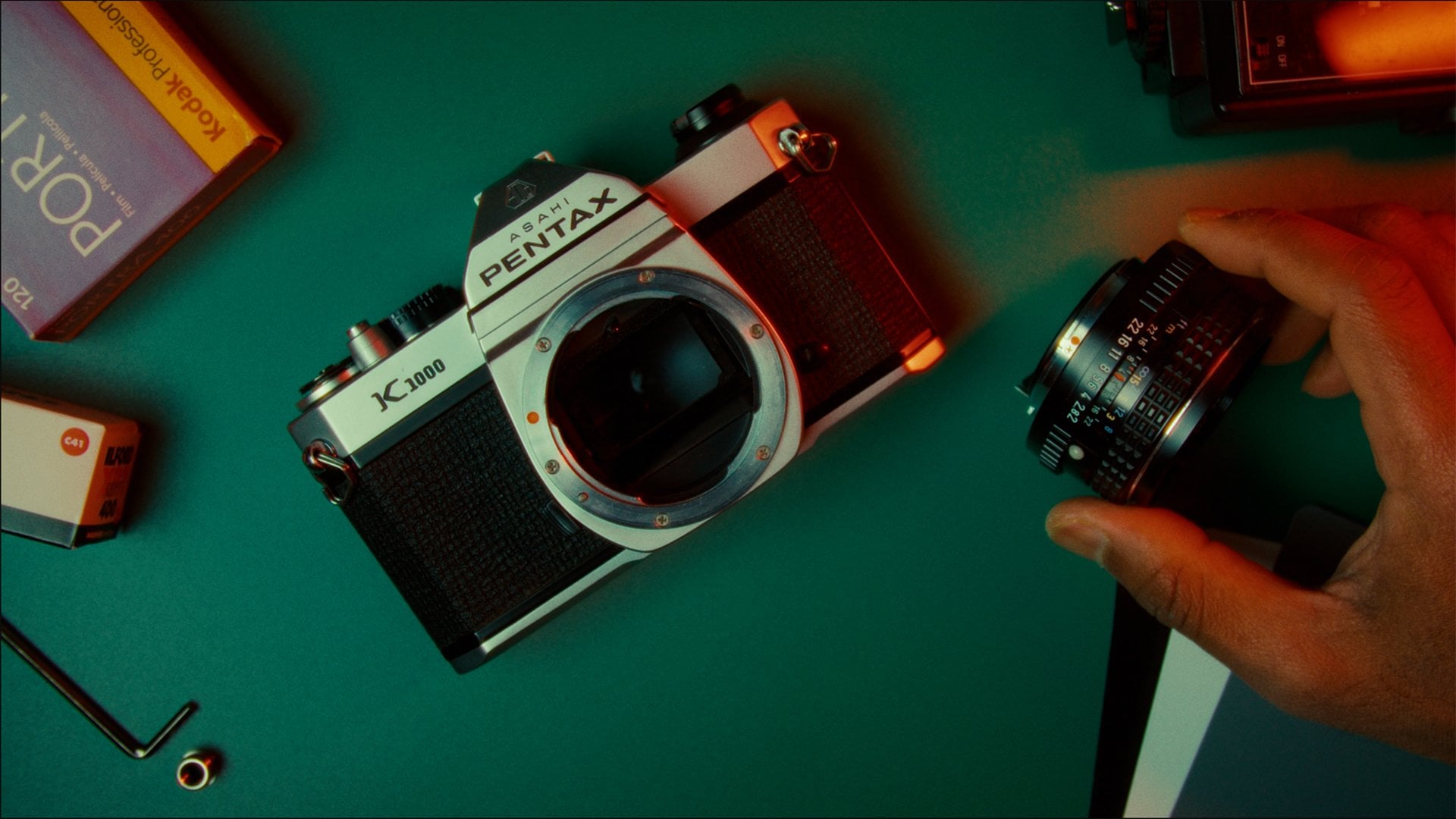
received an old Fujika, which is a Fuji film camera as a gift when I started
shooting film, and I've never looked back. Over a year ago, I started
a personal project documenting the lives of
canal boaters here in London. And this journey has fostered
a deep appreciation for the process of meeting new individuals and
capturing their stories. Fear of rejection
and of confrontation were certainly roadblocks
for me when I started. But I've learned to make them
part of the process now. I am extremely
grateful that this happened as the
alternative would have been not telling their stories
or making these images. All this to say,
we shouldn't let the fear and anxiety around photographing strangers
stop us from exploring the people around us that have interesting stories to share. In this course, I
want to talk about the key elements involved
in photographing strangers, how to be prepared, dealing with your
anxiety and fear, how to communicate
effectively, and at the end, some practical tips
to get you started on your journey of making beautiful portraits of
strangers. Let's go.
2. Class structure: So the class is split into
three broader section. Number one is preparation, so that comes with, you know, how to prepare yourself
to be able to talk to strangers and ask
them for their photos. What are some of the
things that you can think about gear when it comes to what you need to
bring, stuff like that. And then we move on to communication when
you're in the field, what are the things that you can develop so that you're better equipped to go out there and
make the images you want? And the third and
final section will be the practical tips
that you can take away with you and use them on your day to
day out on the field.
3. Preparation: Understanding the 'why?': Understanding the why is key in any shoot when you're
photographing people, and it's especially important if you're photographing
strangers. So I would suggest that before you go out in search
of portraits, ask yourself why you're
doing it in the first place. I would also suggest
that this is a good time to start taking
notes on your phone, specific to
photographing strangers, or if you use notebooks,
start writing down. This idea of understanding
the why applies to both long form projects and on short projects that
you do on a day to day basis because it helps
with a few things. One, on bad days, it helps to remind you
why you're doing it. And two, you have a
thought out answer when people you're trying
to photograph ask you why. And three, it helps with
the logistics of it all to think about what kind
of images you want to make, what gear you need,
how you want to pose the people
you're photographing, how to give directions
to them, and so on. For me, when I
started the project, the answer was to
be able to document canal boaters the aspects
of their daily lives. So in terms of logistics, I need pictures of them on their boats doing things they normally do
throughout their day. Some detail shots of things
they own or things they're wearing and stuff like that to effectively tell their stories. And I wanted their
portraits to be somewhere between documentary and
post documentary style. In terms of what kind of compositions I was thinking
close up to focus on them, and then some white portraits to place them in their
surroundings. Now, if it's not a
longer phone project, and if I'm photographing
people that are, let's say at an
event on one day, then I'll still think about
what's important to me in the context of this event that I'm photographing colors, emotions, close up
photos or white photos. Do I want to use props? Do I want to bring my
own lights and so on? And knowing these things
is incredibly helpful because you as a photographer will feel fully prepared
when you go out. And this also helps
in communicating your vision clearly when you're asking people
for their portraits. To summarize, ask yourself why you want to go out and make images of people and think about how you want to
approach image making. We all have different places where we draw inspiration from. For me, it's usually
documentaries, news articles that I would read, people I meet, and books. For you, it could
be something else. Maybe it's a poem
you recently read or music that you listen to. So tap into that
and go from there. These preparations help in
communicating your vision clearly and make for an
overall smoother experience.
4. Mini Exercise I: First mini exercise. For this, I would like you to think about something you
recently came across, whether it was through
site, reading, or hearing that ignited your creative spark and compelled you to
start a new project. It could be a mini project, I could even be one photograph. Myself and others taking this
class are eager to know, so let us know in the
discussions area. I'll create a specific
post for this. Also share a link to
this mini project or photograph that you made
so people can look at it. Before you move on
to the next section, make sure to spend some
time thinking about the y and write or type
them down on your notes. B.
5. Preparation: Understanding your anxiety / fear: Anxiety and fear or
universal emotions. When stakes are high, and we have unknown outcomes, these feelings pop up naturally. And instead of trying
to push them down, trying to focus on what is
causing these emotions would better equip us to walk ourselves through it
through these emotions, I mean, and make better
photographs in the process. I encourage you to think about this on your
own time as well. And if you want to do it now, feel free to go ahead
and pause the class, spend a few minutes and
write down your thoughts on what causes anxiety or fear
and come back to the course. In my personal experience and hearing from other
photographers, the two most common
elements that cause anxiety are anticipating
and no when you're thinking about
asking someone to take their portraits and associating that no with
all future outcomes, like everybody else that you're going to ask
will still say no. And then associating and no with your ability or skill
set as a photographer. In other words,
taking it personally. Address the first bit
by reminding myself that people saying yes or
no is like flipping a coin. The probability is 50 50, just because this
time I get tails doesn't mean all future
outcomes will be tails. And I tell myself that there's just as likely a chance for the next person to say yes as there is for them to say no. So instead of thinking,
what if they say no, I started thinking,
what if they say yes. And I've got nothing to
lose if they say no, but an opportunity to tell somebody's story
if they say yes. Now, to address the second bit about taking it personally. I think about my bad days
or bad moments or even, you know, extremely
busy days, you know, Those times when you just
want to be left alone, and you have no time
for anything or anyone else except what
you've got going on. I remind myself that people have their own
reasons to say no. Maybe they are having a bad day, like I described earlier. Maybe it's about privacy. Maybe they just don't
like to be photographed. And most importantly,
they don't know me at all for any of their
reasons to be personal. Here's some tips.
Have a catchphrase that you can tell yourself. Mine is what's the worst
that could happen? And the answer is
they say no, right? And what would I do? I move on to the next person that I find
interesting. That's it. And I know it's easier
said than done, but the more you practice, the easier it gets. Also, go ahead and
think about what your catchphrase could
be and write it down. The second tip boots on the ground, practice,
practice, practice. If you've seen my
previous class, you know this is one
of my favorite tips, so go out and try
as much as you can. Maybe the first few times, you could even take
a friend with you if you're anxious to
do it on your own. And if you prefer
photographing by yourself, then maybe try how you
would ask someone with a few friends before
you go out to photograph and ask some of
these friends to say no, and some of them to say, yes. This way, you can
practice both scenarios, and more importantly,
get used to hearing no. To summarize, it is normal to feel anxious when
approaching strangers. Remember that the outcome
is like flipping a coin. There is an equal chance
for someone to say, yes, as for them to say no. And whatever the outcome
of that interaction is, it does not affect
future outcomes. Another thing to remember
is to have empathy and to realize that people can have any number
of reasons to say no, and it does not define
you as a photographer, so do not take it personally.
6. Mini Exercise II: The second mini exercise.
A couple of things here. One, when you think about
photographing strangers, what fear or anxiety inducing
thought comes to your mind? Share it with us in
the discussions area, I will create a post for it. This is just to realize that
everybody feels this way and everyone have their
own anxiety and fear. The second part of
this mini exercise, try to find a catch phrase and share it in the
discussions area. You're welcome to use what's the worst that could
happen for yourself. But if you come up
with something else, Please do share it in
the discussions area. And the last bit, practice and interaction with a friend before you go out to
make photographs.
7. Preparation: Gear: Could easily say, by this specific camera
and this specific lens. I don't want to do that as every individual situation is different and every photo
project is different. So I'll just talk about
how to optimize what you bring because when someone agrees to have
their images made, the last thing you want to
do is waste their time. My primary goal in all these, let's call them portrait
missions is staying focused on getting
the best photograph possible with the time I have. A philosophy that I stick to is that work dictates the tools. This might feel a bit
restrictive at the beginning with all the gears you
need videos out there. It's easy to have a
gear first mentality. But try to actively think
in terms of photo first. And I did this at the
beginning, and I still do it. As this helps in letting the project and the
images inform you, organically if you need to be bringing different types of gear or a specific type of gear that can only produce
the image you want. This means everything
happens for a reason, and you're not trying to use all the gear you own just
because you have them. Planning ahead is
very important. Think about the day and the
type of gear you want to bring to be able to make the
images you have in mind, questions like white
angle or close up, environmental light or
bring my own light. I shoot film, for the most part, so I also think about
whether I want to use a color film or a
black and white film. What ISO film to
bring and so on. And if it's not a
long form project, if you're doing like
one day shoots, maybe you're photographing
people at an event, gear list might
vary quite a bit, and it might be better to bring a zoom lens to give
you that flexibility. But for longer form projects, more often than not, less is
more when it comes to gear. At the beginning,
I used to carry a Zoom lens, two prime lenses, a film camera, my video camera, and a microphone, as I wanted to make videos from a
YouTube channel as well. But I quickly realized that all this additional gear was distracting me from what
I was truly there to do, which is to make photos of the person that I'm with to
tell their story effectively. So I stripped it down to
just the bare essentials. On prime lens, which
is equivalent to about 40 millimeter and
focal length. And a camera. Also recently, I realized
that I need to be making wider images
inside the boat. And so I started carrying
two prime lenses because 40 millimeter wasn't
wide enough to capture the insides of a boat. In summary, in terms of preparations with your
gear, plan ahead, let the photos you have in mind dictate the gear
you need to bring or purchase so that you're
making the best use of your time and the
time of your subject.
8. Mini Exercise III: E exercise. Think
about the images you want to make and
what gear you need. This could be for a
shoot coming up pretty soon or for a project you've been wanting to do
for a long time, and then share it with us
in the discussions area. I will create another
specific post for this mini exercise.
9. Communication: Approaching Strangers: One of the first
questions I get asked about photographing
people is this. How do you just approach
them? And I get why? This is the most daunting part, if I may say, so, of
the whole exercise of photographing strangers. And so an easy template
to remember to use is this two step
approach that I use. Why them? And who are you. Now, there's certainly
a reason why you stopped while you're out and about and thought,
Oh, this person. You know, I want to
photograph this person. That reason is basically what
I would use for why them. More often than not, this
would be a compliment like, Oh, I love your green blazer, or your hair looks stunning, or that velvet bag looks good on you or whatever it is
that caught your eye. Be honest and
genuine about that. Compliments usually allow people you've never met before
to open up a bit, so you can continue
the conversation. Their response
might even give you an indication of where the
conversation is headed. I mean, are they going
to say yes or no? If they say, thank you, then you could continue with quickly telling
them who you are, which is the second
part of the template. I'd say something
along the lines of, I'm a photographer and I'm
documenting this event, or I'm working on a
personal project, documenting fill in the blanks. And I'd love to photograph
you. Do you have some time. If they hesitate, I usually follow up with I could
show you my work, and I would usually pull up
my Instagram on my phone, and that usually helps to move things along in the
positive direction. All of this to say, approaching
a stranger with a camera and being approached by one are probably not a common
experience for most of us. But what is common is to feel a bit uneasy
when that happens. And as a photographer in
search of good portraits, your responsibility
is to let them know that you're not someone they
should be worried about. And to let them
know that you have a purpose behind why
you're doing this. At this point, it's
usually a clear yes or no. Although I have had
people ask me if I can come back another
time as they're busy, and sometimes that's just
a polite way of saying no, but a lot of the times they did genuinely
didn't have time, and I've come back and
made photos of them. And so I usually get their
details and bring them back so we can find
a suitable time. And needless to say, this only works if it's a long form
project that you're working on. If you're there for
a day for an event, obviously, that is
not a possibility. I do want to share a few
interactions I've had in the past of approaching
people and their responses, so you can hear what went on there in
those conversations.
10. Field Recordings I: Hey. When I thought about sharing field
recordings with you, I knew that they had to be
as authentic as possible. And I realized that shoving a video camera in people's faces will undermine
that authenticity. So I made a decision for
it to all be just audio. So I went out with a mic on me and just my
photography camera. And just talk to people. You'll hear conversations
from my long form project. So the one I'm working
on photographing people in living in
the canals of London. And then I also recorded some
conversations at an event, a car boot sale that
happened a few months ago. But the whole idea behind sharing field
recordings is for you to be able to listen to genuine
in the field recordings. And when combined
with the course and the practical tips you'll hear towards the
end of the course, these should give you
a good foundation and some ideas on how you
can go out and do the same. All right. Let's get to it. Oh, yeah. H, yeah. Sorry to bother you.
I'm a photographer. What? I'm a photographer. Right? I'm working on
a personal project of documenting people that
live on Canal Volts. Would you be interested in
that? I know you're busy. Maybe I can come
back another time. We get. You do? Yeah.
You're tired of it? It's just Dyson Bots. It's Ni. That's. That's totally fine. All right, well, I
won't disturb you then Carry on with today.
Alright. Thank you. Hi, sorry to bother you guys. I love your styles. Can I take a photo of
you? I'm a photographer and just trying to
document today. Yeah. Do you mind coming that way there's a car
there that Yeah. Look great. Yeah. I'm Sati, by the way. Nice
to meet you guys. Have you guys been to the
carbo sale before? Yeah. Nice. That's lovely here.
It's my first time. Ask me to meet people as well. That one. Maybe on either side. Yeah. Actually, you know what.
Together would be better. Maybe in this corner. Yeah. Sorry. Look right
at the lens 321. Oh, yeah. I'm a photographer. I'm working on a
personal project for the past few months, documenting people
that live on boats. I can? Is there something
you'd be interested in? I take portraits and I take photos of things in your boat? Yeah, y. Yeah.
Yeah, potentially. Maybe not right now.
Okay. Maybe have a time. Can I take a number? Yeah. So now in the middle
of a few things. That's fine. How to pop it in there. Yeah.
What's your name? Taken quite a few already? Yeah, yeah. Yeah. If you have Instagram on your
phone, I can show you. Yeah, sounds fun. All right, I'll hit you up. My name is Satya. I'll hit you. I'll just send you a text, and then one of these days. Good luck. All right.
Thank you. Bye.
11. Communication: What if they say 'NO'?: Hearing no. So in the
field recordings, we saw or heard how I
approached strangers for their portraits and also
examples of hearing no. I don't like convincing
people to be in my images if they say
no, and that's just me. So if the answer is no, I'd usually say, not a problem. Thanks for your time,
have a good day. But sometimes, especially
when I'm working on like, longer form projects, if I really think they
are a great subject, I'd ask if they'd
have time another day because sometimes people
might feel like they could, but they're in the
middle of something, and it's just easy to say no. So Yeah, read the situation, and if you think it's an
important image to make on long term projects,
ask to come back. But as we discussed in the
anxiety and fear class, remember that nos do not define your capability
as a photographer, and they do not affect the outcomes of your
future interactions.
12. Field Recordings II: Hi. Hey, morning.
I'm a photographer. I'm working on a
personal project documenting people
that live on boats. Uh huh. Love to look of your boat. Would you be interested
in being a part of that? Thank you. I literally I am quite busy today
to clean the boat. Fair enough. Um, What
would the picture entail? Portraits and then
photos inside the boat. Yeah, no, unfortunately,
I can't I can't do that. That's absolutely
fine. A bit of a mess. Sabian. So. Oh, ok. Yeah, I don't live
on it. I you won a design competition and
designed it and built it. Wow. Yeah. Have a good day. Hope you get through it.
Catch me another time. Of course, it's just I'm on a bit of a deadline
day. I just go ****. Sure. What's your name? I'm Satia Nice to
meet you. Saia. L to meet you. Nice to meet you.
Have a good day. B Hi. Sorry to bother you.
Love Love your style. Do you mind if I take a
photo of you? Sure. Yeah. This is your shop or
You're just visiting? Yeah, I just. Oh, okay. Okay. Can we do one
in front of the car? Sure. I can hold that if you want. Yeah, hands in the pocket. Just looking. At the lens here. Yeah. Three, two, one.
13. Communication: What if they say 'YES'?: You've understood your why. You've thought about
how you'd approach strangers to ask for
their portraits, you've practiced it
with your friends, and you go ahead and do
it finally, and they say, yes, here's your opportunity
to do what you love doing. Couple of things I
found helpful to move the interaction forward are to communicate
your curiosity. And to be honest in
your compliments. Now, I'm sure there's an
element of curiosity that led you to photographing
strangers in the first place. So tap into that,
for me, for example, my wife and I have lived in East London for
over six years now. And so canal boaters are a
part of our day to day lives, and my partner and I
would come up with stories for boats we see
as we walk past them, and we'd talk about
their funny names, and we're even considering
living in one at some point, but that never materialized. My point is, I was curious to know what it is like
to live on a boat and choices that canal
boaters made that were different than
us flat dwellers. And it's always
interesting to see how they've made
use of their space, things that are important
to them and so on. So that's how my conversations with canal boaters
would usually go. Questions like,
hey, how long have you lived on a boat?
Do you like it? And that usually guides our conversation and
moves it forward. Honesty, there's no need
for definitions here. What I mean is that
when you talk to them, just try to tap into what drew
you to them specifically. And if they have questions about the photos or where they'll
be shown, be honest about it. With the boat project,
I wasn't quite sure at the beginning how it would
materialize in the end. And and I said that,
which was fine. People were like, Okay,
that makes sense. So, yeah, just be honest about your intentions
and the outcomes, and that usually helps. Here's the tip. If making compliments doesn't
come easy to you, just practice in your head next time, you're out and about. For example, during
your commute, you might see somebody
that, you know, you found interesting and
come up with a compliment on whatever you found
interesting in that person. You don't have to necessarily
go out and say to them, you know, think
about these things. You can also practice
complimenting with friends and family. It's always generally easier
to do than with strangers. So, yeah, overall, a bit of curiosity and honesty
go a long way to move the conversations
forward and to have this experience, this strange
experience better for yourself and for the person
you're photographing.
14. Mini Exercise IV: Exercise. Share a
recent compliment you received or gave in the discussion posts
that I've created. Also, practice
complimenting your family or friends at least once a day.
15. Communication: Direction: Direction is another key
element in this whole process. If it's a long form project, the confidence
required to direct is something you'll develop
as time goes on. But to begin with, understanding
your quote unquote why, as we discussed earlier, helps you to clarify the kind of poses and compositions
you want to pursue. Something to think about is, what is the mood or the presence that you want the people you're
photographing to embody. There are no wrong answers here. I usually give
specific directions about where I want them to look. Sometimes their
hand positioning, and if they were
using an object, already see if that can
be used in the photo. For example, with
the boat project, because I'm basically
in their homes, I'd ask them what
they would be doing if they were in
their sofa or chair. And when they show me, one
post would lead to another, so I would lean into that. And even if in the moment, I wasn't sure about a post, I would still go for it
as more often than not, that would lead
to a better idea. And sometimes I won't have
to do anything at all. The environment will lead into a pose or a suggestion
that feels really natural, or sometimes they'll pose
for me without me prompting, and I would love that
pose, and I'd go with it. And sometimes they'll be
doing something while I, you know, interrupt their day,
and that would be perfect. And I'll say, yeah, just keep
doing what you're doing. And I'm just going
to walk around and try to find a way to frame it, and that worked as well. The only thing I avoid
saying nowadays is to ask them to act naturally. I have tried this before, and I never found
that to be helpful as people get really
self conscious. In addition to this, sometimes
intuition takes over me, and I instantly know where
and how to pose them. Sometimes I'm not sure at all, and I take more than
a couple of shots. If you're doing this at
some kind of an event, then I would say scan
your surroundings first. I would normally
check out the area for spots that have the
potential to be a background, see what the lighting
situation is. For instance, with a car boot sale that I
recently went to, I walked around the
whole show first without worrying about
photographing anybody. I was just looking at the cars, looking at the shops, the space, so that when I found people, I knew where to
take them to post.
16. Practical Tips: Right. Now for some
practical tips. Let's get the obvious and my favorite out of the way first. Boots on the ground.
Practice makes pictures. We're not searching
for perfection here. We are searching for pictures, so go make them as
much as possible. How to make your
practice fruitful? Set some goalposts
when you go out. Say, maybe you're not done
until at least you've had one interaction or taken one
portrait or three portraits, if you feel up for it. Um also self assign a theme
or an idea when you go out, don't go out without any
intentions on what you want. There is a book that I regularly recommend to anyone
that want to do photography and tell
stories through their work to sort of train their storytelling
muscle, so to speak. And it's this one, the
photographer's playbook. It's a great book
for assignments, if you don't already
have an idea. Just find one in there about
portraits and just go do it. When you're starting out, try visiting places where people are more likely to be friendly, like a fair or themed
outdoor event. That way you could build your courage for more
intimidating projects later on. For instance, I went to a
festival here in London, the Notting Hill Festival that happens once a
year to photograph some strangers as one of
the very first things I did when I knew I wanted to
make portraits this way. And it certainly helped
with my confidence. People were quite
friendly and were happy to get there
portraits made. Publish your work.
Put it out there. This will one increase
your confidence, and two, you can show people
when they ask to see some of the images
you've made before. And lastly, always always get their details to send them
the photos back to them, and if possible, try to do
something nice for them. Like, gifting
prints, for example, I found, is always a great idea. And sometimes I carry a poloid camera with me
when I'm out and about, so I can give them a
polroid instantly. If nothing else, it's
a nice thing to do. And I found that people hold
on to prints these days as we live in a world of abundance when it comes to digital photos. So prints are really rare, and it's a nice thing to do. In addition to that, I
found that this builds trust between you and the
people you photographed. And sometimes this leads
to more opportunities. I've had many canal
boaters that recommend me or refer me to their friends that also
live on boats and say, Oh, go check out this person, and, you know, they would be interested in being
part of your project. So yeah, be nice
and give something back to the people that are
giving their time to you.
17. Your feedback is valuable!: I will come to the
end of the class. I really hope that
this class provided some guidance in approaching strangers to take
their portraits. I hope your note sap or
your notebook now has some valuable personal insights that you can refer back to. I find this practice of photographing people
extremely fulfilling, and I wish you the same. I would love to stay in touch
here and on my socials, so feel free to
connect there as well. I have another class on film photography as I shoot with film for most of my work. And if you're
interested in learning about how to start
shooting film, you can check it
out on my profile. I go through all the
fundamentals needed to have a strong foundation to start shooting film
in that course. The best way to get the
most out of this course is to practice what we talked about here, so please go out, have an interaction and
share the photograph from that interaction in
the class project area with some words supporting that. And any feedback you
have is greatly valuable to me and for others who are
looking to take this class. So please let us know in the
review section was useful, what worked for you, and
whether the class could be improved with any
additional material. And lastly, I have plans to introduce more courses
in the future. And if you want to be updated, please follow me here on
Skillshare and on my socios. But, yeah, thank you so much
for giving me your time. Take care, and I hope to see
you in the next class. Bye.
 Sathya Peacock, Documentary & Portrait Photographer