Transcripts
1. Introduction Strategic Thinking & Decision Making: Strategic thinking
and decision making. Have you ever worked
hard on something only to realize later you were
solving the wrong problem? Strategic thinking is one of the most important skills you can develop as you
grow in your career. Yet almost no one
formally teaches it. Hi. I'm here to work with you as leaders and professionals
on critical thinking, strategy, and smarter
decision making. In this class, I will show you
how to think more clearly, make better choices, and avoid
costly strategic mistakes. In this class, you will
learn how to define the real problem instead
of solving symptoms, how to break big challenges
into manageable components, how to anticipate consequences
before making decisions. How to gain
stakeholders buy in for your strategy and how to evaluate whether your
strategy is actually working. This class is designed for professionals,
managers, founders, and ambitious contributors
who want to move from reactive problem solving to deliberate
strategic thinking. You don't need any
prior experience, curiosity and a willingness to reflect for your class project, you will take a real
problem from your work or your career and build a
clear problem statement, identify assumptions
and constraints and outline a
strategic action plan. By the end, you will have a practical framework you
can immediately apply. Strategic thinking is not
about being theoretical. It's about making better
decisions in the real world. If you're ready to
sharpen your thinking, build a skill that compounds
over your entire career. Let's get started.
2. Strategic Thinking & Decision Making : The difference
between the vision, strategy, goals, and tactics, how to shift from task execution to the big picture thinking, how to question assumptions
without sounding disruptive, how to crave out time for strategic thinking
in a busy schedule. And how to align your daily work with
long term career growth. This class is designed for professionals who want to
grow into leadership role, managers who want to
elevate their thinking and high performers who feel stuck because they are
great at execution, but not at seen as strategic. You don't need any prior
experience and strategy. What you do need is the
willingness to pause, reflect, and think beyond
your current to do list. Now let's talk about
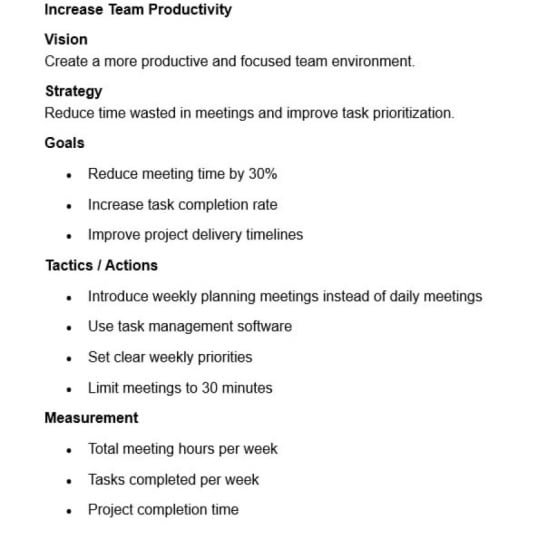
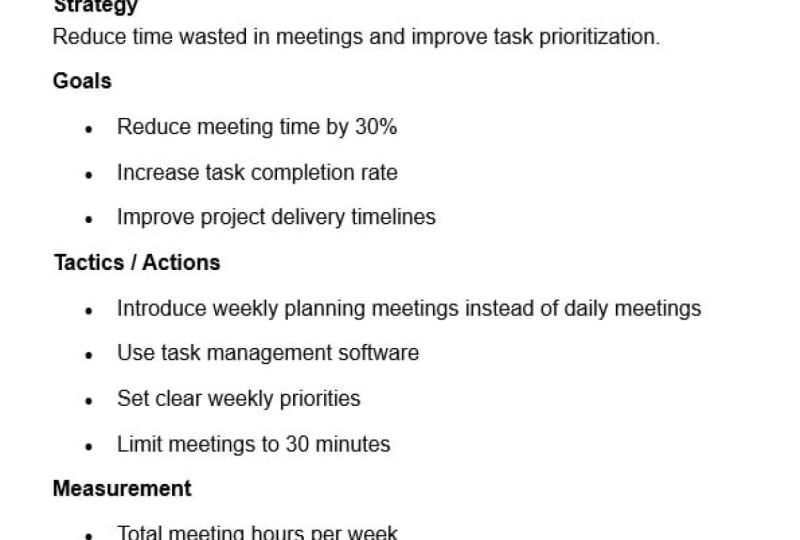
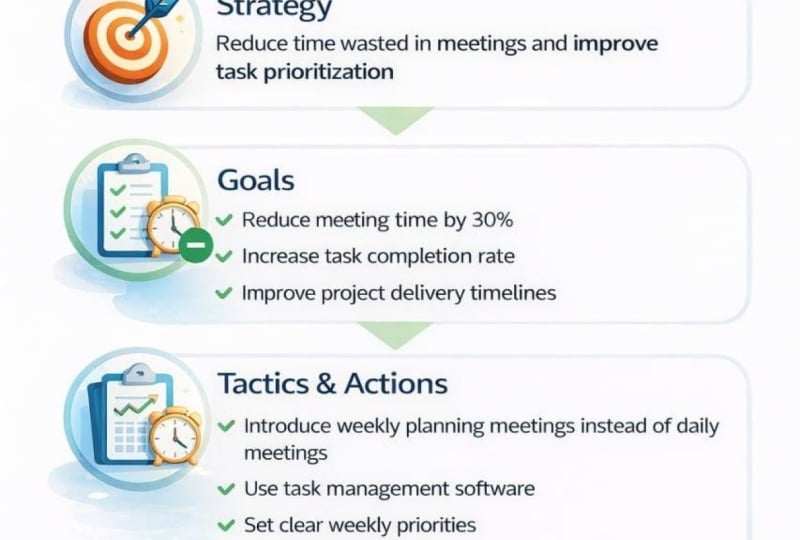
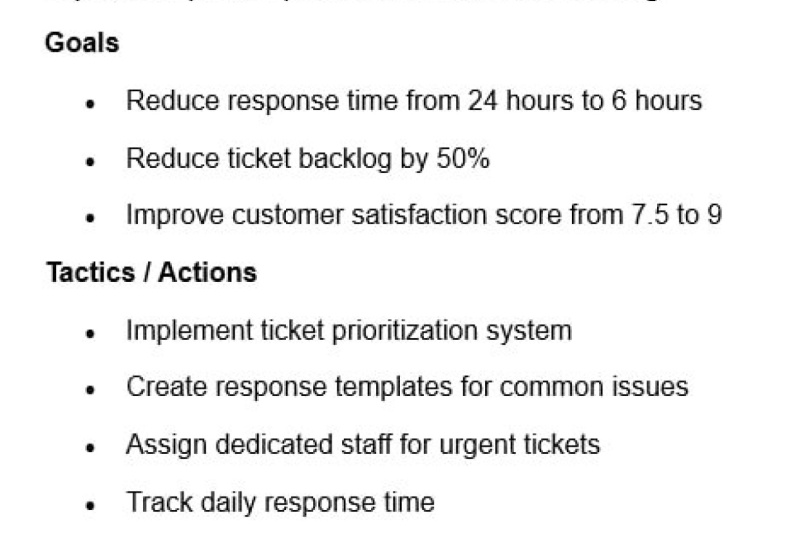
your class project. Your project will be to create a strategic clarity map for either your current role or
your career you have defined. Your vision, where do you want to be in three to
five years from now? Your strategy, what
choices will you make and what will you
consciously not pursue? Your goals, what
measurable outcomes will move you forward, your tactics, what
specific action will you take this week? You will share this in
the project gallery as a one page document or
a structured outline. The goal is not perfection. The goal is clarity. By the end of this class, you won't just understand
strategy intellectually. You will have a
practical framework you can apply immediately
to your role, to your team, and your career. Being strategic and being perceived as strategic
changes everything. So let's get started. I will see you in
the lesson one.
3. We spend much of our lives being told what to do: Chapter one. We spend much of our lives being told
what to do in school, constantly questioning
the teacher does not actually
lead to praises. You are rewarded for following the instruction and completing
the assignments correctly. When you enter the workforce,
that pattern continues. Early in your career,
you are promoted for mastering the task quickly
and executing it well. Write the report in
a standard format, design the presentation, process the claim,
send out the mailings, check, check, check, and
that works at first. But over time, the same strength
can become a limitation. If you only focus on
doing what you are told, your growth will
eventually stall. As executives coach Marshall
Goldsmith famously said, What got you here
won't get you there. The skills that help
you succeed early on are not the same skills that
can help you lead later. At more senior levels, strategic thinking is not
optional. It is essential. And how do you
cultivate it first, understand that strategy
is not something you create once and
then follow forever. Conditions changes, market
shift, priorities evolve. Strategic thinking must become an ongoing habit for reassessing, adapting,
and recalibrating. To build that mindset, focus on three core practices. The first is questioning
the assumption. Why do we do it this way? This is the question every
5-year-old ask repeatedly. As adults, we often stop asking. We assume that the current
way is the only way. And when you begin to
question the process, thoughtfully, you uncover
the opportunities. Why are we filling out
two forms instead of one? Why is orientation
structured this way? Could this step be
eliminated or redesigned? Targeted, respectful questioning can
surface efficiencies, new ideas that no one
has examined in years. The second practice
is observing. Modern corporate life is
biased towards action. Move faster, do more, produce more while
execution is important. Constant activity leaves
little room for awareness. Strategic thinkers pause
long enough to observe. They watch how teams interact. They notice bottlenecks
and patterns. They pay attention
to macro trends and how different pieces of
the organization connect. Seeing what others
overlook often creates unique insights
and competitive advantage. The third practice is reflecting breakthrough ideas do not
always require hours of effort. Often, they require space. A powerful insight can
occur in an instance, but only if your mind has
a room to process it. Reflection means
clearing mental clutter, being present, and thinking about what you have experienced. It means stepping back from constant inputs and allowing
connections to form. Creativity and
strategic insights are rarely born in business. They emerge as part of
the thoughtful pause. If you want to grow beyond task execution into leadership, cultivate these habits,
question the assumptions, observe deeply, and
reflect deliberately. This is how you begin to adopt
a truly strategic mindset.
4. Everyone agrees that corporations need strategy: Chapter two, everyone agrees that corporation needs strategy. We will expand to Latin
America first, then Asia. We will launch the sports
car before the sedan. We will cut our
product line in half, focus only on our most
profitable products. Those are enterprise
level strategic choices. They set direction, they
clarify priorities, and most importantly, they define what the
company will not do. But strategy is not
just for corporation. Teams need strategy, too. If the company is expanding
into Latin America, different functions
make aligned choices. HR may prioritize hiring Spanish and Portuguese
speaking employees. Operations may secure office
space in Palau or Bogota. Marketing may conduct
regional focus groups. Women these teams choose
to focus on Latin America, they are choosing not to
focus somewhere else. That tradeoff is
strategic inaction, and ultimately, strategy comes down to the individual level. To be truly effective at work, you need to understand
your company's strategy, your team's priorities deeply. You might be exceptional
at specific task, but if that task is not aligned with what your boss or
the organization values, it will not move the needle. It may not even be noticed. Strategic professionals
align how they spend their times with what matters the most in their
organizational context. They ask, What will
create visible impact? What will contribute to the priorities leadership
care about? What will make someone say? See, this is truly value. Strategic thinking also extends
beyond your current role. It applies to your
entire career. Where do you want to be
in three to five years? Are you on that path? If not, what choices
can you make now to increase the
probability of that outcome? That might mean developing new skills, gaining
international exposure, leading a high
visibility initiative, and volunteering for a
cross functional projects. When you apply
strategic thinking at a corporate team on
an individual level, you create alignment, and
alignment drives results. Thinking strategically
about your career is not just your
current to do list. I can yield a powerful
long term reward.
5. Vision: Chapter three, vision, strategy, goals, tactics and tools. They often get thrown
around interchangeably, especially when people want to sound polished or strategic. But when we blur the terms, our thinking gets blurry too. So what are we actually talking about when we
talk about strategy? The easiest way to keep it straight is to think in layers, moving from long
term to short term, from the big picture
to the daily action. At the highest level is vision. Vision is a long term picture where you ultimately want to be. An individual level,
it might become a leader who creates
meaningful change. At an organizational level, it might be transforming
an industry or serving customers in
a fundamentally new way. Vision answers the question, where are we trying to go? Next comes strategy. Strategy is about big choices. You make the move
towards that vision. This is the path you choose. It defines what you
will focus on and just as importantly what
you will not focus on. For example, if your vision is to become an
influential leader, your strategy might be specialize in healthcare
rather than finance. Or you might decide
to focus deeply on artificial intelligence
because you believe it will shape
the next decade. Strategy is proactive choice. It is deciding which road to
take closing off the others. Strategy answers the question. How will we get there? Then comes the goal. Goal operationalizes
the strategy. They translate your big choices
into measurable targets. If your strategy is to
become an AI specialist, your goal might include completing a
certification program, publishing two
articles this year or reading one book
per week on the topic. Goal answers the question. What specific outcome will
show you are progressing? But goals alone are not enough. They are often too broad to
execute without structure. That's where tactics come in. Tactics are the concrete day to day actions that
makes the goal real. If your goal is to read
one book per week, the tactic might be blocking 1 hour every morning
for reading. If your goal is to
enter a degree program, the tactics might include scheduling informational
interviews, preparing for the
entrance exam or submitting applications
by a specific date. Tactic answers the question. What exactly will I do today or this week
to move forward? When you line it up,
clearly, it looks like this. Vision defines the destination. Strategy defines the path. The goals define the milestones, and tactic defines the step. Strategic thinking is not
just about having big ideas. It is about understanding
how these layers connect and ensuring that your daily actions are aligned with your
larger direction. When the pieces fit together, your work becomes coherent. You efforts compound
and your visions move from abstract aspiration
to practical reality.
6. Making time for strategic thinking: Chapter four. We all know it's
important to be strategic, and that means making time
for strategic thinking. But that's easier
said than done. Most professionals are
already stretched thin. The average person sends or receives more than
20 emails a day, attends dozens of
meeting each month. No one is paid to answer
emails all the day. Yet somehow the real world has
to fit around all of that. Strategic thinking can start
to feel like a luxury. Tu thing to do when
things slow down. But that time rarely
appears on its own. If you want it, you
have to create it. And here are some
practical ways to begin. First, turn off the noise. There are likely moments in your week when you
are commuting, exercising, or walking
between the meetings. Instead of automatically
filling that time with music, podcast or audio books,
experiment with silence. Even once a week, give yourself uninterrupted
space to think. Let your mind wander, ask yourself bigger questions. Where am I headed? Is this the right direction? What am I not seeing that quiet space can surface insights that constant
inputs never will. Second, block dedicated
strategic time on your calendar. Choose 1 hour a week
ideally at a time when fewer people will
compete for your attention, such as a late Friday afternoon, put it on your
calendar and treat it like a meeting with the
senior stakeholders. The stakeholder is your future. Use it to reflect,
evaluate priorities, and think about
long term direction rather than immediate down. Third, experiment
with environment. Some people think
best at their desk. Others prefer a walk, a coffee shop, or a blank
notebook, away from screens. Pay attention to
where your thinking feels clear and more expansive. Fourth, use accountability
if it helps enlist a colleague or
a friend when you meet regularly to discuss
bigger picture ideas or simply hold each other accountable for protecting
your strategic time. At the end of each week, check in and confirm that
you honored the commitment. External accountability often strengthens
internal discipline. Making time for strategic
thinking is difficult because it does not feel
urgent, but it's important. And once you begin protecting even a small amount
of space for it, you will likely find that you both enjoy it and
benefit from it. Strategic thinking does
not happen by accident. It happens because you
decided it matters.
7. Consider the future and learn from the past: Chapter five. To be
strategic thinker, you cannot focus only on the present and the daily
task in front of you. You need to examine
the future by evaluating trends and
imagining possible scenarios. You must also interrupt the past so you
can learn from it. Here's how to strengthen
both the abilities. When thinking about the future, remember that no one
has perfect foresight. At best, you're making
informed prediction, but with practice, those predictions become
sharper and more nuance. Start by identifying macro
trends that shape the society, such as the rise of automation, artificial intelligence, chat GPT, new manufacturing
technologies. Then look at micro trends that specifically
affects your industry. This could include shift
in customer preference, regulatory changes, or
emerging competitors. Many people focus only on their immediate
responsibilities, and they caught off guard
when disruption occurs. If you actively
monitor the trends, you are far less likely
to be surprised. Instead, you gain
time to prepare and adapt before change
fully unfolds. To stay informed, read wisely. And read widely. Engage with both general interest
publications and industry specific sources. Seek out well
informed individuals whether inside or
outside your field. These might be professors, analysts, researchers, or
experienced practitioners. Ask them what
development they find promising, concerning
or transformative. Another powerful tool
is scenario planning. This approach often used by military and
large organization. It involves mapping out multiple possible
versions of the future. Write them down as
if you are telling a story about how
events might unfold. No single scenario will
happen exactly as imagined. However, elements of several
scenarios may materialize. By considering different
possibilities in advance, you can identify risks and opportunities early and
respond more effectively. Now consider the past. It is not enough to
know what happened. You must understand
why did it happen. Humans are good at
generating explanations, but we often stop at
the first possible one. In reality, most outcomes have possible causes and
multiple causes. A company have failed due to
poor leadership decisions, but it may also have suffered from the weak
product market fit. Ineffective marketing channels
of flawed cost structures. Strategic thinking requires
resisting simple narratives. Ask yourself, is there another explanation what additional factors
might have contributed? By taking a holistic
view of past events, you uncover deeper insights
that others may overlook. Strong strategic
thinking demands that you move beyond present moments. You need well informed
intuition about the future and a thoughtful
understanding of the past. Together, those
perspectives strengthens the quality of the decision
you make together.
8. How to create an informed strategy: Chapter six, how to create
an informed strategy. Strategy is important, but it must be an informed strategy. It cannot start with
a faulty assumptions. Expect strong results simply because you are being strategic. The quality of your strategy depends on the quality
of your inputs. There are three ways to make your strategic thinking
smarter and more different. First, recognize
that good strategy does not have to
be revolutionary. Yes, sometimes strategy is
innovative and transformative. Everyone would love to create the next
breakthrough product. But as Richmond said, strategy is fundamentally
about making choices. Those choices do not need
to be unprecedented. They need to be
deliberate and coherent. Look at the history, study
what has worked before. Analyze the pattern of
success and failure. Observe what your
competitors are doing. There is usually a reason
behind their action. You may decide to follow a similar path or differentiate
yourself completely. Either way, your
choice should be an informed awareness,
not ignorance. Second, think about future
trends in your industry. Based on your research
and experience, where do you believe the next major shift is going to happen? Where is going to be a
breakthrough that will occur? Then ask yourself, is your organization
positioned to lead that shift or is it a competitor more
likely to get there first? This reflection can
reveal where you may be under investing or
mislocating resources. If you have a strong hypothesis about the direction of change, it is wise to position
yourself proactively rather than react after others
have already moved. Third, see inputs
from diverse sources. It is easy to rely on your own perspective or consult the same small
circle of colleagues. But that often reinforces existing assumptions rather
than challenging them. Engage with the actual users
of your product or service. What do they value? What
problems they experiencing? Their insights may differ significantly from
internal assumptions. Also consider voices that
are often overlooked, such as junior team members or colleagues in
different departments. Strategic blind
spots are dangerous specifically because
you do not see them. By intentionally inviting
diverse perspective, you reduce the risk of
missing critical information. Strong strategy comes
from discipline choices, forward looking awareness,
and broad inputs. If you consistently
apply these practices, your strategic
thinking will become more informed, resilient,
and effective.
9. Practicality Get real about your strategy: Chapter seven. A strategy that works only in theory is not
very useful in practice. Strategic thinking must be relevant, realistic,
and actionable. It cannot rely on an
ideal world scenario. It has to function in the
world as it actually is. Here's how to make that happen. First, map your
assets and allies. What skills, knowledge,
and experience do you bring that can
support your strategy? If your goal is to help lead expansion into
Latin American market, speaking Spanish is a
significant advantage. So his previous experience
working in regional office, such as rotation
in Bureaus Aires. The digital marketing is
central to the expansion. Your expertise in social media becomes another strategic asset. Now consider your allies who can advocate for you,
support your efforts. It might be your
manager who understands your ambitions and is
willing to recommend you. It could be the head
of communication who recognizes your
digital strengths. It might even be a professional contract who
can provide local insights clarify your assets
and allies who can help you understand how to position yourself
effectively. Next, identify your constraints. Rarely is any strategic
environment entirely favorable. Alongside strength and
support, there are obstacles. Constraints may be political. Perhaps a senior leader wants to place someone else
in the target role. It may be structural. Maybe your department is not historically led
international initiatives. They could be cultural. If the organization values
tenure over fresh thinking, gaining influencing may be challenging if you
are relatively new. Recognizing constraints early prevents
unrealistic planning. It allows you to
think deliberately about how to navigate, mitigate, and work
around those barriers. Finally, translate strategy
into concrete steps. If your broader strategy is to become a leader
in the company, expansion, define a
specific goal such as securing a leadership
role on the expansion team. Then outline actionable tactics. Identify who makes
the hiring decision and ensure your supporters
advocate for you. Strengthen your Spanish
language skill, conduct research on
regional markets, schedule informational
interviews. Build expertise so that
when opportunities arise, you are prepared to
contribute immediately. Strategic thinking only
creates value when it is grounded in reality and translated into
disciplined action. That is why the details matter.
10. Strategic thinking with your team: Chapter eight, strategic
thinking with your team. Up to this point, we have talked about building
a realistic strategy. You have mapped your assets
and constraints and clarified your goals and translated
them into concrete steps. But strategy does not
succeed in isolation. Strategic thinking on
your own is useful. Strategic execution
requires other people. Most meaningful goals cannot
be accomplished alone. You need buy in and
support from your boss, your colleagues, and your team. How do you build that alignment? First, never unveil
your strategy for the first time in
the strategy meeting. That may sound counterintuitive, but experienced professionals
understand that formal strategy meetings are
often ratification meetings. The real influence
happens before the room. Before presenting your
proposal publicly, Brief key stakeholders
individually, ask for their inputs, surface concern early, incorporate feedback
where appropriate. When people feel consulted, rather than surprised, they are far more likely to
support the outcome. You do not want to introduce your carefully
developed strategy and have it derailed by
a knee jerk reaction, a misunderstanding
or an objection you would have anticipated. Pre meetings allow you
to refine your thinking and reduce resistance before it becomes a visible opposition. Second, anticipate
the objections. When you map out your strategy, also map out the resistance
you are likely to face. If you take time to
think critically, you can usually predict most of the questions and
criticisms that will arise. For example, if you
propose launching a new product expected to generate 10 million
in the first year, someone will question
your assumption. Be prepared to explain
how you derive the numbers and why
your projections are conservative rather
than optimistic. Now, identify individuals who may feel threatened
by the proposal. If marketing is taking over a function traditionally owned by sales and
expected a pushback, you may not convert every
opponent into an advocate. But you can often reduce the intense resistance to
manageable disagreement. Sometimes lowering the volume of opposition is enough
to move forward. Finally, build accountability
into execution. Strategic thinking is not
an intellectual exercise. Is purpose is achievement. At a basic level, this means clarifying
responsibilities after meetings. Summarize decisions
confirm who is responsible for what and
define the deadlines. At a broader level, it means reinforcing milestones and timelines consistently. Remind the team of
the key markers, monitor the progress, address the slippage quickly
before it compounds. The true goal of
strategic thinking is not simply to create a plan. It is to accomplish
something meaningful. And in most cases, that requires aligning
people around a shared direction and sustaining moments through
disciplined follow through.
11. Measure your success: Chapter nine, measure
your success. Now that you are aligned your team and put your
strategies into motion, the next question
becomes critical. How do you know it's
actually working? You create your
strategy based on the best information available
at that point of time. But market shift, priorities
evolve, new data emerges. A strategy that was sound six months ago may no
longer be optimal. So how do you stay disciplined
without being rigid? Here's a simple
three step system to keep your strategy on track. First, identify
your assumptions. Every strategy rests on
a set of assumptions, whether you state them
explicitly or not. If those assumptions are vague, you will never know where you
are succeeding or drifting. It is not enough to say, we want this product to succeed. What does success actually mean? How many units should be sold? By what date, at what margin, how many new clients
should we acquire? What level of retention
are we looking at? When we write these assumptions down clearly and specifically, you create measurable markers. Those markers become
your reference point. Without them, evaluation becomes subjective and
emotionally driven. The second one is evaluate the progress at
regular intervals. In the slower eras, annual planning cycles
were sufficient. In today's environment, that
cadence is often too slow. High performing organization
reviews progress quarterly, sometimes even monthly,
depending on the initiative. You can apply the
same discipline, decide in advance when you think to review
the performance. It could be quarterly. It could be tied to
milestones such as 10,000 units sold or reached your
first million in revenue. The key is not the
exact interval. The key is pre commitment. If you do not schedule
evaluation intentionally, implementation noise will
consume your attention. Strategy reviews will get postponed and drift
will go unnoticed. Structure always
protects clarity. And finally, document boss. Strategy is not just about
achieving one outcome. It is about becoming better
at decision making over time. Think performance improvement
like athlete training. Repetitive alone does
not create mastery. Deliberate reflection does. You do not become better
basketball player by shooting 1,000
careless free throws. You improve by reviewing
the techniques, adjusting the forms, and
correcting the mistakes. The same principle applies
to strategic thinking. After each review cycle, ask what assumptions
were correct? Were we overconfident? What did we underestimate? What signals did we ignore? Documenting these insights helps you uncover recurring
blind spots. It strengthens the judgment, it builds the
pattern recognizon. Over time, this
reflective discipline sharpens your
strategic strength. Strategic thinking is
not a one time act. It is a continuous
loop of planning, executing, reviewing
and refining. The more rigorous you
evaluate and learn, the more resilient and adaptive
your strategy becomes.
12. Strategic thinking is an ongoing process: Chapter ten. You fail yourself if you create
a strategy once, set a direction, and then
follow it blindly forever. Circumstances changes, markets
shift, people move on. If you never reassess, you may find yourself
far off course. But you also fail
yourself if you constantly abandoned
your strategy on the next exciting idea. Jumping from one
opportunity to another, chasing every new possibilities leads to fragmentation
and lack of progress. So how do you balance
discipline with adaptability? Start by building regular strategy reviews
into your process. Set milestones in advance. For example, review
progress quarterly. Ask whether results align with your expectations and whether
adjustments are necessary. As a general rule, if you have taken the time to develop a thoughtful strategy, you should stay the course
unless there is clear, compelling reason to change. Here are the three questions
to guide that decision. First, Are you failing to meet
your initial expectations? If your results are
dramatically below target, that may warrant
reconsideration. For example, you expected 200 participants to
enroll in a program, but only 15 signed up. Before abandoning this
strategy, examine the tactics. Was the marketing ineffective? Was the timing wrong? If tactical adjustments
do not resolve the issue, it may be that the original
premise was flawed. In that case, a strategic
shift may be appropriate. Second, has there been a major
change in circumstances? Sometimes external events fundamentally alter
the landscape. A key client withdraws, a major advocate leaves
the organization. A political or an
economic disruption changes the market condition. If your strategy relied
heavily on stable contracts, that collapses due to leadership changes or on
expansion into the market, that suddenly becomes unstable
reassessment is prudent, significant internal clients or geopolitical shifts can
justify a strategic reset. Third, is it significantly
more promising alternative? This is where the
seini object syndrome becomes dangerous. If your current strategy is delivering acceptable
results and the circumstances remain stable and the thresholds for
change should be high, the only valid reason to
pivot is emergence of an alternative with a substantially greater
probability of success. Not merely an
exciting possibility. Notice the distinction between probability
and possibility. This is easy to be tempted by a new idea that
promises higher growth, but do not assume you can pursue two major strategies
simultaneously without diluting your focus. If you believe a new
opportunity may be superior, test it on a small scale first, run a pilot, gather the data, seek inputs from the
trusted colleagues and advisers before
committing fully. Switching away from a
functioning strategy should require strong evidences
and careful deliberation. Sometimes change is necessary, but effective strategy thinking means adjusting thoughtfully,
not impulsively.
13. Limitations: Chapter 11, understanding
the limitations. If strategy requires evaluation, it also requires discipline. You fail yourself if you
create a strategy once, set a direction, and then
follow it blindly forever. As I told you earlier,
circumstances, markets, and people who are supporting you in
the project change. If you never reassess, you will slowly drift away
from where you intended to go. But you also fail yourself
in the opposite extreme. If you constantly abandoned your strategy at the
first sign of difficulty, chasing every new
opportunity that appears, you fall into what calls
shiny object syndrome. You move from ideas to ideas, never staying long enough to
build meaningful traction. How do you balance consistency
with adaptability? The answer is structured review combined with
disciplined commitment. As we discussed in
the previous lesson, build regular strategy
audits into your calendar. For example, review the
progress quarterly, compare the outcome against
your original assumptions. Ask whether the results
align with expectations. The general rule is this, if you took the time to
build a thoughtful strategy, you could stay the course
unless there is a clear, compelling reason to change. What qualifies as a
compelling reason? First, Are you consistently failing to meet
your expectations? If you projected 200
participants for a program and only 15 enrolled, that is a signal,
but do not jump immediately to abandon
the entire strategy. First, examine the tactics. Was the market weak? Was the positioning unclear were distribution
channels ineffective? If the tactics were
flawed, fix them. But if after investigation, the core premise itself
appears invalid, then the strategic
shift may be necessary. Second, has there been a major
change in circumstances? Sometimes external events fundamentally alter
the environment. When a client leaves or
a contract collapse, a new regulation emerges, the economic downturn
tightens the capital. A geopolitical event reshapes the region you plan to enter. When foundational
assumptions change, your strategy must
change with them. Ignoring structural
shift is not discipline. It is denial. Third, is there an alternative that is significantly more promising? This is where you
must be more careful. If your current strategy
is working reasonably well or external
conditions remain stable, the bar for switching
should be high. The new path must offer not just a
possibility of improvement, but a far greater
probability of success. Notice the difference between possibility
and probability. It is easy to become excited
about the new opportunities because it feels fresh and
recognized and energized. But energy is not in evidence. If you believe that
the alternative is true has superior potential, test it first, run a pilot, gather the data, seek inputs
from trusted colleagues. And remember, you cannot pursue two full strategies
at equal intensity. Focus creates leverage, fragmentation
dilutes the results. Strategic effectiveness
comes from staying committed long enough to
generate meaningful outcomes. While remaining alerts enough to adjust where
evidence demands it. Sometimes you must
change the direction, but change should be deliberate, data informed and rare. Consistency builds momentum. Disciplined adaption
preserves relevance. The art of strategic thinking
lies in mastering the both.
14. Final Class : The final chapter.
Strategic thinking is a valuable
capability to develop. As you move higher in your organization, it
becomes essential. Yet very few people formally taught how to
think strategically. Many do not even realize it is a skill they need
to continuously build. Most professionals
have good intentions. They recognize the
importance of strategy. But without structure
and discipline, daily pressure takes over, long term thinking
gets sidelined. That is why strategic
thinking must become a habit, not an occasional exercise. Start small, schedule
a recurring block of time each week dedicated
to strategic reflection. Use the time to step
back from daily task and ask bigger questions about direction, priorities
and alignment. You might also choose an accountability partner,
a trusted colleague, or a friend who can help
you stay committed on your strategic goal and who
challenges your assumption. The efforts you invest today in strengthening your
strategic thinking, it's a long term
competitive advantage. It benefits not only you, but also your team and
your organization. Be intentional, build the habit. Over time, strategic
thinking will become the second nature rather than something you
struggle to make time for. Thank you for being
with me in this class, and I hope you found
this training useful. Please feel free to leave a review and submit
your project below.
 Dimple Sanghvi, AI Consultant, Lean Six Sigma Master Black Belt