Transcripts
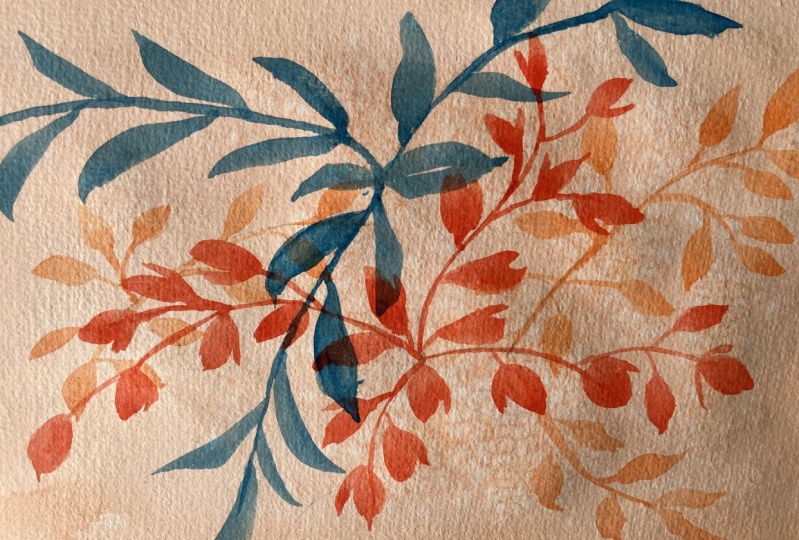
1. Class trailer : how many of the story and in this cost, I would be sharing with you how to paint a watercolor layered, mechanical changing. So this is really fun and any skill up. I really love these paintings because they're very relaxing and incorporates so much variety of colors and shapes that final results of beans are always very interesting. So I'm gonna be sharing with each layer process as well as the clear use and a simple but effective bark allergic so you could apply your own interesting were these.
2. Materials : So in this video, I'm gonna share with you materials you'll need to create this watercolor floral print. It's for civil course. You need your watercolor paper. It's just a cancer on watercolor paper. It's really nice. Can use anyone that you have. You can have a watercolor paints and I just have to trees paints here just cause there's some colors I wanted to use on the street that I didn't have my other.
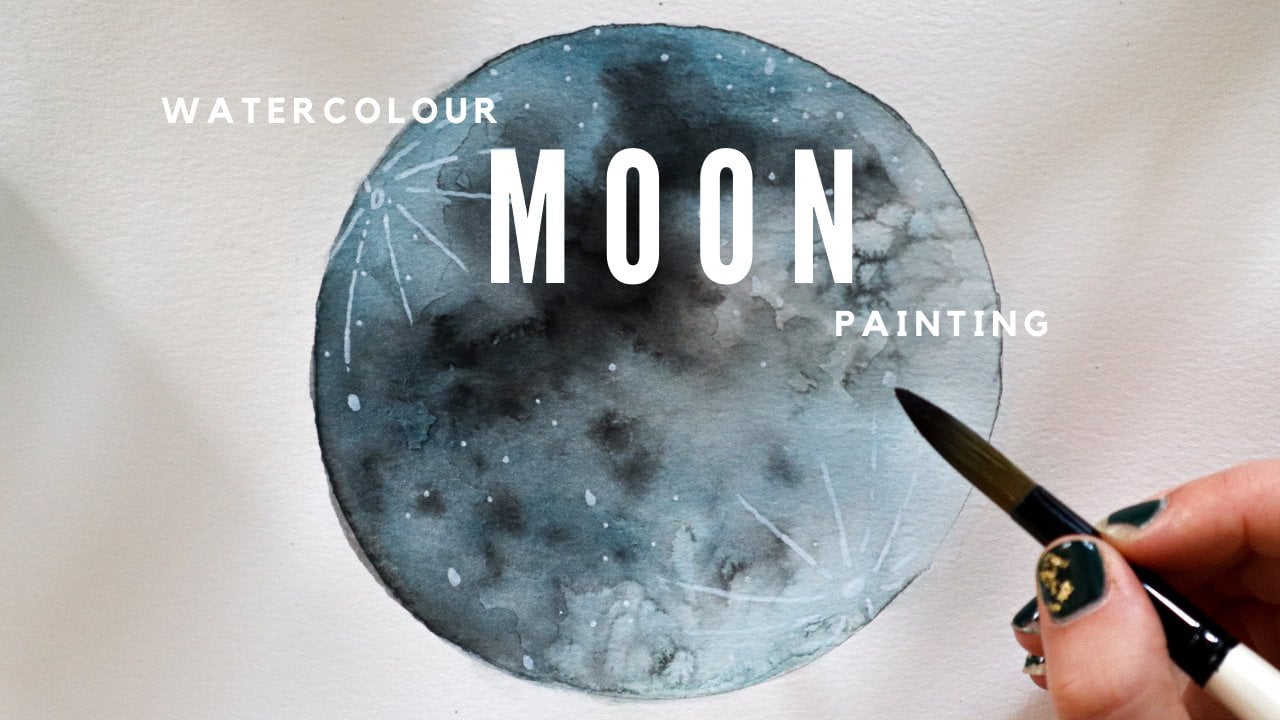
3. Techniques : Okay, So in this video, I'm gonna be showing you a few simple techniques that we're gonna be applying to our painting. So the 1st 1 we have here is the wet on wet technique. So you're just gonna get I'm just gonna go out my round brush here, dip it in some water, and I'm just gonna start getting that page, which and then I understand you papers in the water again, and I'm going to choose one of these colors. I'm just gonna pick my crimson red here, and I'm gonna play what paint to this wet surface. And it's pretty much it. That's the unlit technique that we're going to be starting off with. Okay, Next one is using salt on our water colors. I'm just going kind of get that page, which, like the wet on wet technique and grabs and more paint That's pretty good. And then I'm just gonna a little bit of salt Sprinkle it surface there. So this was probably one of my favorite techniques to use because the salt absorbs the water and it just leaves this really cool texture once it's dried. So you have to meet till that's dry to take salt off. And then the last technique we have here is lifting, so I'm just gonna But my paintbrush, it's and paint. I'm just gonna make a simple the leaf here. And basically, we're just gonna be taking rush. Just ride off, and we're just gonna lift the pigment off. You can do this with paper towel, Teoh, but for something small, like this little leaf paintbrush gives you more control. So you can do this if you want to. Kind of like a greedy int. Look, you're basically just kind of like erasing the paint off, and that is it.
4. Colour palette : So in this video, I'm gonna be sharing with you. The colors were used to create our painting Person we have here is our country red to use in the first layer. And then we have our thanks. Spray orange, actually. Next, both of these colors that first layer. Then we have our cobalt blue and our rusian blue. And I mixed both of these blues to terror. Yes. Well, then you have our sap green. And for that last layer, you just had some purple. You know, I had mixed that purple in that crimson red as well. That last layer. Okay, and that's it.
5. Watercolour layer 1: So the first thing we're gonna be doing is using our went on. What technique? Gonna grab that round brush. Big round brush, Take some water. I'm just gonna sweep it. H Takeover pigment. We're gonna keep it really light. Just kind of anywhere on the page that you want that water. Just making these kind of rounded edges. That's just plain. Some does paint different areas. - It is very wet right now, so I just noticed where it's kind of just like cooling. I'm just gonna soak some up. Just a bit too much water. - And where you see there's a more of pigment on your peach. Go ahead and grab some salt. A few greens on there. That'll give you a really cool effect. What? You're what drives.
6. Watercolour layer 2: Okay, so once our first like dried because of this salt. Now, as you could see, so has left us with was really cool texture. Next, what? We're gonna dio gonna take our figure around brush to bitten some water, and I'm just gonna take the same color Better used for base. But I'm gonna make it a little more pigmented get a little more color on my brush. I'm just going to start forming some leaves. Just a simple stroke changing the shape of these a bit. I'm gonna get my detail brush wet and take some of that segment. Just attach those leaves together. You want these lives? We really dark. So I'm just gonna take a little less water, more pigments, And that's what I'm gonna be using to attach those leaves. I'm just gonna continue to do that, please. Seeing some, please. Right. Feeling kind of make the smaller? Was the branch out? Just a touch detail brush. - So when you're making these released small lines, you also use the tip this big round brush, you might find it easier and it might be a little more controlled with the detail brush, but it's up to you. You are just looking. What? I'm using some orange and red here. Just mixing them together if you want. You can use more orange than red, very color. A little bit As you're making these leaves to make it more interesting, we're gonna branch off from starting point here. - Just try something different. Sleep with the bottom here, just pulling out some of the color, - just like the stray. And thirdly,
7. Watercolour layer 3: the next thing we're gonna dio we're gonna grab are smaller. A round brush, get it? What? I'm gonna add some blue to this. That's truthfully. - And then again of your detail, brush and connect goes leaves two year start making some generally use this blue. Give some variation. - Time is over. No, A random, inclusive use means forever. - I'm just gonna show you how to add second color. Reckon usually is describing the blue here. Former belief just getting less and less pigment. I'm having my brush. More water. Give it a little bit of green to us. It's in the top. We're going to do that with issue them. - Do you want a little bit darker? A little bit less water and no grab brush again. Oh, connect those news. Uh huh. We'll do a few more. - You turn the centre. College balm rich. Just take her detail. Brush Very pigmented blue. Just making nice longer. I looked into that leaf. Well, Greller, Smaller brush. Continue making these. Well, that's from green dark here at the bits. We'll just continue to do that
8. Watercolour layer 4: Okay, so the next thing we're gonna dio just go back into that orange start making some smaller is here. You're taking Ardito brush, keeping it real life. I wanted to feed into the back room. If you want, you can ask more into the other side, just okay?
9. Watercolour layer 5: Okay, That's good. Next year was going to take her smaller round brush again. It's more. And I'm gonna be mixing actually some purple and some red. My trade here I'm just gonna start, avoid and making some smaller pedals. - Kind of gonna make, like, a circular shape with these, right? - It takes more pain onto Certainly. So there least shapes Start connecting with my detail brush. - That's what dried. Just gonna add some darker and so on top of it. My car to my leads if you do the same thing. I just heard of just a little more booze here, Carlotta. War Red too. That's a collaboration. Durkin up some of those life. I'm just pulling out some color, these ones a little bit. My search for water album already color here, and someone needs spot. Do here lately and that's it. That layer
 Tori Sopel, Artist + Instructor