Quick Ink Techniques: Create an Abstract Illustration using Looping | Hattie Linton | Skillshare

Playback Speed


1.0x


  • 0.5x
  • 0.75x
  • 1x (Normal)
  • 1.25x
  • 1.5x
  • 1.75x
  • 2x

Quick Ink Techniques: Create an Abstract Illustration using Looping

teacher avatar Hattie Linton, Digital Artist and Ink Illustrator

Watch this class and thousands more

Get unlimited access to every class
Taught by industry leaders & working professionals
Topics include illustration, design, photography, and more

Watch this class and thousands more

Get unlimited access to every class
Taught by industry leaders & working professionals
Topics include illustration, design, photography, and more

Lessons in This Class

    • 1.

      Introduction

      1:21

    • 2.

      Sketching Your Outline

      1:30

    • 3.

      Practicing Looping

      1:13

    • 4.

      Completing Your Illustration

      3:01

  • --
  • Beginner level
  • Intermediate level
  • Advanced level
  • All levels

Community Generated

The level is determined by a majority opinion of students who have reviewed this class. The teacher's recommendation is shown until at least 5 student responses are collected.

12

Students

2

Projects

About This Class

Welcome to Quick Ink Techniques: Create an Abstract Illustration using Looping!

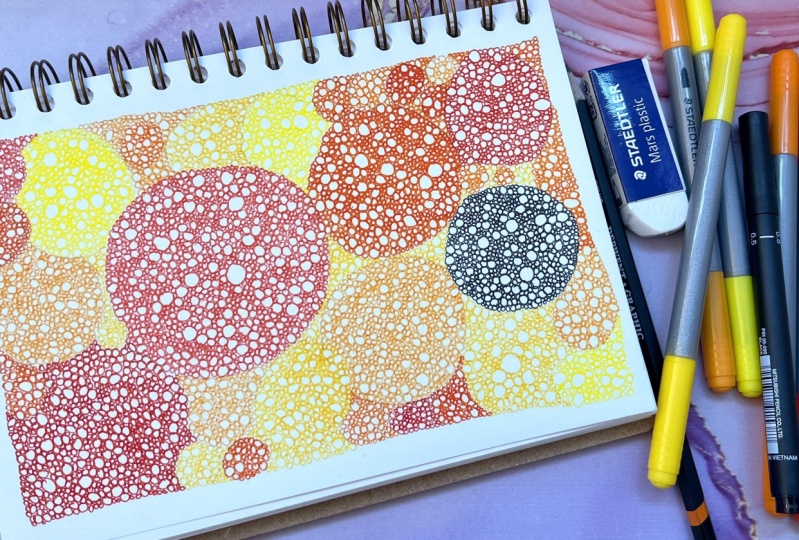
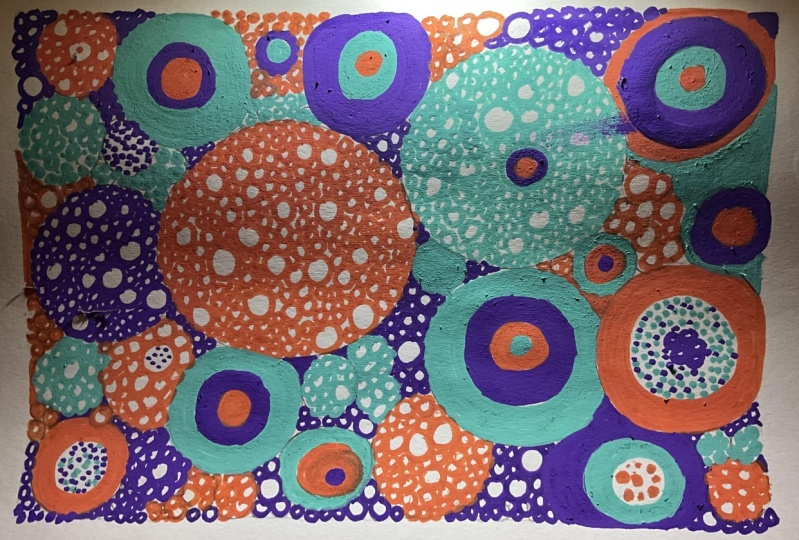
Discover the fluid, expressive world of looping ink techniques in this quick and engaging class. Whether you want to add movement to your line work or experiment with texture and layering, this 10-minute session will introduce you to the creative possibilities of looping with ink.

Perfect for all skill levels, this class covers:

  • Looping variations for creating depth and variety
  • Nib sizes & colour combinations to achieve different effects
  • Different stylistic approaches to make your artwork unique

Through step-by-step demonstrations, you’ll explore different ways to apply looping and bring everything together in a final abstract ink illustration. This class is ideal for both beginners looking to explore ink for the first time and experienced artists wanting to expand their mark-making techniques.

Grab your pens, and let’s get looping!

Meet Your Teacher

Teacher Profile Image

Hattie Linton

Digital Artist and Ink Illustrator

Teacher

My name is Hattie Linton and I'm an Artist and Illustrator based in Peterborough, England.

I've been working professionally in art for the last few years, taking commissions, selling my designs on products and drawing original artworks.

I love to draw and a lot of my work is very freeing as I enjoy drawing abstract illustrations and patterns - I never know where they're going to end up so it's always really exciting.

I studied art at school and then after university I ended up working in a completely different field and my pens just began to gather dust in the corner.

Then one day in 2015, on a whim, something drove me to pick up my pens again and start drawing, and I haven't stopped since.

See full profile

Level: All Levels

Class Ratings

Expectations Met?
    Exceeded!
  • 0%
  • Yes
  • 0%
  • Somewhat
  • 0%
  • Not really
  • 0%

Why Join Skillshare?

Take award-winning Skillshare Original Classes

Each class has short lessons, hands-on projects

Your membership supports Skillshare teachers

Learn From Anywhere

Take classes on the go with the Skillshare app. Stream or download to watch on the plane, the subway, or wherever you learn best.

Transcripts

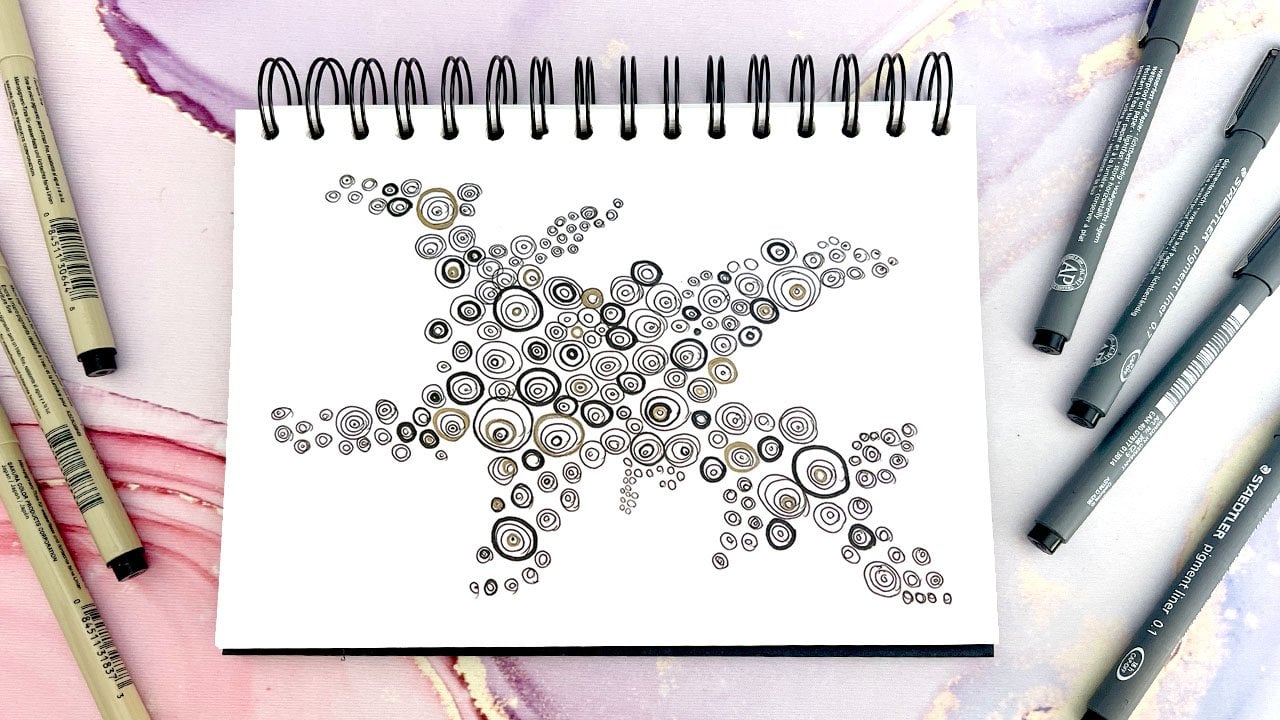
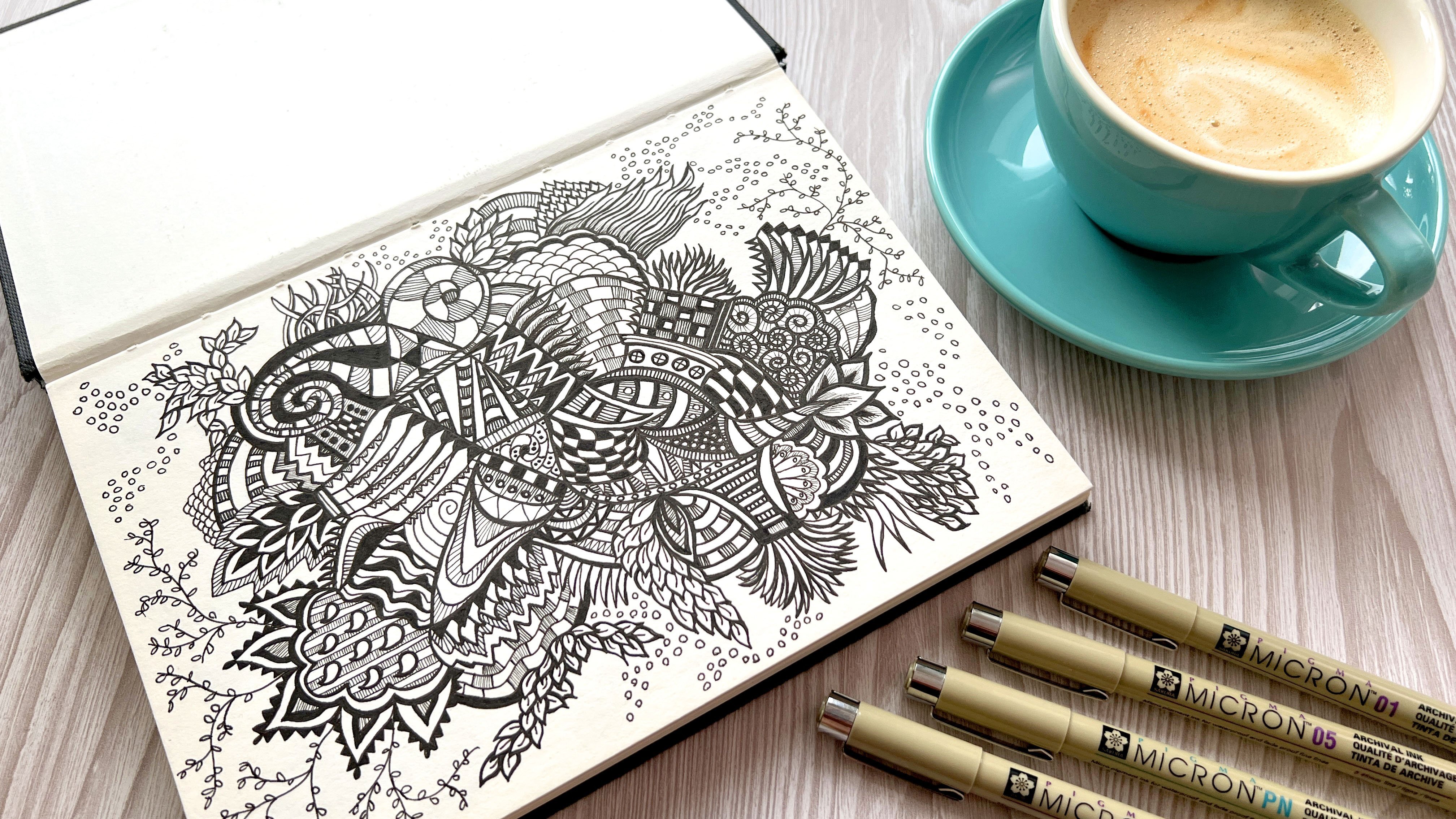
1. Introduction: Hi there, and welcome to quick ink techniques. Create a abstract illustration using looping. Hi. My name's Hattie Linton, and I am an artist and illustrator based in England. Today, we're going to be creating a unique abstract ink illustration using an ink technique that I love called looping. Looping is a really fun and creative ink technique where we draw small circles or other rounded shapes to create a really beautiful effect. This pattern technique, which you'll be developing over the next lesson will then be the foundation for your abstract ink illustration. By the end of this class, you will have created a completely unique, one of a kind abstract ink illustration using a high contrast color palette. To get started, all we need is some paper, a pencil, and an eraser, and some ink pens, both black ink and some color ink pens. I'm going to be using black ink pens made by Micron and color ink pens by Stetler. I'm also going to be using just a simple HB D went graphic pencil to create my sketch, and we're going to be using a C white A five sketchbook to do our illustration demonstrations and to create our final finished piece. Okay, let's get started with sketching out our illustration. 2. Sketching Your Outline: To create this illustration, we're going to start by drawing a border and mapping out the circular areas with a pencil. Ightly sketch the circles and make sure that they overlap in certain places. Don't worry about them being perfect circles. We want to create that hand drawn feeling. And anyway, by the end of it, we're not going to be able to see the exact outline of these pencil circles because we are going to remove them with an eraser. Some things to think about when mapping out the layout for your illustration. Think about the size of the circles. You want to keep them balanced and a nice mixture and variety of larger circles and smaller circles. Variety is really important in abstract illustrations because it keeps the eye engaged and it makes the piece seem more interesting than something that is more uniform and flat. Variety also helps to mask any potential errors that we can make because trust me, it happens to all of us, and it just helps keep things looking more interesting on the page. Try and avoid using a ruler for the border or a compass for the circles. I know it's really tempting to have perfectly straight lines and perfectly drawn circles. But the point of these illustrations is to have more of that free hand feeling, and trust me, it will come up a lot better if you do it by freehand rather than using tools. Up next, we're going to be looking at some different looping techniques and practicing them on the page before we fill in our illustration. 3. Practicing Looping: Before we fill in our illustration, we're going to practice some mark making techniques using looping and practice different combinations of color and size and variety so that you can decide which approach you want to use for your unique abstract illustration. For this lesson, we're going to be creating a reference sheet. Reference sheets are great when creating illustrations because it gives us an opportunity to both practice our looping technique, but it also gives us something that we can refer back to to fill in our illustration later on. It also helps us to play around and create new techniques that we otherwise wouldn't have thought of if we just started filling in the illustration straightaway. There are several different techniques and different types of looping, such as circular looping, teardrop looping, and oval looping. You can do looping with the same size of shape or different sizes. Try experimenting using different pen thicknesses and try experimenting using different colors. Practice different combinations until you have a collection or a reference page for you to use for creating your illustration. Up next, let's fill in our illustration. 4. Completing Your Illustration: Now that we have our reference sheet of different techniques, we can use these to create our finished abstract ink illustration. To complete our illustration, we're going to be filling in the circles and the areas between our circles using one or more of the techniques from our reference sheet. Whether you choose to use one or more techniques from your sheet is entirely up to you. However, I do recommend to get the full effect that we're going for. You use a very wide or a high contrast color palette. I'm going to be using a range of yellow, orange and red Stetler fine liners for the colorful sections of my illustration, and I'm actually going to be completing one of my circles just using black ink. The technique that I have chosen to use for this illustration is a simple looping technique which is a variety of circles in different sizes, but using one color per area. Here's a few tips and techniques to get you started when filling out your illustration. Keep matching colors separate. If you have colors that are too similar to each other next to each other, then your overall illusion effect of the circles standing out from each other is not going to work. So think about how you're going to separate your color palette across your piece. Take your time. If you spend the time very carefully placing all of your marks, you're going to have a beautiful illustration at the end of it rather than if you rushed. Use your references. There is a reason why in each one of these classes, we create a reference sheet of all of our ink techniques, and that is because it helps us to prepare and plan how we're going to create these illustrations. If you go in blind, you're not going to create something as good as you could have done if you'd prepared at the beginning. So use your references, find the technique that you first off, enjoy to create and that you think will look best with your layout and use it. Be careful along the edges. One thing with this illustration in particular is we have a hard edge, which is the straight line border, and then we have our rounder edges from the circles. When you're filling up the edge of the circle near the border, just be careful with the circle that you're not accidentally creating a circular border and that you are still following that straight line created by the edge. Once it's all filled in, we wait for the ink to dry and then we erase our pencil marks. And there we have it of completed, unique abstract ink illustration using the looping technique. I really hope you enjoyed taking this class of mine. I would love to see your finished illustrations in the project gallery. So please feel free to post them below. And if you would like to leave a review, I would love to hear your feedback on this class, and I'm looking to create far more classes in this style. So please tell me what you think. Thank you so much and I'll see you in the next class.