Transcripts
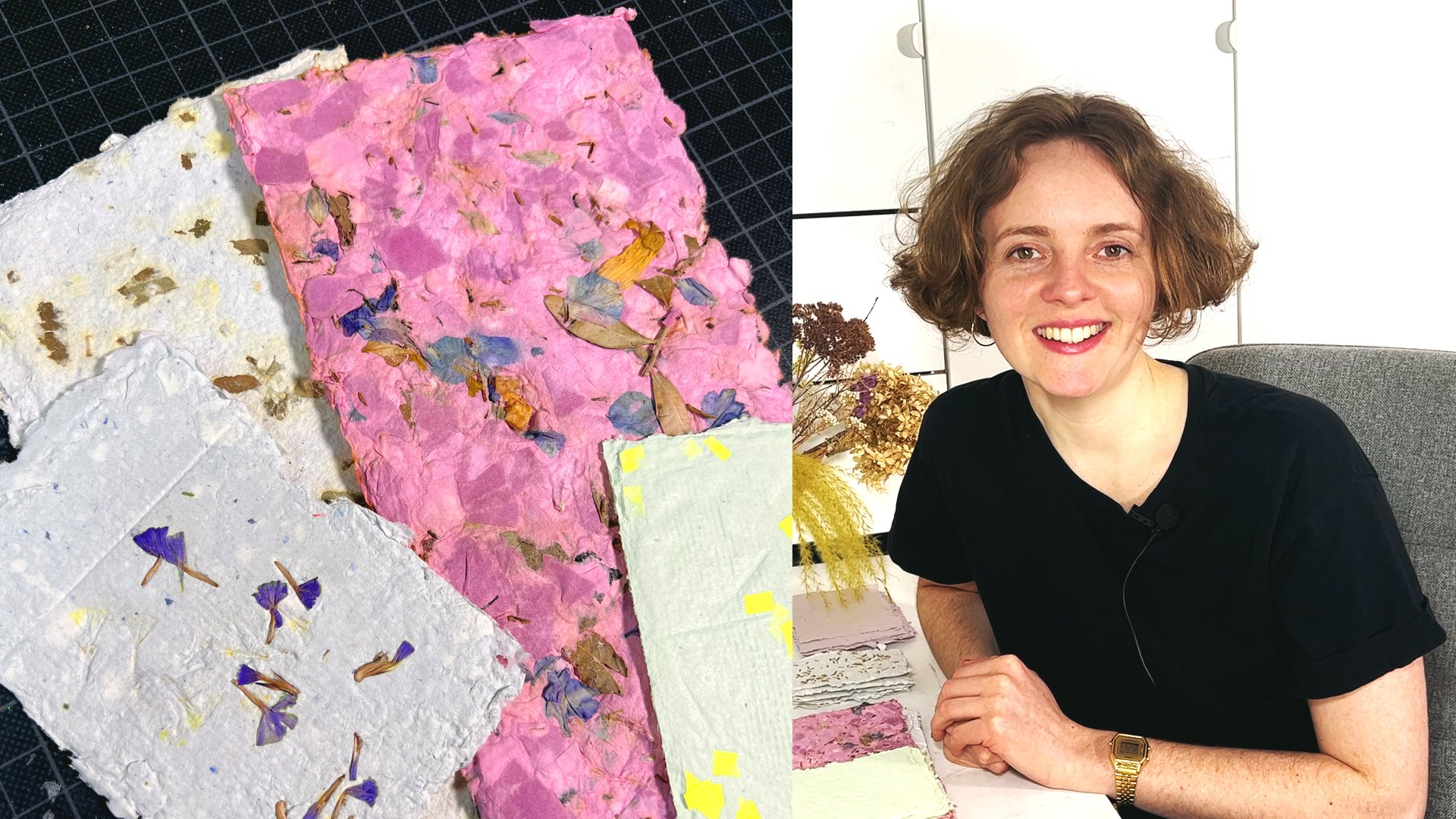
1. Intro: Hi. My name is a bad huh? Artist and a teacher, and I make him a paper on the person behind the website paper slurry dot com, which features papermaking tutorials. I interview other paper artists and I do a lot of studio tour. So for this class, you need to have taken my basic papermaking from recycled materials first. So that shows everything you need to know, including how to make essential tools like a mold in Deco, just used to form sheets of paper should have used paper scrap to make the handmade paper, and you'll have that whole list of basic supplies no need. So once you've taken that class, you're ready for this class, which will show you how to create really beautiful in Boston, it on your hand made papers. So this creates nice surface textures using late Lynn and also be showing you how to do em boss minutes with low relief objects. So this makes a piece of paper that can even stand alone as a piece of artwork
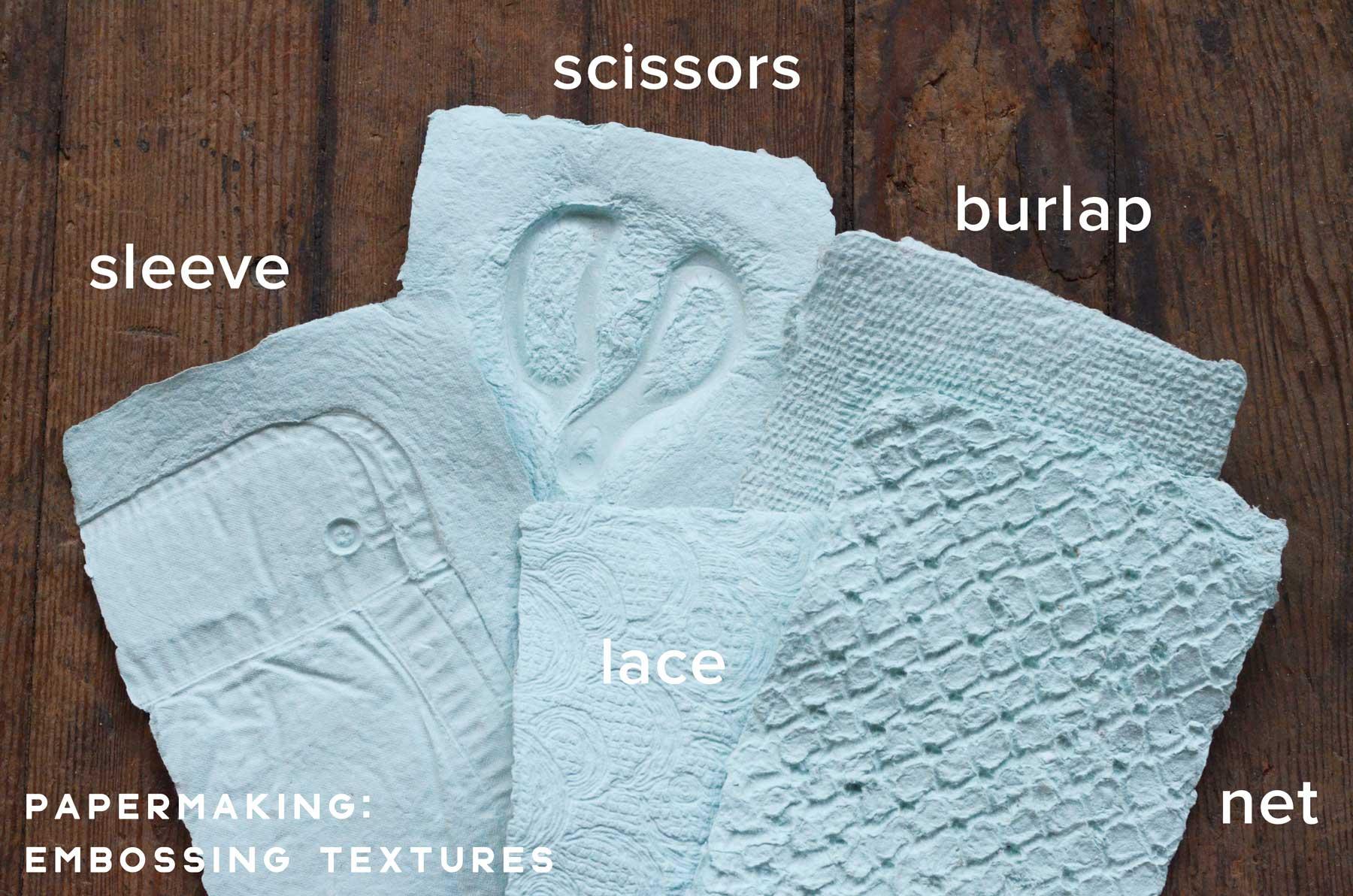
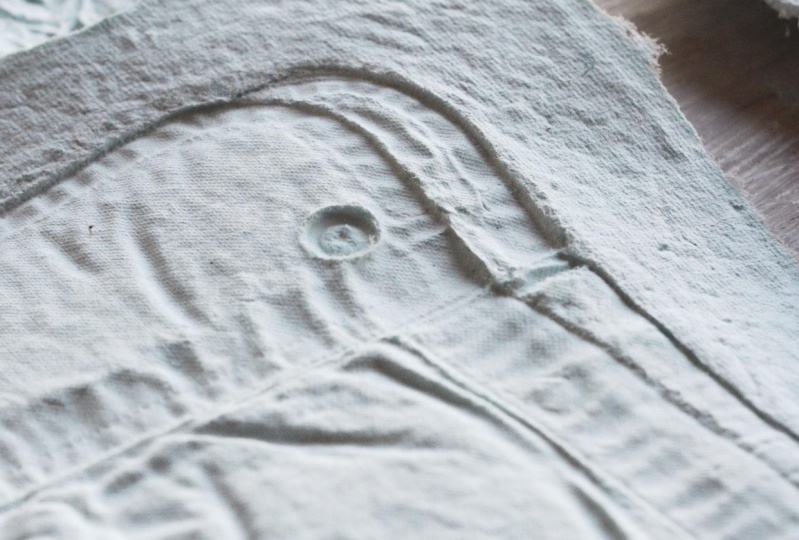
2. Materials: so let's go over. The supplies will need todo boss papers. You'll need your basic paper making set up, so that includes your tub of already pre made some pulp, which is already in that you'll need your golden Dekel, which the basic papermaking class shows you how to make from scratch. You'll need a sponge and a roller for pressing. You'll need some coaching class, and on the extra materials that you'll need for this in Boston class are random things that you probably have kicking around already, but you're looking for items that are flat, inflexible, so things like burlap lace, and this is just a cut off sleeve from a shirt. Those are all really great textures that handmade paper will pick up through the process. The second lesson goes over well, what I'll call low relief objects. So these air a little bump. Here they have a little more dimension. You want to keep it between 1/4 inch and 1/2 inch in depth. I'll show you how toe do a low relief in Bosman of the scissors and this
3. Flat Textures: so it helps a little to get your cloth or textured material a little wet first. So this is just dampened and squeezed out. He will lay this right on a layer of think these air for five coaching class. So you want a little give softness between that? So we're gonna agitate way have our goals. Dunkel sits right on there, going at a 45 degree angle. Looked up people. A little shake as its training. Let it rip. So although Stieber, they're forming on the surface, hold it at an angle trip. Okay, Drains. We're gonna remove top Boekel. We're gonna walk over to our station here and then same as before. We're just gonna coach this directly onto here. So one edge down, first face down, give it a press and then looked up really fast from the first edge. Okay, We're gonna take extra claw and then take our sponge first. Impressed? Slightly. Just like making a basic sheet of paper. So papers really remarkable because it does have a memory, and it does want to remember whatever surface you're pressing it against. So this will pick up all the details in my lace texture So remember, just to remove as much water as you can with the sponge first, gradually building pressure, I'm squeezing out my sponge. That's getting a lot of water here. Okay, once you feel like you're not picking up anymore water, then we can move. Teoh are rolling pin so the same thing. Go lightly and then build pressure, especially if you have a lot more pulp to water in your bat so that your sheets are thicker . You want to go really gently or else everything will skosh out. Okay, so this just peel this top. Oh, this were actually gonna let dry on our lease. That whale got more of a texture. So this you can lay right on a table surface. Or if you have a clothes line, you can hang it up on their look that dry
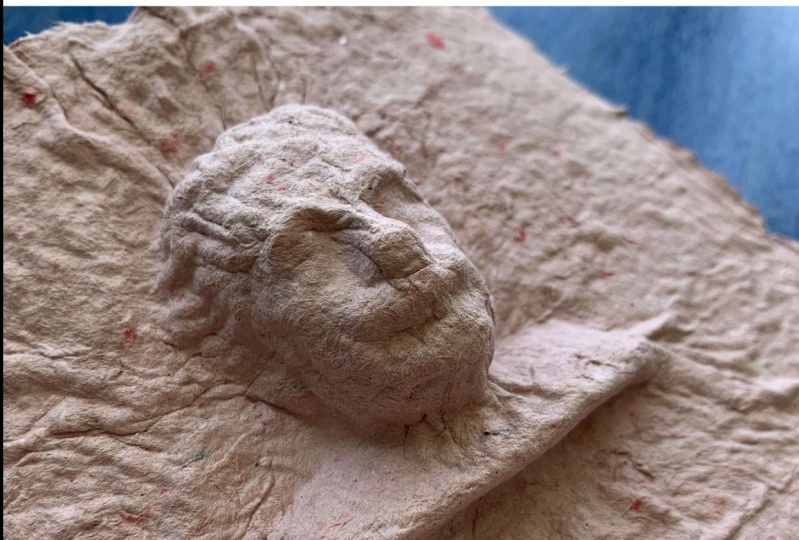
4. Low Relief Objects: All right. So this lesson is focused on how to deal with bumpier or dimensional objects. And there's two approaches. Try both and see which way you think looks better. So first approach for machine. Nice. Thick sheet. Makes it easier to handle if you put more pulp in your that, actually. Well, coach this just like when you're making on basic sheet down. Uh, all right, So what you simply do is take your objects and you let it wherever you want. So I'll just go straight forward on there, get another cloth, and then press this netting right into the white sheet. We will be surprised at how receptive that what she is. Total these textures moving as much water as you can with your sponge. Okay, That will press the roller to lightly at first. Sure. Okay. Don't just take this cloth. Look, the whole thing, it looks cool in blue. All right, So your second approach, when working with low relief objects, is to get set up over here with a dry cloth and your object laid right on top. Because what we're gonna do is make the sheet press it lightly and laid over the top. So make a But with thicker your sheet that you were, it would be the handle. They're all these come bossing techniques. Okay. Take our Dunckel over to our coaching station, make a sheet basic sheet. I thought that happens. And so we're just gonna press it just enough so that we can pick up the paper and handle it and move it over here. So I'm just lightly passing. So we're just looking for that sweet spot where the paper is still really, really wet Because really wet paper picks up a lot of texture. Um, but dry enough so that we can pick up this entire sheet so I don't go, you know, full pressure on the sponge. So we'll just test this and see how we're doing. That's pretty good. And press too much with the sponge. This nice, thick sheets. It's easy to handle. I picked this up and then you're just gonna lay it down be well, I'll try to get the scissors right in the center. Okay, then. This is where you spend a little more time with your sponge. You're gonna press. I think I put the whole in there so careful there. You don't want a hole in your sheet. Press the sheet onto your objects. Okay? Sort of press around it too. See, I pressed you her in there, so don't do that, All right? So that you put on a shelf as well. A little dry.
5. Drying: so we let these pieces dry overnight on a shelf. You can check it first and just give it a touch to see if it's damn. Another thing you could do is hold your wrists to the paper and it feels cool to your wrists. Then that means it needs to dry a little more. But these feel bone dry, so we're gonna go ahead and peel them. You might notice that some of these are a little bumpy and curved. If you want to get some flat, all you would do is stack them and weigh them under some books or something flat and heavy if you want to get some flat papers. So this one turned out really interesting. I almost like this side more than this side, so it's really up to you what you'll be showing on your wall or wherever you want to display your new artwork.
6. Final Thoughts & Class Project: So there's a lot more you can do with your boss papers other than look at them and tell them how pretty they are You can use however you use him Papers, scrapbook, e card making you do drawing watercolor. You know the world's your oyster, so I really hope you enjoy this class. Shown you how to create a range of in Boston surface textures on him. A paper. I don't want you to limit yourself just to what I've demonstrated in this class. Creative papermaking is really about experimentation and play. So you see other textures hanging around. Feel free to bring up into your paper studio. Robert, your studio reverie of papermaking set up is and try these techniques with that. Also, I heard you to take a photo of your creative papers and post them in the class project section to share with everybody to see what everybody's working on so we can get inspired by your work.