Transcripts
1. Intro: Hi, everyone. In this course, I'm going to teach
you how to fold 11 different origami
boxes and containers. No matter what kind of
container you need, you should be able to find one in this course that
works for you. Whether you're looking for a simple square box with a lid, a box with handles, long box for pens and
pencils, candy dish, a fancy box, a vase, There's a box in this course to suit your needs,
whatever they may be. Now, on this side, I have
each of them folded from just your standard origami
paper that on this side, I have each of them folded from paper with a pattern on it. And I think they all
look great either way, and I'll go over all
the different options you have for paper choices. There's a ton of options. Now, my name is Kevin, and I'm an Ogami artist. I've been folding and designing my own origami for
over ten years, and I love teaching new
people how to fold. I find Ogami to be a very meditative and
fulfilling art form, and I'm excited to
share it with you. This course is part
of a larger series I have on Skillshare
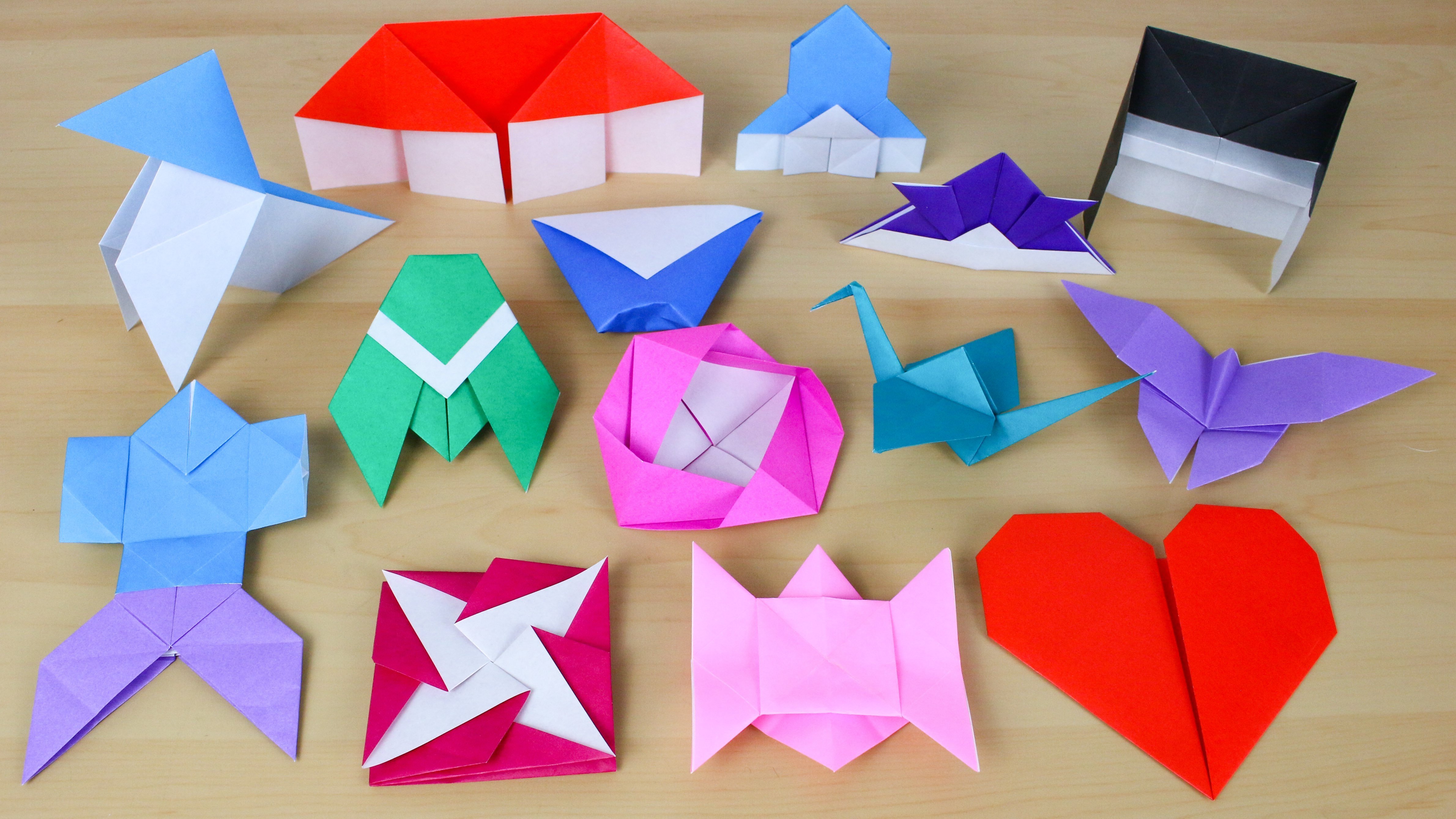
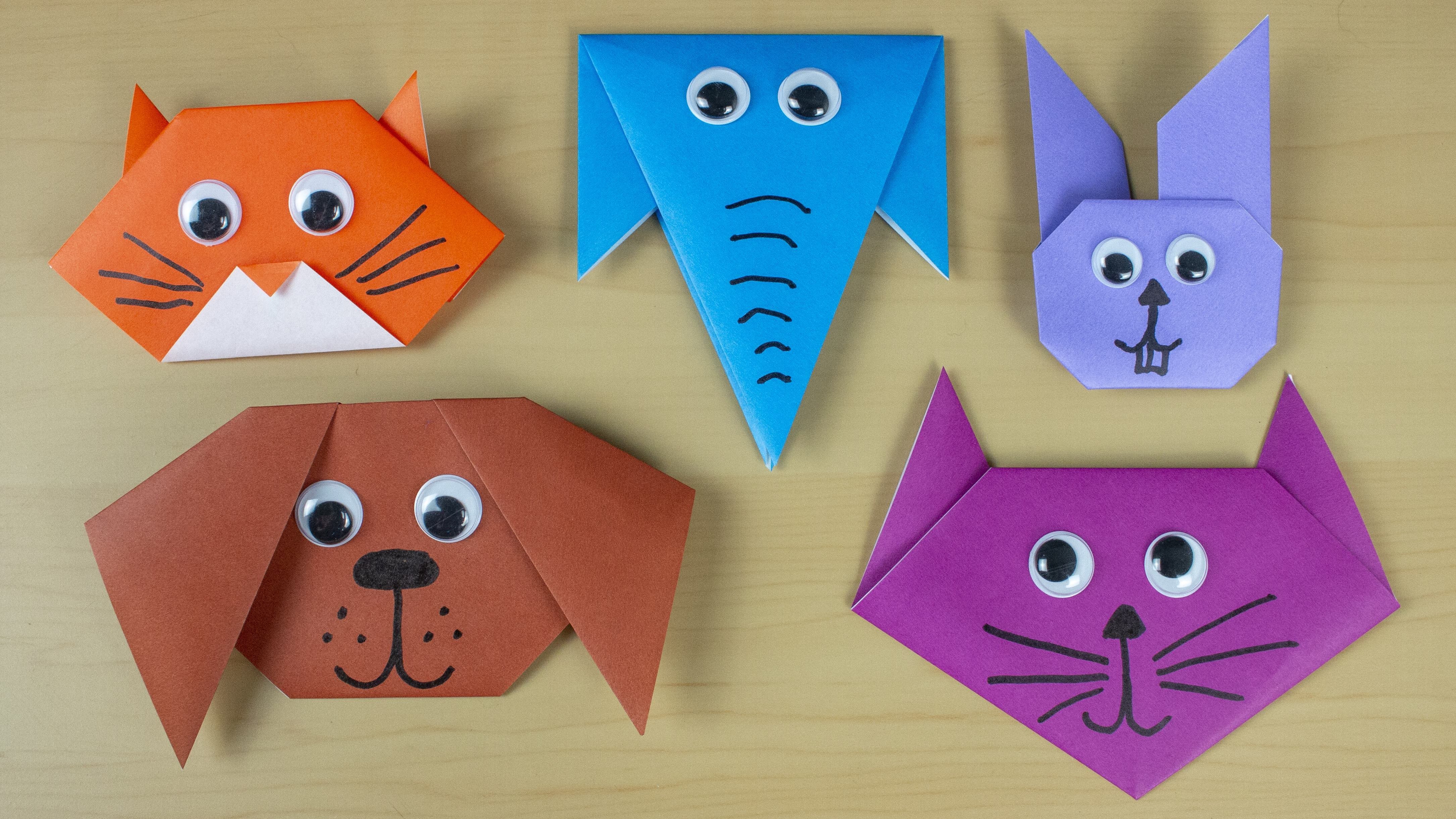
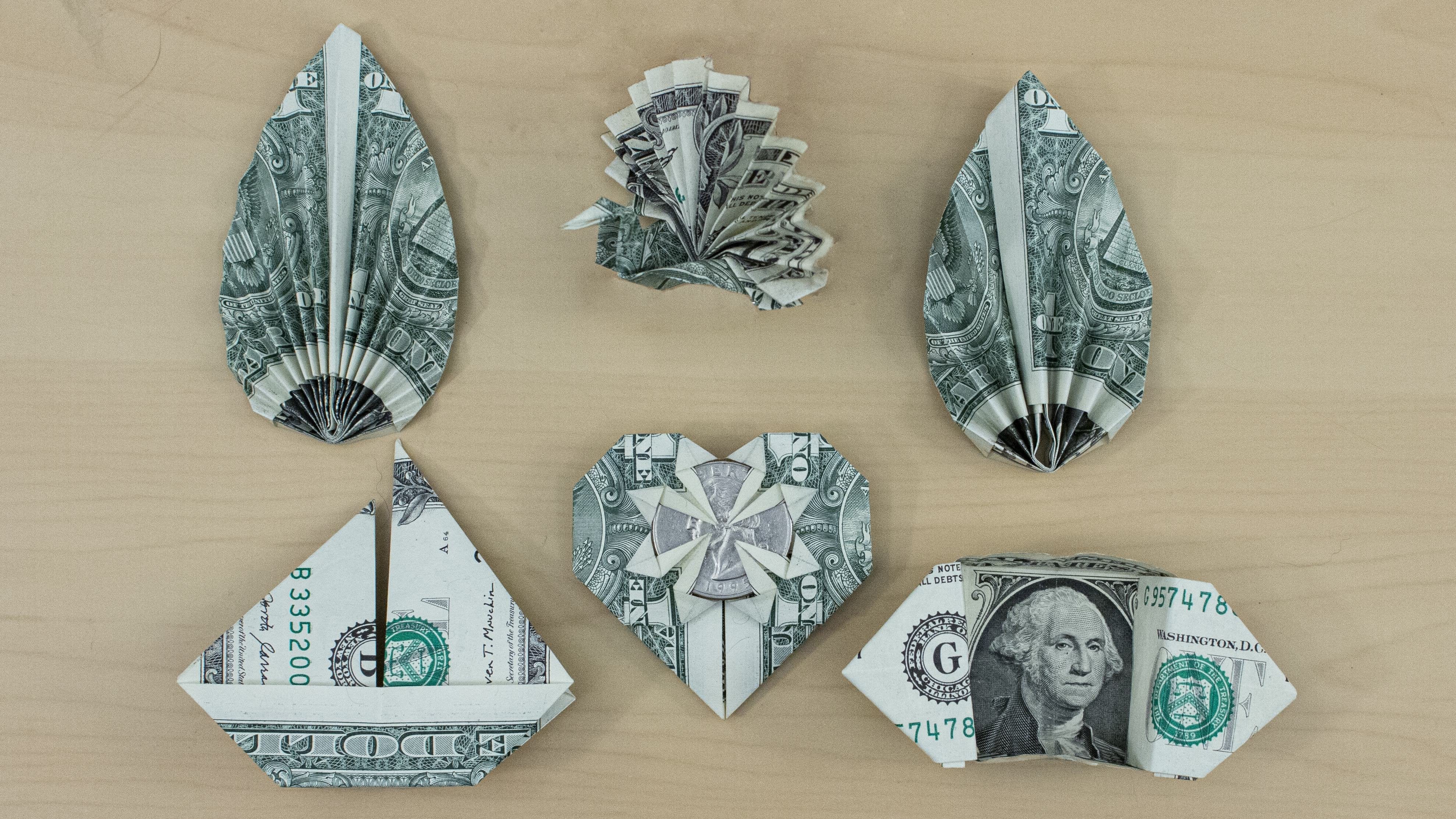
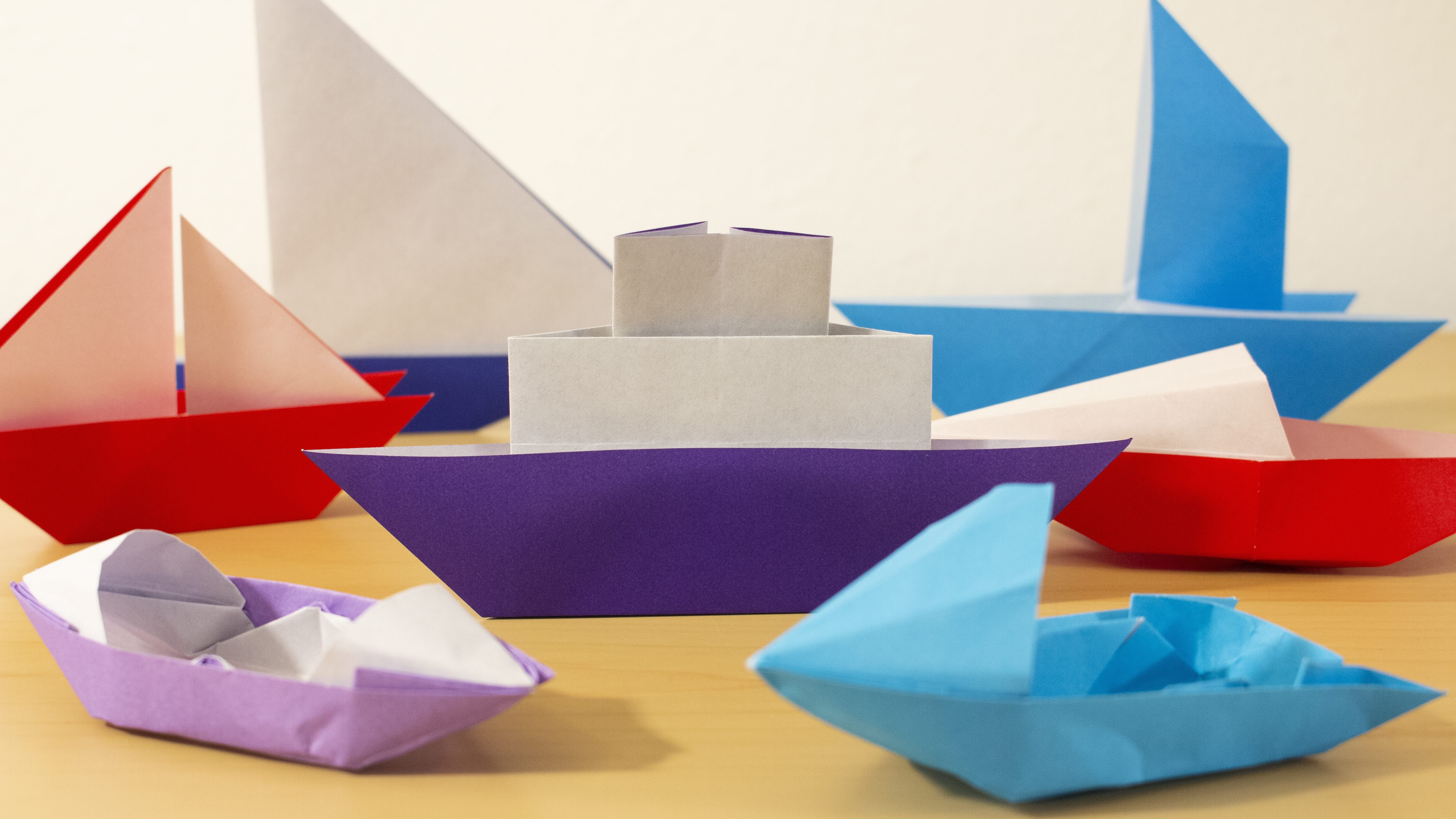
all about Ogoni. I have courses on birds,
boats, boxes, flowers, modular origami, dollar Ogami action
models, and much more. You can find links to all
those other courses out in the description of this course and make sure to click follow, so you don't miss out on any of my future origami courses. I hope you have so much fun folding these that you
want to learn more. But let's get down to folding. I'll see you in the next video.
2. Paper: One of the best parts about
Oigami is you don't need any special tools or
expensive supplies to get started. All
you need is paper. In each of these videos, I'll be using an ordinary pack of six inch origami paper that can be found at
most craft stores. It could also be ordered online. Now, if you can't
find origami paper, pretty much any paper will work. You could try the
scrapbooking section. They usually have all sorts of different kinds of paper
with patterns and colors. You can also use
standard printer paper, newspaper, music paper, pages from an old book
or really any kind of paper just as long as you
cut it down into a square. I use a six inch sheet
to fold all of them, except for the final one, which is the Chinese vase. In that one, I use a nine inch sheet
just because it makes it a little bit easier to
see some of the details. I also fold each of them from patterned paper I bought from the scrapbooking section
of an art store. Just to give you some
ideas of what can be done with these.
Let's start folding.
3. Square With Handles: In this video, we're
going to arn how to fold just a simple square
box with handles. This is a traditional
looking box that looks great and it's perfect
for a lot of different uses. It's a pretty simple one to
fold, so let's get started. Now we're going to start
with the colored side up. Now we'll valley fold in half along both
of the diagonals. We'll take this
top right corner, bring it down to the
bottom left corner. Hold both of those corners
in place and then crease it all the way across
and then unfold. Okay. And then bring the top left corner down to
the bottom right corner. And then increase that
corner to corner and unfold. Now, turn the paper over. Now we'll valley fold in half along the horizontal
and the vertical. We'll bring this right edge
over to the left edge. Just make sure both of the
corners line up and then it across and then old bring the top edge down
to the bottom edge. And increase it down and unfold. Next, we're going to form all of these creases at the same time. So to do that, we'll take
these opposite corners. Then we're going to
bring them down to meet the corner on
the bottom right. As we do that, a bunch of
creases start to form. Then once those three
corners have met up, bring the fourth corner
down to meet them as well and then press it all down. Now, you should have
a square that's got two flaps on the right and
two flaps on the left. We're actually going to rotate this so that the opening
is up at the top here. Now we're going to make a small
pinch mark in the middle. To do this, we'll
take the top corner and bring it down to
the bottom corner. Then don't crease it
all the way across. Just make a small pinch right in the center and then unfold it. Now we have the
exact center marked. Next, we'll take this
corner on the right and bring it into that
small x in the center. Do this with just the top flap. Bring it right into the center
and then crease it down. Then do the same thing
with the left side. Next, we'll bring this
top point and bring it down to meet up in the
center with the other points. And now turn the
whole thing over. Now, we'll repeat all of
those steps on this side. We don't have to make the small pinch mark this time, though. We can just fold this
corner into the center and then we'll just line it up with the edge
that's underneath. You can see those
two edges line up. Then bring that
left corner in as well, and the top corner. Next, we're going to
make a book fold, which is where we take
the top flap and swing it from right to left just like you're turning
the page of a book. Now we'll turn this over and we'll make another book
fold on this side. Next, we're going to swing this top corner down to the center. It'll make a valley fold that runs between these two points. This we'll also line up with the edges that are underneath. Now that we have that
corner folded down, we'll make another book fold, and then turn this over and do the same
thing on this side, bring this top corner down, and then make another book fold. Everything should be
symmetrical again with two flaps on the right and
two flaps on the left. Next, we're going to make a
squash fold on this flap. I'm going to show you
two ways to do this. On the right side, we're going
to use a precreasing step. Then the left side,
we're going to do it without precreasing. We'll start on the right,
so we're going to take this edge and line it up with this edge that's
all the way on the right. And then unfold that. Next, we're going to open this little pocket to spread
these two layers apart. And then we're going
to flatten this down so that this crease lies
perfectly vertical, that should line up with the
crease that's underneath it, and then we'll press
that all down. Should it happen
pretty naturally since we have those
creases in place. Now I'll show you on
the left side how to do that without that first
pre creasing step. If you just lift
the flap straight up and then spread
those layers apart, Then you can press
the whole thing down, lining up this crease with
the crease underneath it, so it's all vertical. And we'll flip that
over to the other side. Now we're going to repeat those
steps on these two flaps. You can use whichever
method you found easier. Next, we're going to
tuck these flaps inside. So we're going to
make a mountain fold that runs from this
point up to this point, just tucking this part
of the flat behind. Just like that, the same
thing on the left side. Then we'll turn it over and do the same thing on this side. Tuck those flaps behind. Next, we're going to valley
fold this edge down. It's going to make a valley
fold that runs right where these colors change
along these edges. As you do this, you just
want to hold this corner in place so it doesn't
slide around as you fold. Swing that flap down, swings down as far as it
will go and it'll happen naturally along those
edges I pointed out. And then turn the
whole thing over. Repeat that on this side. And then make a book fold. Turn it over and make
another book fold. And we're going to be swinging
this flap down as well. And then turn it over. Swing the flap
down on this side. Now, we're going
to pick this up, and we're going to start to
make it three dimensional. To do that, we're going to
open this whole thing up. Once you open that
up into a square, look at the bottom and
we'll press down on this point and you can press out with your fingers
from the inside until it starts to take shape. Once it starts
looking like a box. You'll look at these corners. You should be able
to tell right where the corners of the
bottom are going to be. We're going to make
mountain folds that run between
each of the corners. Press lightly from the outside, making just a firmer crease that runs between those points, and turn the box and do that
on the other three sides. Then you can pull these
flaps out to the sides. Then our box is complete. Now, make sure to
take a picture of yours and post it down
in the project section, and then I will see you
in the next video. Okay.
4. Box With Lid: In this video, we'll
learn how to fold a simple square box with a lid. The base of the box is
really simple to fold, and then the lid is actually
the exact same as the base. You just flip the box over
and it turns into a lid. You can fold them
from two sheets that are the exact same size
and it works well. You just have to gently press on the sides as you
slide the lid on. Or you could cut the sheet
down for the base just slightly and it will slide
on just a little bit easier. But it does work either way. You can cut it down
about a quarter inch, which is what I
did for this one. But it works well either way, so let's get down to folding. Now we're going to start
with the colored side down. We're going to
valley fold in half along the horizontal
and the vertical. I'll bring this top edge
down to the bottom edge. Make sure both of
those corners line up and then crease it all the way across and then unfold. Now bring the right edge
over to the left edge. The increase it down.
And then unfold. Next, we're going to make a
blinz fold so to do that, we'll bring each of
these four corners into the center of the x, so we'll start with
the top left corner. Let's line the corner right in the center and then
increase it down. Then do the same thing
with the top right corner. In the bottom right corner.
In the bottom left. Next, I'm going to rotate
that a little bit. Next, bring this bottom
edge up to the center. Take that edge and line it up right in the center
where these points meet. Then just make sure the edges
line up vertically as well. Once all that lines up,
you can crease it down. Then bring the top
edge down to line up with that edge that we just brought in, right in the center. Crease that one down. Now we can unfold both of those. Then we'll do the same thing with the right and left edges. I'll take the right edge and
bring that into the center. And then bring the left
edge into the center. Okay. And then unfold both of those. Next, we'll unfold two flaps. We're going to take
the top one and the bottom one and unfold them. Next, we're going to focus on
this area and the top half. We're going to make a few different creases
at the same time. Just watch closely, and I'll
try to explain as we go. We're going to be folding
in along these creases. As we do that, this corner is going to come into the inside. I'll show you what
that looks like. You start folding
these two main creases and then take this
point and swing it in. Then you'll press this point up against the side right here. And hold that in place and do the same thing on
the right side. Swing this point in. Then once you have
both of those points pressed up against the side. We're going to fold this flap
right along these edges. Fold it down over those points, and then just tuck it in there. Then it should hold
itself in place. Then turn the whole thing around and we're going to do the
same thing on this side. We'll bring that point in on the left and point
in on the right. And then swing that flap down. Then we have our
completed square box. Now if you want a
lid to go with that, just fold another one
exactly like this, and then turn it over
and you have a lid. You can slide the
bottom right into it. You might have to just
gently press on the sides. Should slide right in, and you have a perfect
box with a lid. This one is really cool.
It's really basic design, but it works perfectly. I hope yours looks great, take a picture and
post it down in the project section and I'll see you in the next video. Okay.
5. Star Box: In this video, we're
going to learn how to fold a star box. This has a really cool look to it with these little
pointed flaps. I like this one a lot. And in the next video, I'll be showing you
how to fold one where those pointed
flaps are tucked in. I call that one
the trapezoid box. That one looks
pretty cool as well. All the first steps
are the same, but then there's
a few added steps at the end to tuck
the flaps inside. I'll go into that in more
detail when we get there. For right now, we're
going to be folding this star box. So
let's get started. We're going to start with
the colored side up, and we'll valley fold in half along both
of the diagonals. Bring this top right corner down to the bottom left corner. Just make sure those corners line up and then
crease it all the way across and then unfold. I'll bring the top left corner down to the bottom right corner. Okay Hold both of those corners in place and then crease it all
the way across. And then unfold. Now,
turn the paper over. We'll bring this top edge
down to the bottom edge. Make sure both those
corners line up, and then you can crease it down, and then unfold bring the right edge over
to the left edge. And we can crease that
across and then unfold. Next, we're going to form all of those creases
at the same time. To do that, we'll take
these opposite corners and bring them down to meet
the bottom right corner. As you do that, a lot of creases should start to
form at the same time. Then we'll bring
the final corner down to meet the other three. Then as you flatten that, you should have a square with two flaps on the right and
two flaps on the left. Next, we're going
to take this edge on the bottom right and we're going to fold it into the
center vertical crease. We're going to do this
with just the top flap. Just line that up,
make sure it lines up all the way down
to the bottom corner, and then you can crease it down. Next, we're going to
make a squash fold. To do that, we're going to
spread these two layers apart. Then this crease that we
have right here is going to end up lining up with
this edge that's underneath. Bring this crease straight up and then press
it straight down. Then as you do that,
you can move it around until this crease lines up right with the
edge underneath it, and then press down
on both sides. Now we're going to do the
same thing on the left side. Bring this edge into the
center, increase that. Then we'll turn that
into a squash fold. Separate those layers, and then bring that crease
down in the center. And then bring that crease down to line up with the
edge underneath. Then turn the whole thing over and repeat all those
steps on this side. We'll bring this edge
into the center. And then squash fold that And Sam on the left. And squash fold. Next, we're going to swing one flap on the right
over to the left, and this is called a book fold, we'll just do that as if
we're turning the page of a book and then turn the paper over and do
the same thing on this side. Just like you're
turning one page. Next we're going to bring this edge on the bottom
right into the center, and all we're doing is just reversing this crease
that we already have. The same thing on the left.
And then turn it over. You the same thing on this side? Next, we're going to
take this top flap. Just one flap, we're going to fold it as far as
we can upwards, so it will start to
catch right here. Then once you feel
it start to catch, just bring the flap
all the way down and it and then turn the
whole thing over. The same thing with this flap. And then make a book fold
and repeat with this flap. Then turn it over. Book fold and repeat with the final flap. Now, this is the point
where you can use a modification to make
the trapezoid box, but I'm going to teach
that in the next video. But for this video, I'm going to show you how to fold
that into the star box. To do that, we're
going to pick this up, and then look at it
from this direction. We're going to begin
to open the box out. Okay. Just pressing gently
on the inside, you can allow these points to just swing out to the sides, but just Press gently on each of the four sides until it starts to form a
box, just go slowly. You should be able to get it to a point where it looks
about like this, which already looks really cool. But you can make
these firmer creases along the edges to do that just while you
hold it in the air, just gently press
between these corners. Just like that, making a bit of a firmer crease
in between those, and then just do that all
the way around the edges. Okay. Then we are all done with our star box. Then again in the next video, I'm going to show you how to use all the same beginning steps. But then with just a couple of additional steps at the end, you can make a trapezoid
box where these flaps are rolled up and tucked
inside underneath. But I hope your star
box looks great, so take a picture of it and post it down in the
project section, and then I'll see you
in the next video. Okay.
6. Trapezoid Box: In this video, we're going to
be folding a trapezoid box. And like I mentioned
in the last video, all of the first
steps for this one are the same as
folding the star box, but the last steps
are going to be a little bit different where
we tuck these flaps inside. So since all of those beginning
steps are the exact same, I actually just copied the beginning of
the last video and pasted it into the
beginning of this one. So you can fold to
that point again or you can skip ahead to
that point in the video. But I'll let you know when
we get to the point where the steps start to change.
So let's step right in. We're going to start
with the colored side. And we'll valley fold it in half along both
of the diagonals. Bring this top right corner down to the bottom left corner. Just make sure those corners line up and then
crease it all the way across and then unfold. I'll bring the top left corner down to the bottom right corner. Hold both of those corners in place and then crease
it all the way across. And then unfold. Now, turn the paper over. We'll bring this top edge
down to the bottom edge. Make sure both those
corners line up, and then you can crease
it down and then unfold. I bring the right edge
over to the left edge. And we can crease that
across and then unfold Next, we're going to form all of those creases at the same time. To do that, we'll take
these opposite corners and bring them down to meet
the bottom right corner. As you do that, a lot of creases should start to
form at the same time. Then we'll bring
the final corner down to meet the other three. Then as you flatten that, you should have a square with two flaps on the right and
two flaps on the left. Next, we're going
to take this edge on the bottom right and we're going to fold it into the
center vertical crease. And we're going to do this
with just the top flap. Just line that up,
make sure it lines up all the way down
to the bottom corner, and then you can crease it down. Next, we're going to
make a squash fold. To do that, we're going to
spread these two layers apart. Then this crease that we
have right here is going to end up lining up with
this edge that's underneath. Bring this crease straight up and then press
it straight down. Then as you do that,
you can move it around until this crease lines up right with the
edge underneath it, and then press down
on both sides. Now we're going to do the
same thing on the left side. Bring this edge into the
center, increase that. Then we'll turn that
into a squash fold. Separate those layers, and then bring that crease
down in the center. And then bring that crease down to line up with the
edge underneath. Then turn the whole thing over and repeat all those
steps on this side. We'll bring this edge
into the center. And then squash fold that And Sam on the left. And squash fold. Next, we're going to swing one flap on the right
over to the left, and this is called a book fold, we'll just do that as if
we're turning the page of a book and then turn the paper over and do
the same thing on this side. Just like you're
turning one page. Next we're going
to bring this edge on the bottom right
into the center, and all we're doing is just reversing this crease
that we already have. The same thing on the left. And then turn it over. You the same thing on this side? Next, we're going to
take this top flap. Just one flap, we're going to fold it as far as
we can upwards, so it will start to
catch right here. Then once you feel
it start to catch, just bring the flap
all the way down and it and then turn the
whole thing over. The same thing with this flap. And then make a book fold
and repeat with this flap. Then turn it over. Book fold and repeat with the final flap. This is where we left off in the last video for the Sarbox. We're going to use the
same base that we made, but we're going
to turn this into a trapezoid box instead. To do that, we're going to lift each of these
flaps back out. We'll unfold, turn
it over, unfold. Then we'll make a book fold, and then unfold this flap. Turn it over book fold
and unfold that flap. Now we have each of
those four flaps pointing straight
towards the bottom. And then rotate the
whole thing 180 degrees. We have those points at the top. Next, we're going to be
folding this area into thirds. We'll start by taking the tip, and we're going to fold it down and you want it to be
a third of the way. It doesn't have to be perfect, but just looking at that, you want this section to be
the same as this section. Swivel that around
until it looks like it's about one third. That looks pretty close to me, and then we'll crease that. Next, we'll take that new edge. We're going to fold that down to this crease and crease
this one gently. Next, we're going to form this valley fold that
we already have. Then we're going to look at this flap that we
have underneath, and we're going to be tucking that flap underneath
these two flaps. I'll show you from the side. Swing this flap underneath. It can help if you
curve it a bit. Just swing it under
those flaps. Okay. And once you know, for sure it's underneath
on both sides, then just press it down, and then we can make
this crease firm. Okay. We made that gently
the first time. Just in case it's not
perfectly accurate. You can see mine was
a little bit off. If we made that gently
the first time, it's not really noticeable. Now we'll just turn that over and repeat those
steps on this side. We fold down about a third and bring that edge
down to the crease. Crease it gently and fold it down and tuck
this flap underneath. And increase it firmly. Next, we'll make a book
fold and then turn it over, and make another book fold, and repeat those steps again. Turn it over and repeat
those steps one more time. Now for the final
step, we'll open that up the same way we
did with the Sarbox. So we'll look at that from above and spread these edges apart. Now, just go slowly as
you do that because these flaps can
try to break free. If they do them back underneath. Let's just push out
from the inside slowly press out on each edge until it
looks about like this. Then we can make firmer creases running between each
of these points. And now, our trapezoid
box is all done. I hope yours looks great. Make sure to take a picture and post it down in the
project section, and I will see you
in the next video. Okay.
7. Rectangle Box: In this video, we'll be
folding a rectangle box. This one is still pretty simple, but it has a different
shape to it so you can hold some longer items. It still has this
cool color change that gives it some added style. Let's start folding. We're going to start with the
colored side down. We're going to bring the right edge over
to the left edge, but we're just going to
make a small pinch mark on the top and bottom. Okay. So in the edges up and make sure they
line up corner to corner. Then make a small
pinch mark on the top, a small pinch on the
bottom, and then unfold. Next, we'll take this
right edge and we're going to fold it into those
pinch marks we just made. So the corner should line up with the pinch
mark on the top, and it should line up with
the pinch mark on the bottom. Then we can increase that down. Now we'll bring the left edge
into the center as well. Now that we have
that edge there, it's easier to line it up. Next, we're going to
fold this edge back out, making a valley fold right here. Now, this one is done to taste. There's no reference for it, but it just forms this
color change right here. Depending on how much
you fold it out, it will affect how wide this is. I'm going to make one that looks about like that one
that I just showed you. We're going to fold this
out about this much. When you do this, you just
want to try as hard as you can to make it even
all the way across, it's the same width
the whole way. Just make sure it lines up. Just keep checking the bottom in the top to make sure
it's the same width and then try to crease it down
firmly once it's all equal. Then do the same
thing with this edge. You want to try to make it
equal to the other edge. Now, I can unfold both of those. Next, we're going to bring
this edge on the top right into lie along the
crease we just made. So we're not bringing it all
the way into the center. It's going to lie
along that crease we made. Just like that. And we'll do the same thing
with the other three corners. So we'll move on to
the bottom right. Let's bring it into that
crease and the bottom left. And the top left. Next, we're going to reform
those long creases we made. This time, they'll go over
these flaps that we folded in. Next, we're going to
make a crease that runs right along these edges. It's going to extend from
this point out to this point. To start to fold this flap down. As you do it, it should
happen naturally. I want to do the same
thing on the bottom. Then we can unfold
both of those. Next, we need to make this
all three dimensional, so we'll open up
both of these sides. Then we're going to look at
each of the four corners. We'll start with
this one. The crease that's right along the corner. We just need to
reverse that and turn it into a mountain
fold from the outside. Then you just do that with
the other three corners. We'll move on to the next one. And turn it around. Do that with the final two. And there we have it. Our
rectangle box is all done. I hope yours looks awesome. Please take a
picture of yours and post that down in
the project section, and I will see you in
the next video. Okay.
8. Oblong Box: In this video, we're
going to learn how to fold an oblong box. This is a really skinny box that has these
handles on this side. If you fold this from a sheet
that's about eight or 9 ", it works perfectly
as a pencil holder. They'll fit nicely
in there and it can hold quite a few, so
let's get started. We're going to start with
the colored side up, and we'll valley fold
in half vertically. Bring this right edge
over to the left edge. Just make sure both of
the corners line up and increase it down.
And then unfold. Now we're going to bring
the right edge into that center vertical
crease we just made. Increase that. I do the same
thing with the left edge. Now unfold both of those. Now bring the top edge
down to the bottom edge. Crease that across. Next, we're going to bring
this edge on the top right into lie along
this vertical case. The same thing on the left side. And then unfold both of those. We're going to turn
those into squash folds. We'll start with this
one on the right. So to do that, we're going
to take just the top layer, and we're going to valley
fold it over on this first. Then as you spread
those layers apart, these creases on the sides
should begin to form. Then if you just press
it down so that this crease lines vertical along
the edge underneath it. Should all happen
pretty naturally, and then you should have a
nice triangle up top here. I want to do that, same
thing on the left side. Take that top layer and valley
fold it over to the right, and then press it all down. Next, we're going to take
this flap on the right. We're going to swing it
out to the right edge, making a valley fold
right on the top half. Then the same thing
with the left side. Next, we're going to take
this edge on the right, and we're going to fold it
into this vertical crease, the one closest to it. And the same thing on the Then turn the whole thing over the same thing on this side. Next, we're going to
take this bottom edge. I'm going to valley fold
it up to these edges. Next, we're going to
valley fold that up again right along that edge. And now turn the whole thing over and repeat
that on this side. Now we need to make the whole
thing three dimensional. We'll pick it up and if you
look at it from this side, you'll start to open this up and then press out on
each of the sides gently. In turn it over and
look at the bottom. You can start to see how it's
forming the shape of a box. Now we need to make
some firm creases that run from this point
out to this point, just connecting the corners. The easiest way to do that is to tug out slightly on these edges, and then start the crease from one corner and then start the crease from
the other corner. And then work your way slowly using gentle pressure
tugging out on the sides. Okay. And then you can
start to fold it in, try to make sure you're only working on this edge
and that you're not making any unwanted
creases anywhere else. Then you can turn it around and do that same thing
on the other side. Okay. We can work on the
shorter edges. Turn it around for
the final edge. Now we have our oblong box. If you use a sheet big enough, it should work great to fit
loose pencils and pens. I hope it works well for whatever you decide
to use it for. Make sure to take
a picture of yours and post it down in
the project section, and then I will see
you in the next video.
9. Sanbo: In this video, we're going to learn how to fold a sand bow, which is a traditional
Japanese offering dish. This is a unique looking one because it has this
elevated base, and then it has these cool and pointed handles
on the sides. I like this one a lot,
so let's start folding. Now we're going to start
with the colored side down, and we'll valley fold in half along both
of the diagonals. Bring the top right corner down to the bottom left corner. And then crease that
corner to corner. And then unfold and bring the top left corner down to the bottom right corner. Increase that all the way
across, and then unfold. Next, we're going to
make a blinz fold. To do that, we'll take each of these corners and bring them
into the center of this x. We'll start with the
top right corner. Bring that right
into the center, hold it in place and
then crease it down. The repeat that with the
other three corners. I'll take the bottom right. In the bottom left
in the top left. Then we'll turn the
whole thing over. Now we're going to valley
fold this in half just bringing this right corner
over to the left corner. Now bring the top corner down to the bottom corner crease
that through all the layers. Next, we're going to
take this flap and turn it into a squash fold. To do that, you can point it straight up in the air and then pull the two edges apart and you'll see a
pocket start to form. As that pocket opens up, if you just to open
it up symmetrically, then this point will naturally come down
to this point here. This all happens on
existing creases. We already have these
two creases in place, so it should happen
really naturally. Let's press it down and
it should look like that. Then we'll turn the
whole thing over. We'll do the same
thing with this flap. Let's point that straight up, open the layers part, and then press it all down. Next, we're going to be swinging this point
up to the top. But as we do that,
we're going to open these two layers apart. If you reach your finger inside and pull these
layers up a little bit, then we'll take this point and swing it over to this point. Then once you get these
points to line up at the top, you can press it all down
forming some new creases. Then we'll turn the
whole thing over and we'll repeat
that on this side. Open these layers up. Swing that point up to the top and then crease it all down. Then we're going
to swing one flap over from right to left,
making a book fold. Act like you're turning
the page of a book, and then turn it over and make
a book fold on this side. Next, we're going to take
this edge on the right, and we're going to valley
fold it into the center. The same thing on the left. Then we'll turn the
whole thing over and do all those
steps on this side. Next, we're going to make a valley fold that runs
between these two points. We'll take this flap and swing it up as far as
it will go and it will naturally make that valley
fold along those edges. And then turn it over to the
same thing on this side. Next, we're going
to pick this up and we're going to make
it three dimensional. You'll look, pull
out on these tabs, and then look from the top and push out gently
on each of the sides. Then you'll need to look
from the bottom as well. Start to see what's happening. We're going to be forming a
square right on the inside. If you work the paper
from both sides. You could just stop
right here and it already will work perfectly. But you can also make these
creases a little bit firmer. If you just work
from both sides, you can give it a pinch
and work the whole square, giving it a pinch
all the way around. Okay. You'll have a pretty firm crease
where that square is. Then we have our sandbo. This is a great little container. I hope yours looks great. Take a picture and post it
down in the project section, then I'll see you in
the next video. Okay.
10. Candy Dish: In this video, we're
going to learn how to fold a candy dish. This is a variation of the
sambo from the last video, but the folding sequence
is a little bit different. It also has these pointed
legs on the bottom, which make it really
cool and unique. That's a great one to use
as a candy dish for guests. Everyone will ask you about it. Let's get started. I'm going to start with the
colored side down. And we'll valley fold in half along both
of the diagonals. Bring the top right
corner down to the bottom left corner. Okay. Just hold the corners in
place and crease it all the way across, then unfold. Then bring the top left corner down to the bottom right corner. Just make sure the
corner is line up, and then you can
crease it corner to corner and then unfold. Next, we'll bring each of these four corners into
the center of the x, making a blinz fold. I'll take the top right corner and bring it into
the center of that. It up right in the middle
and crease it down. I do the same thing with
the other three corners. To the bottom right. The bottom left and the top left I'm going to rotate
just a little bit, and now we're going
to valley fold in half along both
of the diagonals. Then we also just need to reinforce the horizontal
and vertical creases, just form them as
mountain folds. The creases already in place. We just want to make sure they're firm creases going
the right direction. Okay. Just like that. Then we're going to collapse all of those creases
at the same time. If you just have some
fingers on each of the different sides and
then press it all together. Everything should
come together nicely. Then if you just flatten
it symmetrically, so you have two
flaps on the right and two flaps on the left, then we can crease
everything down firmly. Now orient this so that
the opening is on the top. Next, we're going to take this point and swing
it down to the bottom. But as we do this,
we're going to separate these layers and
they'll swing out to the sides. Pull each of these
layers up a little bit. If you do that, it'll
start to open up a pocket. And then bring this point all
the way down in the center. Once that lines
up on the bottom, you can form all
these new creases, press it all down firmly, and then turn the
whole thing over and repeat that on this side. Open these layers up and
then swing that point down. The next step is a
bit more difficult. A couple of things
happen at the same time. But we're going to
start by taking this bottom edge and swinging it up to this edge
in the center. We start this from the middle and do this really slowly because it's not going
to lie flat at first. Start to make that crease, you'll notice that as
you extend this crease, these layers don't
really want to lie flat. We're going to need to turn
that into a squash fold. So this crease that's originally on the
bottom right edge. As we swing this up, it will end up lying horizontally right along
this edge that's underneath. I'll show you that
really close up. Okay. Let's see this creases lies right along that
edge underneath, and then we form
these new creases. We'll do it again
on the left side so you can watch
it one more time. Notice that crease right here. Then as we fold it up, it ends up horizontal. And now turn the
whole thing over and repeat that on this side. Fold that edge up and then
make those squash fold. Next, we'll make a book fold, swing over one flap, just like you're
turning the page of a book and turn the whole thing over and
make another book fold. That was two flaps. We just want to do that with one flap. Next, we're going to valley fold this point out
along this crease. It's going to make a
valley fold that runs from this point right here,
extending this direction. I'll show you what I
mean, and it'll be a little easier to explain. Make that crease starting
right from this point. And then this corner lies right along the crease
that's underneath it. I'll see the same thing at
this point on the left. And then turn the
whole thing over. The same thing on this side. Next, we'll take this edge on the right and we'll bring
that into the center. Same thing on the left. Next, we'll take this point on the top and bring
that into the center, making a valley fold
between these two points. Then turn the whole thing
over and repeat on this side, bring this edge into the center. On the left, and bring the top down. Next we're going to valley fold this flap down right
along these edges. Just fold it down. It's
as far as it will go. It should happen naturally. And then turn it over and do the same thing on this
side, swing that flap down. Okay. Next, we need to make
it three dimensional. Tug out on these tabs, and then begin pressing
from the inside. Let's press each
of the sides out. Then it looks great already. But it's nice touch if you
just make these creases a right where this square is, go and gently form these creases a working
your way around. Until you have the whole square. Then we are all done
with our candy dish or you can use it to hold whatever you would
like in there. But this one is really cool. It has the four legs
to stand up on. I hope yours looks awesome. Make sure to take a picture and post it down in the
project section, and then I will see
you in the next video.
11. Fancy Box: In this video, I'm
going to show you how to fold a fancy box. This one is a really
unique one that has this cool zigzag
pattern on the top that really distinguishes it from all the other boxes
we've folded. This one does require folding this little section into sixth, which does involve
some precision and this one might take a
couple tries to get right, but it looks awesome
when you get it down. I definitely recommend giving it as many tries as it
takes to fold it right. Your patients will be rewarded. But let's get down to folding. You're going to start with
the colored side down. Now a valley fold in half
along both of the diagonals. Bring the top right corner down to the bottom left corner. Hold those corners in
place and then increase it across and then unfold. Then take the top left corner and bring it down to the
bottom right corner. And crease that corner to
corner. And then unfold. Now we're going to
make a blinz fold, so we'll bring each
of these four corners into the center of this x. We'll start with the top right. And then the bottom right and the bottom left
and the top left. And now turn the
whole thing over. Now we'll make another
Blinzfold we'll bring each of these corners
into the center of the x, so we'll start with the top. And the right and the bottom and the left. Next, we're going to take this point and swing it out
to the center on the top. And do the same thing with
the other three points. And then turn the
whole thing over. Next, we're going to focus on
this flap on the top left. I'm actually going to rotate
it, so it's just on the top. I'm going to take this point
and swing it out to the top. Next, we're going to be
folding this area into sixths. To do that, we need
to make thirds first. We'll do that by just
estimating it first, do this really lightly, fold it down and back up
about where thirds would be. Then just adjust it
moving it back and forth. Then how it will end up is this point is going to lie along the edge
that we form right here, then this edge is going to lie along this edge underneath. Go really slowly until you
think you have it accurate. That looks like thirds to me. And now you can see this edge lines up with
the one underneath, and then the point lines up with the edge that's
underneath that. Then you can unfold that. Next, we'll take this
valley fold that we made. I'm going to form that
into a mountain fold. Okay. Then we're going to bring that mountain fold down to the edge that's below it. As you do that, you'll make
a new crease underneath. Next, we'll take
the next crease, form that as a mountain fold and bring it down to that same edge. And then take the final
point and fold it down to that same
edge in the center. Now we have that flap
complete and we need to repeat all of those steps
on the other three flaps. I'm going to rotate as I go. Fold that up. The fold it into third Unfold, turn that one into
a mountain fold, bring it down to the edge. Same the next one.
And the final point. We're seeing to do all
of that two more times. Next, we're going to start
making this three dimensional. We're going to be pushing
in on each of these sides, but at the same time, these
flaps are going to lift up. A few things happen at once,
you seem to work slowly lift some of the opposite flaps and then lift up the
other two flaps. As you do that, I'm going to start pushing
them towards each other. Okay. Go slow alternating
sides as you do this. Okay. If you go, you'll want to pinch each of these sides down until
it's about like this. Then you can stick the bottom so it's
pointing straight out. But just looking at this side, it should be right here. Then we need to
look at these flaps that are sticking
out on the side. We'll focus on this
one, you look at this point right here. We're going to bring that point over to where these edges
meet in the center. Some of this crease happens
underneath all these layers, but show you what it looks like. Fold it all the way over. You don't have to
crease this too firmly. Just crease it like that, and then you can actually
pull it back out. This just helps to make everything hold together
a little more strongly. Then move on to the next
one and do the same thing. And the next one. And the last one. And then flip it over and
look from the bottom. We have this square here. Reinforce those cases,
make them a more firm. You don't have to
do it too sharply. Pinch a ground that square. Then our fancy box is complete. I love the way this color
change pattern looks up top. You can try using bigger
paper and then it'll be a great decoration that's also functional and can hold whatever you would like in it. I hope you were able
to fold that one. If you were take a picture of it and post it down in
the project section, and then I'll see you
in the next video.
12. Lazy Susan: In this video, we're going to learn how to fold a round box, which is also usually
called a Lazy Susan. But a real Lazy Susan
is supposed to rotate, and this one isn't going
to be able to rotate. So I'll just call
it a round box. This one is really,
really unique. It has all these
different sections. You could use those to store
different types of candy, which would be great
to display for guests. You could come up with lots of different stuff to
store in there. It does involve some
curved folding at the end, which can take some practice. You seem to be careful and
go really slow with it, but it might take you a few
tries to get it just right, but I think this one is
well worth the effort. Let's get started folding. I'm going to start with
the colored side down. Now we're going to make some pinch marks right in the center. We're going to take
this top right corner, bring it down to the
bottom left corner. Hold both of those
corners in place, and then we're
going to just make a small pinch in the center. We're not creasing it
all the way across. Look in the center and make a little pinch there
and then unfold. Then take the top left corner down to the bottom right corner. And then make
another small pinch. Then when you unfold, you should have an x
right in the center. Now that we have the center
of the paper marked, then we can make a blinz fold, so we'll bring each of these
four corners into that x. We'll start with this
top right corner. Bring it in right to
the center of that x and then crease it down. The repeat that with the
other three corners. Do the bottom right.
And the bottom left. And the top left. Now rotate that. Next, we're going to take this point and we're going to
bring it out to this edge. We want to keep this
right in the center, we don't have the center marked, but just line it up. It looks like it's in the
center and then this is going to be parallel
to this edge. Try to be as
accurate as you can. Then do the same thing with
the other three corners. And then turn the
whole thing over. Next, we'll be bringing each of these four edges
into the center. I'll start with this top edge. Fold that down, and then
we're going to end up with this point lining up right with that x that we
marked in the first step. Then when that lines up, these edges line as well as
we're pressing it all down. And then you can fold the bottom edge up
to meet this edge. Now, unfold both of those. We'll do the same thing
with the other two edges. I'll take the right edge into the center and the left edge. And then unfold both of those. Now for this next step, we're going to be forming these two valley folds
at the same time, and then this corner is going
to poke through as well. Now it doesn't lie flat, it'll start to become
three dimensional. Bring this corner th And then we can move on to this corner,
bring this inside. Then it'll become more three D. Same thing with this last edge, bring both of these corners in Okay. Now, for this next step, we're going to look at
this point right here. We're going to be swinging this point down to
this inside corner. I'll show you what
that looks like. Then once you have
that poked down. This just helps to make
everything a little sturdier in the end and
to hide these flaps, so it doesn't have
to be perfect, get it so it looks
about like that. Then move on to the next one. You do that with two more. Okay. Okay. Now, turn it over. Now for this next
step, we're going to start making some curved folds. For the rest of the folding, we don't want to make any
of the creases firmly. It'll all be just really
light curved folds. I'm just watch me go through this a little bit
before attempting it and just be a little bit behind me because it's a bit different than anything
we've done so far. We're going to be pressing
this area on the center down as we're folding
each of these corners in. If you just start the
creases right from each of these corners just with
some little pinches. And then you need to work
the paper from both sides. But as you push in on the edges, it should start to curve
these creases a little bit. Okay. I just do this
all really lightly. It's hard to explain
exactly how this works, but face off a feel
and just go really slowly and just be patient and just watch the
curve start to form. About like that looks
pretty good here. Next, we're going to separate these two flaps apart
from each other. If you notice there's two flaps pressed tightly
against each other. Grab the other flap and
open it out to the side. Do that with each
of the other flaps. Once you have that open, you need to look from the bottom, and we're going to make
curve creases along this edge my finger pressing
in from the other side. Then we'll just
slightly press here, forming a nice curve like that. Then move on to the next one. Open it up and turn
it over and make some curves. And the next one. Now, if any of these flaps
pop out as you're working, I'm just try to press
them back into place. Once you have everything folded, then they'll hold
themselves closed, but sometimes in this process, these little flaps
will poke out. Okay. Then that's all the
creases you need. Just go around and
touch everyth up. Just try to make
everything look nice. The first time you do this one, it might be a little
difficult to get right. If fears doesn't look
the way you want it to, just give it another
try, start a new one. After a few tries, once
you get the hang of it, it's really fun to make
these curved creases. Okay. But good luck with yours. I hope it ends up looking great. Please take a picture of it and post it down in the
project section. I'd love to see what you
were able to create, and then I'll see you in
the next video. Okay.
13. Chinese Vase: Okay. Video, we're going to learn how to fold
a Chinese vase. This one looks awesome and
it makes a perfect vase. And the video I'll be using a nine inch square
to fold this one. You could also fold it
from a six inch square, but it's a little easier to
teach with a nine inch square because some of
the details would get a little bit small for 6 ". It does have a
couple unique steps that can get a little
bit difficult, so it does require
some patience. But this one is well
worth the effort, and anyone that sees this
displaying flowers in your house will ask
you about it and wonder how you were
able to make it. So let's get down to folding. Now, for this one, we need
to start by folding thirds. And one of the
ways to do that is to roll the paper into
thirds like this. It forms this z shape. Then you'll swivel the
paper back and forth, don't increase
anything firmly yet. What you're going to
shoot for is to have this new edge that
we're going to form line up with
this outer edge, then the same thing
with these two edges. But we're only going to make
pinch marks when we do this. Now, I'll get close. That one's not
right then you just swivele the paper
around a little bit. Try again, see if they line up. That one looks pretty
close to perfect. I'll make two little pinch marks and then turn it over
to the other side. I make some pinch marks
over here as well. Now that we have
those pinch marks, we're going to take
this bottom edge and fold it up to these
two pinch marks. Okay. Make sure it lines up with both the pinch marks
and then you can crease it across, then unfold. Now we'll take the top edge and bring it down to that
crease we just made. Then crease that
and then unfold. Next, we'll pick the paper back up and we're going
to do that again. But just with the
other direction, Okay. And same as before, it has folded up to those pinch marks. Unfold and then fold
the top edge down. Now we have a three
by three grid, and we need to turn that
into a six by six grid. We'll start by
bringing this top edge down to the bottom edge, just valley folding in half. Then unfold. Next, bring that top edge
up to the creat to it. Unfold, and then bring the bottom crease up to the
crease that's closest to it. And unfold and rotate. Then do the same
thing right here. Now we have our six by six grid. Next, we're going to
take the top edge and bring it down to
this bottom case. Okay. Unfold, and now bring the bottom edge up to the top crease and unfold. Now bring the right edge over
to the crease on the left. And unfold and bring the left edge over to
the crease on the right. Next, bring the top edge to the crease that's closest to it. And do the same thing
with the bottom edge, bring that to the crease
that's closest to it. And unfold both of those, do the same thing with
the right and left edges. You. Next, we're going to make a plate using
these two creases. This one is going to
remain a valley fold, then the next one is going to
turn into a mountain fold. Start by valley folding
over along this crease, it's the one just
to the right of the center and then valley fold over to the
right along this crease. I'll do the same thing
on the left side, so we'll valley fold
along this crease. Then we'll fold back out to
the left along that crease. We'll leave those
folded, but we'll do the same thing going horizontally
instead of vertically. We're going to valley
fold down along this crease and then valley fold back up
along this crease. Now valley fold up along this case and then back
down along this crease. Next, we'll turn the
whole thing over. Now we're going to focus on
this small section up top. We're going to take this
point right here and we're going to bring it down to where these two
creases intersect. It's going to make a
valley fold that runs from the center on the top out
to this point right here. And do the same thing with this point and then
unfold both of those. Next, we're going to
make a squash fold. We're going to open
this top layer of parts and we'll valley fold
it down along this crease. As we do that, these
other creases will reform and you can squash it down and it'll form
these two little triangles. Now, we need to do that with
these other three edges. So I'm going to
rotate as I do this. We'll move on to this one, just repeat those steps. Okay. Then we'll turn. Do
that on this one. One more time. Now, turn the whole thing over. We're going to look
up at the top again. We're going to take
this point and floated out to the
center of this x right here where these
two creases intersect. I do the same thing
with this point. Then we can unfold
both of those. And we need to do that with
the other three edges, so we'll move on
to the next one. Let's fold that down.
And the other one. I unfold both of those. And the next edge. And the last one. Next, we're going to fold this edge on the right
into the center along the existing crease and do
the same thing on the left. Next, we're going to bring
the top edge into the center. That's on an existing
crease as well. Then we're going
to take this flap. If we look underneath,
there's a little pocket here. We're going to tuck that
flap into the pocket. You want to do the same
thing on the left. Then repeat that on the bottom. Fold that up to the
center and then tuck the corners
into the pockets. Next, if we look at
these little creases we made in the previous step. We're going to mountain fold these corners underneath
along those creases. Slide it right inside. Do that with the other three. Next, we'll turn the
whole thing over. And then if you
look closely here, you'll notice that these
layers are trapped underneath. So where those
layers are trapped, we're going to tug
to free the layers. And we're going to do
this little by little. Just work really slowly. You don't want to rip the paper, especially at this stage. Tug really gently out to the sides and the paper
will start to free. There'll be some resistance gently the resistance but not hard enough to where it'll just yank the paper
all the way out. Just go really slow.
Little by little, work one side, then
the other side. Now, for a minute, the paper won't look great. But we can fix that later. You might encounter what just happened to mind where
was really stuck. I had to stick my finger
in from the other side and push out a little bit,
but popped right. And now all of the
paper is free. Then we need to do some further shaping to make it look nice. If you look on the inside here, you're going to work the
paper from both sides. Just make some little
rounded creases. It's hard to explain
exactly what this does, but see I'm really light
rounded creases on the inside. This is all really
done to taste. It's up to you to make it
look how you would like it to but just go slow shaping
the different parts of it. Then the other part
I really like to do is to make these corners
rounded in three dimensional. To do that, I'll stick
my finger all the way inside and poke
through from there. Is that you're working
from the inside and outside at the same time. This part can take a
little bit of patience. If you want to make
it look really nice. But spending the extra time on those final details can
make a world of difference. So you can see that side compared to the new side
that I was just working on. I think it looks a
lot better that way. I'm going to do that with
each of the corners. Okay. There we have our
completed vase. Just keep working with yours until you have it just
the way you like it. I think mine looks
great for now. I might do some final
touch ups off camera, but I hope yours looks amazing. Make sure to take
a picture of yours and post it down in
the project section. I love looking through
all the photos of whatever one creates, and I will see you
in the next video.
14. Outro: Thank you all so much for watching this course. I hope you had a lot of fun folding everything. Make sure to take some photos of yours and post them down in the project section so I can see what you were able to create. If you're stuck on any steps or you have any questions or suggestions, don't hesitate to reach out. Also, if you can rate and review this course, it would mean a lot to me. And don't forget to click Follow so you don't miss out on any of my future origami courses. And if you want to keep folding, look down in the description of this course and there's links to all my other courses on origami that thank you all again and I hope to see you in my next course.
 Kevin Hutson, Origami Artist