One Shape, Many Ways: A 10-Minute Creative Exercise to Beat the Blank Page | Mel Rye | Skillshare

Playback Speed


1.0x


  • 0.5x
  • 0.75x
  • 1x (Normal)
  • 1.25x
  • 1.5x
  • 1.75x
  • 2x

One Shape, Many Ways: A 10-Minute Creative Exercise to Beat the Blank Page

teacher avatar Mel Rye, ✎ Artist + Educator

Watch this class and thousands more

Get unlimited access to every class
Taught by industry leaders & working professionals
Topics include illustration, design, photography, and more

Watch this class and thousands more

Get unlimited access to every class
Taught by industry leaders & working professionals
Topics include illustration, design, photography, and more

Lessons in This Class

    • 1.

      Welcome!

      1:56

    • 2.

      One Shape, Many Ways

      7:58

    • 3.

      Ideas To Develop Further

      2:47

    • 4.

      Final Thoughts

      1:33

  • --
  • Beginner level
  • Intermediate level
  • Advanced level
  • All levels

Community Generated

The level is determined by a majority opinion of students who have reviewed this class. The teacher's recommendation is shown until at least 5 student responses are collected.

137

Students

8

Projects

About This Class

Do you ever sit down to make art… and immediately feel stuck?

Maybe you’re staring at a blank page, unsure where to begin. Maybe you feel creatively blocked, overwhelmed by choices, or worried that whatever you draw won’t be “good enough.”

This short class will show you a simple but powerful exercise that can unlock dozens of creative ideas in minutes.

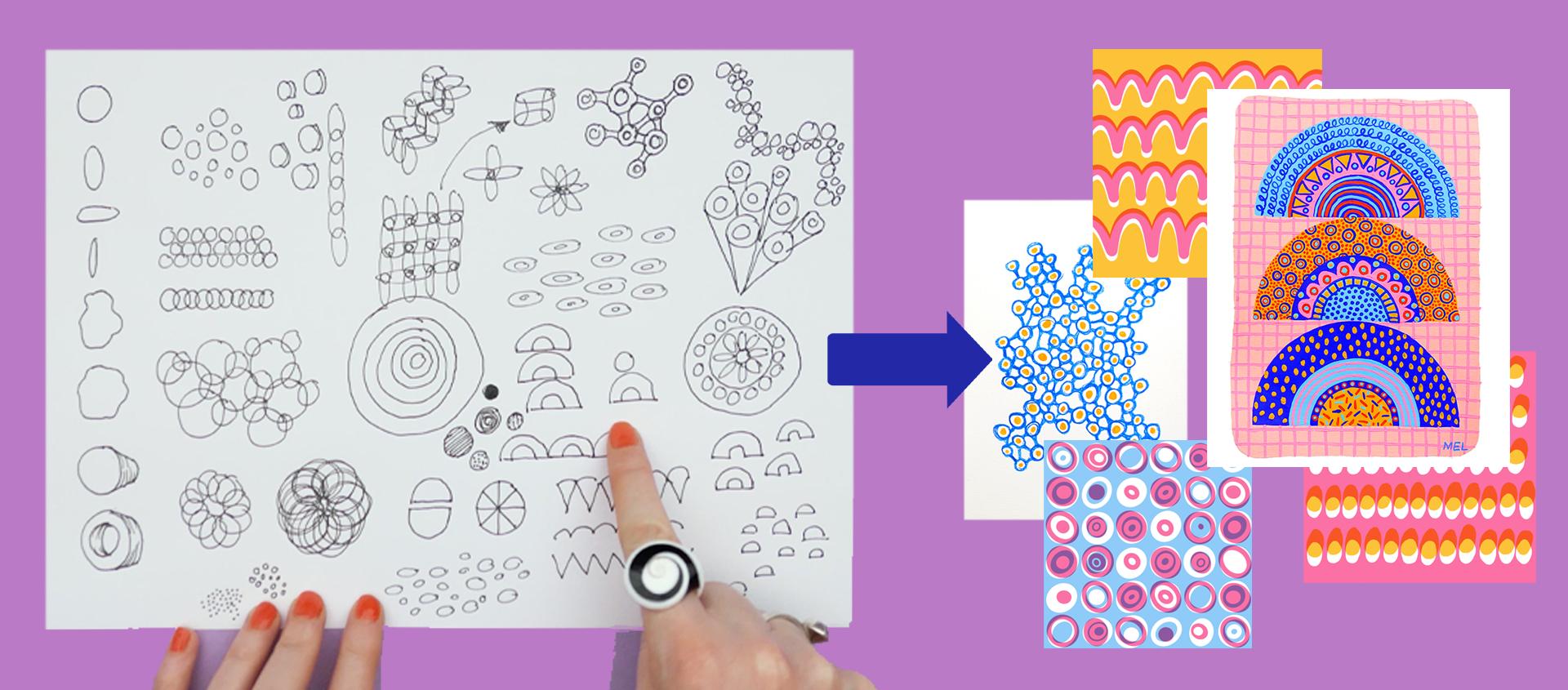
In One Shape, Many Ways, you’ll learn how to take one simple shape and transform it into a page full of playful possibilities - ideas that can grow into future artworks.

BEFORE WE DIVE IN...

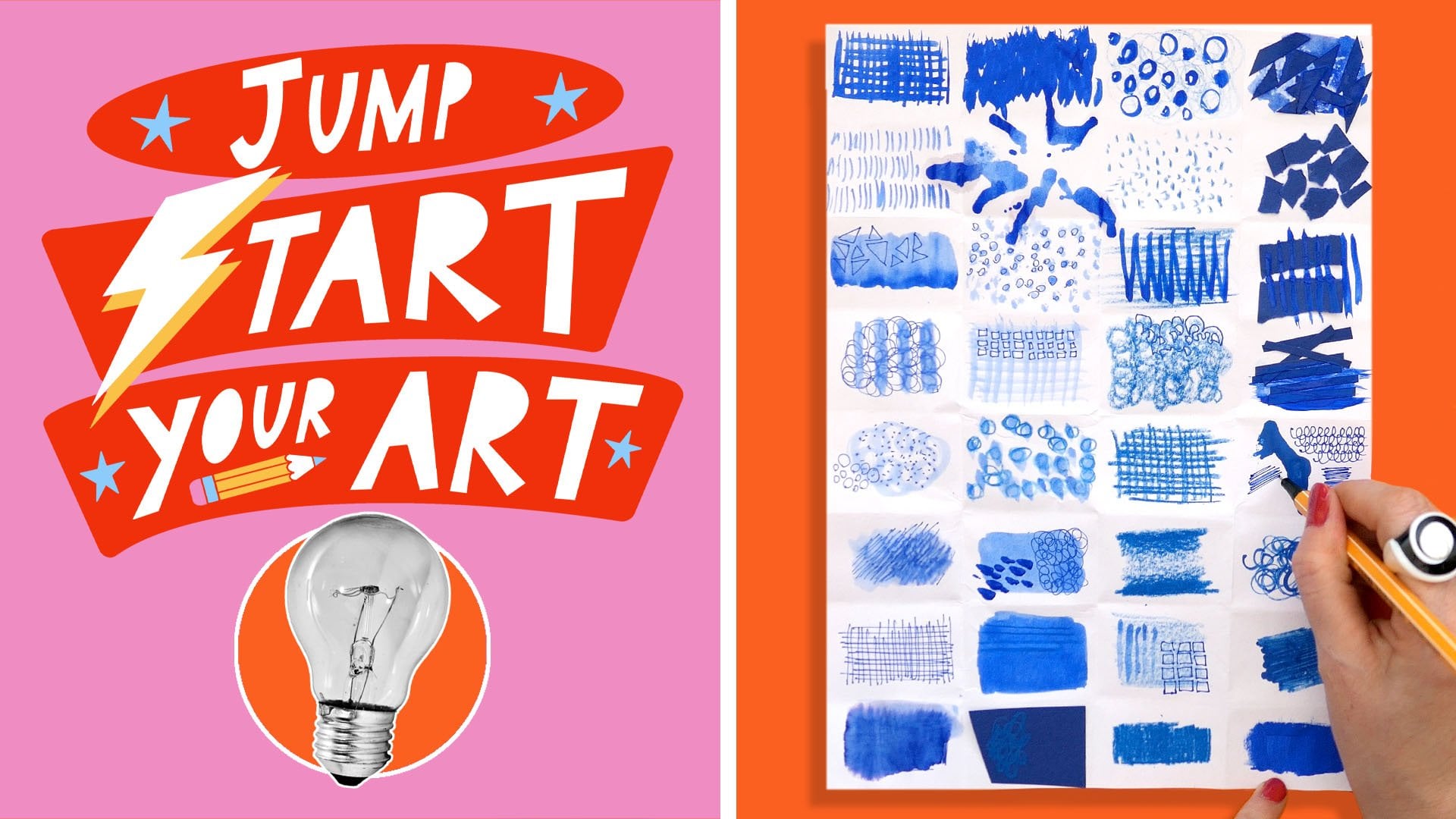
You can also download my free guide Jump Start Your Art: 25 Fun Exercises to Get Unstuck and Start Making Art.

It’s a collection of short creative exercises just like this one designed to help you move past creative block and get ideas flowing again.

You can download your free copy > HERE <
WHAT YOU'LL LEARN

In this short, practical class you’ll discover how to:

• Generate lots of creative ideas from one simple shape

• Break through the fear of the blank page

• Use playful experimentation to spark inspiration

• Turn small explorations into starting points for future artwork

• Let ideas evolve naturally without overthinking

This exercise is quick, flexible, and surprisingly powerful. It's ideal as a warm-up, sketchbook prompt, or idea generator when creativity feels stuck.
WHO THIS CLASS IS FOR

This class is perfect for:

• Beginners who want an easy place to start drawing

• Artists who feel creatively blocked or stuck

• Anyone looking for sketchbook ideas or warm-up exercises

• Creatives who want a playful way to spark inspiration

No special materials are required - just something to draw with and a few minutes of your time.
READY TO GO DEEPER?

If you’re craving clarity, confidence, and joy in your art, you might also be interested in my signature course: Nurture.

Nurture is an 8-week journey designed to help you:

• uncover your unique creative voice

• clear the blocks that keep you stuck

• build a creative practice that feels nourishing and sustainable

You can join the waitlist > HERE <

Meet Your Teacher

Teacher Profile Image

Mel Rye

✎ Artist + Educator

Top Teacher
Level: All Levels

Class Ratings

Expectations Met?
    Exceeded!
  • 0%
  • Yes
  • 0%
  • Somewhat
  • 0%
  • Not really
  • 0%

Why Join Skillshare?

Take award-winning Skillshare Original Classes

Each class has short lessons, hands-on projects

Your membership supports Skillshare teachers

Learn From Anywhere

Take classes on the go with the Skillshare app. Stream or download to watch on the plane, the subway, or wherever you learn best.

Transcripts

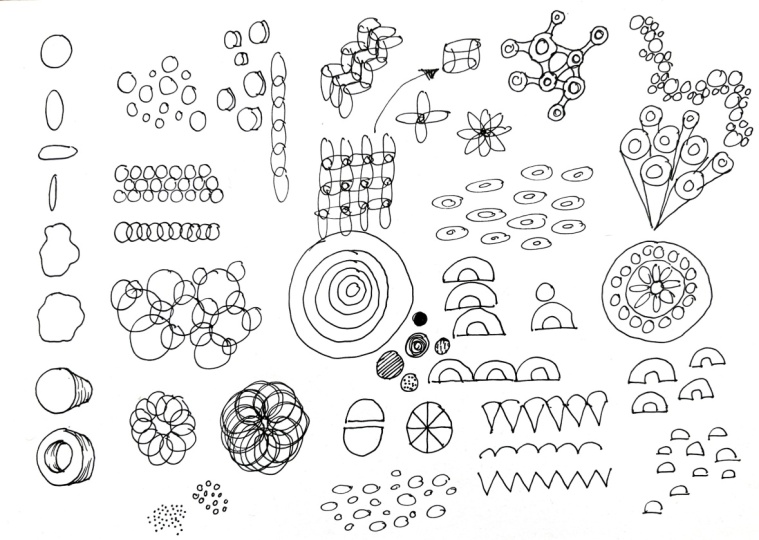
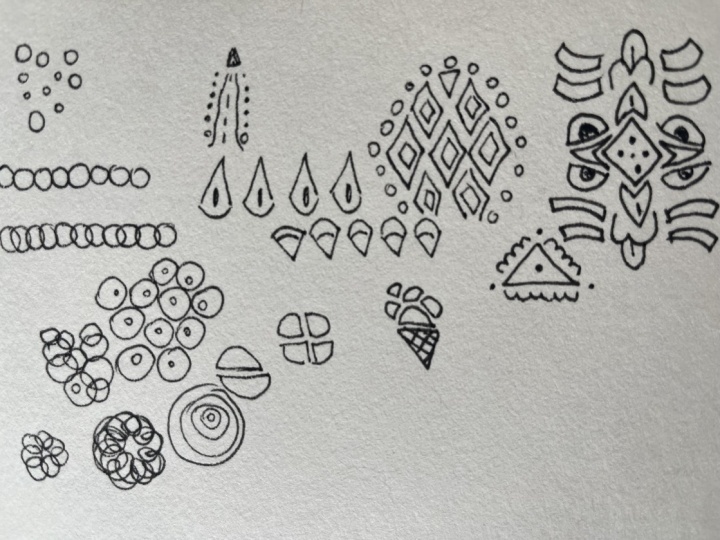
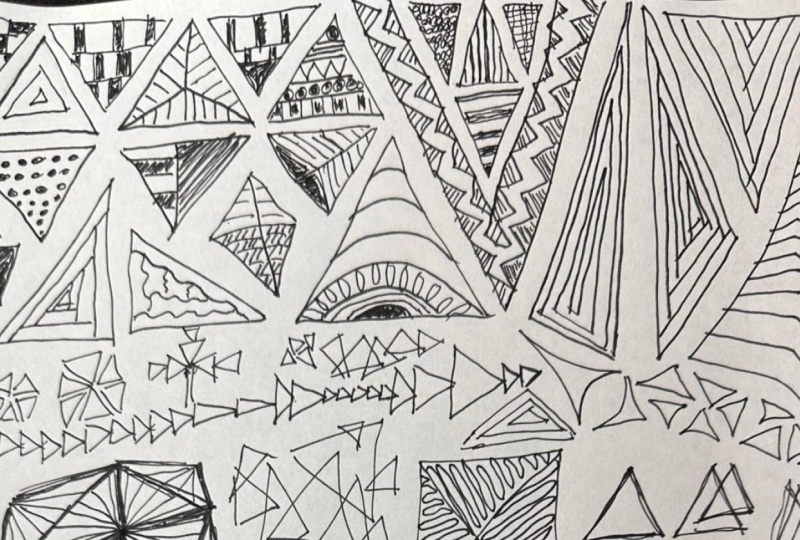
1. Welcome!: If you've been feeling creatively stuck, unsure where to begin or like you've lost your spark, You're in the right place. This video is part of my Jump Start Your Art series, a collection of short, playful exercises designed to help you get unstuck and take that first step again. You can download the full list of 25 exercises in the free guide linked below. Ready for whenever you need a creative reset. These exercises are about creating something small, fun, and doable, getting your hands moving and building momentum from there. Each exercise takes under 10 minutes, removes pressure and acts as a bridge to something more. Every exercise comes with ideas to take it further, so you can experiment and shape the exercises in a way that feels uniquely yours. Most creative stuck moments fall into one of five common categories. In this video, we'll tackle an exercise for when you're unsure how to begin. This is perfect if blank pages, overthinking, or not knowing how to begin are slowing you down. The goal is simple. Get your hands moving in a low pressure way. Think of it as a creative warm up, easing you into art making. Once you start, ideas often begin to flow naturally. We're going to explore exercise I call one shape many ways. All you need is something to draw with and something to draw on. So grab your materials and let's jump in. 2. One Shape, Many Ways: So here's what I want you to do. I want you to choose a single simple shape, so that could be a circle, a square, a triangle, a diamond. You could go with something like a heart or a leaf shape. And I just want you to start by drawing your shape on your paper. So you can think of this exercise just like visual brainstorming, and we are just doodling, so there's no pressure, no need to make things look pretty. Think of it as playful problem solving. So a tip, if it helps you, you could use a timer. So I find that this can be really helpful. If you just find there's a bit of resistance to getting started, it can just give you that kind of extra momentum to keep going. So I'm using a circle. Now, let's see what happens if I slightly change the shape so I can kind of squeeze it a bit, make it more oval. I could make it really thin. I could make it kind of slightly irregular and uneven, slightly jagged, for example. I could make it feel three dimensional. Thinking about giving it some form, perhaps. Now, let's see what happens when I combine more than one circle. I could start really simply just by maybe putting a group of circles together. Maybe they're slightly different sizes and slightly irregular. I could make that more uniform, so I could make the circles more similar. I could begin to overlap them. That could be really interesting. So the shapes kind of go over the top of each other. I could overlap them more randomly. So I could take this idea and possibly just overlap it. Don't worry about whether your shape looks kind of even or correct. You know, My circles are quite wonky, but remember, we're just doodling. They're just ideas at this stage. We just want to get our hands moving to maybe come up with something more interesting that we could develop later. Now, what happens if I try repeating around in a circle that could be interesting? Connect my circles together. That's quite nice. Now, I could see if I can kind of create a spirograph version of that. That could be really nice. If I sort of worked this up more accurately, that would be a nice way of developing that kind of idea. Now, what about if I take some of those more irregular circles and do some things with them? So they're more kind of ovals. Okay. Now I could think about also what happens if I create a concentric version, so shape inside another shape, for example. I could spread them out a bit more. Now, I want to think about also what might happen if I cut my circle, so I could cut it into two halves. Could think about cutting it into slices like a cake, as well. And then with those slices, what could I do with them if I perhaps arranged them like this, that could be interesting. And then I could isolate certain shapes from that that might be interesting. I could take these semicircles and turn them into something. Again, I could repeat that shape. Maybe I could stack some on top of each other. I could let's go back to something more random. Just kind of really brainstorming as many different ways that I can approach this simple shape as possible. Now, thinking about these, I quite like these ovals that I was working with. I would like to maybe think about a simplified form of those. So perhaps there's something like that. I could expand that out, and then it starts to become slightly more geometric and flower like. I quite like this sort of as a simple version of this idea, as well, which is quite nice. Now, what happens if I take some of my shapes and start connecting them? That could be quite interesting. Because they're circles, these kind of feel a bit like molecules or something. It adds some extra circles into the middle. Kind of like the idea of what happens if I create a kind of a path with my shape. Let's just take it for a walk. Almost like footprints made of circles. So keep working with your shape in as many different ways as you can think of. I'm going to just put on the screen a big list of prompts which you may wish to use. You could pause the video and just use those as prompts. If you find yourself running out of ideas, just create as many different things as you can. 3. Ideas To Develop Further: Okay, so I did use my timer, and these are all the different experiments that I've come up with in that 10 minutes that I gave myself. So one of the reasons why exercises like this can jump start your art is that as you're doodling, something often appears on the page that's worth exploring further. And this is so much more interesting than, you know, following something that someone tells you to do or following a tutorial because you can make this your own. So for example, I'm going to pinpoint a few things on my doodle sheet that I could take further that I think would be really interesting. So I really liked these specific doodles. So I really liked this idea of going into a concentric circle, and I really liked these overlapping circles as well. And I feel as though those would be really good opportunities to actually work those up into potentially more refined and finished pieces that could fill a page and I could add more into those. So another option would be to introduce color. So I could either just add color to the sheet of doodles that I have here just to play around with or I could take a doodle. For example, this one, I could lift that idea and then rework it on its own and really experiment with adding color into that idea. You could also experiment with remaking some of these doodles in different media. For example, I love collage, so that could be a really great option. For example, I can see this sort of collection of shapes here, I think would be really interesting to remake those in a different medium. Another example of how this could work really beautifully translating it into a different medium is you could potentially take one of your doodles and digitally transform it into something like a repeat pattern, for example, or it could become the beginning of a painting. There's so many different ways that you could take something really simple that you have on the sheet in front of you and transform it into something much more resolved that feels more interesting to you. So you can apply the principle of this exercise to different disciplines. So for example, if you're a writer, you could take one word and play with it in a similar way. If you're a sculptor, you could try taking one object and see how you could transform it. So take a look at what you have on your page and try and really tune into what parts you found interesting. Is there something more that could be explored? So follow that thread and see where it takes you. 4. Final Thoughts: Take a breath and notice what just happened, even if it felt small or messy or you're not sure if you even like it yet. You made something, and we need to take a moment to celebrate that. Remember, these exercises are not about creating finished pieces. They're about creating movement. If this sparks something like a texture you enjoyed, a color combination you're curious about, or a mark you want to explore further, follow that thread. It's there that you'll find the beginnings of the art that really lights you up. If you'd like the full collection of all 25 jump start your art exercises, don't forget you can grab those in the free guide linked below. And if you are realizing that you want more than quick ideas, if you want structure, support, and a joyful, sustainable art practice that's unmistakably yours, that's exactly what I work with you to create inside Nurture my signature program. To find out more about Nurture, tap the link below. Until then, keep going, keep playing, and I'll see you next time. Bye for now.